Eagle pose (Garudasana)
Balancing on one bent leg, you wrap the other thigh over it and hook the foot behind the calf, then cross your arms at the elbows, bring the palms together and lift the elbows. The bent standing leg holds you while the wraps stretch the outer hip and the back of the shoulders. The arm wrap is a version of the cross-body shoulder stretch, which in a small trial gained about 20 degrees of shoulder rotation in 4 weeks.
Movement guide
Eagle pose (Garudasana)
Make it easier or harder
Choose a version that fits your control and comfort.
Easier option
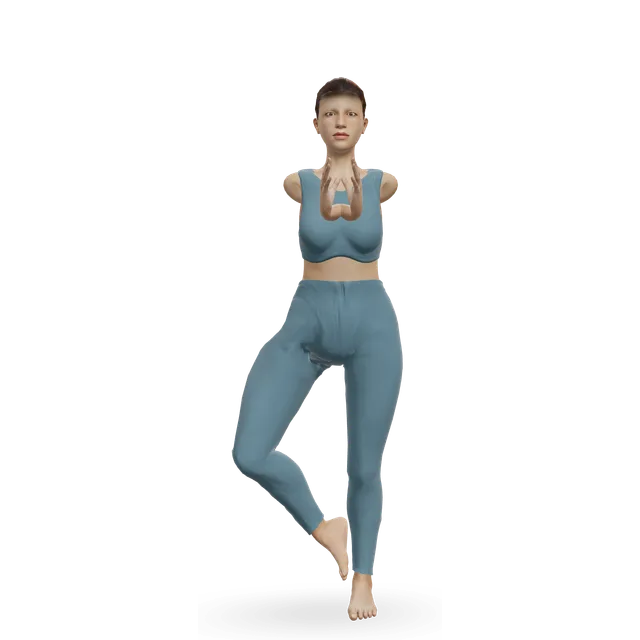 3D demoTree pose (Vrksasana)Beginner · No equipment
Suggested next step, beginner grade.
Harder option
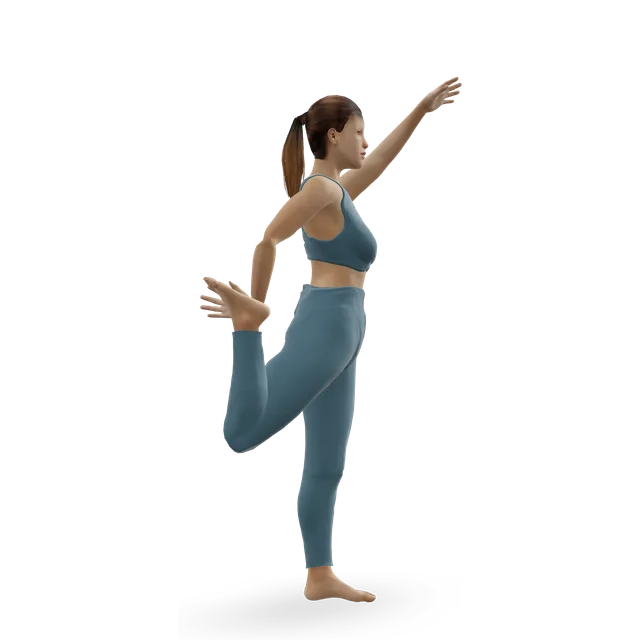 3D demoDancer pose (Natarajasana)Advanced · No equipment
Similar move, advanced grade.
Source-researched guide.
How to move
- Stand with your feet together, bend both knees and sit your hips back a little, as in chair pose.
- Shift your weight onto your left foot, cross your right thigh over your left and hook your right foot behind your left calf. If it doesn't reach, rest the right toes on the floor or a block.
- Reach your arms forward, cross your left elbow over your right, bend the elbows and bring your palms, or the backs of your hands, together.
- Lift your elbows to shoulder height, reach your hands away from your face and sit a little lower. Hold, breathing steadily.
- Unwind your arms and legs, stand tall and change sides.
Form cues
- Squeeze your thighs together to steady the balance.
- Cross the arm opposite the top leg on top: Yoga International says it is the easier way to balance.
- Avoid: twisting the standing knee; it keeps pointing straight ahead.
Practice and cautions
Hold 3 to 5 slow breaths each side, 2 or 3 times, near a wall at first (our editorial starting point).
Skip the leg wrap with knee pain, or after knee or hip replacement without clearance. The arm wrap can pinch an irritated rotator cuff. This is movement education, not an assessment or treatment prescription. Stop for sharp or increasing pain, dizziness, numbness or tingling; seek individual guidance for symptoms, injury or restrictions.
Sources and review status
Sources support the educational description; they do not establish that this exercise is suitable for you.
- Yoga Journal · Eagle pose (how-to: knees bent, thigh over thigh, elbows crossed and lifted; the toes on the floor or a block to steady it) ↗
- Yoga International · Eagle pose, step by step (crossing the arm opposite the top leg on top is the easier way to balance) ↗
- McClure 2007 · A cross-body shoulder stretch held 30 seconds, 5 times a day, gained about 20 degrees of shoulder rotation in 4 weeks (trial of 54 adults, JOSPT; the stretch the eagle arm wrap resembles) ↗
No variation is labeled clinically validated.
What it works
Muscles
Main: Quads, Shoulders. Also: Glutes, Hip abductors, Back.
Anatomy: Sartorius, Quadriceps, Rectus femoris, Vastus medialis, Vastus lateralis, Deltoid.
Equipment
None: body weight and floor space.
Level
Intermediate. See the easier and harder options above.
Guides that use it
Similar moves
 King dancer pose (full Natarajasana, both hands overhead)Expert · No equipment
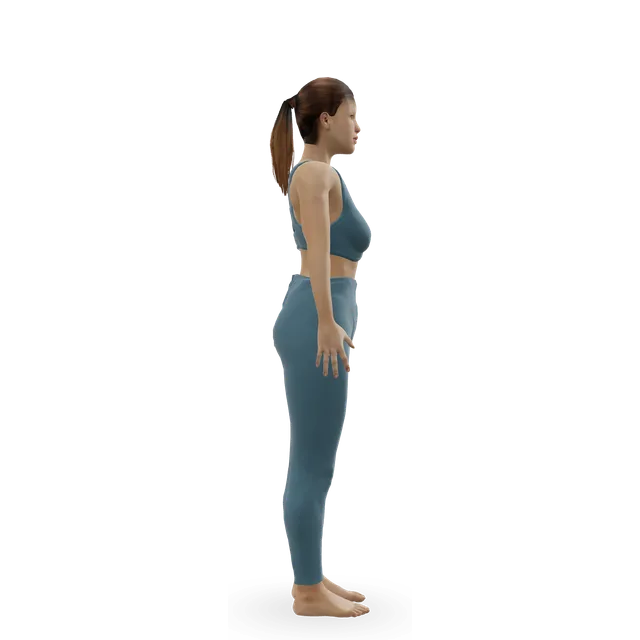 3D demoSun salutation B (Surya Namaskar B)Intermediate · No equipment
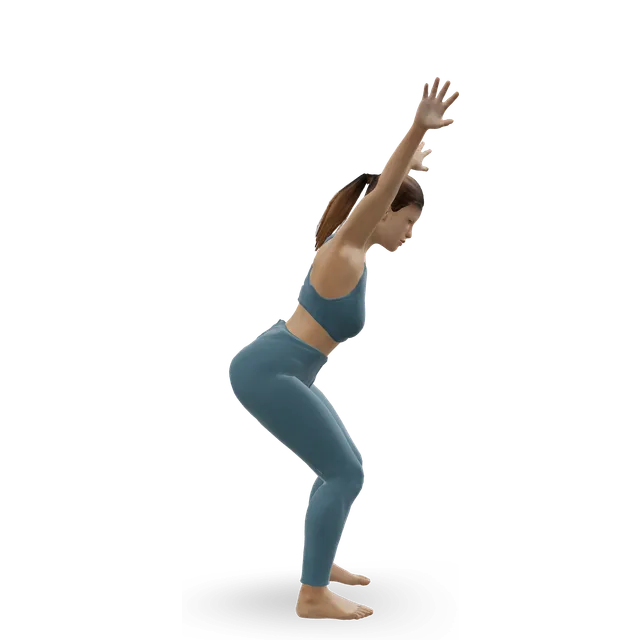 3D demoChair pose (Utkatasana)Beginner · No equipment
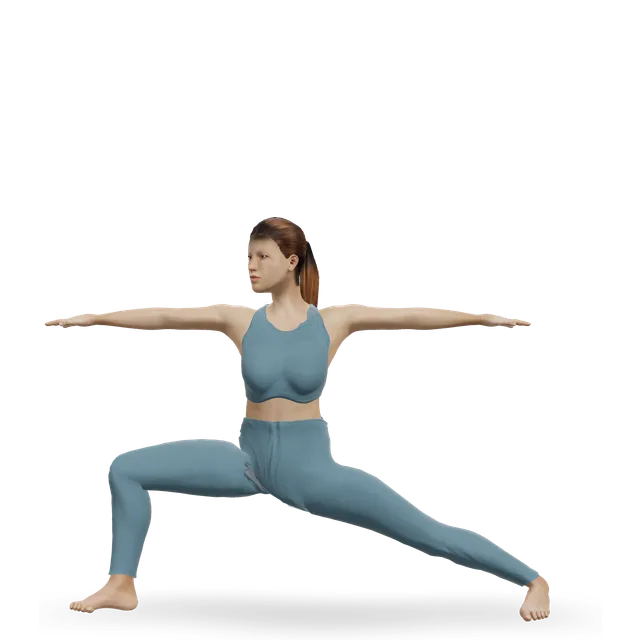 3D demoExtended side angle (Utthita Parsvakonasana)Intermediate · No equipment
 3D demoGet up and down from the floorBeginner · No equipment
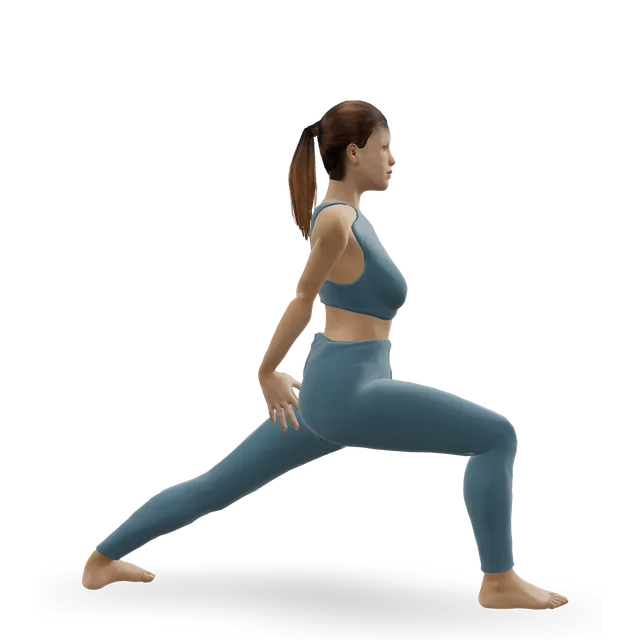 3D demoHumble warrior (Baddha Virabhadrasana)Intermediate · No equipment
Browse more
Questions people ask
What muscles does the Eagle pose (Garudasana) work?
Mainly the quads and shoulders, with help from the glutes, hip abductors and back.
What equipment do I need for the Eagle pose (Garudasana)?
No equipment: your body weight and a little floor space.
Is the Eagle pose (Garudasana) good for beginners?
It is graded intermediate. If it is too hard right now, start with the Tree pose (Vrksasana).
What is an easier alternative to the Eagle pose (Garudasana)?
Try the Tree pose (Vrksasana). It is the suggested step down from this move.
How do I make the Eagle pose (Garudasana) harder?
Progress to the Dancer pose (Natarajasana) or the Revolved side angle (Parivrtta Parsvakonasana). Follow that guide’s technique and any stated timing.