Warning signs: when to get help
These are the site's lines from our quad strain, yoga for knee pain and other guides, word for word. This is general information, not a diagnosis. A&E means accident and emergency; in the US, call 911 for 999, and use your doctor's urgent line or urgent care for NHS 111.
A broken bone or a crushed, tight thigh: call 999
- Call 999 or go to A&E: you heard a crack when you were injured, the thigh has changed shape or the leg points at an odd angle, the leg is numb or tingling, or the skin has changed colour or is cold to touch. You may have broken a bone. Don't drive yourself.
- Call 999 or go to A&E: sudden, severe pain in a thigh muscle, which may be worse when you stretch it (for example bending the knee), with swelling, numbness, weakness or pins and needles, or tightness or difficulty moving the leg. This can be acute compartment syndrome, which needs surgery as soon as possible. In the thigh it usually follows a heavy knock, a crush or a broken bone. Do not drive yourself to A&E.
Source 43
Leg pain with breathlessness, or numbness around the genitals: call 999
- Leg pain or swelling with breathlessness or chest pain: call 999 or go to A&E, and do not drive yourself. It can be a blood clot that has reached the lungs.
- Call 999 or go to A&E: back or leg symptoms with numbness around the genitals or bottom, new trouble controlling your bladder or bowels, or severe or worsening weakness or numbness in both legs.
Source 44
A pop above the kneecap: the same day
Same day: a pop just above the kneecap, then you can't straighten your knee or lift the straight leg, or there's a dent above the kneecap. This can be a quadriceps tendon tear, which almost always needs surgery and does better if it's repaired soon. Our torn kneecap tendons guide covers that injury.
A very painful or swollen thigh: the same day
Same day (NHS 111): the thigh is very painful or the pain is getting worse, there's a lot of swelling or bruising or it's getting worse, you can't put any weight on the leg or walk more than a few steps, it feels very stiff, or you have a very high temperature or feel hot, cold or shivery.
Source 43
A hot, locked, swollen or injured knee
- Get advice from NHS 111 now: a hot, red or swollen knee with sudden severe pain, a very high temperature, or feeling hot, cold or shivery. This can be a joint infection.
- Get advice from NHS 111 now: you cannot move the knee or put any weight on it, or it is very painful, badly swollen or has changed shape.
- You hurt your knee and cannot take 4 steps, or you are 55 or over and have injured it: get it checked the same day for a broken bone.
- Get advice from NHS 111 now: the knee locks, gives way or clicks painfully. Painless clicking is normal.
- Get advice from NHS 111 now: after a twist, your knee won't go fully straight, or something blocks the last part of straightening, even if you can still walk on it. A torn piece of meniscus caught in the joint can do this, and it needs checking promptly.
Source 44
One swollen, throbbing leg: the same day
Same day (urgent GP appointment or NHS 111): throbbing pain in one leg (rarely both), usually the calf or thigh; swelling in one leg (rarely both); red, blue or darkened skin; or swollen veins; or sudden worse pain and swelling around a lump at the back of the knee (a possible clot or a burst Baker's cyst).
Source 44
See a GP or physiotherapist
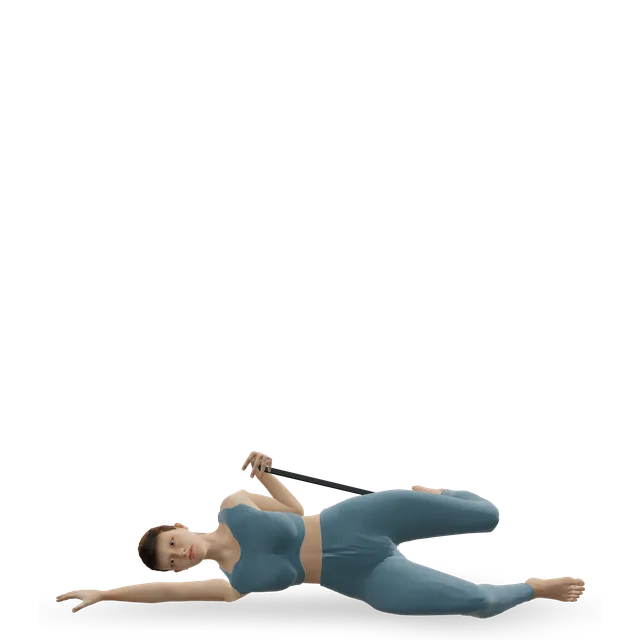
- Knee pain that has not improved within a few weeks of looking after it at home. Many areas offer NHS physiotherapy without a GP referral.
- Numbness, tingling or weakness that travels down the leg from the back. That points to a nerve (sciatica) rather than the knee.
- Not feeling better after 2 weeks of looking after it yourself, or getting worse: see a GP or physiotherapist.
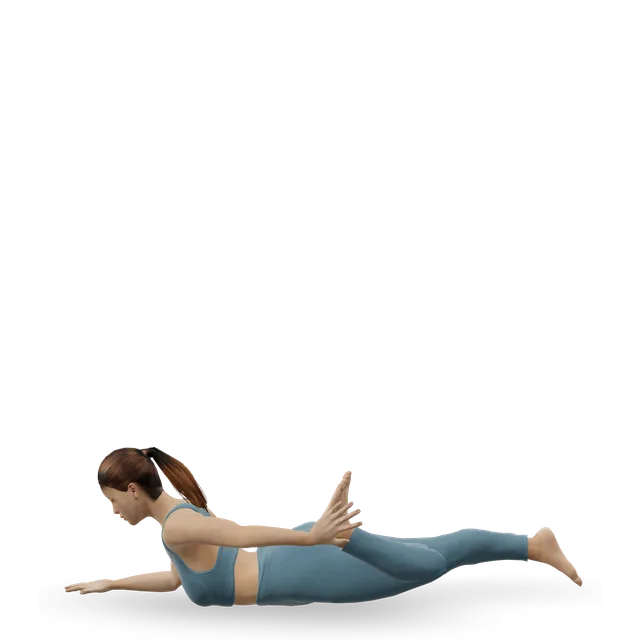
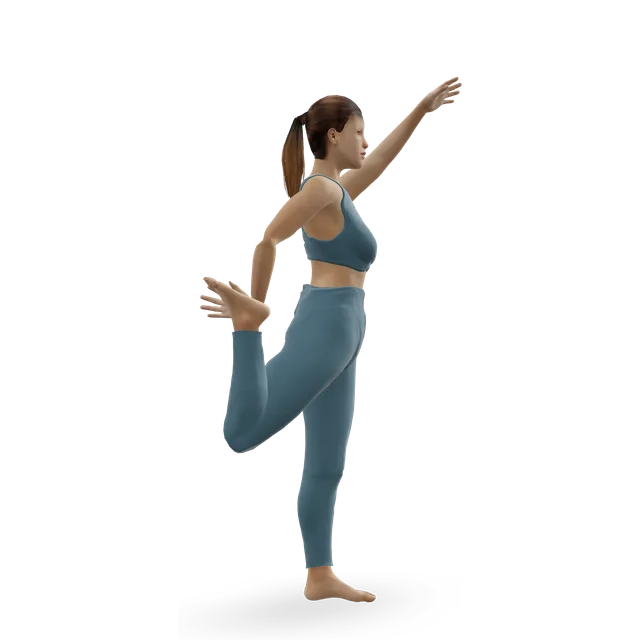
- A second strain in the same place: ask a physiotherapist to review your rehab.
- A hard, painful lump in the thigh that stays or grows weeks after a knock: bone can form in a bruised muscle (myositis ossificans).
- Front-of-thigh pain with tingling or numbness, or with back pain: it may come from a nerve rather than the muscle.
Source 44
Chest pain or fainting while exercising: call 999
Call 999 if:
- You get sudden pain or discomfort in your chest that doesn't go away; it can feel like squeezing or pressure, burning or indigestion.
- The pain spreads to your left or right arm, or your neck, jaw, stomach or back.
- You have chest pain and feel sweaty, sick, light-headed or short of breath.
- Someone faints while exercising, can't be woken within 1 minute, or has chest pain or a pounding, fluttering or irregular heartbeat.
Sources 45, 46
Unusual breathlessness
Call 999 or go to A&E (accident and emergency) straight away for severe difficulty breathing (gasping, choking or not able to get words out), a chest that feels tight or heavy, pain that spreads to your arms, back, neck and jaw, lips or skin turning very pale, blue or grey, or sudden confusion. If you're more short of breath than usual, or your heart is racing, fluttering or skipping beats, contact NHS 111.
Source 47
Stop and get medical help
If you get chest pain or pressure, feel faint or dizzy, are unusually breathless, or your heart races or beats irregularly during exercise, as our plans advise.
The knee during practice
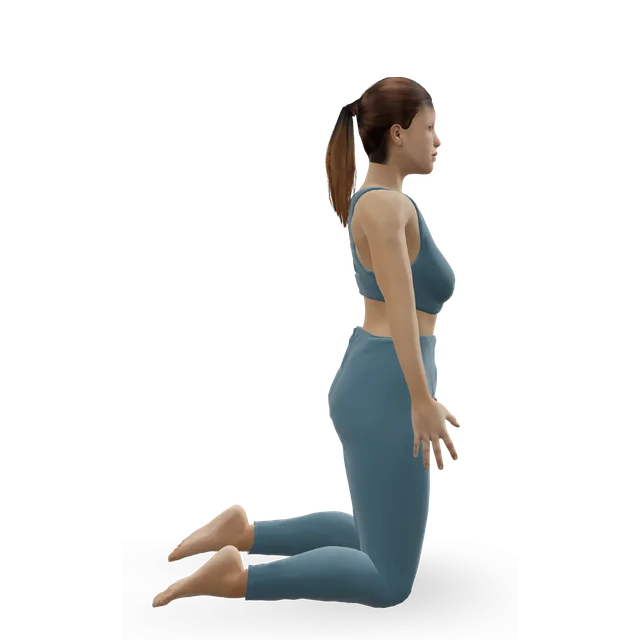
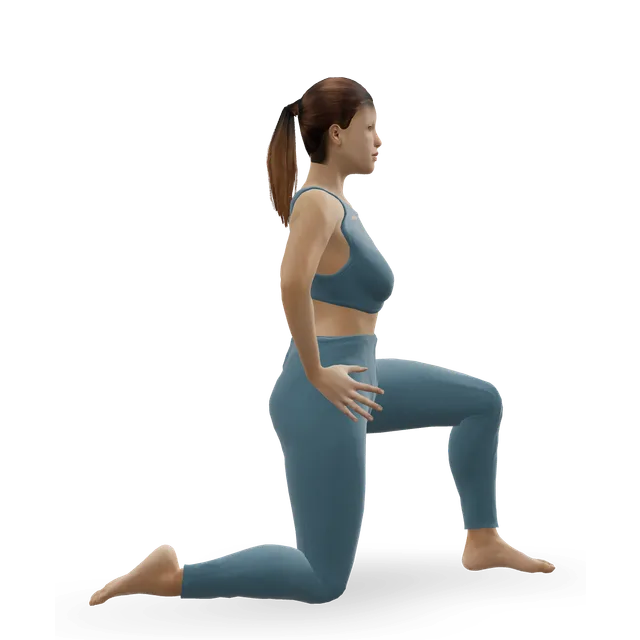
Sharp, catching or giving-way pain, or new swelling, is a reason to stop and get it checked. Come out of a pose at once if your foot or lower leg goes numb or tingles in a kneeling or cross-legged pose, or if you feel a sharp pain inside the knee when twisting or rising from a deep bend (our suggestion, from case reports and injury studies).
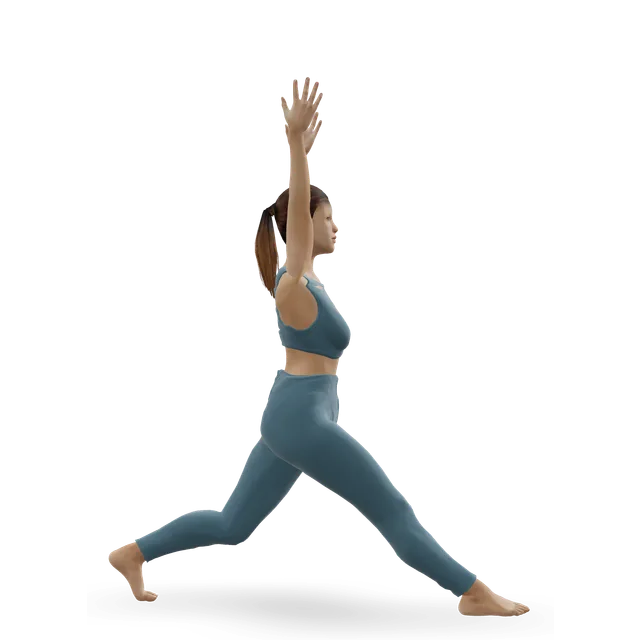
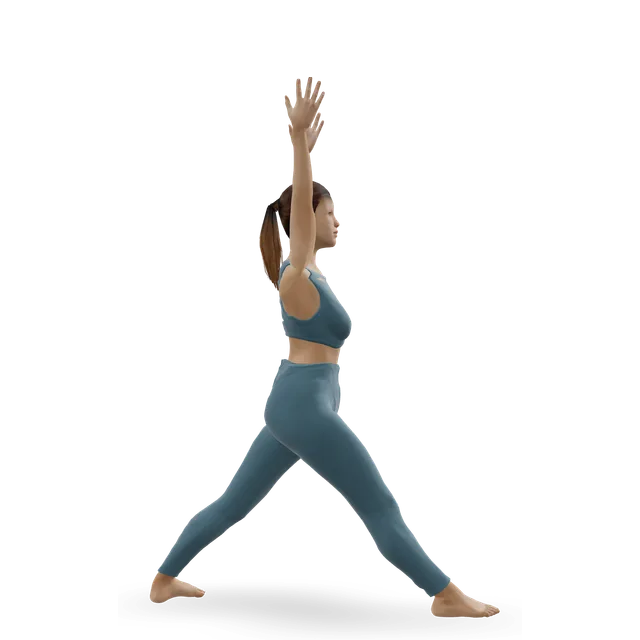
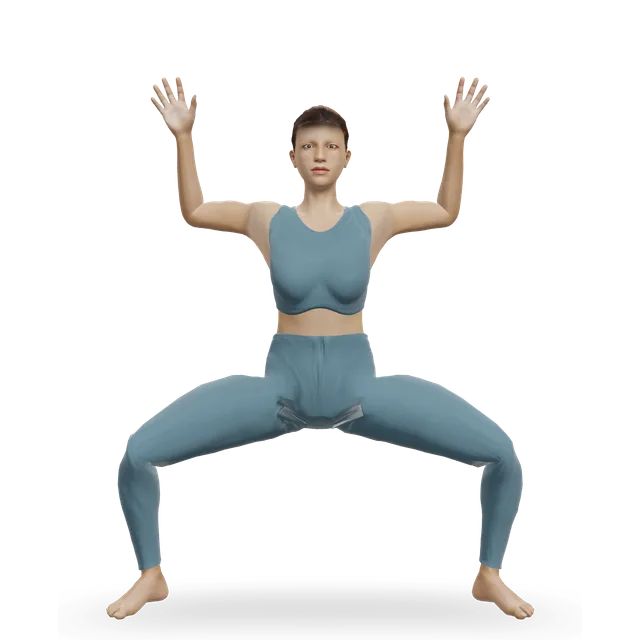
Short stances, knees in line with your second toe, shallow bends at first, never a foot pressed into the side of the knee, and leave out hero pose, lotus and deep squats while a knee is sore (our editorial suggestions). Our yoga for knee pain guide has more.
Breathe out through every effort, especially with high blood pressure, heart disease, glaucoma or diabetic eye disease, a hernia, or in pregnancy (our guide to getting stronger). With glaucoma or uncontrolled high blood pressure, skip headstands, shoulder stands and other full inversions, and keep other head-down poses brief or supported.
Sources 48, 49
During yoga
A joint pain that is sharp, gets worse during a session, lingers into the next day or changes how you move is a reason to use an easier version, and to see a GP or physiotherapist if it keeps happening (the rule in our plans). Muscle soreness for a day or two after something new is normal. In a hot class, stop if you feel dizzy, sick or unwell; our hot yoga guide lists the signs of heat illness.
You can say no to any hands-on adjustment, and a teacher registered with Yoga Alliance must get your explicit consent each time.
Sources 19, 50
Head-down poses, bones and pregnancy
With glaucoma, or high blood pressure that isn't under control, skip headstands, shoulder stands and long head-down holds. With osteoporosis, swap deep forward folds for a flat-back hinge from the hips, and twist smoothly. In pregnancy, our yoga in pregnancy guide covers the changes. NCCIH advises beginners to avoid headstands, shoulder stands, the lotus position and forceful breathing.
Sources 51, 19
Before you start
The NHS advises getting advice from a healthcare professional first if you have a health problem, an injury or symptoms, or have recently had a heart attack or an operation.
If you have a heart, lung or joint condition, are pregnant or have recently been unwell, start gently and read our guide for your condition. Muscle soreness for a day or two after a new exercise is common and fades as you repeat it.
If you have a heart condition, follow your cardiac team's advice on how hard to work, and stop for the warning signs above. People with long-term conditions may wish to ask their specialist before starting. With uncontrolled high blood pressure, avoid straining against a held breath; the high blood pressure guide has more.