Yoga flows
Tendon-friendly yoga for jumper's knee: a 25-minute class with the loading plan's holds built in, shallow knee bends, no kneeling and no jumping
A 25-minute yoga class for patellar tendinopathy (jumper's knee) that builds in the first stage of our jumper's knee guide's loading plan: a wall sit hold, glute bridges and calf raises, with that guide's doses. Around them are standing poses with shallow knee bends, balance on one leg, lying hip work and a rest, with no kneeling, no deep knee bends and no jumping. Do the hold block every day and the whole class 2 or 3 times a week, keeping tendon pain at 3 out of 10 or less. No trial has tested yoga for patellar tendinopathy, so the structure is our editorial choice.
Settle (about 1 minute)
- Beginner · 3D demoSitting. In for about 4, out for about 6, no holdsEasier: Breath reachHarder: Crocodile breathing (prone diaphragmatic breathing)

Load the tendon: the plan's first stage (about 10 minutes)
- Wall sit5 holds of 30 to 45 sBeginner · Quads, Glutes · 3D demoKnees bent about 60 degrees, hard but OK, tendon pain 3 out of 10 or less; rest 1 to 2 minutes between holds and breathe throughout. Or a Spanish squat with a heavy bandEasier: Straight-leg raiseHarder: Spanish squat (band squat hold)
- Glute bridge3 sets of 12Beginner · Glutes, Hamstrings, Abs · 3D demoFeet hip-width apart; knees in line with your feetEasier: Pelvic tilt into bridgeHarder: Single-leg glute bridge
- Slow calf raise3 sets of 12Beginner · Calves · 3D demoHands on a counterEasier: Seated bent-knee calf raise (soleus raise)Harder: Standing dumbbell calf raise



Standing, shallow bends (about 6 minutes)
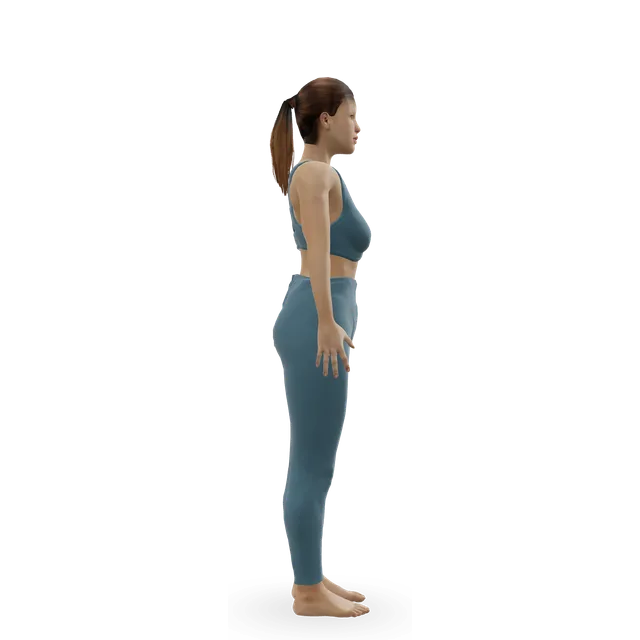
- Mountain pose (Tadasana)5 slow breathsBeginner · Calves, Back, Abs · 3D demoWeight even through both feet; knees soft, not lockedHarder: Tree pose (Vrksasana)
- Chair pose (Utkatasana)2 holds of 3 to 5 breathsBeginner · Quads, Glutes, Shoulders · 3D demoA shallow bend, hands on your thighsHarder: Revolved chair pose (Parivrtta Utkatasana)
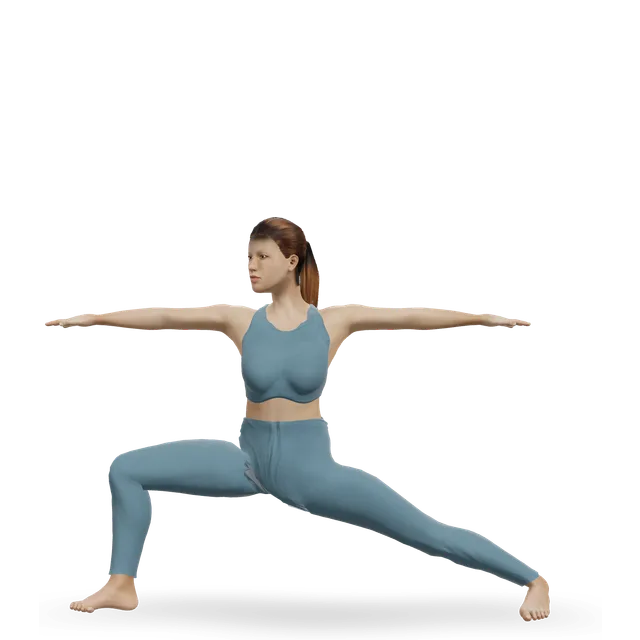
- Warrior II (Virabhadrasana II)3 breaths each sideIntermediate · Quads, Glutes, Adductors · 3D demoShort stance; front knee over your ankle and bent less than a right angleEasier: Chair pose (Utkatasana)Harder: Extended side angle (Utthita Parsvakonasana)
- Tree pose (Vrksasana)2 holds of 20 to 30 s each sideBeginner · Glutes, Hip abductors, Calves · 3D demoFingertips on a wall, the lifted foot at your ankleEasier: Mountain pose (Tadasana)Harder: Standing hand-to-big-toe pose (Utthita Hasta Padangusthasana)
- Hip airplane5 slow turns each legAdvanced · Glutes, Hip abductors, Abs · 3D demoHold a counter; keep the standing knee only slightly bentEasier: Single-leg standHarder: Single-leg Romanian deadlift




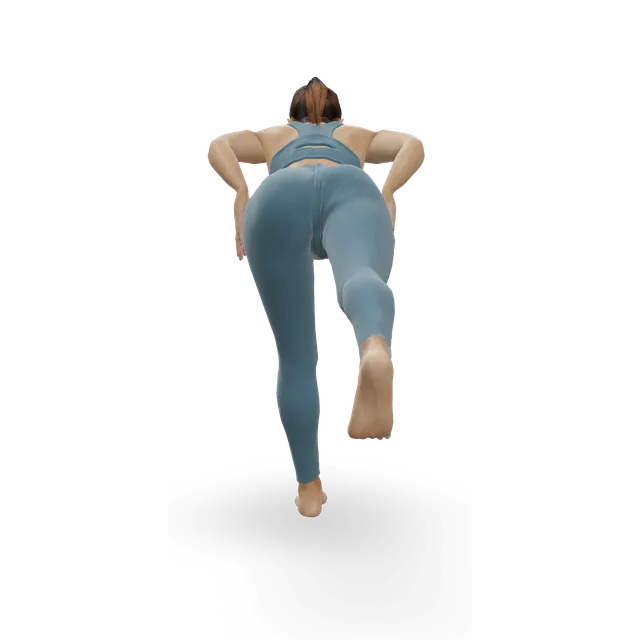
Lying (about 5 minutes)
- Side-lying leg raise8 each sideBeginner · Hip abductors, Glutes · 3D demoHeel leading, leg slightly behind your body lineEasier: Lateral band walkHarder: Lateral band walk, band at the feet
- Clamshell10 each sideBeginner · Hip abductors, Glutes · 3D demoLift the top knee only as far as your pelvis stays stillEasier: Supine isometric hip abduction (belt press)Harder: Lateral band walk
- Locust pose (Salabhasana)3 holds of 3 breathsBeginner · Back, Glutes, Hamstrings · 3D demoFace down with a folded blanket under your hips, or your thighs if your kneecaps press; lift one leg at a timeEasier: Seated upper-back lift (sit tall, shoulders back)Harder: One-legged bow (half locust)
- Supine hamstring stretch with a strap2 holds of 30 s each legBeginner · Hamstrings, Calves · 3D demoStrap around your foot; other knee bentEasier: Leg-up hamstring stretchHarder: Contract-relax hamstring stretch (PNF)




Rest (about 3 minutes)

Tips
- The largest patellar tendon trial kept exercise pain at 3 out of 10 or less, a lower ceiling than for joint pain. Keep the rest of your activity within the same limit, and expect the tendon to settle back to its usual level by the next morning.
- The progress test from that trial: do one single-leg squat and rate the tendon pain. Move to the next stage when it is 3 or less and you have done at least a week at the current stage.
- Do the hold block every day and the whole class 2 or 3 times a week (our suggestion). Kneeling, deep knee bends, jump-backs and hops wait for the plan's later stages: our yoga for patellar tendinopathy guide brings them back.
- Wall sits raise blood pressure while you hold them, so breathe normally and never hold your breath, as our tendon strengthening workout says, and ask your GP first if your blood pressure is 160/100 or higher and untreated, or if you have heart disease.
- A sudden pop at the front of the knee, after which you cannot straighten the knee or lift the straight leg, needs help the same day: see the warning signs on our yoga for patellar tendinopathy guide.
The doses are suggested starting points, not a prescription. Choose a range you can control and stop for sharp or increasing pain, numbness or tingling. Get individual advice after an injury or surgery, or if you are pregnant or managing a health condition.
Guides that recommend it
Find more moves like these
More yoga flows

Beginner yoga flow
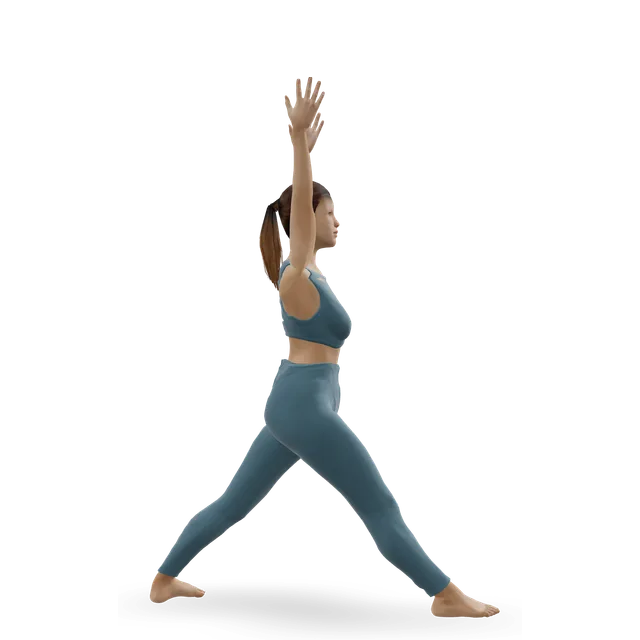
A 20-minute beginner yoga sequence: mountain, chair, warrior II, triangle, tree, down dog, cobra and child's pose.
20 minBeginner11 movesStep
Sun salutation flow
A 20-minute flow built on sun salutations A and B, with warrior poses and a short cool-down.
20 minIntermediate8 movesNo equipment



Yoga for tight hips
A hip-opening yoga sequence: low lunge, lizard, goddess, pigeon, bound angle and happy baby.
25 minBeginner10 movesWallQuestions people ask
How long does the tendon-friendly yoga for jumper's knee: a 25-minute class with the loading plan's holds built in, shallow knee bends, no kneeling and no jumping take?
About 25 minutes, including any warm-up and cool-down listed. Shorten it by doing fewer rounds; lengthen it by adding one.
What equipment do I need?
You need: A wall. Each move links to its guide, where you can find an alternative if you are missing something.
Is it suitable for beginners?
It is written for beginners. 11 of its 14 moves have an easier option listed beside them if you need one.
How do I make it easier or harder?
Use the easier or harder option listed under each move, change the number of rounds, or adjust the rest. Progress one change at a time.