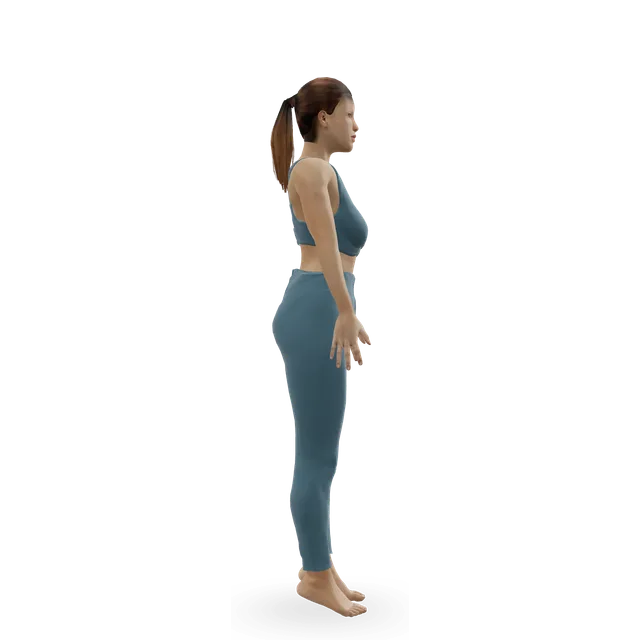
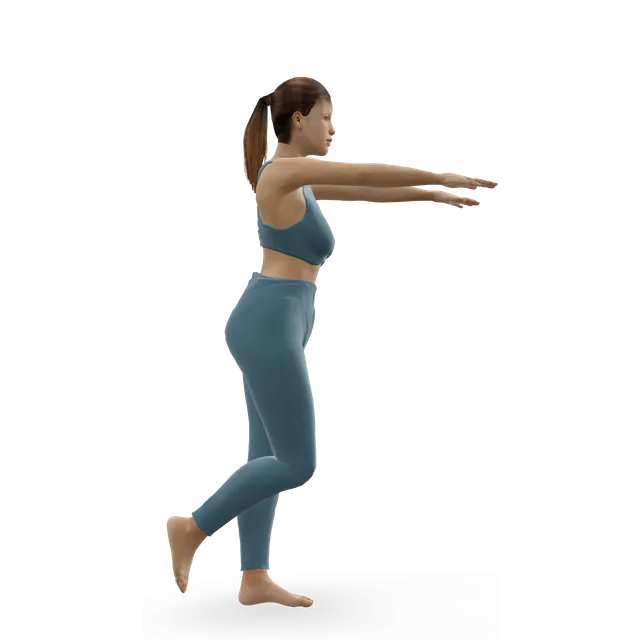
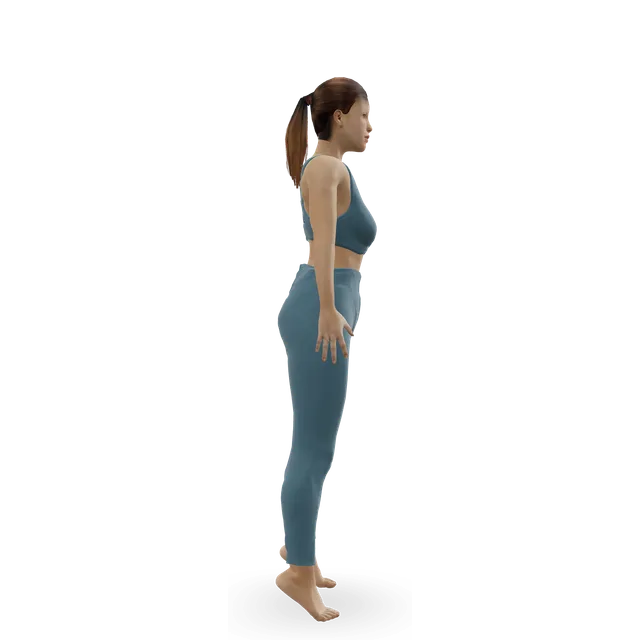
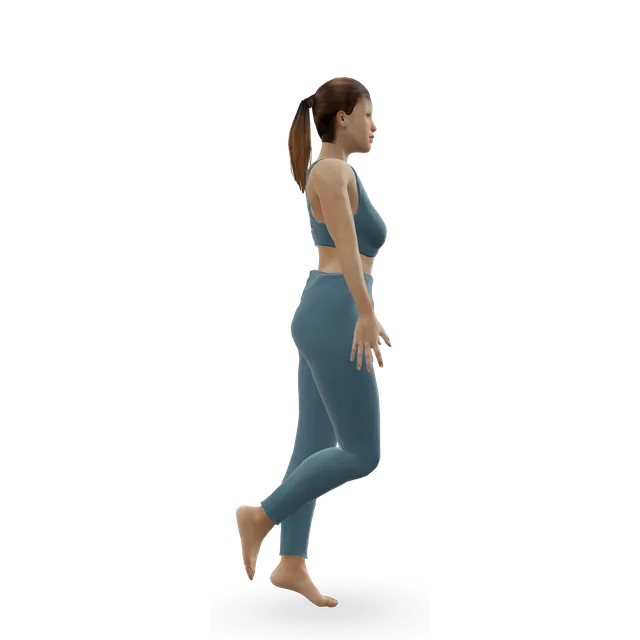
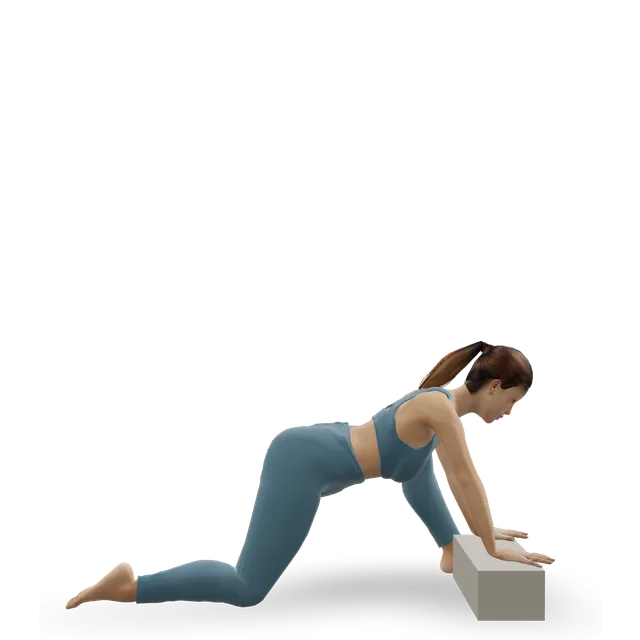
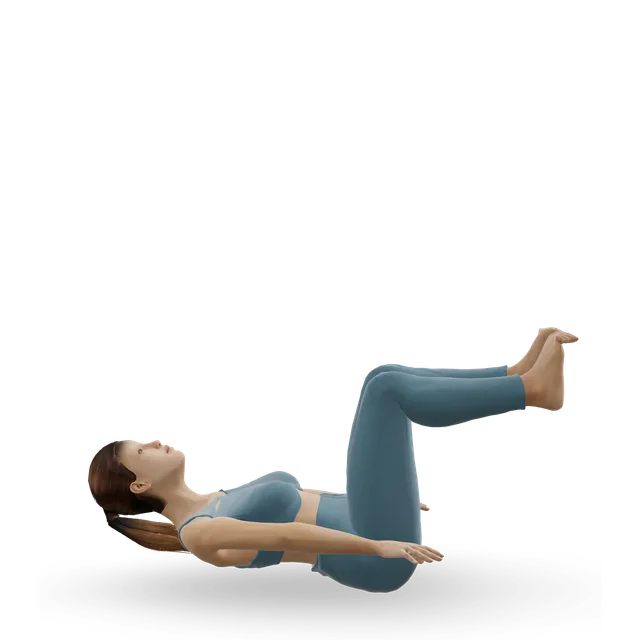
Ankle pain after football (soccer): sprains, footballer's ankle, the Achilles, Sever's and help

A sore ankle after football is common, and most football ankle injuries are minor and settle within days to a couple of weeks. Tackles, landings, an opponent's foot and a busy week of matches all ask a lot of the ankle. Most often it's a sprain on the outer side or tired, overloaded ankles; a pinch at the front when you kick can be footballer's ankle, the cord above the heel is the Achilles, and in a growing player heel pain is usually Sever's disease. A past sprain is the biggest risk for another, and balance training and a brace or tape are the best-tested ways to stop it.

This guide starts with the signs that need a 999 call or accident and emergency (A&E), such as an ankle that looks deformed after a tackle, and those that need the National Health Service's 111 line (NHS 111) or a general practitioner (GP) the same day, such as an ankle you can't take four steps on or a snap at the back of the heel. It then maps the causes by where it hurts, gives FIFA's 11+ warm-up and the football and sports medicine bodies' advice in their own words, covers braces, tape, boots and pitches with the trial numbers, and gives a four-stage plan with a 3D demo of every move, back to training and matches.

When to get help first

Exercise is for pain that has been checked or is clearly mild and settling.

Get urgent medical help if

  • Call 999 or go to A&E: after an injury, you heard a crack, the foot or ankle has changed shape or points at an odd angle, a bone is sticking out, there is a bad cut over it, you're in severe pain, or the toes look blue or white, feel numb or are cold to touch. These can mean a broken bone. Don't drive yourself.
  • Same day (NHS 111 or an urgent treatment centre): after an injury, you can't put weight on it or walk more than a few steps, the pain is very bad or getting worse, there is a lot of swelling or bruising or it is getting worse, it feels very stiff, or it's not feeling any better after treating it yourself. Get the same help if you also have a very high temperature, or feel hot, cold or shivery: this could be an infection. If you think it's broken, don't treat it yourself.
  • Same day (NHS 111): after an injury, the ankle is very painful or the pain is getting worse, there's a lot of swelling or bruising or it's getting worse, it hurts to put weight on it, it feels very stiff or is hard to move, you feel faint, dizzy or sick from the pain, or you heard a snap, grinding or popping noise when it happened. If you think it's broken, don't treat it yourself.
  • Same day: after a twist or a fall, if you can't take four steps, or pressing on the back edge or the tip of the bony bump on either side of the ankle hurts, get it checked. Clinicians use these points, the Ottawa ankle rules, to decide who needs an X-ray, and you can have a break and still walk.
  • Same day: after a twist or a fall, if you can't walk four steps, if pressing on the bony bump on the inner side of the midfoot (the navicular) or the bump halfway along the outer edge of the foot (the base of the fifth metatarsal) hurts, if the foot looks out of shape, or if you're unsure, get it checked. Clinicians use these points, the Ottawa rules, to decide who needs an X-ray.
  • Same day: after the foot was forced outwards, pain above the ankle between the shin bones, or pain anywhere up the outer side of the leg to just below the knee, especially if you can't hop or walk normally. A high ankle sprain can be unstable, and the outer leg bone can break high up (a Maisonneuve fracture), so the whole lower leg needs examining and an X-ray.
  • Same day: after an injury, a pop or snap behind the outer ankle bone with swelling, or a tendon you can see or feel slipping over the bone. The tendons may have come out of their groove (dislocated), which is often mistaken for a sprain; experts advise a specialist review.
  • Same day: a sudden snap or pop at the back of the heel or calf, or a feeling of being kicked there, then walking flat-footed and being unable to push off, stand on tiptoe or climb stairs. It could be an Achilles tendon rupture or a broken heel bone. Go to A&E or a minor injuries unit, or contact NHS 111.
  • Same day: a sudden snap, or a feeling of being hit in the back of the lower leg, then walking flat-footed and being unable to push off or stand on tiptoe. This can be an Achilles tendon rupture.
  • After a jump, landing or fall: contact NHS 111 if there was a snap, grinding or popping noise, the heel pain is severe, or your child can't walk on tiptoe or climb stairs. A child who can't put any weight on the leg, or whose foot has changed shape after an injury, needs 999 or A&E (above).
  • Pain, swelling, redness and warmth over a bone, or a very high temperature with feeling generally unwell: ask for an urgent GP appointment or contact NHS 111. It could be a bone infection. Take your child to a GP if they don't want to use a leg and seem irritable: young children don't always get a high temperature with a bone infection.
  • Same day: a sudden, very painful, hot, swollen, red joint, often the big toe but sometimes the middle of the foot (the midfoot) or the ankle, especially with a high temperature, feeling shivery or being unable to eat. It may be gout, but it could be a joint infection (septic arthritis), which is urgent.
  • Same day (urgent GP appointment or NHS 111): sudden, severe pain in one joint, with swelling, a change in skin colour or difficulty moving it, especially if you feel unwell, hot, cold or shivery or have a high temperature (although not everyone has one). It could be an infection in the joint, gout or calcium crystals (pseudogout), and only a sample of fluid from the joint can tell them apart.
  • Same day (urgent GP appointment or NHS 111): throbbing pain in one leg (rarely both), usually the calf or thigh; swelling in one leg (rarely both); red, blue or darkened skin around the painful area, which may be harder to see on brown or black skin; or swollen veins. It could be a blood clot (DVT). Watch for it after an ankle injury or time in a cast or boot.
  • Call 999 or go to A&E if breathing suddenly becomes difficult, if pain in your chest or upper back comes on suddenly with breathlessness or a very fast heartbeat, or if someone passes out. Do not drive yourself. It can be a blood clot that has reached the lungs.
  • Same day: in a cast or boot, pain that is getting worse, toes that are numb or burning, a cast that feels too tight, toes that are swollen, blue or white, or a bad smell from under the cast.
  • Call 999 if someone faints while exercising, or has chest pain that doesn't go away, spreads to the arms, neck, jaw, stomach or back, or comes with sweating, feeling sick, light-headedness or breathlessness.

See a doctor or physiotherapist if

  • Pain that isn't better after 2 weeks of looking after it yourself, is getting worse, keeps coming back, or stops you doing normal things.
  • An ankle that keeps giving way months after a sprain.
  • Pain or swelling still there 6 to 12 weeks after a sprain, or deep pain inside the joint with catching or locking: see your GP. A damaged patch of cartilage and bone on the talus (an osteochondral lesion) is one cause, X-rays often miss it, and it has its own guide.
  • Pain, clicking, locking or swelling that carries on despite a good rehab programme. Cartilage, tendon and other problems are common alongside an unstable ankle and need assessing.
  • Still painful, swollen or unstable 6 to 8 weeks after the injury, or pain at the front of the ankle when you squat or push off: ask for a review. A missed instability, scarring, a pinch at the front of the ankle or a cartilage injury can cause lasting symptoms, and an MRI (magnetic resonance imaging) scan may be needed.
  • Pain on the outer side of the foot or ankle that hasn't settled 6 weeks after a sprain, or a sprain that keeps hurting in one spot: ask for a review. A small fracture or a tendon injury can be missed at first (our suggestion).
  • Pain on the inner side of the ankle that hasn't settled 6 to 8 weeks after a sprain: ask for a review. Inner ligament, cartilage and tendon injuries can come with an ordinary sprain, and a scan may help by then.
  • Pain at the front of the ankle that keeps coming back when you squat, lunge, climb or kick: see a GP or physiotherapist. In many areas you can refer yourself to NHS physiotherapy.
  • Not better after about 3 months of good rehab, or it keeps you from training, dancing or playing: ask about seeing a sports medicine doctor or a foot and ankle specialist about an injection or keyhole surgery.
  • Pain at the back of the ankle that keeps coming back with pointing, kicking or landing: see a GP or physiotherapist. In many areas you can refer yourself to NHS physiotherapy.
  • Not better after about 3 months of good rehab, or it keeps a dancer off pointe or a player out of games: ask about seeing a sports medicine doctor or a foot and ankle specialist about an injection or surgery.
  • One spot on a foot bone that hurts with every step and later at night: a possible stress fracture.
  • Pain that is getting worse week on week despite cutting back, or is stopping your normal activities.
  • A suspected rupture that was never examined, or a weak push-off weeks after what seemed to be a sprain or calf strain: ask for an assessment. A rupture found late may need different treatment.
  • Heel pain that keeps coming back with sport: see a GP or physiotherapist once, to confirm it's Sever's disease. It's usually diagnosed from the story and a heel squeeze, without an X-ray.
  • Leg pain in the morning, pain bad enough to stop your child walking, a rash, swelling or unusual bruising, a high temperature, unusual tiredness, or not eating or losing weight: see a GP. A limp during and after sport fits Sever's disease; a limp that carries on away from sport, or pain in one joint such as the knee or ankle, needs checking.
  • No improvement after 6 weeks of the advice on this page, or pain that is stopping your child enjoying sport.
  • A child's heel or foot pain that isn't clearly linked to activity, or that comes with swelling or redness. With a high temperature, or if your child seems unwell, get help the same day: an urgent GP appointment or NHS 111.
  • Tingling or loss of feeling in the foot, or a foot that feels weak.
  • Bone pain that is constant or worse at night, especially with a lump, unexplained weight loss, fever or tiredness, or a past history of cancer.
  • A second sprain of the same ankle in a season, or an ankle that still feels unsteady when you cut or land after 6 weeks: see a physiotherapist about a balance programme and a brace before the next game (our suggestion, built on the ankle hub's instability line, the International Ankle Consortium's advice to check every sprain for lasting problems, and the trials of balance training and bracing after a sprain).

Where does it hurt?

Location narrows the likely causes; it does not diagnose.

Both ankles and calves achy after a match, a tournament or the first sessions of a season, easing as you move

Tired, overloaded ankles and calves, the commonest cause. A lighter day or two usually settles it.

Read: Ankle pain →

The outer ankle after it rolled in a tackle, a landing or on an opponent's foot, with swelling and bruising

An outer (lateral) ankle sprain, about half of ankle injuries in elite football. Check the bony bumps first, as the warning signs say.

Read: Sprained ankle →

An outer ankle that keeps going over, or feels loose, months after a sprain

Chronic ankle instability, common after repeat sprains. Balance work and a brace help.

Read: Chronic ankle instability →

Above the ankle between the shin bones after the foot was planted and turned out in a tackle, worse turning the foot out or hopping

A high ankle sprain. Uncommon, and slower to recover; it needs checking the same day.

Read: High ankle sprain →

A pinch at the front of the ankle when kicking, landing or squatting, often after old sprains

Footballer's ankle (anterior ankle impingement). Uncommon; stay short of the pinch, as the pain rule says.

Read: Anterior ankle impingement →

Deep at the back of the ankle when the foot points hard, as in kicking with the laces

Posterior ankle impingement. Uncommon; it usually settles without surgery.

Read: Posterior ankle impingement →

Behind the outer ankle bone, with clicking or a tendon you can feel slipping

The peroneal tendons. Uncommon; a slipping tendon needs checking the same day.

Read: Peroneal tendinopathy →

The inner side of the ankle after a sprain that doesn't settle

The inner ligament, cartilage or a tendon. Ask for a review if it hasn't settled by 6 to 8 weeks.

Read: Inner ankle pain →

The cord above the heel, stiff in the morning, sore after sprinting

Achilles tendinopathy, a small share of football injuries. Calf loading helps.

Read: Achilles tendinopathy →

A snap or a feeling of being kicked at the back of the heel, then a flat-footed walk

A possible Achilles rupture. Rare: get help the same day.

Read: Achilles rupture →

The heel of a growing player of about 8 to 14, worse with running and jumping, sore to squeeze

Sever's disease, common in active children. It settles with time.

Read: Sever's disease →

A deep ache inside the ankle, swelling after play or catching, 6 weeks or more after a sprain

Possibly a damaged patch of cartilage and bone on the talus. Uncommon; it needs a scan.

Read: Talus cartilage lesion →
Show all 17 areasShow fewer areas

Understand it

Common, and mostly minorStrong evidence

Across 44 studies of professional men, the ankle ran at about 1.1 injuries per 1,000 hours of play, behind the thigh and knee, and "Minor injuries (1-3 days of time loss) were the most common". In 43 studies of players aged 19 and under, "ankle sprains were the most frequent joint and ligament injuries diagnosed in youth football players, independent of the sex of the players", and in women's football "Slight/minimal injuries (1-3 days of time loss) were the most common".

In 456 Dutch amateur men over a season, "The most commonly injured body parts (n=408) were ankle (19.1%), posterior upper leg (15.9%), knee (15.7%), anterior upper leg (10.5%) and groin (10.5%)"; in the same players, "After regaining the ability to fully take part in soccer training or matches, 27.4% of the players (n = 116) still reported complaints", a reason to come back by stages. Elite figures come from professionals, who play more and harder than most; grassroots data are thinner.

Sources 1, 2, 3, 4, 5

Sprains: tackles, landings and the opponent's footEmerging evidence

In 27 elite European clubs over 11 seasons, "A total of 1080 ankle injuries were recorded (13% of all injuries) with lateral ligament ankle sprain being the most common injury subtype (51% of all ankle injuries)", at about 1 per 1,000 hours, and the sprain rate fell slightly each season. A tackle judged a foul by the referee was involved in 40% of match ankle sprains.

On video, "Two mechanisms thought to be specific to football were found": a blow to the inside of the leg just before the foot lands, so the player lands on a rolled ankle, and "forced plantar flexion where the injured player hit the opponent's foot when attempting to shoot or clear the ball". The NHS lists "Not warming up before exercising, tired muscles and playing sport" among common causes of sprains.

Sources 6, 7, 8

High ankle sprains: uncommon, and slowerEmerging evidence

A high ankle sprain injures the ligaments that hold the two shin bones together just above the ankle. In 3,677 elite men, "The isolated syndesmotic injury incidence was 0.05 injuries per 1000 hours of exposure (95% CI 0.04 to 0.06) or one injury per team every three seasons", 7% of ankle ligament injuries, mostly from contact, and "the mean (±SD) absence following an isolated syndesmotic injury was 39 (±28) days" (CI is the confidence interval, SD the standard deviation). That is slower than most ordinary sprains, though the study didn't compare the two directly. The rare unstable ones need surgery: in 110 professional players, "The first official match was played on average 103±28 days postoperatively".

Sources 9, 10

Footballer's ankle at the front, and the back of the ankleEmerging evidence

The name goes back to the 1950s: "AAIS was first recognized by Morris, who named it “athlete’s ankle” in 1943, and later described as the “footballer’s ankle” by McMurray in 1950 [15, 16, 18]" (AAIS is anterior ankle impingement syndrome). In 15 elite players' kicks, the ball struck the front of the inner ankle in 76% of kicks, and the authors conclude that "spur formation in anterior ankle impingement syndrome is related to recurrent ball impact, which can be regarded as repetitive microtrauma to the anteromedial aspect of the ankle", a lab study without patients.

In 6,754 professional men, "ankle impingement was the cause of time loss in less than 0.5% of all injuries". Impingement at the back of the ankle (pain on pointing the foot hard, as in kicking with the laces) was commoner, but front impingement kept players out longer (a median of 10 days against 6) and came back more often.

Sources 11, 12

The Achilles: mostly tendon pain, and ruptures are rareEmerging evidence

In elite men, "A total of 203 (2.5% of all injuries) Achilles tendon disorders were registered", almost all tendon pain rather than tears, and "Recurrence is common after Achilles tendinopathies and the reinjury risk is higher after short recovery periods". These figures come from one study, which carries a published correction we couldn't read, so only its summary is used here.

Ruptures are rare: in Italy's top division, "The overall incidence rate was 0.007 injuries per 1000 hours of play (0.051 during matches and 0.003during training; P < 0.0001)". The American Academy of Orthopaedic Surgeons (AAOS) notes that in football "Achilles tendon tears can also happen when an athlete steps on the heel bone of another athlete", and NHS inform lists "a sudden or gradual change in load" among the causes of Achilles tendon pain.

Sources 13, 14, 15, 16

Growing heels: Sever's diseaseEmerging evidence

Sever's disease is a strain of the growth area at the back of the heel in active children of about 8 to 14. In a 10-year review of a German youth academy, "The incidence of calcaneal apophysitis per 100 athletes per year was found to be 0.36", at an average age of 11.8, and players were back after about 61 days on average, with a wide spread. In Dutch general practice, "With an incidence of 3.7 in 1,000 registered patients, it is a common pathologic entity", and at a Japanese junior tournament the heel was the commonest site of findings in players examined for pain.

Much of what is written about it rests on weak evidence: "Respectable opinion and poorly conducted retrospective case series make up the majority of evidence on this condition".

Sources 17, 18, 19, 20

After a sprain: the repeat sprain and a loose ankleStrong evidence

"The recurrence rates of LASs are high, leading to a large percentage of patients with LAS developing chronic ankle instability" (LAS is lateral ankle sprain). In high school soccer and basketball, "Athletes with a history of an ankle sprain had a 2-fold increased risk of sustaining a sprain (risk ratio, 2.14)". The AAOS: "Without proper treatment and rehabilitation, a chronic or untreated severe sprain can weaken your ankle, making it more likely that you will injure it again".

Sources 21, 22, 23

When a scan or test mattersEmerging evidence

Most ankle injuries are diagnosed by examination. The Ottawa ankle and foot rules in the warning signs decide who needs an X-ray for a broken bone, and the AAOS says a doctor may "order imaging tests, such as X-rays and magnetic resonance imaging (MRI) scans, to rule out a fracture or other injury to the nearby tendons and cartilage". The Dutch guideline advises examining the ankle again a few days after the injury to judge the ligament damage. An MRI scan matters for pain or swelling inside the joint that hasn't settled by 6 weeks or more, and X-rays show the bony spurs of footballer's ankle. A high ankle sprain needs the whole lower leg examined and X-rayed, and Sever's disease is usually diagnosed from the story and a heel squeeze, as the warning signs say.

Sources 23, 24

What usually happensEmerging evidence

The NHS: "After 2 weeks, most sprains and strains will feel better", "Avoid strenuous exercise such as running for up to 8 weeks, as there's a risk of further damage", and "Severe sprains and strains can take months to get back to normal". NHS inform: "In many cases, new pain or a flare-up of long-standing ankle problems should begin to settle within 6 weeks without the need to see a healthcare professional". In elite men, a high ankle sprain cost about 5 to 6 weeks on average; a broken ankle "usually takes 6 to 8 weeks to heal, but it can take longer"; footballer's ankle cost a median of 10 days in professionals; and Sever's disease improved whichever treatment was chosen.

The risk is the repeat sprain: in people after a first sprain, "An inability to complete jumping and landing tasks within 2 weeks of a first-time LAS and poorer dynamic postural control and lower self-reported function 6 months after a first-time LAS were predictive of eventual CAI outcome" (CAI is chronic ankle instability), which is why the plan ends with hops, landings and balance. No one can promise a date.

Sources 8, 25, 9, 26, 11, 27, 28

When it isn't football: the causes the warning signs cover

Some ankle pain needs more than a plan, and the warning signs follow the pages behind them. A deformed ankle, a crack or an ankle you can't walk on follows the NHS broken ankle page, and the bony points that decide who needs an X-ray follow the study that refined the Ottawa ankle rules. Pain high up the outer leg after a twist follows studies of a high break of the outer leg bone (a Maisonneuve fracture); a slipping tendon behind the outer ankle bone follows an international consensus and a review of the peroneal tendons; lasting pain after a sprain follows a clinical practice guideline for ankle sprains; and a snap at the back of the heel follows a Cambridge hospital's Achilles rupture leaflet. A hot, swollen joint follows the NHS gout and septic arthritis pages, a swollen calf or sudden breathlessness the NHS blood clot and pulmonary embolism pages, a stress fracture Health New Zealand's page, and night bone pain the NHS bone cancer page.

A growing player's heel follows a Cambridge hospital leaflet, the children's physiotherapists' leaflet, a case series of 85 children, the NHS growing pains and osteomyelitis pages, a children's hospital page on growth plate pain, a Melbourne children's hospital fact sheet, a Cochrane review and three studies of X-rays in Sever's disease. A second sprain follows the International Ankle Consortium's advice, and fainting or chest pain during exercise the NHS fainting and chest pain pages. The pain rules follow a stress fracture page and a diabetic foot care guideline, NHS hospital leaflets and a review for sprains and high ankle sprains, a consensus on high ankle sprains, Achilles tendon studies and guidelines, a return-to-dance protocol for the front pinch, and NHS children's physiotherapy booklets for growing heels.

Sources 26, 29, 69, 70, 71, 72, 73, 74, 75, 76, 77, 78, 79, 80, 81, 82, 83, 84, 85, 86, 87, 88, 89, 90, 91, 92, 93, 94, 95, 96, 97, 98, 99, 100, 101, 102, 103, 104, 105, 106

What helps, and how strong the evidence is

Balance training cuts first and repeat sprainsStrong evidence

In 765 US high school soccer and basketball players, a balance programme cut sprains: "The rate of ankle sprains was significantly lower for subjects in the intervention group (6.1%, 1.13 of 1000 exposures vs 9.9%, 1.87 of 1000 exposures; P = .04)". In 2,265 Canadian youth soccer and basketball players aged 11 to 18, a neuromuscular warm-up with balance work went with fewer sprains: "Neuromuscular training significantly reduced the risk of ASI [IRR = 0.68 (95% CI; 0.46-0.99)]" (ASI is ankle sprain injury, IRR the incidence rate ratio).

After a sprain, an 8-week unsupervised home programme ("three training sessions a week, with a maximum duration of 30 minutes a session") cut repeat sprains from 33% to 22%: "Nine athletes needed to be treated to prevent one recurrence (number needed to treat)", in athletes from many sports. An early football trial found that "Both techniques reduce the frequency of ankle sprains in soccer players with previous ankle problems", balance-board training and a brace. Across 46 reviews, "There was strong evidence for bracing and moderate evidence for neuromuscular training in preventing recurrence of an ankle sprain".

Sources 22, 30, 31, 32, 33

A brace or tape after a sprain cuts repeat sprainsStrong evidence

In 504 South African adult footballers, "a semirigid orthosis significantly reduced the incidence of recurrent ankle sprains in soccer players with previous history of ankle sprains": 0.14 against 0.86 sprains per 1,000 playing hours. After a sprain, wearing a brace for sport for a year beat home exercise alone (repeat sprains 15% against 27%). Across 6 trials in athletes, "Numbers needed to treat were 26 and 12 for the primary and secondary prevention of acute ankle injuries".

The Dutch guideline: "For the prevention of recurrent lateral ankle sprains, ankle braces should be considered as an efficacious option". The 1985 trial adds: "The orthosis is an alternative to taping, and can be used during the rehabilitation period after injury or when playing on uneven ground".

Sources 34, 35, 36, 24, 32

A brace before any sprain: weaker evidenceMixed evidence

For players who have never sprained an ankle, the evidence for a brace is of low quality and comes from other sports: across 6 trials in athletes, about 26 people without a previous injury needed to wear a brace to prevent one ankle injury. In two large US high school trials, in basketball and in American football, lace-up braces cut acute ankle injuries across the players, but no trial has tested this in footballers. Whether to wear one before any sprain is a personal choice.

Sources 36, 37, 38

Braces make little difference to speed or kickingEmerging evidence

Across 17 trials, the biggest effect of ankle supports was about 1% on sprint speed, and a small football study found no change in speed, agility or kicking accuracy. In a trial of 2,081 teenage American football players, "Players who used lace-up ankle braces had a lower incidence of acute ankle injuries but no difference in the incidence of acute knee or other lower extremity injuries".

In a small lab study of 20 healthy students, "8 weeks of longterm ankle appliance use had no effect on peroneus longus latency", the reaction time of the muscle that stops the ankle rolling. No trial found here showed that braces weaken the ankle; balance training alongside one builds the ankle's own control.

Sources 39, 40, 38, 41

The FIFA 11+ cuts football injuries overallStrong evidence

Across 4 trials, FIFA's 11+ warm-up cut football injuries by 39%. FIFA's manual: "It is a complete warm-up package and should replace the usual warm-up prior to training", done "Before every training session (at least twice a week), and the running exercises (parts 1 and 3) before every match", and "Not all football injuries can be prevented, but especially knee injuries, ankle sprains and overuse problems can be significantly reduced by regular performance of preventive exercises". Its table of teams using it regularly shows ankle injuries in 4.3% of players against 5.9% (our reading of the manual's table). The manual is for players aged 14 and over.

Football Australia's Perform+ "is an updated version of the 11+ program" and "should be performed a minimum of 2x/week with 3x/week ideal". For children aged about 7 to 13, the 11+ Kids warm-up roughly halved injuries. The American Orthopaedic Society for Sports Medicine (AOSSM): "a thorough warm-up of at least 10 minutes should be performed including movement and stretching".

Sources 42, 43, 44, 45, 46

Early exercise helps a sprain recover, and supervised exercise beats passive treatmentStrong evidence

In 101 people with a mild or moderate sprain, "An accelerated exercise protocol during the first week after ankle sprain improved ankle function". Across 46 reviews, "For the treatment of acute ankle sprain, there is strong evidence for non-steroidal anti-inflammatory drugs and early mobilisation, with moderate evidence supporting exercise and manual therapy techniques, for pain, swelling and function".

The Dutch guideline: "Concerning treatment, supervised exercise-based programmes preferred over passive modalities as it stimulates the recovery of functional joint stability". The AOSSM: "Begin range of motion and non-weight bearing strength exercises soon after injury to speed recovery time".

Sources 47, 33, 24, 46

Casts and surgery: for someEmerging evidence

For a severe sprain, a trial in UK emergency departments found "A short period of immobilisation in a below-knee cast or Aircast results in faster recovery than if the patient is only given tubular compression bandage", though "There were no significant differences between tubular compression bandage and the other treatments at 9 months" (emergency patients, not only footballers). "Surgery should be reserved for cases that do not respond to thorough and comprehensive exercise-based treatment".

For footballer's ankle that doesn't settle with rehabilitation, "Arthroscopic treatment for anterior ankle impingement appears to provide good outcomes with respect to patient satisfaction and low complication rates" (arthroscopic means keyhole). For back-of-ankle impingement, "Non-surgical treatment modalities were effective in 2/3 of posterior ankle impingement syndrome in elite football players". Unstable high ankle sprains and Achilles ruptures follow their own guides.

Sources 48, 24, 49, 50

Sever's disease: waiting, a heel raise or exercise all helpEmerging evidence

In a Dutch trial, "Treatment with wait and see, a heel raise inlay, or physical therapy each resulted in a clinical relevant and statistical significant reduction of heel pain due to calcaneal apophysitis", and "Physicians should deliberate with patients and parents regarding the preferred treatment". In another trial, a heel raise helped most in the first two months, and "At 12 months there was no relative advantage to any one of the investigated treatment choices over another".

The AOSSM: "In most cases, the young athlete will be able to continue training and competing in their sport with relative rest (staying active in sport but resting the area of injury when pain levels increase)", and "A tendon strap or supportive heel cup may be beneficial with certain apophyseal injuries like Osgood Schlatter’s disease and Sever’s disease".

Sources 27, 51, 52

Pitches and studs: it's unclear whether turf matters for sprainsMixed evidence

On modern artificial pitches, pooled football studies found "In no case was the IRR significantly greater than 1.0", and a 2023 meta-analysis found "The overall incidence of football injuries is lower on artificial turf than on grass". But two elite cohorts leaned towards more ankle sprains in men's matches on turf ("The higher incidence of ankle sprain on artificial turf warrants further attention, although this result should be interpreted with caution as the number of ankle sprains was low"), and a review that counted studies across sports concluded "The available body of literature suggests a higher rate of foot and ankle injuries on artificial turf, both old-generation and new-generation turf, compared with natural grass".

For boots, the AAOS: "Wear shoes with molded cleats or ribbed soles. Shoes with screw-in cleats often are associated with a higher risk of injury. However, shoes with screw-in cleats should be worn when more traction is needed, such as on a wet field with high grass" (cleats are studs); the AOSSM's older sheet: "there is some evidence that molded and multi-studded cleats are safer than screw-in cleats". A 2026 review of mostly lab studies says "Stud pattern governs rotational traction", but it measured grip and joint loads, not injuries, and was funded by a sportswear company.

Sources 53, 54, 55, 56, 57, 58, 59, 60

Kicking technique, high-top boots and calf stretching: no study found

We found no study showing that a particular kicking technique prevents footballer's ankle, no football trial of high-top boots in place of a brace, and no study in football showing that stretching the calf prevents sprains. Kinesiology tape and ankle supports sold as performance kit haven't been shown to prevent sprains in footballers; the trial evidence is for semi-rigid and lace-up braces and rigid sports tape after a sprain.

How much pain is OK while you exercise?

Up to 5 out of 10 that settles within an hour, no more swelling the next morning, and 3 out of 10 for a growing heelEmerging evidence

Some discomfort during exercise is fine. Aim for pain you would call mild to moderate, no more than about 5 out of 10, that settles within an hour, with no more swelling or stiffness the next morning. If it's worse the next day, do a little less (a smaller range, fewer reps, a lighter band), not nothing.

The exceptions: pain in one spot on a bone should be pain-free, because it could be a stress fracture; burning, tingling or numbness means stop that movement; and if your feet are numb, pain won't warn you, so check your skin after exercise.

If pain climbs day after day, or you notice a warning sign, stop and get it checked. The 5 out of 10 figure is an editorial starting point that matches this site's other pain guides, not a tested rule.

After a sprain, NHS hospital leaflets say the exercises should not increase your pain, and gentle exercise from the first week was safe in a trial: re-injury was 4% with or without it.

Two positions are different. Early on, don't force the foot to turn outwards (pivoting or cutting on a planted foot) or to bend up hard (deep squats or lunges, with the knee pushed far over the toes): that's how the injury happens, and the rehab review avoids both until the second phase, then moves through the full range gently.

Move on by milestones, not dates: walking without crutches and with little discomfort; then jogging and hopping without pain or giving way; then sport drills at game speed with little or no pain. After surgery, your team's limits on weight and movement come first.

This site's suggested rule: pain during exercise up to 5 out of 10, back to its usual level by the next morning, and not creeping up week on week. If it is worse the next morning, lighten the load for a few sessions rather than stopping.

Bending the ankle up under load (squats, lunges, stairs, the knee-to-wall rock, landings, plié): stay short of the sharp pinch at the front of the ankle. A stretch in the back of the calf is fine; a pinch at the front is not. Let the depth come back over weeks (our suggestion).

NHS Lothian's Royal Hospital for Children and Young People says pain during activities should be no more than 3 out of 10, where 0 is no pain and 10 is severe pain. A little discomfort during the exercises is normal as long as it settles after stopping, and on the way back to sport, a little pain is OK if it settles quickly after exercise.

Check during sport, straight after and the next morning, and if the heel is sorer the next day, cut back for a few days (both our suggestions). A Cambridge NHS leaflet adds that the pain may take longer to settle if your child keeps playing, and children's physiotherapists suggest a complete break for a while only if pain stays severe.

For football (our suggestion, built on the rules above, the brace and balance trials and the return-to-play advice of the AAOS and the AOSSM): judge each session or match by the ankle during it, that evening and the next morning. Up to about 5 out of 10 that settles within an hour, with no more swelling the next morning, is fine for strength, balance and running drills. Hops, cuts, tackles and shooting come back only when they cause little or no pain and no giving way, as the milestones above say; wear the brace or tape for training and matches after a sprain. A growing player's heel keeps to 3 out of 10 during play. One spot on a bone that hurts, a roll that swells fast, a snap at the back of the heel or a hot, red ankle isn't a pain-rule question: see the warning signs.

Sources 61, 62, 47, 63, 34, 31, 58, 46, 88, 96, 97, 98, 99, 100, 101, 102, 103, 104, 105, 106, 76, 77
The exercise plan: 4 stages

Start at the first stage. Each move opens a full guide with a 3D demo.

Stage 1

Protect and move

About the first 2 weeks: PRICE (protection, rest, ice, compression and raising it) for the first 2 to 3 days, a brace or tape for comfort, walking as comfort allows, and early ankle movement and gentle strength, as the NHS and the sprain trials advise. A suspected fracture, high ankle sprain, slipping tendon or Achilles rupture follows its own guide and your team's advice; growing players with Sever's disease follow our Sever's disease guide and the 3 out of 10 rule.

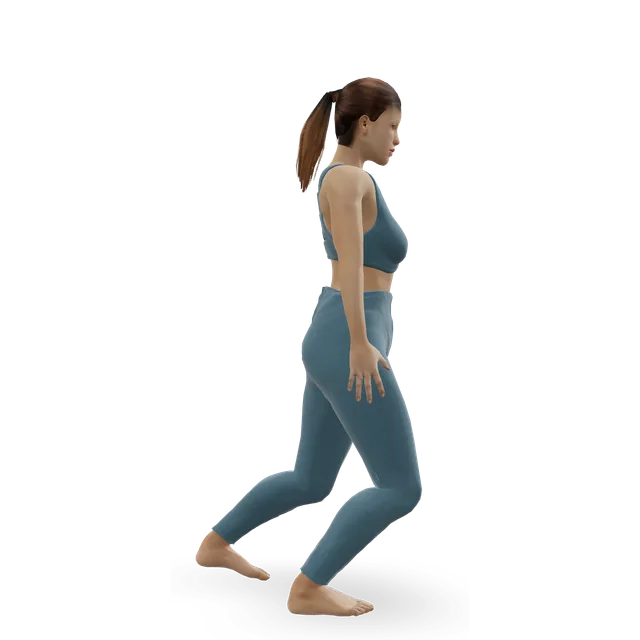
Ankle CARs (controlled articular rotations) demonstrated on the 3D figure3D demoAnkle CARs (controlled articular rotations)Beginner · No equipment

10 circles each way, 3 to 4 times a day · As in our basketball ankle guide (our sprained ankle guide's dose, from a King's College Hospital leaflet). A comfortable range

Easier: Ankle circles · Harder: Toes-tucked kneeling (toe squat)

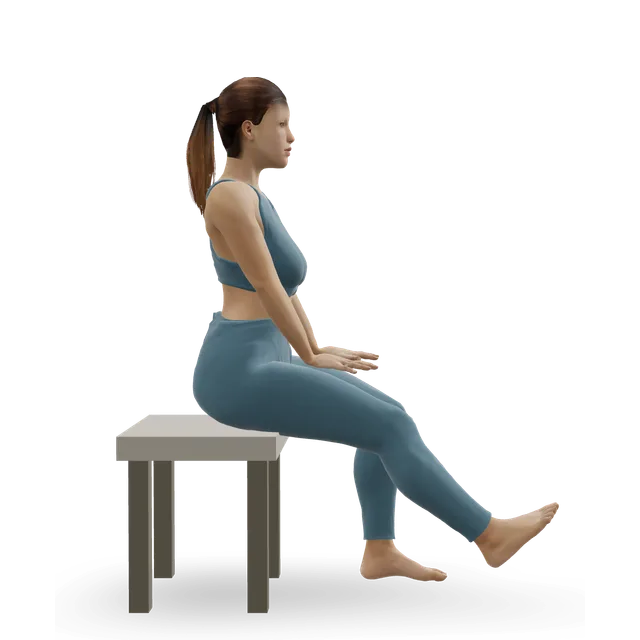
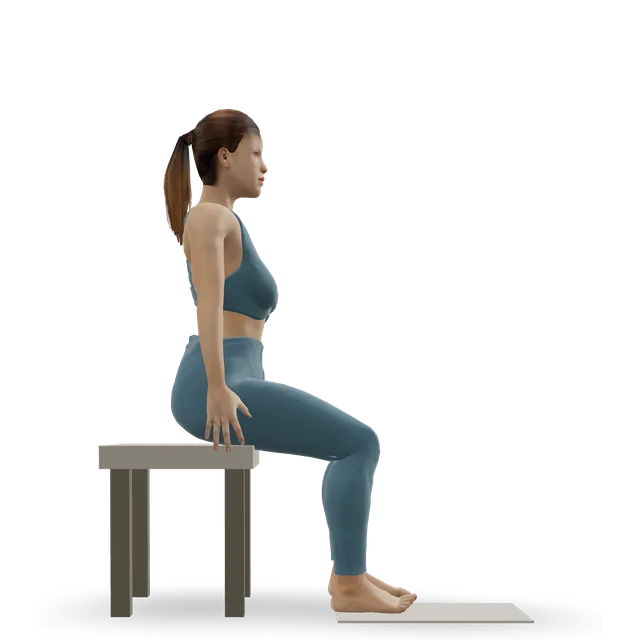
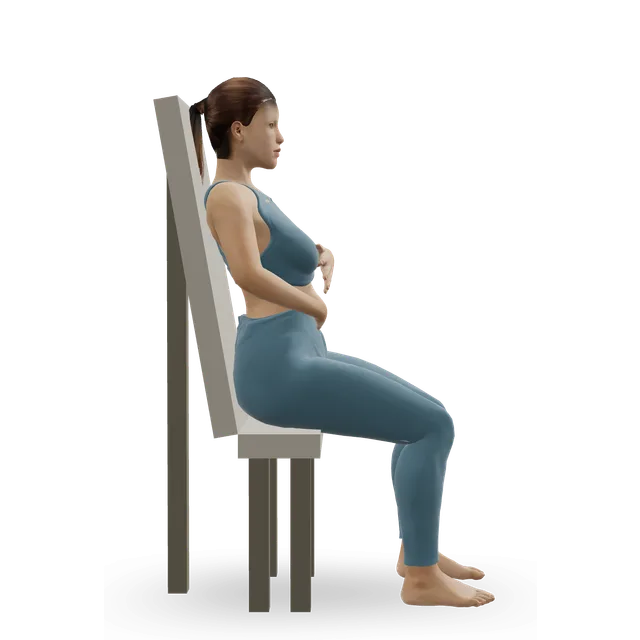
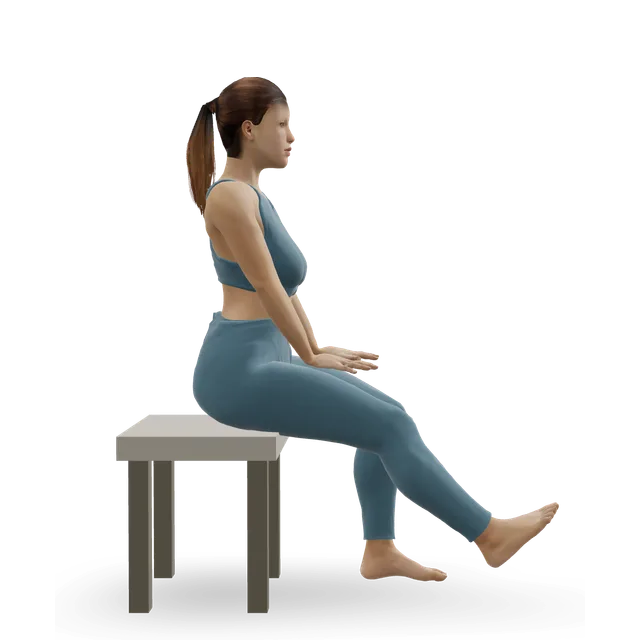
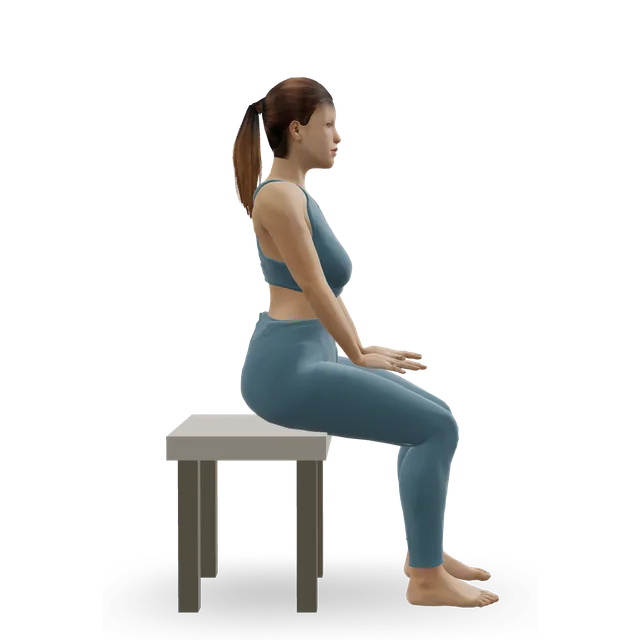
Seated bent-knee calf raise (soleus raise) demonstrated on the 3D figure3D demoSeated bent-knee calf raise (soleus raise)Beginner · A bench or box

2 sets of 10 · As in our basketball ankle guide (editorial)

Harder: Slow calf raise

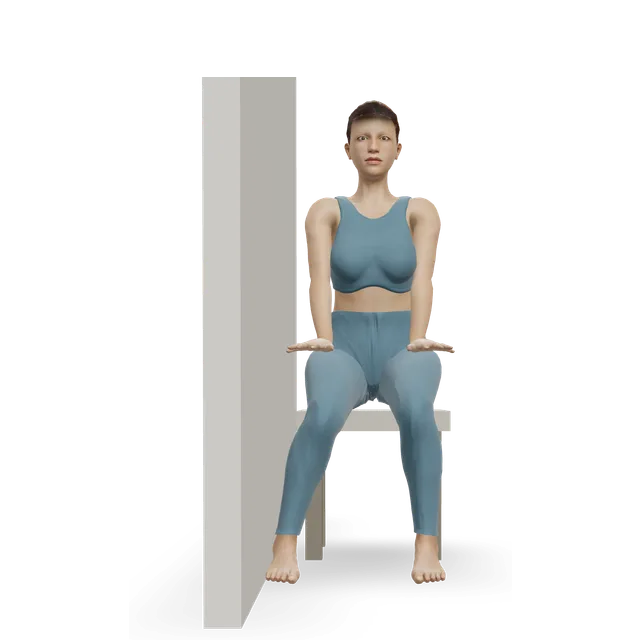
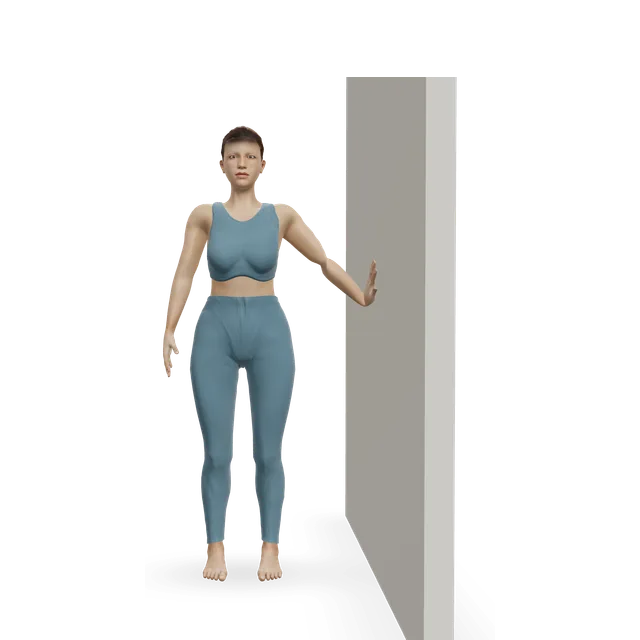
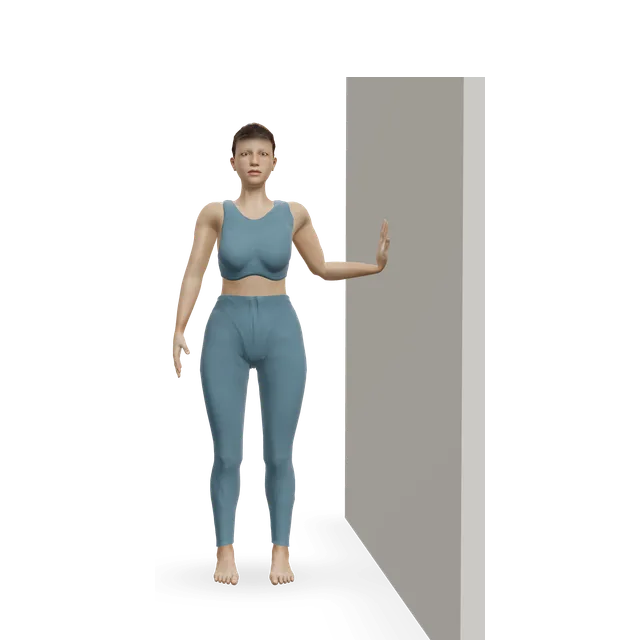
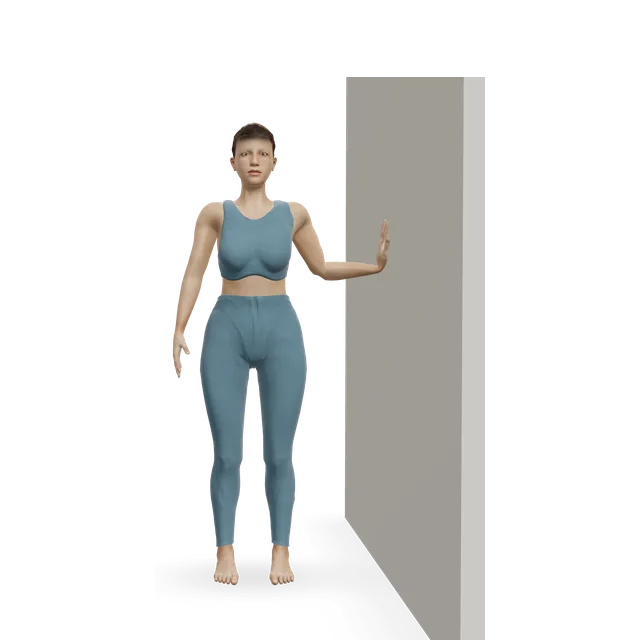
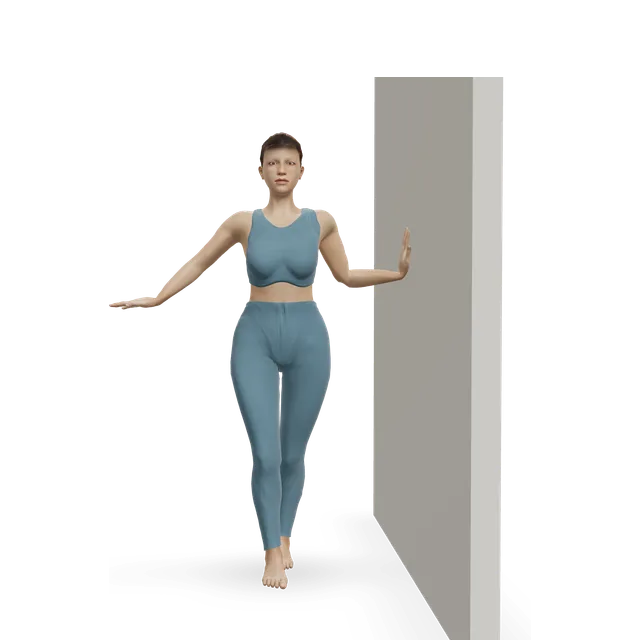
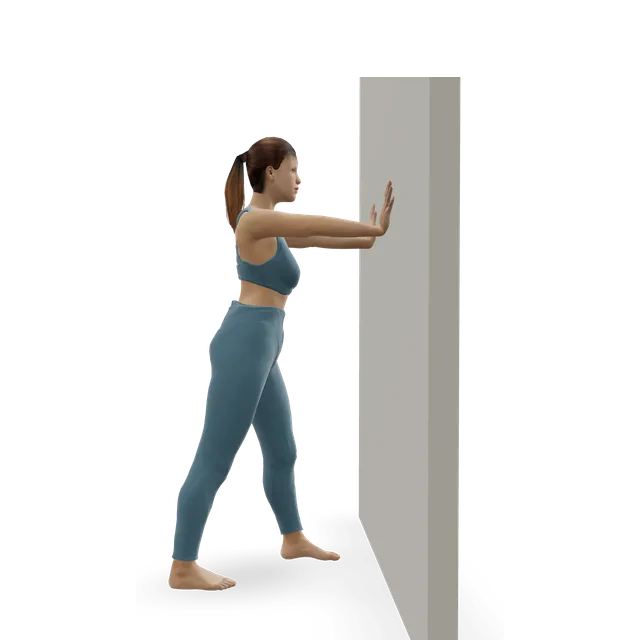
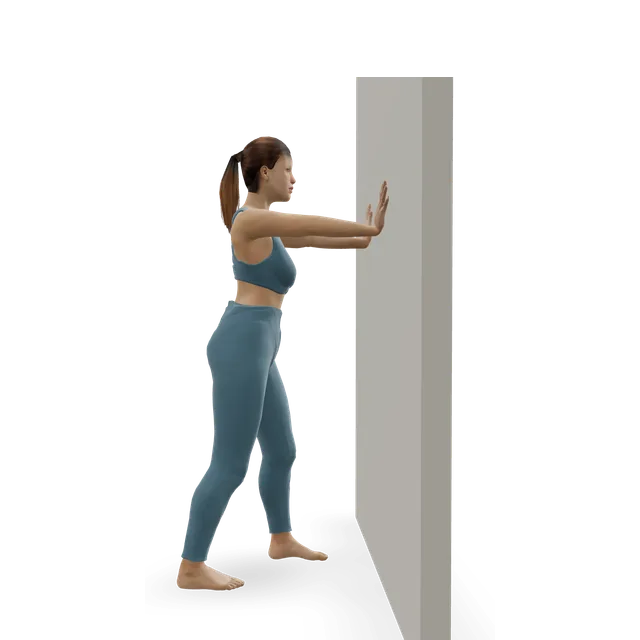
Isometric ankle eversion against a wall demonstrated on the 3D figure3D demoIsometric ankle eversion against a wallBeginner · A wall + A bench or box

8 to 12 holds of about 6 s · As in our basketball ankle guide (editorial). Press gently; nothing moves

Harder: Band ankle eversion

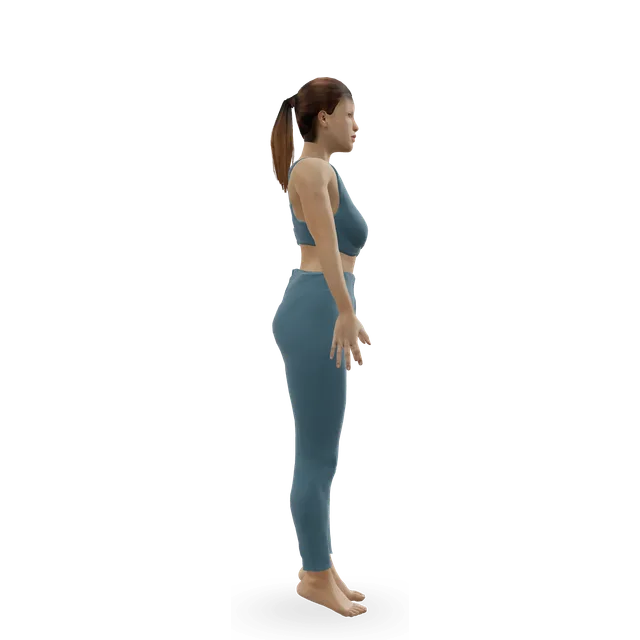
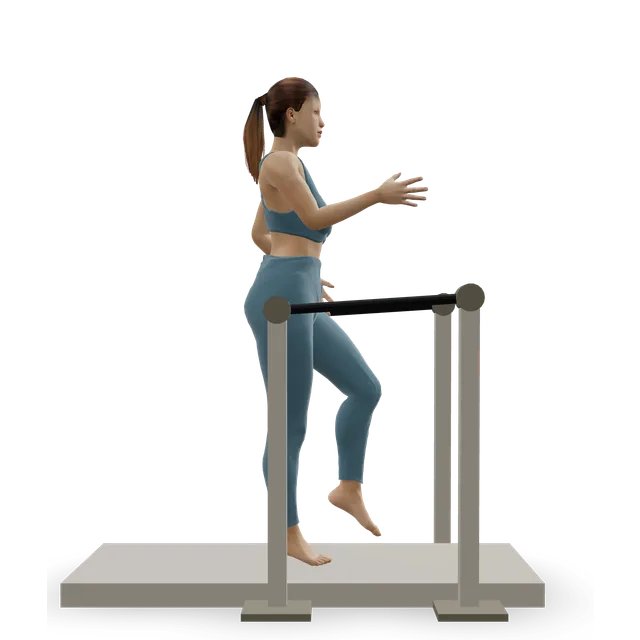
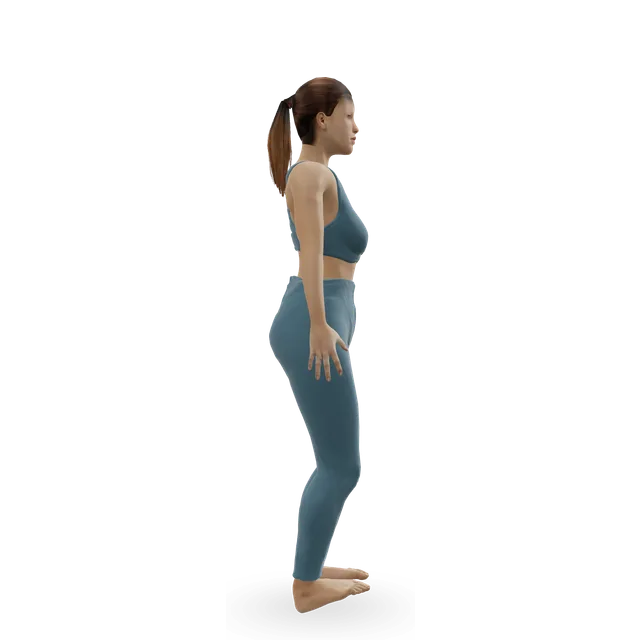
Single-leg stand demonstrated on the 3D figure3D demoSingle-leg standBeginner · A wall

Up to 30 s · As in our basketball ankle guide (the leaflet's first level), holding a support

Easier: Tandem stance and heel-to-toe walk · Harder: Single-leg reach matrix

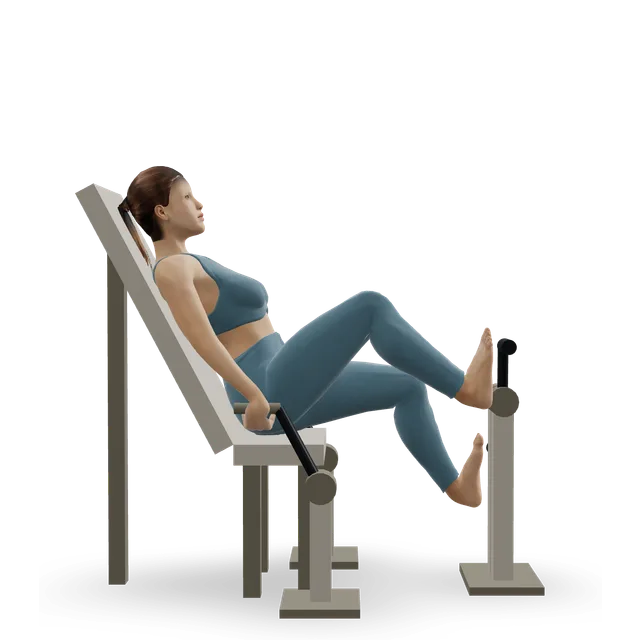
Recumbent exercise bike demonstrated on the 3D figure3D demoRecumbent exercise bikeBeginner · Cardio machine

10 to 20 minutes at a moderate effort to start, building towards 30 · From the move page's dose (an editorial starting point). Fitness while the ankle settles

Harder: Stationary cycling

Move on when: You walk with little or no limp, the swelling is going down, and you can stand on the injured leg holding a support for 30 seconds (editorial, as in our sprained ankle and basketball ankle guides).

Follow along: a timer, a cue and the next move, one step at a time.
Stage 2

Build: strength in every direction, and balance

About weeks 2 to 6: wean off the brace for daily life after 2 to 3 weeks (keep it or tape for football), and build calf and ankle strength in every direction and single-leg balance, as the home programme that cut repeat sprains did.

Knee-to-wall ankle rock demonstrated on the 3D figure3D demoKnee-to-wall ankle rockBeginner · A wall

10 slow rocks · As in our basketball ankle guide (a St George's Hospital leaflet's exercise). Stay short of a pinch at the front of the ankle

Harder: Deep squat hold

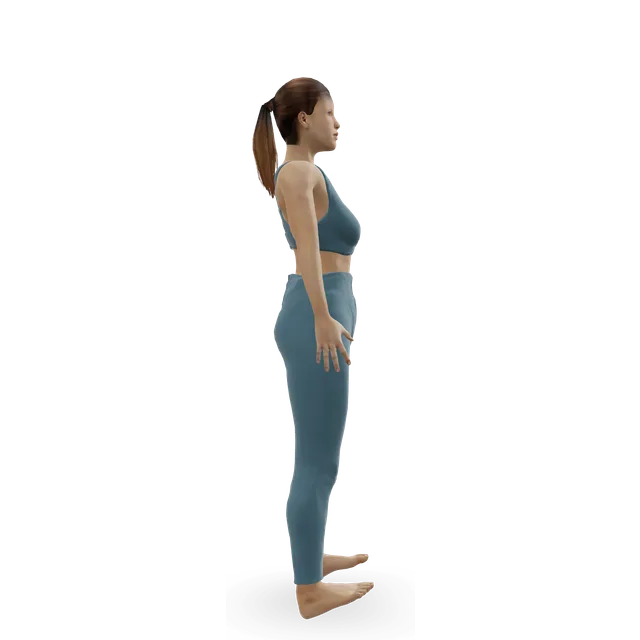
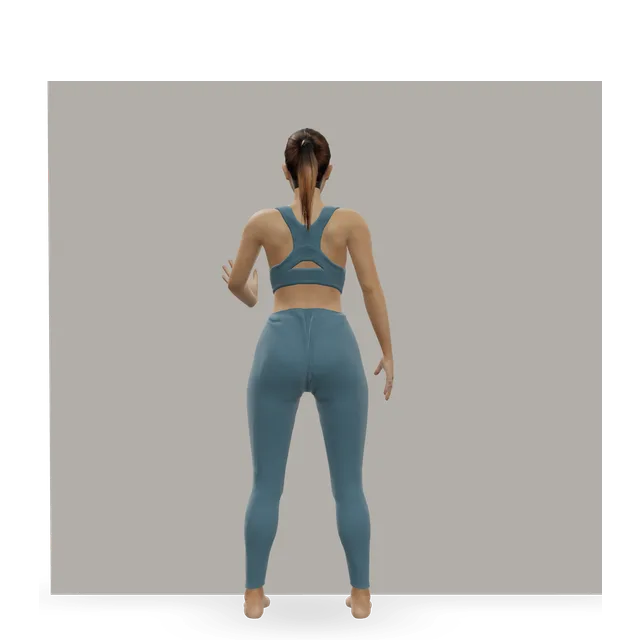
Slow calf raise demonstrated on the 3D figure3D demoSlow calf raiseBeginner · A wall

12 reps, 3 times a day · As in our basketball ankle guide (a King's College Hospital leaflet's dose)

Easier: Seated bent-knee calf raise (soleus raise) · Harder: Standing dumbbell calf raise

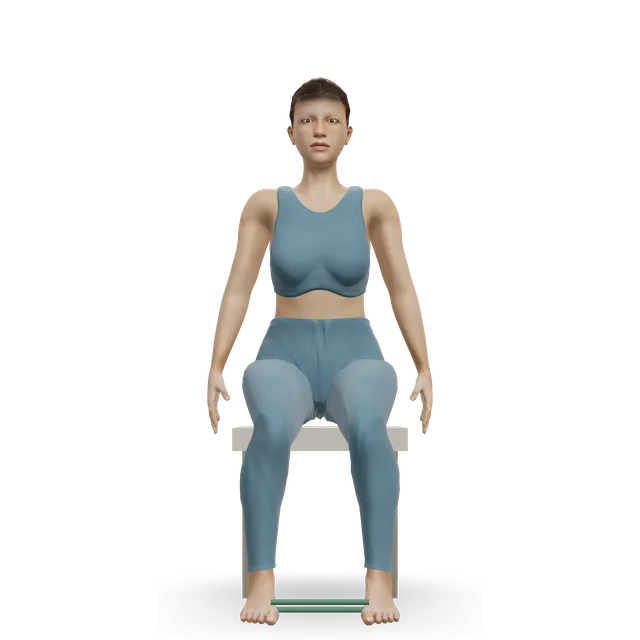
Band ankle eversion demonstrated on the 3D figure3D demoBand ankle eversionBeginner · A band + A bench or box

2 to 3 sets of 5 to 8 · As in our basketball ankle guide (a United Lincolnshire Hospitals leaflet's dose)

Easier: Isometric ankle eversion against a wall · Harder: Single-leg stand

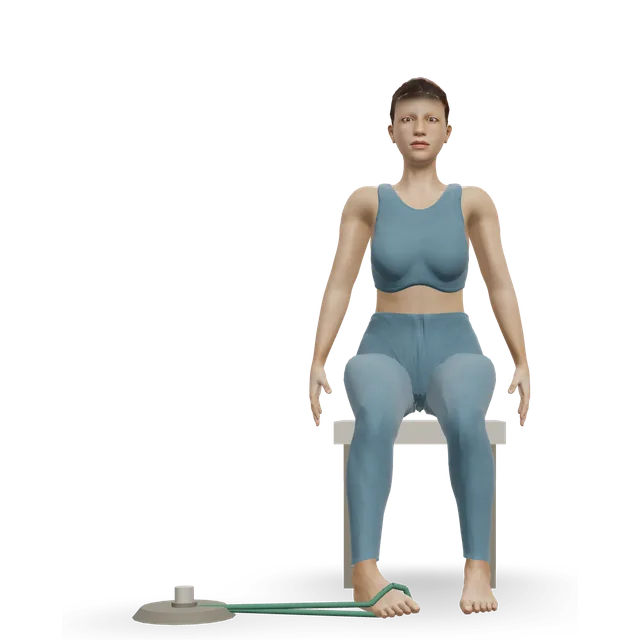
Band ankle inversion demonstrated on the 3D figure3D demoBand ankle inversionBeginner · A band + A bench or box

2 to 3 sets of 5 to 8 · From the move page's dose (an NHS hospital leaflet's dose after a sprain). Pain-free range in the first 2 weeks, as the move page says

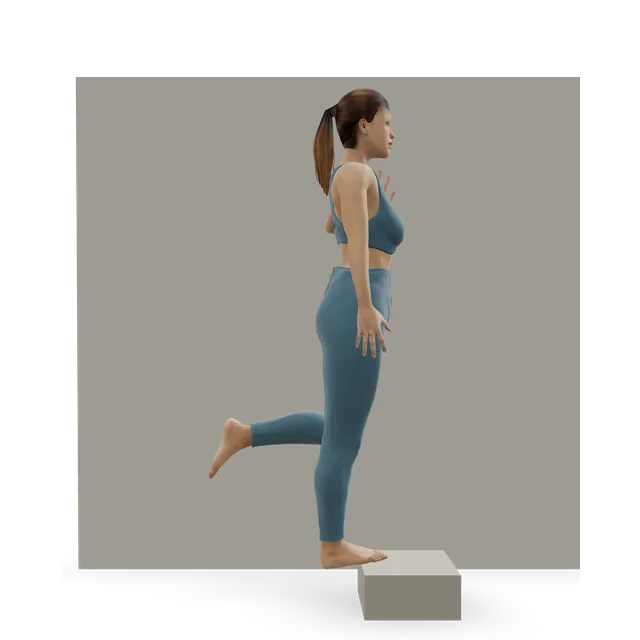
Harder: Single-leg calf raise from a step

Tibialis raise demonstrated on the 3D figure3D demoTibialis raiseBeginner · No equipment

2 to 3 sets of 8 to 10 · As in our basketball ankle guide (editorial)

Harder: Single-leg tibialis raise

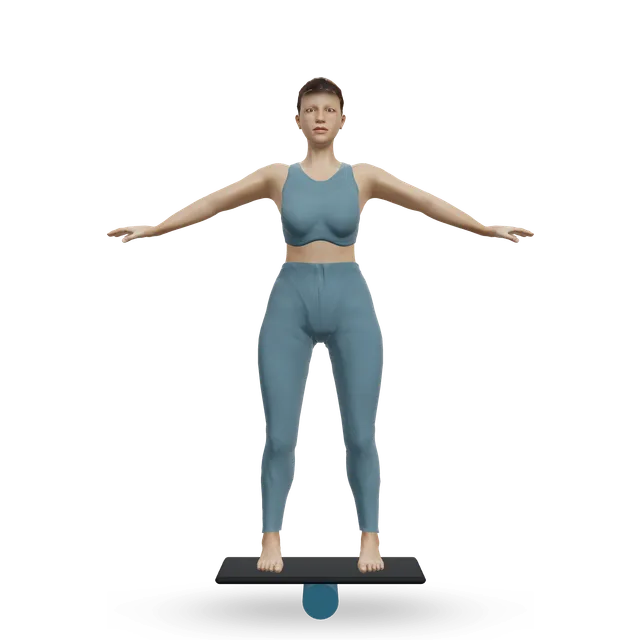
Balance board stand demonstrated on the 3D figure3D demoBalance board standBeginner · Other / check instructions

Several holds of 20 to 30 seconds on most days · From the move page's dose (an editorial starting point). A rail within reach; the home programme that cut repeat sprains used a balance board

Easier: Single-leg stand

Move on when: 12 calf raises are pain-free and you can stand on the injured leg for 30 seconds without support (editorial, our sprained ankle guide's check).

Follow along: a timer, a cue and the next move, one step at a time.
Stage 3

Hop and land

From about weeks 4 to 6, every other day: single-leg calf strength for push-off, reaches and hops in every direction, and quiet landings, the jumping and landing tasks that predicted who recovered well after a first sprain.

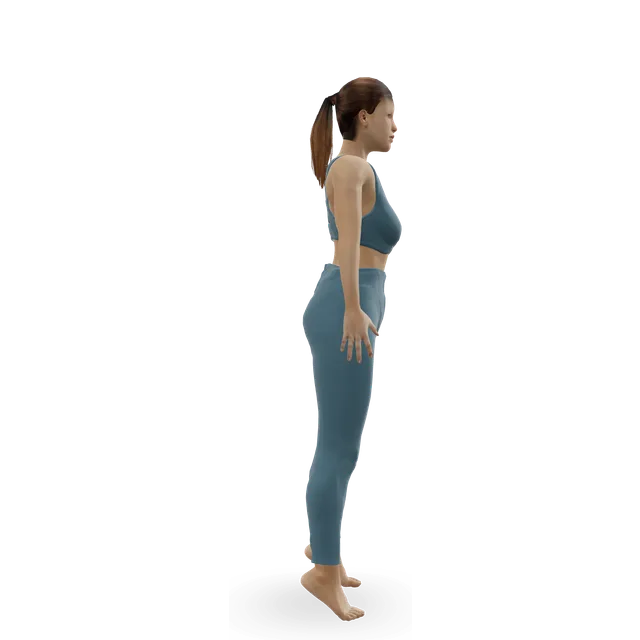
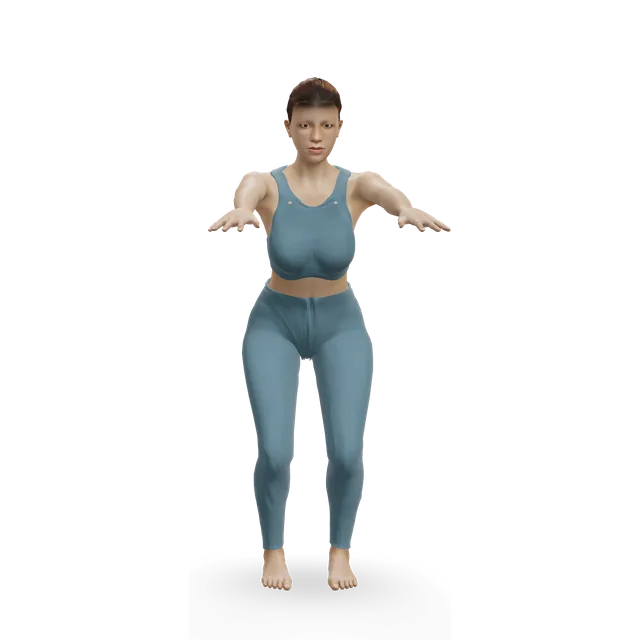
Single-leg calf raise from a step demonstrated on the 3D figure3D demoSingle-leg calf raise from a stepIntermediate · A step + A wall

12 reps, 3 times a day · As in our basketball ankle guide (a King's College Hospital leaflet's dose)

Easier: Slow calf raise · Harder: Single-leg pogo hops

Single-leg reach matrix demonstrated on the 3D figure3D demoSingle-leg reach matrixIntermediate · No equipment

3 rounds of 5 reaches in each direction, each leg · From the move page's dose (an editorial starting point)

Easier: Standing crossed-leg side reach · Harder: Single-leg Romanian deadlift

Ankle bounces (mini pogo) demonstrated on the 3D figure3D demoAnkle bounces (mini pogo)Beginner · No equipment

3 sets of 8 to 12, every other day · As in our basketball ankle guide (the King's College Hospital leaflet's last stage)

Easier: Slow calf raise · Harder: Pogo hops

Pogo hops demonstrated on the 3D figure3D demoPogo hopsIntermediate · No equipment

3 sets of 8 to 12, every other day · As in our basketball ankle guide (editorial), once ankle bounces are easy

Easier: Ankle bounces (mini pogo) · Harder: Single-leg pogo hops

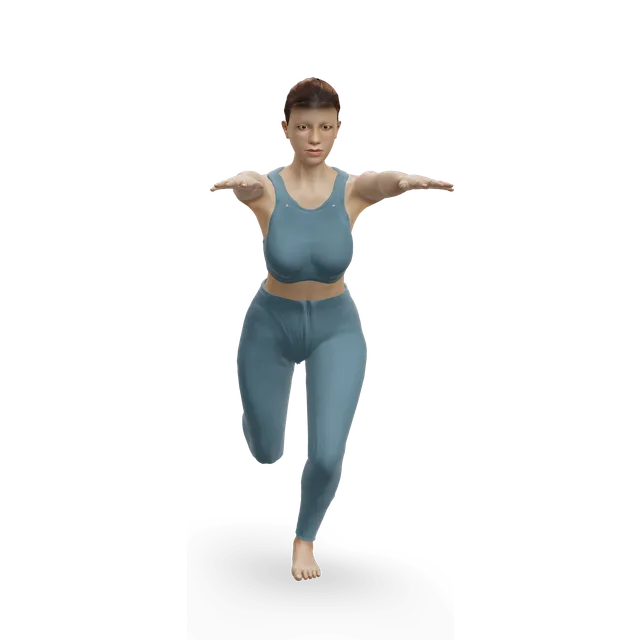
Single-leg hop and stick demonstrated on the 3D figure3D demoSingle-leg hop and stickIntermediate · No equipment

3 sets of 5 each direction · As in our basketball ankle guide (editorial). Small hops in one direction first, as the move page says

Easier: Standing broad jump with stuck landing · Harder: Alternate-leg bounding

Isometric calf raise hold demonstrated on the 3D figure3D demoIsometric calf raise holdBeginner · A wall

5 holds of 30 to 45 seconds, once or twice a day · From the move page's dose (an editorial starting point). For Achilles pain at the back of the ankle; keep to about 5 out of 10, as the move page says

Easier: Seated bent-knee calf raise (soleus raise) · Harder: Slow calf raise

Move on when: You can hop and land on the injured leg in each direction without wobbling, pain or giving way (our chronic ankle instability guide's check).

Follow along: a timer, a cue and the next move, one step at a time.
Stage 4

Back to football: the FIFA 11+, then training and matches

From about week 6, then for good: the 11+ before every training session, at least twice a week, as FIFA's manual says, with the brace or tape on for football after a sprain and the balance habit kept 3 times a week, then football back by the written steps below. No study has tested a return to football after an ankle injury; the order is our suggestion, built on the AAOS's return criteria, the AOSSM's graded return and the brace and balance trials.

Single-leg stand demonstrated on the 3D figure3D demoSingle-leg standBeginner · A wall

2 × 30 s each leg · As in our FIFA 11+ warm-up (FIFA's level 1, holding a ball). Knee slightly bent and not buckling in

Easier: Tandem stance and heel-to-toe walk · Harder: Single-leg reach matrix

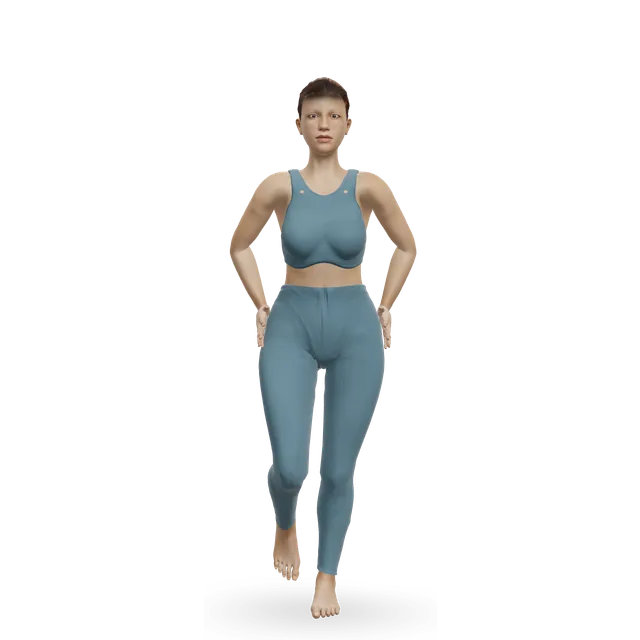
Single-leg pogo hops demonstrated on the 3D figure3D demoSingle-leg pogo hopsAdvanced · No equipment

3 sets of 30 to 60 s, every other day · As in our basketball ankle guide (a King's College Hospital leaflet's dose)

Easier: Pogo hops · Harder: Single-leg cone hops

Lateral bound (skater jump) demonstrated on the 3D figure3D demoLateral bound (skater jump)Beginner · No equipment

2 × 30 s · As in our FIFA 11+ warm-up (FIFA's level 2 lateral jumps). Every landing is on one leg, so it comes late, as the move page says

Harder: Bench jump-over

Lateral cone hops demonstrated on the 3D figure3D demoLateral cone hopsIntermediate · Other / check instructions

2 × 30 s · As in our FIFA 11+ warm-up (FIFA's level 3 box jumps, the closest move on the figure)

Easier: Single-cone quick-feet drill · Harder: Single-leg cone hops

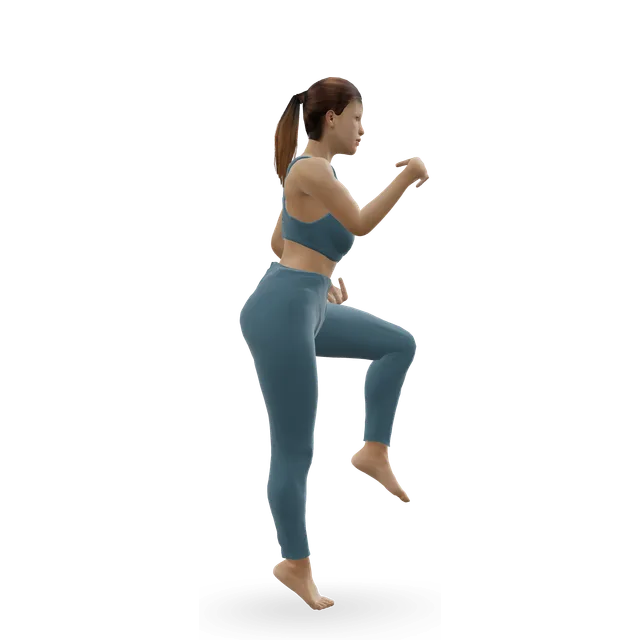
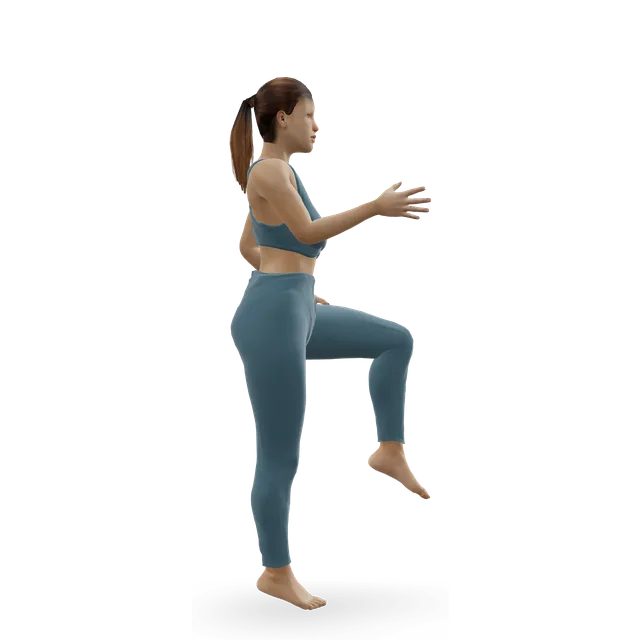
Alternate-leg bounding demonstrated on the 3D figure3D demoAlternate-leg boundingAdvanced · No equipment

Twice · As in our FIFA 11+ warm-up (FIFA's part 3 bounding)

Easier: Skipping · Harder: Diagonal bounds

Shuttle runs demonstrated on the 3D figure3D demoShuttle runsAdvanced · No equipment

Twice · As in our FIFA 11+ warm-up (FIFA's part 3: plant and cut). Wide turns first, sharper over the weeks

Easier: Treadmill jogging

Move on when: Hopping, cutting, shooting and a full session pass with little or no pain and no giving way, and you feel ready. The AAOS: "In case of a joint problem, the player must have no pain, no swelling, full range of motion, and normal strength". If it flares, drop back a stage for a week, not to nothing (editorial).

Follow along: a timer, a cue and the next move, one step at a time.

What to change for now

What to do now (written steps)

Our 3D figure can't show these. They come from the NHS, NHS inform and the AOSSM; where a step is our suggestion, it says so.

  • 1. For the first 2 to 3 days after a sprain, the NHS advises PRICE: protection, rest, ice wrapped in a tea towel "for up to 20 minutes every 2 to 3 hours", compression and raising it.
  • 2. The NHS: "When you can move the injured area without pain stopping you, try to keep moving it so the joint or muscle does not become stiff".
  • 3. If you think it's broken, "do not try to treat it yourself. Contact NHS 111 to find out what to do".
  • 4. NHS inform: "Avoid sports or heavy lifting until you have less discomfort and good movement" and "Remember to warm up before sports".
  • 5. For a week or two (our suggestion): keep jogging in straight lines and ball work within the pain rule; leave sharp cuts, tackling, shooting with the laces and full matches until the ankle passes the checks in the plan.

Sources 8, 64, 46, 25

Braces, tape and balance (written steps)

From the trials and Sports Medicine Australia's fact sheets; the length of time is our suggestion where it says so.

  • 1. After a sprain, wear a semi-rigid or lace-up brace, or tape, for training and matches; in footballers with a previous sprain, a semi-rigid brace cut repeat sprains a lot.
  • 2. Sports Medicine Australia: "Players with significant ligament injuries (Grade 2 or 3) are advised to use bracing or protective taping for sport for a minimum of 6 to 12 months post-injury".
  • 3. Keep it on for the rest of the season after a sprain (our suggestion, from the trials of a season to a year of bracing).
  • 4. Balance training 3 times a week for 8 weeks after a sprain, up to 30 minutes a session, as the home programme did; a balance board and one-leg reaches count.
  • 5. Sports Medicine Australia's older football sheet: "Consider preventive ankle taping or bracing to reduce risk of injury".

Sources 34, 35, 31, 65, 66

Boots, studs and pitches (written steps)

From the AAOS, the AOSSM and county football associations; the last step is our suggestion.

  • 1. The AAOS advises moulded studs or ribbed soles, and screw-in studs only "when more traction is needed, such as on a wet field with high grass".
  • 2. The AOSSM's older sheet: "Be aware of poor field conditions that can increase injury rates".
  • 3. County football associations set their own boot rules for 3G pitches, mainly to protect the surface: one bans blades because they "can cut through the synthetic turf causing serious damage", and another warns that some turf trainers "offer limited grip in wet conditions". Check the venue's rules.
  • 4. Sports Medicine Australia: "Seek professional advice on footwear".
  • 5. After a sprain, don't change surface and boots in the same week, and wear the studs the surface was designed for (our suggestion).

Sources 58, 59, 67, 68, 66

Growing heels (written steps)

From the Sever's disease trial and the AOSSM; our Sever's disease guide covers how much football to keep.

  • 1. Football at a level the heel tolerates, keeping to 3 out of 10 during play, as our Sever's disease guide sets out.
  • 2. Waiting, a heel raise and exercise all reduced heel pain in a trial; choose with your child.
  • 3. The AOSSM: "A tendon strap or supportive heel cup may be beneficial with certain apophyseal injuries like Osgood Schlatter’s disease and Sever’s disease".
  • 4. For children aged about 7 to 13, the 11+ Kids warm-up roughly halved injuries.

Sources 27, 52, 45

Back to football (written steps)

Our suggestion, built on the AOSSM's graded return, the AAOS's return criteria, the 11+ manual and the brace and balance trials; none has been tested for football ankle injuries. Move on when each step passes the pain rule.

  • 1. Running: straight-line jogging, then faster running, within the pain rule and with no swelling the next morning.
  • 2. Turns and ball work: running with wide turns, dribbling, short passes with the inside of the foot.
  • 3. Kicking: longer passes, then shooting with the laces, building the number of strikes over sessions; with footballer's ankle, stay short of the front pinch.
  • 4. Cutting and landing: sharp turns, side-to-side shuffles, heading and landing.
  • 5. Full training: with tackles, on the surface you will play on, with the brace or tape on.
  • 6. Matches: part of a match, then a full match; avoid back-to-back days while the ankle is settling.
  • 7. Every session: the 11+ before training, and parts 1 and 3 before matches, as FIFA says; balance work 3 times a week; the brace or tape for football for the rest of the season after a sprain.
  • 8. Growing players with Sever's disease: football at a level the heel tolerates, keeping to 3 out of 10, as our Sever's disease guide sets out.
  • 9. If it keeps giving way, or a second sprain comes in the same season, see a physiotherapist about a balance programme and a brace, as the warning signs say.

Sources 46, 58, 43, 34, 35

Positions to swap, and why

Habit or positionWhy it mattersInstead
Playing on after a roll that swells fast or hurts on the bony bumpsIt may be a fracture; the Ottawa rules decide who needs an X-ray.Stop, and follow the warning signs.
Strapping it up and playing through a sprainThe NHS advises avoiding strenuous exercise such as running for up to 8 weeks, and repeat sprains are common.The staged plan, starting with one-leg balance.Try: Single-leg stand
Back to matches without a brace or tape after a sprainA semi-rigid brace cut repeat sprains in footballers.A lace-up or semi-rigid brace, or tape, for football.
Skipping balance work once the ankle feels fineBalance training cut sprains and repeat sprains.Balance board and reach work 3 times a week.Try: Balance board stand
Skipping the warm-upThe 11+ cut football injuries by 39%.Our FIFA 11+ warm-up, with its side-to-side jumps.Try: Lateral bound (skater jump)
Screw-in studs on a firm or artificial pitchThe AAOS links screw-in studs with more injuries, except on wet, long grass.Moulded studs or the boots made for the surface.
Forcing deep lunges, squats or kicks into a pinch at the front of the ankleThe front pinch rule: stay short of it.A shallower range for now, with the knee-to-wall rock within the pain-free range.Try: Knee-to-wall ankle rock
Jumping straight back into cutting and tacklingHops and landings come first, by the return checks.Two-legged hops before one-legged hops.Try: Pogo hops
Resting completely for weeksEarly movement and exercise are the treatment.The stage 1 moves, starting with ankle circles.Try: Ankle CARs (controlled articular rotations)
Keeping a child with Sever's disease off all sport for monthsWaiting, a heel raise and exercise all helped.Football at a level the heel tolerates, with calf raises.Try: Slow calf raise

Routines to follow

FIFA 11+ warm-up

FIFA's 11+ injury prevention warm-up as its manual sets it out: running drills, strength, balance and jumping at three levels, then faster running.

20 minBeginner20 movesCardio machine, wall

Foot and ankle strengthening routine: toes, arches, calves and balance

A 15-minute barefoot routine for stronger toes, arches, calves and ankles, finishing with balance. You need only a towel, a wall and a resistance band.

15 minBeginner11 movesWall, other / check instructions

Balance exercises routine

Balance practice in 10 minutes: tandem stance, single-leg stands, marches, heel walks, tree pose and floor transfers.

10 minBeginner7 movesWall, bench or box

Ankle mobility routine: the knee-to-wall test, calf stretches and full-range calf raises

A 12-minute routine to improve how far your ankle bends: test it against a wall, rock it, stretch both calf muscles, strengthen through the full range, then use it.

12 minBeginner8 movesWall, step

Yoga for footballers: a 25-minute recovery-day class for hips, groin, hamstrings and balance

Twenty-five minutes of yoga for footballers: hip and groin range you control, hamstring holds, single-leg balance and side planks, then gentle stretches and rest.

25 minBeginner17 movesWall

Recovery-day Pilates for footballers: a 25-minute class for trunk, groin, hips and hamstrings

A 25-minute Pilates class for footballers: trunk control, the groin and outer hips, hamstrings with the hip extended, and balance, for recovery days.

25 minBeginner17 movesOther / check instructions, wall

More moves for this area

Questions people ask

Why does my ankle hurt after football?

Usually a sprain from a tackle, a landing or an opponent's foot, or tired, overloaded ankles after more running and turning than you're used to. Most football ankle injuries are minor and settle within days to a couple of weeks.

Why does the front of my ankle hurt when I kick a ball?

Repeated kicking can pinch the front of the ankle, sometimes with small bony spurs, which is called footballer's ankle. It is uncommon and usually costs days, not months; rehabilitation comes first, as our anterior ankle impingement guide explains.

Can you play football with a sprained ankle?

Not straight away: the NHS advises avoiding strenuous exercise such as running for up to 8 weeks after a sprain, depending on how bad it is. Come back by the checks in the plan (hopping and landing without pain or giving way), with a brace or tape.

How long does a sprained ankle take to heal in football?

Most mild sprains feel better within 2 weeks, but severe ones can take months. In elite men, a high ankle sprain kept players out for about 5 to 6 weeks on average; no one can promise a date.

What is a high ankle sprain?

A sprain of the ligaments that hold the two shin bones together just above the ankle, often when the foot is planted and turned out in a tackle. It is less common than an ordinary sprain and usually slower to recover, and it needs checking the same day; our high ankle sprain guide covers it.

Should I wear an ankle brace or tape for football?

After a sprain, yes: a brace cut repeat sprains a lot in footballers with a previous sprain, and wearing one for a year after a sprain beat exercise alone. For players who have never sprained an ankle the evidence is weaker.

Do ankle braces slow you down?

Very little: the biggest effect across trials was about 1% on sprint speed, and a small football study found no change in speed, agility or kicking accuracy. Balance training alongside the brace builds the ankle's own control.

Is artificial turf (3G or astroturf) bad for your ankles?

It's unclear. Pooled football studies found no higher ankle injury rate on modern turf, though two elite cohorts leaned towards more ankle sprains in men's matches on turf. Wear the studs made for the surface.

Why does my child's heel hurt after football?

In children of about 8 to 14, heel pain with running is usually Sever's disease, a common, harmless strain of the growth area at the back of the heel. It settles with time; waiting, a heel raise and exercise all helped in a trial, and our Sever's disease guide covers how much to play.

Why does my Achilles hurt after football?

Usually Achilles tendon pain from more sprinting, jumping or a change in load than the tendon is used to. It often comes back if you return too fast; a sudden snap or feeling of being kicked at the back of the heel is different and needs checking the same day.

When should I see a doctor?

Call 999 or go to A&E if the ankle looks deformed, you heard a crack, or the toes are numb or cold after a tackle, and call 999 for fainting or chest pain on the pitch. Get help the same day if you can't take four steps, the bony bumps hurt to press, there was a snap at the back of the heel, or the ankle is hot and swollen; see a GP or physiotherapist if it isn't better after 2 weeks or keeps giving way. In the US, call 911 where this page says 999.

Related exercise guides

Other pain guides

Sources

  1. López-Valenciano 2020 · Injuries in professional men's football: 44 studies (systematic review and meta-analysis, Br J Sports Med)
  2. Robles-Palazón 2022 · Injuries in youth football: 43 studies (systematic review and meta-analysis, J Sport Health Sci)
  3. López-Valenciano 2021 · Injuries in women's football: 22 studies (systematic review and meta-analysis, Sports Med)
  4. van Beijsterveldt 2012 · An injury prevention programme (The11) in 456 Dutch amateur men (cluster randomised trial, Br J Sports Med)
  5. van Beijsterveldt 2014 · Injuries and recovery in 456 Dutch amateur men footballers (prospective cohort, Clin J Sport Med)
  6. Waldén 2013 · Ankle injuries in men's professional football over 11 seasons (UEFA cohort study, Br J Sports Med)
  7. Andersen 2004 · How ankle injuries happen in elite football: a video analysis (cohort study, Am J Sports Med)
  8. NHS · Sprains and strains
  9. Lubberts 2019 · High ankle sprains in 3,677 professional men footballers (UEFA cohort study, Br J Sports Med)

  10. D'Hooghe 2020 · Return to play after surgery for unstable high ankle sprains in 110 professional footballers (retrospective cohort, Br J Sports Med)
  11. D'Hooghe 2022 · Front and back of ankle impingement in 6,754 professional footballers (cohort study, Knee Surg Sports Traumatol Arthrosc)
  12. Tol 2002 · The kicking action and front-of-ankle impingement: 150 kicks by 15 players (lab study, Am J Sports Med)
  13. Gajhede-Knudsen 2013 · Achilles tendon injuries in elite men's football over 11 seasons (UEFA cohort study, Br J Sports Med; a published correction we couldn't read)
  14. Grassi 2022 · Achilles tendon ruptures in Italian top-division footballers over 11 seasons (retrospective study, Clin J Sport Med)
  15. AAOS OrthoInfo · Achilles tendon rupture (tear)
  16. NHS inform · Achilles tendinopathy
  17. Belikan 2022 · Sever's disease at a German youth football academy over 10 years (retrospective study, J Orthop Surg Res)
  18. Wiegerinck 2014 · Incidence of Sever's disease in the general population (European Journal of Pediatrics)
  19. Suzue 2014 · Overuse injuries in 1,162 young footballers (cross-sectional study, J Med Invest)
  20. Scharfbillig 2008 · Sever's disease: what does the literature really tell us? (narrative review, J Am Podiatr Med Assoc)
  21. Gribble 2016 · Evidence review for the International Ankle Consortium consensus on ankle sprains (BJSM)
  22. McGuine 2006 · Balance training and ankle sprains in high school athletes (randomised trial, Am J Sports Med)
  23. AAOS OrthoInfo · Sprained ankle
  24. Vuurberg 2018 · Diagnosis, treatment and prevention of ankle sprains: an evidence-based clinical guideline update (BJSM)
  25. NHS inform · Ankle problems
  26. NHS · Broken ankle
  27. Wiegerinck 2016 · Wait and see vs heel raise vs physiotherapy for Sever's disease (RCT, Journal of Pediatric Orthopaedics)
  28. Doherty 2016 · Recovery from a first ankle sprain and predictors of chronic ankle instability (cohort, AJSM)
  29. NHS · Growing pains
  30. Owoeye 2018 · A neuromuscular warm-up and ankle sprains in 2,265 youth soccer and basketball players (pooled analysis, Clin J Sport Med)
  31. Hupperets 2009 · Unsupervised home balance training and repeat ankle sprains: the 2BFit trial (RCT, BMJ)
  32. Tropp 1985 · Preventing ankle sprains in footballers with balance training or a brace (controlled study, Am J Sports Med)
  33. Doherty 2017 · Treatment and prevention of acute and recurrent ankle sprain: an overview of systematic reviews (BJSM)
  34. Surve 1994 · A semi-rigid ankle brace and repeat sprains in 504 adult footballers (randomised trial, Am J Sports Med)
  35. Janssen 2014 · Bracing vs neuromuscular training to prevent repeat ankle sprains (RCT, BJSM)
  36. Barelds 2018 · Ankle braces to prevent ankle injuries in athletes: 6 trials (systematic review and meta-analysis, Sports Med)
  37. McGuine 2011 · Lace-up ankle braces and injury rates in high school basketball players (RCT, AJSM)
  38. McGuine 2012 · Lace-up ankle braces and injury rates in 2,081 high school American football players (cluster randomised trial, Am J Sports Med)
  39. Cordova 2005 · Ankle supports and functional performance (meta-analysis, Med Sci Sports Exerc)
  40. Putnam 2012 · Ankle braces and skills in 20 recreational footballers (randomised crossover study, PM R)
  41. Cordova 2000 · Eight weeks of ankle brace use and the ankle muscles' reflex to a sudden roll in 20 active students (lab study, J Athl Train)
  42. Thorborg 2017 · The FIFA 11 and 11+ injury prevention programmes and overall injury rates in football (systematic review and meta-analysis, Br J Sports Med)
  43. FIFA Medical Assessment and Research Centre (F-MARC) · The 11+: a complete warm-up programme to prevent injuries (manual, about 2010; the copy hosted by Football Victoria)
  44. Football Australia · Football Australia Perform+ (governing body web page)
  45. Rössler 2018 · The 11+ Kids warm-up in 3,895 children's footballers (cluster randomised trial, Sports Med)
  46. American Orthopaedic Society for Sports Medicine (AOSSM), STOP Sports Injuries · Prevention and care of soccer injuries (reviewed September 2025)
  47. Bleakley 2010 · Accelerated rehabilitation after ankle sprain (RCT, BMJ)
  48. Lamb 2009 · Mechanical supports for acute, severe ankle sprain: the CAST trial (RCT, Lancet)
  49. Zwiers 2015 · Keyhole surgery for front-of-ankle impingement: 20 studies (systematic review, Arthroscopy)
  50. Kudaş 2016 · Back-of-ankle impingement in 26 elite footballers (case series, Acta Orthop Traumatol Turc)
  51. James 2016 · Footwear and foot orthoses for Sever's disease: a 12-month trial (RCT, BJSM)
  52. American Orthopaedic Society for Sports Medicine (AOSSM), STOP Sports Injuries · Apophyseal injuries in youth (tip sheet, reviewed November 2025)
  53. Williams 2013 · Football injuries on artificial turf and natural grass (meta-analysis of 8 studies, J Sports Med)
  54. Kuitunen 2023 · Football injuries on artificial turf and grass: 22 studies (systematic review and meta-analysis, EClinicalMedicine)
  55. Ekstrand 2006 · Injuries on artificial turf and natural grass in elite men's football (two-cohort study, Br J Sports Med)
  56. Ekstrand 2011 · Injuries on artificial turf and grass in 20 elite men's and women's football teams (cohort study, Scand J Med Sci Sports)
  57. Gould 2023 · Leg injury rates on artificial turf and natural grass: 53 studies (systematic review, Am J Sports Med)
  58. AAOS OrthoInfo · Soccer injury prevention
  59. American Orthopaedic Society for Sports Medicine (AOSSM), STOP Sports Injuries · Soccer injury prevention sports tip (fact sheet, 2010)
  60. Yang 2026 · Football boot design and leg injury risk: 32 studies, mostly lab studies (systematic review, Sports Med Open)
  61. NHS inform · Exercises for foot problems
  62. Smith 2017 · Should exercises be painful in chronic musculoskeletal pain? (meta-analysis, BJSM)
  63. Silbernagel 2007 · Continued sports activity with a pain-monitoring model in Achilles tendinopathy (RCT, AJSM)
  64. NHS · Ankle pain
  65. Sports Medicine Australia (SMA) · Ankle injuries (injury fact sheet)
  66. Sports Medicine Australia (SMA), Smartplay · Football (soccer) fact sheet (updated and reprinted 2008)
  67. West Riding County FA (England) · 3G pitch: footwear guide (facility rules)
  68. Sussex County FA (England) · Footwear guide for the 3G artificial turf pitch (facility rules)
  69. Stiell 1993 · The Ottawa ankle rules: refinement and validation (prospective study, JAMA)
  70. Taweel 2013 · Missed Maisonneuve fractures in 5 patients (case series, J Emerg Med)
  71. Bartoníček 2022 · Maisonneuve fractures of the ankle (critical review, JBJS Rev)
  72. Stufkens 2011 · Treating Maisonneuve fractures (evidence review, J Foot Ankle Surg)
  73. van Dijk 2018 · Peroneal tendon problems: the ESSKA-AFAS international consensus (consensus statement, Knee Surg Sports Traumatol Arthrosc)
  74. Davda 2017 · Peroneal tendon disorders (review, EFORT Open Rev)
  75. Cambridge University Hospitals NHS · Achilles tendon rupture: management and rehabilitation (patient information, 2026)
  76. Cambridge University Hospitals NHS · Sever's disease (patient information, 2024)
  77. Association of Paediatric Chartered Physiotherapists · Calcaneal apophysitis (Sever's): information for parents and carers (2023)
  78. Micheli 1987 · Preventing and managing Sever's disease in children (case series of 85, J Pediatr Orthop)
  79. NHS · Osteomyelitis (past its review date: reviewed August 2023, review due August 2026)
  80. Nationwide Children's Hospital · Apophysitis of the 5th metatarsal (Iselin's disease)
  81. NHS · Gout (past its review date: reviewed August 2023, review due August 2026)
  82. NHS · Septic arthritis
  83. NHS · DVT (deep vein thrombosis)
  84. NHS · Pulmonary embolism
  85. NHS · Chest pain (past its review date: reviewed August 2023, review due August 2026)
  86. NHS · Fainting
  87. Martin 2021 · Lateral ankle ligament sprains: JOSPT clinical practice guideline, revision 2021
  88. Health New Zealand Te Whatu Ora · Stress fractures of the foot and shin bone
  89. Royal Children's Hospital Melbourne · Sever's disease (orthopaedic fact sheet, 2011)
  90. Williams 2026 · Non-surgical treatment for growth-plate (apophyseal) injuries of the leg in children (Cochrane review)
  91. Kose 2010 · Do children with Sever's disease need X-rays? (prospective study of 61, Skeletal Radiol)
  92. Kose 2010 · Can Sever's disease be diagnosed from X-rays alone? (observer study of 80 X-rays, J Pediatr Orthop B)
  93. Rachel 2011 · Routine X-rays in children diagnosed with Sever's disease (case series of 98, J Pediatr Orthop)
  94. NHS · Symptoms of bone cancer
  95. Delahunt 2018 · ROAST: clinical assessment of acute lateral ankle sprains (International Ankle Consortium consensus, BJSM)
  96. Bus 2024 · Guidelines on the prevention of foot ulcers in people with diabetes (IWGDF 2023 update)
  97. St George's University Hospitals NHS · Ankle sprains (patient leaflet, 2025)
  98. Williams 2010 · Rehabilitation of high ankle sprains (review, Sports Health)
  99. King's College Hospital NHS · Ankle sprain: information for patients (2021, past its review date: review due March 2024)
  100. van Dijk 2016 · Non-surgical and surgical care of isolated high ankle sprains (ESSKA-AFAS consensus, Knee Surg Sports Traumatol Arthrosc)
  101. Hanlon 2023 · Symptom duration and recovery with exercise in Achilles tendinopathy: 127 people (cohort study, Orthop J Sports Med)
  102. Pringels 2025 · Reducing tendon compression in insertional Achilles tendinopathy: 42 people (randomised trial, BJSM)
  103. Chimenti 2024 · Midportion Achilles tendinopathy: JOSPT clinical practice guideline, revision 2024
  104. de Vos 2021 · Dutch multidisciplinary guideline on Achilles tendinopathy (BJSM)
  105. Glasser 2022 · A return-to-ballet protocol (narrative review and expert protocol, Cureus)
  106. NHS Lothian, Royal Hospital for Children and Young People · Sever's disease (physiotherapy booklet, 2023)

Exercise education, not a diagnosis or treatment plan. It is written from the guidelines and studies listed above; review by a clinician is pending. If your pain follows an injury, is severe, is getting worse, or comes with any warning sign listed on this page, get it assessed. Health disclaimer.