Exercises after ankle ligament surgery: recovery after a Broström repair or reconstruction
Ankle ligament surgery tightens and reattaches the stretched ligaments on the outside of the ankle when it keeps giving way despite physiotherapy. The usual operation is a modified Broström repair; occasionally the ligament is rebuilt with a tendon graft. You'll be in a plaster, boot or brace for about 6 weeks, then rebuild movement, strength and balance, with low-impact sport often from about 3 months and contact sport later.
Your surgical team's plan comes first: NHS hospitals differ on weight-bearing, the boot or brace, and when exercises start. This guide sets out the usual stages, with a 3D demo of each exercise, why turning the foot inwards has to wait, what trials found about moving early, typical timings for work, driving and sport, and the signs of a blood clot and other warning signs.
Exercise is for pain that has been checked or is clearly mild and settling.
Get urgent medical help if
Call 999: calf or leg pain or swelling with breathlessness or chest pain. It could be a clot that has reached the lungs. Do not drive yourself to A&E.
Phone your surgical team or GP now, or go to A&E: severe pain your painkillers don't touch, a lot of swelling, or toes that turn very cold, pale, blue or discoloured, numb or burning.
Same day: in a cast or boot, pain that is getting worse, toes that are numb or burning, a cast that feels too tight, toes that are swollen, blue or white, or a bad smell from under the cast.
Same day (GP or NHS 111): throbbing pain and swelling in one calf, with red or darker skin. It could be a blood clot (DVT). Watch for it after an ankle injury or time in a cast or boot.
After surgery: redness, swelling, oozing or a smell from the wound, or a fever. Contact your surgical team the same day, or NHS 111 out of hours.
Rubbing, blistering, redness or oozing at the edge of the plaster: contact the hospital the same day. It can be a pressure sore under the cast.
You fall or twist the ankle and then can't put weight on it, or it becomes very painful or badly swollen: get advice from NHS 111 or your surgical team now.
See a doctor or physiotherapist if
A numb or tingling patch on the top or outer side of the foot that isn't improving after 6 to 8 weeks: tell your team. One NHS hospital says this happens in about 1 in 10 people, and about half of those recover.
Pain, swelling and skin changes that are much worse than expected and go on beyond the first few weeks: contact your team promptly. It can be complex regional pain syndrome (CRPS), which needs early treatment.
The ankle still feels loose or keeps giving way after a good rehab programme: see your team.
Pain, clicking, locking or swelling that carries on despite a good rehab programme. Cartilage, tendon and other problems are common alongside an unstable ankle and need assessing.
A flight or long journey in the first 6 to 8 weeks: ask your team about your risk of a blood clot first.
You're not sure what your limits are, or you're not reaching the stage your team expected: ask them rather than guess.
Understand it
What the operation is
Repeated sprains can leave the ligaments on the outside of the ankle stretched, so the ankle keeps giving way. A Broström repair tightens the stretched ligament and reattaches it to the end of the fibula with small anchors and stitches. The usual version, the modified Broström-Gould, reinforces the repair with a band of tissue from the front of the ankle. If the ligament is too damaged to repair, it's rebuilt with a tendon graft (a reconstruction), and some centres reinforce the repair with a synthetic tape.
The joint is often looked at with a keyhole camera (an arthroscopy) at the same time, and cartilage damage may be found and treated.
It's for an ankle that stays unstable despite non-surgical treatment, and one NHS trust often recommends 4 to 6 months of physiotherapy and ankle rehab first. People with nerve or collagen conditions may not be helped, and long-standing pain without instability doesn't necessarily improve. A Cochrane review found too little evidence to say which operation is best, and older operations that re-route a tendon (a tenodesis) injured nerves more often than repairs of the ligament itself. Our chronic ankle instability guide covers that decision.
NHS leaflets agree on the shape of recovery, with different timings. Your own team's plan comes first.
Weeks 0 to 2: a back slab or plaster, often with no weight on the foot, and the leg raised most of the time. Pain is often moderate, about 4 to 5 out of 10, with painkillers for the first few days.
About 2 weeks: a wound check, and a change to a boot, cast or brace, often with weight allowed.
About 6 weeks: out of the boot or brace, though some hospitals use a brace for longer, and physiotherapy builds movement, strength and balance.
From about 3 months: low-impact sport, then running, turning and jumping, and contact sport later.
The full benefit: 6 to 9 months in one NHS trust's leaflet, and up to 12 months in another's.
In a review of 669 modified Broström-Gould repairs, 1.2% needed another operation at about 8 years. In a small review of 157 people, 85% went back to sport but only 49% to their earlier level; among 343 professional athletes, 89% went back at their pre-injury level, at about 16 weeks. In a series followed for about 9 years, 58% were back at their old sport. These are low-quality studies.
Even with a sound repair, the ankle can keep giving way if the nerve endings or the peroneal muscles on the outside of the leg haven't recovered, or the calf is tight, and physiotherapy usually helps. One NHS hospital says the repair is more likely to end up a little loose than too tight.
Small nerves on the top and outer side of the foot run close to the operation. One NHS hospital says that in about 1 in 10 people they are stretched or small branches are cut, leaving a numb patch; many improve over 6 to 8 weeks, but about half of those affected don't recover. Another quotes nerve injury at under 1 in 100, so figures differ between hospitals.
Other risks NHS leaflets list include infection (about 1 in 100), blood clots, the repair stretching or tearing, long-lasting swelling and stiffness, and complex regional pain syndrome (CRPS), a rare condition with pain and swelling much worse than expected.
What a test or X-ray after surgery does and doesn't meanEmerging evidence
Clinicians test how much the ankle gives by hand or with stress X-rays. In a review, ankles moved early after surgery gave slightly more on these tests (6.3 against 3.9 mm forwards, and 5.1° against 4.5° of tilt) yet scored better on function. In a 9-year series, 8 of 27 ankles showed new wear on X-ray, and it wasn't linked to playing sport. So a little more give, or early wear on an X-ray, doesn't on its own predict how the ankle will work.
Moving early after the repair: the evidence is mixedMixed evidence
A Cochrane review found 2 trials (70 people) comparing early rehab after surgery with 6 weeks immobilised: early rehab gave a quicker return to work (by about 2 weeks) and to sport (by about 3 weeks). In a 2024 randomised trial of 88 people after a keyhole repair, full weight in a hard brace straight away did as well at 3, 6 and 12 months as 2 weeks in a cast without weight, and people walked unaided sooner.
Pulling the other way, a review of 1,457 repairs, mostly from case series, found that early movement gave better function scores but slightly looser ankles and more complications (11.4% against 3.1%, mostly wound problems), with a return to sport at about 11 to 12 weeks either way. A series of 119 repairs reinforced with tape and loaded straight away reported no failures, but it had no comparison group. So the plan is your surgeon's, and the stages below go as your team allows.
Rehab rebuilds balance and strengthEmerging evidence
A review found that rehab after surgery improves balance and function, and that early weight-bearing may let strengthening start sooner. One NHS hospital says that without physiotherapy you have a higher risk of spraining the ankle again, and another that balance and peroneal strength matter even with a sound repair. A European consensus sets out rehab in four phases: protection, early recovery, goal-based rehab and the return to sport.
NHS leaflets give low-impact sport from about 3 months, contact sport from about 4 months in one and 6 to 8 months for football or rugby in another, and high-impact sport up to a year. In reviews, 85% to 89% went back to sport, at about 11 to 16 weeks in the studies, though only half reached their earlier level in one small review, and people who went back scored higher on psychological readiness. The studies are small and of low quality, so your team decides when.
Blood clots: assessed for everyone, medicine for someStrong evidence
The National Institute for Health and Care Excellence (NICE) says to consider medicine to prevent clots after foot or ankle surgery that needs the leg kept still in a plaster or boot, when the anaesthetic lasts over 90 minutes, or when your risk of a clot outweighs your risk of bleeding. One NHS hospital gives a stocking for the other leg and daily blood-thinning injections while you're in plaster.
Listen to your body, and let the swelling be your guideEmerging evidence
One NHS leaflet says the general rule when getting the ankle moving is to listen to your body: there will be good and bad days, each new level of activity usually brings a temporary increase in pain, and symptoms often follow the amount of swelling.
In the plaster, boot or brace: mild discomfort during the exercises is fine. If the foot swells more after a session and doesn't settle overnight with the leg raised, do a little less the next day, not nothing. Never force the foot inwards. Burning, numbness or tingling means stop that movement.
Once you're out of the boot, our foot and ankle rule applies (borrowed): mild to moderate pain, no more than about 5 out of 10, that settles within an hour, with no more swelling or stiffness the next morning. The 5 out of 10 figure is an editorial starting point, not a tested rule.
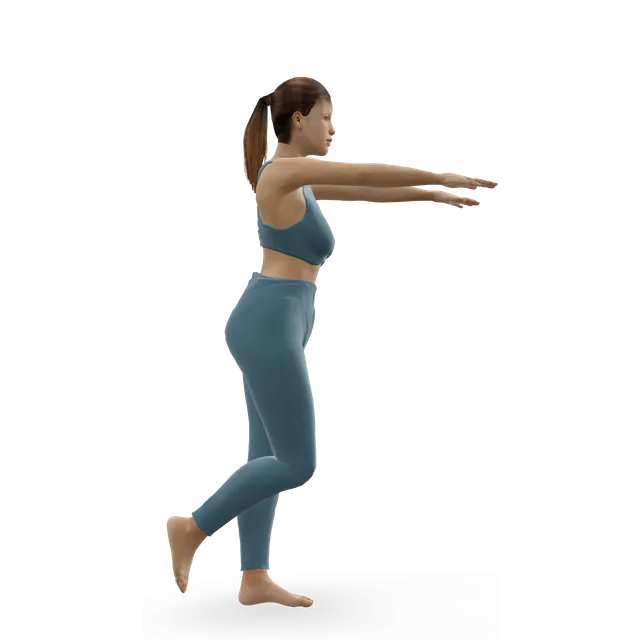
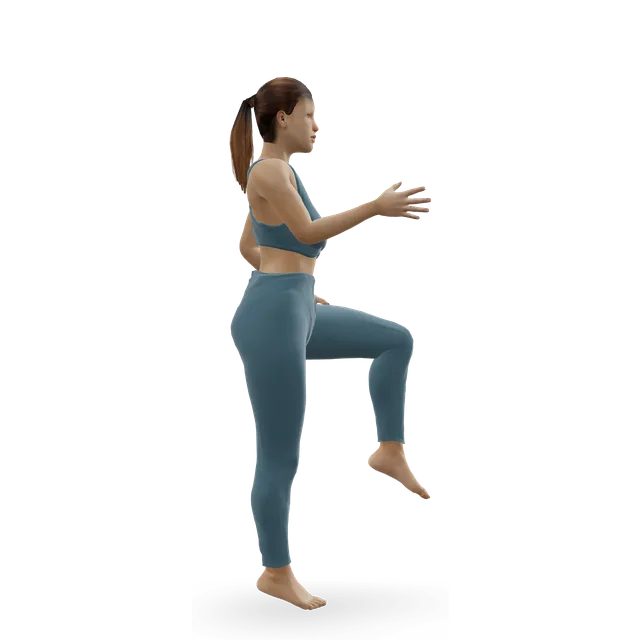
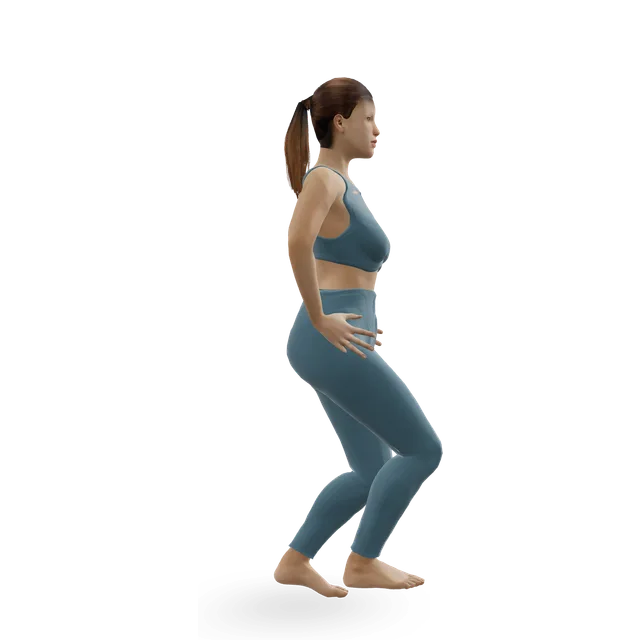
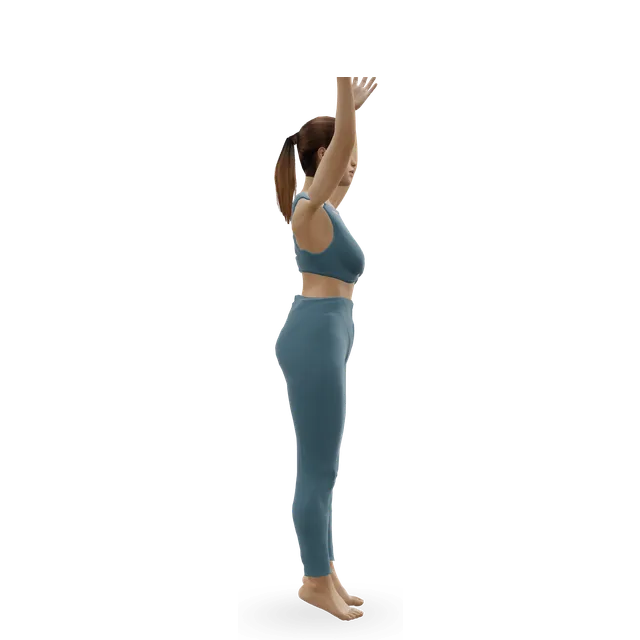
Start at the first stage. Each move opens a full guide with a 3D demo.
Stage 1
Foot up, protect the repair (about weeks 0 to 2, as your team allows)
As your team allows. In the back slab or plaster, keep the leg raised above the level of your groin for most of every hour, take weight only as your team says (often none for the first 2 weeks), and use crutches. Keep the hip and thigh working, and wiggle your toes. Wear any stocking, and use any blood-thinning injections, as you're given them. Doses are editorial.
Move on when: Your team changes the plaster for a boot, cast or brace and allows weight, often at about 2 weeks.
Follow along: a timer, a cue and the next move, one step at a time.
Stage 2
In the boot or brace: weight, and up-and-down movement only (about weeks 2 to 6, as your team allows)
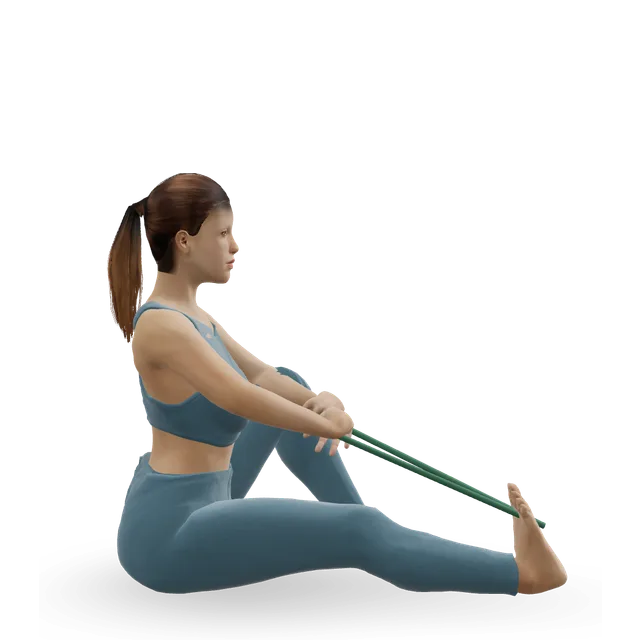
As your team allows. Walk in the boot or brace with the weight your team allows; it lets the ankle move up and down but not side to side. Gentle up-and-down ankle movement and a towel calf stretch can start from about 2 weeks if your team agrees. Keep raising the leg when you rest. No turning the sole inwards, no circles, and no stretching the outside of the ankle. Doses are editorial unless named.
Up and down only, not circles: point the foot and pull it up, holding each end for 5 s, for 1 to 2 minutes, several times a day · An NHS leaflet's dose, not the move page's circles, which turn the sole in
Move on when: The boot or brace comes off (often at about 6 weeks), you can walk without crutches, and your team refers you for physiotherapy.
Follow along: a timer, a cue and the next move, one step at a time.
Stage 3
Out of the boot: walking, calf strength and balance (about weeks 6 to 12, as your team allows)
As your team allows; some teams keep a brace on for a few more weeks. Walk normally, then build calf and outer-ankle strength and balance, the things that stop the ankle giving way. Non-impact exercise first (cycling, and swimming once the wound has healed), then low impact (the cross-trainer, a stepper, longer walks). Turning the sole inwards and side-to-side work only when your team allows. Doses are editorial unless named.
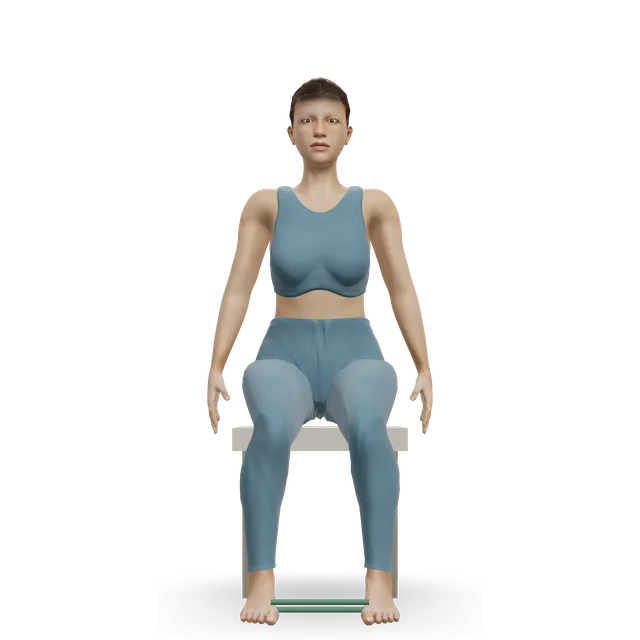
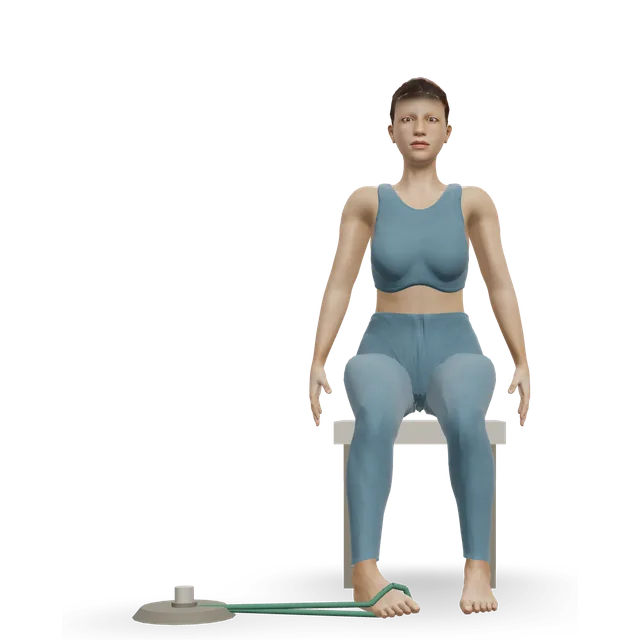
Only when your team allows turning the sole in: a light band and a small range, 2 to 3 sets of 5 to 8 · The move page's after-a-sprain dose (an NHS hospital leaflet's)
Move on when: You walk without a limp, can stand on the operated leg for 30 seconds and rise onto its toes with control, there's no swelling after sessions, and your team agrees. Low-impact sport can start from about 3 months in one NHS plan.
Follow along: a timer, a cue and the next move, one step at a time.
Stage 4
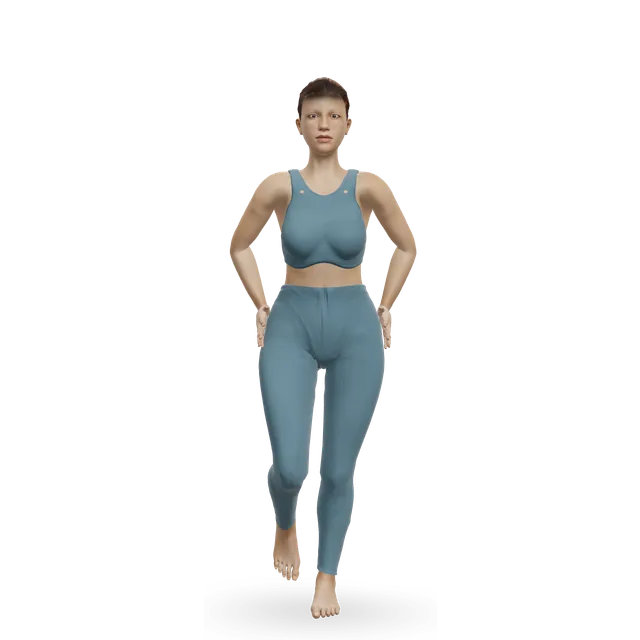
Hopping, running, turning and sport (from about 3 months, as your team allows)
As your team allows. Go from running in straight lines to turning and jumping, then low-impact non-contact sport, and finally contact sport. NHS timings: low-impact sport from about 3 months, contact sport from about 4 months in one plan and 6 to 8 months for football or rugby in another, and high-impact sport up to a year. Each new level often brings a temporary rise in pain, linked to swelling. Whether to wear a brace or tape for sport is your team's call. Doses are editorial unless named.
Move on when: Your team clears you for full sport: no swelling after training, hopping on the operated leg about as far and as steadily as on the other, and confidence in cutting and landing. In one review, people who went back to sport scored higher on psychological readiness.
Follow along: a timer, a cue and the next move, one step at a time.
What to change for now
Typical timings, which your team may change
These come from NHS hospital leaflets, and they differ. Your own team's timings come first.
Weight: often none for 2 weeks, then in a boot, cast or brace until about 6 weeks.
Desk work: from about 2 to 4 weeks, if you can keep the leg raised.
Manual work: about 2 to 3 months.
Driving: once you're out of the cast, boot or brace, walking normally and able to do an emergency stop, often at about 2 months. If your left ankle was operated on and your car is an automatic, from about 2 to 4 weeks in some hospitals. Tell your insurer.
Flying: not for 6 to 8 weeks, because of the risk of blood clots.
Sport: low-impact from about 3 months; contact sport from about 4 months to 6 to 8 months; high-impact up to a year.
From the Royal National Orthopaedic Hospital, Royal Berkshire and Royal Orthopaedic Hospital NHS leaflets, with our suggestions marked.
1. Raise the leg above the level of your groin for 55 minutes in every hour for the first 2 weeks, then whenever the foot swells.
2. Take weight only as your team says, often none for the first 2 weeks, using crutches. A physiotherapist will check you can manage stairs safely before you go home (our wording).
3. Wiggle your toes often, and keep the other leg moving (our suggestion).
4. Keep the plaster dry and never push anything down it. Rubbing, blistering, redness or oozing at its edges needs a call to the hospital.
5. Wear the stocking on your other leg, and use any blood-thinning injections, as you're given them.
6. Don't drive in a plaster, and plan for some help at home for the first 6 to 8 weeks.
Why a general foot and ankle exercise sheet doesn't fit
One NHS leaflet for any foot or ankle operation includes turning the sole in and out, and ankle circles, 10 times, 3 times a day. After a lateral ligament repair, the brace stops side-to-side movement for the first 6 weeks, so follow your repair's own plan and leave turning the sole inwards until your team allows.
The balance exercises routine and the low-impact leg workout fit from about 6 weeks, once you're out of the boot. The strength and balance workout, the runner's warm-up and the plyometric workout fit from about 3 months: leave the warm-up's ankle CARs (controlled articular rotations), which roll the sole inwards, until your team allows, and start the plyometric workout with its ankle bounces and snapdowns before any box or depth jumps.
The brace lets the ankle move up and down but not side to side while the repair heals, and turning the sole inwards stretches the repaired ligament (our reasoning).
Pointing the foot and pulling it up, as your team allows.
How long does it take to recover from a Broström repair?
Most people are in a plaster, boot or brace for about 6 weeks, then have physiotherapy. Low-impact sport is often possible from about 3 months, and contact sport from about 4 to 8 months. The full benefit can take 6 to 12 months.
When can I put weight on my foot?
It depends on your team's plan. Some NHS hospitals keep you off it for the first 2 weeks, then allow weight in a boot or cast; another allows some weight early and full weight in a brace from 2 to 3 weeks. In a trial, full weight in a hard brace straight away did as well as 2 weeks in a cast.
How long will I be in a boot or brace?
Usually until about 6 weeks after surgery, and some hospitals use a brace for up to 8 weeks after the plaster comes off. The brace lets the ankle move up and down but not side to side, to protect the repair.
When can I drive after ankle ligament surgery?
Once you're out of the cast, boot or brace, walking normally and able to do an emergency stop, often at about 2 months. If your left ankle was operated on and your car is an automatic, it may be from about 2 to 4 weeks. Tell your insurer.
When can I go back to work?
A sitting job is often possible from about 2 to 4 weeks, if you can keep your foot up. Jobs on your feet or manual work usually take 2 to 3 months.
When can I run and play sport again?
Build up in order: cycling and swimming, then walking and the cross-trainer, then jogging, then turning and jumping, then sport. NHS leaflets give low-impact sport from about 3 months, contact sport from about 4 months, and 6 to 8 months for football or rugby. Your team decides when you're ready.
Why is the top or side of my foot numb?
Small nerves run close to the operation, and in about 1 in 10 people they're stretched or nicked, leaving a numb patch, one NHS hospital says. Many recover over 6 to 8 weeks, but about half of those affected don't. Tell your team if it's painful or not improving.
Will I need to wear a brace for sport?
Your team will advise. Most people don't need one for the long term, though a few keep wearing one. Balance and strength work matters more, because without it the ankle is more likely to sprain again.
Can my ankle sprain again after surgery?
Yes, though the repair usually lasts: about 1 in 100 needed another operation over about 8 years in one review. Physiotherapy lowers the risk of spraining it again, and the ankle can still feel unstable if balance or strength haven't recovered.
Can I fly after ankle ligament surgery?
NHS hospitals advise against flying for 6 to 8 weeks after the operation, because of the risk of blood clots. Ask your team before you book, especially for long journeys.
Exercise education, not a diagnosis or treatment plan. It is written from the guidelines and studies listed above; review by a clinician is pending. If your pain follows an injury, is severe, is getting worse, or comes with any warning sign listed on this page, get it assessed. Health disclaimer.