Ankle pain from basketball: rolled ankles, high ankle sprains, the Achilles, braces and what helps

A rolled ankle is the commonest basketball injury, and most sprains cost little time: over half of National Basketball Association (NBA) ankle sprains miss no games. Where it hurts points to the cause: the outer ankle after a roll is a sprain, above the ankle between the shin bones after a cut a high ankle sprain, the front of the ankle after old sprains a pinch called impingement, and the cord above the heel the Achilles. A past sprain is the biggest risk for another, and a lace-up brace and balance training are the best-tested ways to stop it.

This guide starts with the signs that need a 999 call or accident and emergency (A&E), such as an ankle that looks deformed, and those that need the National Health Service's 111 line (NHS 111) or a general practitioner (GP) the same day, such as an ankle you can't take four steps on or a snap at the back of the heel. It then maps the causes by where it hurts, covers braces, tape, shoes, balance training and the warm-up with the trial numbers, and gives a four-stage plan with a 3D demo of every move, back to practice and games.

When to get help first

Exercise is for pain that has been checked or is clearly mild and settling.

Get urgent medical help if

  • Call 999 or go to A&E: after an injury, you heard a crack, the foot or ankle has changed shape or points at an odd angle, a bone is sticking out, there is a bad cut over it, you're in severe pain, or the toes look blue or white, feel numb or are cold to touch. These can mean a broken bone. Don't drive yourself.
  • Same day (NHS 111 or an urgent treatment centre): after an injury, you can't put weight on it or walk more than a few steps, the pain is very bad or getting worse, there is a lot of swelling or bruising or it is getting worse, it feels very stiff, or it's not feeling any better after treating it yourself. Get the same help if you also have a very high temperature, or feel hot, cold or shivery: this could be an infection. If you think it's broken, don't treat it yourself.
  • Same day: after a twist or a fall, if you can't take four steps, or pressing on the back edge or the tip of the bony bump on either side of the ankle hurts, get it checked. Clinicians use these points, the Ottawa ankle rules, to decide who needs an X-ray, and you can have a break and still walk.
  • Same day: after a twist or a fall, if you can't walk four steps, if pressing on the bony bump on the inner side of the midfoot (the navicular) or the bump halfway along the outer edge of the foot (the base of the fifth metatarsal) hurts, if the foot looks out of shape, or if you're unsure, get it checked. Clinicians use these points, the Ottawa rules, to decide who needs an X-ray.
  • Same day (NHS 111): after an injury, the ankle is very painful or the pain is getting worse, there's a lot of swelling or bruising or it's getting worse, it hurts to put weight on it, it feels very stiff or is hard to move, you feel faint, dizzy or sick from the pain, or you heard a snap, grinding or popping noise when it happened. If you think it's broken, don't treat it yourself.
  • Same day: after the foot was forced outwards, pain above the ankle between the shin bones, or pain anywhere up the outer side of the leg to just below the knee, especially if you can't hop or walk normally. A high ankle sprain can be unstable, and the outer leg bone can break high up (a Maisonneuve fracture), so the whole lower leg needs examining and an X-ray.
  • Same day: after an injury, a pop or snap behind the outer ankle bone with swelling, or a tendon you can see or feel slipping over the bone. The tendons may have come out of their groove (dislocated), which is often mistaken for a sprain; experts advise a specialist review.
  • Same day: a sudden snap or pop at the back of the heel or calf, or a feeling of being kicked there, then walking flat-footed and being unable to push off, stand on tiptoe or climb stairs. It could be an Achilles tendon rupture or a broken heel bone. Go to A&E or a minor injuries unit, or contact NHS 111.
  • Same day: a sudden snap, or a feeling of being hit in the back of the lower leg, then walking flat-footed and being unable to push off or stand on tiptoe. This can be an Achilles tendon rupture.
  • Same day: a sudden, very painful, hot, swollen, red joint, often the big toe but sometimes the middle of the foot (the midfoot) or the ankle, especially with a high temperature, feeling shivery or being unable to eat. It may be gout, but it could be a joint infection (septic arthritis), which is urgent.
  • Same day (urgent GP appointment or NHS 111): sudden, severe pain in one joint, with swelling, a change in skin colour or difficulty moving it, especially if you feel unwell, hot, cold or shivery or have a high temperature (although not everyone has one). It could be an infection in the joint, gout or calcium crystals (pseudogout), and only a sample of fluid from the joint can tell them apart.
  • Same day: skin on the foot that is painful, hot and swollen. It could be a skin infection (cellulitis).
  • Call 999 or go to A&E: a red, hot, swollen foot with a very high temperature, feeling hot, cold or shivery, a fast heartbeat or fast breathing, purple patches on the skin (which may be less obvious on brown or black skin), feeling dizzy or faint, confusion or disorientation, cold, clammy or pale skin, or unresponsiveness or loss of consciousness.
  • Call 999 or go to A&E: a foot or leg that is suddenly cold, pale, numb, weak or very painful without an injury. A sudden loss of blood supply is a vascular emergency.
  • Same day (urgent GP appointment or NHS 111): throbbing pain in one leg (rarely both), usually the calf or thigh; swelling in one leg (rarely both); red, blue or darkened skin around the painful area, which may be harder to see on brown or black skin; or swollen veins. It could be a blood clot (DVT). Watch for it after an ankle injury or time in a cast or boot.
  • Call 999 or go to A&E if breathing suddenly becomes difficult, if pain in your chest or upper back comes on suddenly with breathlessness or a very fast heartbeat, or if someone passes out. Do not drive yourself. It can be a blood clot that has reached the lungs.
  • Same day: in a cast or boot, pain that is getting worse, toes that are numb or burning, a cast that feels too tight, toes that are swollen, blue or white, or a bad smell from under the cast.
  • Same day: you have diabetes and a new foot problem, such as an ulcer or wound, signs of infection, or a hot, swollen foot with a change in colour, even if it doesn't hurt. Contact your diabetes foot team or GP: NICE asks for these to reach a specialist foot service within 1 working day, and a suspected Charcot foot is kept off weight until it has been checked.
  • Someone who faints while exercising, or who has fainted and can't be woken within a minute, has chest pain or a pounding, fluttering or irregular heartbeat, or hasn't fully recovered.

See a doctor or physiotherapist if

  • Pain that isn't better after 2 weeks of looking after it yourself, is getting worse, keeps coming back, or stops you doing normal things.
  • An ankle that keeps giving way months after a sprain.
  • Pain or swelling still there 6 to 12 weeks after a sprain, or deep pain inside the joint with catching or locking: see your GP. A damaged patch of cartilage and bone on the talus (an osteochondral lesion) is one cause, X-rays often miss it, and it has its own guide.
  • Pain, clicking, locking or swelling that carries on despite a good rehab programme. Cartilage, tendon and other problems are common alongside an unstable ankle and need assessing.
  • Still painful, swollen or unstable 6 to 8 weeks after the injury, or pain at the front of the ankle when you squat or push off: ask for a review. A missed instability, scarring, a pinch at the front of the ankle or a cartilage injury can cause lasting symptoms, and an MRI (magnetic resonance imaging) scan may be needed.
  • Pain on the outer side of the foot or ankle that hasn't settled 6 weeks after a sprain, or a sprain that keeps hurting in one spot: ask for a review. A small fracture or a tendon injury can be missed at first (our suggestion).
  • Pain on the inner side of the ankle that hasn't settled 6 to 8 weeks after a sprain: ask for a review. Inner ligament, cartilage and tendon injuries can come with an ordinary sprain, and a scan may help by then.
  • Pain at the front of the ankle that keeps coming back when you squat, lunge, climb or kick: see a GP or physiotherapist. In many areas you can refer yourself to NHS physiotherapy.
  • Not better after about 3 months of good rehab, or it keeps you from training, dancing or playing: ask about seeing a sports medicine doctor or a foot and ankle specialist about an injection or keyhole surgery.
  • Pain at the back of the ankle that keeps coming back with pointing, kicking or landing: see a GP or physiotherapist. In many areas you can refer yourself to NHS physiotherapy.
  • Not better after about 3 months of good rehab, or it keeps a dancer off pointe or a player out of games: ask about seeing a sports medicine doctor or a foot and ankle specialist about an injection or surgery.
  • One spot on a foot bone that hurts with every step and later at night: a possible stress fracture.
  • One spot on the inner ankle bone that hurts with every step, built up with running or jumping: stop running and get it checked soon. It's a stress fracture site that heals less well, and the first X-ray can look normal.
  • Pain in the middle of the foot that is hard to pinpoint, on the outer edge of the midfoot, or on the front of the shin bone in a running or jumping athlete. These sites heal less well and need prompt assessment, often with a scan.
  • A stress fracture from ordinary activity, more than one stress fracture, periods that have stopped or become irregular, or worries that you're eating too little for your training: see a GP about bone health and energy intake.
  • Clicking or snapping behind the outer ankle bone that keeps happening or hurts.
  • Pain that is getting worse week on week despite cutting back, or is stopping your normal activities.
  • A suspected rupture that was never examined, or a weak push-off weeks after what seemed to be a sprain or calf strain: ask for an assessment. A rupture found late may need different treatment.
  • A child's heel or foot pain that isn't clearly linked to activity, or that comes with swelling or redness. With a high temperature, or if your child seems unwell, get help the same day: an urgent GP appointment or NHS 111.
  • Tingling or loss of feeling in the foot, or a foot that feels weak.
  • Any foot pain if you have diabetes: foot problems can be more serious.
  • Bone pain that is constant or worse at night, especially with a lump, unexplained weight loss, fever or tiredness, or a past history of cancer.
  • A second sprain of the same ankle in a season, or an ankle that still feels unsteady when you cut or land after 6 weeks: see a physiotherapist about a balance programme and a brace before the next game (our suggestion, built on the ankle hub's instability line, the International Ankle Consortium's advice to check every sprain for lasting problems, and the trials of balance training and bracing after a sprain).

Where does it hurt?

Location narrows the likely causes; it does not diagnose.

Both ankles and calves achy after a long game, a tournament or the first practices, easing as you move

Tired, overloaded ankles and calves, the commonest cause. A lighter day or two usually settles it.

Read: Ankle pain →

The outer ankle after it rolled on a landing or on another player's foot, with swelling and bruising

An outer (lateral) ankle sprain, the commonest basketball injury. Check the Ottawa points in the warning signs first.

Read: Sprained ankle →

An outer ankle that keeps going over, or feels loose, months after a sprain

Chronic ankle instability, common after repeated sprains. Balance training and a brace cut repeat sprains.

Read: Chronic ankle instability →

Above the ankle between the shin bones after the foot was planted and forced outwards on a cut, worse turning the foot out or hopping

A high ankle sprain, about 7% of college basketball ankle injuries and slower to recover. Get it checked the same day.

Read: High ankle sprain →

Behind the outer ankle bone, with clicking or a tendon you can feel slipping

The peroneal tendons, which is uncommon. A tendon that slips needs checking the same day.

Read: Peroneal tendinopathy →

The inner side of the ankle after a sprain that doesn't settle

The inner ligament, cartilage or a tendon. Ask for a review if it hasn't settled at 6 to 8 weeks.

Read: Inner ankle pain →

A pinch at the front of the ankle in a deep defensive stance, a lunge or a landing, often after old sprains

Anterior ankle impingement or an irritated joint lining. Stay short of the pinch.

Read: Anterior ankle impingement →

Deep at the back of the ankle when the foot points hard, as in a take-off or a landing on the toes

Posterior ankle impingement, which is uncommon in basketball.

Read: Posterior ankle impingement →

The cord above the heel, stiff in the morning, sore after jumping

Achilles tendinopathy, found in about 4% of youth players over a season. Calf loading is the treatment.

Read: Achilles tendinopathy →

A snap or a feeling of being kicked at the back of the heel on a push-off, then a flat-footed walk

A possible Achilles rupture, which is rare: get help the same day.

Read: Achilles rupture →

The heel of a growing child of about 8 to 14, worse with running and jumping

Sever's disease, common in active children.

Read: Sever's disease →

A deep ache inside the ankle, swelling after play or catching, 6 weeks or more after a sprain

Possibly a damaged patch of cartilage and bone on the talus, which is uncommon and needs a scan.

Read: Talus cartilage lesion →
Show all 18 areasShow fewer areas

Understand it

The commonest basketball injury, and mostly shortStrong evidence

Basketball's jumps, landings in a crowd, cuts and sideways slides load the ankle at the end of its range, often when a foot lands on another player's. In US college basketball, the ankle sprain was the commonest injury (17.9% of men's and 16.6% of women's injuries); in the NBA, outer ankle sprains were 13.2% of injuries and "more than twice as common as any other injury", and about 1 in 4 players (25.8%) sprained an ankle each season. In the Women's NBA (WNBA), outer ankle sprains were the commonest injury (20%), though knee injuries cost more games. In US high schools, boys' and girls' basketball had the highest ankle injury rates of all sports, and across 181 studies of all sports, indoor and court sports had the highest rate of ankle sprains. Across 22 studies, the ankle was the commonest site, 25.8% of basketball injuries; in Canadian youth players counting every complaint, the ankle led in girls (45%) and the knee in boys (51%).

Most are short: 56% of NBA ankle sprains didn't cost a game, and the rest cost a median of 2; in US college athletes, 44.4% of outer ankle sprains were back within a day; and most college basketball ankle injuries were treated without surgery, were new injuries and cost less than 7 days.

Sources 1, 2, 3, 4, 5, 6, 7, 8, 9, 10, 11

How it happensEmerging evidence

In recreational players, there were 3.85 ankle injuries per 1,000 times a player took part, landing caused 45% of them, and almost half (45.9%) missed a week or more. In college basketball, contact with another player was the commonest way it happened (men 57.6%, women 50.4%) and rebounding the commonest activity (34.4%), and 71.2% of NBA sprains involved contact. The NBA authors call the sprain count "not surprising in light of the frequency of jumping and landing in a crowd of players".

Sources 12, 10, 3, 2

Repeat sprains and ankles that keep giving wayStrong evidence

A past sprain is the biggest risk for another: recreational players "with a history of ankle injury were almost five times more likely to sustain an ankle injury", the NBA rate was 1.41 times higher after a previous sprain, and 21.1% of women's and 19.1% of men's college basketball sprains were repeats. Poor one-leg balance before the season went with nearly seven times as many ankle sprains in high school players. The International Ankle Consortium says repeat sprains are common and lead many people to develop chronic ankle instability.

Estimates of instability in players vary widely: 30% of 57 US college players in an older study, and 76% in a self-report survey of 391 Taiwanese college and semi-professional players, which is likely a high estimate. Across sports, repeat sprains were the most reported feature of an unstable ankle.

Sources 12, 3, 9, 13, 14, 15, 16

High ankle sprains, and the front of the ankle after many sprainsEmerging evidence

About 7% of college basketball ankle injuries were high ankle (syndesmosis) sprains. Across US college sports they were about a fifth as common as outer ankle sprains, and "High ankle sprains resulted in significant participation restriction time from sport participation".

In 100 adults having surgery for an ankle that kept giving way, 63% had an irritated joint lining (synovitis), mostly at the front, 17% cartilage damage and 12% bony impingement at the front; in 148 people with long-lasting instability, cartilage damage was found in 66% of ankles with outer ligament injuries. These are surgical series of the hardest cases, not typical sprains, but they explain why front-of-ankle pain that won't settle after repeated sprains needs assessing.

Sources 10, 17, 18, 19

The Achilles, and the outer edge of the footEmerging evidence

Achilles tendon pain affected 4.3% of 515 Canadian youth players over a season, against 19.0% for patellar tendon pain. An Achilles rupture is rare, about 2.1 per 100,000 people a year in US emergency data, but basketball was the commonest cause; the highest rate was in men aged 20 to 39, and the biggest rise was in people aged 40 to 59 playing recreational sport. At one US referral centre, basketball caused 48% of sports ruptures, at a mean age of 46. In NBA players on video, the commonest mechanism was taking off from a stopped position with the ankle bent up.

A fracture at the base of the fifth metatarsal (a Jones fracture), on the outer edge of the foot, also happens in basketball; in NBA players, 85% returned to their previous level. Our outer foot pain guide covers it.

Sources 20, 21, 22, 23, 24

When a scan or test mattersStrong evidence

Most rolled ankles need no X-ray. Clinicians use the Ottawa ankle and foot rules (see the warning signs): across 27 studies of 15,581 people, "The instrument has a sensitivity of almost 100% and a modest specificity, and its use should reduce the number of unnecessary radiographs by 30-40%". A Dutch guideline judges ligament damage by examination 4 to 5 days after the injury, and the International Ankle Consortium asks clinicians to check every recent sprain for mechanical and sensorimotor problems, such as a loose joint, weakness or poor balance.

A scan matters for pain above the ankle after a twist outwards (a high ankle sprain can be unstable), deep pain that hasn't settled 6 weeks or more after a sprain (a cartilage injury), a suspected stress fracture, or a tendon that slips.

Sources 25, 26, 27

How it usually goesEmerging evidence

The NHS says "After 2 weeks, most sprains and strains will feel better", and to "Avoid strenuous exercise such as running for up to 8 weeks, as there's a risk of further damage". NHS inform says to speak to a healthcare professional if your ankle isn't getting better by 8 to 12 weeks or is getting worse. NBA sprains that cost games cost a median of 2, and about two-thirds of college basketball ankle injuries cost under a week. After high ankle sprains, 99% of elite athletes returned, at about 4 weeks without surgery and 7 weeks with it in high-level athletes, and across 312 athletes the mean was 46 days. Repeat sprains are the main long-term problem, and the consortium links them with more ankle osteoarthritis later.

After an Achilles rupture repair, NBA players returned at a mean of 10.5 months, and return rates ranged from 61% in an older NBA series to 80% in a newer one; across leagues, players who returned performed like uninjured players 2 years after surgery. These are averages from small groups of professionals, and no one can promise a date.

Sources 28, 29, 3, 10, 30, 31, 14, 23, 32, 33, 34

When it isn't basketball: the causes the warning signs cover

Some ankle pain has causes basketball didn't create, and the warning signs follow the pages behind them. The NHS broken ankle page says to go to A&E for an ankle at an odd angle, a bone sticking out or toes that look blue or white, and the Ottawa ankle rules, tested in emergency departments and in a review of 27 studies, pick out who needs an X-ray. After a twist outwards, the outer leg bone can break high up near the knee (a Maisonneuve fracture): a case series of 5 missed ones says the whole bone should be examined in every ankle injury, and two reviews describe how such injuries are treated. A tendon slipping over the outer ankle bone needs a specialist review, an international consensus says, and a review calls peroneal tendon problems a cause of outer ankle pain that can be hard to tell from a ligament injury. Pain, clicking, locking or swelling that carries on despite good rehab can mean cartilage, tendon or other problems alongside an unstable ankle, as our chronic ankle instability guide sets out from a US clinical practice guideline and the same peroneal review. A snap at the back of the heel can be an Achilles tendon rupture, as an NHS hospital's leaflet describes. A sudden hot, red, swollen joint can be gout or a joint infection, which the NHS septic arthritis page says needs urgent treatment, and hot, swollen, painful skin can be cellulitis, which the NHS cellulitis page says needs a 999 call with signs of a serious infection. A foot that is suddenly cold and pale without an injury is a vascular emergency, unlike the gradual leg pain the NHS peripheral arterial disease page describes, and a throbbing, swollen calf after an injury or a boot can be a blood clot, as the NHS DVT page explains. With diabetes, the National Institute for Health and Care Excellence (NICE) asks for a new foot problem to reach a specialist foot service within 1 working day. Someone who faints while exercising needs a 999 call, as the NHS fainting page says.

One spot on a bone that hurts with every step, and later at night, can be a stress fracture, as Health New Zealand describes. The inner ankle bone, the outer edge of the midfoot and the front of the shin are high-risk sites that heal less well, two reviews of high-risk stress fractures say, and in 8 people with a stress fracture of the inner ankle bone the first X-ray showed it in only 3. More than one stress fracture, periods that stop, or eating too little for your training needs a GP: the International Olympic Committee calls this relative energy deficiency in sport (REDs), and an Endocrine Society guideline covers periods that stop. Bone pain that is constant or worse at night needs checking, the NHS bone cancer page says, though that is rare.

Sources 56, 57, 58, 59, 60, 61, 62, 63, 64, 65, 66, 67, 68, 69, 70, 71, 72, 73, 74, 75, 76, 77, 78


What helps, and how strong the evidence is

A lace-up brace for practice and gamesStrong evidence

In the largest basketball trial, of 1,460 high school players, "The rate of acute ankle injury (per 1000 exposures) was 0.47 in the braced group and 1.41 in the control group", in players with and without a past sprain, and the brace didn't raise knee injuries; about 15 players needed to wear one for a season to prevent one injury. It cut how often injuries happened, not how bad they were. At West Point, semi-rigid ankle stabilisers "significantly reduced the frequency of ankle injuries" in basketball without affecting knee injuries.

The evidence for first sprains is weaker than for repeat ones. Across 6 trials in athletes, about 26 people needed to wear a brace to prevent one first ankle injury and 12 to prevent one repeat, with the evidence for first injuries rated low quality. A 2023 meta-analysis found no significant effect of bracing on sprains (it called the effect ambiguous), while an overview of reviews found "strong evidence for bracing and moderate evidence for neuromuscular training in preventing recurrence of an ankle sprain".

Sources 35, 36, 37, 38, 39

After a sprain: a brace for sport and balance training cut repeat sprainsStrong evidence

In 384 athletes after a sprain, a brace worn for sport for a year cut repeat sprains more than an 8-week home programme alone (15% against 27%). In 522 athletes, an 8-week home programme of balance-board exercises, three sessions a week of up to 30 minutes, cut repeat sprains from 33% to 22%: "Nine athletes needed to be treated to prevent one recurrence". A Dutch guideline says a patient with a torn outer ankle ligament "benefits most from use of tape or a brace in combination with an exercise programme".

Sources 40, 41, 37, 26

Balance training cuts sprains in basketball playersEmerging evidence

In 765 high school soccer and basketball players, a balance programme lowered the sprain rate from 1.87 to 1.13 per 1,000 sessions (9.9% against 6.1% of players). In 232 German basketball players, 21 injuries occurred in the control group and 7 in the training group (an erratum corrected that study's risk figure, which isn't used here). A home wobble-board programme in 920 Canadian players cut injuries that came on suddenly, though its drop in ankle sprains alone wasn't significant, and one professional team's six years of balance work went with 81% fewer ankle sprains, but without a comparison group. A 2023 meta-analysis recommends balance training, "especially for people with a history of lateral ankle sprain".

Sources 42, 43, 44, 45, 38

Braces and your ankle's own control: no sign they weaken it, from small studiesEmerging evidence

The worry that braces weaken the ankle rests on little evidence either way. The main study is one small lab study: in 20 active students, 8 weeks of wearing a lace-up or semi-rigid brace didn't slow the reflex of the muscles that protect the ankle in a sudden roll. A meta-analysis found the cost to performance small, about 1% of sprint speed. A 2026 review of bracing in basketball says team-wide bracing is low cost per athlete and practical. Keep the balance exercises going as well.

Sources 46, 47, 48

Tape and shoes: thin evidenceMixed evidence

In 622 college players randomised to high-tops, high-tops with air chambers or low-tops, "There was no significant difference among these 3 groups", but there were only 15 ankle injuries, too few to rule out an effect. A survey of college players found no link between heel cushioning design and sprains, whereas recreational players in heel air-cell shoes had about 4 times the odds of ankle injury in one case-control study. No basketball trial has tested taping; in recreational players with a past sprain tape showed only a trend towards fewer injuries, and tape loosens during play.

Sources 49, 50, 12, 48

The 10-minute warm-upEmerging evidence

The SHRed Injuries Basketball warm-up (13 exercises: running, agility, strength and balance) went with a 36% lower rate of ankle and knee injuries in players aged 11 to 18. That study compared seasons rather than randomising teams, so it shows an association. Coaches used it in a median 80% of sessions, but players did the exercises as prescribed only about half the time, and time was the commonest reason teams skipped it.

Sources 51, 52

Back by checks, not the calendarEmerging evidence

An international consensus on returning to sport after an ankle sprain judges readiness by pain, ankle movement and strength, balance, confidence and sport-specific drills, rather than by time. The International Ankle Consortium warns that without proper assessment and rehabilitation a sprain can leave "long-term injury-associated symptoms and chronic ankle instability". The Dutch guideline prefers supervised exercise to passive treatments, and says "Surgery should be reserved for cases that do not respond to thorough and comprehensive exercise-based treatment".

Sources 53, 27, 26

Medicines, injections and surgeryMixed evidence

For a fresh sprain, an overview of reviews found strong evidence for anti-inflammatory medicines and early movement, while the Dutch guideline urges care with anti-inflammatories. Most outer ankle sprains in college basketball were treated without surgery. A high ankle sprain that is unstable, a fracture, a slipping tendon or an Achilles rupture needs a specialist; ligament surgery is for an ankle that keeps giving way despite good rehabilitation, as our ankle ligament surgery guide covers.

Sources 39, 26, 10

How much pain is OK while you exercise?

Up to about 5 out of 10, settled within an hour, and hops and cuts only when they barely hurtEmerging evidence

Some discomfort during exercise is fine. Aim for pain you would call mild to moderate, no more than about 5 out of 10, that settles within an hour, with no more swelling or stiffness the next morning. If it's worse the next day, do a little less (a smaller range, fewer reps, a lighter band), not nothing.

The exceptions: pain in one spot on a bone should be pain-free, because it could be a stress fracture; burning, tingling or numbness means stop that movement; and if your feet are numb, pain won't warn you, so check your skin after exercise.

If pain climbs day after day, or you notice a warning sign, stop and get it checked. The 5 out of 10 figure is an editorial starting point that matches this site's other pain guides, not a tested rule.

After a sprain, NHS hospital leaflets say the exercises should not increase your pain, and gentle exercise from the first week was safe in a trial: re-injury was 4% with or without it.

Two positions are different. Early on, don't force the foot to turn outwards (pivoting or cutting on a planted foot) or to bend up hard (deep squats or lunges, with the knee pushed far over the toes): that's how the injury happens, and the rehab review avoids both until the second phase, then moves through the full range gently.

Move on by milestones, not dates: walking without crutches and with little discomfort; then jogging and hopping without pain or giving way; then sport drills at game speed with little or no pain. After surgery, your team's limits on weight and movement come first.

This site's suggested rule: pain during exercise up to 5 out of 10, back to its usual level by the next morning, and not creeping up week on week. If it is worse the next morning, lighten the load for a few sessions rather than stopping.

Bending the ankle up under load (squats, lunges, stairs, the knee-to-wall rock, landings, plié): stay short of the sharp pinch at the front of the ankle. A stretch in the back of the calf is fine; a pinch at the front is not. Let the depth come back over weeks (our suggestion).

Expert guidance on bone stress injuries says the right load causes no symptoms during, after or the day after loading. Health New Zealand says stop exercising as soon as you feel pain, and never play through it; an NHS trust says if the pain comes back, do less and let it settle.

For basketball (our suggestion, built on the rules above and the international return-to-sport consensus): judge each practice or game by the ankle during it, that evening and the next morning. Up to about 5 out of 10 that settles within an hour, with no more swelling the next morning, is fine for strength, balance and court drills. Hops, cuts and games come back only when they cause little or no pain and no giving way, as the milestones above say. Wear the brace for court work after a sprain. One spot on a bone that hurts, a roll that swells fast, a snap at the back of the heel or a hot, red ankle isn't a pain-rule question: see the warning signs.

Sources 54, 72, 79, 80, 81, 82, 83, 53

The exercise plan: 4 stages

Start at the first stage. Each move opens a full guide with a 3D demo.

Stage 1

Protect and move: the first days and weeks

About days 0 to 14: rest, ice, compression and raising it for the first 2 to 3 days, a brace or tape for comfort, walking as comfort allows, and early ankle movement and gentle strength. A suspected fracture, high ankle sprain, slipping tendon or Achilles rupture follows its own guide and your team's advice; with any warning sign, get checked first.

Ankle CARs (controlled articular rotations) demonstrated on the 3D figure3D demoAnkle CARs (controlled articular rotations)Beginner · No equipment

10 circles each way, 3 to 4 times a day · As in our sprained ankle guide (a King's College Hospital leaflet's dose). A comfortable range; stay inside the range you can control, as the move page says

Easier: Ankle circles · Harder: Toes-tucked kneeling (toe squat)

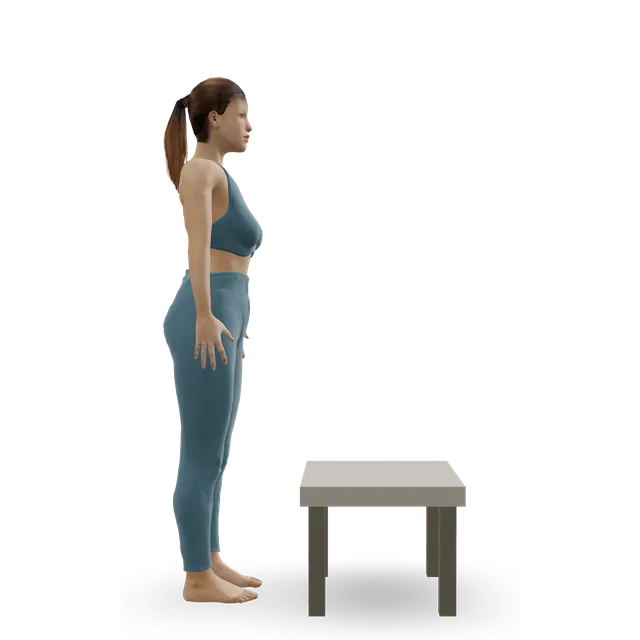
Seated bent-knee calf raise (soleus raise) demonstrated on the 3D figure3D demoSeated bent-knee calf raise (soleus raise)Beginner · A bench or box

2 sets of 10 · As in our sprained ankle guide (editorial)

Harder: Slow calf raise

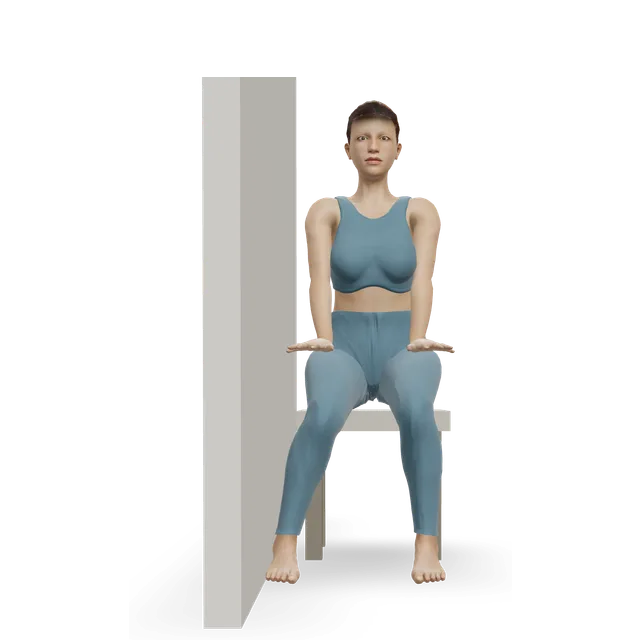
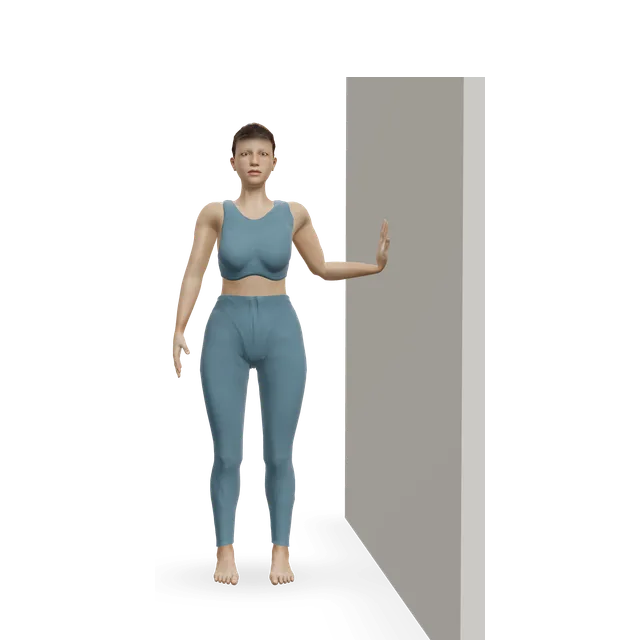
Isometric ankle eversion against a wall demonstrated on the 3D figure3D demoIsometric ankle eversion against a wallBeginner · A wall + A bench or box

8 to 12 holds of about 6 s · As in our sprained ankle guide (editorial). Press gently; nothing moves

Harder: Band ankle eversion

Single-leg stand demonstrated on the 3D figure3D demoSingle-leg standBeginner · A wall

Up to 30 s · As in our sprained ankle guide (the leaflet's first level), holding a support

Easier: Tandem stance and heel-to-toe walk · Harder: Single-leg reach matrix

Recumbent exercise bike demonstrated on the 3D figure3D demoRecumbent exercise bikeBeginner · Cardio machine

10 to 20 minutes at a moderate effort to start, building towards 30 · From the move page's dose (an editorial starting point). Fitness while the ankle settles

Harder: Stationary cycling

Move on when: You walk with little or no limp, the swelling is going down, and you can stand on the injured leg holding a support for 30 seconds (editorial, as in our sprained ankle guide).

Follow along: a timer, a cue and the next move, one step at a time.
Stage 2

Build: strength in every direction, and balance

About weeks 2 to 6: wean off the brace for daily life after 2 to 3 weeks (keep it for court work), and build calf and ankle strength in every direction and single-leg balance, as the home programme that cut repeat sprains did.

Knee-to-wall ankle rock demonstrated on the 3D figure3D demoKnee-to-wall ankle rockBeginner · A wall

10 slow rocks · As in our sprained ankle guide (a St George's Hospital leaflet's exercise). Stay short of a pinch at the front of the ankle

Harder: Deep squat hold

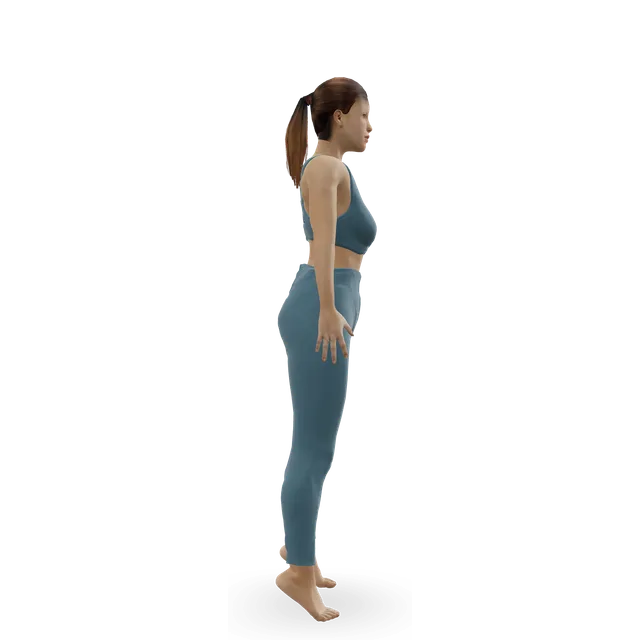
Slow calf raise demonstrated on the 3D figure3D demoSlow calf raiseBeginner · A wall

12 reps, 3 times a day · As in our sprained ankle guide (a King's College Hospital leaflet's dose)

Easier: Seated bent-knee calf raise (soleus raise) · Harder: Standing dumbbell calf raise

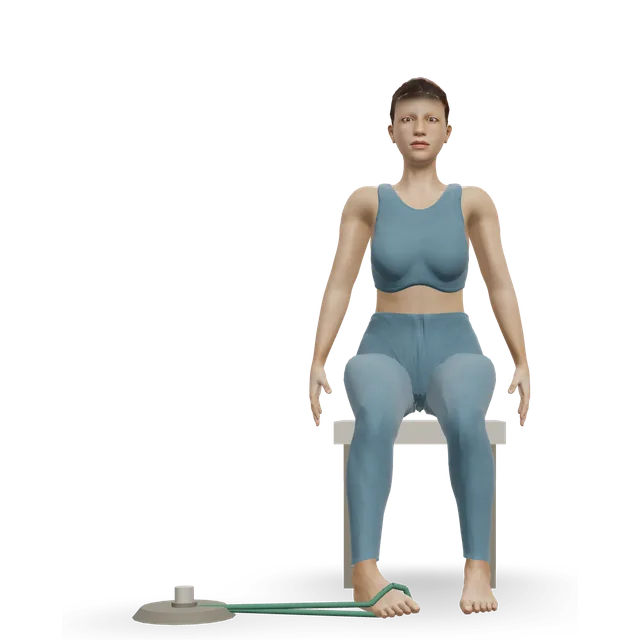
Band ankle eversion demonstrated on the 3D figure3D demoBand ankle eversionBeginner · A band + A bench or box

2 to 3 sets of 5 to 8 · As in our sprained ankle guide (a United Lincolnshire Hospitals leaflet's dose)

Easier: Isometric ankle eversion against a wall · Harder: Single-leg stand

Band ankle inversion demonstrated on the 3D figure3D demoBand ankle inversionBeginner · A band + A bench or box

2 to 3 sets of 5 to 8 · From the move page's dose (an NHS hospital leaflet's dose after a sprain). Pain-free range in the first 2 weeks, as the move page says

Harder: Single-leg calf raise from a step

Tibialis raise demonstrated on the 3D figure3D demoTibialis raiseBeginner · No equipment

2 to 3 sets of 8 to 10 · As in our sprained ankle guide (editorial swap for the leaflet's band exercise)

Harder: Single-leg tibialis raise

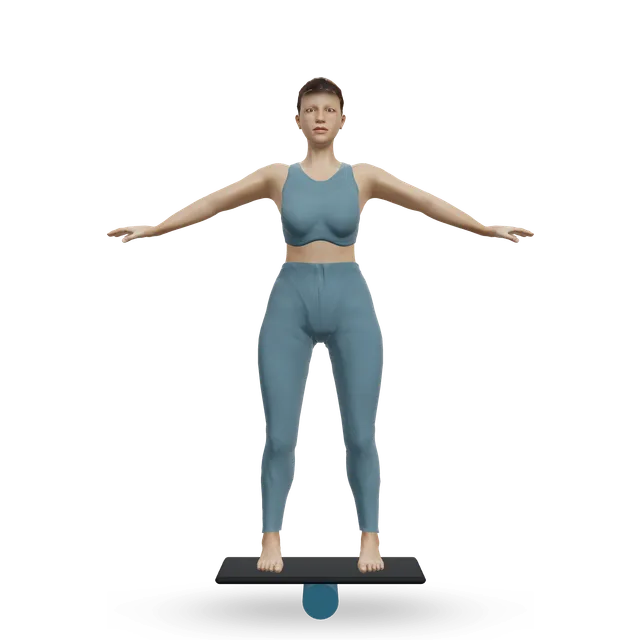
Balance board stand demonstrated on the 3D figure3D demoBalance board standBeginner · Other / check instructions

Several holds of 20 to 30 seconds on most days · From the move page's dose (an editorial starting point). A rail within reach, as the move page says; the home programme that cut repeat sprains used a balance board

Easier: Single-leg stand

Move on when: 12 calf raises are pain-free and you can stand on the injured leg for 30 seconds without support (editorial, our sprained ankle guide's check).

Follow along: a timer, a cue and the next move, one step at a time.
Stage 3

Hop and land

From about weeks 4 to 6, every other day: single-leg calf strength for take-off, reaches and hops in every direction, and quiet landings.

Single-leg calf raise from a step demonstrated on the 3D figure3D demoSingle-leg calf raise from a stepIntermediate · A step + A wall

12 reps, 3 times a day · As in our sprained ankle guide (a King's College Hospital leaflet's dose)

Easier: Slow calf raise · Harder: Single-leg pogo hops

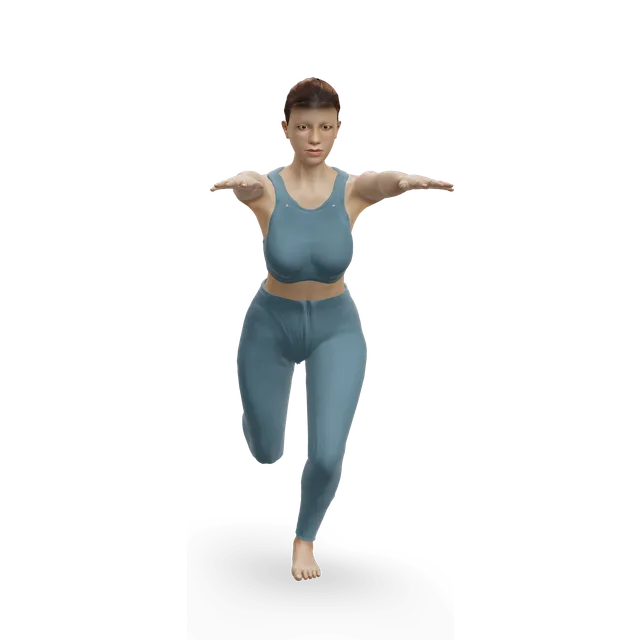
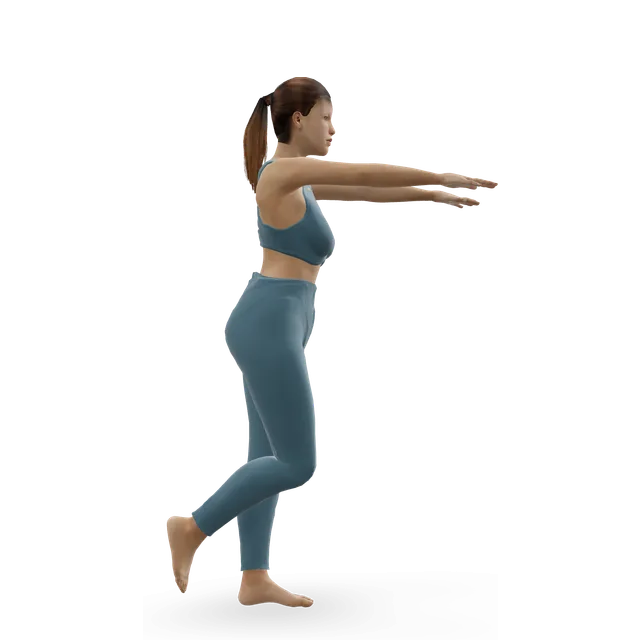
Single-leg reach matrix demonstrated on the 3D figure3D demoSingle-leg reach matrixIntermediate · No equipment

3 rounds of 5 reaches in each direction, each leg · From the move page's dose (an editorial starting point)

Easier: Standing crossed-leg side reach · Harder: Single-leg Romanian deadlift

Ankle bounces (mini pogo) demonstrated on the 3D figure3D demoAnkle bounces (mini pogo)Beginner · No equipment

3 sets of 8 to 12, every other day · As in our sprained ankle guide (the King's College Hospital leaflet's last stage)

Harder: Pogo hops

Pogo hops demonstrated on the 3D figure3D demoPogo hopsIntermediate · No equipment

3 sets of 8 to 12, every other day · As in our sprained ankle guide (editorial), once ankle bounces are easy

Easier: Ankle bounces (mini pogo) · Harder: Single-leg pogo hops

Single-leg hop and stick demonstrated on the 3D figure3D demoSingle-leg hop and stickIntermediate · No equipment

3 sets of 5 each direction · As in our chronic ankle instability guide (editorial). After an ankle injury, small hops in one direction first, as the move page says

Easier: Standing broad jump with stuck landing · Harder: Alternate-leg bounding

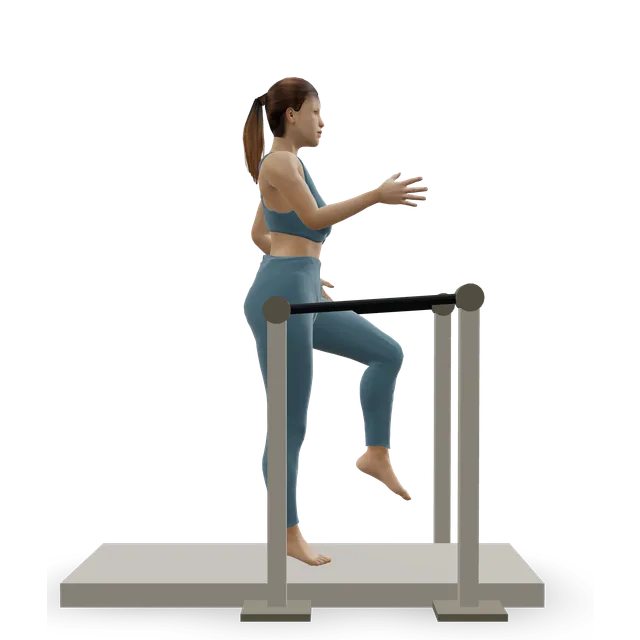
Isometric calf raise hold demonstrated on the 3D figure3D demoIsometric calf raise holdBeginner · A wall

5 holds of 30 to 45 seconds, once or twice a day · From the move page's dose (an editorial starting point). For Achilles pain at the back of the ankle; keep to about 5 out of 10, as the move page says

Easier: Seated bent-knee calf raise (soleus raise) · Harder: Slow calf raise

Move on when: You can hop and land on the injured leg in each direction without wobbling, pain or giving way (our chronic ankle instability guide's check).

Follow along: a timer, a cue and the next move, one step at a time.
Stage 4

Back on court: cuts, slides, jumps, then games

From about week 6, then for good: the moves basketball asks for, at game speed, then practice and games by the written steps below, with the brace on for court work and the balance habit kept 3 times a week. No study has tested a return to basketball after an ankle injury; the order is our suggestion, built on the return-to-sport consensus and the brace and balance trials.

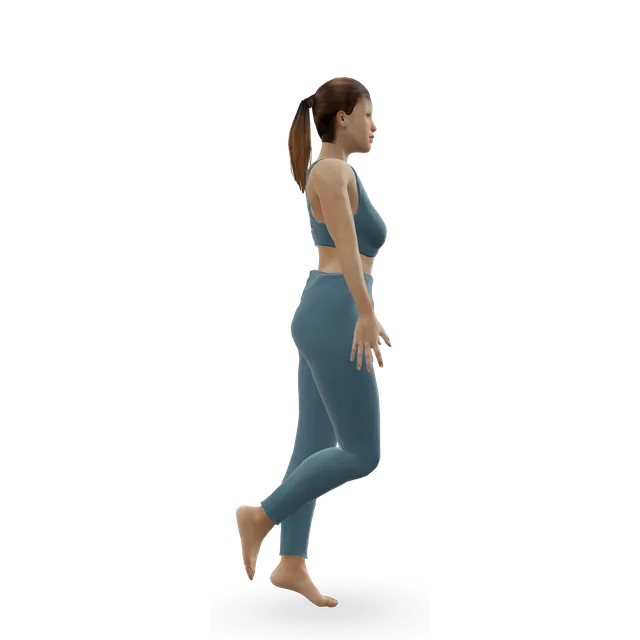
Single-leg pogo hops demonstrated on the 3D figure3D demoSingle-leg pogo hopsAdvanced · No equipment

3 sets of 30 to 60 s, every other day · As in our sprained ankle guide (a King's College Hospital leaflet's dose)

Easier: Pogo hops · Harder: Single-leg cone hops

Lateral bound (skater jump) demonstrated on the 3D figure3D demoLateral bound (skater jump)Beginner · No equipment

3 sets of 4 each side, sticking each landing for 2 s · As in our basketball strength and jump workout (editorial). Every landing is on one leg, so it comes last, as the move page says

Harder: Bench jump-over

Side-stepping (sideways walking) demonstrated on the 3D figure3D demoSide-stepping (sideways walking)Beginner · A wall

1 to 2 court lengths, forwards then a zig-zag shuffle back · As in our basketball injury prevention warm-up (editorial, following the SHRed developers' handout)

Harder: Lateral band walk

Single-leg cone hops demonstrated on the 3D figure3D demoSingle-leg cone hopsAdvanced · Other / check instructions

10 to 15 each leg, forwards and backwards over a line · As in our basketball injury prevention warm-up (editorial, following the SHRed developers' handout)

Easier: Forward cone hops

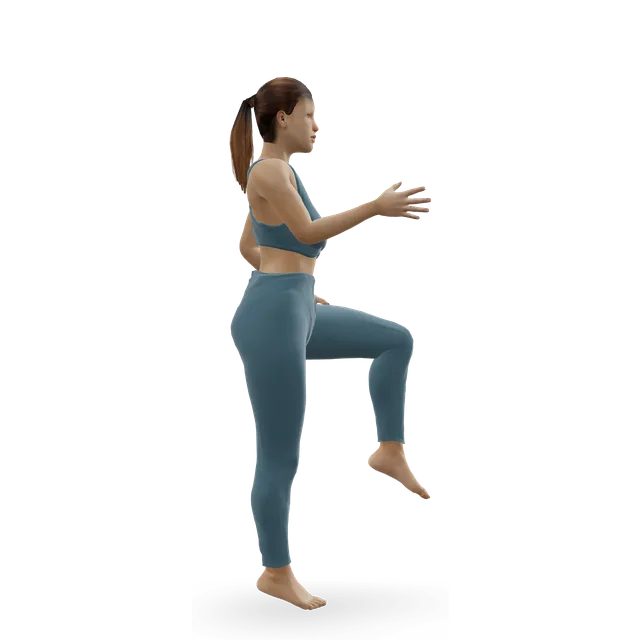
Shuttle runs demonstrated on the 3D figure3D demoShuttle runsAdvanced · No equipment

4 to 6 runs · As in our sprained ankle guide (editorial), when you pass the return-to-sport checks; wide turns first, as the move page says

Easier: Treadmill jogging

Single-leg stand demonstrated on the 3D figure3D demoSingle-leg standBeginner · A wall

3 holds of up to 30 s each leg · As in our sprained ankle guide: part of the balance warm-up, eyes shut, then on a cushion or board

Easier: Tandem stance and heel-to-toe walk · Harder: Single-leg reach matrix

Move on when: Hopping, jumping, cutting and a full practice pass with little or no pain and no giving way, and you feel ready (the return-to-sport consensus's checks). If it flares, drop back a stage for a week, not to nothing (editorial).

Follow along: a timer, a cue and the next move, one step at a time.

What to change for now

What to do now (written steps)

Our 3D figure can't show these. They come from the NHS sprains and ankle pain pages, a Dutch guideline and NHS inform's ankle exercises; where a step is our suggestion, it says so.

  • 1. For the first 2 to 3 days after a roll, the NHS advises rest, an ice pack wrapped in a towel for up to 20 minutes every 2 to 3 hours, compression and raising the ankle; for ankle pain, rest and raise it when you can, and wrap a bandage around it for support.
  • 2. A brace or tape for comfort at first: the Dutch guideline says a torn outer ankle ligament does best with tape or a brace combined with an exercise programme.
  • 3. Shooting and non-jumping drills can usually start within days if you can stand comfortably; jumping, cutting and games come back by the stages (our suggestion).
  • 4. NHS inform's ankle exercises aim to keep pain within 0 to 5 out of 10, and say pain should be no worse the morning after you've exercised.
  • 5. A roll you couldn't take four steps on, pain on the bony bumps, a snap at the back of the heel or a hot, red ankle isn't an ordinary sprain: see the warning signs.

Sources 28, 55, 26, 54

Braces, tape, shoes and balance (written steps)

The 3D figure can't show these. They come from the trials named, or are our suggestion; none has been tested as a treatment for ankle pain in basketball.

  • 1. A lace-up brace for practice and games, with or without a past sprain; after a sprain, wear it for at least the rest of the season (our suggestion, built on the high school trial and a year of bracing in athletes).
  • 2. Tape is an option if you can't wear a brace, but no basketball trial has tested it and it loosens during play; reapply it as advised.
  • 3. Shoes: basketball shoes that fit, with a sole in good repair; high-tops weren't shown to prevent sprains, and a brace matters more than the shoe's height (our suggestion).
  • 4. Balance work 3 times a week, such as one-leg stands and a balance board, and keep it going once the ankle feels fine; balance training cut first and repeat sprains in trials.
  • 5. The 10-minute warm-up before every practice and game, such as our basketball injury prevention warm-up.

Sources 35, 40, 41, 49, 48, 51

Basketball comes back (written steps)

Our suggestion, built on the return-to-sport consensus, the brace and balance trials and our sprained ankle guide; untested as a return to basketball. Move on when each step passes the pain rule with no giving way.

  • 1. Walking without a limp, then jogging in straight lines, then running and stopping.
  • 2. Shooting and free throws on the first days you can stand comfortably; form shooting before jump shots.
  • 3. Defensive slides, then figure-of-eight runs and cuts at half speed, then full speed.
  • 4. Two-foot jumps, then one-foot take-offs and landings, then rebounding drills.
  • 5. A full non-contact practice, then contact drills, then scrimmage.
  • 6. Games: limited minutes first, with a lace-up brace for practice and games for at least the rest of the season and a balance warm-up 3 times a week.
  • 7. Do the 10-minute warm-up before every practice and game.
  • 8. A second sprain, or an ankle that still feels unsteady at 6 weeks, means a physiotherapist's review, as the warning signs say.

Sources 53, 35, 40, 41, 51

Positions to swap, and why

Habit or positionWhy it mattersInstead
Playing on after a roll that swells fast or hurts on the bony bumpsIt may be a fracture; the Ottawa rules decide who needs an X-ray.Stop, and follow the warning signs.
Walking it off and going back without rehabRepeat sprains and lasting instability are common after a sprain.The staged plan, starting with one-leg balance.Try: Single-leg stand
Back to games without a brace after a sprainA brace cut repeat sprains in trials.A lace-up brace for practice and games.
Relying on high-tops instead of a braceHigh-tops weren't shown to prevent sprains in the one basketball trial.A lace-up brace in any shoe.
Tape put on hours before a long gameTape loosens during activity.A brace, or tape reapplied as advised.
Skipping balance work once the ankle feels fineBalance training cut sprains and repeat sprains.Balance board and reach work 3 times a week.Try: Balance board stand
Forcing a deep defensive stance into a pinch at the front of the ankleThe front pinch rule: stay short of it.A shallower stance for now, and knee-to-wall rocks within the pain-free range.Try: Knee-to-wall ankle rock
Jumping straight back into rebounding and cuttingHops and cuts come last, by the return-to-sport checks.Two-legged pogo hops before single-leg hops, and single-leg hops before sideways bounds.Try: Pogo hops
Resting completely for weeksEarly movement and exercise are the treatment.The stage 1 moves, starting with ankle circles.Try: Ankle CARs (controlled articular rotations)
Asking for an MRI firstAn examination and the Ottawa rules come first.A scan only if it would change the plan.

Routines to follow

More moves for this area

Questions people ask

Why do my ankles hurt after basketball?

Usually tired, overloaded ankles and calves after more jumping, landing and cutting than they're used to, or an old sprain that hasn't fully recovered. A roll on a landing that swells and bruises is a sprain, the commonest basketball injury.

I rolled my ankle playing basketball. Is it broken?

Get it checked the same day if you couldn't take four steps afterwards, or if pressing on the back edge or the tip of either ankle bone hurts, as the Ottawa rules say. Most rolls are sprains, and most cost little time.

How long does a sprained ankle take in basketball?

Many players are back within days to a week, and the NHS says most sprains feel better after 2 weeks but to avoid strenuous exercise for up to 8 weeks. Go back when hopping, cutting and a full practice feel normal, not by the calendar.

Should I wear an ankle brace for basketball?

It's the best-tested protection: a lace-up brace cut ankle injuries by about two-thirds in high school players, with or without a past sprain. After a sprain, wear one for practice and games for at least the season.

Do ankle braces weaken your ankles?

No study shows that, though the evidence is thin: in one small lab study, 8 weeks of brace wear didn't slow the ankle's muscle reflex. Braces cost about 1% of sprint speed. Keep doing the balance exercises as well.

Do high-top shoes prevent ankle sprains?

Not in the one randomised trial in basketball, though it was small. A brace has the evidence.

Should I tape my ankle for basketball?

Tape can help, but no basketball trial has tested it and it loosens during play. Braces have the trial evidence, so a lace-up brace is the better choice after a sprain.

Why does the back of my ankle hurt after basketball?

Often the Achilles tendon above the heel, especially with morning stiffness; in a growing child, the heel's growth plate (Sever's disease). A sudden snap or a feeling of being kicked there is a possible Achilles rupture: get it checked the same day.

Why does the front of my ankle hurt after basketball?

A pinch at the front in a deep stance or a landing, often after old sprains, is usually impingement or an irritated joint lining. Stay short of the pinch and get it checked if it keeps coming back.

Why do my ankles keep rolling in basketball?

A past sprain is the biggest risk for another, and an ankle can stay unstable without rehabilitation. Balance training and a brace cut repeat sprains.

What exercises help a basketball ankle?

Early ankle movement, then calf raises, band work in every direction and one-leg balance, then hops and cuts. The four stages above build them up.

When should I see a doctor?

Call 999 for an ankle that looks deformed or a foot that is suddenly cold and pale. Get same-day help for an ankle you can't walk on, pain on the bony bumps after a roll, a snap at the back of the heel, or a hot, red ankle with a fever. In the US, call 911 where this page says 999.

Related exercise guides

Other pain guides

Sources

  1. Zuckerman 2018 · Injuries in US college basketball, 2009 to 2015 (surveillance study, Br J Sports Med)
  2. Drakos 2010 · Injuries in the NBA over 17 seasons (surveillance study, Sports Health)
  3. Herzog 2019 · Ankle sprains in the NBA, 2013/14 to 2016/17 (surveillance study, Am J Sports Med)
  4. Baker 2020 · Injuries in the WNBA, 2015 to 2019 (surveillance study, Arthrosc Sports Med Rehabil)
  5. Nelson 2007 · Ankle injuries in US high school sports, 2005/06 (surveillance study, J Athl Train)
  6. Kerr 2022 · Ankle sprains in US high school sports, 2011/12 to 2018/19 (surveillance study, J Athl Train)
  7. Doherty 2014 · How common ankle sprains are: 181 prospective studies (systematic review and meta-analysis, Sports Med)
  8. Owoeye 2020 · All-complaint injuries in 518 Canadian youth basketball players (prospective cohort, Scand J Med Sci Sports)
  9. Roos 2017 · Outer ankle sprains across US college sports (surveillance study, Am J Sports Med)
  10. Tummala 2018 · Ankle injuries in US college men's and women's basketball over 10 years (surveillance study, Orthop J Sports Med; its correction adds an acknowledgement and changes no numbers)
  11. Stojanović 2025 · Basketball injuries by body part and cause: 22 studies (systematic review and meta-analysis, Sports Med)
  12. McKay 2001 · Ankle injury rate and risk factors in recreational basketball (observation and case-control study, BJSM)
  13. McGuine 2000 · Balance as a predictor of ankle injuries in high school basketball players (prospective cohort, Clin J Sport Med)
  14. Gribble 2016 · Evidence review for the International Ankle Consortium consensus on ankle sprains (Br J Sports Med)
  15. Lin 2022 · How common chronic ankle instability is in 391 basketball players (cross-sectional survey, BMC Sports Sci Med Rehabil)
  16. Attenborough 2014 · Chronic ankle instability in sporting populations (systematic review, Sports Med)
  17. Mauntel 2017 · High ankle sprains in US college sport (surveillance study, AJSM)
  18. Odak 2015 · Keyhole findings in 100 ankles with chronic instability (case series, Foot Ankle Int)
  19. Hintermann 2002 · Keyhole findings in 148 ankles with long-standing instability (case series, Am J Sports Med)
  20. Owoeye 2021 · Patellar and Achilles tendon problems in 515 youth basketball players (cohort study, Int J Environ Res Public Health)
  21. Lemme 2018 · Achilles tendon ruptures in the US, 2012 to 2016 (surveillance study, Orthop J Sports Med; read in full)
  22. Raikin 2013 · 406 Achilles ruptures at a US referral centre: who, and how (case series, Foot Ankle Int)
  23. Lemme 2019 · Achilles tendon ruptures in professional basketball, with video analysis (cohort study, Am J Sports Med)
  24. Begly 2016 · Return to play and performance after a Jones fracture in NBA players (cohort study, Sports Health)
  25. Bachmann 2003 · How accurate the Ottawa ankle rules are: 27 studies, 15,581 people (systematic review, BMJ)
  26. Vuurberg 2018 · Diagnosis, treatment and prevention of ankle sprains (evidence-based guideline update, Br J Sports Med)
  27. Delahunt 2018 · ROAST: clinical assessment of acute lateral ankle sprains (International Ankle Consortium consensus, BJSM)
  28. NHS · Sprains and strains
  29. NHS inform · Ankle sprain
  30. Bolia 2023 · Elite athletes' return to sport after high ankle sprains (systematic review and meta-analysis, Clin J Sport Med)
  31. Vancolen 2019 · Return to sport after a high ankle sprain (systematic review, Sports Health)
  32. Amin 2013 · Performance after Achilles rupture repair in NBA players (cohort study, Am J Sports Med)
  33. Chauhan 2021 · Return to play and performance after Achilles rupture in NBA players (cohort study, Phys Sportsmed)
  34. Trofa 2017 · Return to play and performance after Achilles rupture repair in professional athletes (cohort study, Am J Sports Med)
  35. McGuine 2011 · Lace-up ankle braces and injury rates in high school basketball players (RCT, AJSM)
  36. Sitler 1994 · A semi-rigid ankle stabiliser in 1,601 West Point cadets playing basketball (randomised trial, AJSM)
  37. Barelds 2018 · Ankle braces to prevent ankle injuries in athletes: 6 trials (systematic review and meta-analysis, Sports Med)
  38. Wang 2023 · Preventing ankle sprains (systematic review and meta-analysis, Clin Rehabil)
  39. Doherty 2017 · Treatment and prevention of acute and recurrent ankle sprain: an overview of systematic reviews (Br J Sports Med)
  40. Janssen 2014 · Bracing vs neuromuscular training to prevent repeat ankle sprains (RCT of 384, Br J Sports Med)
  41. Hupperets 2009 · An 8-week home balance programme after an ankle sprain in 522 athletes (RCT, BMJ)
  42. McGuine 2006 · Balance training and ankle sprains in high school athletes (randomised trial, Am J Sports Med)
  43. Eils 2010 · A multistation balance programme and ankle injuries in 232 basketball players (randomised trial, Med Sci Sports Exerc; an erratum corrects its abstract's risk figure, which we don't use)
  44. Emery 2007 · A home wobble-board programme in 920 high-school basketball players (cluster randomised trial, Clin J Sport Med)
  45. Riva 2016 · Six years of balance training in a professional men's basketball team (prospective study without a comparison group, J Strength Cond Res)
  46. Cordova 2000 · Eight weeks of ankle brace use and the ankle muscles' reflex to a sudden roll in 20 active students (lab study, J Athl Train)
  47. Cordova 2005 · Ankle supports and functional performance (meta-analysis, Med Sci Sports Exerc)
  48. Slivšek 2026 · Ankle braces to prevent ankle injuries in basketball players (narrative review, Medicina)
  49. Barrett 1993 · High-top and low-top shoes in 622 college basketball players (randomised trial, AJSM)
  50. Curtis 2008 · Shoe design and ankle sprains in college basketball players (survey, J Athl Train)
  51. Emery 2022 · The SHRed Injuries Basketball warm-up in players aged 11 to 18 (quasi-experimental study, J Orthop Sports Phys Ther)
  52. Owoeye 2020 · How well youth basketball teams kept to the SHRed warm-up (cohort study, J Sports Sci)
  53. Smith 2021 · Return to sport after an ankle sprain: the PAASS framework (international consensus, BJSM)
  54. NHS inform · Exercises for ankle pain
  55. NHS · Ankle pain
  56. NHS · Broken ankle
  57. Stiell 1993 · The Ottawa ankle rules: refinement and validation (prospective study, JAMA)
  58. Taweel 2013 · Missed Maisonneuve fractures in 5 patients (case series, J Emerg Med)
  59. Bartoníček 2022 · Maisonneuve fractures of the ankle (critical review, JBJS Rev)
  60. Stufkens 2011 · Treating Maisonneuve fractures (evidence review, J Foot Ankle Surg)
  61. van Dijk 2018 · Peroneal tendon problems: the ESSKA-AFAS international consensus (consensus statement, Knee Surg Sports Traumatol Arthrosc)
  62. Davda 2017 · Peroneal tendon disorders (review, EFORT Open Rev)
  63. Martin 2021 · Lateral ankle ligament sprains: JOSPT clinical practice guideline, revision 2021
  64. Cambridge University Hospitals NHS · Achilles tendon rupture: management and rehabilitation (patient information, 2026)
  65. NHS · Gout (past its review date: reviewed August 2023, review due August 2026)
  66. NHS · Septic arthritis
  67. NHS · Cellulitis
  68. NHS · Peripheral arterial disease (PAD)
  69. NHS · DVT (deep vein thrombosis)
  70. NICE NG19 · Diabetic foot problems: prevention and management
  71. NHS · Fainting
  72. Health New Zealand Te Whatu Ora · Stress fractures of the foot and shin bone
  73. Orava 1995 · Stress fractures of the inner ankle bone (medial malleolus) in 8 people (case series, J Bone Joint Surg Am)
  74. Boden 2000 · High-risk stress fractures (review, J Am Acad Orthop Surg)
  75. McInnis 2016 · High-risk stress fractures: diagnosis and management (review, PM&R)
  76. Mountjoy 2023 · IOC consensus statement on relative energy deficiency in sport, REDs (BJSM; a correction was published in 2024 that we couldn't read)
  77. Gordon 2017 · Functional hypothalamic amenorrhoea: Endocrine Society clinical practice guideline (J Clin Endocrinol Metab)
  78. NHS · Symptoms of bone cancer
  79. St George's University Hospitals NHS · Ankle sprains (patient leaflet, 2025)
  80. Bleakley 2010 · Accelerated rehabilitation after ankle sprain (RCT, BMJ)
  81. Williams 2010 · Rehabilitation of high ankle sprains (review, Sports Health)
  82. Warden 2021 · The right load for low-risk shin and foot bone stress injuries in runners (clinical commentary, JOSPT)
  83. Gloucestershire Hospitals NHS Foundation Trust · Caring for a stress fracture (emergency department leaflet)

Exercise education, not a diagnosis or treatment plan. It is written from the guidelines and studies listed above; review by a clinician is pending. If your pain follows an injury, is severe, is getting worse, or comes with any warning sign listed on this page, get it assessed. Health disclaimer.