Does Pilates work your quads?
Yes, but mostly in its standing, wall, chair and reformer leg work, where the front of the thigh straightens the knee against a load. The lying mat moves use the quads mostly to hold your legs up, lightly. Add squats, wall sits, lunges or step-ups to a mat class.
What are the best Pilates exercises for the quads?
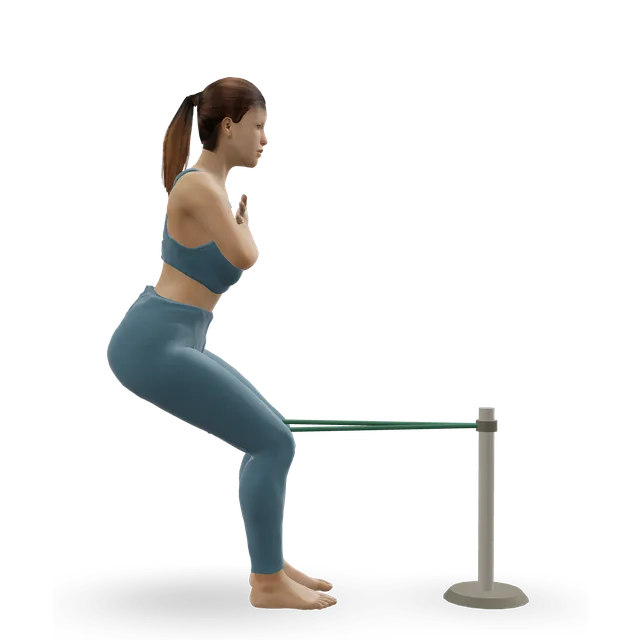
Sit-to-stands, wall sits, squats, reverse lunges and step-ups do the most, and the classical thigh stretch (our reverse Nordic) loads the quads as they lengthen. On the reformer, footwork and lunges do the same job with springs. With sore knees, quad sets, straight-leg raises and seated knee extensions are gentler.
Does Pilates build or strengthen your quads?
It can make them stronger if you were doing little, by modest amounts in small trials: about 7 kg in 8 weeks when the apparatus work was kept hard. Other trials found no change, and no scan has shown it builds quad muscle. For more, add load you can keep increasing.
Will Pilates make my thighs bigger?
Very unlikely. Thigh muscle grows slowly even with heavy training, about 5% in 10 weeks of squats, and women gain at the same relative rate as men. Our Pilates for the thighs guide covers size and shape.
Is Pilates good for tight quads?
It can help you move more freely: stretching the front of the thigh adds range, mostly because you get used to the stretch, and strength work through a full range adds range too. Tightness is hard to measure, and if it doesn't bother you, there's nothing to fix.
How do I stretch my quads in Pilates?
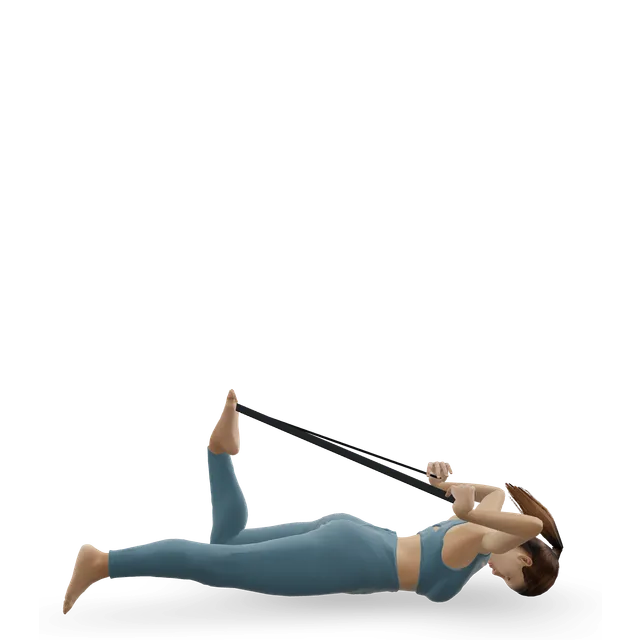
Use the single-leg kick, the standing quad stretch, a kneeling hip flexor stretch with the back knee bent, or the face-down stretch with a strap. Hold 30 to 60 seconds, 2 or 3 times, on most days; about 10 minutes a week is plenty. Ease off if the knee pinches.
What is the Pilates thigh stretch?
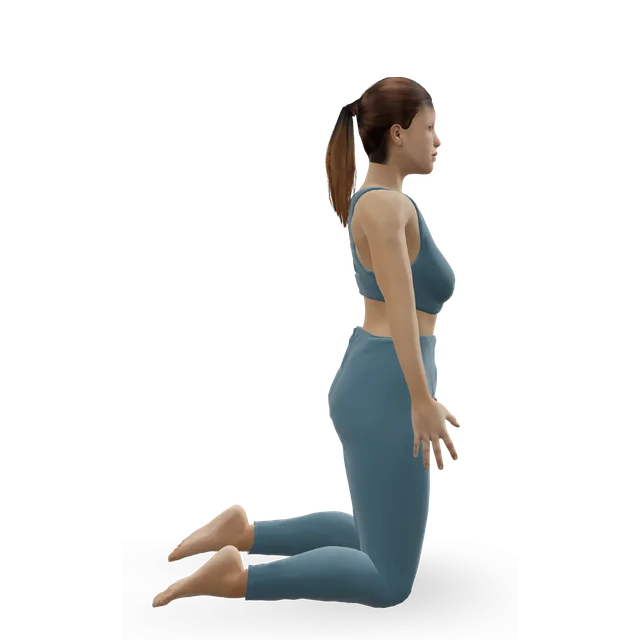
A kneeling exercise where you lean back in one straight line from your knees to your head and come back up; Pilatesology grades it intermediate to advanced. It works the quads hard as they lengthen, and our reverse Nordic is the same move. Skip it if kneeling hurts.
Is Pilates good for pain at the front of the knee?
Strengthening the hips and knees is the first treatment for kneecap pain, and Pilates can be part of that, especially its side-lying and bridge work for the hips. Weak quads are linked with kneecap pain more than tight ones. Our Pilates for knee pain guide has a class with no kneeling.
Should I stretch my quads before running or football?
Short holds won't hurt, but long ones of 60 seconds or more can slightly blunt performance straight afterwards, and stretching doesn't prevent quad strains. A warm-up that builds up to the speed of your sport, and strength work during the week, do more.
Is the reformer better than the mat for the quads?
The reformer adds springs for footwork and lunges, but mat and apparatus Pilates helped older women's leg function about equally. Spring colours don't tell you the load; at home, squats, wall sits and step-ups with a weight do the same job.
I felt a pop at the front of my thigh. Can I stretch it?
No: a sudden pop or sharp pain at the front of the thigh, often when kicking or sprinting, can be a quad strain, and a pop above the kneecap with a knee you can't straighten needs checking the same day. Most quad strains are minor, but they need the right advice; see the warning signs and our quad strain guide.
How often should I do Pilates for my quads?
Do leg strength work on at least 2 days a week, as the NHS advises for all major muscle groups, and make it a little harder every week or two. Stretching can be most days if you want more range.