Yoga guide

Yoga for bodybuilders: muscle and mobility, stretching and growth, posing, recovery and sleep, contest prep, the evidence and a class

Yoga can give bodybuilders what lifting rarely asks for: controlled range in the chest, shoulders, hips and calves, one-leg balance, and a calm way to wind down on a rest day. It won't cost you muscle, and it won't build any either: in trials, stretching grew muscle only with 15 minutes or more of hard stretching per muscle, most days, for weeks. Timing is what matters: do yoga after lifting or on a rest day, not as long holds just before heavy sets.

No trial has tested yoga in bodybuilders or other lifters, so this guide says plainly what yoga can and can't do. It covers stretching and muscle growth, how lifting builds range on its own, posing, recovery and sleep, why hot yoga and saunas are no way to "dry out" before a show, and who should change which poses. We don't judge bodies, promise a look or give contest-prep, diet or drug advice; our bodybuilding guide covers the sport and its risks, and our yoga for weightlifters guide covers the squat, hinge and press.

It ends with a free 25-minute rest-day class with a 3D demo of every move, and the warning signs. It's general information, not a diagnosis, and it doesn't replace coaching, a training plan, medical care or rehabilitation for an injury.

The short version

No yoga trial in bodybuilders

We found no trial of yoga in bodybuilders, powerlifters or gym-goers. The nearest are 7 weeks of yoga in Olympic weightlifters, a conference abstract that found no difference between the groups, and 8 weeks of hot (Bikram) yoga that raised deadlift strength, measured as a static pull, in 21 untrained young adults. Treat yoga as mobility, balance and calm on rest days, not as a muscle or performance tool.

Sources 1, 2, 3

It won't cost you muscle, or build any

Our reading of two small trials of stretches between sets (26 and 22 lifters, not yoga) is that ordinary holds neither help nor harm muscle growth. Stretching grew muscle only with about 15 minutes or more per muscle a session, 5 or more days a week, for over 6 weeks, and the gain was small. Stretching researchers don't recommend it as a way to build muscle.

Sources 4, 5, 6, 7

Timing is the one real catch

Long holds just before heavy sets cost a little force, and stretching just before lifting, every session for months, blunted strength gains a little in a review of 7 comparisons. Do yoga after lifting or on a rest day.

Sources 8, 9

Lifting already builds range

Resistance training improved range of motion as much as stretching across 55 studies. Yoga's job is the positions your training doesn't reach, such as the chest and the front of the shoulders, the upper back turning, the front of the hips and the calves, plus one-leg balance.

Sources 10, 11

Recovery: calm, not faster

Stretching after exercise doesn't bring strength back faster or ease soreness. Sleep matters more: one sleepless night cut muscle building by 18% in 13 young adults. Yoga is a calm way to wind down, not a recovery treatment.

Sources 12, 13, 14

Never use yoga, a hot room or a sauna to dry out

Cutting water before a show can be dangerous and may not change how you look on stage, sauna dehydration cut bench press strength, and in one case report a bodybuilder who took a diuretic while restricting fluids was paralysed by low potassium. This guide gives no contest-prep, diet or drug advice.

Sources 15, 16, 17

What bodybuilding asks of your body, and where yoga fits

The sport

Bodybuilding and physique sport are judged on stage, not by what you lift. The training is ordinary muscle-building training; the serious health risks come from long contest diets, peak-week practices and drugs, which our bodybuilding guide covers with the categories and the training.

Where yoga fits (our reading)

On rest days or after lifting, yoga can add what heavy training rarely asks for:

  • The chest and the front of the shoulders, after a lot of pressing.
  • Turning the upper back, and control of the shoulder blades.
  • The front of the hips and thighs, and the calves.
  • One-leg balance, which machines and two-legged lifts rarely train.
  • Slow breathing to wind down before sleep.

What it doesn't replace

Hard sets through a full range of motion, enough food, sleep, lighter weeks and rest days build muscle; our how to build muscle guide covers them. Yoga sits beside your training, never instead of it, and it has nothing to do with dieting or making weight.

Our other guides for lifters

Our yoga for weightlifters guide covers what the squat, hinge and overhead press ask of each joint, and its class follows those positions. This guide covers bodybuilding's own questions: muscle, stretching, posing, sleep and contest preparation. Its class works different areas, so the two classes can sit in the same week. If you'd rather do Pilates on a rest day, our Pilates for bodybuilders guide covers trunk control while you breathe, the shoulders and hips, and has its own class.

Where bodybuilders get hurt

Each study counted injuries its own way, so figures in different notes aren't comparable.

Training injuries are uncommonEmerging evidence

In 71 German competitive bodybuilders, there were 0.12 injuries per bodybuilder a year, about 0.24 per 1,000 hours of training, mostly in the shoulder, elbow, lower back and knee. 45% trained with symptoms, and lifters over 40 had more injuries. Across 20 studies of the weight-training sports, bodybuilding had the lowest injury rates, though only 5 of the studies were at low risk of bias.

Sources 18, 19

Gym lifters: the lower back, shoulder and kneeEmerging evidence

In 10 years of New Zealand gym and fitness injury claims, the lower back, shoulder, knee and neck made up about two-thirds of injuries, most often from lifting, carrying or straining. In 1,123 gym members in Bangladesh, the lower back, shoulder and knee were the commonest sites of pain.

Sources 20, 21

Torn tendonsEmerging evidence

In 142 experienced bodybuilders, a quarter of torn tendons followed earlier pain in the same area, and long-term anabolic steroid users had about 9 times the risk of a tear. This is harm information: our bodybuilding guide covers it, and this guide gives no advice on drugs. Our reading: pain building in a tendon is a reason to back off and get it checked, not to stretch into it.

Source 22

What the evidence says

We found no trial of yoga in bodybuilders or other lifters (searches on 1 November 2026), so most of this rests on stretching and lifting research.

No yoga trial in liftersStrong evidence

PubMed and Europe PMC searches found no trial of yoga in bodybuilders, physique athletes, powerlifters or gym-going lifters (34 and 7 records screened).

Source 1

Olympic weightlifters: no change either wayMixed evidence

In the nearest study, 7 weeks of yoga in Olympic weightlifters changed neither flexibility nor force development compared with the other group. It is a conference abstract, not a full journal paper, so it can't show much.

Source 2

Hot yoga and a static deadliftMixed evidence

In 21 untrained young adults, 24 sessions of Bikram (hot) yoga over 8 weeks raised deadlift strength, measured as a static pull, and lower back, hamstring and shoulder flexibility, against a group that didn't train. It's tiny, and in people who didn't lift.

Source 3

Yoga breathing doesn't add powerEmerging evidence

Ujjayi, bhastrika and kapalbhati breathing before or during leg presses didn't change power in 32 adults.

Source 23

Yoga against lifting, for moodMixed evidence

In the only randomised comparison we found, 51 inactive young adults did hatha yoga, resistance exercise or nothing for 7 weeks: yoga helped tiredness, self-esteem and quality of life more, and resistance exercise helped body image more. It's a small pilot, in people who didn't lift.

Source 24

Strength, not stretching, prevents injuriesStrong evidence

Across 25 trials of sports injury prevention, stretching programmes made no difference, while strength training cut injuries to under a third. A 2025 consensus of 20 stretching researchers doesn't recommend stretching for injury prevention in general.

Sources 25, 26, 7

Yoga is about as safe as other exerciseEmerging evidence

Across 94 randomised trials, yoga was about as safe as usual care and exercise. In a survey of 1,702 German practitioners, hand, shoulder and head stands caused the most short-term harms, practising alone without guidance raised the risk, and power yoga had the highest injury rate.

Sources 27, 28

Holding your breath sends blood pressure very highEmerging evidence

In 5 bodybuilders, peak blood pressure in a double-leg press to failure averaged 320/250 mmHg, partly from straining with the breath held. In 20 healthy adults, forceful yoga breathing (bhastrika and kapalbhati) raised blood pressure and heart rate while they did it. NCCIH (the US National Center for Complementary and Integrative Health) advises beginners to avoid forceful breathing. In yoga, breathe the whole way through every pose.

Sources 29, 30, 31

Will yoga cost you muscle?

Stretches between sets: no difference either wayMixed evidence

In 26 resistance-trained men, a 30-second loaded chest stretch between bench press sets for 8 weeks changed neither chest growth nor strength. In 22 recreationally trained men and women, stretching between arm sets changed no strength or muscle measure. Our reading: ordinary holds don't cost muscle, though these are two small trials, and neither was of yoga.

Sources 4, 5

Stretching on its own adds a little strengthEmerging evidence

Across 41 studies, long-term static stretching raised strength by a small amount, more in inactive people than in active ones. It isn't a way to get strong, but it doesn't make you weaker.

Source 32

The one catch: stretching straight before liftingEmerging evidence

Across 7 comparisons, stretching just before resistance sessions blunted strength gains by a small to moderate amount, more over programmes longer than 8 weeks, and the authors suggest stretching in separate sessions. Overall, adding stretching to lifting made no clear difference; only stretching just before sessions did. In one trial of 30 recreationally trained people, strength rose in all 8 exercises only in the group that didn't stretch before lifting, but trials disagree.

Sources 9, 33

Stretching and muscle growth

Small, and only with long daily stretchingStrong evidence

Across 42 trials (1,318 people), stretching grew muscle by a small amount, and only with about 15 minutes or more per session, 5 or more sessions a week, for over 6 weeks; lower doses made no clear difference. A second review of 25 studies found an unclear, trivial effect overall.

Sources 6, 34

What the growth trials askedStrong evidence

In one trial, people stretched their calves for an hour a day in a device, at a stretch they rated 7 to 8 out of 10, for 6 weeks: the calves grew about as much as with 3 short calf-training sessions a week, which the authors called of limited practical use. In another, people stretched their chest for 15 minutes, 4 days a week, on a stretching board at the most discomfort they could bear. Both were in recreationally active people, not trained lifters. When people stretched to their own comfortable range, a review found no effect on muscle size.

Sources 35, 36, 37

What stretching researchers adviseStrong evidence

A 2025 consensus of 20 stretching researchers doesn't recommend stretching as a main way to build muscle. A yoga hold of 30 seconds to 2 minutes is far from the doses in the trials, so count yoga as mobility and calm, not as muscle-building.

Source 7

The stretched position matters in the gymEmerging evidence

Lifting through the lengthened position grew some muscles more: seated leg curls grew the hamstrings more than lying ones (14% against 9%), and overhead elbow extensions grew the triceps more than arms-down ones (about 20% against 14%). In 297 people at 15 sites, partial reps in the stretched half and full reps built about the same. That's lifting technique, which our how to build muscle guide and the lift guides cover; yoga doesn't replace it.

Sources 38, 39, 40

Before or after lifting

Long holds just before heavy sets cost a littleStrong evidence

Static holds of 60 seconds or more per muscle just before testing cut performance by about 4.6%, against about 1.1% for shorter holds. Stretching researchers advise against holds over 60 seconds per muscle before maximal or explosive efforts; short holds inside a moving warm-up are fine.

Sources 8, 7

Lifting builds range on its ownStrong evidence

Across 55 studies, resistance training improved range of motion, though not with body weight alone, and as much as stretching did; the gain was smaller in trained people than in untrained ones. In 11 trials (452 people), strength training and stretching raised range equally. Across 189 studies, flexibility gains from static stretching levelled off at about 4 minutes a session and 10 minutes a week, so short, regular holds are enough.

Sources 10, 11, 41

Our suggested week

Our editorial starting point:

  • Before lifting: a short moving warm-up and lighter ramp-up sets, as our yoga for weightlifters guide describes.
  • After lifting, or on a rest day: yoga, once or twice a week, about 25 minutes.
  • Count a hot or power class as a training session in a heavy week, not as rest.

Sources 9, 42

Recovery and sleep

Stretching doesn't speed recoveryStrong evidence

Stretching after exercise didn't bring strength back faster or ease soreness at 1 to 3 days (11 trials, very low certainty), and before or after exercise it changed next-day soreness by about 1 point on a 100-point scale. Stretching researchers don't recommend stretching as a recovery routine.

Sources 12, 13, 7

A calmer cool-down, for a short whileMixed evidence

In 20 male athletes, 15 minutes of yoga after hard intervals slowed breathing more than static stretching did, for up to 15 minutes. Slow breathing raises heart rate variability while you do it, but in 34 people, 4 weeks of daily slow breathing after sprint training added nothing to recovery, sleep or performance.

Sources 43, 44, 45

Sleep and muscleEmerging evidence

One night without sleep cut muscle protein building by 18% in 13 young adults. Across 69 studies, sleep loss lowered exercise performance by about 7.6% on average, and in 10 resistance-trained women, 9 nights of 5 hours in bed slowed the bar in lower-body lifts by up to 15%.

Sources 14, 46, 47

What sleep experts advise

A 2021 consensus on athletes' sleep advises an individual approach rather than one target for everyone, built on your own sense of how much sleep you need.

Source 48

Where yoga fits (our suggestion)

A slow-breathing wind-down before bed is a reasonable, low-risk habit, but no trial has tested yoga or yoga nidra on lifters' sleep or recovery. Our how to build muscle guide covers sleep and food.

Source 44

Posing

What a final asks

In the International Fitness and Bodybuilding Federation's (IFBB) 2026 men's bodybuilding rules, finalists hold the 7 mandatory poses, then repeat all 7 in reverse order, then pose down for 30 to 60 seconds; each pose asks you to tense as many muscles as you can, and competitors may not drink on stage. The British Natural Bodybuilding Federation (BNBF) uses 8 mandatory poses and an evening routine of up to 60 seconds (its page was last updated in 2023).

Sources 49, 50

Posing practice is hard work, in one small studyMixed evidence

In one study of 15 male bodybuilders, which we read as an abstract only, the authors classed four sets of compulsory poses as vigorous exercise, and effort and heart rate were higher in those using stimulants and in the last week before a show. It is small, had no comparison group, and its abstract repeats one result for two comparisons, so treat it as a first measurement.

Source 51

No study of yoga for posingMixed evidence

No study has tested yoga for posing, or measured blood pressure, breath holding, cramps or fainting while posing. The one on-stage harm on record is a bodybuilder who became weak, dizzy and cramped while posing, with dangerous potassium and sodium levels and muscle breakdown. Our reading: calm breathing and balance practice may make standing still on stage feel easier, but yoga won't change how anyone looks.

Source 52

Contest preparation, heat and "drying out": the harms

This section describes harms only. It gives no diet, water, salt, drug or peak-week method, as our bodybuilding guide doesn't.

Cutting water: risky and not shown to helpEmerging evidence

A review of natural contest preparation warns that manipulating water and salt before a show can be dangerous and may not improve appearance, and a review of peak-week practices found little evidence for any of them. Only 6.2% of 81 natural competitors ate their usual diet in the week before competing.

Sources 15, 52, 53

Diuretics and electrolytes: serious harmsMixed evidence

Case reports describe bodybuilders paralysed by dangerously low potassium: one after taking a diuretic while restricting fluids, and one after a large binge in the days after a competition. Another report advises doctors always to consider diuretics as a cause. In 20,286 male IFBB competitors, sudden cardiac death ran at 32.83 per 100,000 athlete-years in those competing at the time; deaths were found by web search, so they are probably undercounted. Our bodybuilding guide covers drugs as harm information.

Sources 17, 54, 55, 56

Long contest diets change hormonesEmerging evidence

In 27 women dieting for fitness competitions, leptin, thyroid hormone, testosterone and oestradiol (a form of oestrogen) fell and periods became irregular; most recovered within 3 to 4 months, but thyroid hormone and testosterone hadn't.

Source 57

Heat is not a way to dry outEmerging evidence

About 2 hours in a sauna, losing about 1.5% of body weight, cut bench press strength in 10 weight-trained men. A 90-minute hot yoga class caused about 1.5 litres of sweat loss in 5 women, with a quarter replaced, and a review of hot yoga notes case reports of heatstroke with cardiac arrest. In 1997, three US college wrestlers died while sweating off weight before a weigh-in.

Sources 16, 58, 59, 60

Our suggestion

Don't use diuretics, water restriction, hot rooms, saunas, sweat suits or yoga to "dry out" or make weight. If you're preparing for a show, keep any yoga gentle and at room temperature, drink as usual, and stop at the first sign of dizziness.

Sources 15, 17

Body image

Movement, not looksMixed evidence

In 82 men, those who did yoga were more satisfied with their bodies than men who did aerobic or weight training, but that was a snapshot: men drawn to yoga may already feel that way. No trial has tested yoga in bodybuilders or in muscle dysmorphia. Yoga here is practice for how your body moves and feels, not for how it looks.

Source 61

If you worry a lot about how you look

If you spend a lot of time worrying about how your body looks, comparing yourself with other people or checking mirrors, and it's affecting your life, it could be body dysmorphic disorder (BDD). The NHS says BDD doesn't mean you're vain or self-obsessed, and to see a GP if you think you might have it. You don't have to manage it alone: our bodybuilding guide's warning signs cover muscle dysmorphia and worries about eating.

Source 62

Settle and breathe

Crocodile breathing, 3 minutes lying face down, breathing into your back ribs (our yoga for asthma class). Breath reach: "5 breaths, exhale longer than inhale" (the move page's dose). At bedtime, slow breathing, 5 minutes, in for about 4 and out for about 6, with no holds (adapted from the move page's dose). Never hold your breath in a pose.

Chest, shoulders and lats

Doorway chest opener, 2 holds of 30 seconds, elbow at shoulder height (our yoga for cyclists class); start with the elbow low after a shoulder dislocation. Y-T-W raises, 5 of each shape, forehead on a folded towel, and scapular push-ups, 2 sets of 10 (both our yoga for tennis players class). In the gym, the lat stretch at a bench: "Hold 30 to 45 seconds, 2 to 4 times" (the move page's dose), without arching your lower back to get lower.

Turn the upper back

Thoracic rotation: "6 rotations per side, moving with the breath" (the move page's dose). Open book: "8 to 10 slow openings each side, pausing 2 seconds at the end" (the move page's dose), knees together so the turn stays in your upper back.

Front of the hips and thighs, and calves

Half-kneeling hip flexor stretch, 45 seconds each side, knee padded (our yoga for skiers class). Standing quad stretch, 30 seconds each side, holding a wall (our yoga for cyclists class). Wall calf stretch, 30 seconds each side, back knee straight (our yoga for skiers class), then the soleus version, 2 holds of 30 seconds each side, back knee bent (our yoga for basketball players class).

One-leg balance

Single-leg stand, 2 holds of 30 seconds each leg, fingertips on a wall at first (our yoga for tennis players class). Tree pose, 3 to 5 breaths each side, foot never pressed into the side of your knee (our yoga for basketball players class). Hip airplane: "2 sets of 5 slow turns each leg" (the move page's dose), holding a wall or chair. Mountain pose: "Stand for 5 to 10 slow breaths, 2 or 3 times" (the move page's dose), within reach of a wall if standing still makes you light-headed.

Wind down

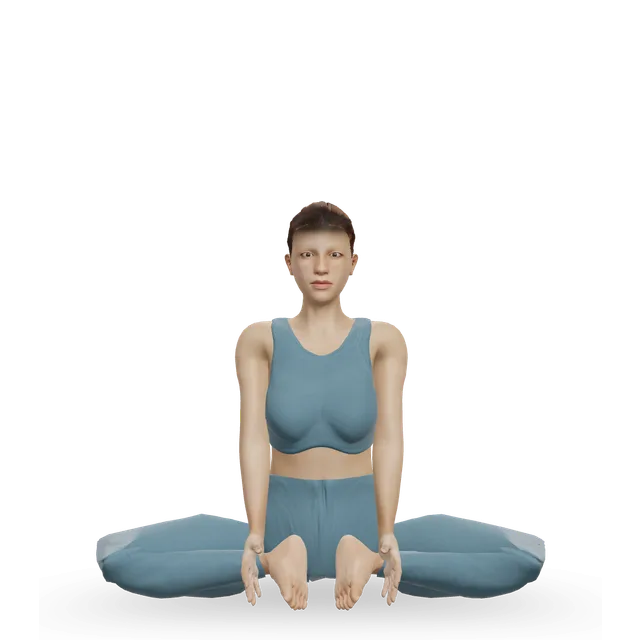
Supine spinal twist, 45 seconds each side, a cushion under the top knee (our yoga for cyclists class). Reclining bound angle pose, 2 minutes with a cushion under each thigh (our yoga for asthma class). Corpse pose, 3 minutes (our yoga for cyclists class; adapted from the move page's dose).

Poses to change or leave out

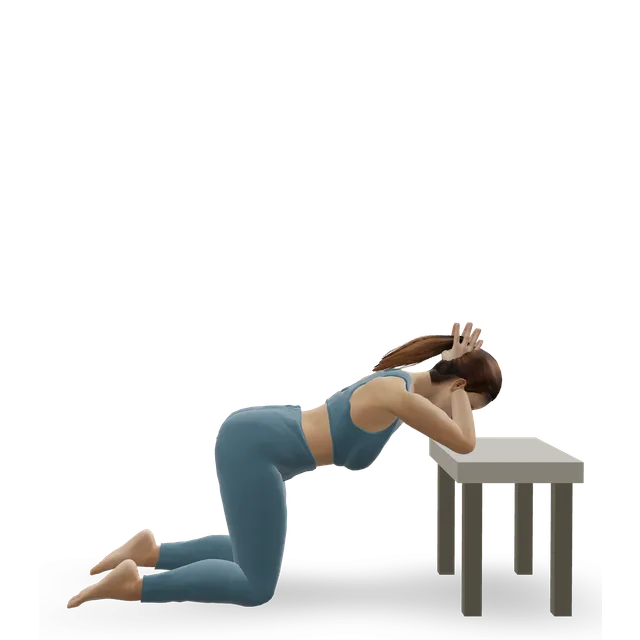
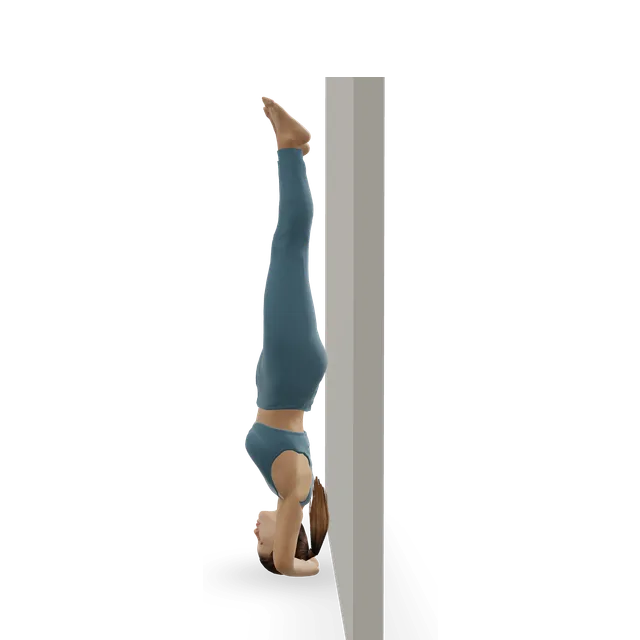
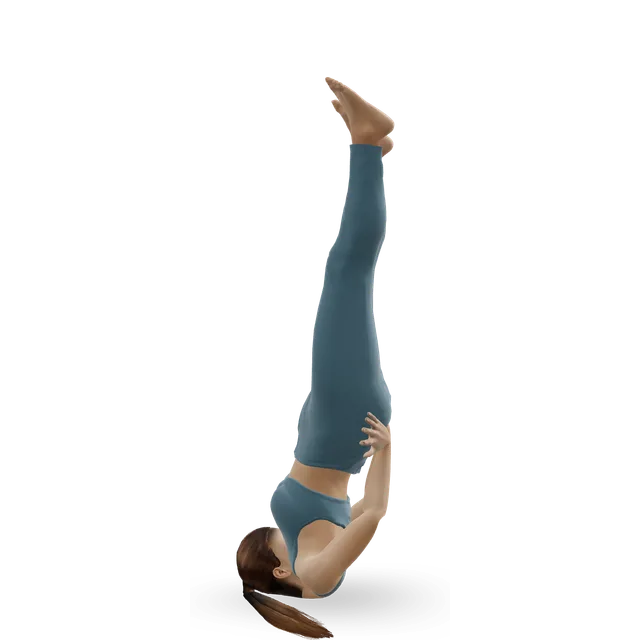
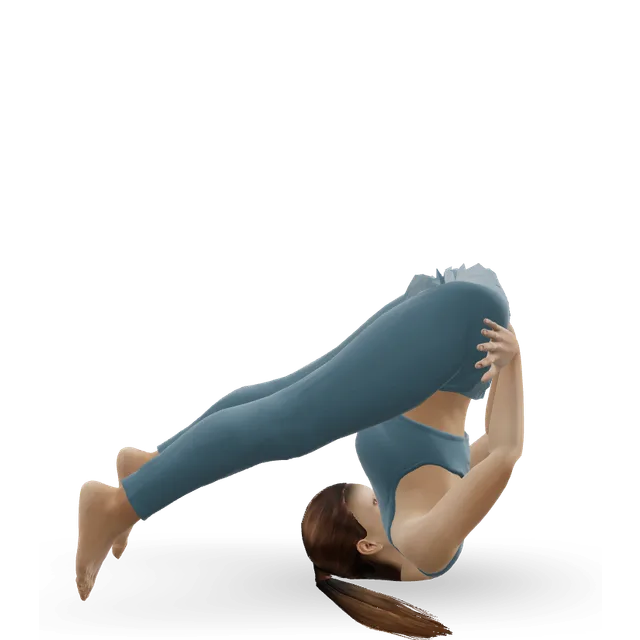
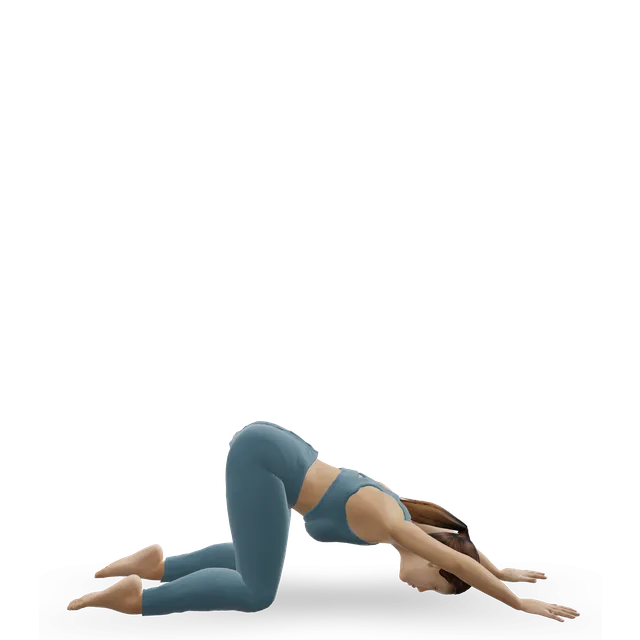
No long holds in the hour before heavy lifting. No breath holding or forceful breathing. With high blood pressure that isn't under control, leave out headstands, shoulder stands and plough, and keep downward dog and legs up the wall short or skip them. Don't stretch into a sore or recently torn tendon (chest, biceps, triceps or above the knee) until it has been checked. With a loose shoulder, skip deep binds and end-range shoulder stretches such as extended puppy pose. Leave hand, head and shoulder stands out as extras. Never take a class in a hot room to sweat or dry out. If your lower back is sore after a class, our back pain after yoga guide covers what to change.

A class and workouts to follow

After lifting or on a rest day, our 25-minute class: our own selection, untested in a trial, and kept different from our yoga for weightlifters class, which follows the squat, hinge and press. For a full rest day, our yin yoga for beginners class. The bodybuilding workouts are the training itself.

Yoga for bodybuilders: a 25-minute rest-day class for the chest and front of the shoulders, the upper back, hips, thighs and calves, one-leg balance and a slow wind-down

A 25-minute rest-day yoga class for bodybuilders: chest and shoulders, upper-back turning, hips and calves, one-leg balance and a slow wind-down.

25 minBeginner17 movesWall, firm cushion

Lifters' yoga: a 25-minute class for squat, hinge and overhead positions, after lifting or on a rest day

A 25-minute yoga class for people who lift: ankles and hips for the squat, the hinge, and the upper back and shoulders for overhead, after training or on a rest day.

25 minBeginner16 movesWall

Yin yoga for beginners

A 35-minute yin-style session: seated and lying poses held for 2 to 4 minutes with slow breathing, finishing with legs up the wall and a long rest.

35 minBeginner9 movesWall

Bodybuilding upper-body workout: chest, back, shoulders and arms

A 60-minute upper-body session for muscle growth: incline presses, rows, pulldowns, flys, lateral raises, face pulls, pushdowns and curls, short of failure.

60 minIntermediate12 movesCardio machine, band

Bodybuilding lower-body workout: quads, hamstrings, glutes and calves

A 60-minute lower-body session for muscle growth: hack squats, Romanian deadlifts, leg curls, leg extensions, hip thrusts and standing and seated calf raises.

60 minIntermediate11 movesCardio machine, wall

Restorative yoga sequence: 45 minutes of supported rest

A 45-minute restorative yoga sequence: five fully supported poses held for 4 to 10 minutes each, with slow breathing and a long final rest.

45 minBeginner6 movesFirm cushion, wall

Yoga for mobility: a 20-minute flow for range you can control

Twenty minutes of joint circles, a standing flow and end-of-range strength: yoga for range you can reach and control, for desk days, rest days or older joints.

20 minBeginner16 movesStep, wall

Shoulder mobility and rotator cuff routine (with a band)

A 25-minute band routine for healthy shoulders: move the shoulder and upper back through their range, then strengthen the rotator cuff and shoulder blades.

25 minBeginner12 movesWall, band

Breathing exercises to relax

A 6-minute breathing routine: slow breathing, crocodile breathing, alternate nostril breathing, box breathing and 4-7-8 breathing.

6 minBeginner5 movesNo equipment

Warning signs: when to stop and get help

These are the warning signs from our bodybuilding, hot yoga and yoga guides, word for word, with one line of our own on sudden weakness. This is general information, not a diagnosis. A&E means accident and emergency; in the US, call 911 for 999.

Chest pain or fainting: call 999

Call 999 if:

  • You get sudden pain or discomfort in your chest that doesn't go away; it can feel like squeezing or pressure, burning or indigestion.
  • The pain spreads to your left or right arm, or your neck, jaw, stomach or back.
  • You have chest pain and feel sweaty, sick, light-headed or short of breath.
  • Someone faints while exercising, can't be woken within 1 minute, or has chest pain or a pounding, fluttering or irregular heartbeat.

Sources 63, 64

Unusual breathlessness

Call 999 or go to A&E (accident and emergency) straight away for severe difficulty breathing (gasping, choking or not able to get words out), a chest that feels tight or heavy, pain that spreads to your arms, back, neck and jaw, lips or skin turning very pale, blue or grey, or sudden confusion. If you're more short of breath than usual, or your heart is racing, fluttering or skipping beats, contact NHS 111.

Source 65

Sudden weakness or paralysis: call 999

Case reports describe dangerously low potassium paralysing bodybuilders: one after a large binge in the days after a competition, and one after taking a diuretic while restricting fluids. Sudden muscle weakness or paralysis, especially around a show, is a 999 call (our suggestion, from these cases).

Sources 54, 17, 55

Dark urine or very painful muscles

Dark, red or cola-coloured urine, much less urine than usual, or very painful, weak or swollen muscles in the days after a session or a binge need medical help the same day, as our rhabdomyolysis guide explains.

Source 54

Dehydration

Ask for an urgent GP appointment or call NHS 111 if you feel unusually tired, dizzy when you stand up and it doesn't go away, or have dark yellow pee. Call 999 for confusion, cold or blotchy skin, or fast breathing.

Source 66

Heat in a hot class or gym

Move to a cool place, take off unnecessary clothing, drink plenty of water or an isotonic sports drink, and cool the skin with cool water and a fan. You should start to cool down and feel better within 30 minutes. If you're struggling to treat it, or need advice, get help from NHS 111.

If someone is still unwell after 30 minutes of resting in a cool place, being cooled and drinking fluids, or has a very high temperature, hot skin that isn't sweating, a fast heartbeat, fast breathing or shortness of breath, confusion and lack of coordination, a seizure or fit, or loses consciousness. Heatstroke is a medical emergency: while you wait, wrap them in a cool, wet sheet, or fan them or sponge them down with cold water.

Leave the heat at once if you feel dizzy, get a headache or feel sick, and cool down straight away if it doesn't pass. In a survey of 157 hot yoga practitioners, just over half had had a problem, most often dizziness, light-headedness, nausea or dehydration, and case reports describe a cardiac arrest from heatstroke and a heart attack during hot classes.

Sources 67, 58, 68

A pop with weakness

A sudden pop with weakness at the chest, upper arm, elbow or above the knee needs checking the same day. Call 999 or go to A&E (accident and emergency) if the injured part has changed shape or is pointing at an odd angle, or is numb or tingling.

Source 69

Very flexible joints

If you're hypermobile, don't use mobility work to push further: the NHS says "do not overextend your joints just because you can". See a GP if you think you have joint hypermobility syndrome: for example, your joints keep dislocating, or you keep getting sprains, strains, pain or stiffness.

Source 70

During yoga

A joint pain that is sharp, gets worse during a session, lingers into the next day or changes how you move is a reason to use an easier version, and to see a GP or physiotherapist if it keeps happening (the rule in our plans). Muscle soreness for a day or two after something new is normal. In a hot class, stop if you feel dizzy, sick or unwell; our hot yoga guide lists the signs of heat illness.

With glaucoma, or high blood pressure that isn't under control, skip headstands, shoulder stands and long head-down holds. With osteoporosis, swap deep forward folds for a flat-back hinge from the hips, and twist smoothly. In pregnancy, our yoga in pregnancy guide covers the changes. NCCIH advises beginners to avoid headstands, shoulder stands, the lotus position and forceful breathing.

You can say no to any hands-on adjustment, and a teacher registered with Yoga Alliance must get your explicit consent each time.

Source 31

Who should check first

The PAR-Q+ (Physical Activity Readiness Questionnaire for Everyone) asks about a heart condition or high blood pressure, chest pain, dizziness or losing consciousness, other long-term conditions and their medicines, a bone or joint problem that activity could make worse, and being told to exercise only under supervision. If you answer yes to any, check with your doctor or a qualified exercise professional first. The NHS asks you to speak to your GP first if you haven't exercised for some time or have a health condition.

Sources 71, 72

Before you start

The NHS advises getting advice from a healthcare professional first if you have a health problem, an injury or symptoms, or have recently had a heart attack or an operation.


Myths

"Yoga makes you lose muscle"Mixed evidence

Nothing we found suggests it does. Stretches between sets changed neither muscle nor strength in two small trials of lifters, and stretching programmes on their own raised strength a little. Our reading: what can cost a little strength is long stretching straight before lifting, every session, for months.

Sources 4, 5, 32

"Stretching kills your gains"Emerging evidence

Only the timing matters, and modestly: stretching just before lifting sessions blunted strength gains a little in a review, and single trials disagree. Stretching after lifting or on rest days hasn't been shown to cost anything.

Sources 9, 33

"Stretch-mediated hypertrophy means yoga will grow your muscles"Strong evidence

The growth in trials came from 15 minutes to an hour a day of hard stretching of one muscle, often in a device, and it was small. Stretching researchers don't recommend stretching to build muscle; hard sets through a full range do it.

Sources 6, 35, 7

"Big muscles make you stiff, so you're too stiff for yoga"Strong evidence

Across 55 studies, resistance training improved range of motion. Everyone starts from where they are, and every pose has an easier version with a wall, a chair or a cushion.


Source 10

"Tight muscles cause lifting injuries, so flexibility prevents them"Strong evidence

Stretching programmes didn't prevent sports injuries across 25 trials, while strength training did, and very flexible athletes had about three times the odds of a shoulder injury in low-quality studies. Bodybuilding's training injuries are uncommon anyway.

Sources 25, 73, 18

"Yoga flushes out waste products so you recover faster"Strong evidence

Stretching after exercise didn't bring strength back faster or ease soreness, and slow breathing after hard training added nothing over 4 weeks. Sleep, food and rest days do more.

Sources 12, 13, 45

"Hot yoga or a sauna is a safe way to dry out before a show"Emerging evidence

Cutting water before a show can be dangerous and may not improve how you look, sauna dehydration cut bench press strength, hot yoga has case reports of heatstroke, and three college wrestlers died sweating off weight in 1997.

Sources 15, 16, 58, 60

"Posing is just standing still"Mixed evidence

In one small study, read as an abstract only, posing practice reached a vigorous intensity, and an IFBB final repeats the 7 mandatory poses twice before a posedown, with no drinks on stage.

Sources 51, 49

Questions people ask

Is yoga good for bodybuilders?

It can add what lifting rarely asks for: controlled range in the chest, shoulders, hips and calves, one-leg balance and a calm way to wind down. No trial has tested yoga in bodybuilders, so treat it as a rest-day extra, not a way to build muscle or speed recovery.

Will yoga make me lose muscle?

Nothing we found suggests it does: in two small trials of lifters, stretches between sets made no difference to muscle or strength. The one catch is timing, because long stretching straight before lifting, every session, blunted strength gains a little over months. Do yoga after lifting or on another day.

Can yoga build muscle? What about stretch-mediated hypertrophy?

Not in any useful way. In trials, stretching grew muscle only with about 15 minutes or more of hard stretching per muscle, most days, for over 6 weeks, and the gain was small. Lifting through a full range is what builds muscle.

Should I do yoga before or after lifting?

After, or on a rest day. Holds of a minute or more per muscle just before heavy sets cost a little force, so before lifting use a short moving warm-up and lighter ramp-up sets.

What are the best yoga poses for bodybuilders?

A doorway chest stretch and shoulder-blade work for the chest and shoulders, thoracic rotation and the open book for the upper back, kneeling hip flexor, quad and calf stretches, one-leg balance, and a long rest at the end. Our 25-minute class puts them in order.

Is yin yoga good for bodybuilders?

Long, quiet holds suit a full rest day if they feel good, and they won't cost you muscle. They won't speed recovery either, and flexibility gains from static stretching level off at about 4 minutes a session.

Does yoga help muscle recovery?

It calms you down, but it doesn't bring strength back faster or ease soreness more than rest. Sleep matters more: one sleepless night cut muscle building by 18% in a small study.

Can yoga help with posing?

No study has tested it. Posing practice itself is hard work, reaching a vigorous intensity in one small study, and calm breathing and balance practice may make standing still on stage feel easier. Yoga won't change how anyone looks.

Is hot yoga good for bodybuilding?

Not as a way to lose water or dry out: cutting water before a show can be dangerous and may not change how you look, and sauna dehydration cut bench press strength. If you enjoy hot classes, count them as hard sessions, drink, and stop at the first sign of dizziness.

Can yoga help me sleep?

A slow-breathing wind-down before bed is a reasonable, low-risk habit, but no trial has tested yoga or yoga nidra on lifters' sleep. Sleep itself supports muscle building, as our how to build muscle guide explains.

Is yoga safe if I have high blood pressure?

Breathe the whole way through, skip forceful breathing, and leave out headstands, shoulder stands and long head-down holds if your blood pressure isn't under control. Chest pain, palpitations or fainting need help straight away.

How often should bodybuilders do yoga?

Once or twice a week, 20 to 30 minutes, after lifting or on rest days, is a reasonable start; that's our suggestion. Keep your training plan as it is, and let yoga sit beside it.


Sources

  1. PubMed and Europe PMC · Searches for yoga trials in bodybuilders, powerlifters, weight trainers and gym-goers: none found (PubMed 34 records, Europe PMC 7; 1 November 2026)
  2. Ernst 2016 · Seven weeks of yoga, flexibility and power in Olympic weightlifters (conference abstract, ISBS proceedings)
  3. Tracy 2013 · Bikram yoga and fitness: 21 young adults (randomised trial, J Strength Cond Res)
  4. Wadhi 2022 · Loaded stretches between bench press sets: 26 resistance-trained men (randomised trial, Int J Sports Med)
  5. Businari 2024 · Stretching between sets in 22 recreationally resistance-trained men and women (trial, Res Q Exerc Sport)
  6. Warneke 2024 · Long-term static stretching, strength and muscle size: 42 trials, 1,318 people (systematic review and meta-analysis, Sports Med Open; read in full)
  7. Warneke 2025 · Practical recommendations on stretching: a Delphi consensus of 20 research experts (consensus statement, J Sport Health Sci; read in full)
  8. Behm 2016 · Stretching before activity: performance, range of motion and injury (systematic review, Appl Physiol Nutr Metab)
  9. Thomas 2023 · Stretching training and muscle strength: 35 studies, 1,179 people (systematic review and meta-analysis, J Strength Cond Res)
  10. Alizadeh 2023 · Resistance training and range of motion: 55 studies (systematic review and meta-analysis, Sports Med)
  11. Afonso 2021 · Strength training or stretching for range of motion: 11 trials, 452 people (systematic review and meta-analysis, Healthcare)
  12. Afonso 2021 · Stretching after exercise and the recovery of strength, range and soreness: 11 trials (systematic review and meta-analysis, Front Physiol)
  13. Herbert 2011 · Stretching to prevent or reduce muscle soreness after exercise: 12 studies (Cochrane review)
  14. Lamon 2021 · One night without sleep and muscle protein synthesis: 13 young adults (randomised crossover trial, Physiol Rep)
  15. Helms 2014 · Natural bodybuilding contest preparation: nutrition and supplementation (review, J Int Soc Sports Nutr; read in full)
  16. Schoffstall 2001 · Sauna dehydration and bench press strength: 10 weight-trained men (crossover study, J Strength Cond Res)
  17. Pfisterer 2020 · Low-potassium paralysis in a bodybuilder after self-medication with a diuretic and fluid restriction (case report, Clin J Sport Med)
  18. Siewe 2014 · Injuries and overuse syndromes in 71 competitive and elite bodybuilders (survey, Int J Sports Med)
  19. Keogh 2017 · Injuries across the weight-training sports: 20 studies (systematic review, Sports Med)
  20. Cuthbertson-Moon 2024 · Ten years of gym and fitness injury claims in New Zealand, ages 16 to 64 (national claims study, Sports Med Open)
  21. Islam 2024 · Musculoskeletal injuries in 1,123 gym members in Bangladesh (cross-sectional survey, PLoS One)
  22. Kanayama 2015 · Ruptured tendons in 142 experienced bodybuilders, with and without anabolic steroid use (cross-sectional cohort, Am J Sports Med)
  23. Wooten 2020 · Yoga breathing and leg press power: 32 adults (lab study, J Strength Cond Res)
  24. Taspinar 2014 · Hatha yoga or resistance exercise in 51 sedentary adults: mood and well-being (randomised pilot trial, Complement Ther Med)
  25. Lauersen 2014 · Exercise programmes to prevent sports injuries: 25 randomised trials, 26,610 people (meta-analysis, BJSM)
  26. Lauersen 2018 · Strength training to prevent acute and overuse sports injuries: 6 trials, 7,738 people (meta-analysis, BJSM)
  27. Cramer 2015 · The safety of yoga: 94 randomised trials, 8,430 people (systematic review and meta-analysis, Am J Epidemiol)
  28. Cramer 2019 · Harms from yoga: 1,702 German practitioners (national survey, BMC Complement Altern Med)
  29. MacDougall 1985 · Blood pressure during heavy lifting in 5 bodybuilders (lab study, J Appl Physiol)
  30. Nivethitha 2021 · Blood pressure during four yogic breathing techniques: 20 healthy adults (lab study, Int J Yoga)
  31. NCCIH 2023 · Yoga: effectiveness and safety (US National Center for Complementary and Integrative Health)
  32. Arntz 2023 · Long-term static stretching, strength and power: 41 studies (systematic review and meta-analysis, Sports Med)
  33. Borges Bastos 2013 · Static stretching before resistance training for 10 weeks: 30 recreationally trained people (randomised trial, J Strength Cond Res)
  34. Arntz 2024 · Long-term static stretching and muscle size: 25 studies (systematic review and meta-analysis, Sports Med Open; read in full)
  35. Warneke 2023 · An hour a day of calf stretching against calf training: 69 recreationally active people (controlled trial, Eur J Appl Physiol; read in full)
  36. Wohlann 2024 · Fifteen minutes of chest stretching 4 days a week against chest training: 81 recreationally active people (trial, Eur J Appl Physiol; read in full)
  37. Nunes 2020 · Does stretch training make muscles grow in humans? (review, Clin Physiol Funct Imaging)
  38. Maeo 2021 · Hamstring growth after leg curls at long or short muscle lengths: 20 adults (trial, Med Sci Sports Exerc)
  39. Maeo 2023 · Triceps growth after overhead or neutral-arm elbow extensions: 21 adults (trial, Eur J Sport Sci)
  40. Gschneidner 2025 · Lengthened partial or full range of motion training at 15 sites: 297 people (randomised trial, J Sports Sci)
  41. Ingram 2025 · The dose of static stretching for flexibility: 189 studies (meta-analysis and meta-regression, Sports Med)
  42. Soligard 2016 · How much is too much? Training load and the risk of injury (International Olympic Committee consensus statement, BJSM)
  43. Petviset 2025 · Yoga or static stretching after interval training: 20 male athletes (randomised crossover trial, Int J Exerc Sci)
  44. Laborde 2022 · Slow breathing, heart rate and heart rate variability: 223 studies (systematic review and meta-analysis, Neurosci Biobehav Rev)
  45. Raidl 2026 · Slow breathing as recovery during 4 weeks of sprint interval training: 34 people (randomised trial, Int J Sports Physiol Perform)
  46. Craven 2022 · Acute sleep loss and physical performance: 69 publications (systematic review and meta-analysis, Sports Med)
  47. Knowles 2022 · Nine nights of short sleep in 10 resistance-trained women (randomised crossover trial, Med Sci Sports Exerc)
  48. Walsh 2021 · Sleep and the athlete: narrative review and 2021 expert consensus recommendations (consensus, BJSM)
  49. IFBB 2026 · Men's bodybuilding rules, 2026 edition (International Fitness and Bodybuilding Federation; read in full from an Internet Archive copy)
  50. BNBF · Judging criteria explained (British Natural Bodybuilding Federation; page last modified February 2023)
  51. Peixoto 2024 · Energy cost and heart rate of posing practice: 15 male bodybuilders (quasi-experimental study, Appl Physiol Nutr Metab; abstract read from OpenAlex)
  52. Escalante 2021 · Peak week practices in bodybuilding: what the evidence shows (review, BMC Sports Sci Med Rehabil; read in full)
  53. Chappell 2018 · Peak week and competition day practices of 81 natural bodybuilders (survey, Sports (Basel); read in full)
  54. Lee 2017 · Low-potassium paralysis and muscle breakdown after a binge in a young bodybuilder (case report, Medicine (Baltimore))
  55. Mayr 2012 · Low-potassium paralysis in a professional bodybuilder (case report, Am J Emerg Med)
  56. Vecchiato 2025 · Deaths in 20,286 male IFBB bodybuilding competitors (retrospective study, Eur Heart J; read in full)
  57. Hulmi 2016 · Hormones in 27 women dieting for fitness competitions and 23 controls (controlled cohort, Front Physiol)
  58. Willmott 2025 · Hot yoga: 43 studies, 942 people (systematic review, Sports Med Open; read in full)
  59. Alrefai 2020 · Sweat and salt loss in a 90-minute Bikram yoga class: 5 women (lab study, Physiol Rep)
  60. CDC 1998 · Deaths of three college wrestlers during rapid weight loss (case investigation, MMWR)
  61. Flaherty 2014 · Yoga and body satisfaction in 82 men (cross-sectional study, Percept Mot Skills)
  62. NHS · Body dysmorphic disorder (BDD) (past its review date: reviewed October 2023, review due October 2026)
  63. NHS · Chest pain (past its review date: reviewed August 2023, review due August 2026)
  64. NHS · Fainting
  65. NHS · Shortness of breath
  66. NHS · Dehydration
  67. NHS · Heat exhaustion and heatstroke
  68. Mace 2016 · Benefits and harms reported by 157 hot yoga users (survey, Int J Yoga Therap)
  69. NHS · Sprains and strains
  70. NHS · Joint hypermobility syndrome (past its review date: reviewed August 2023, review due August 2026)
  71. PAR-Q+ Collaboration 2025 · The Physical Activity Readiness Questionnaire for Everyone (PAR-Q+)
  72. NHS · Physical activity guidelines for adults aged 19 to 64
  73. Liaghat 2021 · Joint hypermobility and shoulder injuries in athletes: 6 studies, 2,335 athletes (systematic review and meta-analysis, BMC Musculoskelet Disord)

Exercise education, not a personal prescription, and clinical review of these guides is pending. If you are pregnant, have a health condition such as glaucoma, high blood pressure or osteoporosis, or have had recent surgery, check with a doctor, midwife or physiotherapist before starting, and stop for sharp or increasing pain. Health disclaimer.