No study in people who lift
Our searches found no Pilates study in bodybuilders, powerlifters or anyone else who already lifts, for muscle, strength or injuries. The nearest is a small trial in gym members who did unsupervised mat Pilates.
Pilates guide
Pilates can give a bodybuilder what a split routine doesn't always: trunk endurance and control while you breathe, shoulder-blade and upper-back work for shoulders that press and raise for many sets a week, hip control for leg days, and a genuinely lighter session on a rest day. It won't build muscle the way your lifting does. In trials, Pilates didn't clearly change lean mass, and no study has tested it in bodybuilders or anyone else who already lifts.
So Pilates sits beside your training, your coach and your doctor or physiotherapist, never in place of them, and it isn't a recovery treatment or a way to rehabilitate an injury. This guide never promises a look or judges a body, and it gives no advice on dieting, drugs, diuretics, water or salt for a show. We're not connected with any federation, gym or brand.
It covers whether Pilates builds muscle, stretching and growth, Pilates breathing against a lifting brace, the shoulders, lower back and hips, rest days and timing, a 25-minute class and the warning signs.
Our searches found no Pilates study in bodybuilders, powerlifters or anyone else who already lifts, for muscle, strength or injuries. The nearest is a small trial in gym members who did unsupervised mat Pilates.
In pooled trials, Pilates didn't clearly change lean mass. On scans, 36 weeks of Pilates grew inactive women's six-pack muscle but not their hip and lower-back muscles, with no comparison group. Muscle grows with hard sets close to failure, and enough of them each week.
An expert panel doesn't recommend stretching as a way to build muscle, and long static holds just before heavy sets cost a few per cent of force. Do Pilates after lifting or on a rest day.
Bracing raised the pressure inside the abdomen far more than drawing the belly in, and a held breath in heavy leg presses took 5 bodybuilders' blood pressure very high. Pilates teaches control while you breathe; a brief brace belongs to heavy sets.
Training injuries are uncommon in competitive bodybuilding, mostly the shoulder, elbow, lower back and knee, though many people train with pain. Pilates can train the shoulder blades, rotator cuff and trunk at low load, but no trial shows it prevents lifting injuries.
Light activity eased soreness in a few small studies and stretching didn't. A gentle class can be your rest-day movement; count a hard reformer class as training.
Each figure keeps its own group and measure; most injury studies are surveys that rely on memory.
Bodybuilding and physique sport are judged on stage, in poses and quarter turns, not on lifts. The training is ordinary muscle-building training, usually split across body parts, and the serious health risks come from long contest diets, peak-week practices and drugs, which our bodybuilding guide sets out. This guide is about training, not the stage.
The Compendium of Physical Activities gives traditional mat Pilates 1.8 METs (multiples of resting energy use) and Pilates in general 2.8, against 6.0 for vigorous weight training, "power lifting or body building". So Pilates is a lighter session, not conditioning.
Source 18
In 71 German competitive bodybuilders there were 0.24 injuries per 1,000 hours of training, mostly the shoulder, elbow, lower back and knee, with more over 40; 45.1% had symptoms while training. Across 20 studies of the weight-training sports, bodybuilding had the lowest rates, though only 5 studies were at low risk of bias. In 381 Iranian recreational weight trainers followed for 9 months, there were 1.86 injuries per 1,000 training hours (any musculoskeletal complaint counted), led by the lower back (24.2%), shoulders and neck (20.38%) and knees (16.6%); a previous injury raised the odds 3.74 times, and training with a partner went with about 70% lower risk. In 1,123 gym members in Bangladesh, the lower back (36.6%), shoulder (24.7%) and knee (17.1%) led. Up to 36% of resistance training injuries were at the shoulder in one review, and 7% of 113 Brazilian bodybuilders had hip pain in the past week.
Pilates can train trunk endurance and control while you breathe, the shoulder blades, rotator cuff and upper back at low load, the hips through their range, and a slow wind-down on a rest day (our reading). It can't replace progressive lifting, your coach, the brace for heavy sets or rehabilitation of an injury. In people who weren't training, Pilates built strength no better or worse than other exercise across 11 trials, at very low to low certainty.
Source 23
Pilates has not been studied in people who lift. The muscle studies below were in untrained, older or overweight people, or in women already doing Pilates.
Our searches of PubMed, Europe PMC and ClinicalTrials.gov on 1 November 2026 found no Pilates trial or study in bodybuilders, powerlifters or other resistance-trained people. The nearest are 34 gym members who did unsupervised mat Pilates (a pilot trial with ultrasound only), 19 women already trained in Pilates in a protein trial, and short Pilates-style stretches before a strength test in 102 trained young adults.
Across 12 studies of about 540 adult women, lean mass changed by 0.46 kg on average, anywhere from 2.35 kg less to 3.27 kg more, and only 2 studies (60 women) measured it; the authors found no pooled effect on lean mass, grip strength or vertical jump. In 11 trials of 393 adults with overweight or obesity, lean mass didn't change (0.00 kg). One more review found mat Pilates no better than control or other training for body composition, and another called its effect "still uncertain".
In one Spanish lab, 12 inactive women started 36 weeks of supervised Pilates twice a week and 9 finished. On magnetic resonance imaging (MRI) scans, the six-pack muscle (rectus abdominis) grew 21%, and the side and deep tummy muscles 8% on one side, but the quadratus lumborum, iliopsoas, piriformis and glutes didn't change significantly. The authors say: "The benefits of Pilates in rehabilitation or training are likely elicited by neuromuscular rather than morphological adaptations". There was no comparison group. In 34 gym members, 8 weeks of unsupervised mat Pilates thickened the deepest tummy muscle "only when performing Pilates exercises", and the strength training group's internal oblique thickened more.
In 60 women aged 60 to 80 (49 finished), "the Muscular training program generated greater benefits on trunk and hip isokinetic strength" than Pilates over 18 weeks, though the two groups didn't differ significantly from each other. In 34 women aged about 70, core resistance training with feedback beat Pilates for trunk strength, leg power, balance and body composition. A 2024 review of 24 trials in older adults concluded that "it is not feasible to recommend Pilates exercises as a means to improve strength, endurance and muscle power in the older adults".
In 19 women already trained in Pilates, a bioimpedance scale showed lean mass rising while a DXA scan showed it rising only in the arms, "with BIA overestimating lean mass compared with DXA"; adding protein made no difference. Small gains reported on bioimpedance scales are unreliable.
Source 24
Across 31 trials in 693 athletes, trunk training improved trunk muscle endurance most, with smaller gains in strength, power and sport performance. In 29 trials, core training improved core endurance and balance, but sport performance not significantly, and in 22 studies it improved jumping but not throwing or hitting speed; an older review called the performance benefits marginal. In athletes from four sports, including weightlifting, 9 weeks of progressive core stabilisation training improved sprint power and jumps more than standard core exercises, with no lifting or injury outcome.
A Cochrane review of 10 trials (510 people) found "low to moderate quality evidence that Pilates is more effective than minimal intervention for pain and disability", but no better than other exercise for disability. Across 118 trials, Pilates ranked among the most effective exercise for chronic low back pain, with strength, core-based and mind-body exercise. That is back pain in general, not in lifters.
With every set taken to failure, muscle grew about as much with light loads as with heavy ones, while heavy loads built more maximal strength (21 studies). A network meta-analysis of 28 studies agreed: "Although muscle hypertrophy improvements seem to be load independent, increases in muscle strength are superior in high-load RT programs" (RT is resistance training). More weekly sets bring more growth, with diminishing returns (67 studies, 2,058 people), and the American College of Sports Medicine's 2026 position stand says "Muscle hypertrophy was enhanced by higher volumes (≥10 sets/wk) and eccentric overload". Going all the way to failure added very little.
Pilates sets are rarely taken close to failure, rarely made progressively harder and not counted as weekly hard sets, so Pilates isn't a hypertrophy programme (our reading). No study has measured how close to failure Pilates sets are. Springs, bands and weights can make Pilates harder, as our guide to Pilates and strength explains.
If you swapped lifting sessions for Pilates, you'd lose the stimulus that built your muscle (our reading). Keep your lifting as it is and add Pilates once or twice a week, 20 to 30 minutes, after lifting or on a rest day, as our weightlifters guide suggests.
Static stretching just before activity cut performance by 3.7% on average, 4.6% with 60 seconds or more per muscle and 1.1% with less, with no clear loss when dynamic activity came afterwards. In 83 studies, maximal strength fell a little, and much more with holds of 60 seconds or more. An expert panel "does not recommend prolonged (>60 s per muscle) static stretching prior to maximal or explosive contractions". Short Pilates-style stretches (3 holds of 30 seconds) didn't change knee strength in 102 trained young adults.
Across 25 studies, static stretching's effect on muscle size was small and uncertain, larger only in trained people and with long durations. In 42 studies, stretching raised strength and muscle size a little, and only with long, frequent stretching; in 19 studies, months of stretching lengthened muscle fibres a little without thickening the muscle. The expert panel: "The panel does not recommend stretching as a primary strategy to enhance muscle mass".
In 29 untrained adults, a 30-second stretch between sets for 8 weeks went with bigger thigh gains at one site. In 26 resistance-trained men, a loaded stretch between bench press sets made no difference either way, and in 22 trained adults, stretching between sets cut the total weight lifted.
Across 11 trials (452 people), strength training and stretching improved range of motion about equally: "ST and stretching were not different in their effects on ROM" (ST is strength training, ROM range of motion).
Source 49
Do Pilates or longer stretches after lifting or on a rest day. Before lifting, a dynamic warm-up and ramp-up sets do the job, as our bodybuilding guide's warm-up does.
Bracing raised the pressure inside the abdomen by 116.4 mmHg, against 9.9 for drawing the belly in (hollowing). In a lab model of 8 young men, bracing raised spine stability by 32%, while the deepest tummy muscle added 0.14%. In 11 men, hollowing didn't reduce trunk movement after sudden loads and bracing did, and in 28 people both stiffened the spine, bracing more. A review of 22 trials found both improve trunk stability measures, with few direct comparisons.
In 5 experienced bodybuilders, heavy double-leg presses took blood pressure to an average peak of 320/250 mmHg. Pressure in the abdomen ran over 200 mmHg in heavy squats and about 79 in the bench press. A review says "A brief Valsalva maneuver (VM) is unavoidable when lifting heavy loads (>80% of maximal voluntary contraction) or when lifting lighter loads to failure", and that "The health risks associated with the VM during resistance exercise remain unconfirmed." (VM is the Valsalva manoeuvre, a breath held against a closed throat.)
A belt raised abdominal pressure in heavy deadlifts in 9 people. In 28 men squatting, bracing raised abdominal muscle activity with or without a belt, and the belt alone didn't change muscle activity.
The idea of drawing in the deepest tummy muscle came from its delayed timing in 15 people with back pain. Later work found its early activity depends on the direction of movement and differs between sides, and that the diaphragm and tummy muscles raise abdominal pressure together while you keep breathing. For back pain, a review of 29 studies found "strong evidence stabilisation exercises are not more effective than any other form of active exercise in the long term", and a Cochrane review agreed.
Pilates breathing (out on the effort, ribs moving, at low load) suits control work and rest days. STOTT PILATES, one contemporary school, teaches a "3-D breath, especially into the posterior and lateral aspects of the rib cage". A brief brace belongs to heavy sets. Our Pilates for weightlifters guide and our guide to breathing when lifting set out bracing, belts and who shouldn't hold their breath.
Source 63
The shoulder is among the commonest injury sites in competitive bodybuilders and in gym lifters, and up to 36% of resistance training injuries were at the shoulder in one review. No trial has tested a shoulder programme to prevent lifting injuries.
Bodybuilders press and raise their arms for many sets a week. Pilates and band work can train the shoulder blades, outward rotation and the upper back at low load: band pull-aparts and rows, outward rotation, scapular push-ups, the knee hover, Y-T-W raises and the open book (our reading). A sore shoulder needs our shoulder pain guides, and our pain guides for the bench press and overhead press cover pain in those lifts.
The lower back led injuries in Iranian weight trainers and gym members in Bangladesh, and 7% of Brazilian bodybuilders had hip pain in the past week. Bodybuilding trainees with back pain had weaker trunk flexion and extension than those without, in a snapshot that can't show which came first.
Trunk endurance while you breathe, hip control through the range you'll use on leg days, and gentle spine movement. For back pain in general, Pilates helps about as much as other exercise. Back pain from deadlifts or squats has its own pain guides.
Across 99 studies, active recovery reduced muscle soreness, though only 8 small groups (90 people) tested it, and it didn't reduce tiredness; stretching didn't reduce soreness. Low-intensity exercise had moderate to low evidence of easing muscle damage. In 10 active women, 4 weeks of gentle mat Pilates didn't significantly change blood lactate in a running test, with no comparison group. No study has tested Pilates for recovery from lifting.
The International Olympic Committee's consensus says "Emerging evidence indicates that poor load management is a major risk factor for injury", so a hard reformer class counts as a session, not a rest day.
Source 17
Once or twice a week, 20 to 30 minutes, after an upper-body session or on a rest day, not in the hour before heavy sets (our suggestion, matching our weightlifters guide). Keep it gentle the day after a hard leg session.
On stage, competitors hold hard muscle contractions through poses and quarter turns, which is sustained work (our reading). This guide gives no posing, peak-week or contest advice: our bodybuilding guide covers contest preparation and its risks.
This guide doesn't advise on dieting, drugs, diuretics, water or salt for a show, and a Pilates class is never a way to sweat off water. Two case reports describe bodybuilders paralysed by dangerously low potassium, one after a large binge in the days after a competition, and the authors of the other say diuretics must always be considered as a cause. The warning signs below say when to call 999.
Across 31 studies, muscle dysmorphia scores (worry that you aren't muscular enough) were higher in bodybuilders than in other resistance trainers, and higher still in competitors, and went with anxiety, depression and perfectionism. The studies were of poor to moderate quality and can't show cause, and muscle dysmorphia is under-recognised in men. Help is in the warning signs below.
Pilates won't change your shape in any particular way, and we don't compare bodies or promise a look.
Lateral breathing, 5 to 8 breaths at the start of every session (the move page's dose); pelvic floor training, 8 slow holds of up to 10 seconds and 8 quick squeezes, three times a day (from the move page's dose), if you leak when you lift.
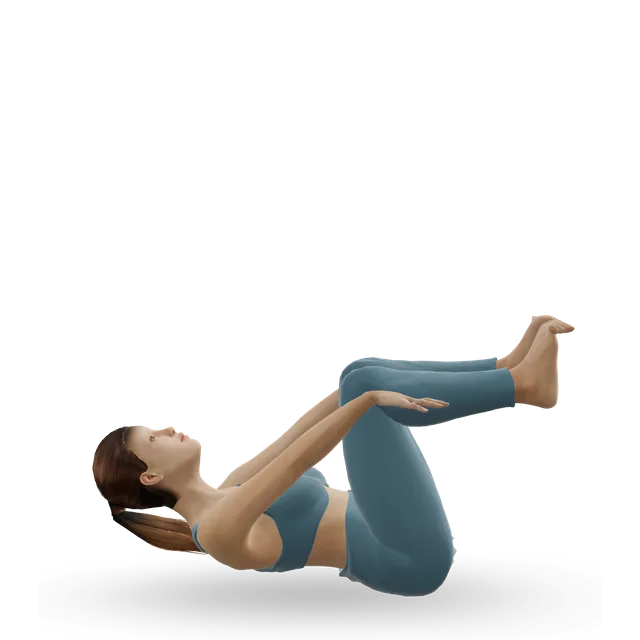
Hundred, 50 beats to start, building to 100 (the move page's dose), head down if your neck tires; chest lift, 8 to 10 reps (the move page's dose); single straight-leg stretch, 8 to 10 each side (the move page's dose); forearm plank, 2 holds of 20 to 30 s (our Pilates for skiers class); dead bug, 2 sets of 8 each side (our Pilates for weightlifters class); leg pull front, 3 to 5 each side (the move page's dose), on fists or forearms if your wrists complain, as its page says.
 3D demoHundred (Pilates)Intermediate · No equipment
 3D demoChest lift (Pilates curl-up)Beginner · No equipment
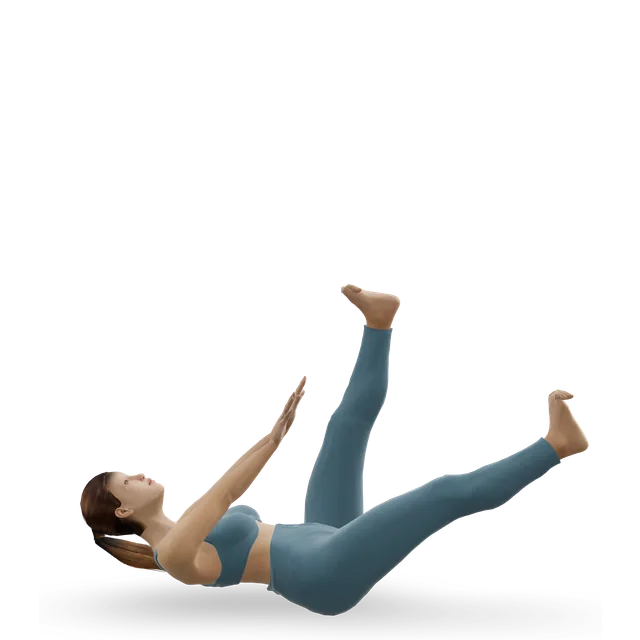 3D demoSingle straight-leg stretch (Pilates scissors)Intermediate · No equipment
 3D demoForearm plankIntermediate · No equipment
 3D demoDead bugBeginner · No equipment
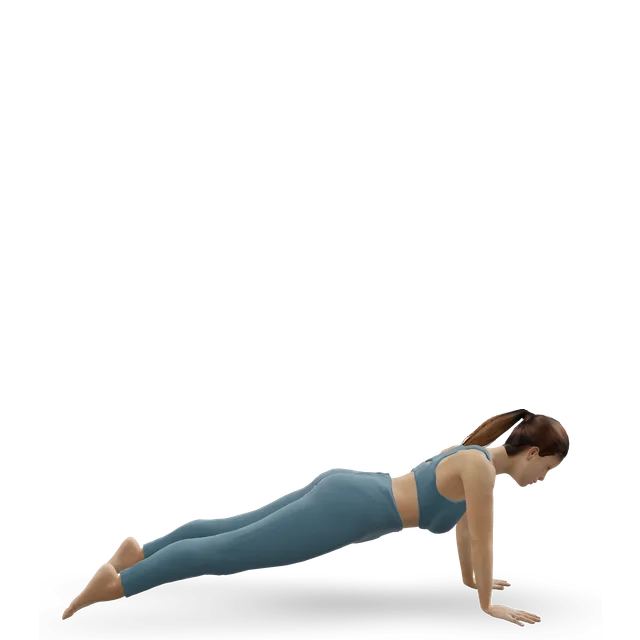 3D demoLeg pull front (Pilates leg pull down)Advanced · No equipment
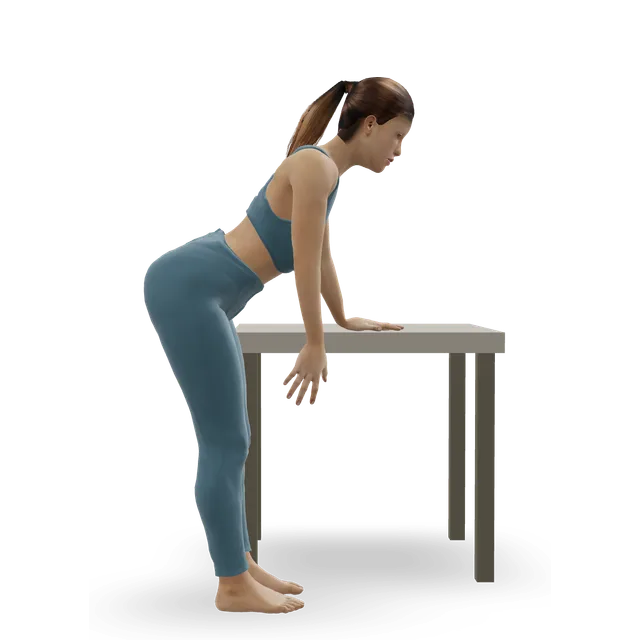
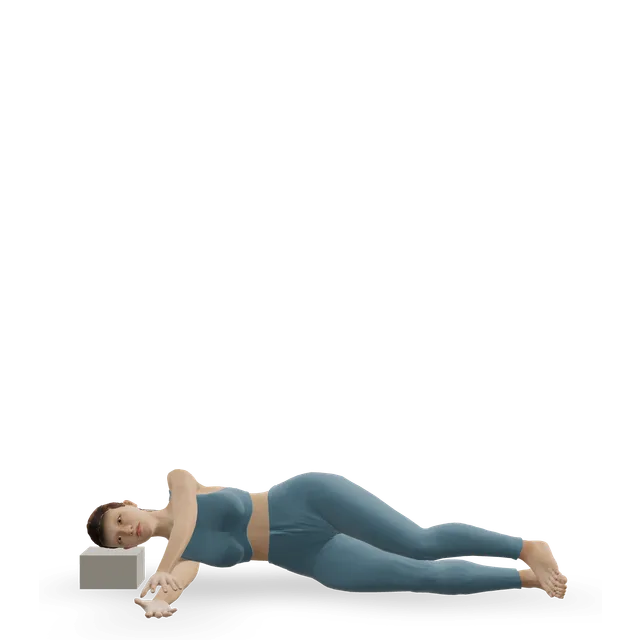
Band pull-apart, 2 sets of 10 to 15 (our Pilates arm workout); band row, 2 sets of 10 to 15 (our Pilates for office workers class), with the band anchored to something fixed; outward rotation with a band, 10 each arm (our Pilates for tennis players class); scapular push-up, 2 sets of 10 (our Pilates for tennis players class), against a wall if your shoulder is sore; knee hover, 3 holds of 15 to 30 seconds (the move page's dose); Y-T-W raises, 5 of each shape (our Pilates for weightlifters class); doorway chest opener, 2 holds of 30 s each side (our Pilates for posture class), elbow at or below shoulder height; side-lying open book, 8 to 10 slow openings each side, pausing 2 seconds at the end (the move page's dose).
 3D demoBand pull-apartIntermediate · A band
 3D demoBand rowBeginner · A band + An anchor point
 3D demoStanding band external rotationBeginner · A band + An anchor point
 3D demoScapular push-up (push-up plus)Beginner · No equipment
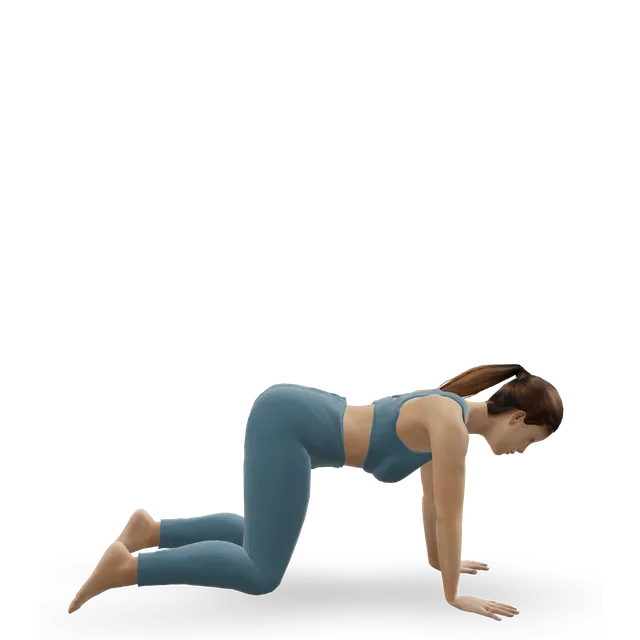 3D demoKnee hover (Pilates tabletop hover)Beginner · No equipment
 3D demoProne Y-T-W raisesBeginner · No equipment
 3D demoDoorway chest openerBeginner · A wall
 3D demoSide-lying open bookBeginner · No equipment
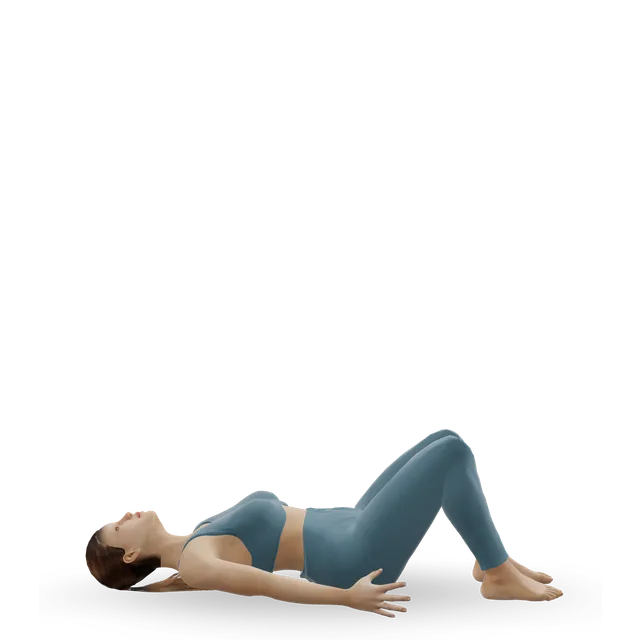
90/90 switch, 10 slow switches, pause at the ends (the move page's dose); single-leg circle, 5 circles each direction, each leg (the move page's dose), kept small; inner thigh lift, 10 each side (our Pilates for athletes class); glute bridge, 2 sets of 10 (our Pilates for hip flexors class); shoulder bridge, 3 to 5 kicks each leg (the move page's dose); half-kneeling hip flexor stretch, 30 s each side (our Pilates for footballers class), after lifting; cat-cow, 8 waves, slower than feels natural (the move page's dose).
 3D demo90/90 switchIntermediate · No equipment
 3D demoSingle-leg circle (Pilates one leg circle)Beginner · No equipment
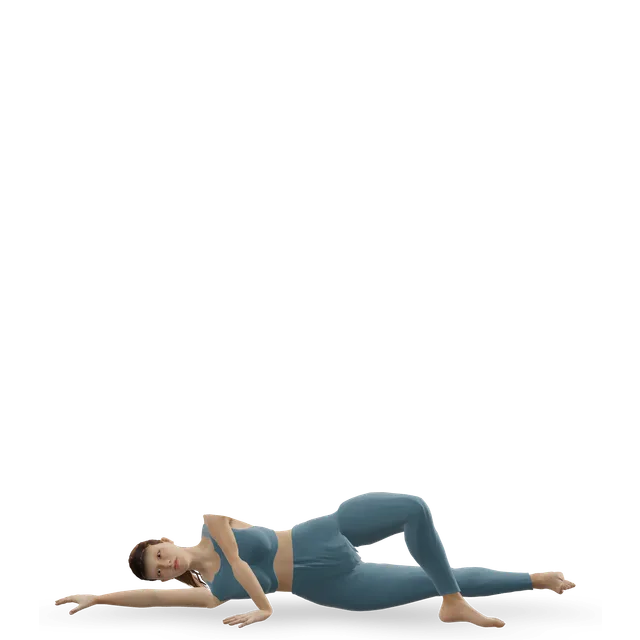 3D demoSide-lying inner thigh lift (Pilates side kick series)Beginner · No equipment
 3D demoGlute bridgeBeginner · No equipment
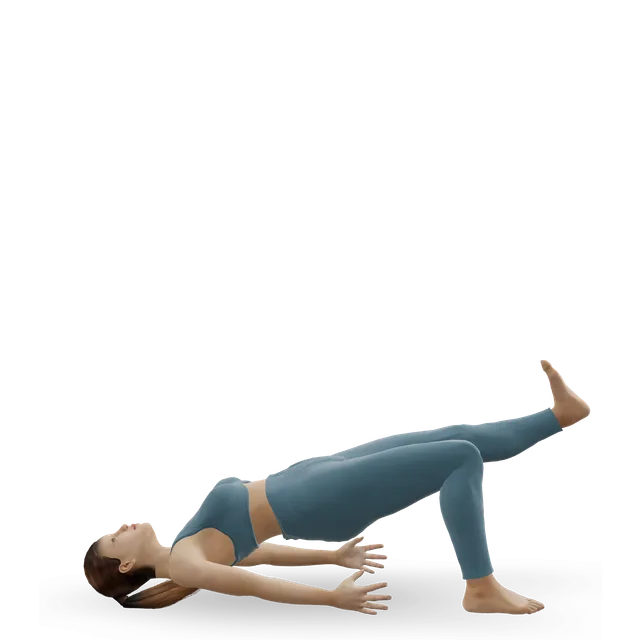 3D demoShoulder bridge (Pilates)Intermediate · No equipment
 3D demoHalf-kneeling hip flexor stretchBeginner · No equipment
 3D demoCat-cowBeginner · No equipment
Mermaid, 3 each direction, each side (the move page's dose); child's pose, 1 minute (our Pilates strength workout); slow breathing, 2 minutes (our bedtime Pilates class).
No long holds and no hard trunk session: static holds of 60 seconds or more per muscle just before maximal efforts cost a few per cent of force. A few minutes of breathing and mobility can go in your warm-up.
Pilates moves are done breathing. Save the braced breath for heavy sets, and leave it out with high blood pressure, heart disease, glaucoma, a hernia, recent surgery or in pregnancy, as our weightlifters guide and breathing guide say.
Leave out the leg pull front while your shoulder hurts, as its page says, do the scapular push-ups against a wall, and leave out the Y of the Y-T-W raises, as our weightlifters class suggests. After a dislocation, start the doorway stretch with the elbow low and stop at any feeling of the shoulder slipping, as its page says. Our Pilates for shoulder pain guide has more.
Leave out the leg pull front, the knee hover and push-up moves until your surgeon or physiotherapist clears pushing (our suggestion).
Tuck your tailbone under in the hip flexor stretch, keep the bridges to a height your back is happy with, and see our pain guides for back pain from deadlifts or squats (our suggestion).
Keep breathing in planks and holds. With heart disease, ask your cardiac team before long holds; with heart failure, avoid planks, as the plank pages say.
No hot Pilates or other heated classes, and never use a class to sweat off water (our suggestion, from the NHS dehydration and heat pages).
Do the pelvic floor squeezes most days, and see a pelvic health physiotherapist if it continues; our Pilates for the pelvic floor guide has more.
Our 25-minute between-splits class puts the weight on the shoulder blades and upper back for pressing, Pilates trunk control while you breathe, the hips and a slow wind-down. Our rest-day class for lifters (Pilates for weightlifters) covers the squat, the hinge and trunk endurance, and our off-day Pilates for CrossFit class covers the pelvic floor, wrists and landing; the three share only their opening breath, so you can alternate them. The bodybuilding workouts are your training; the shoulder pain and pelvic floor classes are for those problems.
A 25-minute rest-day Pilates class for bodybuilders: the shoulder blades and upper back for pressing, trunk control while you breathe, hips and a wind-down.
25 minIntermediate16 movesBand, anchor pointA 25-minute rest-day Pilates class for lifters: trunk endurance, the hinge, ankles and hips, the upper back and overhead position, breathing on every effort.
25 minIntermediate18 movesWall, bandA 25-minute off-day Pilates class for CrossFit: the pelvic floor, trunk control while you breathe, shoulders for hanging and overhead, wrists, and hips for landing.
25 minIntermediate18 movesBand, anchor pointA 60-minute upper-body session for muscle growth: incline presses, rows, pulldowns, flys, lateral raises, face pulls, pushdowns and curls, short of failure.
60 minIntermediate12 movesCardio machine, bandA 60-minute lower-body session for muscle growth: hack squats, Romanian deadlifts, leg curls, leg extensions, hip thrusts and standing and seated calf raises.
60 minIntermediate11 movesCardio machine, wallA 30-minute Pilates strength class with dumbbells or a band: Pilates trunk work plus squats, lunges, rows and push-ups, each set taken until it is hard.
30 minIntermediate15 movesDumbbell, bandA 20-minute Pilates class for a sore shoulder: gentle range first, then shoulder-blade and rotator cuff strength, then light weight on the arms, in steps.
20 minBeginner15 movesBench or box, other / check instructionsA 20-minute Pilates workout for your pelvic floor, built on UK pelvic health physiotherapists' booklet: squeeze as you breathe out, move, then fully release.
20 minBeginner18 movesWall, bench or boxA 25-minute easy session for rest days and sore muscles: easy cardio, a gentle mobility flow, optional rolling for sore spots, and slow breathing to finish.
25 minBeginner11 movesCardio machine, wallA slow 15-minute Pilates wind-down for the last hour before bed: slow breathing, small lying moves and a few minutes of stillness, with no effort or holds.
15 minBeginner9 movesFirm cushionThe beginner Pilates plan builds the basics over 4 weeks, 3 days a week; fit it around your split, on rest days.
This is general information, not a diagnosis. A&E means accident and emergency; in the US, call 911 for 999, and use your doctor's urgent line or urgent care for NHS 111.
Call 999 if:
Get help from NHS 111: pain or tightness in your chest, neck, shoulders, jaw or arms that comes and goes, often brought on by exercise, stress, emotion or cold and easing after a few minutes' rest. It can be angina, a sign of a heart problem. If you've been diagnosed with angina, get help from NHS 111 too if it feels worse than before, is happening more often, lasts longer or happens when you're resting.
Source 77
Call 999 for a headache that "started suddenly and is extremely painful", or one with weakness in the face, arm or one side of the body, trouble speaking or loss of vision. Ask for an urgent GP appointment or call NHS 111 for a headache "triggered or made worse by coughing, sneezing, bending down or exercising".
Source 78
Dangerously low potassium has paralysed bodybuilders, one after a large binge in the days after a competition, and doctors are advised to consider diuretics as a cause. Sudden muscle weakness or paralysis, especially around a show, is a 999 call (our reading of these cases).
Dark, red or cola-coloured urine, much less urine than usual, or very painful, weak or swollen muscles in the days after a session or a binge need medical help the same day, as our rhabdomyolysis guide explains.
Source 68
Ask for an urgent GP appointment or call NHS 111 if you feel unusually tired, dizzy when you stand up and it doesn't go away, or have dark yellow pee. Call 999 for confusion, cold or blotchy skin, or fast breathing.
The NHS says to call 999 for signs of heatstroke: still being unwell after 30 minutes of resting somewhere cool, being cooled and drinking; a very high temperature; hot skin that isn't sweating; a fast heartbeat; fast breathing or breathlessness; confusion and lack of coordination; a seizure; or loss of consciousness.
A sudden pop with weakness at the chest, upper arm, elbow or above the knee needs checking the same day. Call 999 or go to A&E (accident and emergency) if the injured part has changed shape or is pointing at an odd angle, or is numb or tingling.
Source 79
Call 999 or go to A&E: after a fall or injury, or after the bar came down on you or the shoulder slipped during a press, your shoulder looks out of place or has changed shape, or you cannot move your arm. Do not drive yourself, and do not try to put it back in yourself.
Same day (GP or NHS 111): sudden or very bad shoulder pain; you cannot move your arm; the arm or shoulder is badly swollen or has changed shape; pins and needles that do not go away; no feeling in the arm; the arm is hot or cold to the touch; pain that started after an injury such as a fall; or severe pain in both shoulders.
See a doctor or physiotherapist if your shoulder has partly or fully come out of joint, or you worry it might, including a clunk or a feeling it will slip with the arm low and back at the bottom of a press.
Call 999 or go to A&E: loss of feeling or numbness around the genitals or bottom, new trouble peeing or controlling your bladder or bowels, changes in genital sensation during sex or problems with erections or orgasm, or pain, tingling, weakness or numbness in both legs. These are signs of cauda equina syndrome, which needs treating in hospital urgently. Don't drive yourself.
Same day: leg weakness that is getting worse.
Same day (urgent GP appointment or NHS 111): new difficulty lifting the front of your foot or toes (foot drop), or a foot that slaps down or catches as you walk, especially if it is getting worse. Weakness in both legs, or with numbness around the genitals or bottom or bladder or bowel changes, is the 999 emergency above.
Pain, tingling or numbness spreading below the knee that isn't settling after a few weeks, is getting worse or stops your normal activities: see a GP.
Same day (urgent GP appointment or NHS 111): severe neck pain that starts suddenly or gets worse quickly; heaviness or weakness in the arms or legs; pins and needles in an arm along with neck or arm pain; or pain between the shoulder blades.
Source 82
It may be muscle dysmorphia, a form of body dysmorphic disorder. The NHS says to see a GP if you think you might have BDD, and Beat supports men as well as women.
Steroids, SARMs, insulin, thyroid hormones, clenbuterol and diuretics all carry serious risks. A GP can help, and Talk to FRANK gives confidential advice.
Our eating disorders guide explains the warning signs of an eating disorder and where to get help.
If you are thinking about suicide or can't keep yourself safe, call 999 or go to A&E. For urgent help, call Samaritans free on 116 123, any time, or in England call 111 and select the mental health option. In the US, call or text 988.
The PAR-Q+ (Physical Activity Readiness Questionnaire for Everyone) asks about a heart condition or high blood pressure, chest pain, dizziness or losing consciousness, other long-term conditions and their medicines, a bone or joint problem that activity could make worse, and being told to exercise only under supervision. If you answer yes to any, check with your GP or a qualified exercise professional first. If you're over 45 and not used to hard exercise, ask a qualified exercise professional before the hardest sessions, and delay if you're ill.
Source 91
Call 999 or go to A&E (accident and emergency) straight away for severe difficulty breathing (gasping, choking or not able to get words out), a chest that feels tight or heavy, pain that spreads to your arms, back, neck and jaw, lips or skin turning very pale, blue or grey, or sudden confusion. If you're more short of breath than usual, or your heart is racing, fluttering or skipping beats, contact NHS 111.
Source 92
A joint pain that is sharp, gets worse during a session, lingers into the next day or changes how you move is a reason to use an easier version, and to see a GP or physiotherapist if it keeps happening (the rule in our plans).
Source 93
You feel any pain or become unwell, as the NHS advises for its Pilates videos, and especially for chest pain or pressure, unusual breathlessness, dizziness or fainting. If you have a health problem, an injury or any symptoms, get advice from a healthcare professional, such as a GP, before you start.
Source 94
The NHS advises getting advice from a healthcare professional first if you have a health problem, an injury or symptoms, or have recently had a heart attack or an operation.
Source 94
Lean mass didn't change in pooled Pilates trials, resistance training beat Pilates for strength in older women, and no study has tested Pilates in people who already lift. Muscle grows with hard sets close to failure, and enough of them each week.
Also wrong as a blanket rule: in one small scan study without a comparison group, 36 weeks of Pilates grew inactive women's six-pack muscle by 21%, and Pilates built strength about as well as other exercise in people who weren't training. For someone who already lifts, the gain would be small at best (our reading).
Lean mass didn't change in pooled trials, and months of stretching lengthened muscle fibres a little without thickening the muscle. "Long and lean" describes a look, and no exercise changes where a muscle attaches.
Long-term stretching added a little muscle only at high doses, a loaded stretch between bench press sets did nothing in trained men, and an expert panel doesn't recommend stretching as a main way to build muscle.
Unsupervised mat Pilates thickened the deepest tummy muscle only during Pilates moves, and in a lab model, bracing the whole trunk, not that muscle, stiffened the spine.
A Pilates teachers' body's blog says Pilates aids "lactic acid removal", but 4 weeks of gentle mat Pilates didn't significantly change lactate in active women, stretching didn't reduce soreness, and light activity reduced it in only a few small studies. A rest-day class can feel good; it isn't a treatment.
"Definitive evidence demonstrating an association between core instability and injury is lacking". The programmes that cut sports injuries trained strength and balance, and stretching didn't help.
No study shows it: lean mass didn't change in pooled trials, and short Pilates-style stretches didn't change strength in trained young adults. Long holds just before heavy sets cost a few per cent of force, so time it.
It's light on the heart and lungs (2.8 METs, against 6.0 for vigorous weight training), but slow trunk endurance and long-lever holds are hard for many strong lifters, and trunk training improves trunk endurance most. It's a different kind of hard.
In the one trial that compared them in athletes (30 young footballers), both mat and reformer Pilates improved tests, the reformer a little more on three. The springs add adjustable load, but your lifting already gives you more.
Source 98
It can add trunk endurance while you breathe, shoulder-blade and upper-back work for shoulders that press a lot, hip control for leg days and a genuinely lighter day. No study has tested Pilates in bodybuilders or anyone else who already lifts, so treat it as an extra beside your training, not a muscle-building or injury-prevention tool. Our yoga for bodybuilders guide covers yoga.
Not the way your lifting does. Pooled trials found no clear change in lean mass, and the one scan study that found growth was in the six-pack muscle of 9 inactive women over 36 weeks. Our guide to Pilates and strength covers how to make Pilates harder.
The springs add adjustable resistance, and in one small trial in footballers the reformer did slightly better than the mat on a few tests. A hard reformer class is still training load, so count it as a session, not a rest day.
No study shows that: lean mass didn't change in pooled Pilates trials. If you swapped heavy lifting for Pilates, you'd lose the stimulus that built your muscle, so add Pilates rather than replacing sessions.
Often, at first. It asks for slow control, long levers and steady breathing rather than heavy load, and many strong lifters find the hundred, planks and leg pulls hard. That's skill and trunk endurance, not weakness.
After, or on another day. Long static holds just before heavy sets cut force by a few per cent, while a dynamic warm-up and ramp-up sets do the job before lifting.
No. Pilates breathes out through the effort at low load; a brace tightens the whole trunk around a breath for heavy sets and raised abdominal pressure far more in lab studies. A held breath raises blood pressure sharply, so our breathing guide lists who shouldn't hold it.
It can train the shoulder blades, outward rotation and the upper back at low load, which suits shoulders that press and raise for many sets a week. No trial has tested it for lifters' shoulders, and a sore shoulder needs our shoulder pain guides.
For back pain in general, Pilates helps about as much as other exercise, and more than doing little. Back pain with numbness around your genitals or bottom, bladder or bowel changes, or weakness in both legs needs 999 or A&E, as the warning signs say.
It's a lighter day, not a treatment. Light activity reduced muscle soreness in a few small studies and stretching didn't, and gentle mat Pilates didn't significantly change lactate in active women.
They do different jobs. Bodybuilding training builds muscle through progressive load, and Pilates adds control, trunk endurance and a lighter session. Doing both works if Pilates is timed away from heavy sets.
Once or twice a week, 20 to 30 minutes, after lifting or on a rest day, as our weightlifters guide suggests. Keep your lifting sessions as they are.
Exercise education, not a personal prescription, and clinical review of these guides is pending. If you are pregnant, have a health condition or have had recent surgery, check with a doctor, midwife or physiotherapist before starting, and stop for sharp or increasing pain. Health disclaimer.