Yoga for restless legs syndrome (RLS): evening stretches, sleep, iron, and what the trial shows
Restless legs syndrome (RLS) is a strong urge to move your legs, usually with uncomfortable feelings, that comes on when you rest in the evening or at night and eases while you move. In the one small trial that compared yoga with another programme on RLS symptoms, 12 weeks of gentle yoga eased them more than an educational programme. US sleep doctors make no recommendation on yoga, while German guidelines say it helps. Yoga sits beside the basics, never in place of them.
Those basics come first: a GP can check your iron and your medicines, because low iron and some medicines make RLS worse. This guide covers what the trial did, gentle evening stretches for your calves, thighs and hips, why vigorous evening practice may not help, sleep, pregnancy, and a free 30-minute evening class, with the signs that need a GP or urgent help. Our exercise guide covers the daytime walking and leg strength programme.
The NHS (National Health Service): "Restless legs syndrome (RLS) is a condition where you have a strong urge to move your legs, usually when resting at night." Troublesome RLS affects about 2.7% of adults, and about 1 in 5 pregnant women.
US sleep doctors say everyone with troublesome RLS should have their iron checked, and iron improved symptoms in trials. Some medicines make RLS worse, but "Do not stop taking any medicine that you have been prescribed without checking with your GP or healthcare provider first." (NHS inform)
In 41 adults (30 finished), 12 weeks of gentle yoga cut symptom scores more than an educational film programme, with no side effects. Pooled by US sleep doctors, the drop was about 5 points on the 0 to 40 International RLS scale, with low certainty.
The American Academy of Sleep Medicine (AASM) found the evidence on yoga "insufficient and inconclusive" and made no recommendation. German sleep and neurology societies say "Sufficient evidence indicates that yoga improves sleep quality and reduces symptom severity in RLS patients". Both rest on the same small trials, so treat yoga as promising, not proven.
The NHS says "do not eat a big meal or do strenuous exercise late at night", and NHS inform says "do not exercise before bed" but names "relaxation exercises, like yoga or tai chi" for an episode. Slow stretches, slow breathing and a long rest, finished well before bed, fit both.
"a strong need to move your legs", with "uncomfortable feelings in your legs, such as tingling, throbbing or itching" (the NHS). RLS-UK: "Symptoms are usually eased briefly by moving, walking, massaging or stretching the legs or affected area. However, the symptoms tend to return shortly after resting again." Some people get it in their arms too.
In a survey of 15,391 adults, 7.2% had some symptoms in a year and 2.7% had them at least twice a week, moderately or severely distressing; few had been given a diagnosis. NHS inform: "Women are twice as likely to develop restless legs syndrome than men." In pregnancy, about 1 in 5 women have it, 22% in the third trimester, falling to 4% after the birth.
"Restless legs syndrome is thought to be linked to the levels of iron and the brain chemical dopamine in your body." It runs in families, and is linked with pregnancy, iron deficiency anaemia, kidney disease and some medicines; NHS inform adds diabetes, Parkinson's disease, rheumatoid arthritis, an underactive thyroid and fibromyalgia.
"Symptoms are usually worse at night when resting and can affect your sleep." NHS inform: "Severe cases can disrupt sleep, causing insomnia, and trigger anxiety and depression."
The trial's classes began with breathing, moved through gentle active and restful poses and ended with a 10-minute guided relaxation lying down; our class follows that shape, with slow leg stretches. How yoga might help is unknown. It can't fix low iron or undo a medicine's effect. And lying still is when symptoms come, so if the urge starts in a rest, get up, walk or stretch, then lie back down.
One small trial has tested yoga for restless legs. Iron, when it's low, and medicines carry most of the evidence; exercise trials are small.
The yoga trialEmerging evidence
In two US centres, 41 adults with moderate to severe RLS were randomised to 12 weeks of gentle Iyengar yoga (two 75-minute classes a week for 4 weeks, then one a week, plus 30 minutes at home on 5 other days) or an educational film programme. Yoga eased symptoms and their severity more, and improved stress and mood, with no side effects; more home practice went with bigger gains. Only 30 finished, participants knew which group they were in, and the film group had less class time. Our search found no other randomised yoga trial that measured RLS symptoms.
US sleep doctors pooled it as a drop of 5.3 points on the 0 to 40 International RLS scale (95% confidence interval 1.1 to 9.6 points), with low certainty because of small numbers and no blinding of participants. Sleep quality didn't change by a meaningful amount.
An 8-week pilot in 13 women had no comparison group, and a 20-woman trial measured sleep and mood rather than RLS itself. Both reported very large effects, likely overestimates in such small studies.
The AASM makes no recommendation on yoga and didn't grade exercise at all, because the studies were too limited. German sleep and neurology societies list yoga among non-drug options with evidence. Guidelines differ elsewhere too, for example on dopamine medicines.
In a small trial in people not on dialysis, a 30-minute treadmill walk plus lower-body strength exercises 3 days a week cut symptom scores by 39% within 6 weeks, against under 8% in the comparison group. Only 23 of 41 finished, and participants knew their group. Our exercise guide covers this programme.
In 18 people with RLS (6 in each group), supervised stretching 3 times a week for 8 weeks (60 seconds per stretch, as 2 holds of 30 seconds or 4 of 15) improved symptom scores by 18% within the group, and aerobic exercise by 21%; the paper doesn't clearly compare either with the control group. On dialysis, leg stretches during dialysis lowered scores from about 19 to 12 in one small trial, and an analysis of 24 dialysis trials ranked stretching among the helpful options, with limited confidence. Cochrane calls the effects of medicines and exercise during dialysis uncertain.
A review of 11 small trials found exercise among the treatments that reduced severity, and yoga among those that improved some sleep measures, but the evidence wasn't high quality and placebo effects are possible. Tension and trauma release exercises did no better than discussion groups.
In a Cochrane review, iron improved symptom scores by about 3.8 points on the 0 to 40 scale against a dummy treatment (7 trials, 345 people; moderate certainty). Gabapentin and pregabalin have strong US recommendations.
US sleep doctors say to test ferritin and transferrin saturation in everyone with troublesome RLS, and suggest iron if ferritin is 75 micrograms per litre or less, or transferrin saturation is below 20%: thresholds agreed by experts rather than tested in trials, and higher than those used for anaemia. Don't take iron on your own: RLS-UK says "you should always consult a medical practitioner before taking any supplements."
NHS inform lists some antidepressants, antipsychotics, lithium, calcium channel blockers, some antihistamines and metoclopramide (an anti-sickness medicine). RLS-UK: "Let your doctor know if your restless legs symptoms worsen after you take a new medication." Never stop a prescribed medicine yourself: ask your GP.
The NHS lists pregabalin or gabapentin, some painkillers, sleep medicines, and dopamine medicines for occasional use or if others haven't worked. Over months to years, dopamine medicines can make RLS worse (augmentation), and US guidance now advises against their standard use.
The NHS suggests going to bed and getting up at the same time, a dark, quiet bedroom, a warm bath or heat pads on your legs before bed, no caffeine after midday, no alcohol for 2 hours before bed, no screens right before bed and no daytime naps.
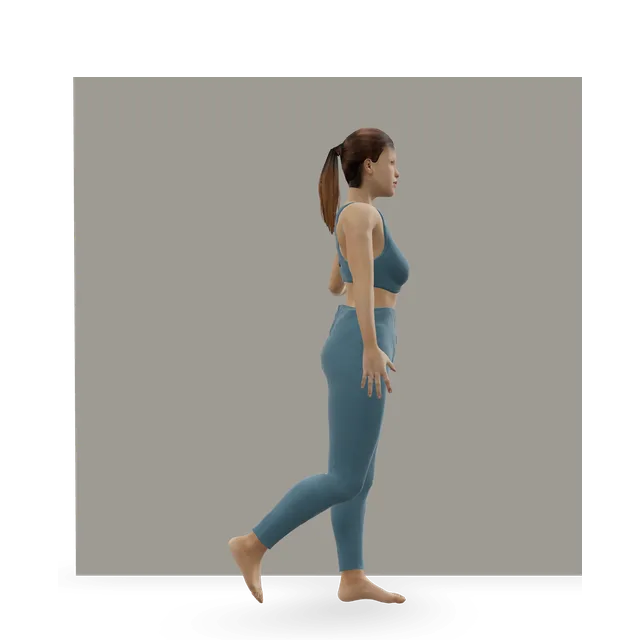
The NHS: "exercise during the day" and "do not eat a big meal or do strenuous exercise late at night". NHS inform: "take time to relax before bed" and "do not exercise before bed", and for an episode it suggests "relaxation exercises, like yoga or tai chi" and "walking and stretching". RLS-UK: "Some people find that going for a gentle walk early in the evening helps."
German guidelines: "Intense exercise in the afternoon or evening seems to worsen RLS symptoms at night", while saying the best time to exercise is unclear. No trial has tested evening yoga against daytime yoga.
Do any vigorous practice in the morning or early afternoon. In the evening, keep to the gentle relaxation side of that advice: slow stretches, slow breathing and a long rest, in a room that isn't hot, finished well before bed. That's what our evening class follows. If it seems to stir your symptoms up, do it earlier, and notice what works for you.
Slow breathing: 2 minutes, in for about 4 and out for about 6, with no holds (our gentle yoga for beginners class), or at least 5 minutes, done regularly as part of your daily routine as a wind-down (from the move page's dose). Easy pose: 1 to 2 minutes on a folded blanket or the edge of a chair (our gentle class).
Mountain pose: 5 slow breaths; warrior II: 3 to 5 breaths each side; tree pose: 2 holds of 20 to 30 seconds each side, fingertips on a wall (all from our gentle yoga for beginners class). Slow calf raise: 8 to 12, holding the counter (our restless legs exercises routine). Keep the effort gentle in the evening.
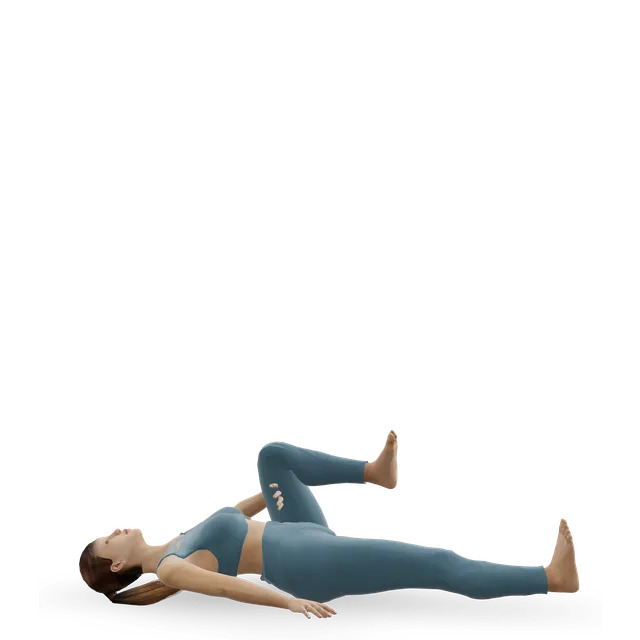
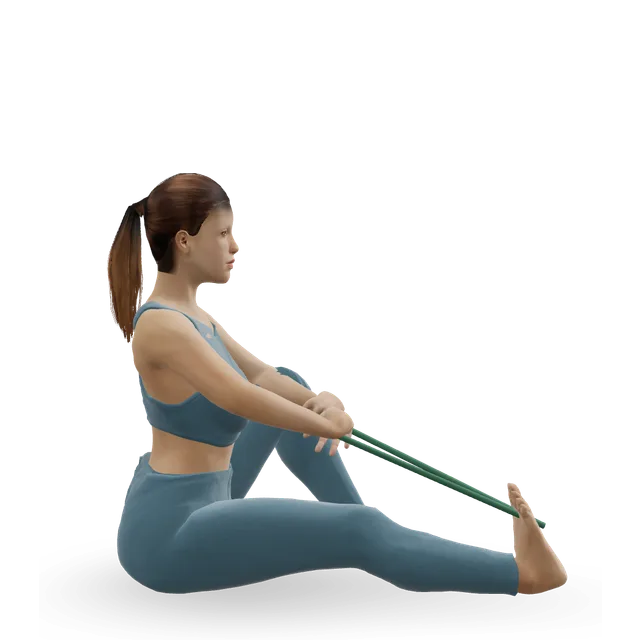
Calf, soleus, thigh and hamstring stretches: 30 seconds each leg, gently (our restless legs exercises routine and our exercise guide's evening stretches). Knee to chest: hold 20 to 30 seconds, 2 to 4 times each side (from the move page's dose). Reclined figure four: 45 seconds each side, holding behind the thigh (our gentle class). Hip windshield wipers: 10 slow passes side to side, 2 rounds (the move page's dose). Seated calf stretch: 30 seconds each leg (our suggestion), for a cinema seat, a car or a plane, where symptoms are often worse.
Reclining bound angle: rest 2 to 5 minutes with a support under each thigh (from the move page's dose). Corpse pose: 10 minutes, as in the trial's 10-minute lying relaxation, within the move page's at least 5 minutes, up to 10; if the urge comes, get up, walk or stretch, then lie back down. Legs up the wall: 2 minutes if you like it (our bedtime stretch routine); no study has tested it for RLS.
About 1 in 5 pregnant women get RLS, most often late in pregnancy, and it usually goes within a few weeks of the birth. RLS-UK: "Some women find it helpful to stretch their legs, get a massage, use hot or cold packs, take a warm bath (not hot), or practice relaxation techniques." Ask your midwife or GP before taking supplements or medicines. Later in pregnancy, do the floor stretches and the rest on your side or propped up: our yoga in pregnancy guide has the changes.
RLS is common with kidney disease. Exercise and leg stretches during dialysis eased RLS in small trials; follow your unit's advice, and see our yoga for kidney health guide.
Our yoga for restless legs class follows the shape of the main yoga trial: breathing, gentle standing poses, leg stretches and a 10-minute rest, in 30 minutes, early in the evening. Do the restless legs exercises routine (a walk and leg strength) on 3 days earlier in the day. The bedtime stretch routine and the breathing routine suit a short wind-down. In pregnancy, use the prenatal class.
These are the warning signs from our restless legs exercise guide and our yoga guides, word for word, apart from the lines marked as our suggestion. This is general information, not a diagnosis. A&E means accident and emergency; in the US, call 911 for 999.
Call 999 (911 in the US) or go to A&E
Pain and swelling in one leg with breathlessness or chest pain: a blood clot may have travelled to your lungs.
Chest pain that feels tight or squeezing, or spreads to your arms, neck or jaw.
Throbbing pain and swelling in one leg (rarely both), usually in the calf or thigh, perhaps with red, blue or darkened skin or swollen veins: it could be a deep vein thrombosis (DVT).
Severe burning pain in your legs and feet even when you rest, or toes turning cold and numb, then red or black: contact a GP immediately, or 111.
Restless legs are stopping you sleeping or affecting your mental health, or self-help hasn't worked.
Your RLS has been getting worse on a dopamine medicine: starting earlier in the day, coming on faster or spreading to your arms. Don't stop the medicine suddenly.
You're pregnant and RLS is troubling you: ask about iron before taking supplements or medicines.
Leg cramps disturb your sleep, last longer than 10 minutes, or come with numbness or swelling.
Your legs ache when you walk and the ache goes after a few minutes' rest.
Poor sleep can wear you down. If you have thoughts of harming yourself, call 999 or Samaritans on 116 123 (free, any time) in the UK, or call or text 988 in the US.
During yoga
If the urge comes during a pose or the rest, get up and walk or stretch, then come back (our suggestion, from the NHS's "try walking, stretching or massaging your legs when you're having symptoms").
A joint pain that is sharp, gets worse during a session, lingers into the next day or changes how you move is a reason to use an easier version, and to see a GP or physiotherapist if it keeps happening (the rule in our plans). Muscle soreness for a day or two after something new is normal. In a hot class, stop if you feel dizzy, sick or unwell; our hot yoga guide lists the signs of heat illness.
You can say no to any hands-on adjustment, and a teacher registered with Yoga Alliance must get your explicit consent each time.
The NHS advises getting advice from a healthcare professional first if you have a health problem, an injury or symptoms, or have recently had a heart attack or an operation.
Myths
"Yoga cures restless legs"Strong evidence
One small trial found a benefit, and US sleep doctors made no recommendation on yoga. RLS-UK: "There is currently no known cure for RLS but there are lifestyle changes and medications that you can try to make your RLS easier to manage."
"Yoga has no side effects, so it suits everyone"Emerging evidence
The trial reported no side effects, but intense exercise in the afternoon or evening seems to worsen symptoms at night, and poses have their own cautions.
"Yoga works better than iron or medicines"Strong evidence
No trial has compared them. Iron has moderate-certainty evidence and gabapentin and pregabalin strong recommendations; yoga's evidence is low certainty.
"My blood test was normal, so iron isn't the issue"Emerging evidence
US guidance suggests iron for RLS at a ferritin of 75 micrograms per litre or less, higher than the usual cut-off for anaemia. Ask your GP what your result means for RLS.
It may. In one small trial, 12 weeks of gentle yoga eased symptoms more than an educational programme, by about 5 points on a 40-point scale, with no side effects. US sleep doctors say the evidence is too thin to recommend it, while German guidelines say it's enough, so treat it as promising, not proven.
What kind of yoga is best for restless legs?
The trial used gentle Iyengar yoga with props: breathing, gentle standing poses, stretches and a 10-minute lying relaxation. Our evening class follows the same order. Avoid hot or vigorous classes in the evening.
Which yoga poses help restless legs?
No single pose has been tested. Calf, thigh, hamstring and hip stretches, like those in the stretching trials, plus slow breathing and a supported rest, are sensible choices.
Is it OK to do yoga before bed with restless legs?
Gentle stretching and relaxation, yes; strenuous exercise, no. The NHS says don't do strenuous exercise late at night, and NHS inform says don't exercise before bed, so do the class early in the evening and keep it gentle.
Why are my legs restless after yoga?
It may be the timing or the effort: intense exercise in the afternoon or evening seems to make night symptoms worse. Try practising earlier, more gently and in a room that isn't hot, and see a GP if it keeps happening.
Does legs up the wall help restless legs?
No study has tested it. It's relaxing for some people and fine to try, with its cautions, but moving and stretching are what ease the symptoms in the moment.
Can yoga nidra help restless legs?
It hasn't been tested on its own. The trial ended every class with a 10-minute guided relaxation lying down; if the urge comes during it, get up and move, then lie back down.
Can I do yoga for restless legs in pregnancy?
Yes, gently: stretching, massage and relaxation may help, and about 1 in 5 pregnant women get RLS. Lie on your side or propped up rather than flat later in pregnancy, and ask your midwife or GP about iron before taking anything.
Should I get my iron checked for restless legs?
Yes. US sleep doctors advise testing ferritin and transferrin saturation in everyone with troublesome RLS, and iron helped symptoms in trials. Don't take iron supplements without advice.
Can medicines make restless legs worse?
Yes, including some antidepressants, antipsychotics, antihistamines and anti-sickness medicines. Never stop a prescribed medicine without checking with your GP, but do ask whether one could be playing a part.
Is walking or yoga better for restless legs?
Each helped in one small trial, and they haven't been compared. Walk and do leg strength exercises earlier in the day, and keep yoga for a gentle evening wind-down.
When should I see a GP about restless legs?
If it's stopping you sleeping or affecting your mental health, or the things you've tried haven't helped. Also if you're pregnant and it's troubling you, or it's getting worse on a dopamine medicine.
Exercise education, not a personal prescription, and clinical review of these guides is pending. If you are pregnant, have a health condition such as glaucoma, high blood pressure or osteoporosis, or have had recent surgery, check with a doctor, midwife or physiotherapist before starting, and stop for sharp or increasing pain. Health disclaimer.