Skill progressions
Shrimp squat progression: split squats, skater squats and the shrimp
Find the hardest step you can do for 5 controlled reps each side, then train there, and move on when you reach 8. A pad under your back knee sets your depth: start high and lower it over the weeks. Hold a support while you learn. Train it 2 or 3 times a week, not on consecutive days. The ladder is coaching practice that no trial has tested.
Prep
- Single-leg stand2 × 30 s each sideBeginner · Hip abductors, Calves, Glutes · 3D demoHand near a supportEasier: Tandem stance and heel-to-toe walkHarder: Single-leg reach matrix
- Standing quad stretch2 holds of 20 to 30 s each sideBeginner · Quads, Hip flexors · 3D demoThe same hold of the back foot the shrimp usesEasier: Side-lying quad stretch with a strapHarder: Couch stretch



The ladder (pick your step)
Rest 90 s
- Split squat3 × 8 to 12 each legIntermediate · Quads, Glutes, Hamstrings · 3D demoLower your back knee straight down onto a padEasier: Bodyweight squatHarder: Reverse lunge
- Patrick step-down3 × 8 slow each sideIntermediate · Quads, Glutes, Hip abductors · 3D demoRaise the step as it gets easyEasier: Bodyweight squatHarder: Skater squat
- Skater squat3 × 5 to 8 each sideAdvanced · Quads, Glutes, Hamstrings · 3D demoA pad under the back knee and a support to hold; then without the supportEasier: Patrick step-downHarder: Pistol squat
- Shrimp squat3 × 3 to 5 each sideExpert · Quads, Glutes, Hamstrings · 3D demoAssisted: hold your back foot with one hand and a door frame or rail with the other, knee to a stack of cushionsEasier: Pistol squat

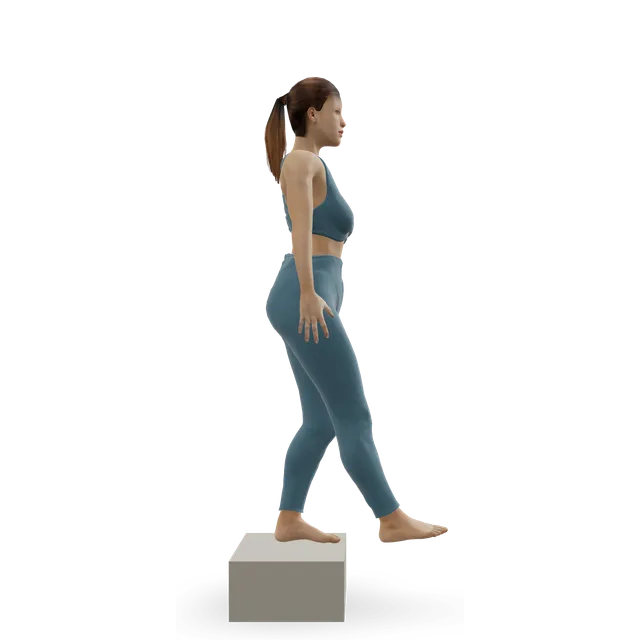
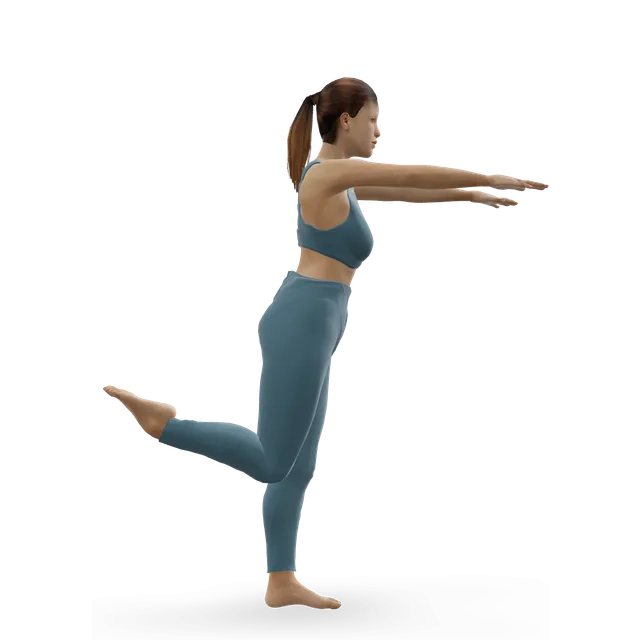
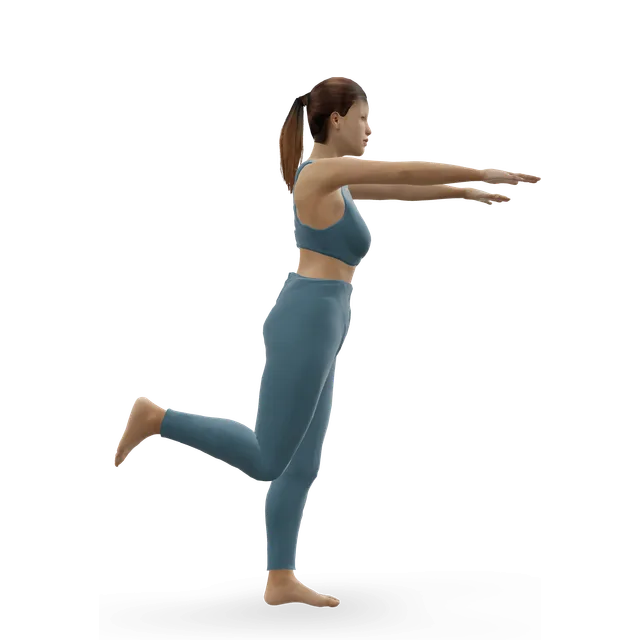
The full shrimp (once the assisted shrimp is easy)
Rest 90 s
- Shrimp squat3 to 5 single reps each legExpert · Quads, Glutes, Hamstrings · 3D demoNo support, back knee to a folded mat; lower slowly, about 2 or 3 seconds downEasier: Pistol squat
Hips
- Single-leg Romanian deadlift2 × 8 each legAdvanced · Hamstrings, Glutes, Abs · 3D demoFingertips on a wall at firstEasier: Dumbbell Romanian deadlift
- Lateral band walk2 sets of 10 to 15 steps each wayBeginner · Hip abductors, Glutes, Quads · 3D demoKnees over your toesEasier: Hip abduction machineHarder: Lateral band walk, band at the feet


Cool-down
- Half-kneeling hip flexor stretch30 s each sideBeginner · Quads, Glutes · 3D demoPad under your kneeHarder: Couch stretch

Tips
- Keep your standing heel down and your knee over your middle toes; letting it travel past your toes is normal, letting it cave in isn't.
- With kneecap pain, stay at a pad height that doesn't hurt and follow our knee rule: up to 5 out of 10 is acceptable if your knee is back to its usual level by the next morning.
- Can't reach your back foot? Hold your sock or a short strap, or stay on skater squats.
- With poor balance or a high risk of falling, always hold a support. After knee surgery, follow your surgical or physiotherapy team's limits.
- Stop and get medical help for chest pain or pressure, unusual breathlessness, dizziness or fainting.
The doses are suggested starting points, not a prescription. Choose a range you can control and stop for sharp or increasing pain, numbness or tingling. Get individual advice after an injury or surgery, or if you are pregnant or managing a health condition.
Guides that recommend it
Find more moves like these
More skill progressions




Push-up progression workout
Work up to full push-ups: wall, incline and knee push-ups, then the floor push-up and harder variations.
15 minBeginner8 movesA wall, A bench or box
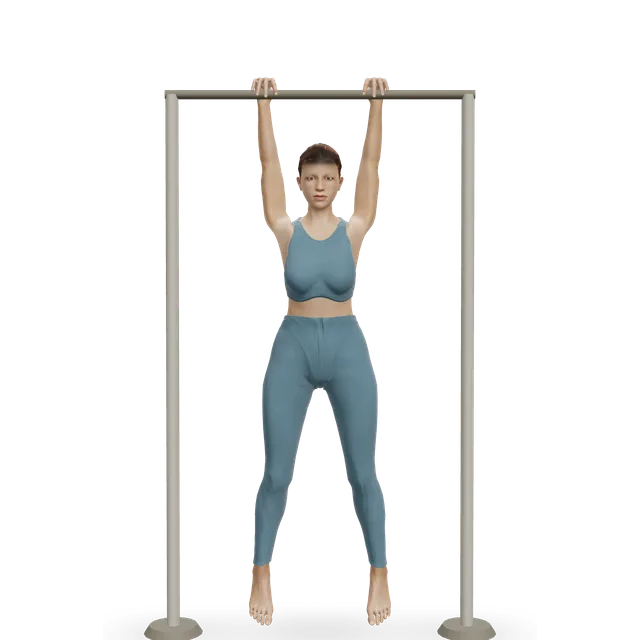
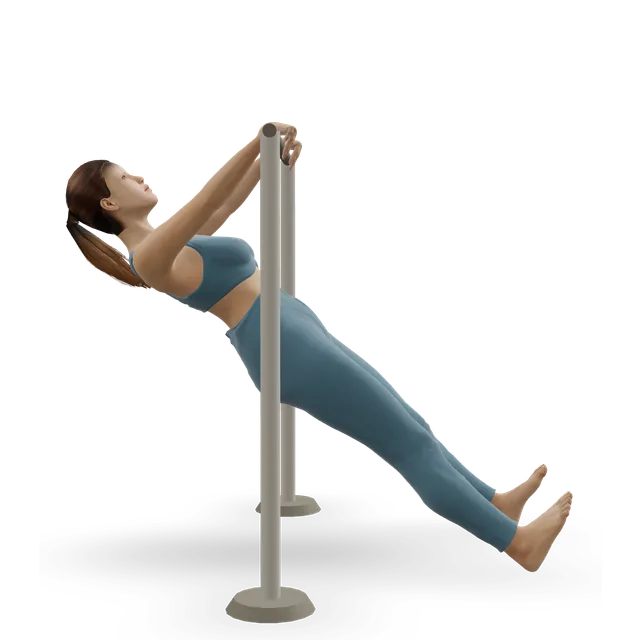
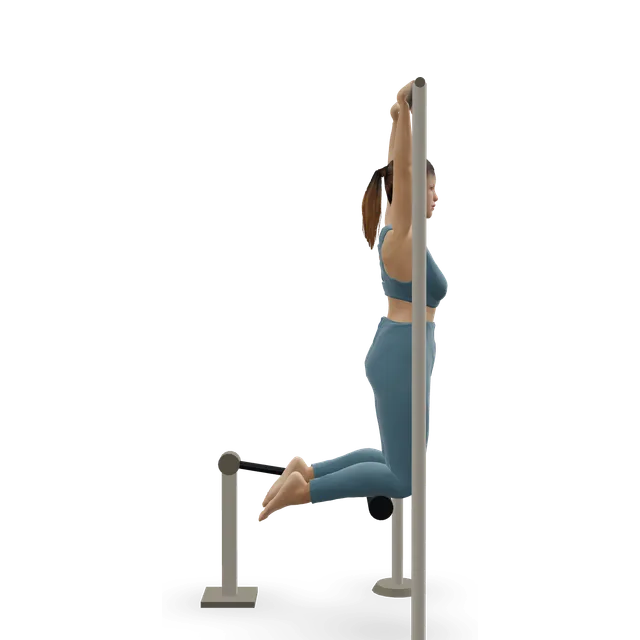
Pull-up progression workout
Work up to your first pull-up: dead hangs, scapular pulls, rows, negatives and assisted pull-ups.
25 minBeginner7 movesPull-up bar, A step

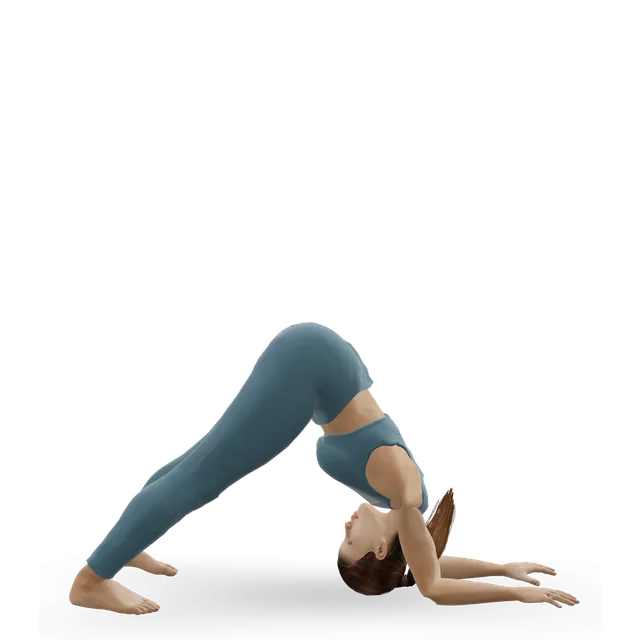
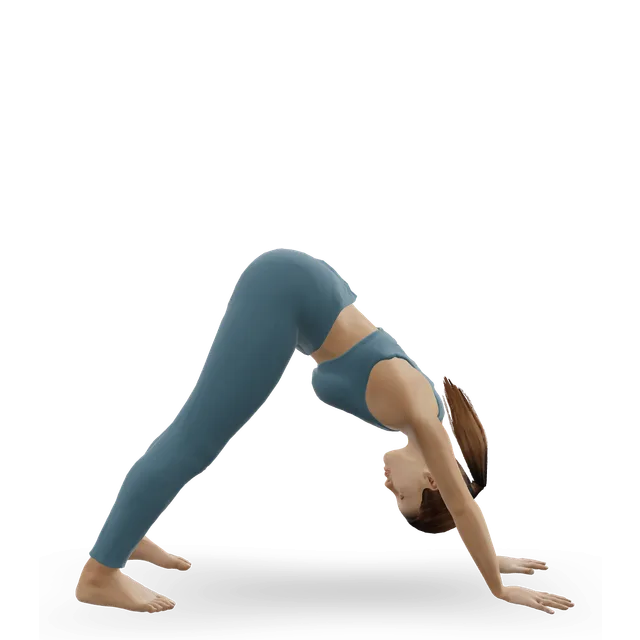
Handstand progression
Build toward a handstand: wrist prep, dolphin pose, pike push-ups, crow, the wall handstand and freestanding holds.
25 minAdvanced9 movesA wallQuestions people ask
How long does the shrimp squat progression: split squats, skater squats and the shrimp take?
About 25 minutes, including any warm-up and cool-down listed. Shorten it by doing fewer rounds; lengthen it by adding one.
What equipment do I need?
You need: A wall, A step, A dumbbell, A band. Each move links to its guide, where you can find an alternative if you are missing something.
Is it suitable for me?
It is written at intermediate level. 8 of its 10 moves have an easier option listed beside them; use them freely.
How do I make it easier or harder?
Use the easier or harder option listed under each move, change the number of rounds, or adjust the rest. Progress one change at a time.