Skill progressions
Sissy squat progression: from the reverse Nordic to the weighted sissy squat
Find the hardest step you can do for 5 slow, controlled reps, then train there; when that step is easy for the top of its range, move on. No study has measured the sissy squat itself, so the ladder is coaching practice, ordered from the knees-forward squat to the kneeling reverse Nordic to the standing sissy squat. It loads the front of the knee hard: leave it out if the front of your knee hurts, and use our knee pain when squatting guide instead.
Prep
- Standing march60 sBeginner · Hip flexors, Abs, Glutes · 3D demoBrisk, arms swingingEasier: Seated marchHarder: Standing band hip flexion
- Intermediate · Quads, Glutes, Adductors · 3D demoHeels on a plate or slant board; only as deep as is comfortable, deeper over the weeksEasier: Bodyweight squatHarder: Deep squat hold


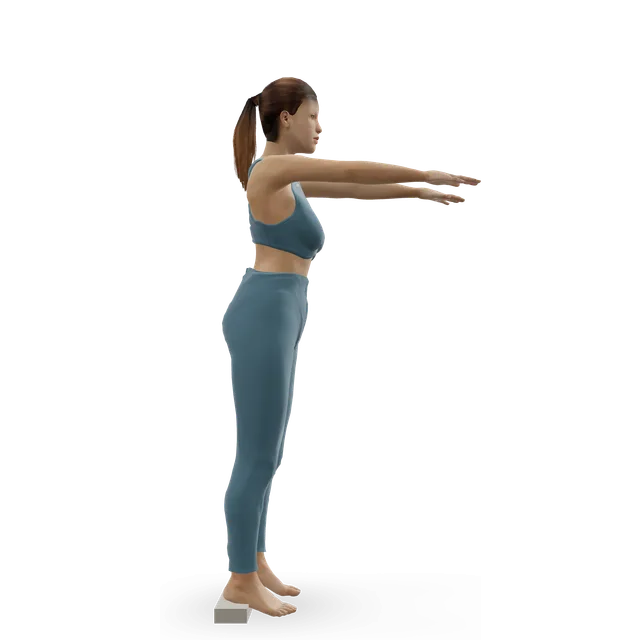
The ladder (pick your step)
Rest 60 to 90 s
- Reverse Nordic2 × 3 to 5Advanced · Quads, Abs · 3D demoKneel on something soft and lean back from the knees in one line, only as far as you can come back from. Move on when 5 slow reps are easyEasier: Straight-leg raiseHarder: Weighted sissy squat
- Reverse Nordic, arms overhead2 × 3 to 5Advanced · Quads, Abs · 3D demoA side step: arms overhead make the same range harderEasier: Straight-leg raiseHarder: Weighted sissy squat
- Weighted sissy squat2 to 3 × 5 to 8, no plateAdvanced · Quads, Abs, Hip flexors · 3D demoHold a rack upright or door frame. On the balls of your feet, knees forward, hips straight; stop well above a right angleEasier: Reverse Nordic
- Weighted sissy squat2 to 3 × 8 to 12, no plateAdvanced · Quads, Abs, Hip flexors · 3D demoStill holding on; lower over 2 to 3 s to about a right angle. Move on when 12 are easyEasier: Reverse Nordic
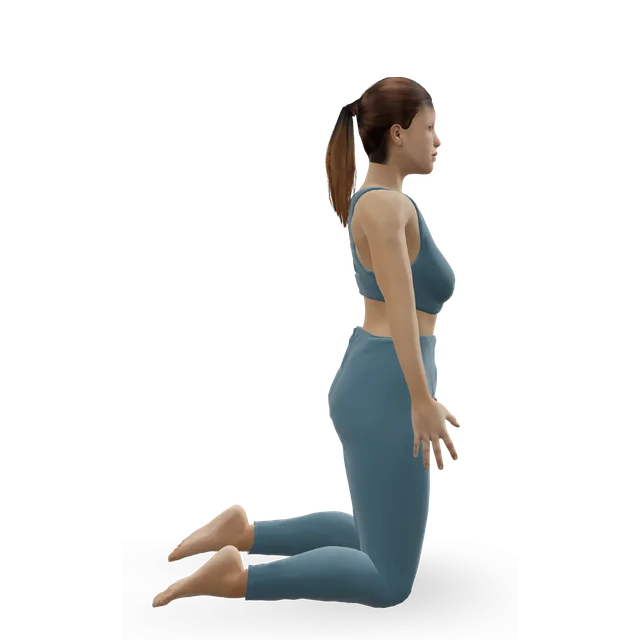
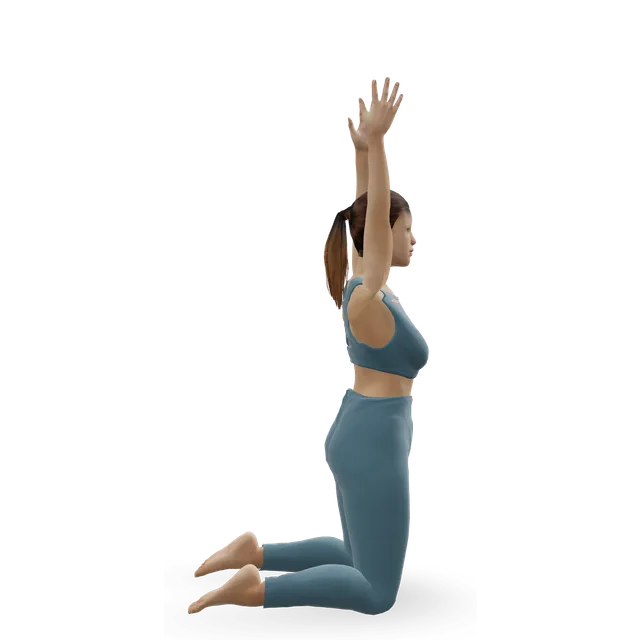
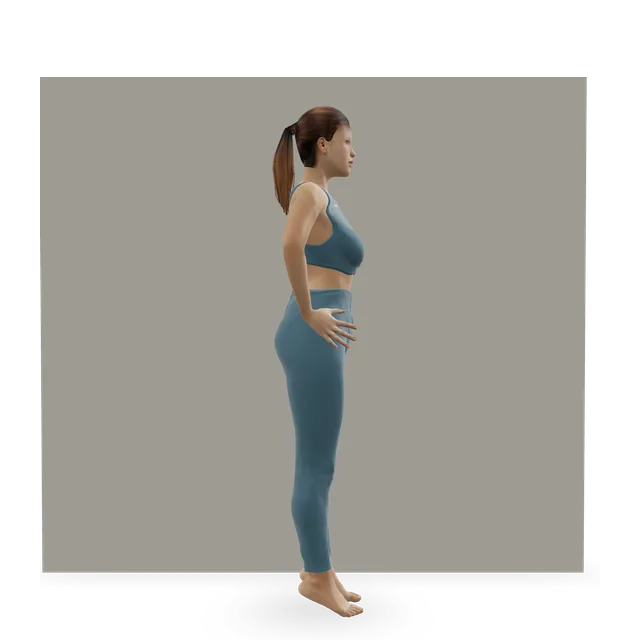
The weighted sissy squat (once 12 full-range reps are easy)
Rest 60 to 90 s
- Weighted sissy squat2 to 3 × 6 to 10Advanced · Quads, Abs, Hip flexors · 3D demoA plate held flat to your chest, the other hand on the support; stop 2 or 3 reps short of failureEasier: Reverse Nordic
Single leg
Rest 60 s
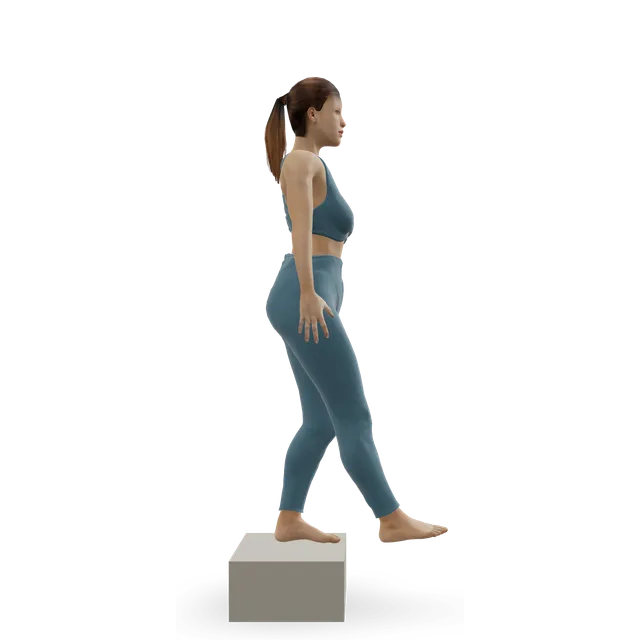
- Patrick step-down2 to 3 × 8 slow each sideIntermediate · Quads, Glutes, Hip abductors · 3D demoA low step; keep the standing knee over the middle toesEasier: Bodyweight squatHarder: Skater squat
Cool-down (optional)
- Standing quad stretch20 to 30 s, 2 times each sideBeginner · Quads, Hip flexors · 3D demoHold a supportEasier: Side-lying quad stretch with a strapHarder: Couch stretch

Tips
- Train it once or twice a week, not on consecutive days, after your other leg work or on its own.
- Kneecap pain? Stay on the heel-elevated squat or the reverse Nordic at a depth that doesn't hurt. Keep pain at 0 to 2 out of 10, up to 5 only if it has settled by the next morning, and see our knee pain when squatting guide. With pain at one point just below the kneecap, use Spanish squat holds instead, as our jumper's knee guide does.
- Kneeling hurts? Leave out the reverse Nordics.
- Keep hold of the support on every rep until the full range is easy, and lean back only as far as you can come back from.
- Expect sore front thighs after the first sessions; it fades as you repeat the moves.
- If you take steroid tablets or injections, have kidney disease, gout, rheumatoid arthritis, lupus or diabetes, or have recently taken a fluoroquinolone antibiotic, build up more slowly: these can weaken tendons.
- A pop or tearing feeling at the front of the knee, then you can't straighten it or lift the straight leg: go to A&E or an urgent treatment centre, or get help from NHS 111, the same day.
- Stop for chest pain, dizziness, unusual breathlessness or a racing or irregular heartbeat, and see the warning signs in our sissy squat guide.
The doses are suggested starting points, not a prescription. Choose a range you can control and stop for sharp or increasing pain, numbness or tingling. Get individual advice after an injury or surgery, or if you are pregnant or managing a health condition.
Guides that recommend it
Find more moves like these
More skill progressions




Push-up progression workout
Work up to full push-ups: wall, incline and knee push-ups, then the floor push-up and harder variations.
15 minBeginner8 movesA wall, A bench or box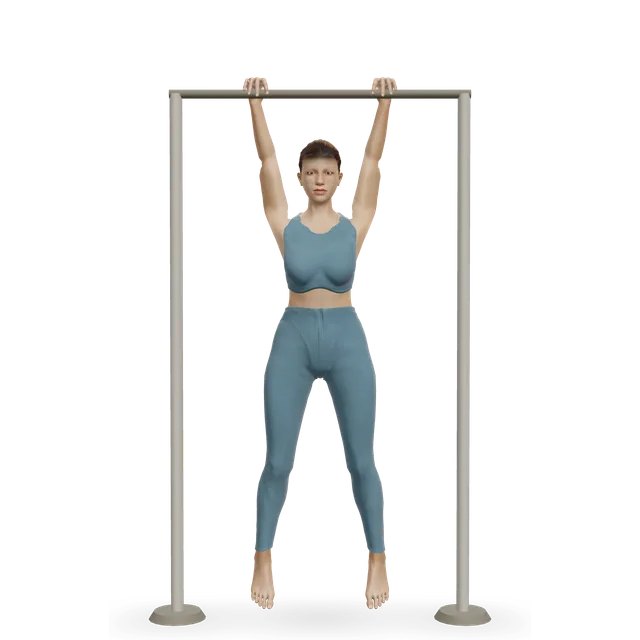

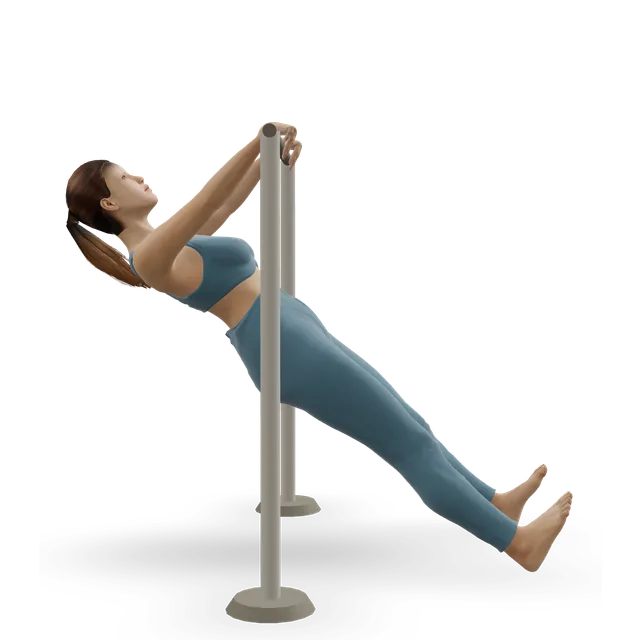
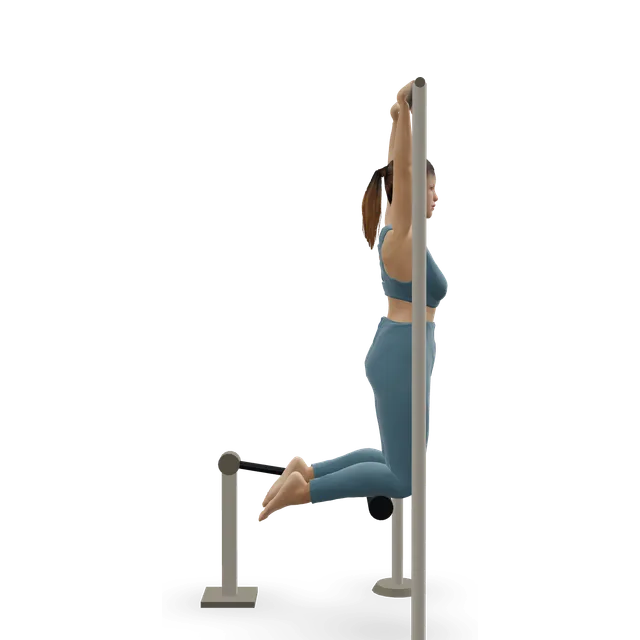
Pull-up progression workout
Work up to your first pull-up: dead hangs, scapular pulls, rows, negatives and assisted pull-ups.
25 minBeginner7 movesPull-up bar, A step

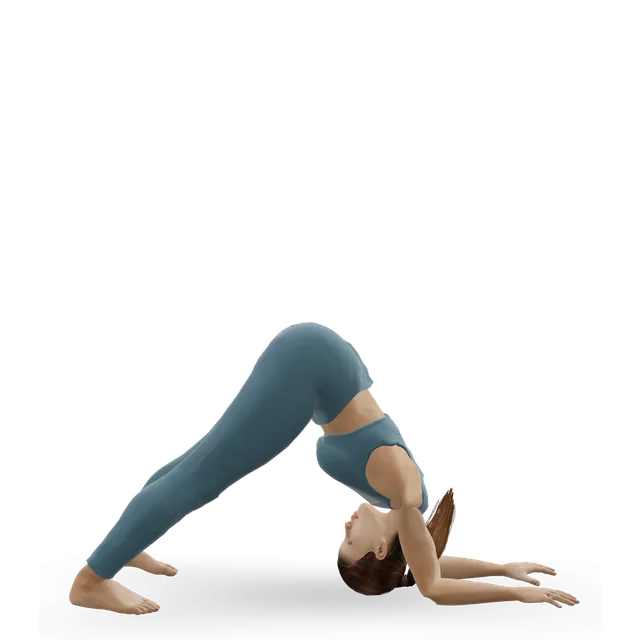
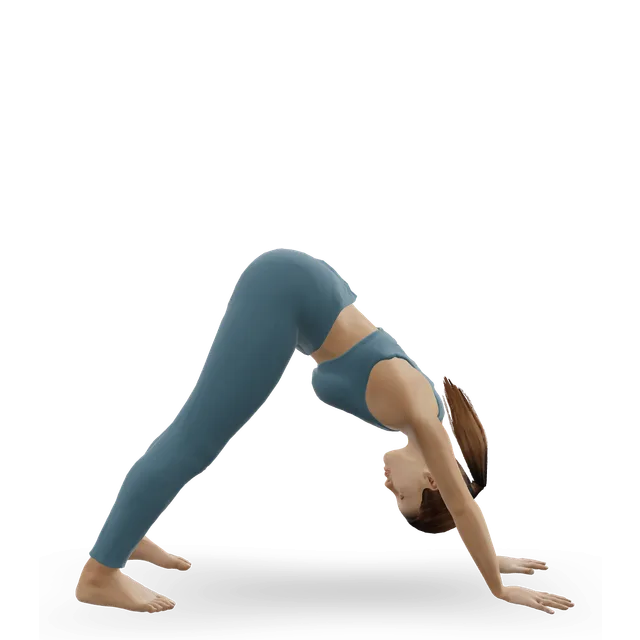
Handstand progression
Build toward a handstand: wrist prep, dolphin pose, pike push-ups, crow, the wall handstand and freestanding holds.
25 minAdvanced9 movesA wallQuestions people ask
How long does the sissy squat progression: from the reverse nordic to the weighted sissy squat take?
About 25 minutes, including any warm-up and cool-down listed. Shorten it by doing fewer rounds; lengthen it by adding one.
What equipment do I need?
You need: A wall, A step, Weight plates. Each move links to its guide, where you can find an alternative if you are missing something.
Is it suitable for me?
It is written at intermediate level. 7 of its 8 moves have an easier option listed beside them; use them freely.
How do I make it easier or harder?
Use the easier or harder option listed under each move, change the number of rounds, or adjust the rest. Progress one change at a time.