Cardio & conditioning
Stair machine workout: steady climbing and intervals on the step mill or stepper
Built for the step mill (the revolving staircase many people call a StairMaster), and it works the same way on the pedal stepper. Do the warm-up, one level, then the cool-down. Level 1 is three short climbs with easy breaks; Level 2 is a steady 15 to 20 minutes, building towards 30; Level 3 adds 1-minute brisk intervals once 20 minutes steady is comfortable. Climb at a pace where you can talk but not sing, standing tall with your whole foot on each step and your hands resting lightly on the rails. The structure is our editorial plan, from the step mill page's starting dose, our rowing machine guide's beginner pattern and our cardio intervals workout; no trial has tested this session. Our how to use a stair climber guide explains the machine.
Warm-up
- Step mill (revolving stair machine)3 to 5 min at the slowest speedIntermediate · Quads, Glutes, Calves · 3D demoHold the rails to step on, start the stairs at the slowest speed, and put your whole foot on each stepEasier: Elliptical trainerHarder: Hill sprints
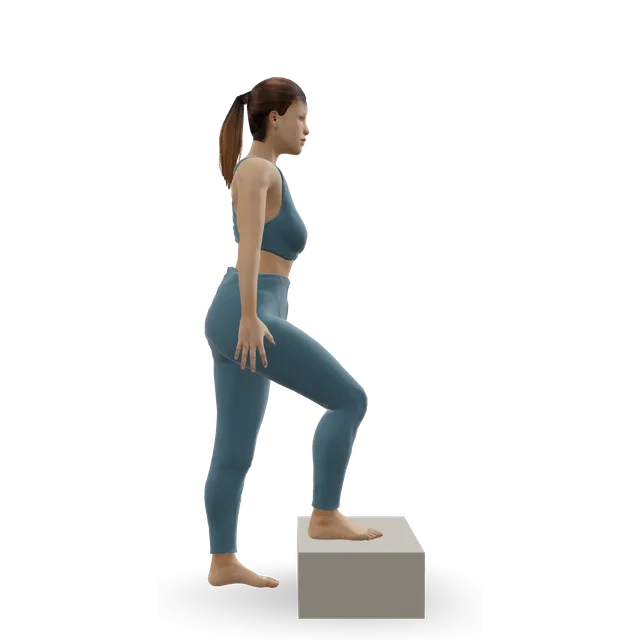
Level 1: short climbs
3 rounds · Rest 1 min at the slowest speed between climbs
- Step mill (revolving stair machine)3 to 5 minIntermediate · Quads, Glutes, Calves · 3D demoTalk-but-not-sing pace, hands resting lightly on the rails. Start here for your first two weeks, or if stairs are new to youEasier: Elliptical trainerHarder: Hill sprints
Level 2: steady climb
- Step mill (revolving stair machine)15 to 20 min, building towards 30Intermediate · Quads, Glutes, Calves · 3D demoOnce Level 1 feels easy. Add about 5 minutes every session or two, and change one thing at a time: time before speedEasier: Elliptical trainerHarder: Hill sprints
Level 3 (optional): intervals
- Step mill (revolving stair machine)4 to 8 rounds of 1 min brisk, 2 min easyIntermediate · Quads, Glutes, Calves · 3D demoOnly once 20 minutes steady is comfortable. Brisk means a few words at most; keep hard sessions to 1 or 2 a week, with easier days betweenEasier: Elliptical trainerHarder: Hill sprints
Cool-down
- Step mill (revolving stair machine)3 to 5 min, slowingIntermediate · Quads, Glutes, Calves · 3D demoSlow right down, let the stairs stop completely, and step off one foot at a time, still holding the railsEasier: Elliptical trainerHarder: Hill sprints
- Wall calf stretch (gastrocnemius)30 s each sideBeginner · Calves · 3D demoOptional, for comfortEasier: Seated calf stretch with a towelHarder: Heel-on-step calf and hamstring stretch
- Standing quad stretch30 s each sideBeginner · Quads, Hip flexors · 3D demoHold a wall or rail for balanceEasier: Side-lying quad stretch with a strapHarder: Couch stretch
- Half-kneeling hip flexor stretch30 s each sideBeginner · Quads, Glutes · 3D demoPad the knee on the floorHarder: Couch stretch



Tips
- No step mill? The stepper works the same way at the same effort: push each pedal most of the way down, short of the floor. Or use real stairs: walk up briskly and down slowly, holding the rail, as in our hill and stair conditioning.
- Hands light on the rails. Leaning on them makes the climb easier than the display says: in studies on stair machines, supporting your weight on the rails cut oxygen use and heart rate.
- Go by your breathing, not the display: the calories on the screen are an estimate.
- These minutes count towards your 150 a week of moderate activity, or 75 of vigorous; most people climbing steadily are working vigorously.
- Sore knees: slow the speed and take the whole step, keep knee pain to about 5 out of 10, settled by the next morning, and see our knee pain on stairs guide. The bike or recumbent bike suits sore knees better.
- Calves or Achilles still sore the next morning? Drop back a level for a week.
- Light-headed when you step off? Slow down over the last 3 to 5 minutes and hold the rails to step off; see a GP if it keeps happening.
- With epilepsy or a history of falls, choose the stepper or real stairs with a rail over a moving staircase, and know where the machine's stop button is.
- Pregnant? If you already use a stair machine you can usually carry on at a comfortable effort, but it isn't the time to start new vigorous exercise; hold the rails as your balance changes.
- With a heart condition, or chest pain, dizziness or breathlessness when you're active, speak to your GP first: stair climbing is vigorous exercise. If your blood pressure is high and not yet under control, keep to Levels 1 and 2 at a talk-but-not-sing pace, and skip the intervals until it is.
- Stop for chest pain or pressure, unusual breathlessness, dizziness or a pounding or fluttering heartbeat. Call 999 (911 in the US) for chest pain that feels tight or spreads to your arms, neck or jaw, or if someone faints while exercising.
The doses are suggested starting points, not a prescription. Choose a range you can control and stop for sharp or increasing pain, numbness or tingling. Get individual advice after an injury or surgery, or if you are pregnant or managing a health condition.
Guides that recommend it
Find more moves like these
More cardio & conditioning



HIIT workout at home
A 20-minute no-equipment HIIT workout: jumping jacks, jump squats, mountain climbers, burpees, skips and bear crawls.
20 minIntermediate10 movesNo equipment


Plyometric workout
An advanced jump training session: pogo hops, box jumps, split squat jumps, broad jumps and depth jumps.
30 minAdvanced8 movesA bench or box, A step
Easy cardio workout
A steady 30 to 45 minute cardio session at talk-but-not-sing pace: walk, cycle, row or cross-train, counting toward weekly activity guidelines.
40 minBeginner3 movesCardio machine, A wallQuestions people ask
How long does the stair machine workout: steady climbing and intervals on the step mill or stepper take?
About 30 minutes, including any warm-up and cool-down listed. Shorten it by doing fewer rounds; lengthen it by adding one.
What equipment do I need?
You need: Cardio machine, A wall. Each move links to its guide, where you can find an alternative if you are missing something.
Is it suitable for beginners?
It is written for beginners. 3 of its 4 moves have an easier option listed beside them if you need one.
How do I make it easier or harder?
Use the easier or harder option listed under each move, change the number of rounds, or adjust the rest. Progress one change at a time.