Exercise guide

Exercise after a spinal cord injury: the guidelines, arm cycling, strength and staying safe

A spinal cord injury damages the nerves that carry messages between your brain and your body, so movement and feeling below the injury are lost or reduced. Exercise is safe and it works: in more than 180 studies of people injured over a year earlier, it improved fitness, strength and heart health. International guidelines, made with people with spinal cord injuries, set a minimum of 20 minutes of moderate to vigorous aerobic exercise twice a week, plus strength exercises for each muscle group you can use, twice a week.

This guide covers what to do with paraplegia, tetraplegia or an incomplete injury, arm cycling, strength training and your shoulders, electrical stimulation cycling, standing and walking training, and the safety rules that matter most: autonomic dysreflexia, low blood pressure, temperature, skin and fragile bones, and when to call 999 or see a general practitioner (GP). Your spinal injuries centre knows your injury best, and its advice comes first.

The short version

Exercise is safe, and it works

In 189 studies of people injured more than a year earlier, exercise improved fitness, strength, body composition and markers of heart health, with moderate to high confidence. Side effects were rare, apart from occasional muscle or joint pain.

Sources 1, 2

How much

At least 20 minutes of moderate to vigorous aerobic exercise twice a week, plus 3 sets of strength exercises for each major muscle group you can use, twice a week. For heart and metabolic health, build to 30 minutes 3 times a week. The UK Chief Medical Officers add: "Even a little movement is better than nothing."

Sources 1, 3, 4

Arm cycling, wheeling, swimming and strength work all count

Arm cycling improved fitness in 18 studies. With tetraplegia, bands looped round your wrists and weights strapped on stand in for grip.

Sources 3, 5, 6

Protect your shoulders

They do the work of walking. Strengthen the muscles that pull your arm down and back and turn it outwards, keep loads pain-free, and lean rather than push up to take pressure off your seat.

Sources 7, 8

At T6 or above, know autonomic dysreflexia

If your injury is at the sixth thoracic level (T6) or higher, a pounding headache, flushing or sweating above your injury, or a stuffy nose can mean a dangerous rise in blood pressure. The Spinal Injuries Association (SIA) says sit up and drop your feet, loosen anything tight, check your bladder, then your bowel, then your skin, and call 999 if you can't find and remove the cause. Empty your bladder before you exercise.

Sources 9, 10, 11

Keep cool, look after your skin and bones, and let your spinal team lead

Below a high injury you may not sweat, so exercise somewhere cool. Relieve the pressure on your seat at least every 15 minutes, and handle paralysed legs carefully, because the bones get weaker. Your spinal injuries centre's advice comes first, especially in the first year after injury.

Sources 12, 13, 14

Spinal cord injury and exercise

What a spinal cord injury is

The World Health Organization (WHO) describes it as damage to the spinal cord from an injury, such as a fall or a road traffic accident, or from other causes, such as a tumour, an infection or a problem with the blood supply. The SIA explains that the messages between your brain and the rest of your body are disrupted, so movement and feeling are lost from below the level of the injury.

Sources 15, 16

The level of injury

Levels are named after the bones of the spine, counting down from the top: C for the neck (cervical), T for the upper and middle back (thoracic) and L for the lower back (lumbar). An injury in the neck causes tetraplegia (sometimes called quadriplegia), which affects all four limbs and the muscles of the tummy and chest. An injury lower down causes paraplegia, which affects the legs and the tummy muscles. The higher the injury, the more movement and feeling are lost, and with tetraplegia or an injury at T8 or above, breathing and coughing can be weaker. Bladder, bowel and sexual function can be affected at any level.

Source 16

Complete and incomplete

A complete injury means no movement or feeling below the level of the injury; an incomplete injury means some remains. The SIA says incomplete injuries are now more common.

Source 16

How common it is

About 15.4 million people worldwide were living with a spinal cord injury in 2021, the WHO says. In the UK, someone has a spinal cord injury every 2 hours, about 4,700 people a year, the SIA says.

Sources 15, 17

What else changes

Blood pressure, heart rate and temperature control can change, and the risks of muscle spasms, long-term pain, urine infections, pressure ulcers, breathing problems, autonomic dysreflexia, blood clots, thinning bones and depression rise. With an injury at T6 or above, resting blood pressure is often low, and your heart rate rises less during exercise.

Sources 15, 12

Heart health and weight

In a Canadian survey of over 60,000 people, those with a spinal cord injury had 2.7 times the odds of heart disease and 3.7 times the odds of a stroke. Body mass index (BMI) underestimates body fat after a spinal cord injury: a cardiometabolic guideline suggests a BMI of 22 or more as the cut-off for obesity. Gaining weight also makes transfers and pushing harder and adds load on your shoulders.

Sources 18, 19, 13

Shoulders

Shoulder pain is common: in one study, 59% of people with tetraplegia and 41% with paraplegia had significant pain. Most comes from overusing the rotator cuff, the muscles that steady the shoulder, in transfers, raises to relieve pressure, and pushing a wheelchair.

Sources 7, 20

A note on words

This guide says "a person with a spinal cord injury" and "wheelchair user", as Spinal Cord Injury Ontario's language guidelines suggest, rather than "a paraplegic" or "wheelchair-bound".

Source 21

What the evidence says

Exercise improves fitness, strength and heart healthStrong evidence

The guidelines rest on a review of 211 studies, 189 of them in people injured more than a year earlier. Exercise improved aerobic fitness, power, strength, body composition and heart risk markers, with moderate confidence (high for young and middle-aged adults). Side effects were rare, apart from occasional muscle or joint pain in 5 studies.

Sources 1, 2

A 9-month trialEmerging evidence

In 34 people with injuries from C4 to L1, twice-weekly arm cranking and strength training for 9 months raised arm-cranking power by 81% and upper-body strength by 19% to 34%, with less pain, stress and depression and a better quality of life. 23 of the 34 finished the trial.

Source 22

Arm crankingEmerging evidence

In 18 studies with 235 people, with injuries from C4 to L3, arm cranking for 30 to 40 minutes, 3 to 5 times a week, improved fitness (moderate certainty). Its effects on body fat, heart risk and quality of life are very uncertain, and no evidence suggests it raises the risk of shoulder pain or other injuries.

Source 5

Mood and quality of lifeEmerging evidence

In 19 trials with 797 adults under 65, exercise improved overall wellbeing and quality of life by small to moderate amounts (low certainty). In 3 of the studies, 4 serious side effects were probably caused by the exercise.

Source 23

The first year after injuryEmerging evidence

Evidence in the first year is thin: the 22 studies behind the guidelines were all very low certainty, so the guidelines weren't written for this stage. In a later review of 4 studies with 108 people in rehabilitation, electrical stimulation cycling reduced muscle wasting and strength training built strength, but aerobic exercise didn't raise fitness.

Sources 1, 24

BoneMixed evidence

The guidelines found that exercise didn't improve bone. In 11 trials of electrical stimulation with exercise, standing, vibration and other treatments, only 3 improved bone density. Medicines to protect bone have had limited effect after a spinal cord injury, so ask your spinal centre about a bone health plan.

Sources 1, 25, 26

How much exercise

The guidelinesStrong evidence

For fitness and strength: at least 20 minutes of moderate to vigorous aerobic exercise 2 times a week, and 3 sets of strength exercises for each major functioning muscle group, at a moderate to vigorous intensity, 2 times a week (a strong recommendation). For heart and metabolic health: at least 30 minutes of moderate to vigorous aerobic exercise 3 times a week (a conditional recommendation, which means it is suggested).

Source 1

How they were made

The guidelines followed an international standard for guideline development: a review of 211 studies, three expert panels that included people with spinal cord injuries, feedback from the people who would use them, and an external check of the process. 28 of the 29 panel members approved them. Canada then combined the two guidelines into one message, with a starting level and an advanced level.

Sources 1, 27

Who they're for

Adults aged 18 to 64, more than a year after injury, with an injury at C3 or below, from an accident or another cause. If you're earlier after injury, 65 or over, or have other health conditions, talk to a health professional before starting a programme.

Source 1

Starting and advanced levels

The Canadian community version:

  • starting level: 20 minutes of moderate to vigorous aerobic activity twice a week, and 3 sets of 10 repetitions for each major muscle group twice a week
  • advanced level: 30 minutes of moderate to vigorous aerobic activity 3 times a week, with the same strength work

Source 3

Building towards 150 minutes

The guidelines are the smallest amounts shown to work, so they're lower than the 150 minutes a week advised for everyone. A cardiometabolic guideline recommends at least 150 minutes a week from as soon as possible after injury, on low-level evidence, and the UK Chief Medical Officers suggest aiming for 150 minutes, with strength and balance activities on 2 days. The Salisbury spinal treatment centre recommends at least 30 minutes of moderate exercise on 3 to 5 days a week.

Sources 1, 19, 4, 13

How hard

Moderate means you can talk but not sing; vigorous means working hard enough that you can only keep it up for a short time. With an injury at T6 or above, your heart rate rises less, so judge the effort by talking or with a 6 to 20 effort scale rather than heart rate zones.

Sources 3, 12, 28

Sets and repetitions

The trials behind the guidelines used 3 sets of 10 at 50% to 80% of the most you can lift once. SCI Action Canada's home guides start with 3 sets of 8 to 10, and the upper limb guideline starts with 1 set of 8 to 12 repetitions of 8 to 10 exercises, 2 to 3 days a week, building gradually. Our suggestion: start at the gentle end and build to 3 sets of 10.

Sources 1, 6, 7

By level of injury

Our summary, built from the sources in each note. The guidelines cover injuries from C3 down, complete or incomplete; your spinal team will tell you what suits your injury.

Paraplegia below about T6

Cardio: an arm bike, hand cycling, wheeling, swimming or dancing. Strength: 3 sets of 8 to 10 with bands, dumbbells or machines for all the muscles you can use, bracing your tummy muscles to steady your trunk if you can, plus shoulder exercises. Watch your shoulders, skin and bones.

Sources 3, 5, 29, 7

Paraplegia at T6 or above

The same exercise, with extra care: your heart rate rises less, so use the talk test, and know the signs of autonomic dysreflexia, low blood pressure and overheating. Empty your bladder first and keep straps loose. With an injury at T8 or above, breathing and coughing can be weaker.

Sources 12, 9, 11, 16

Tetraplegia

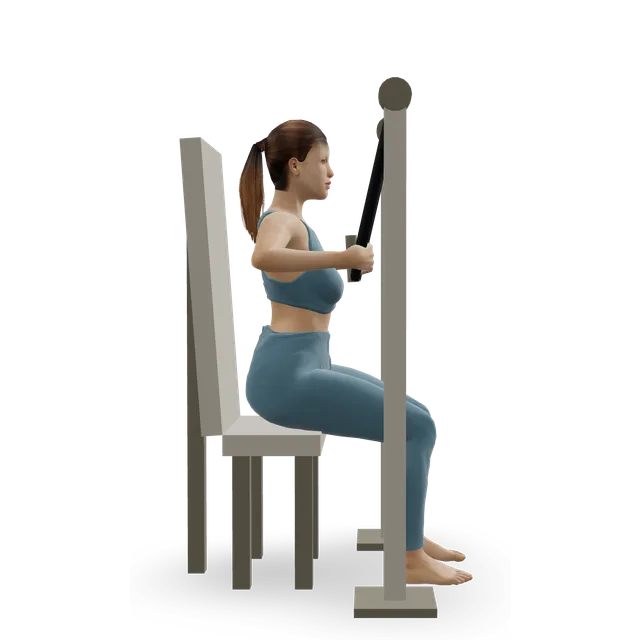
Cardio: an arm bike with grip aid gloves, wheeling or swimming, and most pools have hoists. Strength: bands looped round your wrists or weights strapped on, for rows, pull-downs, biceps curls, rotator cuff work, chest presses and flies, reverse flies and raises, 3 sets of 8 to 10. Above C6, a trunk belt or abdominal binder is suggested to steady you, and grip aid gloves or a crepe bandage can help you hold on. People consulted on the guidelines were less confident that those with tetraplegia could reach 30 minutes 3 times a week, so build up at your own pace.

Sources 6, 13, 14, 1

An incomplete injury

Depending on what you can move, your team may add leg cycling, standing and walking practice, and leg strength work such as standing up from a chair (our suggestion). The same rules on dysreflexia and temperature apply if your injury is at T6 or above.

Sources 1, 30

Seated cardio

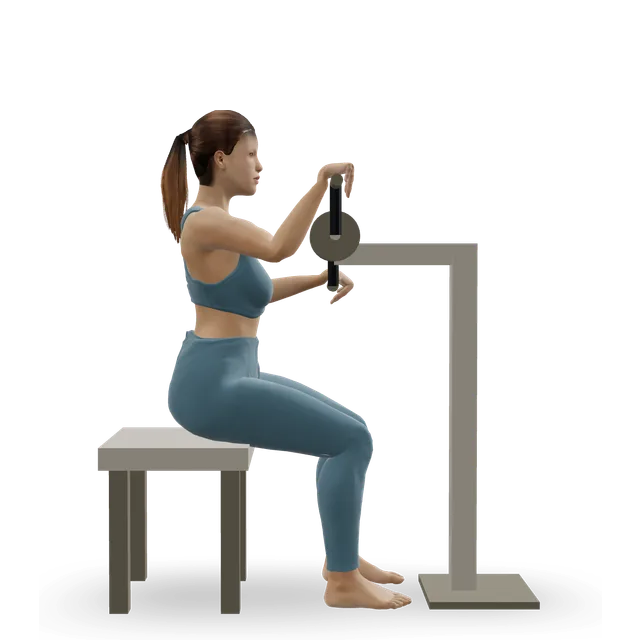
The arm crank page's dose: start with 10 to 20 minutes, twice a week, in 3-minute bouts with 1 easy minute between, then build to the guideline's 20 minutes twice a week, then to 30 minutes 3 times a week. Punches work as seated cardio between other moves. The recumbent bike and seated march are for an incomplete injury with useful leg movement. Swim where there's a lifeguard and, if your trunk control is limited, with a float or a helper (our suggestion).

Strength, and looking after your shoulders

The upper limb guidelineStrong evidence

The Consortium for Spinal Cord Medicine advises stretching the front of your chest and keeping your shoulder's outward rotation at least 2 to 3 times a week, strengthening the muscles that pull the shoulder down and steady the shoulder blades, avoiding turning the arm inwards above shoulder height, and avoiding any strengthening exercise that hurts. It says its advice to cut repetitive strain "should not be construed as advice to decrease all activity", and asks for shoulder pain to be treated early.

Source 7

The STOMPS programmeEmerging evidence

In the STOMPS trial (Strengthening and Optimal Movements for Painful Shoulders), in 80 people with paraplegia and long-standing shoulder pain, a 12-week home programme of shoulder strengthening and stretching, with advice on transfers, raises and pushing, cut pain to about a third. Across 4 trials with 167 people, exercise eased pain and improved function. No trials have tested whether it prevents shoulder pain, and people with tetraplegia weren't in the trial. Our wheelchair users guide gives the programme in full.

Sources 8, 31

Transfers and pushingStrong evidence

Transfer between surfaces of about the same height where you can, grip the edge rather than putting your palm flat, use transfer aids, and lean rather than push up to relieve pressure. Transfers put about 2.5 times more pressure through the shoulder than when it isn't bearing weight. Keeping your weight steady helps too, because extra weight adds load on your shoulders.

Sources 7, 13

Shoulder exercises and stretches

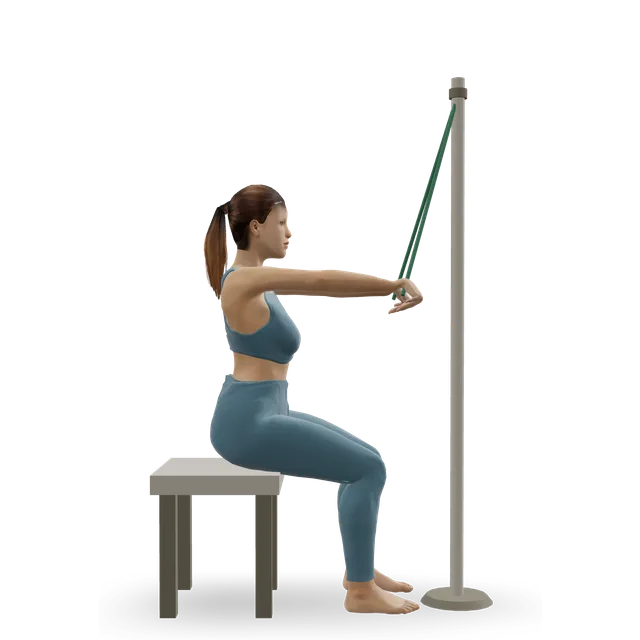
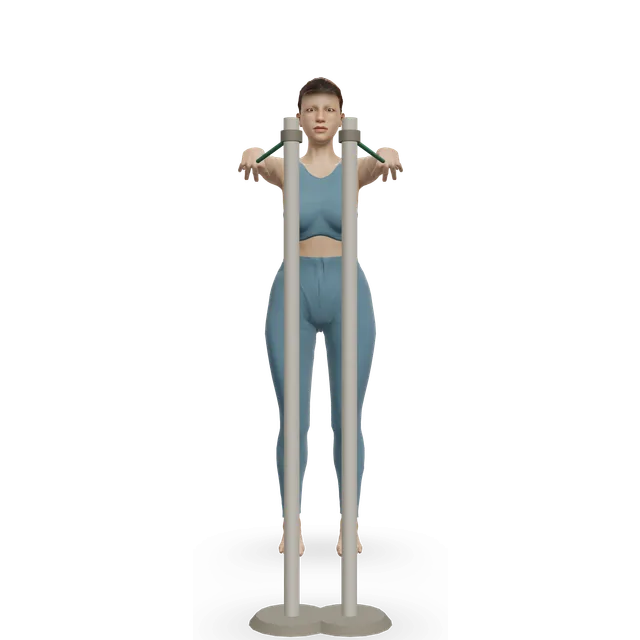
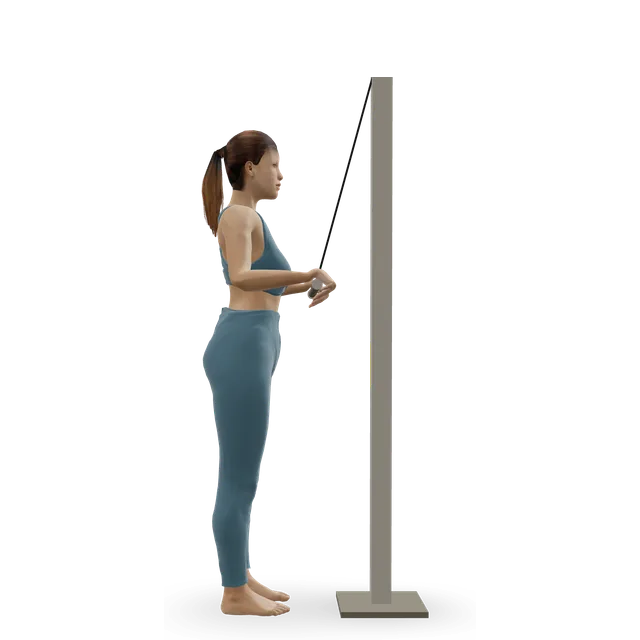
The STOMPS exercises and stretches: 3 days a week with a rest day between, done sitting in your wheelchair with the brakes on. The seated band pull-down page's dose is the trial's 3 sets of 8; our wheelchair users guide gives the sets for the rest of the programme. Keep every set pain-free.

More upper-body strength

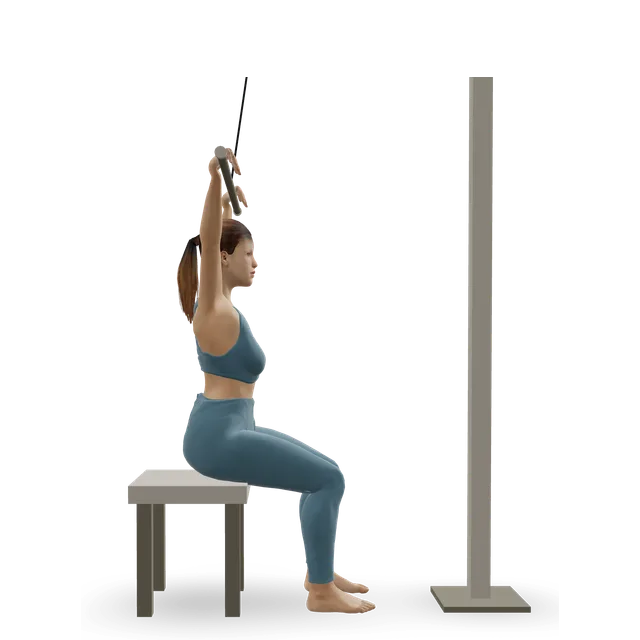
Twice a week, starting with 3 sets of 8 to 10, as SCI Action Canada's home guides suggest. Strap weights to your wrists or loop bands round them if your grip is weak. If you push a manual wheelchair, keep the lat pulldown light and pain-free, or use the band pull-down from shoulder height instead (our suggestion).

Trunk, breathing and hands

Most days. The page doses: thoracic rotation, 6 each side; the table slide, 10 slow repetitions; the seated upper-back lift, 3 to 5 holds of 3 to 5 seconds; lateral breathing, 5 to 8 breaths; tendon glides, 4 to 6 of each position. With tetraplegia, ask your hand or occupational therapist before the hand exercises (our suggestion).

Electrical stimulation cycling, standing, walking and breathing training

Electrical stimulation (FES) cyclingStrong evidence

Functional electrical stimulation (FES) cycling uses small electrical currents to make paralysed leg muscles turn the pedals. In 92 studies with 999 adults, it improved the health of the leg muscles (high certainty) and may improve power and fitness (low certainty). In the first year after injury, it reduced muscle wasting. It needs specialist equipment and your spinal team's check, because electrical stimulation of muscles can set off dysreflexia.

Sources 32, 24, 12

StandingMixed evidence

A review of 36 studies of standing frames and other supported standing suggested 30 minutes 5 times a week, with stronger evidence for keeping range of movement than for bone. The Salisbury spinal treatment centre suggests 30 to 60 minutes, 3 to 5 times a week, where a frame is available. In a trial of 20 people, 6 weeks of standing didn't change bowel function, and in trials of standing and similar treatments, only a few improved bone density. Watch for light-headedness as you stand.

Sources 33, 13, 34, 25, 12

Walking training and exoskeletonsMixed evidence

In 5 trials with 309 people, walking on a treadmill with your body weight partly supported didn't improve walking speed or distance more than other rehabilitation. Adding electrical stimulation to walking training made no clear difference in 13 studies, and robotic exoskeletons didn't beat usual walking training for speed or distance in 15 trials with 579 people. They're tools your team may use if you have some leg movement.

Sources 30, 35, 36

Breathing muscle trainingEmerging evidence

After an injury in the neck, training the breathing muscles with a handheld device increased the amount of air you can breathe out by about 0.4 litres and made the breathing muscles stronger, in 11 studies with 212 people, without changing breathlessness. Programmes ran for 15 to 45 minutes, 3 to 7 days a week, for 4 to 10 weeks, and the studies were of poor quality. Do it only with a device and a plan from your team.

Sources 37, 38

StretchingMixed evidence

Across 49 studies, high-quality evidence found that regular stretching makes no meaningful short-term difference to joint range in people with neurological conditions (about 2 degrees), and side effects included skin breakdown, bruising, blisters and pain. Spinal teams still use positioning, range-of-movement work and stretches for comfort and spasm: follow their plan, and stop if a stretch marks your skin.

Sources 39, 13, 7

Workouts to follow

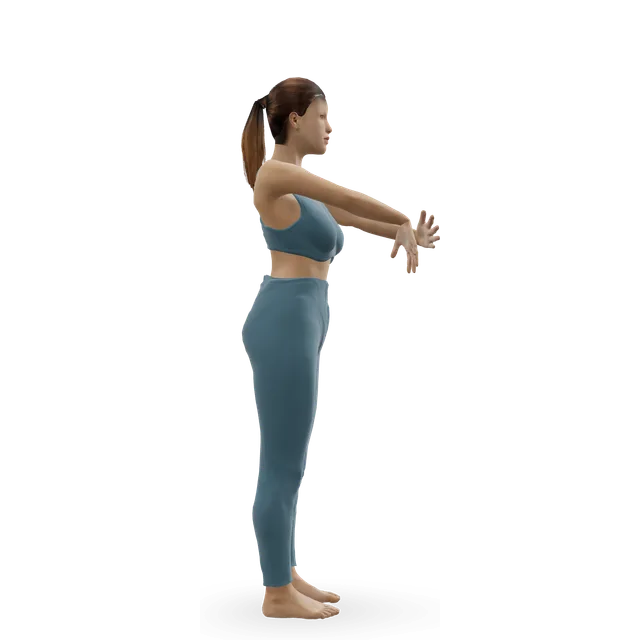
The wheelchair workout is the core session, with the four STOMPS shoulder exercises. In the seated workout for multiple sclerosis (MS), leave out the overhead press if you push a manual wheelchair, and the leg moves unless you have useful leg movement. Do the shoulder routine's band work sitting down, and skip moves overhead or on the floor. In the wrist routine, skip moves that put weight through your hands on all fours unless you're on a mat with help (our suggestion).

Wheelchair workout: seated cardio and shoulder-protecting strength

A 30-minute workout in your wheelchair: a warm-up, seated cardio, four shoulder exercises from a trial programme, and stretches for the front of the shoulders.

30 minBeginner14 movesA bench or box, A band

Seated workout for MS: cardio, strength and stretches from a chair or wheelchair

A 25-minute workout done sitting, in a chair or wheelchair: seated cardio intervals, light strength work, posture and stretches, with pacing and cooling built in.

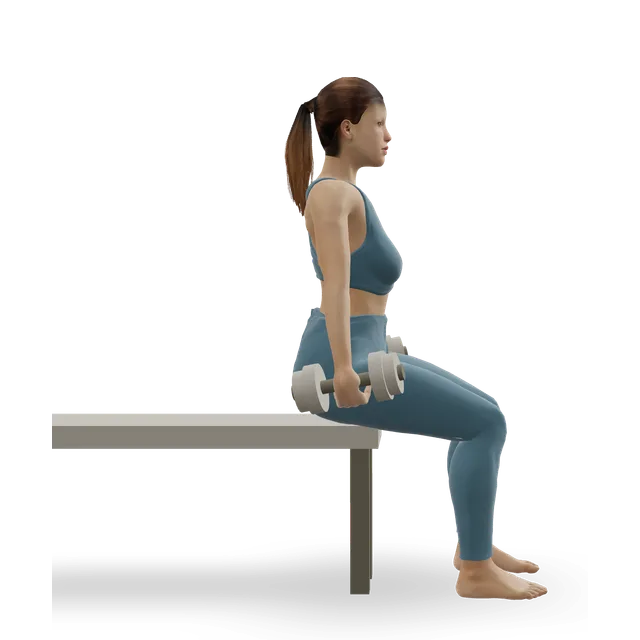
25 minBeginner14 movesA bench or box, A dumbbell

Seated chair yoga: 15 minutes, no standing

A 15-minute chair yoga routine done entirely sitting: slow breathing, neck, shoulder and wrist stretches, seated twists and side bends, and a calm finish.

15 minBeginner16 movesA bench or box

Shoulder mobility and stability routine (with a band)

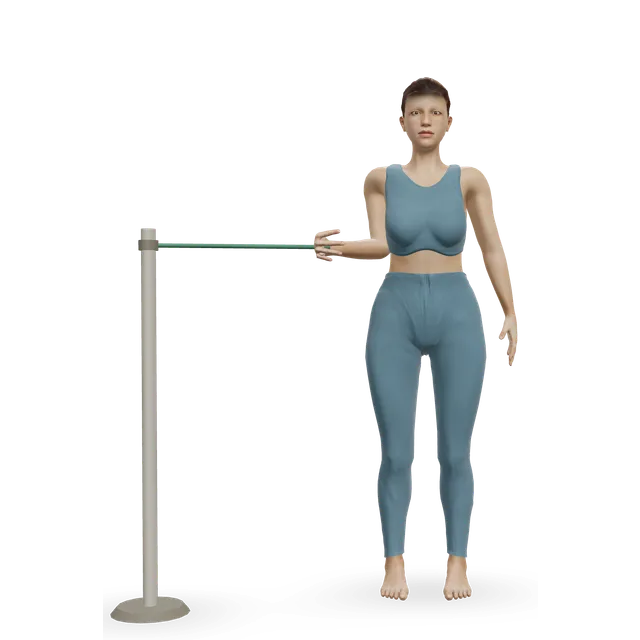
A 25-minute band routine for healthy shoulders: move the shoulder and upper back through their range, then strengthen the rotator cuff and shoulder blades.

25 minBeginner12 movesA wall, A band

Neck and shoulder stretches

Eight gentle neck and shoulder stretches for desk stiffness, done standing or seated in ten minutes.

10 minBeginner8 movesA wall

Wrist and forearm routine

Wrist mobility and forearm strength for desk work, climbing, push-ups and handstands.

10 minBeginner7 movesA wall, A dumbbell

Swim workout for beginners: lengths, rests and a steady continuous swim

A 30 to 45-minute beginner pool swim: a shoulder warm-up on the side, easy lengths, a main set of repeats with rests, and an easy swim down, any stroke.

35 minBeginner5 movesOther / check instructions

Staying safe

Before you start

  • empty your bladder, and your bowel if that's part of your routine
  • check that nothing is tight: straps, clothing, shoes and leg bags
  • put your brakes on, and anchor bands securely
  • tell your coach or instructor about medicines that affect your blood pressure, pain or spasm
  • with an injury at T6 or above, have a cold drink, a fan and a water spray ready

Sources 11, 14, 9

Autonomic dysreflexiaStrong evidence

The SIA calls autonomic dysreflexia "a sudden and potentially lethal rise in blood pressure" and says it "most commonly affects those with injuries at or above T6". It's set off by pain or irritation below the injury, even if you can't feel it, most often a full bladder; a blocked bowel, a pressure ulcer, an ingrown toenail, a burn, tight clothing or a broken bone can do it too. It can lead to a stroke, so the SIA says always treat it as an emergency. It can happen with an incomplete injury, sometimes with milder symptoms.

Sources 9, 10, 12

The signsStrong evidence

The signs can include the following, and sometimes there are few or none:

  • a pounding headache
  • flushing, blotchy or darker skin, and sweating, above your injury
  • pale skin below your injury
  • a stuffy nose
  • blurred vision or a tight chest
  • a slow or fast heartbeat
  • goose bumps or feeling anxious

Sources 10, 9, 12

What to do at onceStrong evidence

The SIA's steps, which the spinal cord medicine guideline agrees with:

  • Stop exercising. Sit up and drop your feet.
  • Loosen any clothing, straps or shoes, and check nothing is pressing on your skin.
  • Check your bladder first: a full bag, a kink in the tube, a bag above your bladder or a closed tap. If a catheter won't drain within 2 to 3 minutes, it needs changing.
  • Then check your bowel, then your skin and anything else below your injury that could hurt.
  • Use your prescribed dysreflexia medicine if you have a plan for it; your blood pressure can drop afterwards.
  • Call 999 if you can't find and remove the cause, or the symptoms don't settle.

Sources 9, 10, 12

Be preparedStrong evidence

Know your usual blood pressure. With an injury in the neck it's often 80 to 90 systolic (the top number), so the SIA warns that 120 to 130 could be dangerous for you; doctors define dysreflexia as a rise in the top number of more than 20 above your usual reading. Carry an emergency card, free from the SIA, and your dysreflexia kit.

Sources 9, 12

Low blood pressureStrong evidence

Blood pressure can drop when you sit up or stand, especially with an injury at T6 or above: in one study, in half of people with a neck injury and 18% of those with a thoracic (mid-back) injury, often without symptoms. The guideline's first steps aren't medicines: compression stockings, an abdominal binder, enough fluid and salt, reclining, and changing position slowly, as your team advises. If you feel faint, tilt back or recline and wait.

Source 12

Heat and coldStrong evidence

Below a high injury you may not sweat or shiver normally, so you can overheat during exercise or get cold. Exercise somewhere cool, with light clothing, cold drinks, a water spray and a fan; the Salisbury centre suggests a cold wet towel round the back of your neck. In the cold, wear layers and have warm drinks, and take great care with heaters near skin you can't feel. In one study, a cooling vest didn't help.

Overheating can cause a headache, a stuffy nose, tiredness and poor concentration, which can look like dysreflexia, so check your blood pressure if you can.

Sources 12, 11, 13, 14

Skin and pressure reliefStrong evidence

The Salisbury centre's manual says relieve pressure at least every 15 minutes, and the Canadian safety tips say every 10 to 15 minutes if pressure is a concern: the pressure-relief lean below shows how. No trial has tested how often. Don't exercise on a mark or sore over a pressure area, and check your skin every day and after new equipment. The National Institute for Health and Care Excellence (NICE) suggests a high-specification foam cushion, or one that spreads pressure as well, for wheelchair users.

Sources 13, 11, 14, 40, 41

Fragile bones below the injuryStrong evidence

The bones below your injury get weaker, so handle your legs carefully in transfers and avoid knocks: a fall can break them. A broken leg can lead to pressure injuries and dysreflexia, and often heals slowly, so get any swelling, redness or change in shape checked, even if it doesn't hurt (our suggestion). Ask your spinal centre about bone health.

Sources 13, 14, 26, 42

SpasmsEmerging evidence

Staying supple and active, standing where that suits you, and lying on your front for half an hour a day can ease spasms, the Salisbury manual says. New or worse spasms can warn of a problem below your injury, such as a pressure ulcer, an ingrown toenail, constipation or a urine infection.

Source 13

BoostingStrong evidence

Setting off dysreflexia on purpose to perform better, known as boosting, is dangerous, and it's banned in Paralympic sport.

Source 12

PregnancyStrong evidence

With an injury at T6 or above, pregnancy, labour and breastfeeding can set off severe dysreflexia: make sure your maternity team knows, and plan your care with them.

Sources 12, 9

Every day: pressure relief

Written steps, with no 3D demo yet. At least every 15 minutes, a slow count of 20 each side: the Salisbury spinal treatment centre's advice, which no trial has tested.

Sport and finding activities

Where to start

WheelPower's guide to activity after a spinal cord injury, written with people with spinal cord injuries, health professionals and charities, links to strength guides, a wheelchair skills app and Every Body Moves, a search for inclusive activities. Its Inter Spinal Unit Games bring patients from the 15 spinal units in the UK and Ireland to Stoke Mandeville within a year of injury. The Salisbury manual points to wheelchair sports, and most pools have hoists.

Sources 28, 13

Swimming

Swimming counts as aerobic exercise in the guidelines, and most pools have hoists. Swim where there's a lifeguard, and protect your skin from knocks and rough pool edges (our suggestion).

Sources 3, 13

When to get help

This is general information, not a diagnosis. In the US, call 911 where this page says 999.

Call 999 for dysreflexia you can't settle

The SIA says that if you have the signs of autonomic dysreflexia and the cause can't be found, treat it as a medical emergency and call 999.

Sources 10, 9

Chest pain or collapse

Call 999 (911 in the US) for chest pain, severe difficulty breathing or someone who collapses during or after exercise. Our heart disease guide lists the signs.

Stop exercising if

  • you feel pain, discomfort, sickness, dizziness or light-headedness
  • you get chest pain or breathlessness
  • you notice signs of dysreflexia: stop, sit up and look for the cause
  • you feel overheated, or faint when you sit up: tilt back or recline and wait

Sources 14, 6, 12

Get an urgent GP appointment or call NHS 111

The National Health Service (NHS) says get urgent advice for a pressure ulcer with:

  • red, hot or swollen skin around it
  • pus coming from it
  • a high temperature
  • pain that's severe or getting worse

Source 41

A knock, a fall or a swollen leg

Get a leg or arm checked the same day if it looks swollen, red, hot or misshapen after a knock, a fall or a transfer, even if it doesn't hurt: a broken bone below the injury can set off dysreflexia and heal slowly, so early care matters (our suggestion).

Sources 9, 42, 26

Tell your spinal team or GP soon

  • shoulder, elbow or wrist pain, or numbness in your hands: the upper limb guideline says treat pain early
  • a red mark over a pressure area: stay off it until it fades, and see a GP if a patch doesn't change colour when you press it
  • frequent light-headedness when you sit up
  • new or worse spasms
  • any new loss of movement or feeling, or a change in your bladder or bowels (our suggestion)

Sources 7, 13, 41, 12

Your mood

The WHO lists depression among the conditions that can follow a spinal cord injury. Exercise can help your mood, but see a GP if low mood lasts; our depression guide says where to get urgent help.

Sources 15, 23

Myths

"Exercise can't help after a spinal cord injury"Strong evidence

In 189 studies, exercise improved fitness, strength, body composition and heart risk markers, with moderate to high confidence. A 9-month trial raised arm-cranking power by 81%, and wellbeing and quality of life improved in 19 trials.

Sources 1, 2, 22, 23

"If I can't do 150 minutes a week, there's no point"Strong evidence

The fitness guideline's minimum is 20 minutes twice a week plus strength work twice a week, the smallest amount shown to work, and the UK Chief Medical Officers say even a little movement is better than nothing.

Sources 1, 4

"Exercise will wear out my shoulders"Emerging evidence

Arm cranking hasn't been found to raise the risk of shoulder pain, the upper limb guideline says its advice isn't a reason to cut all activity, and shoulder strengthening cut pain in a trial. How you push, transfer and reach, and keeping your shoulder muscles strong, matter most.

Sources 5, 7, 8

"Standing or FES cycling will rebuild the bone in my legs"Mixed evidence

FES cycling builds leg muscle, but only 3 of 11 trials of stimulation, standing and similar treatments improved bone density, and the guidelines found no bone benefit from exercise.

Sources 32, 25, 1

"Standing every day keeps your bowels working"Emerging evidence

In a trial of 20 people, 6 weeks of standing 30 minutes 5 times a week made no difference to bowel function. Standing may help other things, such as range of movement.

Sources 34, 33

"Treadmill training in a harness is the way to walk again"Mixed evidence

It wasn't better than other rehabilitation for walking speed or distance in 5 trials, and neither were electrical stimulation added to walking training nor robotic exoskeletons. Walking training is a tool your team may use if you have some leg movement.

Sources 30, 35, 36

"Dysreflexia only happens with complete injuries"Strong evidence

The SIA says people with incomplete injuries can have it too, though their symptoms can be less severe. It mainly affects people with an injury at T6 or above, complete or incomplete.

Source 9

"Boosting is a harmless way to perform better"Strong evidence

The spinal cord medicine guideline calls it a dangerous practice that can cause uncontrollable, life-threatening rises in blood pressure, and it's banned in Paralympic sport.

Source 12

"Daily stretching will stop my joints stiffening"Mixed evidence

Across 49 trials, stretching made no meaningful short-term difference to joint range in neurological conditions (high-quality evidence). Your spinal team still uses positioning and stretches for comfort and spasm, so follow their plan, and stop if a stretch marks your skin.

Sources 39, 13

Questions people ask

How much exercise should I do after a spinal cord injury?

For fitness and strength, at least 20 minutes of moderate to vigorous aerobic exercise twice a week, plus 3 sets of strength exercises for each major muscle group you can use, twice a week. For heart and metabolic health, build to 30 minutes 3 times a week. These are minimums; longer term, the UK suggests working towards 150 minutes a week if you can.

What are the best exercises for paraplegia?

A mix of seated cardio, such as an arm bike, hand cycling, wheeling or swimming, and strength training for the muscles you can use, with extra work for the back of your shoulders. Rows, turning the arm outwards with a band, pull-downs from shoulder height and raises to shoulder height are the shoulder exercises from the STOMPS trial. Trunk exercises depend on how much control you have of your tummy and back muscles.

What exercises can I do with tetraplegia?

Arm cycling with grip aid gloves, wheeling, and strength work with bands looped round your wrists or weights strapped on: rows, pull-downs, biceps curls, rotator cuff work, chest presses and raises. SCI Action Canada's home guide starts with 3 sets of 8 to 10. Your spinal team will tell you which muscles to train, and whether a trunk belt or binder will help.

Can exercise help me walk again?

Exercise improves fitness, strength and health, but it doesn't repair a spinal cord injury. If you have some leg movement, your team may use walking practice, but treadmill training with your weight supported and exoskeletons haven't beaten other rehabilitation for walking speed or distance. Ask your spinal centre what's realistic for your injury.

Is FES cycling worth it?

Cycling powered by electrical stimulation of the leg muscles (FES) improves the health of paralysed leg muscles, with high-certainty evidence from 92 studies, and may improve fitness. It hasn't been shown to rebuild bone reliably. It needs specialist equipment and your spinal team's check, because electrical stimulation can set off dysreflexia.

Should I use a standing frame?

If your team provides one, the Salisbury spinal treatment centre suggests standing for 30 to 60 minutes, 3 to 5 times a week, mainly to help keep range of movement and manage spasm. Its effect on bone is mixed, and in one trial it didn't change bowel function. Watch for light-headedness as you stand.

Is it safe to exercise with an injury at T6 or above?

Yes, with precautions: empty your bladder first, check nothing is tight, keep cool, and know the signs of autonomic dysreflexia. Your heart rate may not rise much, so use the talk test rather than heart rate zones. Stop if you feel dizzy, overheated or unwell.

What should I do if I get dysreflexia while exercising?

Stop, sit up and drop your feet, loosen anything tight, and look for the cause: your bladder first, then your bowel, then your skin. Use your prescribed medicine if you have a plan for it, and call 999 if you can't find and remove the cause or the symptoms don't settle. Carry an emergency card from the Spinal Injuries Association.

How do I stop overheating when I exercise?

Exercise somewhere cool, wear light clothing, have cold drinks, and use a water spray and a fan; a cold wet towel round the back of your neck helps too. A headache, a stuffy nose, tiredness or poor concentration can mean overheating, but they can also be dysreflexia, so check your blood pressure if you can.

Can exercise help me lose weight after a spinal cord injury?

Exercise improves body composition after a spinal cord injury, though for arm cranking alone the effect on body fat is very uncertain. Changes to eating matter too. BMI underestimates body fat after a spinal cord injury, so ask your team how best to track it.

How do I protect my shoulders?

Strengthen the muscles that pull your arm down and back and turn it outwards, stretch the front of your chest, and avoid any strengthening that hurts. Transfer between surfaces of about the same height, grip the edge rather than putting your palm flat, and lean rather than push up to relieve pressure. Get shoulder pain treated early.

When can I start exercising after a spinal cord injury?

Exercise starts in rehabilitation, with your spinal centre's team. The international guidelines were written for people more than a year after injury, so if you're earlier than that, 65 or over, or have other health conditions, check with a health professional before starting a programme.
Sources

  1. Martin Ginis 2018 · Scientific exercise guidelines for adults with spinal cord injury (international guideline, Spinal Cord)

  2. van der Scheer 2017 · Exercise, fitness and health in adults with spinal cord injury: 211 studies (systematic review, Neurology; abstract read)
  3. SCI Guidelines, University of British Columbia 2024 · Physical activity guidelines for adults with spinal cord injury (community version)
  4. UK Chief Medical Officers · Physical activity for disabled adults (infographic text, updated July 2026)
  5. Chiou 2022 · Arm-crank exercise in adults with chronic spinal cord injury: 18 studies (systematic review, Frontiers in Physiology; abstract read)
  6. SCI Action Canada 2012 · Active Homes: home strength-training guide for people with tetraplegia (hosted by WheelPower)
  7. Consortium for Spinal Cord Medicine 2005 · Preservation of upper limb function after spinal cord injury (clinical practice guideline, Journal of Spinal Cord Medicine)
  8. Mulroy 2011 · STOMPS: shoulder strengthening and movement advice for 80 people with paraplegia and shoulder pain (randomised controlled trial, Physical Therapy; abstract read)
  9. Spinal Injuries Association 2022 · Autonomic dysreflexia (factsheet)
  10. Spinal Injuries Association · Autonomic dysreflexia
  11. SCI Guidelines, University of British Columbia · Safety tips for physical activity after spinal cord injury
  12. Krassioukov 2021 · Autonomic dysreflexia and other autonomic problems after spinal cord injury (clinical practice guideline, Journal of Spinal Cord Medicine)
  13. Salisbury NHS Foundation Trust 2024 · Living with a spinal cord injury (Duke of Cornwall Spinal Treatment Centre patient manual)
  14. Loughborough University, Peter Harrison Centre for Disability Sport · Fit for Life: spinal cord injury
  15. World Health Organization 2024 · Spinal cord injury (fact sheet)
  16. Spinal Injuries Association 2023 · What is a spinal cord injury? (factsheet)
  17. Spinal Injuries Association · Understanding spinal cord injury
  18. Cragg 2013 · Heart disease and stroke after spinal cord injury in a national survey of over 60,000 people (cross-sectional study, Neurology; abstract read)
  19. Nash 2018 · Cardiometabolic risk after spinal cord injury (clinical practice guideline, Topics in Spinal Cord Injury Rehabilitation)
  20. Mulroy 2020 · A primary care provider's guide to shoulder pain after spinal cord injury (Topics in Spinal Cord Injury Rehabilitation; abstract read)
  21. Spinal Cord Injury Ontario 2018 · Language guidelines: keeping communications inclusive
  22. Hicks 2003 · Nine months of arm cranking and strength training in 34 people with spinal cord injury (randomised controlled trial, Spinal Cord; abstract read)
  23. Ponzano 2024 · Exercise, mental health and quality of life after spinal cord injury: 19 trials (meta-analysis, Archives of Physical Medicine and Rehabilitation; abstract read)
  24. Richings 2023 · Exercise in the first year after a spinal cord injury: 4 studies (systematic review, Archives of Rehabilitation Research and Clinical Translation; abstract read)
  25. Lippi 2023 · Rehabilitation for bone loss after spinal cord injury: 11 trials (systematic review, Journal of Back and Musculoskeletal Rehabilitation; abstract read)
  26. Zleik 2019 · Preventing and managing osteoporosis after spinal cord injury (scoping review, Journal of Spinal Cord Medicine; abstract read)
  27. Hoekstra 2020 · Turning the spinal cord injury exercise guidelines into Canadian community guidelines (Spinal Cord; abstract read)
  28. WheelPower · Physical activity after a spinal cord injury
  29. SCI Action Canada 2011 · Active Homes: home strength-training guide for people with paraplegia (hosted by WheelPower)
  30. Mehrholz 2012 · Locomotor training for walking after spinal cord injury: 5 trials (Cochrane review; abstract read)
  31. Wellisch 2022 · Treating shoulder pain in manual wheelchair users with spinal cord injury: 4 trials (meta-analysis, Spinal Cord; abstract read)
  32. van der Scheer 2021 · Electrical stimulation cycling after spinal cord injury: 92 studies (systematic review, Journal of NeuroEngineering and Rehabilitation; abstract read)
  33. Paleg 2015 · How much supported standing at home: 36 studies (systematic review, BMC Musculoskeletal Disorders; abstract read)
  34. Kwok 2015 · Regular standing and bowel function in 20 people with spinal cord injury (randomised crossover trial, Spinal Cord; abstract read)
  35. Unger 2026 · Electrical stimulation added to walking training after an incomplete spinal cord injury: 13 studies (meta-analysis, Neurorehabilitation and Neural Repair; abstract read)
  36. Liu 2025 · Robotic exoskeletons against conventional walking training after spinal cord injury: 15 trials (meta-analysis, Journal of NeuroEngineering and Rehabilitation; abstract read)
  37. Berlowitz 2013 · Breathing muscle training after a spinal cord injury in the neck: 11 studies (Cochrane review; abstract read)
  38. Rodrigues 2025 · Breathing muscle training after a spinal cord injury in the neck: 9 studies (systematic review, Journal of Spinal Cord Medicine; abstract read)
  39. Harvey 2017 · Stretch for the treatment and prevention of contractures: 49 studies (Cochrane review; abstract read)
  40. NICE CG179 · Pressure ulcers: prevention and management (guideline, 2014)
  41. NHS · Pressure ulcers (pressure sores) (reviewed July 2023; review was due July 2026)
  42. Carbone 2022 · Managing a broken leg in people with a long-standing spinal cord injury (Delphi consensus, JBJS Open Access; abstract read)

Exercise education, not a diagnosis or treatment plan, and clinical review of these guides is pending. Stop and get advice for chest pain, unusual breathlessness, dizziness or fainting, or new pain, and check with your doctor or midwife first if they have told you to limit activity. Health disclaimer.