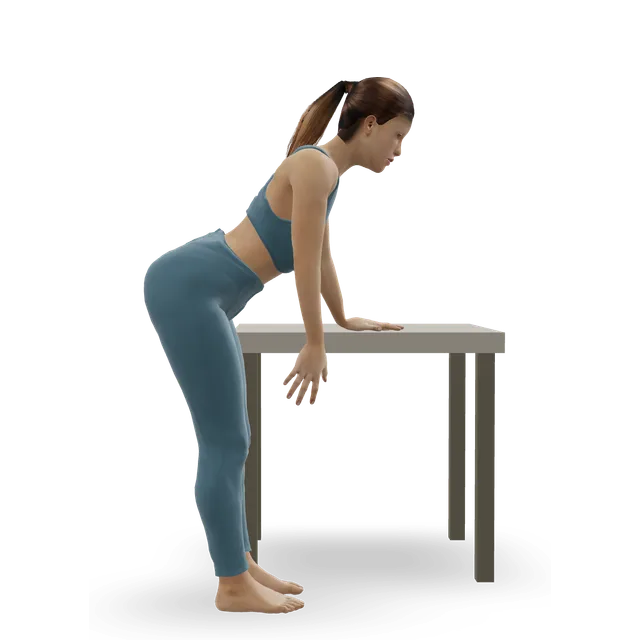
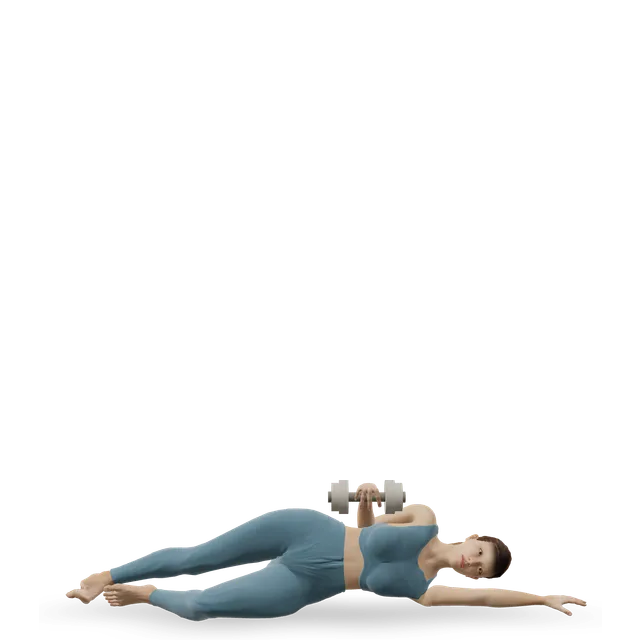
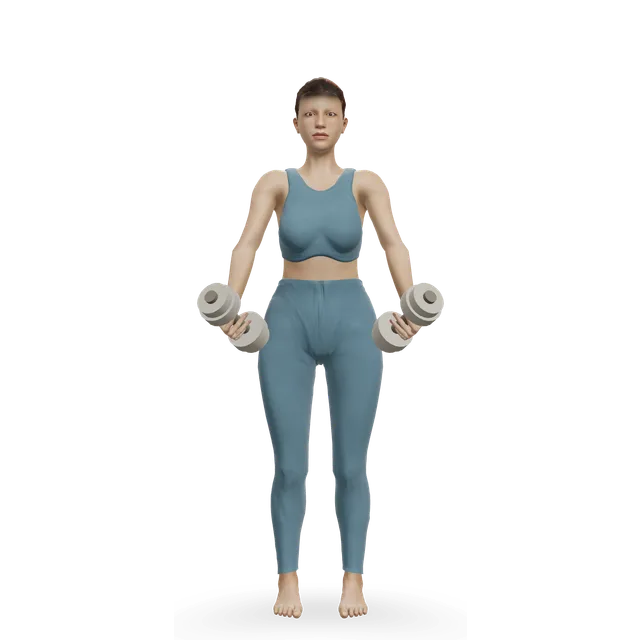
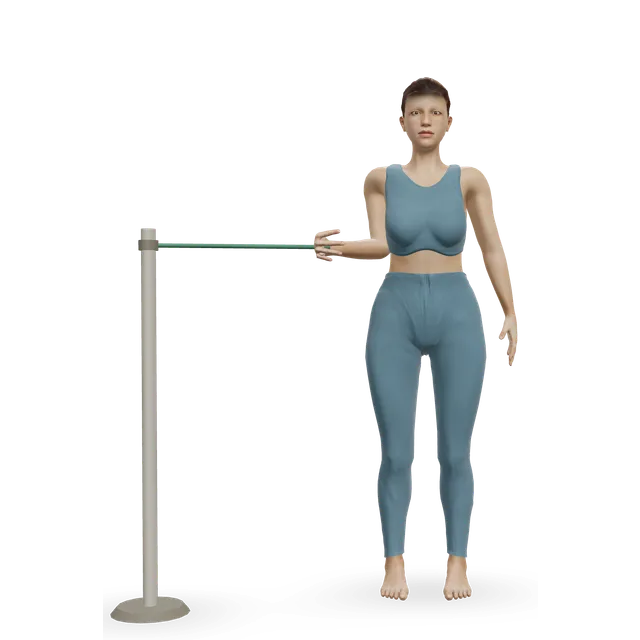
Common, and usually the rotator cuff or the shoulder blade musclesStrong evidence
US orthopaedic surgeons name sprains and strains of the back and shoulders as the commonest snow clearing injuries. Shoulder pain is common anyway: about 1 in 6 people have it at any one time, in a review of 61 population studies.
The NHS describes impingement as pain at the top and outside of the shoulder that is worse when you lift your arm, especially above your head. Scooping, lifting a loaded shovel to throw it, and holding it away from the body all work the rotator cuff.
Sources 1, 2, 3, 4
Why shovelling and throwing load the shoulderEmerging evidence
No study has measured the shoulder while shovelling: the shovel lab studies measured the back, trunk bending or effort. So the evidence comes from workers. Forceful, repeated and awkward arm work is linked with shoulder tendon pain, and a 2024 update found the strongest evidence for raising the arm, repetition, force and vibration. In German men, more than 3,195 hours of work with the arms raised over a working life about doubled the odds of a painful supraspinatus tear, and in Denmark years of raised-arm and forceful work went with rotator cuff and AC joint surgery. A heavy snowfall is a short burst of the same kinds of load (our reading); it can flare a cuff that has been quietly wearing with age.
US orthopaedic surgeons say don't throw snow over your shoulder or to the side. Pushing is easier on the heart than lifting, but heavy, frequent pushing and pulling at work is linked with shoulder symptoms (effect sizes 1.5 to 4.9 across 7 studies of workers), and in a lab a lighter load and a comfortable handle height lowered the load on the back and shoulders.
Sources 5, 6, 7, 8, 9, 10, 11, 1, 12, 13, 14
Age, wear and tearsStrong evidence
US orthopaedic surgeons say most rotator cuff tears come from the tendon wearing down slowly over time, which naturally happens as we age and is mostly painless. Rotator cuff changes rose from about 1 in 10 people aged 20 and under to 62% at 80 and over, across 6,112 shoulders, and in a Japanese village tears without symptoms were twice as common as tears with them. So a scan showing wear doesn't prove shovelling caused it.
A sudden strain or a fall is different. The surgeons say a fall on your outstretched arm or lifting something too heavy with a jerk can tear the rotator cuff. Of 259 adults with sudden shoulder pain and weakness after an injury and a normal X-ray, 60 (23%) had a fresh full-thickness tear on a magnetic resonance imaging (MRI) scan. After a dislocation, a cuff tear or a break of the bony bump at the top of the arm was found in a third of 3,633 people, more often in women aged 60 or over after low-energy falls, and in more than half of a small group of older people.
Sources 15, 16, 17, 18, 19, 20, 21
The AC jointEmerging evidence
US orthopaedic surgeons say the commonest cause of a separated AC joint is a fall directly onto the shoulder. These injuries are uncommon, about 2 in 10,000 people a year in two European studies, nearly all from a direct blow, and mostly in men in their 30s.
AC joint wear shows on most MRI scans after 40, rising to everyone over 70, and is an uncommon reason for people to seek care, so a scan finding needs to match the pain.
Sources 22, 23, 24, 25, 26
A fall on iceStrong evidence
In Sweden, slipping on ice or snow caused 50,500 fractures in 8 years, 9% of all adult fractures: the wrist was commonest (34%), then the ankle (18%), the top of the arm bone (11%) and the hip (10%). Women had 77% of the upper arm fractures. Arm fractures rose about 3 times on Cardiff's days of snow and ice, and slipping injuries ran at about 3.5 per 1,000 people a winter in northern Sweden, most often in older women, two thirds of whose injuries were fractures, mostly of the arm.
In older adults a fall usually breaks the top of the arm bone, mostly in fit older people, and half of these fractures barely shift out of place. Younger adults more often break the collarbone, usually in a direct fall on the shoulder, or dislocate it (about 24 in 100,000 people a year in the US, most after falls). In the UK, dislocations become more common in women over 50.
Sources 27, 28, 29, 30, 31, 32, 33, 34, 35
The heart: when shoulder or arm pain may not be the shoulderStrong evidence
The NHS lists chest pain that may spread to your arm, neck and jaw among heart attack symptoms, and the NHS chest pain page names pain that spreads to your left or right arm. In people with chest pain, pain spreading to one or both shoulders or arms, or brought on by exertion, makes a heart cause more likely, and pain into both arms at once is one of the strongest signs. Most people with sudden chest pain don't have a heart attack (about 1 in 10 do), but the symptoms alone can't rule it out, which is why shoulder or arm pain during exertion with chest, breathing or sweating symptoms is treated as the heart until checked.
Shovelling is mostly arm work, which the American Heart Association says is more taxing on the heart than leg work: arm work raises heart rate more than leg work for the same effort, and in 33 men with heart disease the arms reached the same heart workload, and angina, at well under half the work the legs could do. After a New York blizzard, most people with shovelling-related heart attack or angina had no known heart disease.
Sources 36, 37, 38, 39, 40, 41, 42, 43, 44
When a scan or test mattersEmerging evidence
For ordinary shoulder pain after shovelling, no scan is needed at first: a health professional examines you and may send you for tests, such as an X-ray, to check the cause. An X-ray matters after a fall with a possible fracture or dislocation. Sudden weakness lifting the arm after an injury needs a same-day check, because a fresh tear may need a specialist soon. Cuff and AC joint changes are common without pain, so a scan finding needs to match your symptoms. Chest, arm or shoulder pain that might be the heart needs an electrocardiogram (ECG) and blood tests in hospital, not a shoulder scan.
Sources 45, 46, 47, 19, 16, 25, 36
How it usually goesEmerging evidence
The NHS says you usually need about 2 weeks of looking after it yourself before shoulder pain starts to ease, and it can take 6 months or longer to recover; NHS inform says new shoulder pain should begin to settle within 6 weeks in many cases. Across 16 studies, about half of new shoulder problems had fully recovered by 6 months, with high pain at the start the clearest sign of a slower course, and in 587 people in general practice new pain did best. No one can promise a date.
Sources 45, 48, 49, 50