Fascia guide

Yoga for fascia release: slow holds and yin yoga, flowing and bouncing movement, what the evidence shows, and a class

Yoga is often sold as fascia release: long yin holds to "remodel" connective tissue, flowing sequences to "hydrate" it, bounces to make it springy. Yoga does load fascia, along with muscles, tendons and nerves, and a held pose changes how the tissue behaves for a while. But no trial has measured fascia after yoga. What changes over weeks is mostly range, comfort and how much stretch you tolerate.

The honest headline: enjoy yoga for flexibility, balance and calm, hold poses for 30 to 60 seconds (longer if you like it), and skip the promises about remodelling fascia.

This guide starts with the cautions, then explains what happens during a hold and over weeks, what yin, restorative, flowing and hot yoga can and can't do, how long to hold a pose, and a 27-minute class that flows first and holds after.

The short version

No trial has measured fascia after yoga

We found no yoga trial that measured fascia. The closest study followed 81 healthy women for 6 months and found lower stiffness in the hamstring and upper back muscles on ultrasound elastography in those doing yoga, but the groups weren't clearly randomised and it measured muscle, not fascia.

Source 1

A hold relaxes tissue for a while

During a 90-second hamstring stretch, the tissue's resistance fell by about a third as it relaxed. In animal tissue, fascia lost water during a stretch and regained it afterwards, and connective tissue cells changed shape within minutes. These are short-term, mostly laboratory findings.

Sources 2, 3, 4

Over weeks, it's mostly tolerance

Stretching programmes of 3 to 8 weeks barely changed muscle or tendon stiffness; the extra range came mainly from tolerating more stretch. Longer static stretching programmes did lower muscle stiffness moderately.

Sources 5, 6, 7

Yin's long holds haven't been shown to remodel fascia

The yin yoga trials measured anxiety, sleep and a blood stress marker, not tissue. Enjoy yin for calm. Our yin yoga guide covers the style.

Sources 8, 9

30 to 60 seconds is enough for range

30-second holds worked as well as 60 in younger adults, 60 seconds did better over 65, and gains levelled off at about 4 minutes of stretching per area per session.

Sources 10, 11, 12

Yoga still helps, and it's about as safe as other exercise

Yoga improved lower body flexibility and balance in older adults, and gave small gains in long-term back pain, about the same as other exercise. Across 94 trials, its side effects matched usual care and other exercise.

Sources 13, 14, 15

Before you start: who should change what

These are the site's yoga cautions; our yoga guides have the detail for each.

Hypermobility

The NHS says don't overextend your joints just because you can, and that the main treatment for joint hypermobility syndrome is building muscle strength and fitness.

Choose classes that build strength and control in the middle of your range, avoid hanging at the end of your range (locked knees or elbows, deep splits and backbends, long passive yin holds), and tell the teacher.

Take care with yin yoga's long passive holds and fast flows with lots of weight on the hands, and avoid hot yoga if you get dizzy.

Osteoporosis and bending forward

Case series describe spinal fractures after yoga forward bends in people with low bone density, and a UK consensus advises modifying or avoiding sustained, repeated or end-range forward bending. If you have or might have osteoporosis, fold half way with a flat back.

Source 16

Pregnancy

In later pregnancy, avoid lying flat on your back for more than a few minutes.

Source 17

High blood pressure and holding the breath

Standing holds raise blood pressure and heart rate like static exercise. Keep breathing, especially if you have high blood pressure.

With high blood pressure that isn't under control, avoid long head-down holds and sit up slowly at the end.

Glaucoma and head-down poses

Glaucoma UK advises avoiding positions that keep the head below the heart for a long time.

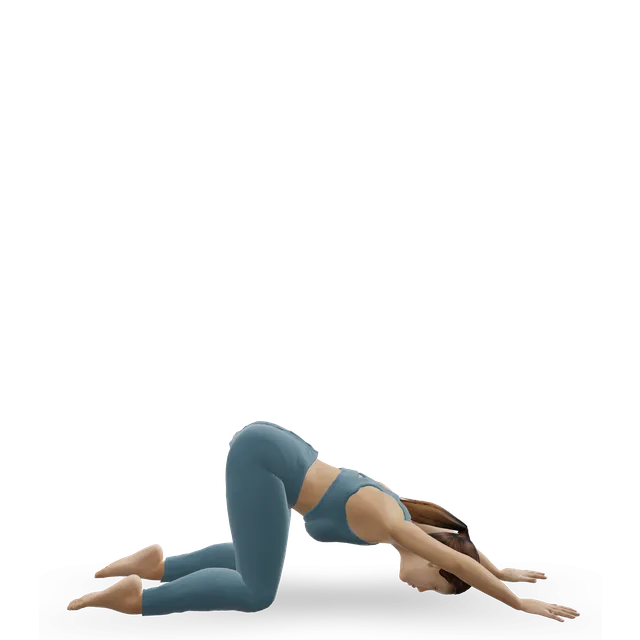
Skip melting heart and snail, and in child's pose rest your forehead on stacked cushions (our suggestion).

Hot yoga

Hot yoga raises body temperature and heart rate, and case reports describe people becoming unwell after sessions: drink regularly, and stop and cool down if you feel dizzy, sick or faint (our suggestion, from a 2025 review of 43 hot yoga studies).

Source 18

Stop, and when to get help

Stop the pose

Stop straight away if you feel any pain or become unwell. Come out of a pose for sharp or increasing pain; pain, pins and needles or numbness travelling down an arm or leg; dizziness; or a sudden headache or change in your vision. Come up slowly from forward folds.

Come out of any pose that brings on tingling, numbness, pins and needles or sharp pain, or that hurts as you come out. If numbness or weakness in a foot or leg doesn't settle soon after, see a GP (our suggestion).

Call 999

For chest pain that feels tight or like squeezing, or spreads to your arms, neck or jaw; severe difficulty breathing; or signs of a stroke, such as one side of the face drooping, arm weakness or speech problems.

What yoga does to fascia, during a hold and over weeks

Yoga loads everything at once

Every pose loads muscles, tendons, joint capsules, nerves and fascia together. Dense fascia barely deforms under the forces involved, so yoga doesn't lengthen or "release" the tough sheets; what changes is how the tissues behave for a while and how much stretch you tolerate.

Source 19

During a hold: the tissue relaxes

In a 90-second static hamstring stretch, resistance fell by 33% in uninjured people and 38% in people with a spinal cord injury, who can't tighten the muscle, with no measurable muscle activity. That is the tissue relaxing under a steady stretch, and it springs back afterwards.

Source 2

During a hold: water moves, cells respond

In pig fascia removed from the body, a stretch squeezed fluid out; during 30 minutes of rest it came back and overshot, and the tissue was briefly stiffer. In mouse tissue held at a 25% stretch, connective tissue cells spread out over 10 minutes to 2 hours, and in rats, 10 minutes of stretching twice a day helped settle inflammation. Nobody has measured these in people doing yoga.

Sources 3, 4, 20

A long stretch can briefly lower fascia stiffness

In 40 adults, one intense 5-minute static calf stretch lowered deep fascia stiffness, measured straight afterwards; 5 minutes of moving stretches didn't. Whether gentler yoga holds do the same is unknown.

Source 21

Over weeks: tolerance first

After a 3-week stretching programme, people reached further at a higher pull, but the muscle's stiffness hadn't changed: they tolerated more. Across 26 studies of 3 to 8 weeks, muscle and tendon stiffness changed trivially. Across 10 studies of 3 to 12 weeks, static stretching did lower muscle stiffness moderately, and an expert panel agreed that stretching reduces muscle stiffness.

Sources 22, 5, 6, 7, 23

Yoga itself

In 81 healthy women, 6 months of yoga went with steadily lower stiffness in the upper trapezius and hamstrings on shear-wave elastography, while 30 women who didn't practise showed no change. The groups were assigned, not clearly at random, and the study measured muscle, not fascia.

Source 1

Yin and restorative yoga

Yin holds floor poses for minutes with the muscles relaxed; restorative yoga supports the body so you barely stretch. In 105 stressed adults, 5 weeks of yin lowered anxiety, sleep problems and a blood stress marker against no yoga, and in 48 women, 10 weeks of online yin lowered anxiety. Neither measured flexibility or fascia. Our yin yoga and restorative yoga guides cover the styles.

Sources 8, 9

Flowing and bouncing

Flowing yoga moves tissue through many directions; bouncing at the end of a stretch uses momentum. For lasting range, held and contract-relax stretching did better than bouncing or moving stretches across 77 studies. The "fascia-oriented training" ideas of elastic recoil, bounces and rehydration come from a narrative paper that proposed them, not from trials. Springy training for tendons has its own guide: fascial fitness.

Sources 24, 21, 25

Hot yoga

Across 43 studies (942 people), hot yoga at 30 to 52 °C raised body temperature and heart rate, and longer programmes improved flexibility among other things. Claims that it beats other yoga are unsubstantiated, and no study measured fascia.

Source 18

Yoga or Pilates?

In 23 adults with stress, 8 weeks of yoga or Pilates, twice a week, gave similar gains in flexibility and balance. Neither measured fascia; our Pilates for fascia guide covers the other side.

Source 26

What the evidence says

Fascia after yoga: not measuredEmerging evidence

No trial has measured fascia after yoga. One non-randomised study found lower muscle stiffness after 6 months of yoga in 81 women.

Source 1

Flexibility and balance in older adultsStrong evidence

Across 22 randomised trials in adults over 60, yoga improved lower body flexibility (an effect size of 0.5 against no exercise, 0.28 against other exercise) and balance (0.7).

Source 13

Long-term back painStrong evidence

Across 21 trials (2,223 people), yoga improved back function by 1.7 points on a 24-point scale against no exercise, below the 5 points that matter to people, and eased pain by about 5 points out of 100 (low to moderate certainty). Against other back exercise there was little or no difference. No trial compared yoga with a sham.

Source 14

Tolerance against tissueStrong evidence

Weeks of stretching raise range mostly by raising tolerance, with trivial changes in muscle and tendon over 3 to 8 weeks.

Sources 5, 6, 22

Hold lengthEmerging evidence

In 93 adults aged 21 to 39, holding a hamstring stretch for 30 seconds once a day did as well as 60 seconds or three times a day. In 62 people aged 65 to 97, 60-second holds gained more. Across 189 studies (6,654 adults), gains levelled off at about 4 minutes per session and 10 minutes a week per muscle, and across 77 studies, how long or how often people stretched made no clear difference.

Sources 10, 11, 12, 24

Held against bouncing stretchesStrong evidence

Held and contract-relax stretching built more lasting range than ballistic or moving stretching across 77 studies, and a 5-minute moving stretch didn't lower fascia stiffness while a static one briefly did.

Sources 24, 21

SafetyStrong evidence

Across 94 trials (8,430 people), yoga's side effects matched usual care and exercise. In back pain trials, more people had a temporary rise in back pain with yoga than with no exercise (43 against 9 per 1,000), about the same as with other exercise.

Sources 15, 14

Where the evidence is thin

No yoga style has been tested on fascia, the yin trials measured mood rather than tissue, and the laboratory findings on fascia's water and cells come from animal tissue. We read most studies' summaries (abstracts), not their full texts.

How to hold a pose for range: the low lunge, step by step

The hold times come from stretching dose trials (Bandy 1997, Feland 2001, Ingram 2025); the warm-up and the longer yin option are our editorial starting points, the second matching our yin yoga guide. The low lunge's move page gives no dose. No trial has tested yoga holds on fascia.

  1. Warm up first with 3 to 5 minutes of flowing moves, such as cat-cow and downward dog.
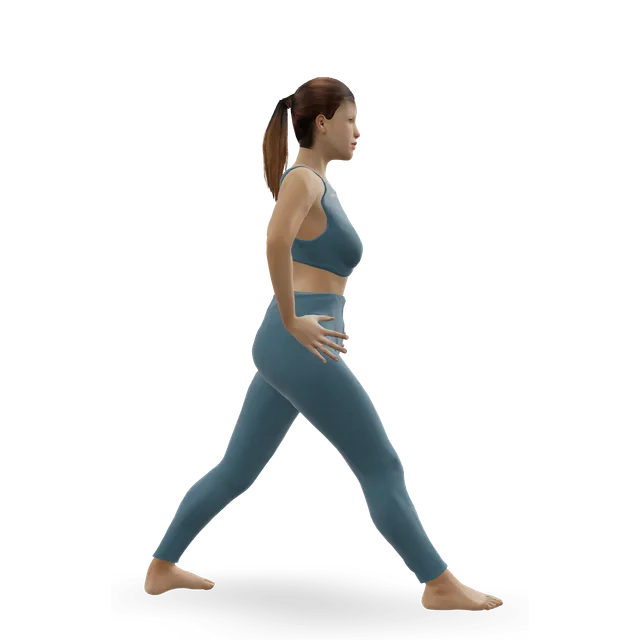
  2. Step into a low lunge and ease your hips forward until you feel a clear stretch at the front of the back hip: strong, but not painful.
  3. Breathe slowly and stay for 30 to 60 seconds; 60 seconds suits you better if you're over about 65.
  4. If you enjoy yin-style holds, stay up to 2 or 3 minutes, as our yin yoga guide suggests for beginners. Longer holds are for calm, not for extra fascia change.
  5. Come out slowly, take a few easy steps or rock gently in the lunge, then do the other side.
  6. Aim for about 2 rounds of a minute per area in a session; more than about 4 minutes per area added little in the trials.
  7. Come out at once for tingling, numbness, pins and needles or sharp pain.

Loading the 3D figure…

Gets into position, then repeats the movement. Technical checks passed; qualified exercise review is pending.

The movement on the figure: Low lunge (Anjaneyasana)

What helps: doses

Each dose names its source or is our editorial starting point. Doses are starting points, not prescriptions.

How long to hold

30 to 60 seconds per hold, 60 if you're over about 65: from hold-length trials. Up to 2 or 3 minutes in yin-style holds if you enjoy them: our editorial option.

Sources 10, 11

How much in a session

About 2 to 4 minutes of stretching per area per session, where the gains levelled off in a review of 189 studies.

Source 12

How often

Most days while you're building range, then 2 or 3 sessions a week to keep it: our editorial starting point, in line with our yoga for flexibility guide.

Sources 12, 24

Flow first, then hold

Use flowing moves to warm up and move in many directions, then hold a few poses where you want range: held stretches built more lasting range than moving ones. This order is our editorial choice, as in our fascia stretching routine.

Source 24

Yoga or a foam roller?

For range in the next few minutes, one rolling session did about as well as stretching. Yoga adds strength, balance and calm; rolling is quicker. Use whichever you'll keep doing, or both.

Sources 27, 13

Flow

Slow, flowing moves in many directions, to warm up before you hold anything.

Holds

Hold 30 to 60 seconds, longer if you enjoy yin, and come out for tingling or sharp pain.

Rest

Supported rest and slow breathing to finish; with glaucoma, ask your eye doctor before legs up the wall.

Classes to follow

Our 27-minute fascia release class flows first and holds after; its structure is our editorial choice, and no trial has tested it. The yin and restorative classes are for calm.

Yoga for fascia release: a 27-minute flow-then-hold class

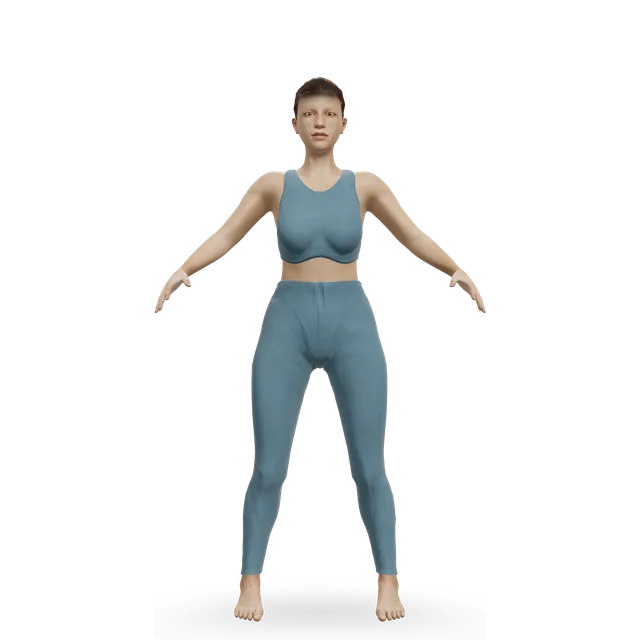
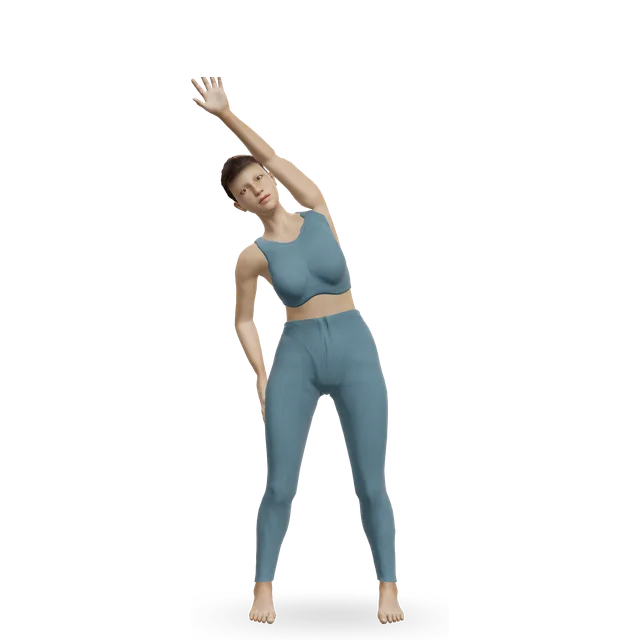
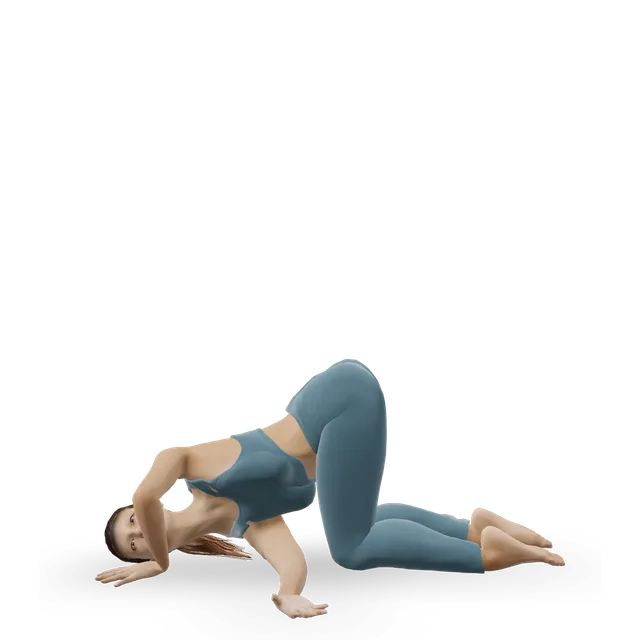
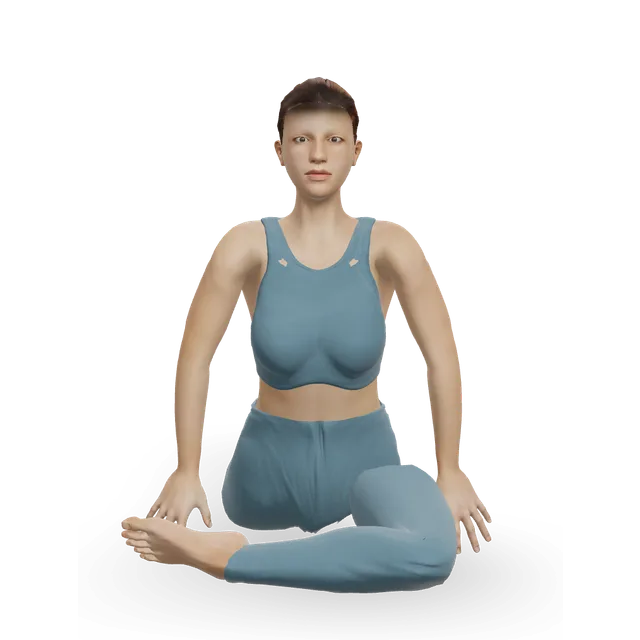
A 27-minute yoga class that flows through long, many-direction moves, then holds five poses for 60 to 90 seconds, and ends in rest.

27 minBeginner13 movesNo equipment

Fascia stretching routine

A 12-minute, no-equipment routine of slow long-line stretches, side bends and rotations, moving in many directions.

12 minBeginner10 movesNo equipment

Yin yoga for beginners

A 35-minute yin-style session: seated and lying poses held for 2 to 4 minutes with slow breathing, finishing with legs up the wall and a long rest.

35 minBeginner9 movesA wall

Yin yoga sequence: a 60-minute class

A 60-minute yin yoga class: seated and lying poses held for about 3 minutes each with slow breathing, hips and spine first, finishing with a long rest.

60 minIntermediate13 movesA wall

Restorative yoga sequence: 45 minutes of supported rest

A 45-minute restorative yoga sequence: five fully supported poses held for 4 to 10 minutes each, with slow breathing and a long final rest.

45 minBeginner6 movesFirm cushion, A wall

Yoga for flexibility: a 25-minute full-body hold sequence

A 25-minute yoga sequence for the hamstrings, hips, inner thighs, spine and shoulders, holding each pose for 30 to 60 seconds, as in the stretching trials.

25 minBeginner12 movesNo equipment

Yoga for tight hips

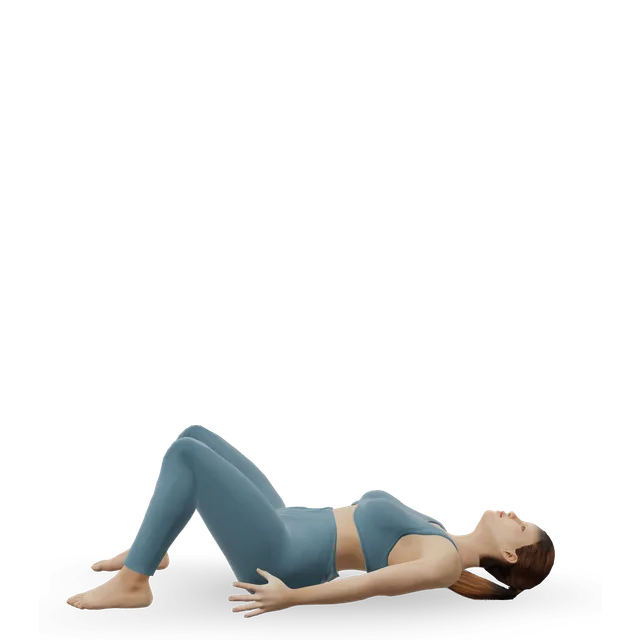
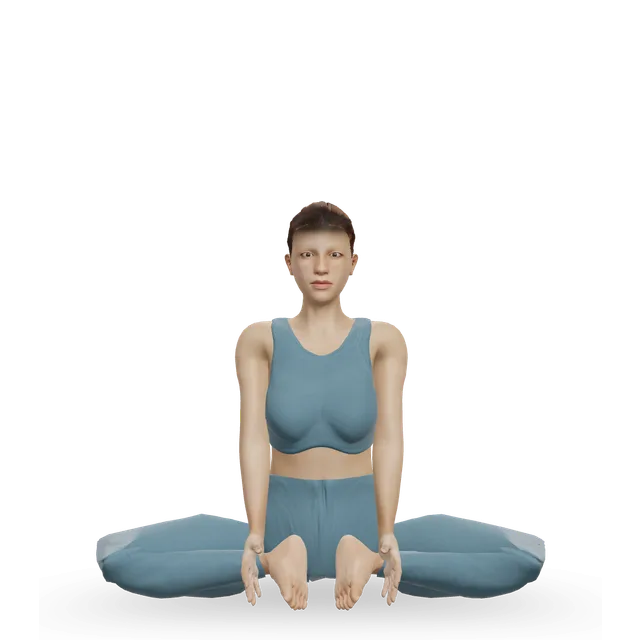
A hip-opening yoga sequence: low lunge, lizard, goddess, pigeon, bound angle and happy baby.

25 minBeginner10 movesA wall

Yoga for mobility: a 20-minute flow for range you can control

Twenty minutes of joint circles, a standing flow and end-of-range strength: yoga for range you can reach and control, for desk days, rest days or older joints.

20 minBeginner16 movesA step, A wall

Bedtime stretch routine

A slow, 10-minute floor routine to unwind before sleep: child's pose, twists, happy baby and slow breathing.

10 minBeginner7 movesFirm cushion, A wall

Myths

"Yin yoga remodels your fascia in weeks"Mixed evidence

The yin trials measured anxiety, sleep and stress, not tissue, and 3 to 8 weeks of stretching barely change muscle or tendon stiffness. Our yin yoga and yoga for flexibility guides agree.

Sources 8, 9, 5

"Fascia needs holds of 3 to 5 minutes"Mixed evidence

30 seconds was as good as 60 in younger adults and 60 better over 65, with gains levelling off at about 4 minutes per area per session.

Sources 10, 11, 12

"Long holds hydrate your fascia like a sponge"Mixed evidence

Water left and returned to fascia only in tissue removed from animals, with a temporary rise in stiffness. No yoga study has measured fascia.

Source 3

"Bouncing into stretches is best for fascia"Mixed evidence

Held and contract-relax stretching built more lasting range than bouncing, and a moving stretch didn't lower fascia stiffness. Springy training is for tendons; our fascial fitness guide covers it.

Sources 24, 21

"Hot yoga releases fascia"Mixed evidence

Hot yoga improved flexibility in studies, but no study measured fascia and it hasn't been shown to beat other yoga.

Source 18

"Crying in a hip opener is stored trauma leaving your fascia"

Feeling emotional during slow stretching and breathing is common; our fascia and emotions guide explains why the stored-memory idea is untested.

Questions people ask

Does yoga release fascia?

Not in the sense of loosening or lengthening the tough sheets: dense fascia barely deforms. A held pose relaxes the tissue for a while, and weeks of practice raise how much stretch you tolerate. No trial has measured fascia after yoga.

What is the best yoga for fascia release?

No style has been shown to change fascia more than another. A practice that flows through many directions and then holds a few poses for 30 to 60 seconds covers what the evidence supports for range; our 27-minute class does both.

Does yin yoga release fascia?

The yin trials measured anxiety, sleep and stress, not tissue, and weeks of stretching barely change muscle or tendon stiffness. Enjoy yin for calm rather than for remodelling; our yin yoga guide covers the style.

How long should I hold a yoga pose for fascia?

30 to 60 seconds is enough for range, and 60 seconds suits people over about 65. Gains levelled off at about 4 minutes of stretching per area per session, so longer yin holds are a choice, not a requirement.

Is yoga good for fascia?

Yoga is good for flexibility, balance and, a little, long-term back pain, and it moves fascia along with everything else. Whether it changes fascia itself hasn't been tested.

Does hot yoga release fascia?

No study has measured fascia in hot yoga. It improved flexibility in studies, but it hasn't been shown to beat other yoga, and some people have become unwell in the heat; our hot yoga guide covers it.

Does restorative yoga release fascia?

Restorative yoga supports your body so you barely stretch. Its value is rest and relaxation, not tissue change; our restorative yoga guide covers the trials.

What are the best yoga poses for fascia release?

Poses that stretch long chains of tissue: downward dog, low lunge, pigeon preparation, side bends, twists and the world's greatest stretch. None is proven better for fascia; variety and regular practice matter more.

Is yoga better than foam rolling for fascia?

For range in the next few minutes, one rolling session did about as well as stretching. Yoga adds strength, balance and calm, while rolling is quicker. Use whichever you'll keep doing, or both.

Should I bounce in yoga stretches to reach the fascia?

No. Held and contract-relax stretching build more lasting range than bouncing, and a moving stretch didn't lower fascia stiffness when a held one briefly did. Springy training belongs in our fascial fitness guide.

Is yoga safe?

Across 94 trials it was about as safe as usual care and other exercise, and a temporary rise in back pain was the commonest problem in back pain trials. Osteoporosis, pregnancy, hypermobility, high blood pressure and glaucoma each need changes, set out near the top of this page.

Sources

  1. Liu & Yang 2025 · Six months of yoga and muscle stiffness on shear-wave elastography (study of 81 women, allocation not clearly random, Frontiers in Physiology)
  2. Magnusson 1996 · How tissue relaxes during a 90-second stretch (laboratory study, Scandinavian Journal of Medicine and Science in Sports)
  3. Schleip 2012 · Water and stiffness in fascia after a stretch (laboratory study of mouse and pig fascia, Journal of Bodywork and Movement Therapies)
  4. Langevin 2005 · Connective tissue cells change shape when the tissue is stretched (mouse study, American Journal of Physiology: Cell Physiology)
  5. Freitas 2018 · Can long-term stretching change muscle and tendon properties? (meta-analysis of 26 studies, Scandinavian Journal of Medicine and Science in Sports)
  6. Weppler & Magnusson 2010 · Increasing muscle extensibility: length or sensation? (review, Physical Therapy)
  7. Takeuchi 2023 · Long-term static stretching and muscle stiffness (meta-analysis of 10 studies, Scandinavian Journal of Medicine and Science in Sports)
  8. Daukantaitė 2018 · Five weeks of yin yoga in stressed adults (randomised trial of 105 people, PLoS One)
  9. Somere 2024 · Ten weeks of online yin yoga and anxiety (study of 48 women, Frontiers in Psychiatry)
  10. Bandy 1997 · How long and how often to stretch the hamstrings (randomised trial of 93 adults, Physical Therapy)
  11. Feland 2001 · How long to hold a hamstring stretch at 65 and over (randomised trial of 62 people, Physical Therapy)
  12. Ingram 2025 · The dose of static stretching for flexibility (meta-analysis and meta-regression of 189 studies, Sports Medicine)
  13. Sivaramakrishnan 2019 · Yoga and physical function in older adults (meta-analysis of 22 randomised trials, International Journal of Behavioral Nutrition and Physical Activity)
  14. Wieland 2022 · Yoga for chronic non-specific low back pain (Cochrane review of 21 trials)
  15. Cramer 2015 · The safety of yoga (meta-analysis of 94 randomised trials, American Journal of Epidemiology)
  16. Brooke-Wavell 2022 · Strong, steady and straight: UK consensus on exercise for osteoporosis (consensus statement, British Journal of Sports Medicine)
  17. NHS · Exercise in pregnancy
  18. Willmott 2025 · Hot yoga (systematic review of 43 studies, Sports Medicine Open)
  19. Chaudhry 2008 · A 3D model of how fascia deforms in manual therapy (modelling study, Journal of the American Osteopathic Association)
  20. Berrueta 2016 · Stretching and the resolution of inflammation in connective tissue (rat study, Journal of Cellular Physiology)
  21. Warneke 2024 · Static and dynamic stretching and deep fascia stiffness (crossover trial of 40 people, European Journal of Applied Physiology)
  22. Magnusson 1996 · Why weeks of stretching increase range (training study of 7 people, Journal of Physiology)
  23. Warneke 2025 · Practical recommendations on stretching (Delphi consensus of 20 experts, Journal of Sport and Health Science)
  24. Konrad 2024 · Stretch training and range of movement (meta-analysis of 77 studies, Journal of Sport and Health Science)
  25. Schleip & Müller 2013 · Training principles for fascial connective tissues (narrative paper, Journal of Bodywork and Movement Therapies)
  26. Song 2026 · Eight weeks of Pilates or yoga in adults with stress (trial of 23 adults, Physical Activity and Nutrition)
  27. Wilke 2020 · Foam rolling and range of movement (multilevel meta-analysis of 26 trials, Sports Medicine)

Movement education, not medical advice. Stop for sharp or increasing pain, numbness or tingling, and get individual advice if you are pregnant, after an injury or surgery, or managing a health condition. Health disclaimer.