Pilates for fascia release: flowing movement, rolling, the ball and the ring, what the evidence shows, and a class
"Pilates fascia release" has become a popular label for flowing mat classes, often with a foam roller or a soft ball. Pilates does a lot for flexibility, back pain and control, and some teachers add rolling before class. But no trial has measured fascia after Pilates, and Pilates' "rolling" exercises roll the spine, not the fascia. What changes is mostly range, comfort, strength and how much stretch you tolerate.
The honest headline: Pilates is good exercise with modest evidence behind it; adding a roller gave more flexibility in one small trial, not more pain relief.
This guide starts with the cautions, then explains what Pilates does to muscle and fascia, what the trials found when rolling or massage was added, what the Pilates ball and ring are for, and a 28-minute class: about 10 minutes of rolling, then a mat flow.
Pilates is mind-body exercise for strength, core control, flexibility, posture and breathing. We found no Pilates trial that measured fascia, and dense fascia doesn't deform under exercise or hands, so "release" describes how it feels, not a measured change.
In adult women, Pilates improved sit-and-reach flexibility by a moderate amount, and Pilates and yoga did about equally well in a small trial. Our Pilates for flexibility guide has the detail.
It helps back pain at least as much as other exercise
Against minimal treatment, Pilates eased back pain by about 14 points out of 100 in the short term (low-quality evidence), and it was no better than other exercise for disability. In a network of 118 trials, Pilates ranked highest for pain and disability. The NHS says activities like yoga and Pilates may also help ease back pain.
With a hand-held device that reads muscle and soft tissue together, 12 weeks of mat Pilates lowered upper back readings at two of three spine levels in women on breast cancer drugs, while 4 weeks of reformer-based Pilates didn't change lower back readings in people with back pain.
Adding a roller: more flexibility, not more pain relief
In 32 women with back pain, 10 minutes of rolling with a soft ball before Pilates added flexibility. The summary reports more pain relief with rolling, but in the full text pain fell by about the same in both groups (48% and 51%). Adding a therapist's fascial massage to Pilates helped posture and neck pain more in 34 office workers.
Pilates "rolling", the ball and the ring aren't release tools
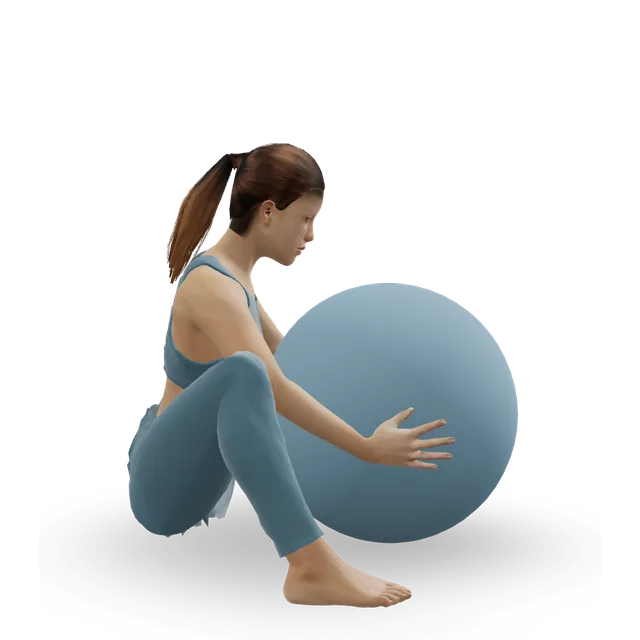
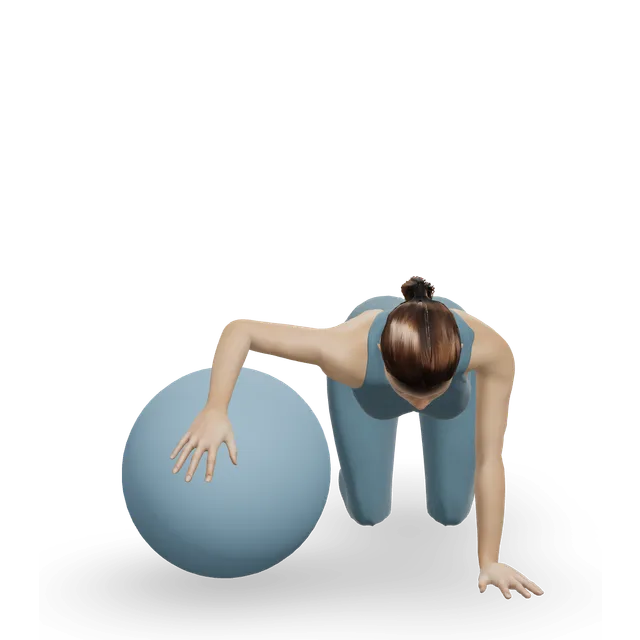
Rolling like a ball and the roll-up roll the spine; the small ball and the ring add resistance; the gym ball supports stretches. A soft ball can be used for gentle rolling, as in one trial, but a foam roller or massage ball is the usual release tool.
These are the site's Pilates and rolling cautions; our Pilates guides have the detail.
Hypermobility
Build strength and control rather than more range. The NHS says the main treatment for joint hypermobility syndrome is improving muscle strength and fitness, and advises: "do not overextend your joints just because you can". Stop before the end of your range, as the move pages advise; our Pilates for hypermobility guide has more.
Osteoporosis and bending forward
A UK consensus advises avoiding loaded flexion or end-of-range movements in exercise such as Pilates or yoga, and says repeated or end-range flexion should be avoided, while still recommending balance and strength activities such as Pilates at least twice a week.
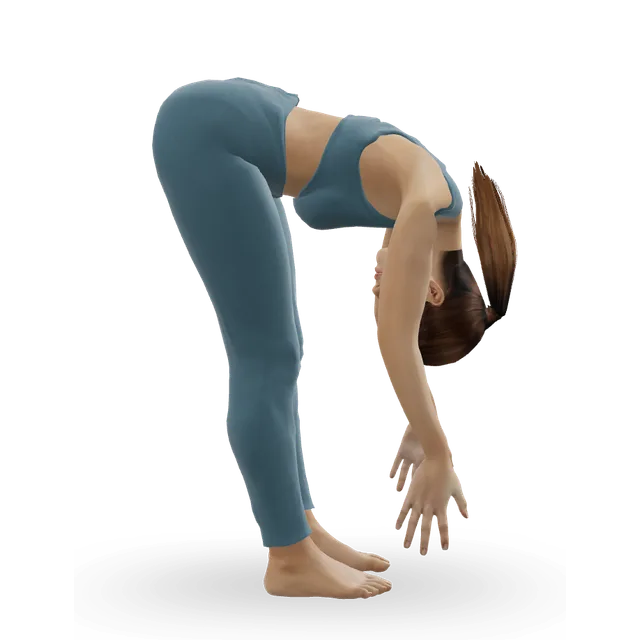
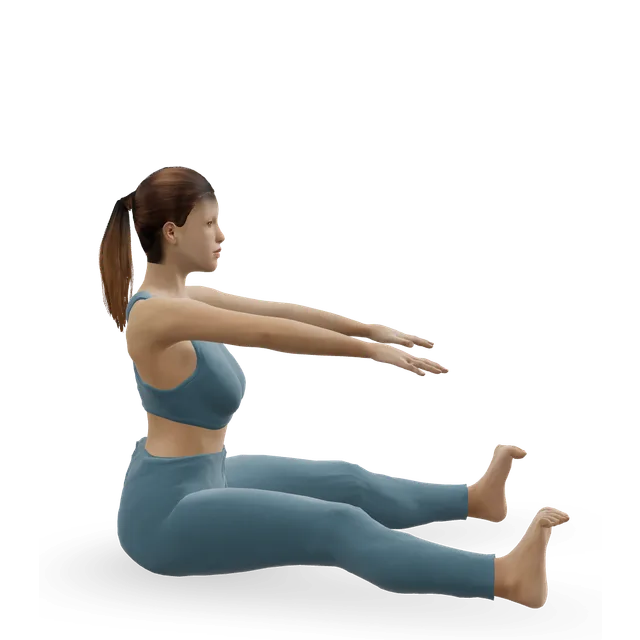
Rolling like a ball, roll-ups, roll-downs and the saw all round the spine; the move pages give swaps.
Tell the instructor you're pregnant. In later pregnancy, avoid lying flat on your back for more than a few minutes, and stop if you feel uncomfortable, too hot or unwell.
Holding your breath while straining sends blood pressure very high, and it rises during any hard hold. Breathe out on the effort, and keep planks and hovers to 15 to 30 seconds.
Glaucoma and head-down positions
Skip forward rolling that brings on pain down a leg (our Pilates for sciatica guide covers it), and with glaucoma keep head-down positions such as roll-downs and child's pose brief, as the move pages advise.
Rolling before class
Keep the pressure light, or ask your doctor first, if you take blood thinners, which make bruising more likely, have very weak bones, or have a nerve condition such as peripheral neuropathy that leaves the skin numb: the NHS lists these among the reasons hands-on treatment such as osteopathy may not be safe. With osteoporosis, ask before sitting your full weight on a hard roller (our suggestion).
Never roll a calf that is swollen, red or darkened, or throbbing: call 111, or 999 if you're also short of breath.
In an expert consensus of 37 researchers, open wounds and broken bones were reasons not to roll, and inflammation, a clot, a bone infection or bone forming in a muscle after an injury were at least reasons for caution.
Stop the exercise straight away if you feel pain or become unwell. If you're worried about symptoms, or they don't go away, get advice from NHS 111 online or by calling 111 (in the US, your doctor or urgent care).
Stop if you feel unsteady on the carriage, or for sharp or increasing pain, tingling that travels down an arm or leg, or dizziness.
Call 999
For chest pain that feels tight or like squeezing, or spreads to your arms, neck or jaw; severe difficulty breathing; lips or skin that look pale, blue or grey; or if someone passes out and isn't responding normally.
Calf or leg pain or swelling with breathlessness or chest pain. It could be a clot that has reached the lungs. Do not drive yourself to A&E.
A review of 119 papers describes Pilates as mind-body exercise focused on strength, core stability, flexibility, muscle control, posture and breathing, done on a mat or on equipment, guided by centring, concentration, control, precision, flow and breathing.
It usually means flowing Pilates mat work, sometimes with a foam roller or a soft ball before or during class, and several commercial programmes use the name. We found no trial of any named "fascia release" Pilates method, and no Pilates trial that measured fascia.
What it loads, and what changes
Like yoga, Pilates loads muscle, tendon and fascia together, with more emphasis on controlled strength through range. Dense fascia doesn't lengthen or release under these loads. Muscles get stronger, and range improves mostly through tolerance; strength work through a full range improves range about as much as stretching.
Rolling like a ball, the roll-up, the roll-down and the seal are spinal flexion exercises that massage nothing. A foam roller or massage ball is a separate tool that some teachers use before or after mat work.
The ball and the ring
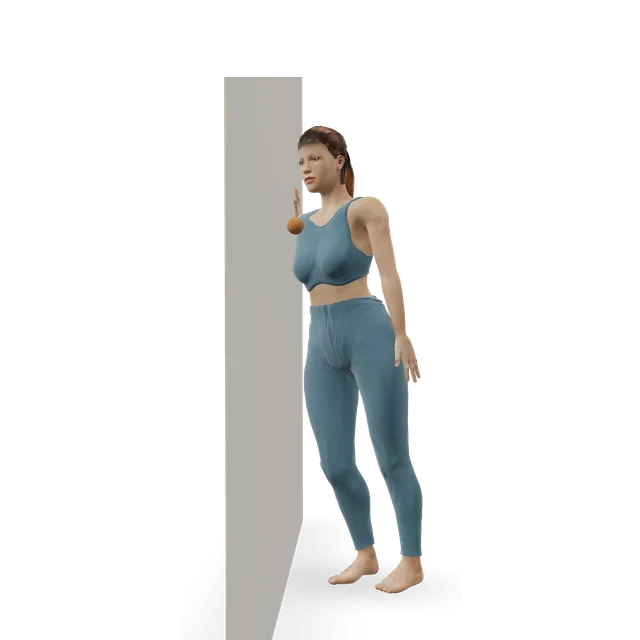
On our Pilates ball guide, "Pilates ball" means the small soft ball, squeezed between the knees or hands or placed under the pelvis, or the large gym ball, which supports stretches and balance; the ring (magic circle) adds resistance. They are props for strength and support. In one trial, a soft 9 to 11 cm ball was used for 10 minutes of gentle rolling before class.
The only readings come from a hand-held device (a myotonometer) that measures muscle and soft tissue together. In 42 women on aromatase inhibitors after breast cancer, 12 weeks of supervised mat Pilates lowered upper back readings at two of three spine levels against usual care, with less pain; the analysis counted only those who finished (22 against 14 women). In 52 people (not randomised), 4 weeks of reformer-based Pilates didn't change lower back or tummy muscle readings, though pain and sleep improved. In 32 women, readings fell by 1.5% to 2% in the group that added rolling.
In a review of 12 studies in adult women, Pilates improved sit-and-reach flexibility by a moderate amount (a standardised difference of 0.69), though the studies varied a lot. In 23 adults, 8 weeks of Pilates or yoga gave similar gains.
In a Cochrane review of 10 trials (510 people), Pilates eased pain by about 14 points out of 100 in the short term against minimal treatment (low-quality evidence) and about 11 points at 3 to 12 months (moderate quality), and it was no better than other exercise for disability. In a network of 118 trials (9,710 people), Pilates ranked highest for pain and disability, and every type of exercise helped except stretching.
In 32 women with chronic back pain, 10 minutes of self-release with a soft ball before reformer Pilates, twice a week for 6 weeks, added flexibility (96.7% against 50.9%). The summary reports more pain relief with rolling; in the full text, pain fell from 5.69 to 2.94 out of 10 with rolling and from 5.75 to 2.81 without, about the same (48% and 51%).
In 34 office workers with rounded shoulders and a forward head, 12 weeks of Pilates with a therapist's fascial massage improved posture angles, pain and neck disability more than Pilates alone.
Packages that mix Pilates and rollingEmerging evidence
In 68 adults with fibromyalgia, 6 months of online Pilates-based exercise with self-release and other exercise improved fibromyalgia impact, sleep and mood against usual care, with no side effects. In 32 women over 65, a 6-week exercise programme using foam rollers as props improved strength, flexibility, balance and walking. Neither can separate the rolling from the rest.
None of the Pilates trials used a sham, so extra time and attention can't be separated from the rolling or massage. We read most studies' summaries (abstracts), and the Ha 2026 trial in full.
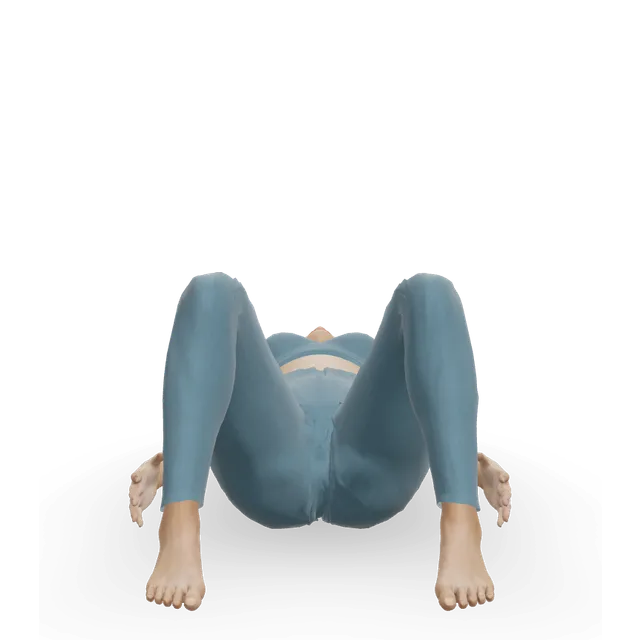
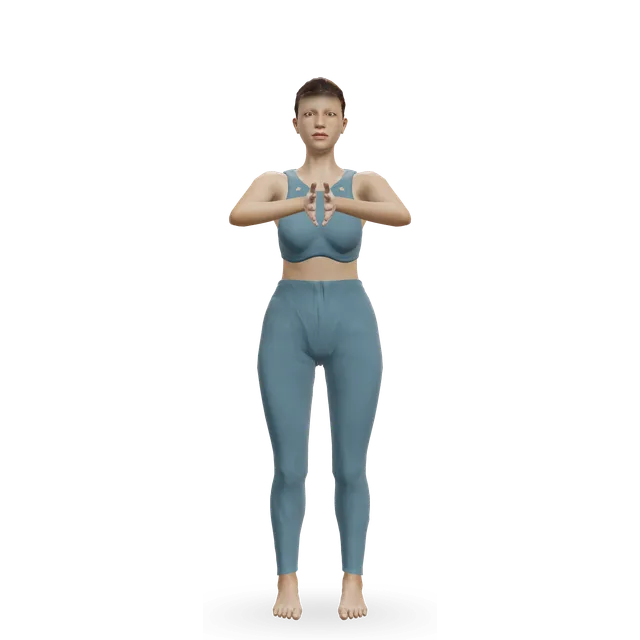
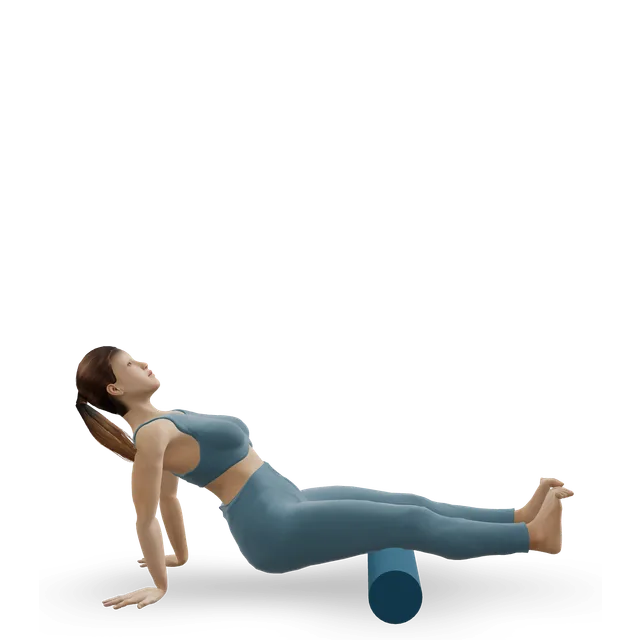
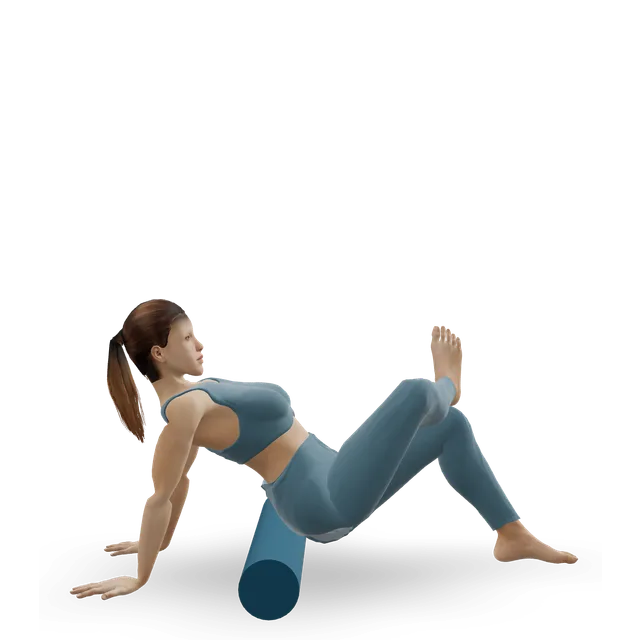
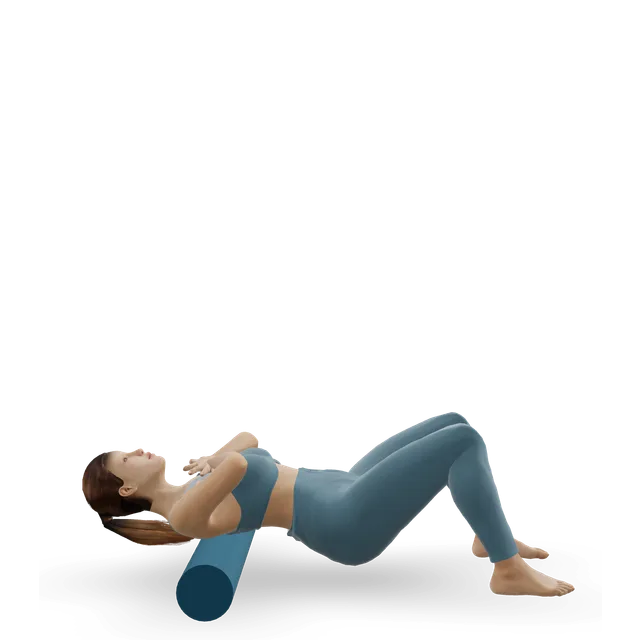
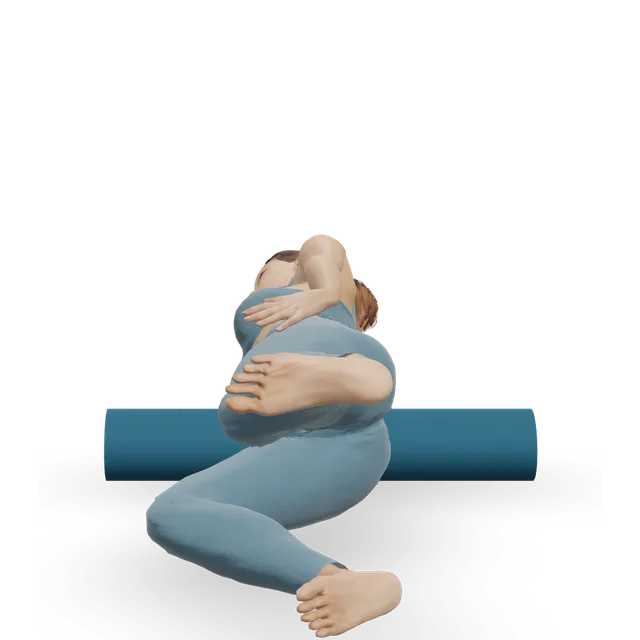
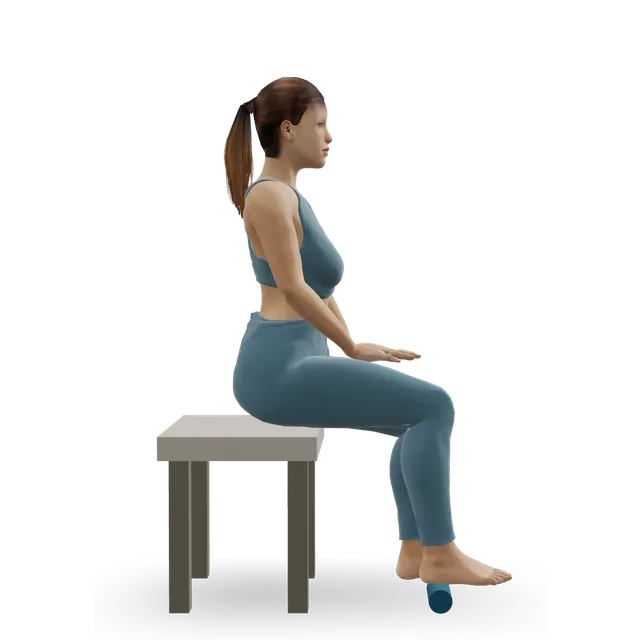
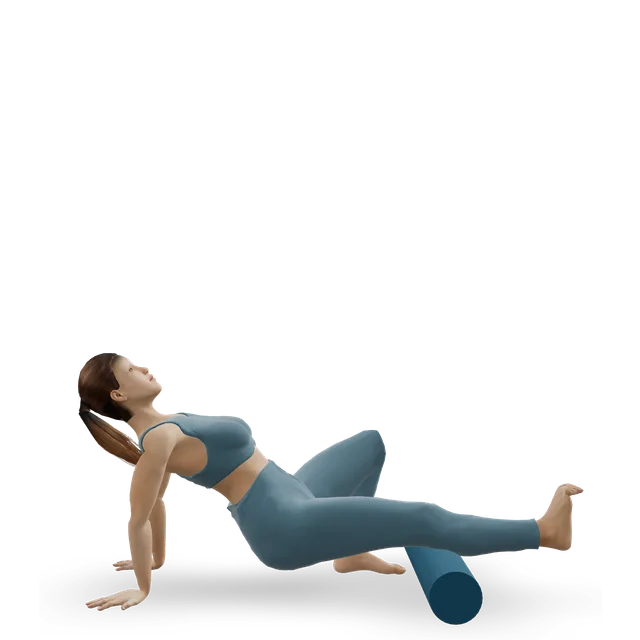
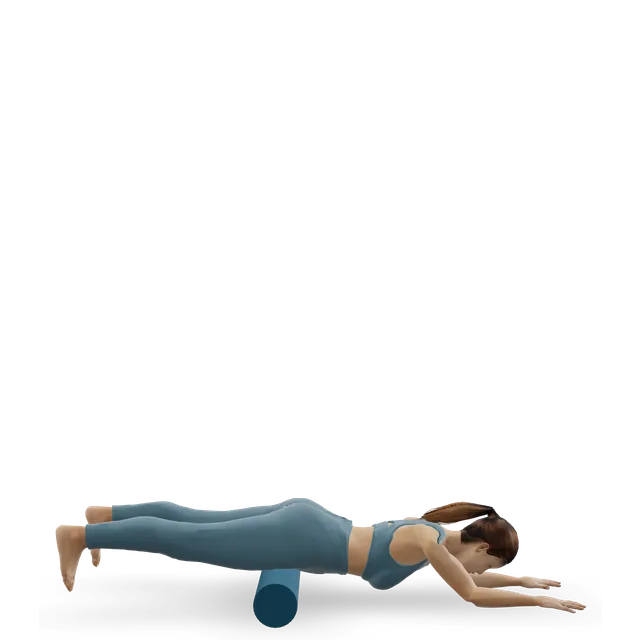
Roll, then flow: a short Pilates session with a roller or soft ball
The breathing, roll-down, mermaid, spine twist and swan doses are their move pages' (the roll-down's is called editorial on its page); the rolling dose is the rolling move pages', from a review of rolling studies; child's pose sits within its move page's 1 to 3 minutes. Rolling first, and the 10-minute soft ball option, come from one small trial in women with back pain. No trial has tested this sequence.
Check first: with osteoporosis, swap roll-downs for flat-back hinges; in later pregnancy, avoid lying flat on your back; on blood thinners, keep rolling pressure light.
Breathe: 5 to 8 Pilates lateral breaths.
Roll: choose 2 or 3 areas that feel tight and roll each for about 90 seconds, for example 2 or 3 slow rounds of 30 to 45 seconds; or use a soft ball for about 10 minutes in all.
Roll the spine down: 5 or 6 slow segmental roll-downs.
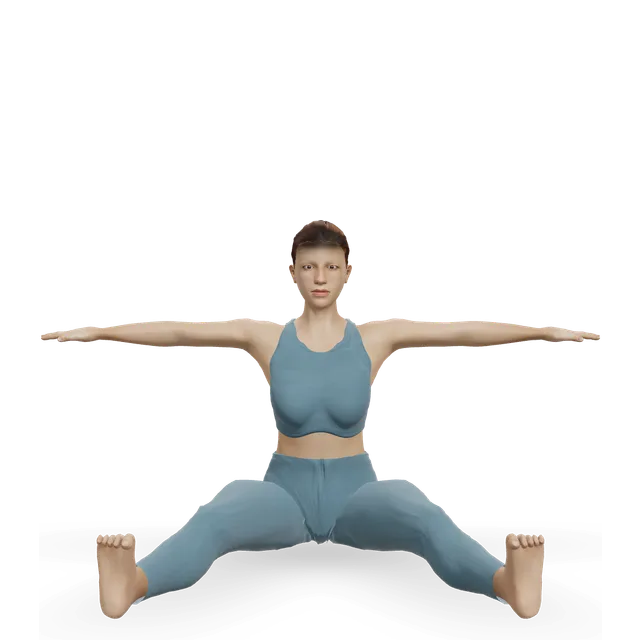
Side bend: the mermaid, 3 each direction, each side.
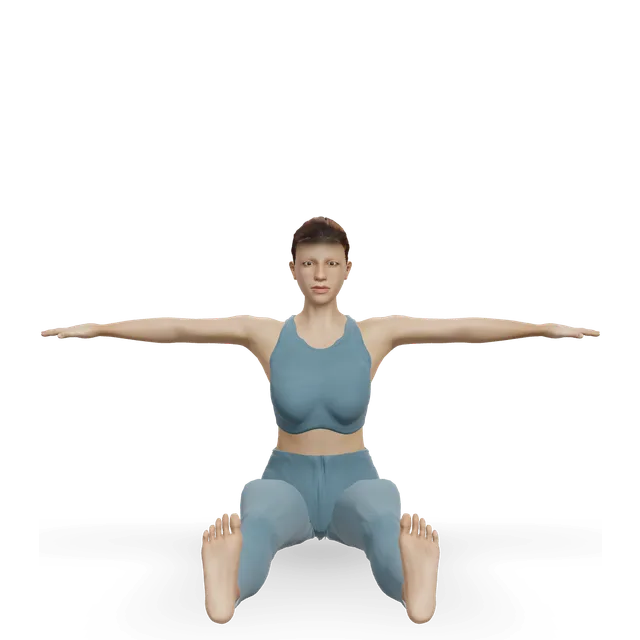
Rotate: the spine twist, 3 to 4 each side.
Extend: the swan, 5 to 6.
Rest: child's pose for 1 minute.
Loading the 3D figure…
Drag to turn
Gets into position, then repeats the movement. Technical checks passed; qualified exercise review is pending.
About 90 seconds for each muscle you roll, the rolling move pages' dose from a review of rolling studies, or about 10 minutes with a soft ball, as in the one trial. The extra range lasts minutes, so roll just before you move.
Use each move page's reps and stop before the end of your range. For lasting range, add 30 to 60-second holds where you want it; our Pilates for flexibility class has them.
Mat flow
Slow, controlled moves through flexion, side bending, rotation and extension; with osteoporosis use the move pages' swaps for the rounding moves.
No Pilates trial measured fascia, dense fascia doesn't deform under exercise or hands, and range gains are mostly tolerance. Pilates helps pain, flexibility and control.
"The Pilates ball is a fascia release ball"Mixed evidence
The small soft ball and the gym ball are props for resistance and support. A soft ball was used for gentle rolling in one trial; a massage ball is the usual release tool.
"Adding rolling to Pilates gives more pain relief"Mixed evidence
In 32 women, pain fell by about the same with or without rolling first, though flexibility rose more with it, and the trial's summary reports more pain relief. Adding a therapist's massage helped more in one trial of 34 office workers.
No trial has measured fascia after Pilates. Pilates builds strength and control, improves flexibility moderately and eases back pain at least as well as other exercise; "release" describes how it feels, not a measured change.
What is Pilates fascia release?
A label for flowing Pilates mat work, often with a foam roller or soft ball. We found no trial of any named fascia release Pilates method; the one trial that added rolling to Pilates is described on this page.
Does Pilates help tight fascia?
If "tight" means stiff and restricted, Pilates improved sit-and-reach flexibility in women and helps back pain. Our tight fascia guide explains what the feeling usually is.
Can I use a Pilates ball for fascia release?
A soft Pilates ball can be used for gentle rolling: one trial used a soft 9 to 11 cm ball for 10 minutes before Pilates. The gym ball is for support and stretches, and a firmer massage ball is the usual release tool.
Should I foam roll before or after Pilates?
The only trial rolled before Pilates, and rolling's extra range lasts minutes, so rolling just before you move makes the most of it. After class, rolling may ease soreness.
Does adding a foam roller make Pilates work better?
In 32 women with back pain, rolling first added flexibility. Its summary reports more pain relief, but in the full text pain eased about equally with or without rolling. These are small trials without a sham.
Is Pilates or yoga better for fascia?
Neither has been measured on fascia, and for flexibility they did about equally well in a small trial. Choose the one you enjoy and will keep doing.
Is reformer Pilates better for fascia than mat?
We found no evidence that it is. Four weeks of reformer-based Pilates didn't change muscle stiffness readings, though pain improved; our reformer guide finds mat and reformer mostly similar.
Can Pilates fix my posture?
Strength work improved posture across 23 studies and stretching didn't, which suits Pilates' focus on control. Our Pilates for posture guide has a class.
How often should I do Pilates?
One or two sessions a week were enough for back pain in a large analysis of trials, and the trials on this page used two a week.
Is Pilates safe with osteoporosis, pregnancy or hypermobility?
Yes, with changes: avoid loaded or end-range forward bending with osteoporosis, avoid lying flat on your back in later pregnancy, and build control rather than range if you're hypermobile. The cautions are near the top of this page.
Movement education, not medical advice. Stop for sharp or increasing pain, numbness or tingling, and get individual advice if you are pregnant, after an injury or surgery, or managing a health condition. Health disclaimer.