Chest pain or fainting while exercising: call 999
Call 999 if:
- You get sudden pain or discomfort in your chest that doesn't go away; it can feel like squeezing or pressure, burning or indigestion.
- The pain spreads to your left or right arm, or your neck, jaw, stomach or back.
- You have chest pain and feel sweaty, sick, light-headed or short of breath.
- Someone faints while exercising, can't be woken within 1 minute, or has chest pain or a pounding, fluttering or irregular heartbeat.
Sources 70, 71, 72
Fainting: call 999
Call 999 if someone has any of these, and don't drive yourself to A&E:
- Fainted while exercising, or while lying down.
- Isn't breathing, can't be woken within 1 minute, or hasn't fully recovered or has trouble speaking or moving.
- Has chest pain or a pounding, fluttering or irregular heartbeat with fainting.
- Is shaking or jerking, or was seriously hurt when they fainted.
- Has palpitations that don't go away, or palpitations with chest pain, shortness of breath or feeling faint.
Sources 72, 73, 70
If you feel faint
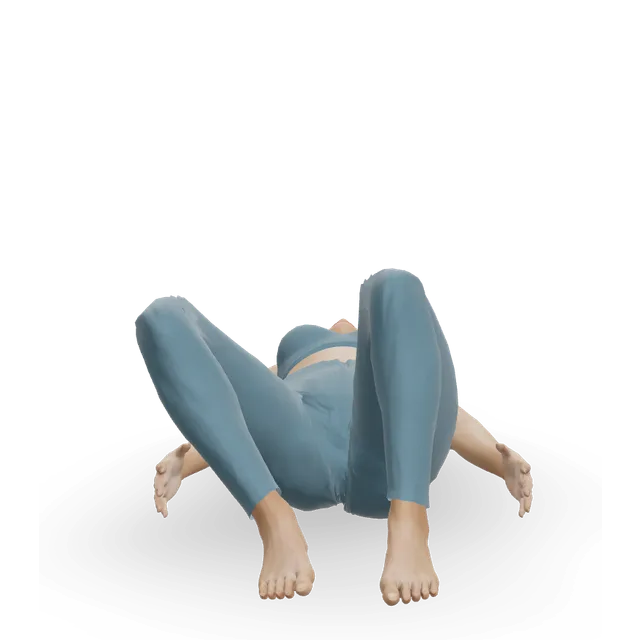
If you feel faint, stop, lie down and raise your legs. Use the counter-manoeuvres if you can't lie down.
Lie down and raise your legs until you feel better. If you can't lie down, sit, if possible with your head lowered between your knees, and drink some water.
Sources 74, 72, 75
If you can't lie down: cross and squeeze
Cross one leg in front of the other while standing, then tense your leg muscles and clench your buttock and tummy muscles. You can also rock up and down on your toes, or clench your fists. Keep breathing while you hold the squeeze, sit or lie down as soon as you can, and practise when you're well so the moves come quickly (our suggestions).
Sources 74, 75, 76
How well the squeeze worksEmerging evidence
In 223 people who fainted repeatedly and got warning signs, learning these moves cut the share who fainted again from 50.9% to 31.6% over about 14 months, in a trial where everyone knew their group. In people over 40 with little warning, the difference wasn't clear, and reviews rate the evidence low. US heart rhythm specialists say they "can be useful" with enough warning, and US first aid guidance recommends them. A Pilates class doesn't treat fainting.
Sources 77, 78, 79, 80, 81
If you have fainted
The NHS says fainting is "not usually a sign of something serious, but if it happens you should see a GP".
Source 72
Light-headed when you stand up
Dizziness or light-headedness when you stand up or change position can be a drop in blood pressure (postural hypotension), not vertigo. Get up slowly, from lying to sitting to standing, and see a GP if you keep getting dizzy or fainting. Our exercise for PoTS guide covers postural tachycardia syndrome.
Source 82
Unusual breathlessness
Call 999 or go to A&E (accident and emergency) straight away for severe difficulty breathing (gasping, choking or not able to get words out), a chest that feels tight or heavy, pain that spreads to your arms, back, neck and jaw, lips or skin turning very pale, blue or grey, or sudden confusion. If you're more short of breath than usual, or your heart is racing, fluttering or skipping beats, contact NHS 111.
Source 83
During breathing practice
If a breathing practice makes you dizzy, light-headed or tingly, you're probably breathing too deeply: make the breaths smaller or go back to normal breathing. If you get wheezy or tight-chested, stop and follow your action plan (our suggestions).
If you feel dizzy, light-headed or tingly, make the breaths smaller or breathe normally. If strong feelings come up, stop, open your eyes, sit up and look around (the slow breathing move's caution and our somatic class's advice).
If lying still brings up distressing thoughts or panic, open your eyes, sit up and breathe slowly; if slow breathing makes you dizzy or tingly, make the breaths smaller (our advice).
Breathing and water
Never do fast breathing or breath holds before or during swimming: over-breathing before going underwater has caused blackouts and drownings (our suggestion, from a US case series of 16 people, 4 of whom died).
Source 84
Get help now
The NHS says a mental health emergency should be taken as seriously as a physical one, and that you will not be wasting anyone's time.
- Call 999 or go to A&E if your life is at risk, or you feel you can't keep yourself safe.
- For urgent help in England, call 111 and select the mental health option, or use 111 online.
- Call Samaritans on 116 123. It is free, any time, day or night.
- In the US, call or text 988, the 988 Suicide and Crisis Lifeline, any time.
Sources 85, 86, 87
See a GP
If you're struggling to cope with stress, the things you're trying aren't helping, or you'd like a referral; or if you think you might have generalised anxiety disorder, or treatment isn't helping. Adults can also refer themselves to NHS talking therapies.
Sources 88, 89
Chest pain and palpitations
Call 999 for chest pain that feels tight or like squeezing, or spreads to your arms, neck or jaw, or for palpitations with chest pain, breathlessness or fainting. Panic can feel similar: if you're not sure whether it's panic or your heart, treat it as your heart (our advice).
Sources 71, 73
Pilates isn't a treatment for anxiety disorders
NICE's treatments for generalised anxiety disorder are talking therapies such as CBT or applied relaxation, and the NHS may also offer medicines. Exercise, including Pilates, is an addition, not a replacement.
Sources 90, 89
Stop the session if
You feel any pain or become unwell, as the NHS advises for its Pilates videos, and especially for chest pain or pressure, unusual breathlessness, dizziness or fainting. If you have a health problem, an injury or any symptoms, get advice from a healthcare professional, such as a GP, before you start.
Source 91
Before you start
The NHS advises getting advice from a healthcare professional first if you have a health problem, an injury or symptoms, or have recently had a heart attack or an operation.
Source 91