Pilates for epilepsy: is it safe, seizure triggers, breathing, safety in a class, medicines and bones, the evidence, and a routine
Most people with epilepsy can do Pilates. Exercise rarely brings on seizures, mat work keeps you close to the floor, and Pilates breathing is slow, not the fast over-breathing that can bring on absence seizures. Pilates doesn't prevent or control seizures, and no Pilates study in epilepsy has published results.
So it sits alongside your anti-seizure medicine and your epilepsy team's advice, never instead of them.
This guide covers whether exercise is safe, the triggers that matter in a class, breathing, telling your teacher, reformers and other equipment, the relaxation at the end of a class, seizure first aid on a mat or in a chair, medicines and bone health, what the evidence shows, and the floor and chair classes that suit.
Exercise rarely brings on seizures: of 204 adults with active epilepsy, "only 2% had genuine exercise-induced seizures", and a review of 42 studies found that "In most cases, physical exercise did not increase seizure frequency."
No Pilates study in epilepsy has published results
One trial of Pilates in 30 adults with drug-resistant epilepsy finished in 2025, with no results posted or published. The nearest evidence is yoga, where the Cochrane review found too little to draw conclusions.
"Do not change your dose or stop taking your medicine without talking to your specialist", the NHS says, and Epilepsy Action: "Complementary therapies cannot cure or control epilepsy".
Deep, fast over-breathing can bring on absence seizures, especially in children, but even 5 minutes of it brought on a seizure in only 2 of 433 people with epilepsy. Pilates breathing is slow and unforced, so it isn't over-breathing (our reading); leave out forceful or fast breathing.
Mat work is close to the floor, which suits epilepsy. Tell your teacher what your seizures look like if you want to, make sure someone in the room knows seizure first aid, and with seizures that aren't controlled, choose mat and chair work over equipment (our suggestion).
"Epilepsy is a condition that affects your brain and causes seizures (sometimes called fits). It cannot currently be cured, but treatment can often help manage it." (the NHS) Our exercise and epilepsy guide covers seizure types and numbers.
"The main treatment for epilepsy is medicine to prevent seizures, called anti-epileptic or anti-seizure medicine." (the NHS) Some long-term medicines affect bone, which matters for exercise (below).
Epilepsy Action: "Missing one or more doses of your epilepsy medicine is one of the most common seizure triggers." and "Many people with epilepsy say that feeling tired or not sleeping well can trigger seizures." In 1,677 people, "Emotional stress, sleep deprivation, and tiredness were the three most frequently reported precipitants." About 3 to 5 in every 100 people with epilepsy have seizures set off by flashing or flickering lights.
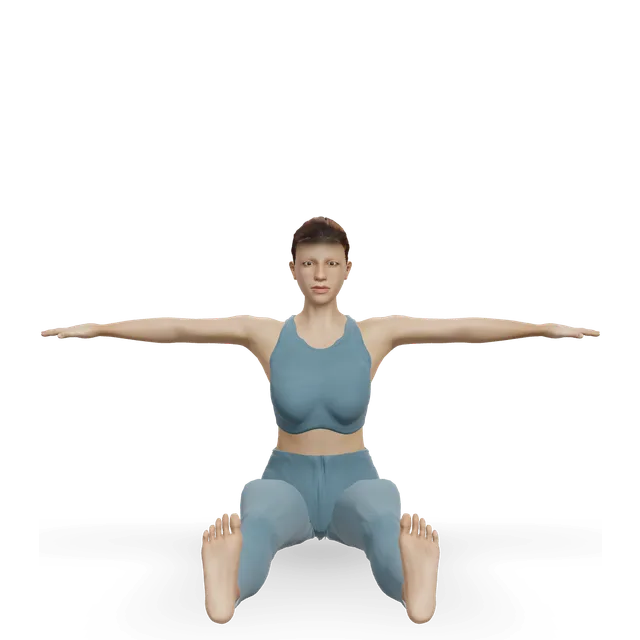
Breathing patterns, lying and kneeling on a mat, some standing balance, rolling and legs-overhead moves, equipment that moves or lifts you off the floor (reformer, Cadillac, chair), a relaxation at the end, and in some studios heat or lighting effects. Each has a note below (our list).
The International League Against Epilepsy (ILAE) task force on sport and epilepsy judges an activity by things like "the type of sport, the probability of a seizure occurring, the type and severity of the seizures, seizure precipitating factors, the usual timing of seizure occurrence, and the person's attitude in accepting some level of risk". If your seizures are controlled, or never affect your awareness or make you fall, few changes are needed.
Medicines carry the evidence for seizure control. For Pilates there are no published results, so this is about exercise and other mind-body practices in general.
No Pilates study has published resultsStrong evidence
Our searches on 2 November 2026 found no published Pilates study in epilepsy. One trial in Turkey randomised 30 adults with drug-resistant epilepsy to an hour of Pilates 3 times a week for 8 weeks plus their usual medicine, or medicine alone, with seizure diaries among its measures. It finished in June 2025, and no results have been posted or published.
Exercise rarely brings on seizuresEmerging evidence
In 204 adults with active epilepsy, about 10% said they often had seizures linked to exercise, but only 2% had seizures in more than half of their sessions, mostly people whose epilepsy came from a lesion in the brain, and "Most exercise-related seizures occurred during strenuous activity". Epilepsy Action: "A very small number of people with epilepsy find that doing strenuous exercise increases their risk of having seizures."
Exercise programmes: quality of life, not seizuresMixed evidence
Across 14 studies (331 people), exercise programmes improved quality of life by 4.7 points, but the fall in seizures wasn't statistically clear. The trials are small: 21 adults had fewer seizures after 12 weeks of exercise; no seizures were reported in 110 adults during a 12-week home programme; and in a 2026 pilot, 4 exercisers finished all 24 supervised sessions with no seizures during exercise.
People with epilepsy are often less activeEmerging evidence
Reviews of 42 and 46 studies, most of low quality, found people with epilepsy are less active and less fit than others, and that being more active goes with better quality of life and less depression and anxiety.
The Cochrane review of yoga found 2 small trials (50 people): "no reliable conclusions can be drawn at present". In the best later trial, 160 adults, yoga reduced felt stigma by a small amount, and the authors say "there was no statistically significant change in seizures per week across interventions". A 2025 Cochrane review found mind-body treatments "may reduce seizure frequency slightly at six to eight weeks", on low-certainty evidence.
In a pilot of 20 people with epilepsy, a 20-minute mindful breathing video eased low mood at 2 weeks and improved quality of life. Only 4 of 18 exercise trials in epilepsy looked at sleep, with mixed results.
Guidance rarely says how to manage riskEmerging evidence
A 2026 review of 11 public guidance documents found that while they acknowledged risks, they "did not provide strategies for risk mitigation or management". This guide tries to give those for a Pilates class.
Deep, fast breathing is used in brain wave (EEG) tests because, in childhood absence epilepsy, it produces the absence pattern in over 90% of children and brings on an absence, typically within 90 seconds. In adults it is far less often a trigger: in 433 people with epilepsy, 5 minutes of it brought on a seizure in 2. Epilepsy Action's EEG page: "There's a very small risk that you could have a seizure during these activities."
Pilates lateral breathing is about a 3 to 5 second breath in and a slightly longer breath out, and the Hundred breathes in for 5 pumps and out for 5. That is slow, unforced breathing, not the deep, fast breathing used in EEG tests. No study has measured Pilates breathing itself in epilepsy.
The Epilepsy Society says "extreme breathing techniques in yoga may need extra care". In Pilates that means no forceful, percussive breathing in the Hundred and no fast breathing, and with absence epilepsy and in children, keep all breathing unforced (our suggestion). If you feel light-headed, breathe normally.
The zonisamide leaflet: "Zonisamide can make you perspire less, which can cause your body temperature to increase." The topiramate leaflet lists decreased or loss of sweating, mainly in young children in the heat. Leave out hot Pilates while your seizures aren't controlled or if you take either medicine (our suggestion).
Epilepsy Action: "If you take part in yoga classes, you can tell the person leading the class that you have epilepsy and how they can help if you have a seizure." The same goes for Pilates. Show them your care plan if you have one.
Our suggestion, untested: do mat and chair work rather than standing balance or equipment, keep one-leg standing work beside a wall, put your mat away from hard furniture, and leave out legs-overhead and rolling moves, where a seizure mid-move could mean a fall onto your neck or a roll off the mat. It follows the international task force's way of judging risk by what would happen if a seizure struck.
Epilepsy Action on gyms: "If you still have seizures, there may be equipment that you should not use. This is because it would not be safe for you or other people." A reformer's carriage moves on springs, and the Cadillac and chair lift you off the floor, so wait until your seizures are controlled or your team agrees, or work one to one with a teacher who knows what to do (our suggestion).
The Epilepsy Society: "If your seizures tend to happen when you are very relaxed, or during sleep, then deeply relaxing activities such as meditation and hypnotherapy may increase your risk of having seizures." Then keep the final rest short or sit up for it. For most people it's fine.
Lateral breathing: 5 to 8 breaths (from the move page's dose), unforced; slow breathing: 2 minutes (our bedtime and veterans Pilates classes). Stop and breathe normally if you feel light-headed.
Pelvic tilt into bridge: 6 slow (our bedtime and veterans Pilates classes); dead bug heel taps: 6 each side (our veterans class); single-leg circle: 5 circles each direction, each leg (from the move page's dose); chest lift: 8 to 10 (from the move page's dose); the Hundred: 50 beats to start, building to 100 (from the move page's dose), breathing in for 5 pumps and out for 5, never forced.
Clamshell: 10 each side (our veterans class); side kick: 8 to 10 each side (from the move page's dose); cat-cow: "8 waves, slower than feels natural" (the move page's dose); bird dog: 5 each side, holding each for 3 breaths (our veterans class); side-lying open book: 5 each side (our bedtime and veterans classes).
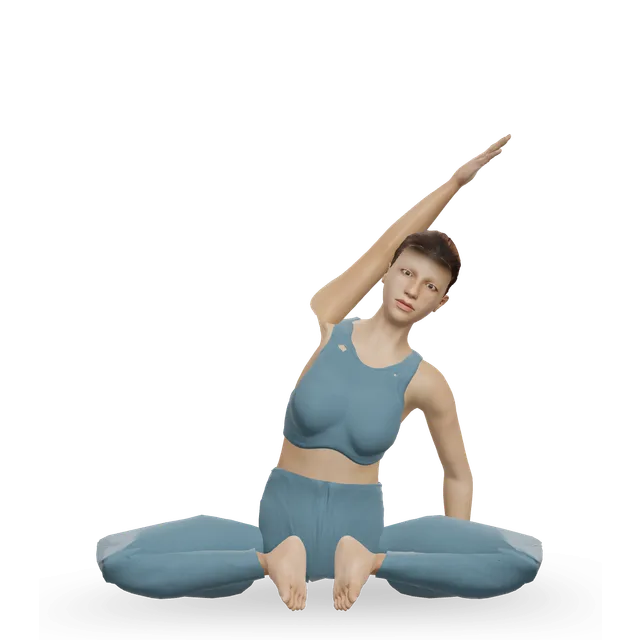
Spine twist: 3 to 4 each side (from the move page's dose); mermaid: 3 each direction, each side (from the move page's dose), on a chair if side-sitting bothers your knees.
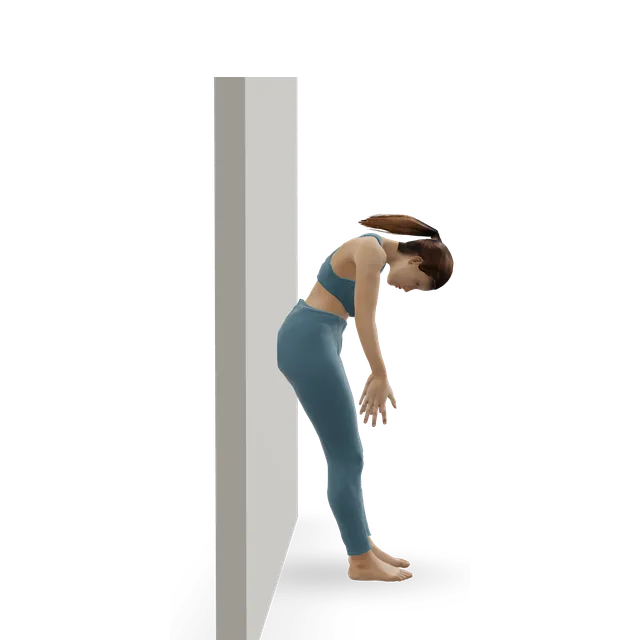
Wall roll-down: 3 to 5 slow reps (from the move page's dose), coming up slowly; wall side leg lift: 10 to 12 each side (from the move page's dose), a hand on the wall.
Each change is our suggestion, from the sources named; none has been tested in a trial.
Legs-overhead and rolling moves, with seizures that aren't controlled
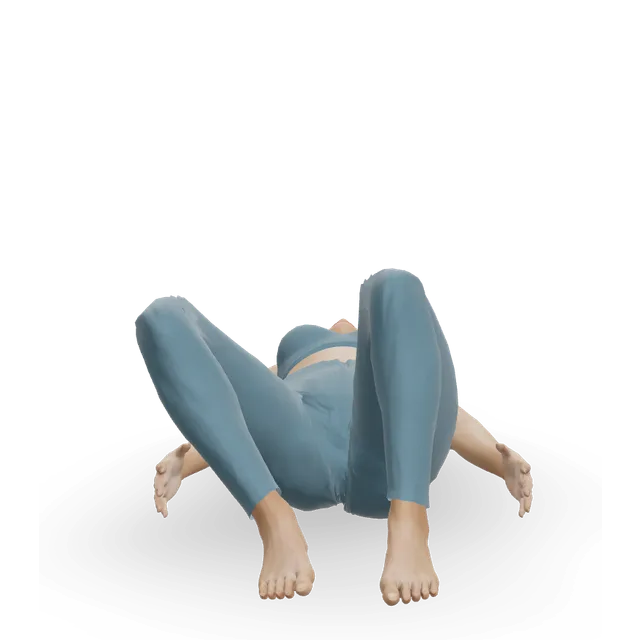
The roll-over, jack knife, control balance, boomerang, rolling like a ball, the seal, the open-leg rocker and the high scissors and bicycle: a seizure mid-move could mean a fall onto your neck or a roll off the mat. Leave them out until your seizures are controlled.
If you take a medicine linked to bone loss and have osteoporosis, follow the moves' own osteoporosis cautions on rounding, rolling and curl-ups, and add impact and strength work beside Pilates (our exercise and epilepsy guide has it).
"Do not change your dose or stop taking your medicine without talking to your specialist." The ILAE says changes to medicine should always be made under close medical supervision. Missing doses is one of the most common triggers.
The National Institute for Health and Care Excellence (NICE): long-term treatment with some medicines "(such as carbamazepine, phenytoin, primidone and sodium valproate) is associated with decreased bone mineral density", and it asks clinicians to consider vitamin D and calcium for people at risk. Pilates is low-impact, so it does less for bone than impact and weight-bearing work: our exercise and epilepsy guide covers both.
The NHS on topiramate: "If you feel tired or dizzy after taking topiramate, do not drive, ride a bike or use machinery until you no longer have these symptoms." If a medicine makes you dizzy, get up slowly from the mat and keep standing work by a wall (our suggestion). Ask your epilepsy team or pharmacist if a side effect gets in the way.
Any of these suits most people with epilepsy, with slow breathing and the changes above; none is a seizure treatment. The beginner, back pain and clinical classes are all on the floor. If your seizures make you fall, the seated chair Pilates class keeps you sitting. The wall class keeps the wall beside you, and the yoga for epilepsy practice follows the order a yoga trial used.
Move rings, weights, blocks and anything hard away, and cushion the head with a folded mat or towel (our suggestion, from the NHS's "cushion their head if they're on the ground").
If the person is in a wheelchair, the NHS says: "put the brakes on and leave any seatbelt or harness on. Support them gently and cushion their head, but do not try to move them."
If a seizure starts on a reformer, don't try to lift the person off; keep their head from hitting the frame and move the carriage only if it's safe to (our suggestion). This is why mat work suits uncontrolled seizures best.
Many people with epilepsy have a care plan, which may include rescue medicine, and don't need an ambulance every time. If you exercise with someone regularly, show them your plan.
Warning signs: when to call 999, and when to see your team
This is general information, not a diagnosis. A&E means accident and emergency; in the US, call 911 for 999, and use your doctor's urgent line or urgent care for NHS 111.
Call 999 for a seizure if
The NHS's words: call 999 and ask for an ambulance if:
it's the first time someone has had a seizure
the seizure lasts longer than is usual for them
the seizure lasts more than 5 minutes, if you do not know how long their seizures usually last
the person does not regain full consciousness, or has several seizures without regaining consciousness
the person is seriously injured during the seizure
the person has difficulty breathing after the seizure
Very hot skin with little or no sweating, confusion, muscle cramps, or a fast heartbeat or breathing: move to a cool, shaded place, sponge the skin with cool (not cold) water, drink cold water and get urgent medical help.
If you've had seizures during or soon after exercise more than once, your medicine is being changed or reduced, side effects such as dizziness or tiredness get in the way, or you've broken a bone easily; and before you try equipment, hot classes or long relaxations if your seizures come when you're relaxed (our suggestion, following our exercise and epilepsy guide).
Call 999 if you or someone else has fallen and may have injured the head, back, neck or hip, or cannot get up.
Get help from NHS 111 if you or someone else has fallen and may be in pain, injured or unwell.
See a GP if you're worried about your balance or mobility, or you've had a fall. You may be able to refer yourself to a falls service, which can include strength and balance training.
You feel any pain or become unwell, as the NHS advises for its Pilates videos, and especially for chest pain or pressure, unusual breathlessness, dizziness or fainting. If you have a health problem, an injury or any symptoms, get advice from a healthcare professional, such as a GP, before you start.
For most people it doesn't: 2% of 204 adults with active epilepsy had seizures in more than half of their sessions, and in most studies exercise didn't increase seizures. Missing medicine, tiredness and stress are far more common triggers.
"People with epilepsy shouldn't do Pilates"Strong evidence
The international task force says people with epilepsy are often advised against sport "mostly because of fear, overprotection, and ignorance". Epilepsy Action says you may not need any more safety steps than anyone else if your seizures are completely controlled.
No Pilates study has published results, and mind-body treatments may reduce seizures only slightly, on low-certainty evidence. Complementary therapies "cannot cure or control epilepsy", Epilepsy Action says.
"Pilates breathing will trigger a seizure"Emerging evidence
Pilates breathing is slow. Even deep, fast over-breathing for 5 minutes brought on a seizure in 2 of 433 people with epilepsy, though it does bring on absences in most children with childhood absence epilepsy. Leave out forceful or fast breathing.
"Put something in their mouth so they don't swallow their tongue"Strong evidence
Don't put anything in their mouth, including your fingers. Move dangers away, cushion their head, time it, and roll them onto their side once the jerking stops.
Pilates is a safe, low-impact way for most people with epilepsy to build strength and body control. No Pilates study in epilepsy has published results, so it's for your fitness and wellbeing, alongside your medicine.
Can Pilates trigger a seizure?
Exercise rarely brings on seizures: in 204 adults with active epilepsy, 2% had seizures in more than half their sessions, mostly during strenuous activity. Tiredness, stress and missed medicine are much more common triggers.
Is Pilates breathing safe with epilepsy?
For most people, yes: Pilates breathing is slow and unforced. Deep, fast over-breathing is different and can bring on absence seizures, especially in children, so leave out forceful or fast breathing.
Can Pilates reduce seizures?
It hasn't been shown. One small Pilates trial in drug-resistant epilepsy finished in 2025 with no results published, and the evidence for yoga and other mind-body treatments is low certainty.
Should I tell my Pilates teacher about my epilepsy?
You don't have to, but it can help: tell them what your seizures look like and how to help, and show them your care plan if you have one.
Is reformer Pilates safe if I still have seizures?
Equipment that moves or lifts you off the floor carries more risk if a seizure strikes, and Epilepsy Action says some gym equipment may not be safe while you still have seizures. Mat and chair work are safer until your seizures are controlled or your team agrees.
What should someone do if I have a seizure in a Pilates class?
Move hard objects away, cushion your head, time it, don't hold you down or put anything in your mouth, and roll you onto your side when the jerking stops. In a wheelchair, put the brakes on and leave the seatbelt on. Call 999 for a first seizure, one lasting more than 5 minutes, or an injury.
Is the relaxation at the end of a Pilates class OK with epilepsy?
For most people, yes. If your seizures tend to happen when you're very relaxed or asleep, keep it short or sit up for it.
Do epilepsy medicines affect exercise?
Some long-term medicines are linked with weaker bones, and topiramate and zonisamide can reduce sweating, so avoid hot studios on them. Some cause tiredness or dizziness, so get up slowly from the mat.
Is hot Pilates OK with epilepsy?
A high temperature can be a trigger, and some medicines reduce sweating. Our suggestion: leave out hot Pilates while your seizures aren't controlled or if you take topiramate or zonisamide.
Exercise education, not a personal prescription, and clinical review of these guides is pending. If you are pregnant, have a health condition or have had recent surgery, check with a doctor, midwife or physiotherapist before starting, and stop for sharp or increasing pain. Health disclaimer.