What is somatic yoga?
Slow yoga done with close attention to how each movement feels from the inside: fewer, smaller moves, more time on breathing, pauses to notice, and rest. "Somatics" was Thomas Hanna's word for the body as you experience it yourself, and Eleanor Criswell is credited with creating a method called Somatic Yoga. Today the name is used for many slow, sensation-led classes.
What does "somatic" mean?
In everyday English it means relating to the body as opposed to the mind. In somatics it means the body felt from within, rather than seen from outside.
How is somatic yoga different from regular yoga?
Mostly pace and attention. Instead of holding the shape of a pose, you move slowly and notice what you feel, often lying or sitting, with every move optional. Ordinary yoga taught slowly is close to it, and yoga in general tends to sharpen body awareness.
Is somatic yoga legit? Does it work?
It's a reasonable, gentle way to practise, but the evidence is thin. Three small studies use the name, and the best, a 27-person feasibility trial in functional neurological disorder, found it practical, safe and promising. Nothing has tested it against ordinary gentle yoga.
Can somatic yoga release trauma?
There's no evidence that trauma is stored in your hips or released by poses. Trauma-sensitive yoga has helped some people in trials as an addition to treatment, and NICE recommends trauma-focused talking therapies. Our yoga for PTSD guide explains.
Does somatic yoga calm your nervous system?
Slow breathing measurably raises heart rate variability, a sign of vagus nerve activity, and many people feel calmer. Claims that it rewires or resets your nervous system lean on the polyvagal theory, which 39 experts judged untenable in 2026.
Is somatic yoga good for anxiety?
It may help you feel calmer: in one trial of stressed adults, yoga with or without mindfulness lowered stress as much as mindfulness alone. If anxiety affects your daily life, see a GP. Our yoga for anxiety and sleep guide covers what helps.
Can somatic yoga help you lose weight?
Not on its own: no study has measured weight with somatic yoga, and gentle yoga uses about as much energy as a slow walk. Our yoga for belly fat and weight loss guides cover what does help.
What are somatic yoga exercises?
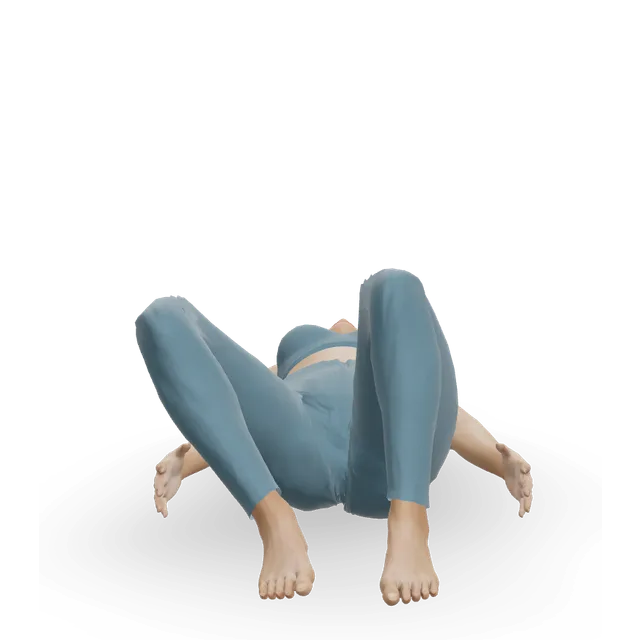
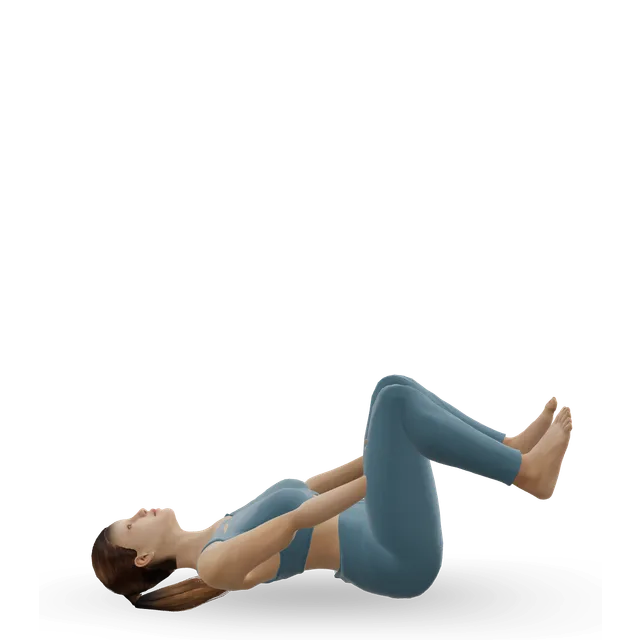
Slow pelvic tilts (arching and flattening your back), heel slides, knee drops, gentle twists, knees to chest, cat-cow and child's pose, then mountain and tree pose and a rest. Our 20-minute class puts them in order.
Is somatic yoga safe for beginners?
For most people, yes: it's slow, low in intensity and you choose how far to go, and yoga is about as safe as other exercise in trials. If slow breathing makes you dizzy or tingly, breathe more lightly, and skip any position that doesn't feel right.
What if emotions come up during somatic yoga?
That can happen in quiet, body-focused practice, and it doesn't mean anything is being released. Stop, open your eyes, sit with your feet on the floor and breathe slowly. If you need help now, call 111 and select the mental health option, call Samaritans free on 116 123, or call 999 if a life is at risk; in the US, call or text 988.
Somatic yoga or somatic Pilates?
They're close: both are slow, sensation-led versions of their method, and neither has been compared with the other. Choose the one you enjoy; our somatic Pilates guide has the Pilates version.