Yoga flows
Slow somatic yoga: a 20-minute floor-first class with pauses, a standing finish and eyes-open rest, every move optional
A slow 20-minute yoga class done with close attention to how each movement feels. You start lying down or sitting with slow breathing, move through small, slow floor movements with a pause after each one, come onto all fours or sit, stand for mountain and tree pose, and finish with a short rest and a minute of breathing sitting up. Every move is optional, your eyes can stay open throughout, and there are no breath holds. Go at about half your usual speed and stop at the first sign of strain or distress. The order follows the somatic yoga programmes in two small studies, cut to 20 minutes; the class itself hasn't been tested.
Arrive (about 2 minutes)
- Beginner · 3D demoLying on your back with your knees bent, or sitting. In for about 4, out for about 6, no holds; eyes open is fineEasier: Breath reachHarder: Crocodile breathing (prone diaphragmatic breathing)

Slow floor movement (about 9 minutes)
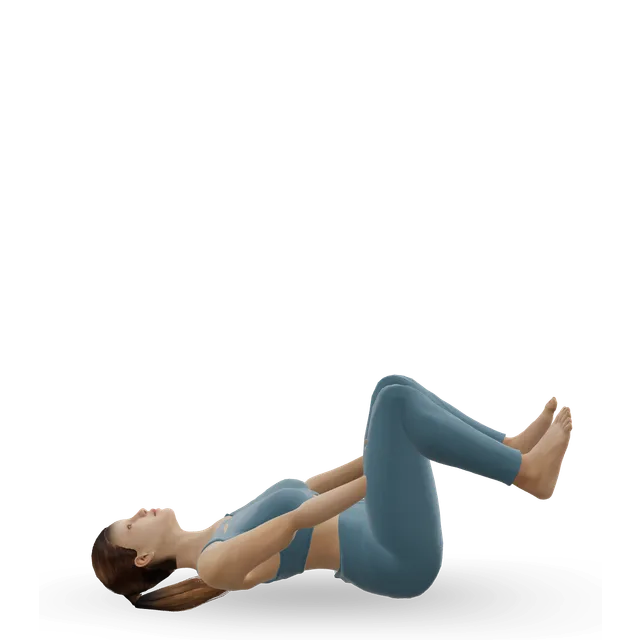
- Pelvic tilt into bridge6 slow repsBeginner · Glutes, Abs, Hamstrings · 3D demoFlatten your low back, let it arch, then peel into a small bridge. Pause after each one and notice what movedHarder: Glute bridge
- Supine heel slide5 slow each sideBeginner · Hip flexors, Hamstrings, Quads · 3D demoSlide one heel away along the floor and back while your pelvis stays stillHarder: Hip windshield wipers
- Bent-knee fall-out5 each sideBeginner · Abs, Adductors, Hip abductors · 3D demoLet one knee fall slowly out to the side and bring it back without the pelvis rockingEasier: Supine heel slideHarder: Dead bug heel taps
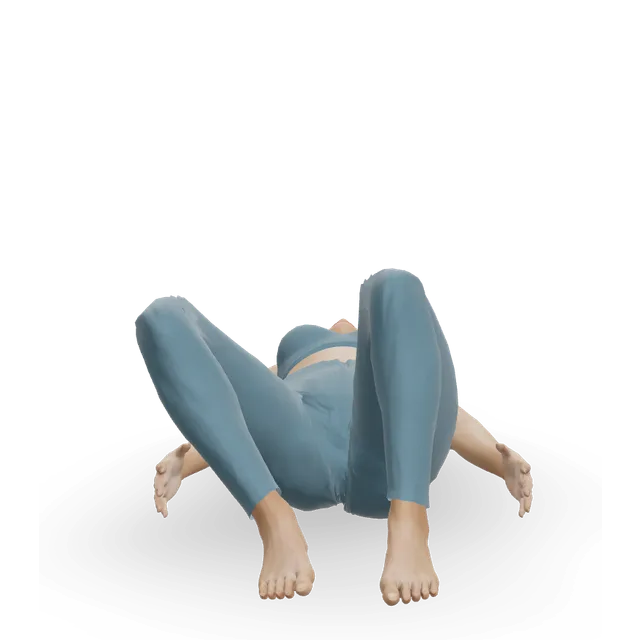
- Hip windshield wipers10 slow passesBeginner · Glutes, Adductors · 3D demoFeet wider than your hips; let both knees sway to one side, then the otherEasier: Supine heel slideHarder: 90/90 switch
- Beginner · Back, Glutes · 3D demoSmall, slow knee circles each way. With osteoporosis, hug one knee at a time and keep it gentleEasier: Single knee-to-chest stretchHarder: Overhead lat stretch at a bench (elbows on the bench)
- Supine spinal twist (Supta Matsyendrasana)45 s each sideBeginner · Back, Glutes · 3D demoA cushion under the top knee keeps the twist smallHarder: Seated twist, bottom leg straight
- Side-lying open book5 each sideBeginner · Back, Chest, Shoulders · 3D demoHead on a cushion; open your top arm only as far as is easyHarder: Thoracic rotation





All fours or sitting (about 3 minutes)
- Cat-cow6 slow wavesBeginner · Back, Abs · 3D demoStart each wave from your tailbone. Sitting with your hands on your knees if all fours doesn't feel rightHarder: Half lord of the fishes (Ardha Matsyendrasana)
- Beginner · Back, Shoulders, Glutes · 3D demoKnees wide, forehead on your hands or a cushion; pad your knees, or skip it with a knee problemHarder: Extended puppy pose (Uttana Shishosana)


Standing (about 2 minutes)
- Mountain pose (Tadasana)5 slow breathsBeginner · Calves, Back, Abs · 3D demoStand up slowly. Notice your feet on the floor, with a hand on a chair if you likeHarder: Tree pose (Vrksasana)
- Tree pose (Vrksasana)3 breaths each sideBeginner · Glutes, Hip abductors, Calves · 3D demoA hand on a wall or chair; keeping your toes on the floor is fineEasier: Mountain pose (Tadasana)Harder: Standing hand-to-big-toe pose (Utthita Hasta Padangusthasana)


Rest (about 4 minutes)
- Corpse pose (Savasana)2 to 3 minBeginner · 3D demoOn your back, on your side or sitting in a chair; eyes open is fine
- Beginner · 3D demoSitting up. Look around the room and name a few things you can see before you get upEasier: Breath reachHarder: Crocodile breathing (prone diaphragmatic breathing)

Tips
- Quiet, body-focused practice can bring up strong feelings. That doesn't mean anything is being released. Stop, open your eyes, sit up with your feet on the floor, look around and breathe slowly, and skip that position next time. Our guide to exercise and PTSD has more on making exercise feel safe.
- If slow breathing makes you dizzy, light-headed or tingly, make the breaths smaller or go back to breathing normally.
- Try it 2 or 3 times a week (our suggestion), alongside activity that raises your heart rate. It's a gentle class, not a treatment for stress, anxiety or trauma: our somatic yoga guide explains what the studies show and where to get help.
- In pregnancy after the first trimester, or if lying flat makes you dizzy, do the floor moves propped up on pillows or on your side.
The doses are suggested starting points, not a prescription. Choose a range you can control and stop for sharp or increasing pain, numbness or tingling. Get individual advice after an injury or surgery, or if you are pregnant or managing a health condition.
Guides that recommend it
Find more moves like these
More yoga flows

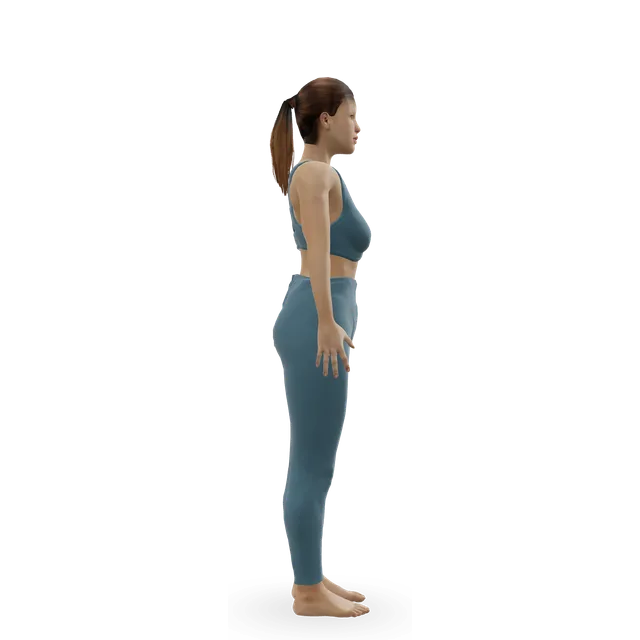
Beginner yoga flow
A 20-minute beginner yoga sequence: mountain, chair, warrior II, triangle, tree, down dog, cobra and child's pose.
20 minBeginner11 movesStep
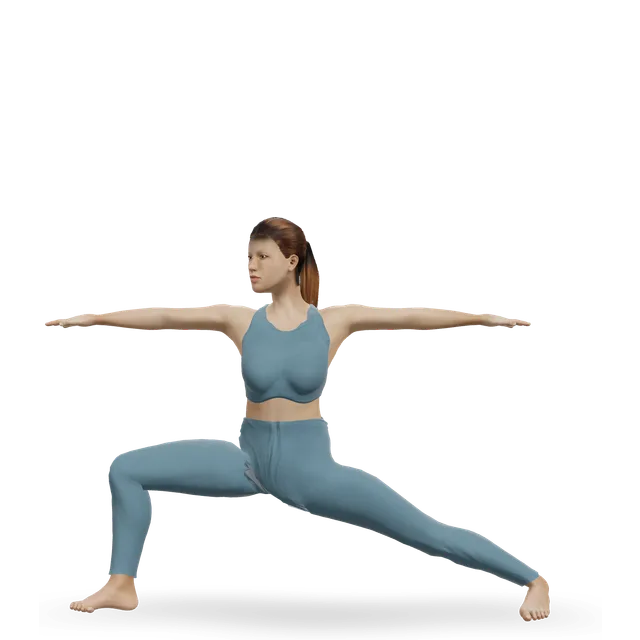
Sun salutation flow
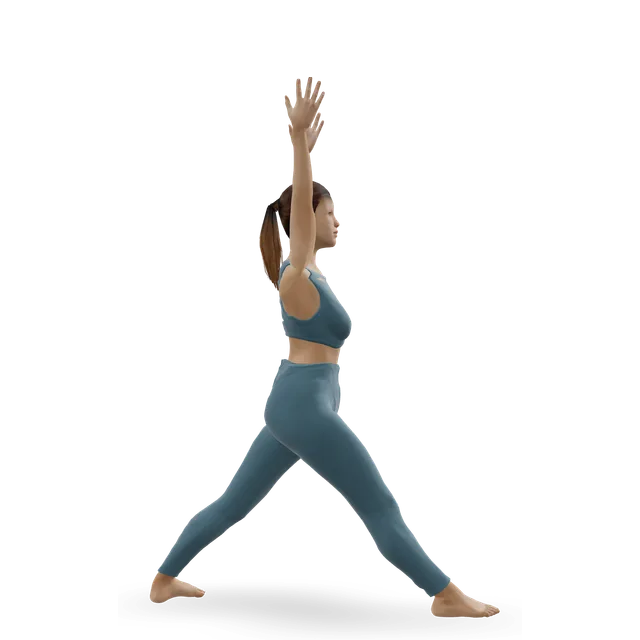
A 20-minute flow built on sun salutations A and B, with warrior poses and a short cool-down.
20 minIntermediate8 movesNo equipment


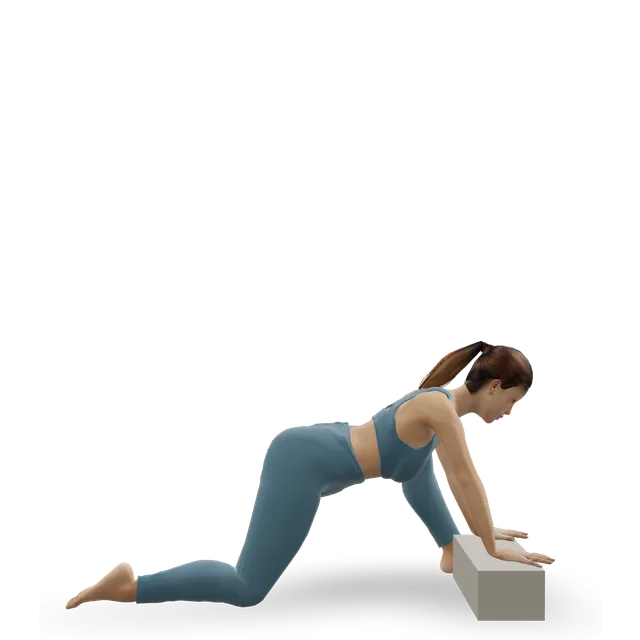
Yoga for tight hips
A hip-opening yoga sequence: low lunge, lizard, goddess, pigeon, bound angle and happy baby.
25 minBeginner10 movesWallQuestions people ask
How long does the slow somatic yoga: a 20-minute floor-first class with pauses, a standing finish and eyes-open rest, every move optional take?
About 20 minutes, including any warm-up and cool-down listed. Shorten it by doing fewer rounds; lengthen it by adding one.
What equipment do I need?
No equipment: your body and some floor space. A mat makes floor work more comfortable.
Is it suitable for beginners?
It is written for beginners. 5 of its 13 moves have an easier option listed beside them if you need one.
How do I make it easier or harder?
Use the easier or harder option listed under each move, change the number of rounds, or adjust the rest. Progress one change at a time.