A gentle self-treatment with soft tools
MELT uses a soft foam roller and small soft balls for the hands and feet, in a sequence called the 4Rs: Reconnect, Rebalance, Rehydrate and Release. It recommends at least three 10-minute sessions a week.
Fascia guide
The MELT method is a self-treatment created by Sue Hitzmann: a soft foam roller and small soft balls for the hands and feet, used in a gentle sequence MELT calls the 4Rs. MELT says it is clinically proven to reduce chronic pain and that it rehydrates your fascia.
The honest headline: the one MELT study we found had 22 people and no comparison group, softness makes little difference to what rolling does, and the "rehydration" idea comes from animal tissue in a dish. MELT is a comfortable way to roll, and you can expect what gentle rolling gives: a short window of easier movement and less soreness.
This guide explains what MELT is and who made it, what the evidence shows for MELT itself, for soft against firm rollers and for rolling the feet and hands, what really happens to the water in your tissues, a gentle soft-ball and roller routine with 3D demos, and who should take care.
MELT uses a soft foam roller and small soft balls for the hands and feet, in a sequence called the 4Rs: Reconnect, Rebalance, Rehydrate and Release. It recommends at least three 10-minute sessions a week.
In 22 people with chronic low back pain, pain fell and flexibility rose after MELT, and lower back connective tissue looked thinner on ultrasound. With no comparison group, the study can't separate MELT from time or expectation, and we found no randomised trial.
Source 3
Soft, medium and hard rollers gave similar short-term gains in knee range and pain thresholds in 36 adults, and roller hardness didn't change recovery after hard exercise in 60 men.
In 30 older adults with neck pain, a soft inflatable ball pressed the tissue under the skull more deeply than a hard ball, with almost no pain (0.2 against 5.2 out of 10). Comfort is a good reason to choose soft.
Source 6
The idea comes from fascia removed from mice and pigs, which soaked up extra water after a stretch and a rest. In two small studies of people, tissue water measured on a crude scale fell slightly after rolling or scraping, rather than rising. Nobody has measured water in living human fascia.
Rolling the sole improved hamstring flexibility for a while in a trial of 94 adults, but so did rolling other parts of the back of the body, including the scalp. Over weeks, our massage balls guide found no change elsewhere beyond tolerating more stretch.
Source 10
The MELT Soft Foam Roller is 36 by 5 inches, with what the company calls "Proprietary medium-soft compression". The hand and foot kit is a set of small soft balls. MELT's website describes the method as "Not foam rolling. Not stretching. Not exercise."
The MELT website describes its creator, Sue Hitzmann, as a former fitness presenter who developed chronic foot pain, and as "a New York Times bestselling author, internationally recognized educator, manual therapist, and exercise physiologist". It says she combined ideas from neuromuscular therapy, craniosacral therapy, Anatomy Trains and structural integration.
Source 1
Reconnect is an assessment at the start and end of each session. Rebalance aims to return what MELT calls the NeuroCore to balance and to de-stress the body's "Autopilot". Rehydrate aims at "rejuvenating the fascial system and fluid flow throughout the body", and Release at "joint compression that contributes to chronic pain". MELT recommends "a minimum of three, 10 minute sessions a week".
Source 1
"Clinically proven to reduce chronic pain"; its techniques "increase fluid flow through the hands and feet to the whole body's connective tissue (fascia)"; "dehydrated fascia" from everyday, repeated movement, which it calls "Stuck Stress", leads to "back pain, joint pain, tension, headaches, and all kinds of instability"; and the roller "Rehydrates fascia throughout the body".
A soft roller or ball presses skin, fat, fascia and muscle and stimulates sensors in them. A rigid roller pressed harder over a smaller area than a foam one (52 against 33 kPa), but rollers of any hardness gave a short window of more range and higher pain thresholds, and less soreness after hard exercise. Dense fascia needs far more force than your body weight on a roller to change shape, as our foam rolling guide explains.
In a before-and-after study of 22 people with chronic low back pain, the connective tissue over the lower back looked thinner on ultrasound after MELT, pain fell and forward bending improved; the summary gives no figures. With no comparison group, the change can't be put down to MELT rather than time, attention or expectation. We found no randomised trial of MELT.
Source 3
In 36 active adults, 2 minutes on a soft, medium or hard roller gave similar gains in knee range and pain threshold, with no differences between rollers (pain threshold rose by 175, 180 and 151 kPa). In 60 men after hard squats, smooth soft, grooved and serrated hard rollers all eased soreness more than rest by 72 hours, and the authors found texture and hardness didn't matter with 120 seconds of rolling.
In a crossover study of 30 older adults with neck pain, a soft inflatable ball compressed the tissue under the skull more than a hard massage ball, with less neck muscle activity and almost no pain (0.2 against 5.2 out of 10). Pain ratings on a soft roller were less repeatable than on firmer ones in 25 adults, and a moderate ball gave slightly bigger immediate gains than a hard one in 40 adults.
In 94 adults, 10 minutes of rolling on any one of 5 parts of the back of the body, from the sole to the scalp, improved hamstring flexibility and ankle bend against no rolling, and half the gain came in the first 2 minutes. That the scalp worked too suggests a general effect on stretch tolerance (our reading). Our massage balls guide reports no lasting change elsewhere after 7 weeks of rolling and stretching the soles.
Source 10
We found no trial of rolling balls on the palms, as our hands guide also says.
No trial has compared MELT with foam rolling or with no treatment, and none has tested its hand and foot sequence on its own. We read most studies' summaries (abstracts), not their full texts.
In fascia removed from mice and pigs, a 15-minute stretch squeezed water out, and during 30 minutes of rest the tissue soaked up more water than it started with, while getting temporarily stiffer. That was laboratory tissue, outside the body.
Source 7
Two small studies used bioimpedance, a weak electric current through the tissue and a crude measure of its water. In 14 women, calf rolling changed the reading straight afterwards in a way the authors read as less fluid, and ankle range was back to normal 10 minutes later. In 21 adults, scraping the lower back raised the reading from 58.3 to 60.4 ohms, which the authors read as less water. Both point to slightly less, not more, water straight after rolling or scraping, on the authors' reading.
Nobody has measured water in living human fascia, and there are no recognised symptoms or tests for "dehydrated fascia", as our fascia hydration guide explains. We found no study linking "Stuck Stress" to back pain, joint pain or headaches.
The 1 to 2 minutes per foot is the move page's dose, which it calls our editorial starting point. This isn't MELT's own sequence: it is a gentle soft-ball roll, and any soft ball works the same way as far as trials show. Don't stand on the ball with your full weight, and with numb feet or diabetes, press gently and check your skin afterwards.
Loading the 3D figure…
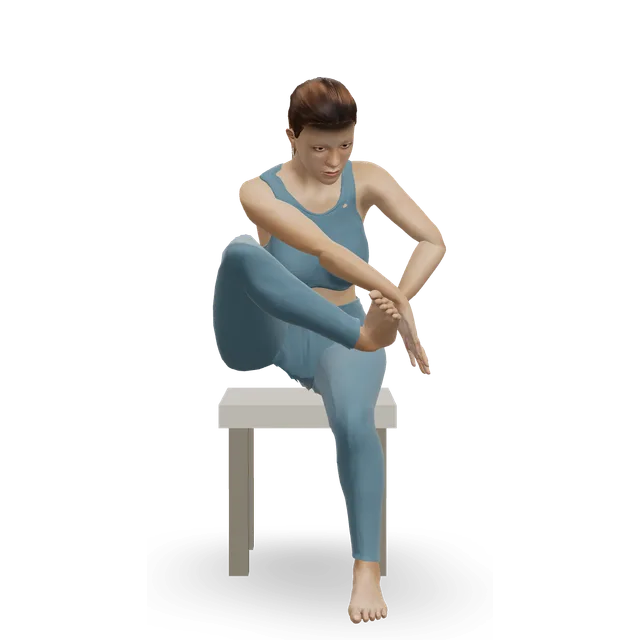
The movement on the figure: Foot roll (ball or roller)
Each dose names its source or is our editorial starting point. Doses are starting points, not prescriptions.
1 to 2 minutes per foot with a soft ball: the move page's dose, which it calls our editorial starting point.
Slow thumb circles on the palm, or a soft ball under the palm, for about a minute, as our hands guide describes. We found no trial of rolling the palm, so this is for comfort.
45 to 60 seconds per side: the move page's dose, which it calls an editorial starting point, as there are no trials of forearm rolling.
Lying back over the roller, 5 to 8 slow breaths at each of 3 or 4 spots along the upper back: the move page's editorial dose. Rolling the upper back or calves: about 90 seconds for each muscle, for example 2 or 3 slow rounds of 30 to 45 seconds, the rolling move pages' dose, from a review of rolling studies.
Keep it comfortable. A soft ball pressed deeply with almost no pain, and our thighs guide reports that rolling at 4, 6 or 8 out of 10 for discomfort gave the same gain in range.
Source 6
MELT advises at least three 10-minute sessions a week; that is its own advice, not a trial dose. Our suggestion: roll when it feels good, before movement or at the end of the day, and pair it with strength work and movement, which is what changes tissue over weeks.
Source 1
MELT's tools are a soft roller and soft balls, and in trials softness made little difference to what rolling does: a short window of more range, higher pain thresholds and less soreness, through the nervous system. Our foam rolling verdict covers that evidence.
MELT adds an assessment, breathing, gentle positions and a set sequence. None of these has been tested on its own, so we can't say whether they add anything to plain gentle rolling.
Source 1
If firm rollers feel too much, a soft roller or ball is a reasonable choice and is more comfortable. You don't need a branded roller: no study shows one brand's density works better than another's.
Use a soft ball or roller, a comfortable pressure, and 1 to 2 minutes per area.
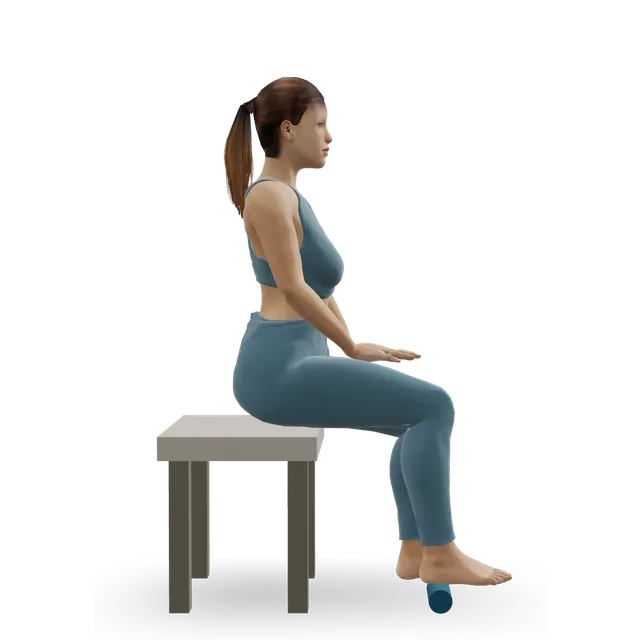 3D demoFoot roll (ball or roller)Beginner · A massage ball
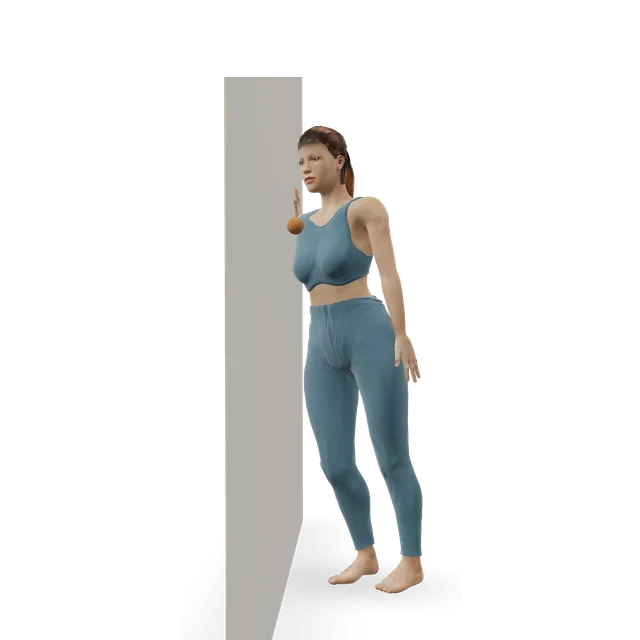
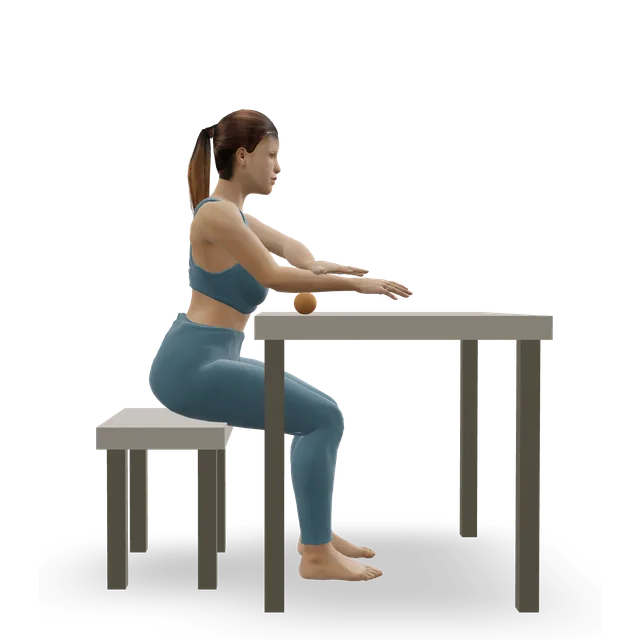 3D demoForearm ball rollBeginner · A massage ball
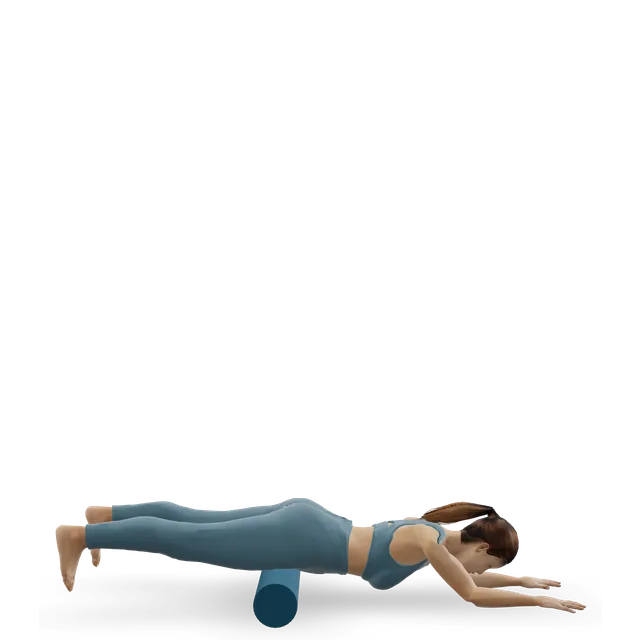
 3D demoFoam roller thoracic extensionBeginner · A foam roller
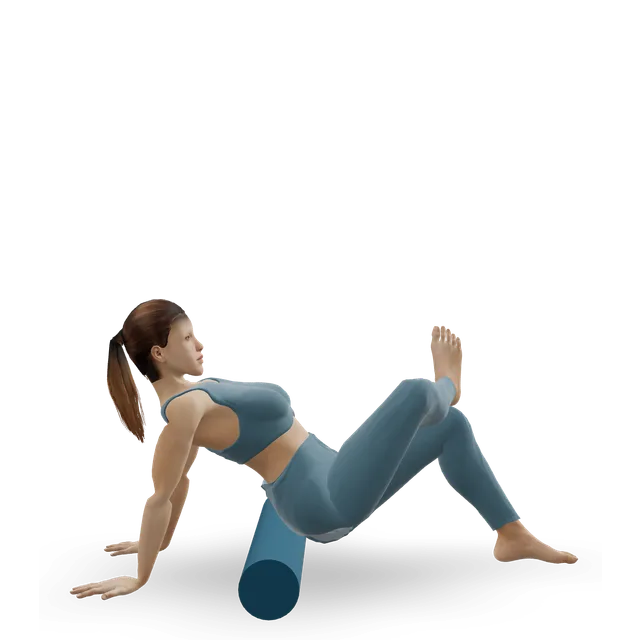
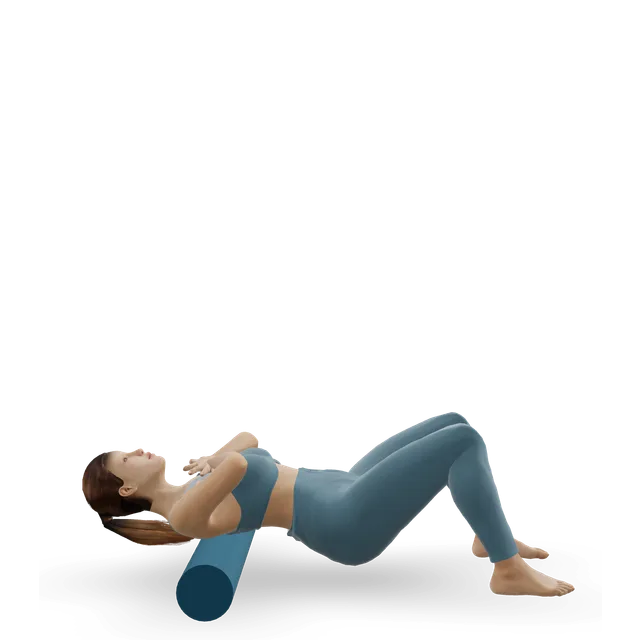 3D demoUpper back foam rollingIntermediate · A foam roller
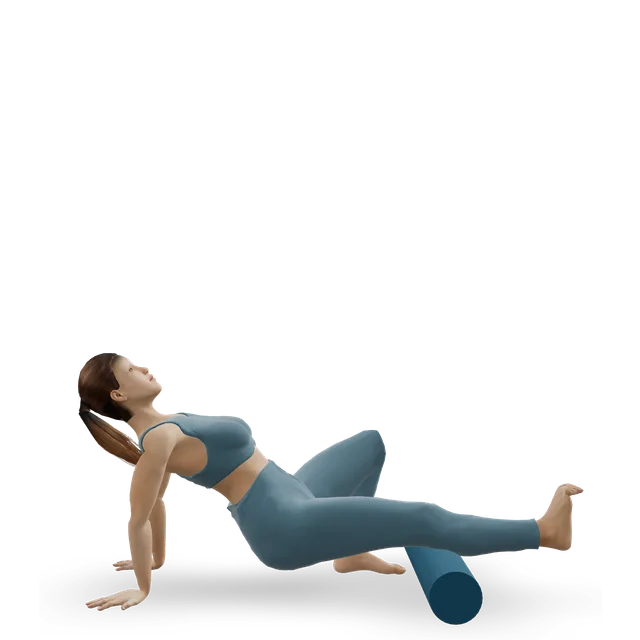 3D demoCalf foam rollingIntermediate · A foam roller
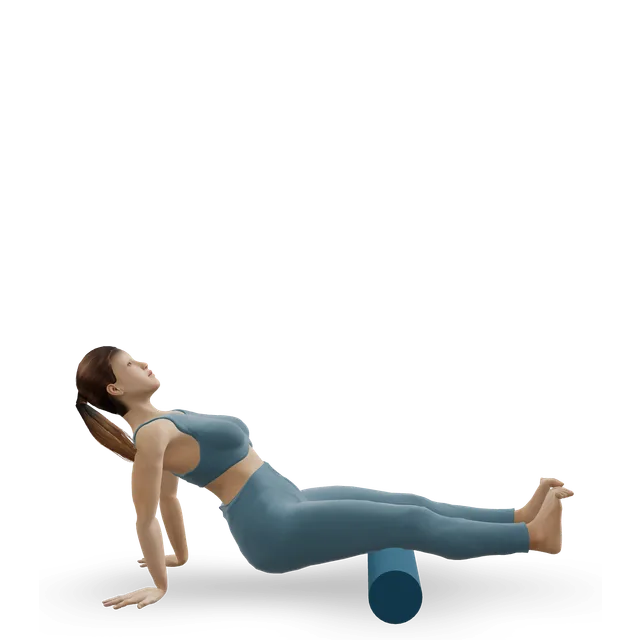 3D demoHamstring foam rollingBeginner · A foam roller
A few slow movements after rolling use the looser feeling while it lasts.
Use a soft ball or roller with any of these; the seated release routine suits people who'd rather not get down on the floor.
A 15-minute massage ball routine for desk-tired feet, forearms and chest: slow pressure on each, then the stretch that goes with it. No floor needed.
15 minBeginner8 movesA massage ball, A bench or boxGentle release for older adults, sitting and standing: a soft ball for the feet, forearms and chest, upper back turns, then strength and balance at a counter.
16 minBeginner12 movesA bench or box, A massage ballA 10-minute foam roller routine for calves, thighs, glutes and upper back: about a minute per area, moderate pressure, slow rolls.
10 minBeginner6 movesA foam rollerPlantar fascia and calf stretches, a gentle foot roll and the towel heel raise: the exercises the 2023 heel pain guideline supports.
8 minBeginner7 movesA bench or box, A massage ballAbout 10 minutes of foam rolling for the hamstrings, glutes and upper back, then a 15-minute Pilates mat flow through every direction.
28 minBeginner14 movesA foam rollerThe experts didn't agree on these, which isn't the same as their being safe:
With osteoporosis, ask before rolling the upper back or ribs: the NHS notes that a cough or sneeze can sometimes break a rib. UK experts advise avoiding positions that round the spine a lot.
Source 16
Our suggestion is to roll around varicose veins, not on them: the NHS advises trying not to injure your legs, to help prevent bleeding. For a fresh sprain or strain, the NHS advises avoiding massage for the first couple of days.
In later pregnancy, the NHS advises avoiding any activity that involves lying flat on your back for more than a few minutes. Clots are more likely in pregnancy and for 6 weeks after giving birth, so never roll a swollen or painful calf, and don't press on your bump. Gentle rolling of the legs and upper back in other positions hasn't been tested.
Source 17
Skip massage balls, guns and scraping tools on thin, fragile skin, for example after long-term steroid tablets (our suggestion).
After surgery, don't roll or press on the wound or the new scar until your surgical team says it has healed (our suggestion, in line with the expert consensus that open wounds are a reason not to roll). Our scar tissue guide covers when to start scar massage.
Don't stand on the ball with your full weight, and with numb feet or diabetes, press gently and check your skin afterwards.
Throbbing pain in one leg (rarely both), usually the calf or thigh; swelling in one leg (rarely both); red, blue or darkened skin around the painful area, which may be harder to see on brown or black skin; or swollen veins. This can be a deep vein thrombosis (DVT). It is more likely after surgery, a hospital stay, 3 or more days in bed, a journey of over 4 hours, pregnancy or a recent birth, cancer, a previous clot, or contraception or hormone replacement therapy (HRT) containing oestrogen.
Source 17
Numbness, tingling or weakness that lasts after rolling: stop rolling that area and see a GP. That's our advice, based on single case reports of nerve injury after ball pressure.
Severe or repeated bleeding or bruising while you take blood thinners: call 111 or go to A&E.
The water rebound was seen in fascia removed from mice and pigs. In two small studies of people (14 and 21), a crude measure read as slightly less tissue water straight after rolling or scraping, and nobody has measured water in living human fascia.
This is MELT's own description. We found no study behind it, and there is no recognised test for "dehydrated fascia".
Source 1
The one study we found had 22 people and no comparison group, and we found no randomised trial.
Short-term effects were similar across densities. Soft tools are more comfortable, which is a fine reason to choose one.
Rolling the soles loosens the hamstrings for a while, but so did rolling the scalp in the same trial, which points to a general effect on stretch tolerance (our reading). Over weeks, nothing changed elsewhere in our massage balls guide's trials.
Source 10
MELT adds breathing, positions and a sequence, but its tools are soft rollers and balls, and the evidence that applies to them is the evidence for rolling: short-term range and less soreness, through the nervous system.
A self-treatment created by Sue Hitzmann, using a soft foam roller and small soft balls for the hands and feet, in a sequence MELT calls the 4Rs: Reconnect, Rebalance, Rehydrate and Release. It recommends at least three 10-minute sessions a week.
One study of 22 people with chronic low back pain found less pain and more flexibility after MELT, but it had no comparison group, and we found no randomised trial. Gentle rolling of any kind gives a short window of easier movement and less soreness.
No trial has compared them. Soft, medium and hard rollers gave similar short-term results, and softer tools are more comfortable. Choose whichever you'll keep using.
Its roller is a soft foam roller, and studies found roller density made little difference to the short-term effect. Any soft roller or soft ball does the same job as far as trials show.
We found no evidence that it does. The water rebound the idea draws on was seen in animal fascia removed from the body, and in two small studies of people a crude measure read as slightly less tissue water after rolling or scraping. Nobody has measured water in living human fascia.
Gentle work with small soft balls on the soles and palms. Rolling the soles loosens the hamstrings for a while; we found no trial of rolling the palms. Our feet and hands guides have simple versions.
We found no trial of MELT for heel pain. Rolling the sole is fine for comfort, and stretching the sole and calf has stronger evidence; our plantar fasciitis guide covers what helps.
The one MELT study was in back pain and had no control group. Exercise and staying active are the core of back pain care, and gentle rolling can be a comfortable extra.
MELT suggests at least three 10-minute sessions a week; that's its own advice, not a trial result. Roll when it feels good, and keep moving and strengthening on other days.
It's gentle, which suits people who find foam rollers too firm. Take the usual care with blood thinners, osteoporosis, numb feet, varicose veins and pregnancy, and never roll a swollen, painful calf.
Movement education, not medical advice. Stop for sharp or increasing pain, numbness or tingling, and get individual advice if you are pregnant, after an injury or surgery, or managing a health condition. Health disclaimer.