Training guide

How to use ankle weights: the exercises, how heavy, walking in them and your joints, and who should change them

Ankle weights turn leg lifts into strength exercises: straightening your knee, curling your heel back, lifting your leg out to the side or behind you. That is what they're good for. They're the load in the Otago home exercise programme, which cut falls in older adults by about a third, and in home knee programmes that eased arthritis pain.

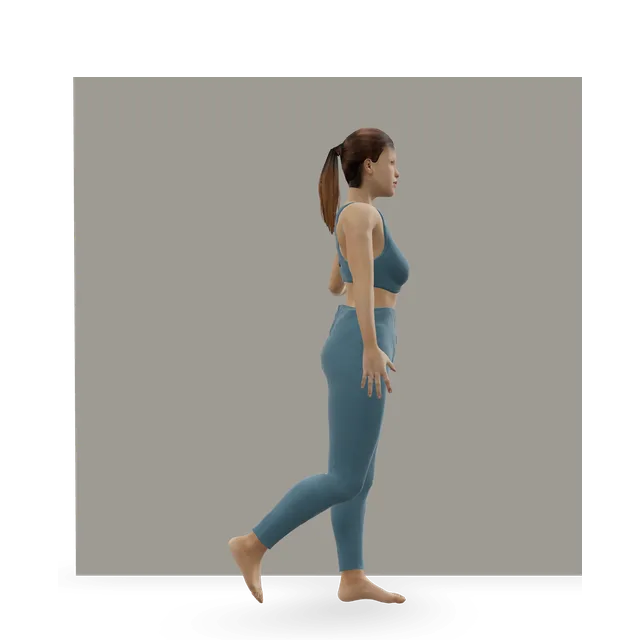
Walking or running in them is a different story: it adds only a little effort and changes how your legs swing. This guide covers the moves to use them for, how heavy to start (the lightest you have), how to build up, why we don't suggest walking in them, who should change them, and a follow-along leg workout.

The short version

Weights for leg lifts

Cuff weights strapped round your ankles turn leg lifts into strength exercises: straightening the knee, curling the heel back, lifting the leg out to the side or behind. Knee programmes and falls-prevention programmes have used them for decades.

Sources 1, 2

The best evidence is in falls prevention

The Otago home programme, leg strengthening with ankle cuff weights plus balance work and walking, cut falls and fall injuries by 35% across 4 trials of 1,016 people aged 65 to 97. The weights are one part of it: in a review of 108 trials, balance and functional exercise was the most reliable kind.

Sources 3, 4, 5, 6

And for sore knees

Home thigh-strengthening with ankle cuff weights eased knee arthritis pain and improved function about as much as weight-bearing exercise in a trial of 128 people.

Sources 7, 8

Start with none, then light

Learn each move with no weight until 10 slow reps are easy, then add the lightest cuff you have, about 0.5 to 1 kg, and about 0.5 kg at a time after that. Most people never need more than about 4.5 kg (10 lb).

Sources 8, 1

Slow, 2 to 3 sets of 10

Lift for a count of 3 and lower for a count of 5, as the Otago booklet teaches, 2 or 3 times a week, stopping with 2 or 3 reps to spare.

Sources 2, 1

Don't walk or run in them

Walking in ankle weights adds only about 4 to 9% to the effort and changes how your legs swing, and the only trial of walking in them didn't improve chair rising or walking speed. Take them off for balance work and to walk about.

Sources 9, 10, 11, 12

What ankle weights are, and what they suit

The kit

Padded cuffs with a hook-and-loop strap, holding sand, iron filings or removable bars, usually from about 0.5 kg to 5 kg each. Adjustable ones let you add weight in small steps: one knee trial used cuffs from 0.65 to 10 kg in 0.5 kg steps.

Source 8

What they load

A weight at the ankle sits at the end of a long lever, so even 1 kg makes a straight-leg lift much harder for your hip and thigh muscles (our reading of the physics). That suits moves where your foot leaves the floor: straightening the knee (quadriceps), curling the heel back (hamstrings), lifting the leg out to the side (gluteus medius) or behind you (gluteus maximus), and the straight-leg raise (quadriceps and hip flexors).

What they don't suit

Squats, lunges and step-ups, where your feet stay on the floor, get almost nothing from an ankle weight. A weighted vest or dumbbells load those instead (our reading).

Before you start

You should be able to do 10 slow, controlled reps of each move with no weight, with your trunk still and, in side-lying lifts, your waist not hitching, as our side-lying leg raise guide says.

How people differ

Longer legs make the same weight harder at the hip (our reading). In women with weak side hips, heavier weights mostly made the hip hitch (see below). Older adults in falls programmes used light cuffs and progressed slowly.

Sources 13, 2

Using ankle weights, step by step

The figure shows the seated knee extension without the cuff. The 3-up, 5-down count and taking the weights off for balance work are the Otago booklet's; the strap fit is our suggestion.

  1. Sit on a firm chair to put the weights on.
  2. Strap each cuff just above the ankle bone, snug enough not to slide and loose enough to slip a finger under.
  3. For standing moves, stand side-on to a counter or wall and hold it.
  4. Lift slowly for a count of 3, without swinging, and lower for a count of 5.
  5. Keep your trunk and hips still: if you have to lean, hitch or swing, the weight is too heavy.
  6. Finish all the reps on one leg, then do the other.
  7. Sit down and take the weights off before balance exercises or walking about.

Loading the 3D figure…

Gets into position, then repeats the movement. Technical checks passed; qualified exercise review is pending.

The movement on the figure: Seated knee extension (chair)

How heavy, and how to build up

No trial has compared starting weights. These steps are our editorial starting point, built from the programmes below.

No weight first

10 slow, controlled reps of each move: in the bent-knee half for a sore kneecap, and with your waist still for side lifts, as our move pages and guides say.

Your first weight

The lightest cuff you have, about 0.5 to 1 kg, as our knee surgery guides suggest; our seniors plan adds a light ankle weight once 10 slow knee extensions or side leg lifts feel easy. A knee arthritis trial started at a weight people could lift about 10 times, at an effort of 5 to 8 out of 10.

Source 8

Add reps, then weight

Add reps up to the top of the range, then about 0.5 kg. The knee trial told people to "increase the weights (0.5 kg at a time)" when the exercise felt easier: the same double progression our plans use.

Source 8

How heavy at most

The American Academy of Orthopaedic Surgeons (AAOS) knee programme starts at 5 lb (about 2 kg) and builds "up to a 10 lb. weight" (about 4.5 kg). For side-lying lifts, our side-lying leg raise guide's ceiling is about 3 to 5% of your body weight. Beyond that, a cable or machine is easier on the strap and your ankle (our suggestion).

Source 1

Sets, reps and how often

2 to 3 sets of 10, slowly, stopping with 2 or 3 reps to spare: the AAOS programme uses 3 sets of 10, and the Otago booklet up to 10 reps. Do them 2 or 3 times a week as part of your strength training, or 3 times a week in a falls programme. The AAOS programme's 4 to 5 days a week is a rehabilitation dose.

Sources 1, 2

Doses for each move

Starting points, not prescriptions. Put the weight on only once the move is easy without it.

  • Seated knee extension: the move page's dose, "3 sets of 10 to 15 each leg, 2 to 3 days a week."
  • Standing hamstring curl: the move page's dose, "3 sets of 10, 4 to 5 days a week, holding 5 seconds at the top; add a 5 lb (about 2 kg) ankle weight and build to 10 lb (about 4.5 kg) (the AAOS knee conditioning programme)."
  • Wall side leg lift: the move page's dose, "10 to 12 each side." Our seniors workout adds an ankle weight later.
  • Straight-leg raise: 10 each side, as in our low-impact leg workout; the AAOS programme uses 3 sets of 10 with an ankle weight.
  • Side-lying leg raise: 10 to 12 each side, as in our beginner home workout; add the weight only once 3 sets of 15 are easy and your waist stays still.
  • Glute kickback: 12 each side, as in our glute workout at home; add the weight once sets feel easy, as our glute kickback guide says.
  • Quad set: no weight. It's the step before the straight-leg raise.

Source 1

Moves with ankle weights

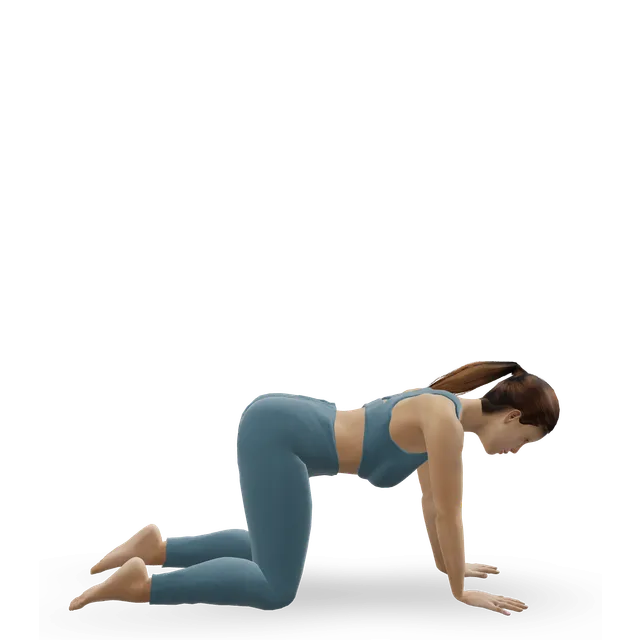
The figures don't show the cuff. Do each move with no weight first, slowly, holding a support for the standing ones; the quad set stays unweighted, as the step before the straight-leg raise.

Moves with the weights off

Take the weights off for these: calf raises (10 to 20, holding a counter), single-leg stands (3 holds of 5 to 10 seconds each leg, building to 30 seconds) and marching on the spot (1 to 2 minutes as a warm-up), as in our seniors workout.

What the evidence says: falls, knees and hips

Falls: about a third fewer with the Otago programmeStrong evidence

The Otago home programme is leg strengthening with ankle cuff weights, balance exercises and walking, 3 times a week. In its first trial, 233 women aged 80 and over had 0.87 falls a year against 1.34. In 240 people aged 75 and over, falls fell by 46%. Pooled across 4 trials of 1,016 people aged 65 to 97, falls and fall injuries both fell by 35%, with the most benefit in people aged 80 and over. Across 7 trials of 1,503 people, falls fell by 32% and deaths by 55%, though only about a third were still exercising 3 times a week after a year.

Sources 5, 14, 3, 4

After a fallStrong evidence

In 345 people aged 70 and over who had fallen, 12 months of Otago exercise cut further falls by 36% (236 falls against 366).

Source 15

Exercise prevents falls, and the weights are one partStrong evidence

In a Cochrane review of 108 trials with 23,407 people, exercise cut the rate of falls by 23% (high certainty). Balance and functional exercise was the most reliable kind, and the effect of strength training on its own was uncertain. Harms were few, mostly to muscles and joints.

Source 6

How the Otago programme progressesStrong evidence

It gets harder by "adding more weight to the ankles, increasing the number of repetitions or reducing support". The beginners' booklet uses ankle weights for its knee and side hip strengtheners, up to 10 slow reps, and takes them off for the balance moves.

Sources 13, 2

The AAOS knee programmeStrong evidence

The American Academy of Orthopaedic Surgeons' knee conditioning programme uses ankle weights for straight-leg raises, hamstring curls and leg extensions (3 sets of 10, 4 to 5 days a week) and side-lying hip lifts (3 sets of 20), starting at 5 lb and building to 10 lb, and says "You should not feel pain during an exercise".

Source 1

Knee arthritis: as good as weight-bearing exerciseStrong evidence

In 128 people with knee arthritis and obesity, 12 weeks of home thigh-strengthening with ankle cuff weights, 4 times a week, eased pain and improved function as much as weight-bearing exercise. Minor aches and pains were more common with the cuff weights (39% against 23%). The dose was halved if pain or swelling lasted more than a day.

Sources 7, 8

Knee pain: a home programme without a control groupEmerging evidence

In 54 adults with knee pain, 12 weeks of home thigh-strengthening with cuff weights went with less pain and better function, though use fell from about 90% to 65% of sessions. With no control group, some of the change may have happened anyway.

Source 16

After a hip fractureEmerging evidence

In 90 people in hospital after a hip fracture, knee straightening with ankle cuffs (3 sets of 10, the load rising from 3.6 to 6.2 kg) improved strength by 10.5% in those who kept to it, but not across everyone in the trial, with no harms from the exercise.

Source 17

Weak side hips: heavier isn't better

Our side-lying leg raise guide's reading: In 24 women with weak side hips, ankle weights of 3% and 5% of body weight mostly raised the side waist muscle (from 49% to 82% and 92% of its maximum), so the hip hitched more and the gluteus medius did less of the work. Studies that used weights chose 3 to 5% of body weight.

Sore kneecaps: the bent-knee half

Our knee pain on the leg extension guide notes that in the bent range, a cuff weight (constant resistance) loads the kneecap more than a machine: "Constant resistance gave higher kneecap stress from 60 to 90 degrees than a cam machine." The seated knee extension's page says: "Pause briefly near straight. With pain around the kneecap, stop at about halfway (the knee still bent about 45°) for the first weeks."

Walking or running in ankle weights

A little more effortEmerging evidence

With 1.36 kg (3 lb) ankle weights, oxygen use walking uphill rose from 26.6 to 29.0 ml/kg/min (millilitres per kilogram of body weight a minute) in 12 young men, about 9% more; hand and wrist weights cost more. About 2 kg on each shin raised the cost of level walking by 4.2% in 14 adults.

Sources 10, 9

Running: less than the adverts claimedEmerging evidence

Each kilogram on the foot raised the cost of running by 11 to 16%, but hand or ankle weights raised it by only 5 to 8% in all, and the authors of that study concluded that "commercial claims of marked increases in energy expenditure during running with hand/ankle weights are exaggerated".

Sources 18, 19

It changes how your legs swingEmerging evidence

The further down the leg a load sits, the more energy it takes to swing. 4 lb (about 1.8 kg) on each shin raised the peak knee-straightening moment (the turning force at the knee) by 21% in 19 young adults, while lighter loads changed little. A bigger moment isn't proof of harm.

Sources 20, 11

The only walking trialEmerging evidence

In 36 older adults doing Nordic walking twice a week for 12 weeks, the group walking in ankle weights improved grip and muscle mass but not chair rising or walking speed. Two reports without control groups, in older adults wearing 0.5 to 1.5 kg, found small gains and "no serious accidents or incidents".

Sources 12, 21, 22

No trial of toning, no study of harm

We found no trial showing that walking in ankle weights tones the legs, and no study or case report of harm to the knees or other joints. We still don't suggest it, because it adds little, and our sprint speed guide notes that vests and limb weights slow you while you wear them.

Hand weights and blood pressureEmerging evidence

Hand-held weights while walking raised blood pressure and heart rate in older adults, and their authors suggest they may not suit people with heart disease.

Sources 23, 24

To make walking harder

Walk faster or uphill, or wear a light weighted vest or rucksack, and keep ankle weights for slow strength moves (our suggestion). Our incline walking, weighted vest and rucking guides cover how.

Workouts

Our ankle weight leg workout puts the moves in order, with the weights off for balance at the end. The seniors workout already adds ankle weights to its knee extensions and side leg lifts.

Ankle weight leg workout: knees, hips and glutes at home

A 25-minute leg strength session with ankle weights: knee straightening, hamstring curls, side and back leg lifts, then calf raises and balance, weights off.

25 minBeginner11 movesA bench or box, Something with weight

Strength and balance exercises for seniors

A 40-minute strength and balance session for over-65s, built from the Otago home programme and NHS exercises, using a chair, a counter and a step.

40 minBeginner18 movesA bench or box, Something with weight

Chair exercises for seniors: a seated workout

A 20-minute seated workout for older adults who cannot stand for long: marching, leg and arm strength, posture, and sit-to-stands that lead back to standing.

20 minBeginner11 movesA bench or box, Something with weight

Low-impact leg workout (no jumping)

A gentle leg strength routine with no jumping: sit-to-stands, step-ups, wall sits, bridges and calf raises.

20 minBeginner7 movesA bench or box, A step

Glute workout at home

A 25-minute glute workout with bodyweight and a mini band: bridges, clamshells, band walks, kickbacks and lunges.

25 minBeginner9 movesA wall, A band

Knee strengthening workout: from first steps to full range

A 25-minute session for knees that don't currently hurt: thigh and hamstring strength, single-leg control, then an optional full-range block with knees over toes.

25 minBeginner14 movesA bench or box, A wall

Balance exercises routine

Balance practice in 10 minutes: tandem stance, single-leg stands, marches, heel walks, tree pose and floor transfers.

10 minBeginner7 movesA wall, A bench or box

Plans

The seniors plan is built on the Otago programme and adds a light ankle weight in weeks 3 to 6, once 10 slow knee extensions or side leg lifts feel easy.

Who should change them

A sore kneecap

The seated knee extension's page says: "Pause briefly near straight. With pain around the kneecap, stop at about halfway (the knee still bent about 45°) for the first weeks."

Keep the weight light or leave it off in that range (our suggestion), because cuff weights load the kneecap more than a machine there.

Pain on the outside of the hip

With pain on the outside of the hip, start with lying and standing holds and bridges, and leave side-lying leg raises out while it hurts at night: the trial that did best for this pain didn't use them. When they come back, lie on your good side with a pillow between your knees, keep the top leg level with your hip or slightly behind, keep the lift small, and stop if the bony point on the side of your hip gets sorer or your nights get worse.

Leave the ankle weight off until that pain has settled (our suggestion).

Weak side hips

In 24 women with weak side hips, ankle weights of 3% and 5% of body weight mostly raised the side waist muscle (from 49% to 82% and 92% of its maximum), so the hip hitched more and the gluteus medius did less of the work. Studies that used weights chose 3 to 5% of body weight.

After a knee operation or injury

Follow your surgical or physiotherapy team's limits, and see our knee replacement, meniscus tear and ACL injury guides.

An ankle weight on a knee straightening is resisted work, and as our broken kneecap guide says: "Resisted straightening is added later, once your team agrees."

Falls or poor balance

Always hold a support. If you've fallen and were hurt, fallen twice or more in a year, or couldn't get up, ask your GP about a falls service first, as our seniors workout advises.

Our suggestion: put the weights on sitting down, do standing moves holding a counter, and take them off before you walk about, as the Otago booklet does between its strength and balance moves.

Source 2

Numb feet, swollen ankles or fragile skin

With numb feet from diabetes or another cause, choose low-impact options, wear well-fitting shoes, and check your feet for redness or blisters afterwards; with an open sore or ulcer, do no weight-bearing exercise until your foot team says so.

Our suggestion: a cuff shouldn't leave deep marks, pins and needles or numbness; loosen it or pad it.

Pregnancy

The NHS says "It's not recommended to start a new vigorous activity in pregnancy, such as running." We found no study of ankle weights in pregnancy. Our suggestion: keep the weight light, hold a support for standing moves, and with pelvic girdle pain ask your midwife or a physiotherapist before side leg lifts.

Source 25

A heart condition

Speak to a GP first if you haven't exercised for some time, or if you have a medical condition or concerns. Get advice first, too, if you have a health problem, an injury or symptoms, have recently had a heart attack or an operation, or are pregnant or have recently given birth.

If you have a heart condition, follow your cardiac team's advice on how hard to work, and stop for the warning signs above. People with long-term conditions may wish to ask their specialist before starting. With uncontrolled high blood pressure, avoid straining against a held breath; the high blood pressure guide has more.

Source 26

Warning signs

Stop and get medical help

If you get chest pain or pressure, feel faint or dizzy, are unusually breathless, or your heart races or beats irregularly during exercise, as our plans advise.

Source 27

Call 999 (911 in the US)

For chest pain that comes on suddenly and doesn't go away, feels tight or like squeezing, spreads to your arms, neck, jaw, stomach or back, or comes with sweating, feeling sick, light-headedness or breathlessness; severe difficulty breathing; someone who faints while exercising; palpitations that don't go away, or come with chest pain, shortness of breath or feeling faint; or a headache that starts suddenly and is extremely painful, especially while lifting or straining, or comes with numbness or weakness, difficulty speaking or loss of vision. The NHS says a bleed on the brain may be more likely when lifting something heavy. Don't drive yourself to A&E.

Sources 28, 29, 30, 31, 32, 33

Suddenly more breathless than usual

Call NHS 111 (in the US, your doctor or an urgent care centre) if you're suddenly more short of breath than usual, or have chest pain with feeling sick or a heartbeat that races, skips or flutters.

Sources 30, 32

A headache brought on by exercise

Ask for an urgent GP appointment or get help from NHS 111 for a headache that's triggered or made worse by coughing, sneezing, bending down or exercising. In the US, contact your doctor or urgent care.

Source 34

During a session

Stop straight away if you feel any pain or become unwell, the NHS says, and contact 111 if your symptoms worry you or don't go away.

A dull ache in your muscles for a day or two after something new is normal. Joint pain that's sharp, gets worse during a set or lingers into the next day means switching to the easier option, and seeing a GP or physiotherapist if it carries on (our plans' rule). Our muscle soreness guide has more.

Source 27

Your knee

Go to A&E (accident and emergency) if you've injured your knee and it has changed shape, it becomes very swollen very quickly, you felt a pop or snap, you can see bone sticking out, or it's bleeding heavily. Don't drive yourself: ask someone to take you, or call 999 if the pain means you can't move your leg to get there.

Get advice from NHS 111 now: you cannot move the knee or put any weight on it, or it is very painful, badly swollen or has changed shape.

You hurt your knee and cannot take 4 steps, or you are 55 or over and have injured it: get it checked the same day for a broken bone.

Get advice from NHS 111 now: the knee locks, gives way or clicks painfully. Painless clicking is normal.

See a GP: If knee pain doesn't improve within a few weeks.

Source 35

Back pain: call 999 or go to A&E

Call 999 or go to A&E: loss of feeling or numbness around the genitals or bottom, new trouble peeing or controlling your bladder or bowels, changes in genital sensation during sex or problems with erections or orgasm, or pain, tingling, weakness or numbness in both legs. These are signs of cauda equina syndrome, which needs treating in hospital urgently. Don't drive yourself.

Source 36

Back pain: the same day

Same day (GP or NHS 111): back pain and you feel hot, cold, shivery or generally unwell, or severe pain that starts suddenly or is getting worse quickly.

Source 36

Pain spreading down a leg

Call 999 or go to A&E: leg pain with numbness around the genitals or bottom, new trouble starting or controlling peeing, not knowing when you need to poo or losing control of it, sciatica in both legs, or weakness or numbness in both legs that is severe or getting worse. These can be signs of cauda equina syndrome, which needs treating in hospital as soon as possible.

Pain, tingling or numbness spreading below the knee that isn't settling after a few weeks, is getting worse or stops your normal activities: see a GP.

Source 37

Swelling in one leg

Swelling in one leg that you can't explain, or swelling that is severe, painful or came on suddenly.

Also call 999 for pain and swelling in one leg with breathlessness or chest pain: it can be a blood clot that has reached the lungs.

Same day (urgent GP appointment or NHS 111): throbbing pain in one leg (rarely both), usually the calf or thigh; swelling in one leg (rarely both); red, blue or darkened skin around the painful area, which may be harder to see on brown or black skin; or swollen veins. This can be a deep vein thrombosis (DVT). It is more likely after surgery, a hospital stay, 3 or more days in bed, a journey of over 4 hours, pregnancy or a recent birth, cancer, a previous clot, or oestrogen-containing contraception or HRT.

Source 38

Call 999 (911 in the US) after a fall

  • After a fall: a possible injury to your head, neck, back or hip, or you cannot get up.
  • Call 999 or go to A&E: severe hip pain after a fall or injury, or you cannot stand, walk or put weight on the leg. In an older adult this can be a broken hip; the leg may be at an odd angle or look shorter. Don't drive yourself.

Source 39

After a knock to the head

Call 999 if someone has been knocked out and hasn't woken up, can't stay awake, has a fit, has new numbness or weakness, or has problems with their vision, speech, walking or balance. Get help from NHS 111 after a head injury if they're being sick, feel dizzy, or take medicine that thins the blood, as the NHS advises.

See your GP soon (or NHS 111 if you're worried)

If you've fallen and were hurt, have fallen twice or more in a year, couldn't get up, or blacked out, ask your GP about a falls assessment. In some areas you can refer yourself to a falls service: ask at your GP surgery.

  • A fall, or a broken bone from a fall; or two or more falls in a year.

Source 39

A lump in the groin

A lump in the groin, or groin pain with coughing or straining (a possible hernia).

Get help from NHS 111 if you have a hernia (a lump in the groin or tummy) and pain in or around it, a bloated tummy, you feel sick or are being sick, you're vomiting blood or your vomit looks like coffee grounds, you're constipated, you have a high temperature or feel hot, cold or shivery, or you've suddenly become confused.

Call 999 or go to A&E now if you have a femoral hernia (a small lump at the top of the thigh, in the groin) and very bad tummy pain, you feel sick or are being sick, you cannot fart or poo, you have a high temperature or feel hot, cold or shivery, or you've suddenly become confused. It may be strangulated, which is an emergency. Don't drive yourself.

Sources 40, 41

Common mistakes

Walking, running or wearing them all day

It adds little effort, changes how your legs swing, and has no trial behind it. Put them on for a strength session instead.

Starting too heavy

Start with no weight, then the lightest cuff you have.

Swinging the leg

Up for a count of 3, down for 5. If you have to swing, the weight is too heavy.

Source 2

Hitching the hip or arching the back

To lift higher in side lifts and kickbacks. Keep the lift smaller and your trunk still, as our side-lying leg raise and glute kickback guides say.

Straps too tight

A cuff that leaves deep marks or causes tingling needs loosening or padding.

Adding them to squats or lunges

Your feet stay on the floor, so the weight adds almost nothing. Use a vest or dumbbells.

Using them too soon after a knee operation

Wait until your team allows resisted straightening.

Myths

"Walking in ankle weights is the best way to tone your legs"Mixed evidence

We found no trial showing it. The extra effort is about 4 to 9%, and the one walking trial didn't improve chair rising or walking speed. Slow strength moves with the weight on, or squats and step-ups with dumbbells, load the legs far more (our reading).

Sources 9, 10, 12

"Walking in ankle weights will wreck your knees"Mixed evidence

In a lab study, 4 lb (about 1.8 kg) on each shin raised the peak knee-straightening moment by 21%, while lighter loads changed little, but we found no study or case report of harm. We still don't suggest it, because it adds little.

Source 11

"Wear ankle weights all day to burn more calories"Mixed evidence

A few per cent more while you walk, and no study of all-day wear in healthy adults.

Sources 9, 10

"Ankle weights make you run faster or jump higher"

Our sprint speed guide found that vests and limb weights slow you while you wear them, with no good evidence of a lasting benefit. Our jump guide: "Jumping with added weight gave no extra benefit, and loaded jumps did no better than unloaded ones. We found no trial of ankle weights."

"Ankle weights are only for rehab"Mixed evidence

They're a handy home load for hip and thigh strength at any age, and they're the load in the Otago falls-prevention programme.

Source 3

"Heavier ankle weights work better"Mixed evidence

In women with weak side hips, heavier weights mostly made the hip hitch, and the knee arthritis trial added 0.5 kg at a time.

Source 8

Questions people ask

Are ankle weights good for you?

For slow leg-strengthening moves, yes. They're the load in the Otago falls-prevention programme, which cut falls by about a third, and in home knee programmes that eased arthritis pain. They're much less useful for walking or running.

How heavy should ankle weights be?

Start with the lightest you have, about 0.5 to 1 kg, once you can do 10 slow reps with no weight. Add about 0.5 kg at a time; most people never need more than about 4.5 kg (10 lb), the top of a well-known knee programme.

Should I wear ankle weights while walking?

We don't suggest it. It adds only about 4 to 9% to the effort, changes how your legs swing and raises the forces at your knee a little, and we found no trial showing it tones your legs. Walk faster, uphill, or with a light weighted vest instead.

Are ankle weights bad for your knees?

We found no study showing harm, and home knee programmes use them to ease arthritis pain. With a sore kneecap, work only in the bent-knee half of knee straightening, and stop for sharp pain, swelling, or a knee that locks or gives way.

What exercises can I do with ankle weights?

Seated knee straightening, standing hamstring curls, side leg lifts standing at a wall or lying on your side, straight-leg raises and kickbacks on all fours. Our ankle weight leg workout puts them in order, with calf raises and balance work after the weights come off.

Can I wear ankle weights all day?

There's no evidence it helps: a few per cent more effort while you walk is all it adds. Put them on for a 15 to 20 minute strength session instead.

Are ankle weights good for seniors?

Yes, for strength moves done holding a counter: the Otago programme, which uses ankle cuff weights, cut falls by about a third in people over 65. Put them on sitting down, and take them off for balance practice and walking about.

Do ankle weights help build glutes?

They make side-lying leg raises and kickbacks harder once body weight is easy. But in women with weak side hips, heavier weights mostly made the hip hitch, and hip thrusts or step-ups with dumbbells load the glutes more.

How many sets and reps should I do with ankle weights?

2 to 3 sets of about 10, slowly (up for a count of 3, down for 5), 2 or 3 times a week, stopping with 2 or 3 reps to spare. Add reps first, then weight.

Are ankle weights or resistance bands better?

Both work for these moves. A band gets harder as it stretches and is easy to grade; an ankle weight gives a steady load through the lift and is easy to use sitting or lying down.

Ankle weights or a weighted vest?

They do different jobs. Ankle weights load leg lifts, and a vest loads walking, stairs, squats and step-ups. Neither has been shown to build bone on its own.

Can I use ankle weights after knee surgery?

Only when your surgical or physiotherapy team says resisted straightening can start. Until then, use the moves they give you, such as thigh tightening and straight-leg raises without weight.

Sources

  1. American Academy of Orthopaedic Surgeons (OrthoInfo) · Knee conditioning programme (ankle weights from 5 lb to 10 lb)
  2. Later Life Training 2018 · Otago strength and balance home exercise programme: beginners (booklet used in UK falls services)
  3. Robertson 2002 · Otago home exercise, falls and fall injuries: 4 trials, 1,016 people (meta-analysis of individual data, J Am Geriatr Soc)
  4. Thomas 2010 · The Otago exercise programme, falls and deaths: 7 trials, 1,503 people (meta-analysis, Age Ageing)
  5. Campbell 1997 · The Otago home exercise programme in 233 women aged 80 and over (RCT, BMJ)
  6. Sherrington 2019 · Exercise for preventing falls in older people living in the community: 108 trials (Cochrane review)
  7. Bennell 2020 · Thigh strengthening with ankle cuff weights or weight-bearing exercise in 128 people with knee arthritis: the TARGET trial (RCT, Osteoarthritis Cartilage)
  8. Bennell 2019 · Thigh strengthening with ankle cuff weights or weight-bearing exercise for knee arthritis: the TARGET protocol (trial protocol, BMC Musculoskelet Disord)
  9. Royer 2005 · Adding mass to the legs and the energy cost of walking in 14 adults (lab study, Med Sci Sports Exerc)
  10. Graves 1988 · Walking with hand, wrist and ankle weights in 12 young men (lab study, Med Sci Sports Exerc)
  11. Fang 2022 · Walking with added mass on the shins, thighs or pelvis: joint movements and forces in 19 young adults (lab study, Sensors)
  12. Soenarti 2026 · Nordic walking with ankle weights for 12 weeks in 36 older adults (RCT, Rehabilitación)
  13. Albornos-Muñoz 2024 · The Otago programme as group or individual training in adults aged 65 to 80 (RCT, BMC Nurs)
  14. Robertson 2001 · A nurse-delivered Otago home exercise programme in 240 people aged 75 and over (RCT, BMJ)
  15. Liu-Ambrose 2019 · Otago home exercise after a fall in 345 adults aged 70 and over (RCT, JAMA)
  16. Nicolson 2019 · Home thigh strengthening with cuff weights for 12 weeks in 54 adults with knee pain (cohort, J Orthop Sports Phys Ther)
  17. Kronborg 2017 · Knee straightening with ankle cuffs in hospital after a hip fracture in 90 people (RCT, PLoS One)
  18. Coifman 2024 · Added mass on the legs and the energy cost of running in 15 runners (lab study, Appl Ergon)
  19. Claremont 1988 · Running with hand and ankle weights in 8 adults (lab study, Med Sci Sports Exerc)
  20. Browning 2007 · Adding mass to the legs: energy cost and walking mechanics in 5 men (lab study, Med Sci Sports Exerc)
  21. Akatsu 2022 · Walking with ankle weights for 3 months in 74 adults aged 50 to 90 (uncontrolled study, Int J Environ Res Public Health)
  22. Narouei 2022 · Walking with ankle weights for 3 months in 22 older adults (uncontrolled study, Sports Med Health Sci)
  23. Evans 1994 · Walking with hand weights in 19 older adults: oxygen use, heart rate and blood pressure (lab study, Med Sci Sports Exerc)
  24. Auble 1991 · The effects of exercising with hand weights (review, Sports Med)
  25. NHS · Exercise in pregnancy
  26. NHS · Physical activity guidelines for adults aged 19 to 64
  27. NHS · How to warm up before exercising
  28. NHS · Chest pain (past its review date: reviewed August 2023, review due August 2026)
  29. NHS · Heart attack
  30. NHS · Shortness of breath
  31. NHS · Fainting
  32. NHS · Heart palpitations
  33. NHS · Subarachnoid haemorrhage
  34. NHS · Headaches
  35. NHS · Knee pain
  36. NHS · Back pain
  37. NHS · Sciatica
  38. NHS · Deep vein thrombosis (DVT)
  39. NHS · Falls
  40. NHS · Hernia
  41. NHS · Femoral hernia

Exercise education, not a personal prescription, and clinical review of these guides is pending. Check with a GP before starting hard training if you have a heart condition, chest pain, dizziness or breathlessness when active, and stop for sharp or increasing pain. Health disclaimer.