Jumping jack
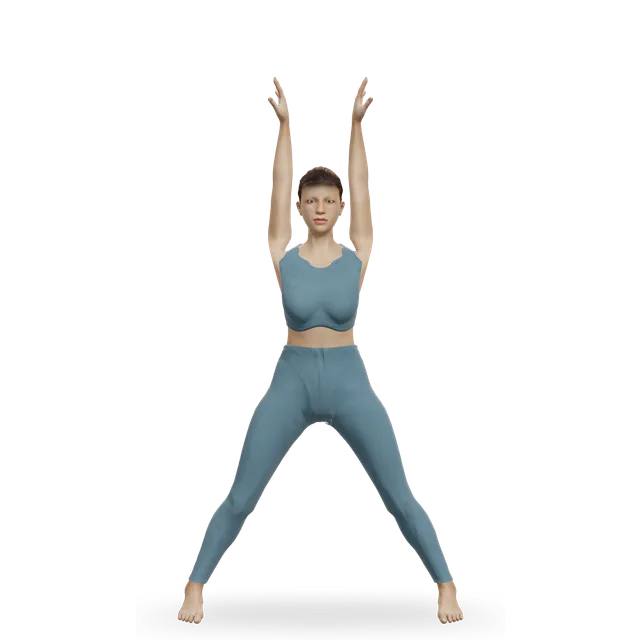
Jumping the feet apart as the arms sweep overhead and back together: the least demanding of the bodyweight intervals measured.
Bodyweight conditioning family
Jumping jack
Loading the 3D figure…
Source-researched guide.
How to move
- Stand with the feet together and the arms at the sides.
- Jump the feet apart as the arms sweep up overhead.
- Jump them back together as the arms come down; keep a steady rhythm.
Form cues
- Land softly on the balls of the feet.
- Step the feet out instead of jumping to make it gentler.
Practice and cautions
No universal dose is assigned. Choose a manageable amount for your current capacity, leave room for controlled repetitions, and allow recovery. A clinician’s individual plan takes priority.
Low risk. The repeated bounce can irritate cranky knees, calves and feet after a long break from impact, and a fast overhead swing can bother stiff shoulders. With a high body weight or sore knees or feet, step the feet out instead of jumping (the step jack). In pregnancy, don't start new jumping or impact work; if you already do it, drop it when it causes leaking, heaviness or pelvic pain. After giving birth, UK guidance suggests waiting until at least 3 months before running and jumping, and only when walking, hopping and jogging on the spot cause no leaking, heaviness or pain. This timing is expert advice. With proliferative or severe non-proliferative diabetic retinopathy, avoid jumping and jarring. With numb feet from diabetes or another cause, choose low-impact options, wear well-fitting shoes, and check your feet for redness or blisters afterwards; with an open sore or ulcer, do no weight-bearing exercise until your foot team says so. This is movement education, not an assessment or treatment prescription. Stop for sharp or increasing pain, dizziness, numbness or tingling; seek individual guidance for symptoms, injury or restrictions.
Sources and review status
Sources support the educational description; they do not establish that this exercise is suitable for you.
- Machado 2020 · Energy expenditure in a bodyweight HIIT session (oxygen use: jumping jack, then mountain climber, then burpee; Motriz) ↗
- NASM · Jumping jacks (step-out jacks for beginners) ↗
No variation is labeled clinically validated.
What it works
Muscles
Main: Calves, Shoulders. Also: Quads, Hip abductors.
Anatomy: Gastrocnemius, Soleus, Tibialis posterior, Popliteus, Plantaris, Flexor hallucis longus.
Equipment
None: body weight and floor space.
Level
Beginner. See the easier and harder options above.
Workouts that use it
- Beginner bodyweight workout · 20 min
- Full-body bodyweight workout · 30 min
- HIIT workout at home · 20 min
- Animal moves for kids: a 15-minute active play workout · 15 min
- 7-minute workout: follow-along timer, 12 moves · 12 min
- Tabata-style workout: 20 seconds on, 10 off · 22 min
- EMOM workout: every minute on the minute · 22 min
- Gymnastics warm-up: wrists, shoulders, spine, hips and landings · 15 min
Show all 16 workoutsShow fewer workouts
- Cheerleading warm-up: wrists, shoulders, spine, hips and landings before stunting · 15 min
- Figure skating warm-up: ankles, hips, spine, balance and landings before the ice · 15 min
- Strength and power workout for throwers: lifts paired with medicine-ball throws, rotation and shoulder care · 50 min
- Throws warm-up: safety checks, spine and shoulder mobility, Shoulder Control and build-up throws · 20 min
- Diving warm-up: wrists, shoulders, spine, hips and take-off jumps on the poolside · 15 min
- Pilates for kids: a 20-minute follow-along class with games · 20 min
- Yoga for kids: a 20-minute animal adventure · 20 min
- Yoga for ADHD: a 15-minute same-every-time practice for children · 15 min
Pain guides that use it
Part of a staged plan, with when to get help first.
Guides that use it
- Pilates for kids guide
- Pilates for ADHD guide
- Yoga for kids guide
- Yoga for ADHD guide
- Yoga for height guide
- Yoga for shin splints guide
- Fascial fitness guide
- Exercise for osteoporosis and osteopenia
Show all 22 guidesShow fewer guides
- Exercise for children and teenagers
- Exercise for ADHD
- Exercise for autistic children and adults
- Exercise with cystic fibrosis
- HIIT guide
- Warming up guide
- 7-minute workout guide
- Circuit training guide
- Tabata guide
- EMOM and AMRAP guide
- Jumping jacks guide
- Star jumps guide
- Muscular endurance guide
- Coordination guide
Similar moves
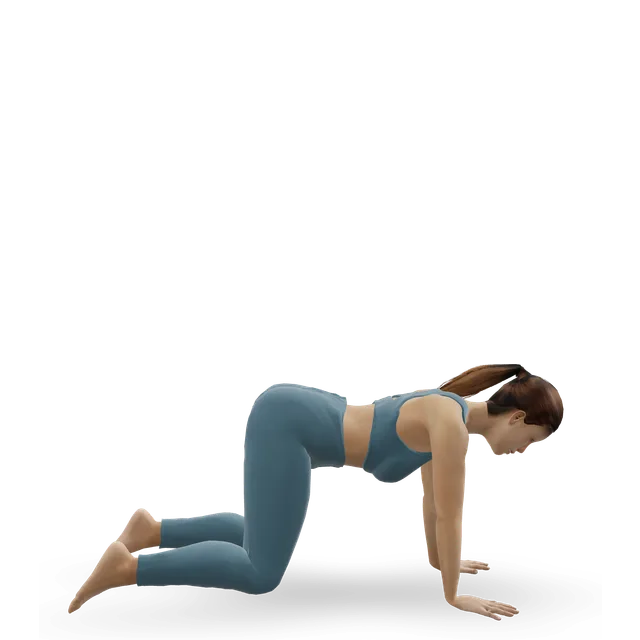
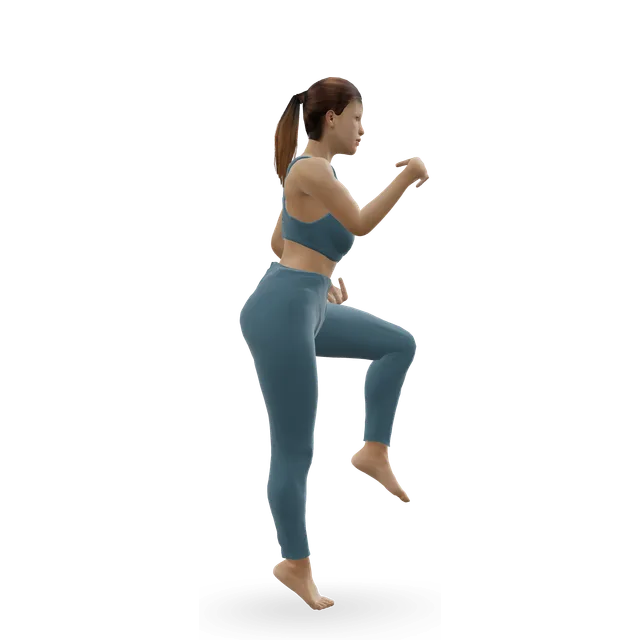
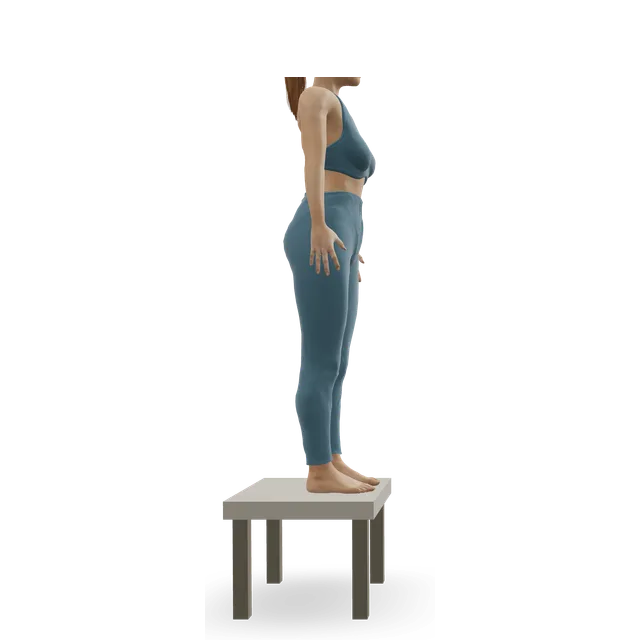
Browse more
Questions people ask
What muscles does the Jumping jack work?
Mainly the calves and shoulders, with help from the quads and hip abductors.
What equipment do I need for the Jumping jack?
No equipment: your body weight and a little floor space.
Is the Jumping jack good for beginners?
It is graded beginner, so it suits most people starting out. When it feels easy, try the Mountain climbers.
What is an easier alternative to the Jumping jack?
Try the Step jack (low-impact jumping jack). It is the suggested step down from this move.
How do I make the Jumping jack harder?
Progress to the Mountain climbers or the Burpee. Follow that guide’s technique and any stated timing.