Knock knees: when they're normal, and how to train knees that cave in
Knock knees are when the knees touch but the ankles stay apart. In young children they're a normal stage: most toddlers are bow-legged until about 2, knock-kneed at 3 to 4, and their legs settle by about 7. Exercises, braces and special shoes rarely help, and a GP should check knock knees that affect one leg, get worse or last past about 7.
In adults, exercise can't change the shape of your bones. What it can change is how your knees move: knees that cave in during squats, step-downs and landings respond to strength work combined with practising good alignment, and warm-ups built on these skills cut injuries to the ACL (anterior cruciate ligament) in sport.
This guide covers both, with bow legs, the warning signs, moves with 3D demos and a 20-minute knee control warm-up.
Most toddlers are bow-legged until about 18 months to 2 years, become knock-kneed with a peak at 3 to 4 (an average of 8 degrees at age 4), and settle into the slight knock-knee of adults by about 7. Up to 12 degrees, and a gap of up to 8 cm between the ankles, is normal in young children.
If only one leg is affected, the knock knees are getting worse or severe, they continue after about age 7, the ankle gap is more than 8 cm, or your child has pain, a limp or is unusually short.
Exercises, braces and special shoes are rarely helpful for children's knock knees or bow legs. In adults, the bones have stopped growing, and no exercise trial has shown a change in bone alignment.
Knees that move inward during squats and landings (dynamic knee valgus) improved with technique practice, and with strength work combined with alignment control, in small trials. Strength training on its own made people stronger without changing how they landed.
Prevention warm-ups with strength, balance and landing practice cut injuries of the ACL (anterior cruciate ligament, a key ligament inside the knee) by about half overall, and non-contact ACL injuries in women and girls by about two-thirds.
The Q angle, a measure of how the thigh and shin line up at the kneecap, did not predict who developed kneecap pain in 18 studies that followed 4,818 people.
Doctors measure the angle between thigh and shin, and the gap between the ankles when the knees touch. The usual pattern:
Birth to about 18 months to 2 years: bowed legs, straightening once the child walks.
About 2 to 3: becoming knock-kneed.
3 to 4: knock knees at their most obvious, an average of 8 degrees at age 4; up to 12 degrees and an ankle gap of up to 8 cm is normal between 2 and 11.
4 to 7: gradually straightening.
About 7 or 8: settled into the slight knock-knee of adults, though some children's legs aren't straight until 9 or 10.
In 590 Turkish children, knock-knee peaked at about 10 degrees at age 6 to 7 and up to 11 degrees was normal, a little later than in other studies. Normal ranges are a guide rather than a rule.
The American Academy of Pediatrics says 'bracing, corrective shoes, and exercise are rarely helpful, and may hinder a child's physical development and cause unnecessary emotional stress'. Doctors usually watch how the legs change over time, and may suggest keeping to a healthy weight, checking vitamin D, or arch supports.
The NHS asks children and young people to average at least 60 minutes of activity a day, including activities that strengthen muscles and bones. No special exercises are needed for knock knees.
Legs that are even and painless are usually fine. Knock knees or bow legs on one side only, or that are painful, getting worse or come with illness, can have a cause such as rickets (from low vitamin D), an injury to a growth plate, infection, a tumour, a bone growth disorder or, for bow legs, Blount's disease.
Severe knock knees that don't correct may need an operation to guide growth. It relies on the growth left, so referral is best before about age 10.
For knee pain after a twist, a pop, fast swelling, locking or the knee giving way, or a hot, swollen knee, use the knee pain guide's warning signs. A leg shape that is changing, especially on one side, is worth showing a GP (our editorial advice). Kneecap pain on stairs, squats or runs has its own guide, as do painful flat feet.
Knock knees in adults: bones and movement
Two different things
Adult knees normally sit in a slight knock-knee. In adults, 'knock knees' can mean the shape of the legs when you stand still, which is set by the bones, or knees that move inward during a squat, landing or single-leg movement (dynamic knee valgus). The first doesn't change with exercise; the second can.
No exercise trial has measured a change in the bony alignment of adult knees, and correction in children relies on growth that has finished by adulthood. So exercise won't straighten adult knock knees or bow legs: that is our inference from the evidence, not a trial result.
In people who already have knee arthritis, a knock-kneed alignment raised the odds of the outer part of the knee getting worse about 5-fold, in studies of 237 and 950 people. More than 3 degrees of knock-knee was linked with new arthritis in the outer knee in one analysis, though another found that only bow legs predicted new arthritis. Exercise is still the core treatment for knee arthritis.
The knee drifts inward during a squat, landing or step-down: the thigh turns and draws in, the knee moves towards the midline and the foot rolls in. It is part of the typical position in which non-contact ACL injuries happen.
Technique practice helps healthy adultsEmerging evidence
A review of 35 studies in 1,095 healthy adults aged 18 to 45 found that, in people whose knees were in line to begin with, technique training (5 of 6 studies) and core strengthening (2 of 2) reduced knee valgus, while hip strengthening on its own didn't change it in any of the 5 studies that measured it. In people with more valgus to begin with, programmes that combined strengthening with controlling the knee's position reduced it.
Exercise for the muscles that cross the kneeEmerging evidence
In a review of 10 studies (423 people), 7 found that 2 to 10 weeks of exercise, 2 to 3 sessions a week, reduced dynamic valgus; these targeted muscles that cross the knee, such as the hamstrings and calves. Three programmes focused on the trunk and back didn't, so the two reviews disagree about trunk training.
In 66 recreational female athletes, 9 weeks of strength training for the thighs and glutes made them stronger but didn't change how their knees and hips moved when they landed. Across 22 studies, hip strength mostly didn't relate to how much the knees caved in.
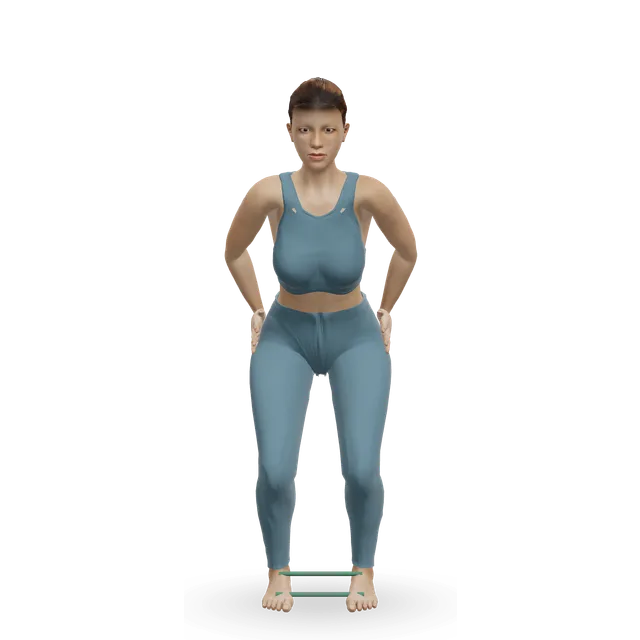
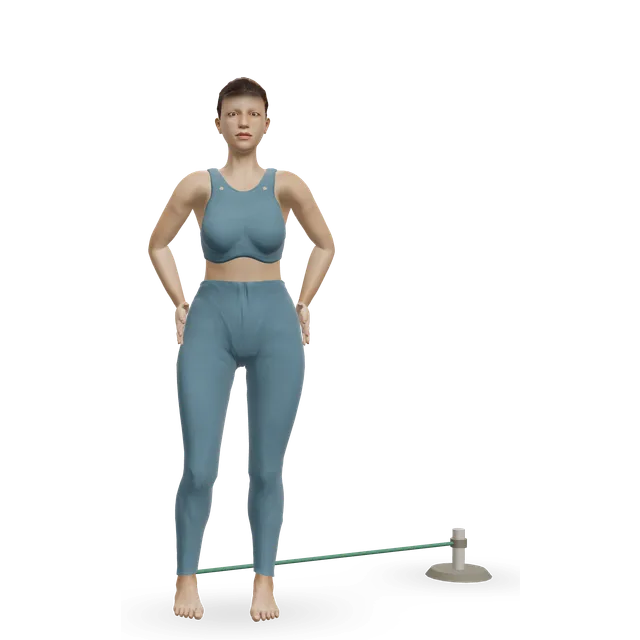
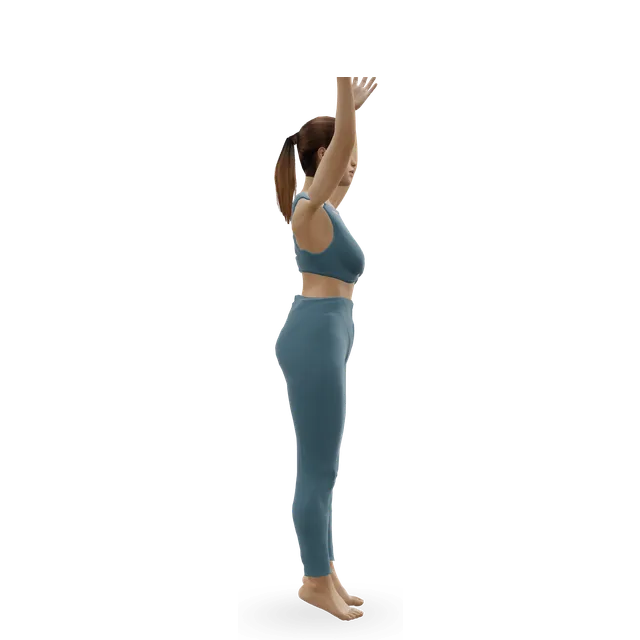
Train hip and leg strength and practise the movement you care about, such as squats, step-downs or landings, with your knee tracking over your middle toes, 2 to 3 times a week for 6 to 10 weeks. Film yourself from the front or use a mirror. This package is our editorial reading of the trials.
In 205 female athletes, the 9 who later tore an ACL had landed with their knees moving 8 degrees further inward and with 2.5 times the inward load. But in 710 elite female footballers and handball players, 42 of whom tore an ACL, a drop-jump test couldn't predict who would be injured. A squat or landing test can't tell you your personal risk.
Across 8 meta-analyses, injury prevention programmes halved ACL injuries overall and cut non-contact ACL injuries in women and girls by about two-thirds; there were too few data for men. In teenage girls aged 14 to 18 who played football, basketball or handball, they cut ACL injuries by about 60%.
The programmes that worked replaced the usual warm-up and took 10 to 30 minutes, 2 to 3 times a week, mixing jumping and landing, bodyweight strength, balance and agility. At least 20 minutes twice a week, done consistently, worked best. Many of the studies were at high risk of bias, and evidence in men and in many sports is limited.
In people at risk of ACL injury, core strengthening may improve how much the knee bends during jumps and single-leg squats, and strength, but the certainty is low (24 studies, 749 people).
Training helps kneecap pain anywayEmerging evidence
In 17 trials with 871 people, neuromuscular training reduced kneecap pain and improved function, with moderate certainty, without consistently changing how the legs moved. You don't need to fix your knee alignment for kneecap pain to improve; the runner's knee guide has a plan.
2 to 3 sets: clamshells, 12 to 20 each side; side-lying leg raises, 10 to 15 each side; band walks, 10 to 15 steps each way; 3 to 5 wall-press holds of 5 to 15 seconds each side (editorial starting points). Pair them with the moves below: strength on its own may not change how your knees move.
Squats, lunges and step-downs with your knees on track
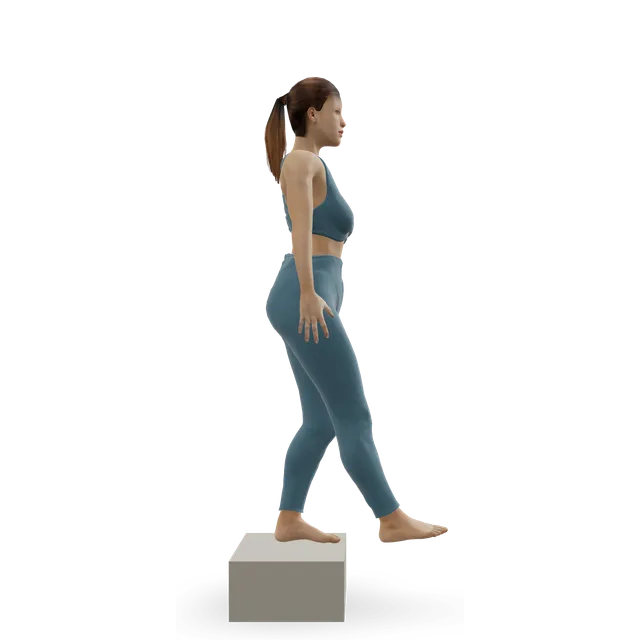
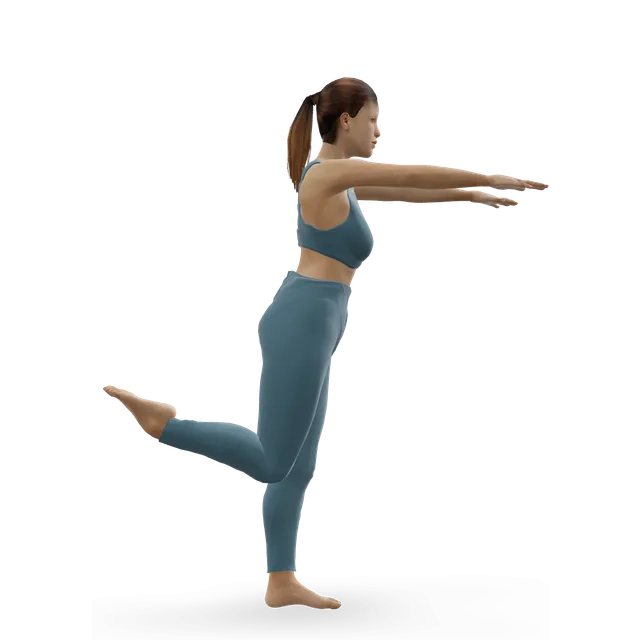
Keep your knee over your middle toes, and film yourself from the front. Squats, 3 sets of 10 to 20; lunges and step-ups, 3 sets of 8 each leg; step-downs, 2 sets of 8 slow reps each side; one-leg stands, 3 holds of 20 to 30 seconds (editorial starting points). Strength work combined with alignment practice reduced knee valgus in trials.
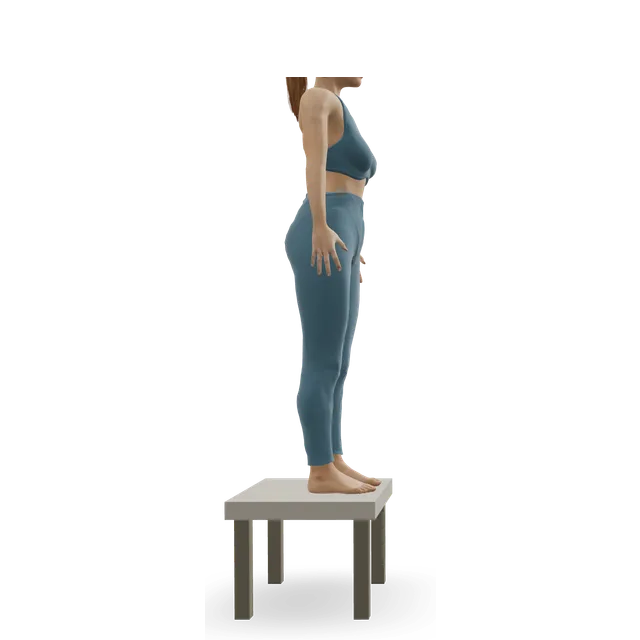
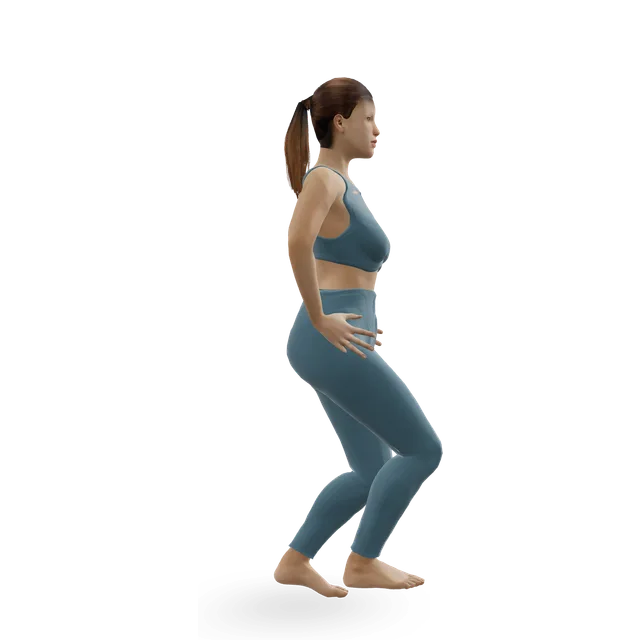
Land quietly, hips back, knees bent and over your toes. Snapdowns, 3 sets of 6 with a 2-second hold; box drops, 4 sets of 5 from a 20 to 30 cm step; single-leg hops only once those are quiet and easy (editorial). Landing practice is part of the warm-ups that cut ACL injuries.
Do the knee control warm-up 2 to 3 times a week, or before sport. In the strength workouts, add the cue 'knees over the middle toes'. The plyometric workout is for later, once landings are quiet and controlled.
"Adults can straighten knock knees with exercise."
Exercise doesn't change the shape of adult bones; that is our inference, since correction in children depends on growth. What exercise can change is how your knees move.
"If your knees cave in on a squat, you'll tear your ACL."Mixed evidence
A landing test couldn't predict ACL injuries in 710 elite players. Prevention programmes lower the risk across groups of athletes, but no test predicts it for one person.
Yes. Most toddlers are bow-legged until about 2, become knock-kneed with a peak around 3 to 4, and settle into the slight knock-knee of adults by about 7. A gap of up to 8 cm between the ankles is normal in young children.
When should I worry about my child's knock knees?
See a GP if only one leg is affected, the knock knees are getting worse or severe, they continue past about 7, the gap between the ankles is more than 8 cm, or your child has pain, a limp or is unusually short. Doctors check for causes such as rickets (from low vitamin D), injury or infection.
Do exercises or special shoes help children's knock knees?
No. Bracing, corrective shoes and exercise are rarely helpful and can cause unnecessary stress. The few severe cases that don't correct may need an operation to guide growth, best planned before about age 10.
Can knock knees be fixed in adults with exercise?
Exercise can't change the shape of adult bones. What it can change is how your knees move: knees that cave in during squats and landings can be trained with strength work and alignment practice.
Why do my knees cave in when I squat?
It's a mix of how you control your hips, knees and feet. Hip strength on its own barely predicts it, and strength training alone didn't change how women landed, but strength work combined with practising good knee alignment reduced it.
What exercises help knee valgus?
Side-hip work such as clamshells, band walks and side-lying leg raises, plus squats, lunges and step-downs with your knees over your middle toes, single-leg balance and landing practice. Do them 2 to 3 times a week for 6 to 10 weeks, and film yourself to check your knees.
Do knock knees cause ACL injuries?
Knees moving inward is part of how many ACL tears happen, but movement tests can't predict who will be injured. Warm-up programmes with strength, balance and landing practice cut ACL injuries by about half.
Do knock knees cause knee pain?
Not on their own: the Q angle, a measure of knee alignment, didn't predict kneecap pain. In knees that already have arthritis, a knock-kneed alignment is linked to faster wear on the outer side.
What about bow legs?
Bow legs are normal until about age 2. See a GP if bowing gets worse after 2, affects one leg, or comes with pain or short height; causes include rickets and Blount's disease. In adults, exercise doesn't straighten bow legs either.
Is surgery ever needed for knock knees?
Rarely. Children with severe knock knees that don't correct may have an operation to guide growth, ideally referred before about 10. Adults with a severe deformity, often with arthritis, are assessed by an orthopaedic surgeon.
Exercise education, not a diagnosis or treatment plan, and clinical review of these guides is pending. Get a curve or hunch that is new or getting worse checked, above all in a growing child or after a fall, and get urgent help for numbness or weakness in the legs or a change in bladder or bowel control. Health disclaimer.