What is craniosacral therapy?
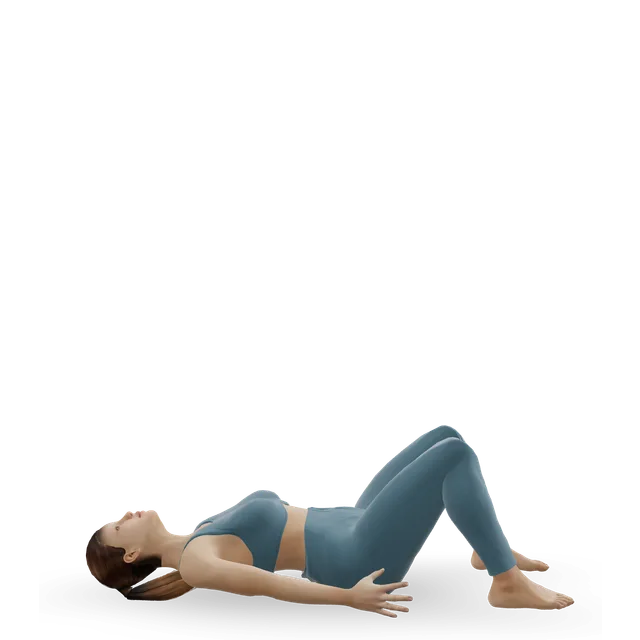
A very gentle hands-on therapy: the practitioner rests their hands lightly on your body, often your feet, head and the base of your spine, while you lie clothed on a couch. Practitioners say they feel a rhythm in the fluid and membranes around the brain and spinal cord, and ease restrictions in it. It grew out of cranial osteopathy.
Does craniosacral therapy work?
The reviews disagree. One review of 10 trials found it eased chronic pain more than a fake treatment, but a 2024 review of 15 trials and a meta-analysis of 24 found no clear benefit for any condition. Many people find it relaxing, which is a fair reason to have it.
Do the skull bones really move?
Only by tiny amounts, if at all. In rabbits, pulls like those used in craniosacral therapy didn't move the joints between the skull bones. In adult skulls those joints interlock tightly, and in about a third of skulls some had closed.
What is the craniosacral rhythm?
Practitioners describe a slow rhythm they feel through the head and body, said to come from the fluid around the brain. Practitioners feeling the same person don't agree on its rate, and one 2024 review suggests what they feel is more likely the body's slow natural swings in blood pressure.
Is craniosacral therapy safe for babies?
The NHS advises against cranial osteopathy for a crying baby: there's little evidence it works, and it may hurt your baby. Serious harm is rare, but a baby has died after forced neck manipulation by someone described as a craniosacral therapist. Talk to your health visitor or GP about crying, feeding or head shape.
Does craniosacral therapy help colic?
In trials of manual therapies, parents of treated babies reported about an hour less crying a day, but the difference disappeared in trials where parents didn't know whether their baby had been treated. The NHS advises against cranial osteopathy for colic, which usually gets better by 3 to 4 months.
Can craniosacral therapy help headaches or migraine?
Pooled trials found a drop in headache pain too small to matter, on very low certainty evidence. Our migraine and tension headache guides cover the options with better evidence.
What is SomatoEmotional Release?
It's part of some craniosacral training, in which the therapist aims to help you release 'deep-seated trauma' said to be held in the body. We found no study showing trauma is stored in tissue. If strong feelings come up during bodywork, a professional trained in trauma can help, and our exercise and PTSD guide covers ways to move.
Is craniosacral therapy the same as cranial osteopathy?
They share their roots and ideas. Cranial osteopathy is done by osteopaths, who must be registered by law in the UK, while craniosacral therapists don't have to be registered but can join a voluntary register.
Can craniosacral therapy help concussion, autism or long COVID?
We found only surveys and small studies without comparison groups. The UK advertising regulators have seen no evidence that craniosacral therapy can treat medical conditions, and the Advertising Standards Authority upheld a complaint about claims to treat long COVID. After a head injury, get medical advice first.
What are the side effects of craniosacral therapy?
In trials it caused no serious side effects, and minor ones were as common as with comparison treatments. Rarely, people with brain injuries have had adverse reactions to cranial treatment. The bigger risk is putting off medical care.
How do I find a craniosacral therapist?
Look for an osteopath on the General Osteopathic Council register, or a craniosacral therapist on the Complementary and Natural Healthcare Council register, which the Professional Standards Authority accredits. Keep seeing your GP about any medical condition.