Yoga flows
Yoga for diastasis recti: a 25-minute class for a tummy gap, with head lifts and no planks
Twenty-five minutes of yoga for a tummy gap (diastasis recti), from about 6 weeks after a birth or at any time later, men included. It starts with breathing, the pelvic floor squeeze and a gentle draw-in, then builds trunk strength step by step: head lifts and bridges on your back, bird dog and a knee side plank, standing poses and a supported rest. It leaves out full planks, boat pose and jumps, as the NHS advises to start with, and treats doming (a ridge down the middle of your tummy) as a sign to make a move easier. In the first weeks after a birth, use our postnatal yoga class instead. No study shows that yoga closes a gap; the aim is a stronger, more comfortable middle. The structure is our own and untested: no trial has tested this class.
Arrive (about 4 minutes)
- Beginner · 3D demoIn for about 4, out for about 6; let your belly and lower ribs widen as you breathe in, with no sucking inEasier: Breath reachHarder: Crocodile breathing (prone diaphragmatic breathing)
- Pelvic floor exercise (Kegel)8 slow holds of up to 10 s, then 8 quick squeezesBeginner · Pelvic floor · 3D demoSqueeze and lift as you breathe out, then let go fully; this counts as one of today's sets
- Side-lying tummy draw-in5 holds of up to 10 sBeginner · Abs · 3D demoDraw your lower tummy in gently and widely as you breathe out, and keep breathingHarder: Bird dog, one limb at a time



On your back (about 6 minutes)
- Pelvic tilt into bridge8 slow repsBeginner · Glutes, Abs, Hamstrings · 3D demoTilt, then peel into a small bridgeHarder: Glute bridge
- Knee fold6 each sideBeginner · Abs, Hip flexors · 3D demoFloat one knee up to a right angle and back, pelvis stillEasier: Supine heel slideHarder: Dead bug heel taps
- Chest lift (Pilates curl-up)8 to 10 repsBeginner · Abs, Neck · 3D demoHead lift: breathe out, nod and lift your head and shoulders a little. If the middle of your tummy domes, keep your head down for now; if it domes every time, skip to the next blockHarder: Single-leg stretch (Pilates one leg stretch)
- Glute bridge6 to 8 slow liftsBeginner · Glutes, Hamstrings, Abs · 3D demoBreathe out as you lift, ribs softEasier: Pelvic tilt into bridgeHarder: Single-leg glute bridge




Hands and knees, and on your side (about 6 minutes)
- Cat-cow8 waves, slower than feels naturalBeginner · Back, Abs · 3D demoA small range, knees paddedHarder: Half lord of the fishes (Ardha Matsyendrasana)
- Bird dog, one limb at a time5 each arm and legBeginner · Abs, Back, Glutes · 3D demoOne limb at a time, hips levelEasier: Side-lying tummy draw-inHarder: Bird dog
- Bird dog6 each side, holding 3 to 5 sBeginner · Back, Abs, Glutes · 3D demoOnly when one limb at a time is easy; keep your back stillEasier: Bird dog, one limb at a timeHarder: Bear crawl
- Knee side plank2 holds of 15 to 20 s each sideBeginner · Abs, Hip abductors, Shoulders · 3D demoElbow under your shoulder; skip it if your middle domesHarder: Side plank
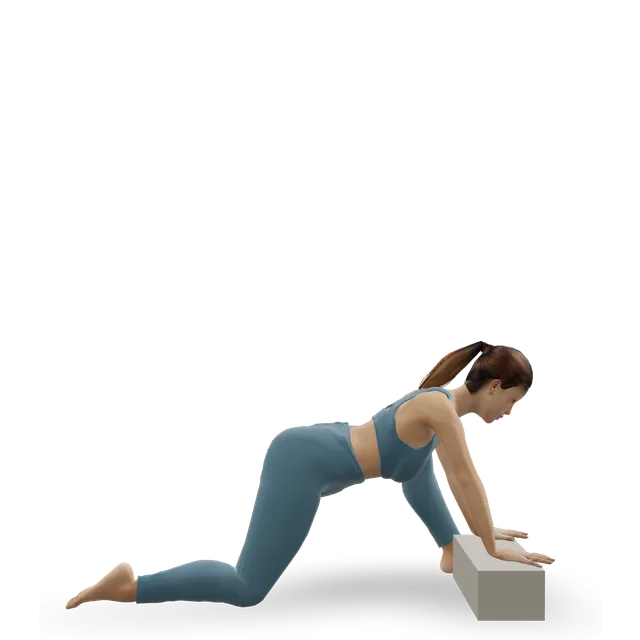
- Beginner · Back, Shoulders, Glutes · 3D demoKnees wide, a cushion under your hips; skip it if it presses on a caesarean scarHarder: Extended puppy pose (Uttana Shishosana)





Standing (about 5 minutes)
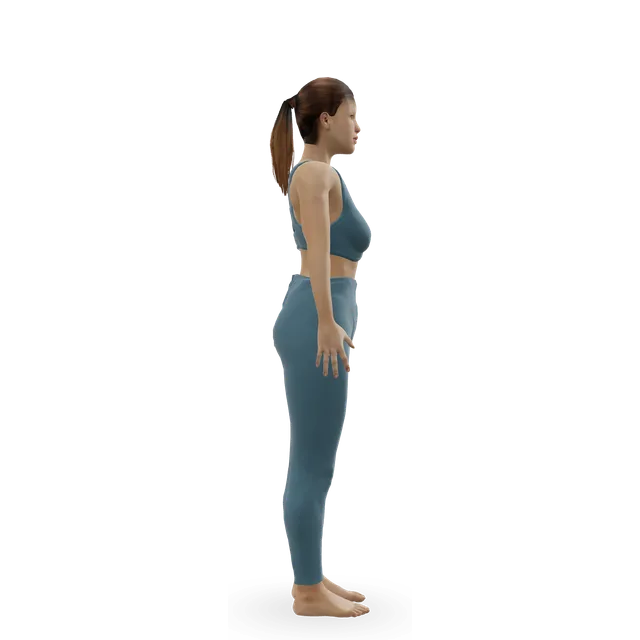
- Mountain pose (Tadasana)5 slow breathsBeginner · Calves, Back, Abs · 3D demoLift your pelvic floor gently as you breathe outHarder: Tree pose (Vrksasana)
- Chair pose (Utkatasana)2 holds of 3 to 5 breathsBeginner · Quads, Glutes, Shoulders · 3D demoA shallow bend, hands on your thighsHarder: Revolved chair pose (Parivrtta Utkatasana)
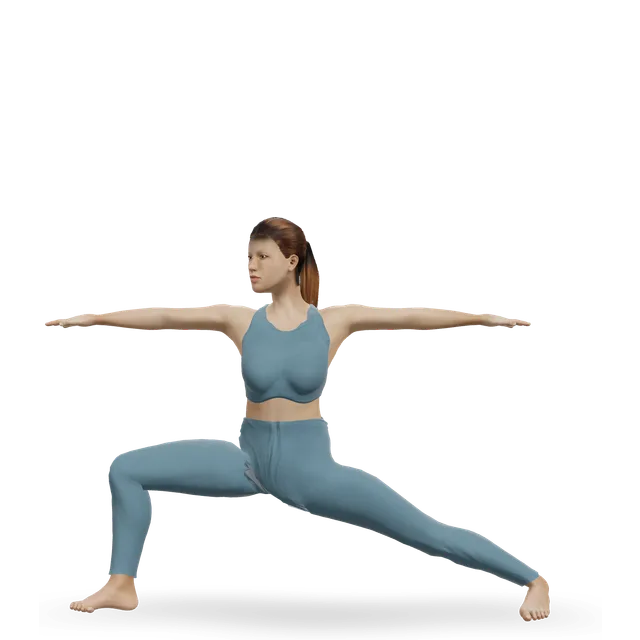
- Warrior II (Virabhadrasana II)3 breaths each sideIntermediate · Quads, Glutes, Adductors · 3D demoA short stance; arms down if your shoulders tireEasier: Chair pose (Utkatasana)Harder: Extended side angle (Utthita Parsvakonasana)
- Tree pose (Vrksasana)3 breaths each sideBeginner · Glutes, Hip abductors, Calves · 3D demoHeel at your ankle, fingertips on a wallEasier: Mountain pose (Tadasana)Harder: Standing hand-to-big-toe pose (Utthita Hasta Padangusthasana)
- Beginner · Quads, Glutes, Hamstrings · 3D demoSqueeze your pelvic floor and breathe out as you stand, the same pattern as lifting your babyEasier: Sit to stand, pushing on the thighsHarder: Bodyweight squat





Rest (about 4 minutes)
- Side-lying open book6 each sideBeginner · Back, Chest, Shoulders · 3D demoHead on a cushion; open only as far as is comfortableHarder: Thoracic rotation
- Beginner · Adductors, Chest · 3D demoCushions under each thigh and under your head and backHarder: Wide-angle seated forward fold (Upavistha Konasana)



Tips
- Do it 2 or 3 times a week, with your daily pelvic floor exercises and walks.
- Judge progress by strength and comfort, not by your finger check: most gaps narrow by themselves over the first year, and exercise narrows them only a little.
- If the middle of your tummy domes, make the move smaller or easier. No study shows doming harms the gap, but it's a sign the move is too hard for now.
- Move on to our yoga for core class when head lifts and side work feel steady with no doming, leaking or heaviness, and drop back to the postnatal yoga class after a hard week.
- After a caesarean, start when walking is comfortable and nothing pulls on the scar, and leave out the head lifts and the open book until then.
- See a GP if your gap is still obvious 8 weeks after the birth, or for tummy pain or a lump at your belly button. Our yoga for diastasis recti guide lists the warning signs, including a hernia that needs 999.
- No trial has tested this class; its doses come from our postnatal yoga, postnatal Pilates, core and gentle yoga classes and the moves' own pages.
The doses are suggested starting points, not a prescription. Choose a range you can control and stop for sharp or increasing pain, numbness or tingling. Get individual advice after an injury or surgery, or if you are pregnant or managing a health condition.
Guides that recommend it
Find more moves like these
More yoga flows
Beginner yoga flow
A 20-minute beginner yoga sequence: mountain, chair, warrior II, triangle, tree, down dog, cobra and child's pose.
20 minBeginner11 movesStep
Sun salutation flow
A 20-minute flow built on sun salutations A and B, with warrior poses and a short cool-down.
20 minIntermediate8 movesNo equipment


Yoga for tight hips
A hip-opening yoga sequence: low lunge, lizard, goddess, pigeon, bound angle and happy baby.
25 minBeginner10 movesWallQuestions people ask
How long does the yoga for diastasis recti: a 25-minute class for a tummy gap, with head lifts and no planks take?
About 25 minutes, including any warm-up and cool-down listed. Shorten it by doing fewer rounds; lengthen it by adding one.
What equipment do I need?
You need: A bench or box, Firm cushion. Each move links to its guide, where you can find an alternative if you are missing something.
Is it suitable for beginners?
It is written for beginners. 8 of its 20 moves have an easier option listed beside them if you need one.
How do I make it easier or harder?
Use the easier or harder option listed under each move, change the number of rounds, or adjust the rest. Progress one change at a time.