Yoga flows
Gentle yoga after gallbladder removal: a 25-minute class in three stages, with a stop point after each
A gentle yoga class for the weeks after gallbladder removal (a cholecystectomy), in three stages. Stage 1 is breathing and gentle lying moves, from the first days at home; stage 2 is standing poses, from about a week after keyhole surgery, once walking is comfortable; stage 3 is floor and all-fours poses, from about 2 to 4 weeks, once the cuts have healed. Stop at any stop point and go to the rest. No trial has tested yoga after gallbladder removal, so these stages are our suggestion, built from the Royal College of Surgeons' and NHS advice, and your surgical team's advice comes first. After open surgery, take each stage more slowly.
Stage 1: lying (about 9 minutes; from the first days at home)
- Beginner · 3D demoOn your back, knees bent, a pillow under your head. In for about 4, out for about 6, no holdsEasier: Breath reachHarder: Crocodile breathing (prone diaphragmatic breathing)
- Side-lying tummy draw-in3 to 5 holds of 5 to 10 sBeginner · Abs · 3D demoOn your side or back: as you breathe out, gently draw your lower tummy in, keep breathing while you hold, then relax fullyHarder: Bird dog, one limb at a time
- Pelvic tilt into bridge3 to 5 tilts, hold 5 to 10 sBeginner · Glutes, Abs, Hamstrings · 3D demoTilt only: no lift yetHarder: Glute bridge
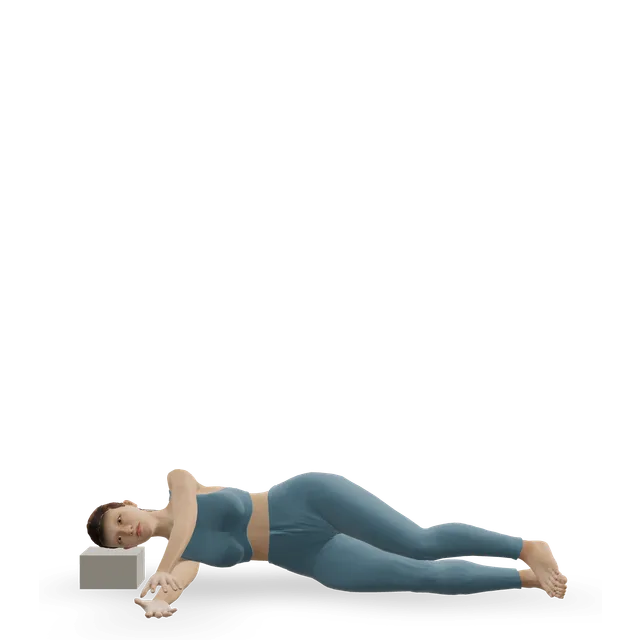
- Hip windshield wipers3 to 5 each wayBeginner · Glutes, Adductors · 3D demoKnee rolls: knees and feet together, lower both knees a small way to one side and backEasier: Supine heel slideHarder: 90/90 switch
- Ankle circles30 s each footBeginner · Calves, Shins · 3D demoLegs uncrossed; briskly circle your feet and bend them up and down. Stop point 1: if this is enough today, roll onto your side and push up with your armsHarder: Ankle CARs (controlled articular rotations)




Stage 2: standing (about 6 minutes; from about a week, when walking is comfortable)
- Mountain pose (Tadasana)5 slow breathsBeginner · Calves, Back, Abs · 3D demoStand tall, weight even, ribs over hipsHarder: Tree pose (Vrksasana)
- Breath reach5 breathsBeginner · 3D demoArms rise as you breathe in and lower as you breathe out, the out-breath longerHarder: Slow breathing (6 breaths a minute)
- Chair pose (Utkatasana)2 holds of 3 to 5 breathsBeginner · Quads, Glutes, Shoulders · 3D demoA shallow bend, hands on your hipsHarder: Revolved chair pose (Parivrtta Utkatasana)
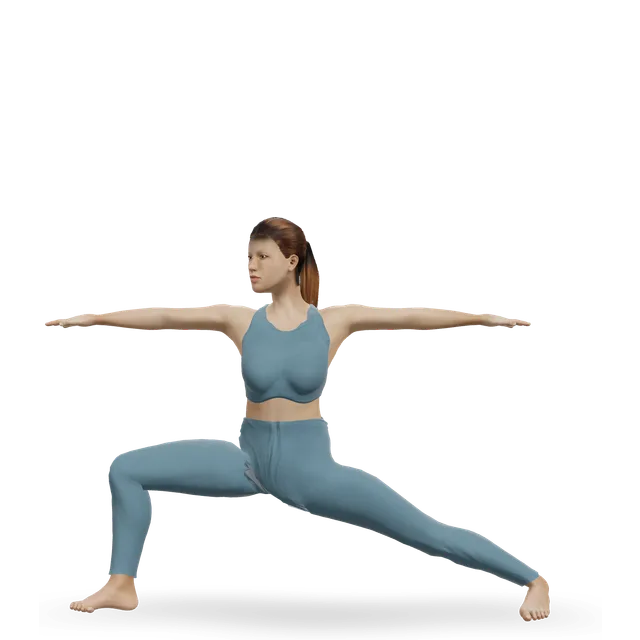
- Warrior II (Virabhadrasana II)3 breaths each sideIntermediate · Quads, Glutes, Adductors · 3D demoA short stanceEasier: Chair pose (Utkatasana)Harder: Extended side angle (Utthita Parsvakonasana)
- Tree pose (Vrksasana)3 breaths each sideBeginner · Glutes, Hip abductors, Calves · 3D demoHeel at your ankle, fingertips on a wall. Stop point 2: if this is your level, go to the restEasier: Mountain pose (Tadasana)Harder: Standing hand-to-big-toe pose (Utthita Hasta Padangusthasana)





Stage 3: floor and all fours (about 6 minutes; from about 2 to 4 weeks, once the cuts have healed and your team agrees)
- Glute bridge5 to 8 slow liftsBeginner · Glutes, Hamstrings, Abs · 3D demoPeel your back up a small way; stop if a scar pullsEasier: Pelvic tilt into bridgeHarder: Single-leg glute bridge
- Knee fold5 each sideBeginner · Abs, Hip flexors · 3D demoBreathe out and draw your tummy in gently, then float one knee up and lower itEasier: Supine heel slideHarder: Dead bug heel taps
- Supine spinal twist (Supta Matsyendrasana)30 s each sideBeginner · Back, Glutes · 3D demoKnees together on a cushion; a small rangeHarder: Seated twist, bottom leg straight
- Cat-cow6 slow wavesBeginner · Back, Abs · 3D demoSmall range, knees paddedHarder: Half lord of the fishes (Ardha Matsyendrasana)
- Bird dog, one limb at a time5 each arm and legBeginner · Abs, Back, Glutes · 3D demoOne limb at a time, hips level. Stop point 3: go to the restEasier: Side-lying tummy draw-inHarder: Bird dog





Rest (about 4 minutes)
- Beginner · Adductors, Chest · 3D demoCushions under each thigh and under your head and backHarder: Wide-angle seated forward fold (Upavistha Konasana)
- Beginner · 3D demoOn your back with a cushion under your knees, or on your side. Roll onto your side and push up with your arms to get up


Tips
- Your surgical team's advice comes first. After keyhole surgery, NHS inform says full recovery typically takes around 10 days, while MedlinePlus says up to 6 weeks; after open surgery, expect about 6 weeks or more, and take each stage more slowly.
- Walk every day as well: the Royal College of Surgeons suggests short walks of 5 to 10 minutes from day 3, a little longer each day.
- Drop back a stage if a scar pulls sharply or your tummy domes or bulges along a scar (our suggestion). A soft lump or bulge near a scar is a reason to see a GP.
- Boat pose, planks, deep backbends, upside-down poses and fast, forceful breathing such as kapalbhati aren't in this class: our yoga after gallbladder removal guide brings them back later, one at a time.
- Ask for an urgent GP appointment or call NHS 111 for a very high temperature, a red, swollen or oozing wound, yellow skin or eyes, pain that gets worse or a painful, swollen leg. Call 999 if you have pain and swelling in your leg with difficulty breathing or chest pain, which could be a blood clot in your lungs, or chest pain that feels tight or spreads to your arms, neck or jaw.
The doses are suggested starting points, not a prescription. Choose a range you can control and stop for sharp or increasing pain, numbness or tingling. Get individual advice after an injury or surgery, or if you are pregnant or managing a health condition.
Guides that recommend it
Find more moves like these
More yoga flows
Beginner yoga flow
A 20-minute beginner yoga sequence: mountain, chair, warrior II, triangle, tree, down dog, cobra and child's pose.
20 minBeginner11 movesStep


Sun salutation flow
A 20-minute flow built on sun salutations A and B, with warrior poses and a short cool-down.
20 minIntermediate8 movesNo equipment



Yoga for tight hips
A hip-opening yoga sequence: low lunge, lizard, goddess, pigeon, bound angle and happy baby.
25 minBeginner10 movesWallQuestions people ask
How long does the gentle yoga after gallbladder removal: a 25-minute class in three stages, with a stop point after each take?
About 25 minutes, including any warm-up and cool-down listed. Shorten it by doing fewer rounds; lengthen it by adding one.
What equipment do I need?
You need: Firm cushion. Each move links to its guide, where you can find an alternative if you are missing something.
Is it suitable for beginners?
It is written for beginners. 7 of its 17 moves have an easier option listed beside them if you need one.
How do I make it easier or harder?
Use the easier or harder option listed under each move, change the number of rounds, or adjust the rest. Progress one change at a time.