Yoga for piles (haemorrhoids or hemorrhoids): straining, letting go, poses to change, and when to get checked
Piles (haemorrhoids, or hemorrhoids in the US) are common and often settle on their own in a few days. No trial has tested yoga for piles, and no pose shrinks them or drains them, upside-down poses included.
What helps is soft poo from fibre and fluids, not straining, and short toilet visits. Yoga can help with the first and last of those: moving keeps your bowels regular, and slow breathing and letting your pelvic floor relax help you stop pushing. Breathing out rather than holding your breath and bearing down on an effort is our suggestion, not something a study has tested.
This guide covers gentle poses and a let-go routine, the toilet position, poses to change while piles are sore, the ashwini mudra and inversion myths, pregnancy, fissures, and the warning signs: bleeding from your bottom needs a GP check, even if you think it's piles.
The NHS (National Health Service): piles "often get better on their own after a few days", and "Piles are swollen blood vessels. It's not clear what causes them." Constipation was about twice as common in people with piles across 19 studies.
Our searches of PubMed and Europe PMC found none. One yoga trial in 96 adults aged 60 to 75 improved constipation-related quality of life, but it didn't measure piles.
In a Cochrane review of 7 trials, extra fibre cut the chance of symptoms carrying on by about half. US colorectal surgeons call diet and behaviour changes "the primary first-line therapies". The NHS: drink lots of fluid, eat plenty of fibre, don't ignore the urge to poo, don't push too hard, and don't spend longer than you need on the toilet.
The NHS: "A daily walk or run can help you poo more regularly." People with piles tend to have higher pressure in the muscles around the anus, so learning to relax the pelvic floor and bottom on the toilet matters more than extra squeezing.
Breathe out on effort, and keep toilet visits short
The NHS lists pushing too hard when pooing and heavy lifting among the things that make piles more likely. Breathing out on every effort in yoga, rather than holding your breath and bearing down, is our suggestion: no study has tested it. In 125 adults, people who used their phones on the toilet sat there longer and had 46% higher odds of piles.
Bleeding needs checking, even if you think it's piles
US colorectal surgeons: "rectal bleeding attributed to hemorrhoids represents the most often missed opportunity to establish a cancer diagnosis". See a GP (general practitioner) about any blood in your poo; the full list of signs is below.
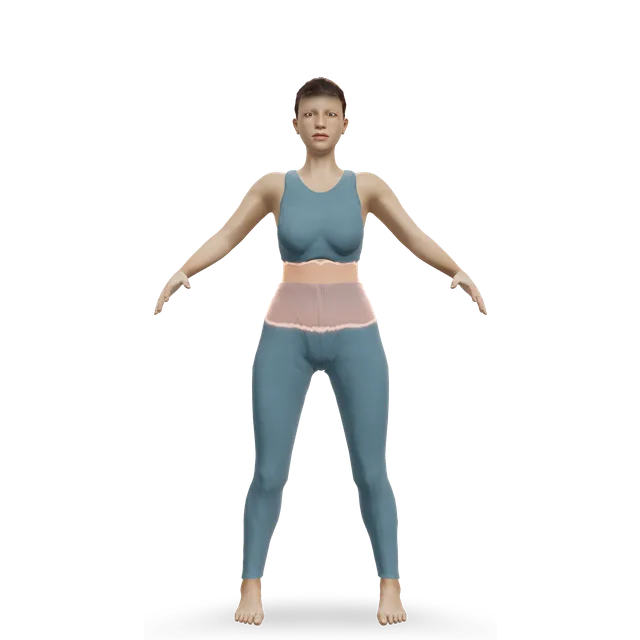
"Piles (haemorrhoids) are lumps inside and around your bottom (anus)." Everyone has soft cushions of blood vessels inside the back passage; piles are these cushions when they swell and slip down.
The NHS lists "bright red blood after you poo", "an itchy anus", "feeling like you still need to poo after going to the toilet", mucus, "lumps around your anus" and "pain around your anus". "The cardinal sign of internal hemorrhoids is painless bleeding with bowel movements" (US colorectal surgeons).
The NHS lists constipation, pushing too hard when pooing, heavy lifting, pregnancy, getting older and being overweight, and NHS inform, Scotland's NHS information service, gives the same list. In 2,813 adults having a bowel check, 1,074 had piles, and constipation was linked with them.
Self-care first: fibre and fluids, not straining, a warm bath, and an ice pack wrapped in a towel. A pharmacist can suggest creams and treatments for constipation. If piles don't settle, a hospital can offer banding, injections or surgery. US colorectal surgeons: "Dietary and behavioral modifications are the primary first-line therapies for patients with symptomatic hemorrhoidal disease."
Nothing in yoga reaches the cushions directly. What a class can change is how often you move (walking and active classes help keep your bowels regular), how you breathe under effort, how well you let your pelvic floor go, and how comfortable you are sitting on a hard floor with sore piles. Upside-down poses don't drain piles: no study shows it.
No trial has tested yoga for piles. Fibre and toilet habits carry the evidence, with medical treatment when piles don't settle.
No yoga trial for pilesStrong evidence
Our PubMed search found 4 records on yoga, pranayama, mula bandha, ashwini mudra, tai chi or qigong with piles or anal fissure, and none was relevant (in two, "yoga" is the name of an Ayurvedic medicine). The only source naming yoga for piles is a narrative review that calls "controlled-movement exercises" such as yoga generally safe, with no study behind the sentence.
In a Cochrane review of 7 trials with 378 people, "The risk of not improving hemorrhoids and having persisting symptoms decreased by 53% in the fiber group". US colorectal surgeons add that fibre about halved bleeding, and recommend diet and behaviour changes first, a strong recommendation on moderate-quality evidence.
Across 19 studies, constipation was about twice as common in people with piles, and pressures in the muscles around the anus were higher. US colorectal surgeons: "Patients should also be counseled about proper bowel habits, such as avoiding straining and limiting time on the commode". These are links, not proof of cause.
In 125 adults having a bowel check, 37.3% of people who used phones on the toilet spent more than 5 minutes a visit, against 7.1% of those who didn't, and phone use went with 46% higher odds of piles. It's one small study at one hospital.
The NHS: "To make it easier to poo, try resting your feet on a low stool while going to the toilet. If possible, raise your knees above your hips." In 52 healthy volunteers, a footrest reduced straining and shortened toilet visits; other posture trials were mixed, as our constipation guide explains.
Exercise and constipation: small trialsMixed evidence
Across 9 trials with 680 people, exercise roughly doubled the chance of improvement in constipation, but the results varied hugely and the trials were at high risk of bias: "the real effect of this intervention cannot be definitively determined". In 96 adults aged 60 to 75, yoga 3 times a week for 3 months improved constipation-related quality of life against a waiting list.
Being active and piles directly: no clear linkEmerging evidence
In 2,813 adults, "Sedentary behavior was associated with a reduced risk", while physical activity wasn't clearly linked either way. So yoga and exercise help piles through regular bowels, not by preventing them directly.
Lifting, breath-holding and upside-down poses: not studiedMixed evidence
The NHS lists heavy lifting, and the only sport study is an online survey of 312 people in which bodybuilding was linked with self-reported piles. Our searches found no study testing lifting or breath-holding as a cause, and none of upside-down poses with piles. Breathing out on effort is a sensible precaution, not proven.
In a trial in 3 hospitals in Lithuania, advice on daily walking or exercise, fluids, more fibre and short toilet visits cut piles after the birth (relative risk 0.38). Exercise was one part of the package, so its own effect can't be separated.
Every time you go, for no more than about 5 minutes at a time, as our toilet position move page says, from NHS Lothian's pelvic health physiotherapists. It has written steps and no 3D demo.
The toilet position
Every time you go, for no more than about 5 minutes at a time (from the move page's dose).
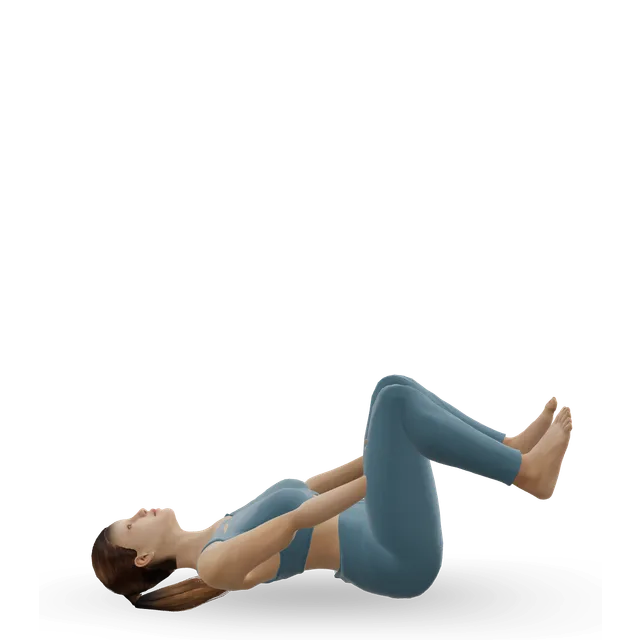
Pelvic floor relaxation: 5 slow breaths, letting your pelvic floor and bottom soften as you breathe in (our morning routine for constipation), within the move page's 5 to 10 slow breaths, 1 to 3 times a day. Slow breathing: 2 minutes, letting your belly widen as you breathe in (our morning routine for constipation). Happy baby: 60 seconds (our morning routine for constipation). Reclining bound angle: 2 minutes, supported (our yoga for digestion class).
A brisk walk of 10 to 15 minutes, building towards 30 over the weeks; single knee hugs: 5 to 10 each side, alternating; double knee hug: 3 holds of 20 to 30 seconds; supine twist: 30 to 45 seconds each side (all from our morning routine for constipation). Standing march: 2 minutes; mountain pose: 5 slow breaths; warrior II: 3 breaths each side; tree pose: 3 to 5 breaths each side, near a wall (all from our yoga for digestion class). Breathe out on every effort (our suggestion).
Breathe out on every effort (chair pose, a bridge, standing up from the floor), and never hold your breath and push down. This is our suggestion, from the NHS's "do not push too hard when pooing" and its heavy lifting line; no study has measured it in yoga.
Pages recommend kapalbhati for piles, but no study has tested it, and NCCIH (the US National Center for Complementary and Integrative Health) advises beginners to avoid forceful breathing. Our suggestion: leave it out while your piles are sore.
Upside-down poses
Headstands, shoulder stands, the plough and legs up the wall are recommended online "to drain" piles. No study shows they do. Legs up the wall is fine as a rest if you like it, but it isn't a treatment.
With glaucoma, or high blood pressure that isn't under control, skip headstands, shoulder stands and long head-down holds. With osteoporosis, swap deep forward folds for a flat-back hinge from the hips, and twist smoothly. In pregnancy, our yoga in pregnancy guide covers the changes. NCCIH advises beginners to avoid headstands, shoulder stands, the lotus position and forceful breathing.
Both are repeated squeezes of the muscles around the anus and pelvic floor. No trial has tested them for piles, and people with piles tend to have tighter anal muscles, so letting go matters more. As our piles exercise guide says:
We found no trial of pelvic floor exercises (Kegels) for piles. Do them if you also leak. If emptying is hard, or you feel you can't let go, see a GP or a pelvic health physiotherapist rather than adding more squeezes. Our pelvic floor guide covers both.
Garland pose and other deep squat holds haven't been studied with piles either way; the toilet position borrows the knees-above-hips shape. Our suggestion: short holds, breathing out, never pushing down, and skip them while your piles are sore.
Sitting on a hard floor, and long core holds
Sit on a folded blanket or a chair for seated poses and meditation while your piles are sore, and change or skip boat pose and long core holds, where people tend to hold their breath (our suggestions).
Forward folds and twists with osteoporosis
Modify or avoid exercises that round your back deeply or repeatedly, especially with a weight: sit-ups, toe touches, Pilates roll-downs and curl-ups, and extreme yoga forward folds. Bend from the hips instead. You do not need to avoid bending, twisting or lifting altogether: move smoothly and keep your upper back straight.
Twisting should be safe if you do it smoothly and comfortably. Slow down and shorten fast or forceful twists, and leave out the added weight.
Piles or a fissure?
Anal fissure
A small tear in the anus. The NHS lists "severe, sharp pain when you poo", burning pain that may last for hours, and "bright red blood in the toilet or on the toilet paper after you poo". No trial has tested yoga for fissures either; soft poo and not straining help both.
A severe, sharp pain when you poo, with bright red blood, may be an anal fissure. See a GP if it isn't getting better after 7 days.
A lump, swelling or discharge near the anus that keeps coming back needs a GP, not yoga (our suggestion).
Pregnancy and after the birth
What the NHS suggests
For piles in pregnancy, the NHS suggests eating plenty of fibre and drinking plenty of water; "avoid standing or sitting for long periods"; "take regular exercise to help relieve constipation"; "avoid straining to pass a stool, as this may make your piles worse"; and checking with your doctor, midwife or pharmacist before using any cream.
A package of advice that included daily walking or exercise cut piles after the birth in one trial. Follow our yoga in pregnancy guide for the poses, and from later in pregnancy keep time flat on your back short.
Our morning routine for constipation is the best single fit: a walk, knee hugs and letting go, 25 minutes, ending with pelvic floor relaxation before breakfast and toilet time. The yoga for digestion class adds standing poses; the pelvic floor relaxation routine helps if you strain or feel you can't let go. No class treats piles; these help with regular bowels and not straining.
These are the warning signs from our piles exercise guide and our yoga guides, word for word, apart from the lines given as the health service's words or marked as our suggestion. This is general information, not a diagnosis. A&E means accident and emergency; in the US, call 911 for 999.
Go to A&E or call 999
The NHS says go to accident and emergency (A&E) or call 999, and don't drive yourself, if you have piles and:
you're bleeding non-stop
there's a lot of blood, or you see large blood clots
See a GP if "you've had blood in your poo for 3 weeks", "your poo has been softer, thinner or longer than normal for 3 weeks" or "you've lost weight for no reason". "Try not to be embarrassed. The doctor or nurse will be used to talking about these symptoms."
Bleeding from the bottom is sometimes a sign of bowel cancer, and US colorectal surgeons warn that bleeding put down to piles is a common way it gets missed. A GP may examine your bottom or arrange tests, which is routine. The NHS says try not to be embarrassed: doctors are used to talking about this.
If a session brings on pain, a lump that won't go back in, or bleeding, stop, swap to gentler exercise for a while, and see a GP if it keeps happening (our suggestion).
During yoga
A joint pain that is sharp, gets worse during a session, lingers into the next day or changes how you move is a reason to use an easier version, and to see a GP or physiotherapist if it keeps happening (the rule in our plans). Muscle soreness for a day or two after something new is normal. In a hot class, stop if you feel dizzy, sick or unwell; our hot yoga guide lists the signs of heat illness.
You can say no to any hands-on adjustment, and a teacher registered with Yoga Alliance must get your explicit consent each time.
Before you start
The NHS advises getting advice from a healthcare professional first if you have a health problem, an injury or symptoms, or have recently had a heart attack or an operation.
"Bleeding from the bottom is always piles"Strong evidence
Bright red blood is common with piles, but bleeding from the bottom can be a sign of bowel cancer, and bleeding put down to piles is a common way it gets missed. See a GP.
No. No trial has tested yoga for piles, and piles often get better on their own in a few days. What helps most is soft poo, not straining and short toilet visits, with treatment from a pharmacist or GP if they don't settle.
Which yoga poses help piles?
None treats piles directly. Gentle movement and a daily walk help keep your bowels regular, and poses that let you relax your bottom, such as knee hugs, happy baby and slow breathing, help you stop straining.
Are inversions good for piles?
No study shows it, and headstands and shoulder stands bring their own risks. You don't need them for piles.
Can yoga make hemorrhoids worse?
No study shows it, but holding your breath and bearing down on an effort could add pressure, since straining and heavy lifting are linked with piles. Breathe out on every effort, and skip poses that press on sore piles (our suggestion).
Is ashwini mudra good for piles?
It hasn't been tested. People with piles tend to have tighter muscles around the anus, so learning to let go on the toilet may help more than extra squeezing.
Which pranayama is good for piles?
None has been tested. Slow breathing, letting your belly soften as you breathe in, helps you relax and avoid straining; skip fast, forceful breathing such as kapalbhati while your piles are sore (our suggestion).
What's the best position on the toilet?
Rest your feet on a low stool so your knees are above your hips, lean forward, breathe out and don't push hard, for no more than about 5 minutes. Leave your phone outside.
Is yoga good for piles and fissures?
No trial has tested it for either. A fissure causes a severe, sharp pain when you poo, often with bright red blood; see a GP if it isn't getting better after 7 days.
Can I do yoga with piles in pregnancy?
Yes: the NHS suggests regular exercise to help with constipation, and avoiding straining. Follow the changes in our yoga in pregnancy guide, and check with your midwife, doctor or pharmacist before using any cream.
Is hot yoga OK with piles?
No study has tested it. Drink enough, because getting dehydrated can make poo harder (our suggestion).
When should I see a doctor about bleeding?
See a GP about any blood in your poo, even if you think it's piles. Get an urgent appointment or call NHS 111 for black or dark red poo or painless bleeding, and go to A&E or call 999 if the bleeding won't stop or there's a lot of blood.
Exercise education, not a personal prescription, and clinical review of these guides is pending. If you are pregnant, have a health condition such as glaucoma, high blood pressure or osteoporosis, or have had recent surgery, check with a doctor, midwife or physiotherapist before starting, and stop for sharp or increasing pain. Health disclaimer.