Common, and often better in a few days
Piles often get better on their own after a few days. About 4 in 10 adults having a bowel check have them, most of them mild, and many people with piles have no symptoms.
Exercise guide
Piles (haemorrhoids, or hemorrhoids in the US) are swollen blood vessels in and around your bottom. They're very common, they often get better on their own within a few days, and they're linked most strongly with constipation and straining on the toilet. Exercise helps mainly by keeping you regular: the National Health Service (NHS) says a daily walk or run can help you poo more regularly.
No trial has tested exercise as a treatment for piles, and the advice on heavy lifting and cycling rests on NHS guidance and one small survey rather than on trials. This guide says where advice is a sensible precaution rather than proven.
It covers which exercise suits you, the gym and heavy lifting, cycling and running, the pelvic floor, toilet habits, fibre and fluids, pregnancy and after the birth, exercise after banding or surgery, and when bleeding needs checking.
Piles often get better on their own after a few days. About 4 in 10 adults having a bowel check have them, most of them mild, and many people with piles have no symptoms.
The NHS says a daily walk or run can help you poo more regularly, and suggests regular exercise to relieve constipation if you have piles in pregnancy. No trial has tested exercise as a treatment for piles.
In trials, extra fibre halved the chance of symptoms and bleeding carrying on, and US surgeons recommend diet and toilet habits as the first treatment. The NHS says drink lots of fluid, eat plenty of fibre, don't ignore the urge to poo and don't push too hard.
The NHS lists heavy lifting among the things that make piles more likely. Breathe out on the effort, don't hold your breath and strain, and lighten heavy lifts while your piles are sore (our suggestion). The only study of sport and piles we found was a small survey.
An NHS hospital advises no more than 5 minutes at a time on the toilet. In one study, people with piles were far more likely to sit there for over 20 minutes.
Bright red blood after a poo is a common sign of piles, but bleeding from the bottom can also be a sign of bowel cancer. See a general practitioner (GP) about any blood in your poo, and ask for an urgent appointment or call NHS 111 for painless bleeding from your bottom.
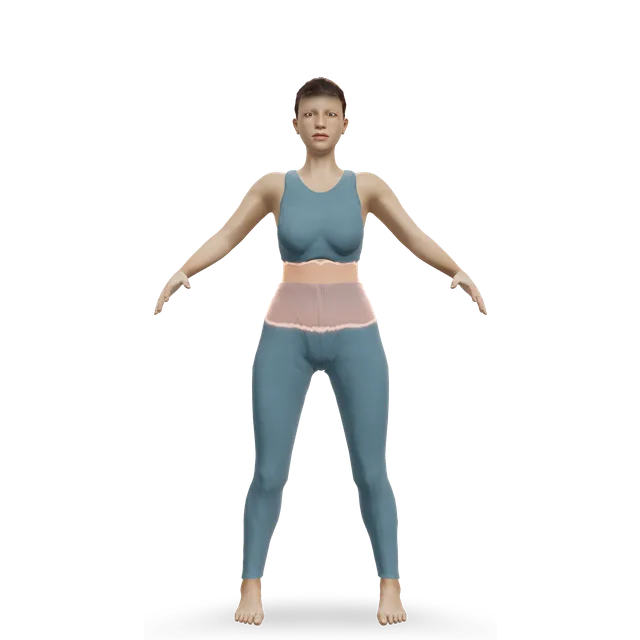
Everyone has soft cushions of blood vessels inside the back passage, which help keep it closed. Piles are these cushions when they swell and slip down. Internal piles are inside the back passage and are graded 1 to 4 by how far they come out; external piles are under the skin around the anus. The NHS describes them as lumps inside and around your bottom, from the size of a pea to the size of a grape.
The NHS lists:
Bleeding from internal piles is usually painless, because the inside of the back passage has no pain-sensing nerves. Piles don't usually hurt unless a clot forms in one, most often an external pile, or one that has come out gets trapped.
In 976 adults having a routine bowel check in Austria, 38.9% had piles, most of them mild, and fewer than half of those had symptoms. In 2,813 adults having a colonoscopy in the US, 38% had them. Piles are most common between the ages of 45 and 65.
The NHS says it's not clear what causes piles, and lists things that make them more likely: constipation, pushing too hard when pooing, heavy lifting, pregnancy, getting older and being overweight. Constipation was about twice as common in people with piles across 19 studies. Heavy lifting and hard exercise are thought to play a part by raising the pressure inside your tummy, but a review notes that these factors haven't been studied in detail. Guts UK adds that pain from piles can make people put off going to the toilet, which makes constipation worse.
Most piles settle with self-care: soft poo, no straining, short toilet visits, a warm bath, and an ice pack wrapped in a towel. A pharmacist can suggest treatments for the pain, itching and swelling, and for constipation. If they don't settle, hospital treatments include banding, injections and surgery. One NHS hospital says banding works for about 8 in 10 people, and piles are less likely to come back if you avoid constipation and straining.
A small tear in the anus (an anal fissure) causes a severe, sharp pain when you poo, often with bright red blood. Bleeding from the bottom can also come from other conditions, including bowel cancer, which is why it needs checking by a GP.
A genetic study linked more leisure-time exercise with a slightly lower risk of piles, but only in some of its analyses, and more screen time with a slightly higher risk. In 2,813 adults having a colonoscopy, being active wasn't clearly linked with fewer piles. No trial has tested exercise as a treatment. The clearest benefit is through preventing constipation: the NHS says a daily walk or run can help you poo more regularly.
Across 19 studies, constipation was about twice as common in people with piles. In the colonoscopy study, constipation, straining and hard poo were all linked with piles. US colorectal surgeons name constipation and long, straining toilet visits among the main things to change. These are observational links, so they can't prove cause and effect.
In a Cochrane review of 7 trials with 378 people, extra fibre roughly halved the chance of symptoms carrying on and of bleeding (moderate-quality evidence). US surgeons' and gastroenterologists' guidelines both recommend diet and toilet habit changes first, as strong recommendations based on moderate evidence. Fibre can take up to 6 weeks to work.
The NHS lists heavy lifting as something that makes piles more likely, and a review explains why raised pressure inside the tummy might matter, while noting it hasn't been studied in detail.
The only study of sport and piles we found was a small online survey of 312 people who play sport in Italy, with piles reported by the people themselves. Bodybuilders were more likely to report piles (an odds ratio of 2.88, with a wide margin of error). Of the cyclists and horse riders, 57% reported piles, but that link wasn't significant once age, sex and other factors were taken into account, and people who went trekking or skiing reported fewer. A survey like this can't show that a sport causes piles.
In 125 adults having a bowel check, people who used their phone on the toilet were more likely to sit there for over 5 minutes, and had 46% higher odds of piles. In a Turkish study, people with piles were far more likely than people without to sit on the toilet for over 20 minutes (12.5% against 0.5%), but they used phones on the toilet less, probably because they'd changed their habits after their symptoms began. US gastroenterologists advise against long spells on the toilet, including reading or using a phone.
In the colonoscopy study, the people who sat most during the day had slightly fewer piles, not more. The NHS still suggests avoiding standing or sitting for long periods if you have piles in pregnancy. Long spells on the toilet, rather than ordinary sitting, are the habit with evidence against them.
In a trial in 260 pregnant women in Lithuania, advice on daily walking or exercise for 30 to 60 minutes 3 to 5 times a week, at least 1.5 litres of fluid, more fibre, and toilet visits under 3 minutes cut piles by the time women left hospital after the birth from 40.8% to 15.4%. Exercise was one part of the package, so its own effect can't be separated, and more women dropped out of the advice group.
In a study of 280 pregnant women, 40.7% developed piles, mostly late in pregnancy or after the birth, and constipation was one of the strongest links. In another, women who weren't active enough were more likely to be constipated.
Aim to build towards the NHS guideline of 150 minutes of moderate activity a week, such as 30 minutes of brisk walking on 5 days. A daily walk or run can help you poo more regularly. In the pregnancy trial, women were advised to walk or exercise for 30 to 60 minutes, 3 to 5 times a week.
The NHS guideline adds strength exercises on 2 days a week. Choose weights you can lift while breathing steadily, breathe out on the effort, and don't hold your breath and bear down (our suggestion, given that the NHS lists heavy lifting as a risk). While your piles are sore or bleeding, use lighter weights, machines or bands for a while.
The NHS says drink lots of fluid and eat plenty of fibre to keep your poo soft, and cut down on alcohol and caffeine. US gastroenterologists suggest 20 to 30 g of fibre and 6 to 8 glasses of fluid a day. Build fibre up gradually; our constipation guide and water intake calculator give the amounts.
The urge to poo often comes after a meal and in the morning: the pregnancy trial suggested trying 30 to 40 minutes after eating, and in the morning. A walk after breakfast fits well (our suggestion).
Source 20
Our wording of NHS advice (don't ignore the urge, don't push too hard, don't spend longer than you need on the toilet, pat rather than rub), the toilet position in our constipation guide, North Bristol NHS Trust's 5-minute limit, and the NHS's advice on moist toilet paper for piles in pregnancy.
The toilet position page's dose is every time you go, for no more than about 5 minutes at a time; the pelvic floor relaxation page's is 5 to 10 slow breaths, 1 to 3 times a day. The tummy massage is for constipation, and its page lists who shouldn't use it, including in pregnancy. The toilet position and tummy massage have written steps, with no 3D demo.
Build towards 150 minutes a week, as the NHS advises. The elliptical trainer and recumbent bike pages' dose is 10 to 20 minutes at a moderate effort to start, building towards 30. If a saddle makes your piles sore, walk or swim for a while instead (our suggestion).
 3D demoTreadmill walkingBeginner · Cardio machine
 3D demoTreadmill joggingIntermediate · Cardio machine
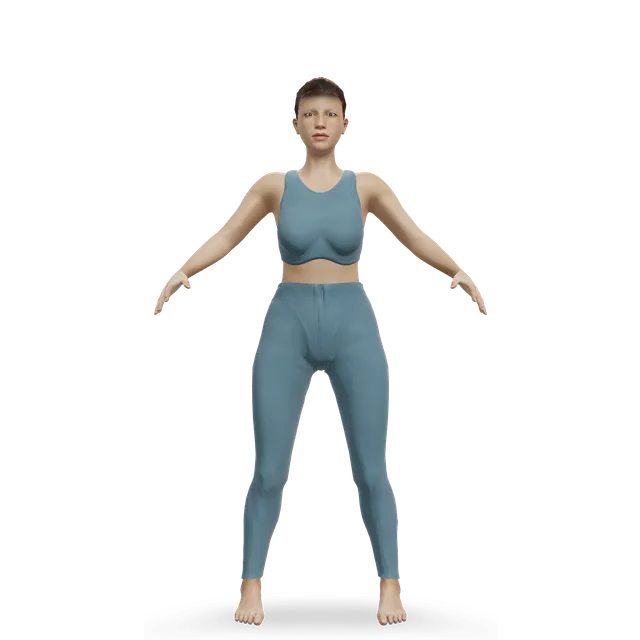 Front crawl (freestyle swimming)Intermediate · Other / check instructions
 3D demoElliptical trainerBeginner · Cardio machine
 3D demoRecumbent exercise bikeBeginner · Cardio machine
 3D demoStationary cyclingBeginner · Cardio machine
The NHS websites for England and Scotland (NHS inform) both list heavy lifting among the things that make piles more likely, alongside constipation and pushing too hard when you poo.
The concern is pressure: holding your breath and bearing down raises the pressure inside your tummy, which may slow blood flow out of the cushions. So breathe out on the effort, choose weights you can lift without straining, and avoid grinding out the last rep (our suggestion). While your piles are sore, lighten heavy deadlifts, squats, the leg press and kettlebell swings, or swap them for machines and bands, then build back up as they settle.
Source 13
2 days a week. Our editorial starting point is 2 sets of 10 to 12 with a weight you can lift while breathing steadily; the band row page's dose is 3 sets of 10 to 15, stopping 2 to 3 reps short of failure. The pelvic floor exercise is for leaking, not for piles.
 3D demoSit to stand from a chairBeginner · A bench or box
 3D demoDumbbell goblet squatIntermediate · A dumbbell
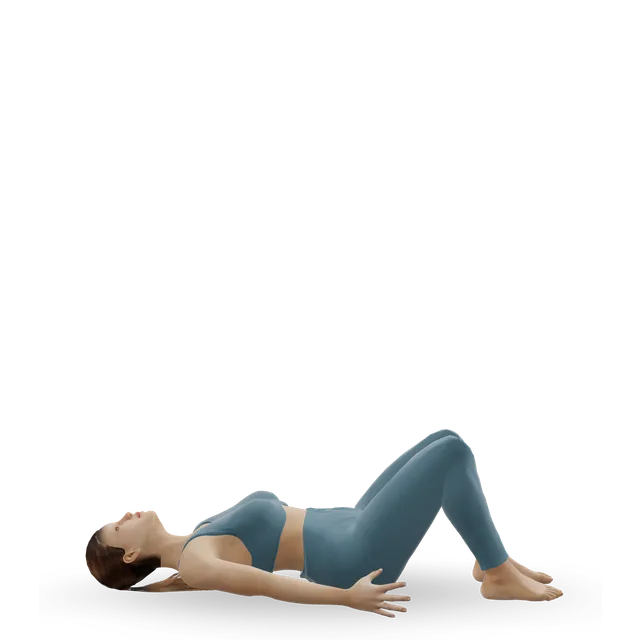
 3D demoGlute bridgeBeginner · No equipment
 3D demoBand rowBeginner · A band + An anchor point
 3D demoWall push-upBeginner · A wall
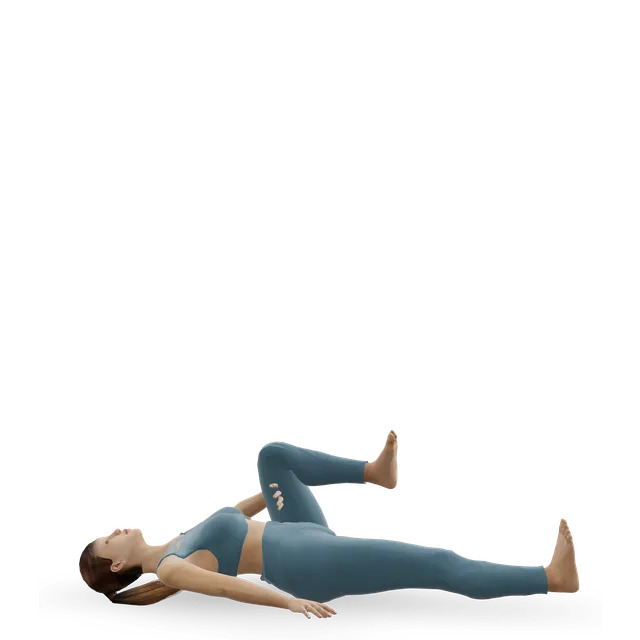
 3D demoBird dog, one limb at a timeBeginner · No equipment
 3D demoSuitcase carryIntermediate · A dumbbell + A kettlebell
 3D demoPelvic floor exercise (Kegel)Beginner · No equipment
We found no study testing cycling for piles. In the one survey of people who play sport, the link with cycling and horse riding wasn't significant once age, sex and other factors were taken into account. Saddle studies in male cyclists found that no-nose saddles and recumbent bikes lowered the pressure between the legs, though no-nose saddles shift pressure backwards and feel less stable.
If riding is sore, shorten your rides, stand up on the pedals regularly, check your saddle set-up with our cycling guide, and walk or swim for a while (our suggestion).
The NHS mentions a daily walk or run for keeping your bowels regular. If running makes your piles sore, walk or swim instead until they settle (our suggestion).
Source 4
People with piles tend to have higher pressure in the muscles around the anus. Learning to let your pelvic floor and bottom relax on the toilet helps you empty without straining, and the pelvic floor relaxation move shows how.
We found no trial of pelvic floor exercises (Kegels) for piles. Do them if you also leak. If emptying is hard, or you feel you can't let go, see a GP or a pelvic health physiotherapist rather than adding more squeezes. Our pelvic floor guide covers both.
In one study, 40.7% of 280 pregnant women developed piles, mostly late in pregnancy or after the birth; in another, 68% of 94 women had symptoms around the bottom. Constipation was the common thread.
For piles in pregnancy, the NHS suggests:
Source 5
In the Lithuanian trial, daily walking or exercise was part of the advice that cut piles after the birth. Follow the usual pregnancy guidance: stop if you feel uncomfortable, too hot or unwell, and from later in pregnancy, keep exercises on your back short, as our pregnancy guide explains.
The NHS advises avoiding straining on the toilet and heavy lifting at first after the birth. In one study, pushing for more than 20 minutes in labour and a baby over 3,800 g were linked with piles. Our postpartum guide covers getting back to exercise.
North Bristol NHS Trust says most people are back to their normal routine within 1 to 2 days, and advises drinking at least 2 litres a day and not straining or sitting on the toilet for more than 5 minutes. Bleeding can increase 7 to 10 days afterwards. Another hospital's older leaflet suggests avoiding sport, cycling and running for a few days.
One hospital's older leaflet says no exercise or work for 1 to 2 weeks after piles surgery, and another stresses avoiding straining. Follow the leaflet your own hospital gives you.
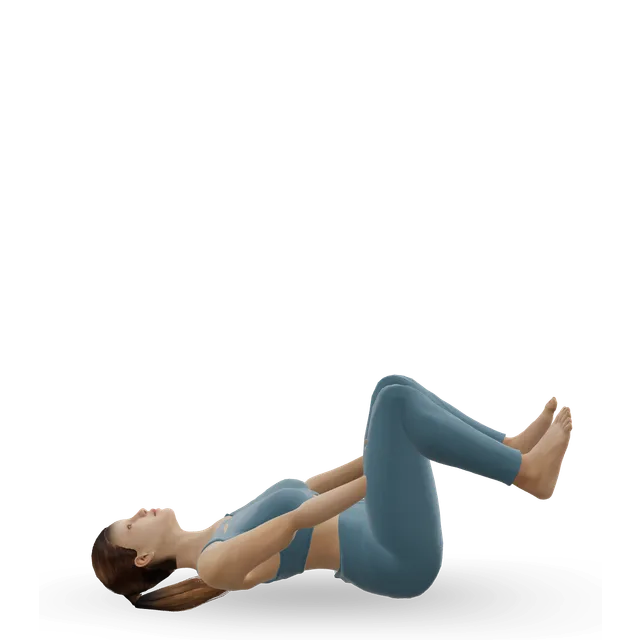
The morning routine for constipation pairs a walk with knee hugs and letting go before an unhurried toilet visit. The pelvic floor relaxation routine helps if you strain or find it hard to let go. Swimming and the low-impact cardio workout are good swaps while your piles are sore. No workout treats piles itself.
A steady 30 to 45 minute cardio session at talk-but-not-sing pace: walk, cycle, row or cross-train, counting toward weekly activity guidelines.
40 minBeginner3 movesCardio machine, A wallA daily morning routine for constipation: a brisk walk, slow breathing, knee hugs and relaxing your pelvic floor, then tummy massage and unhurried toilet time.
25 minBeginner7 movesCardio machineAn 8-minute routine for a tight pelvic floor: slow breathing and comfortable positions to help the muscles let go, with no strengthening squeezes.
8 minBeginner5 movesFirm cushionA 30 to 45-minute beginner pool swim: a shoulder warm-up on the side, easy lengths, a main set of repeats with rests, and an easy swim down, any stroke.
35 minBeginner5 movesOther / check instructionsA 25-minute standing cardio circuit with no jumping: marching, step jacks, sit-to-stands, punches, step-ups and wall push-ups, with a seated option for most moves.
25 minBeginner9 movesA bench or box, A stepA full-body resistance band workout: squats, rows, push-ups, presses, pull-aparts, band walks, good mornings and flyes.
30 minBeginner9 movesA band, An anchor pointA 20-minute prenatal yoga workout for any trimester: seated breathing, all-fours and kneeling poses, supported standing poses and rest, none flat on your back.
20 minBeginner15 movesA step, A wallA gentle 25-minute routine for the first weeks after birth: pelvic floor, breathing, tummy and hip exercises on the floor, sit-to-stands and a walk.
25 minBeginner12 movesA bench or box, Cardio machineThe walking plan builds to 150 minutes a week. The pregnancy and postpartum plans avoid lying on your back late in pregnancy and build up gently after the birth.
A free 8-week walking plan for beginners: build to 150 minutes of brisk walking a week, with intervals, hills and two short strength sessions.
6 training days40 minBeginner5 days a weekA pregnancy workout plan for each trimester: walks or swims, two strength sessions a week off your back, daily pelvic floor work and when to stop.
5 training days30 minBeginner5 days a weekA postpartum workout plan from the first days after birth to running and lifting again, week by week, with a caesarean track and readiness checks.
5 training days25 minBeginnerThis is general information, not a diagnosis. In the US, call 911 where this page says 999.
The NHS says go to accident and emergency (A&E) or call 999, and don't drive yourself, if you have piles and:
Bleeding from the bottom is sometimes a sign of bowel cancer, and US colorectal surgeons warn that bleeding put down to piles is a common way it gets missed. A GP may examine your bottom or arrange tests, which is routine. The NHS says try not to be embarrassed: doctors are used to talking about this.
A severe, sharp pain when you poo, with bright red blood, may be an anal fissure. See a GP if it isn't getting better after 7 days.
Source 17
If a session brings on pain, a lump that won't go back in, or bleeding, stop, swap to gentler exercise for a while, and see a GP if it keeps happening (our suggestion).
The NHS lists heavy lifting among the things that make piles more likely, but it hasn't been studied in detail, and one small survey linked bodybuilding with more piles. Constipation and straining have much better evidence. How you lift probably matters: breathe out rather than bearing down.
We found no study testing it, and in one survey the link wasn't clear once age, sex and other factors were allowed for. A sore bottom on the saddle is a reason to shorten rides for a while, not proof of harm.
Source 8
In a study of 2,813 adults, those who sat most had slightly fewer piles. Long spells on the toilet are a different matter: they're linked with piles.
We found no trial of pelvic floor exercises or yoga for piles. People with piles tend to have tighter muscles around the anus, so learning to relax them on the toilet may matter more.
Source 15
The NHS suggests regular exercise to help with constipation, including with piles in pregnancy, and in a trial, a package that included daily walking cut piles in pregnancy.
Bright red blood is common with piles, but bleeding from the bottom can be a sign of bowel cancer, and bleeding put down to piles is a common way it gets missed. See a GP about any blood in your poo.
The NHS says don't push too hard when you poo, and don't spend longer on the toilet than you need to. Straining can make piles worse.
Mostly by helping you avoid constipation: the NHS says a daily walk or run can help you poo more regularly. Being active is linked with slightly fewer piles in some population studies but not in others, and no trial has tested exercise as a treatment. Fibre, fluids and not straining on the toilet have the best evidence.
Walking, swimming and other moderate activity on most days, building towards 150 minutes a week. Add strength exercises on 2 days a week, breathing out as you lift. If something hurts while your piles are sore, swap to walking or swimming for a while.
Usually, yes, but breathe out on the effort, don't hold your breath and bear down, and use weights you can lift without straining. The NHS lists heavy lifting among the things that make piles more likely, though it hasn't been studied in detail. While your piles are sore or bleeding, lighten heavy lifts for a while.
It might add to the risk, but the evidence is thin. In one small survey, bodybuilders reported piles more often, while constipation and straining have much better evidence. How you lift probably matters: steady breathing rather than bearing down.
We found no study testing it, and in one survey of people who play sport, the link with cycling wasn't clear once age, sex and other factors were allowed for. If riding is uncomfortable, shorten your rides, stand up on the pedals regularly, check your saddle set-up, or swap to walking or swimming for a while.
Yes, if it's comfortable: the NHS mentions a daily walk or run for keeping your bowels regular. If running makes your piles sore, walk or swim instead until they settle.
There's no trial of them for piles. People with piles tend to have tighter muscles around the anus, so learning to relax your pelvic floor on the toilet may help more than extra squeezing. Do pelvic floor squeezes if you also leak, and see a GP or pelvic health physiotherapist if emptying is hard.
Only as long as you need to: no more than about 5 minutes. Go when you feel the urge, rest your feet on a low stool, lean forward and breathe out rather than straining. Leaving your phone outside makes short visits easier.
Yes: the NHS suggests regular exercise to help with constipation, and avoiding standing or sitting for long periods. In a trial, pregnant women advised to walk or exercise for 30 to 60 minutes 3 to 5 times a week, drink enough, eat more fibre and keep toilet visits short had far fewer piles after the birth. Check with your midwife, doctor or pharmacist before using any cream.
After banding, most people are back to their normal routine within a day or two, though one leaflet says avoid sport, cycling and running for a few days. After surgery, one NHS hospital says no exercise or work for 1 to 2 weeks. Follow the leaflet your hospital gave you, and avoid straining.
See a GP about any blood in your poo, even if you think it's piles, and ask for an urgent appointment or call NHS 111 for painless bleeding from your bottom. Go to A&E or call 999 if the bleeding won't stop, there's a lot of blood or large clots, or you're in severe pain. Try not to be embarrassed: doctors are used to talking about this.
Often, yes: the NHS says they often get better on their own after a few days. Soft poo from fibre and fluids, not straining and short toilet visits help, and a pharmacist can suggest treatments. See a GP if they keep coming back or aren't getting better.
Exercise education, not a diagnosis or treatment plan, and clinical review of these guides is pending. Stop and get advice for chest pain, unusual breathlessness, dizziness or fainting, or new pain, and check with your doctor or midwife first if they have told you to limit activity. Health disclaimer.