Diverticula are common, and mostly harmless
About 5% of people have them by 40 and at least half by 80, and most people with them never get symptoms. Symptoms from them are diverticular disease; inflamed or infected pouches are diverticulitis.
Exercise guide
Diverticula are small pouches in the wall of the large bowel. About half of people have some by the age of 80, and most never get symptoms from them. When they cause symptoms it's called diverticular disease, and when they become inflamed or infected it's diverticulitis.
In large studies, people who were more active, especially with vigorous exercise such as running, had less diverticulitis and less bleeding. These studies observed people, mostly men, rather than tested exercise, but the National Institute for Health and Care Excellence (NICE) says to tell people about the benefits of exercise.
This guide covers how much and what kind of exercise, what to do during a flare and how to build back afterwards, exercise after bowel surgery or with a stoma, the food myths (you don't need to avoid nuts and seeds), and the warning signs that need urgent help. Exercise adds to the care your general practitioner (GP) or hospital team gives; it doesn't replace it.
About 5% of people have them by 40 and at least half by 80, and most people with them never get symptoms. Symptoms from them are diverticular disease; inflamed or infected pouches are diverticulitis.
In 47,228 US men followed for 18 years, the most vigorously active had about a third less diverticulitis and 39% less diverticular bleeding. Across 5 cohort studies, high activity went with about a quarter less diverticular disease. These studies observed people, mostly men, and the link was mostly with vigorous exercise; no trial has tested exercise.
NICE says to tell people about the benefits of exercise, losing weight if they're overweight, and stopping smoking in reducing the risk of diverticulitis. US gastroenterologists advise regular physical activity to lower the chance of another attack.
Build towards 150 minutes of moderate activity a week, plus strength exercises on 2 days. In the studies, running and other vigorous exercise carried most of the link; in one, about 2 hours a week of vigorous exercise counted as the low-risk level.
No trial or guideline gives a timeline for exercise after a flare. Rest while you're unwell; mild attacks often settle within days. Once the pain and any fever have gone, start with short walks and build back over a week or two (our suggestion). Some tummy symptoms linger for a third of people, and they're not a reason to stop moving.
After a colostomy, the National Health Service (NHS) says avoid strenuous activity and heavy lifting for 8 weeks. One NHS hospital's physiotherapy leaflet aims for 30 minutes of walking a day by 2 to 3 months, and moderate exercise such as swimming or cycling after that. Your surgical team's advice comes first.
NICE says there's no need to avoid seeds, nuts, popcorn or fruit skins, and in a large study, eating nuts and popcorn didn't raise the risk of diverticulitis; if anything, it was lower.
The NHS describes diverticula as small bulges or pouches in the wall of the large bowel. Having them without symptoms is diverticulosis. Diverticular disease means they cause symptoms such as tummy pain. Diverticulitis means they've become inflamed or infected, usually with constant, severe pain low on the left side of your tummy, and sometimes a fever. NICE calls it complicated when there's an abscess, a narrowing or blockage, a hole in the bowel, a connection to another organ, or sepsis.
NHS inform says about 5% of people have diverticula by 40 and at least 50% by 80, and about 1 in 4 people with them get symptoms; if you've never had symptoms, there's a 70% to 80% chance you never will. A person's lifetime chance of diverticulitis is about 3% to 5%. Men and women are affected equally, and diverticulitis is most likely over 70, though Guts UK says more people under 45 are being diagnosed.
Diverticula form where the bowel wall becomes weak, which can happen with age. They're linked with a low-fibre diet, though that isn't proven. Smoking, being overweight, a history of constipation, anti-inflammatory painkillers and having a close relative with diverticular disease are linked with it, and Guts UK lists not being physically active. About half the risk of diverticulitis is down to genes.
The NHS lists:
Rarely, diverticulitis leads to an abscess, a blockage, a connection to the bladder or vagina (a fistula), or a hole in the bowel that causes a serious infection. NHS inform says complications affect 1 in 5 people with diverticulitis, and about 15% have bleeding, which usually stops on its own. Complications are most likely with the first attack, and about 1 in 5 people have another attack within 10 years.
For diverticular disease, painkillers such as paracetamol, fibre, bulk-forming laxatives and medicines for cramps. Mild diverticulitis can usually be treated at home: NICE suggests your GP may not need to give antibiotics if you're otherwise well, and people who are more unwell need antibiotics or hospital care. Surgery to remove part of the bowel is for complications or symptoms that keep coming back, and sometimes means a stoma, often temporary; the NHS lists diverticulitis among the reasons for a colostomy.
Guts UK says there's no evidence that diverticular disease raises your risk of bowel cancer. Some symptoms overlap, though, so you may be offered a test to look inside your bowel after an attack.
All the evidence on exercise is observational: no trial has tested exercise to prevent diverticulitis or another attack. Most of it comes from studies of men, and the link is mostly with vigorous exercise. Diet, a healthy weight and not smoking matter too.
In 47,678 US men followed for 4 years, the most active had about a third less symptomatic diverticular disease (risk ratio 0.63), mostly from vigorous activity; jogging and running was the only single activity with a clear trend, and a low-fibre diet with little activity carried 2.56 times the risk. Followed for 18 years, the most vigorously active men had about a third less diverticulitis (risk ratio 0.66) and 39% less bleeding (0.61), while moderate activity such as walking wasn't linked either way.
In 10,736 runners aged 50 and over followed for about 8 years, the risk of diverticular disease fell about 6% for each extra kilometre run a day, and was 48% lower in those running more than 8 km a day. The diagnoses were reported by the runners themselves.
Source 9
In 36,592 Swedish women followed for 12 years, exercising 30 minutes a day or less went with 42% more diverticular disease needing hospital care than exercising more. In 43,772 Swedish men examined at 18 to 20, good fitness went with less diverticular disease needing hospital care over the next 39 years, and being overweight doubled it.
Across 5 cohort studies with 147,869 people, high physical activity went with 24% less diverticular disease (risk ratio 0.76), and vigorous activity with about a quarter less diverticulitis in 2 studies. Each step up in body mass index (BMI) raised the risk.
Source 4
Men with all 5 low-risk habits (vigorous exercise, a healthy weight, plenty of fibre, little red meat and not smoking) had about a quarter of the risk of diverticulitis (risk ratio 0.27), and the authors estimated about half of cases could be prevented. Across three large US cohorts, the healthiest lifestyle halved the risk, whatever people's genes. In UK Biobank, sitting a lot, smoking and poor sleep went with more diverticular disease. A genetic study supports weight, type 2 diabetes and smoking as causes, but didn't test activity.
NICE says to tell people about the benefits of exercise, losing weight and stopping smoking in reducing the risk of diverticulitis and symptoms; it made this recommendation by expert agreement, noting evidence that vigorous exercise was linked with a lower risk. The American Gastroenterological Association advises people who have had diverticulitis to be physically active routinely, keep a healthy weight, eat a high-quality diet and not smoke, and the American College of Gastroenterology says regular physical activity may help lower the chance of another attack. Guts UK says take regular exercise.
We found no study linking exercise with bringing on an attack. In the cohort studies, the most active people had fewer attacks and less bleeding, not more.
At least 150 minutes of moderate activity a week, or 75 minutes of vigorous activity, plus strength exercises on at least 2 days. Over 65, be active every day and add balance exercises. Moderate means you can talk but not sing; vigorous means you can't say more than a few words without pausing for breath.
Running, fast cycling, uphill walking and sport match the studies best, and about 2 hours a week of vigorous exercise counted as the low-risk level in one. Any activity counts, though, and building up gradually is wise for everyone (our suggestion).
No study links them with attacks, and running was the activity most linked with a lower risk. After surgery or with a stoma, follow your team's advice and our stoma guide.
A healthy weight, plenty of fibre, not smoking and limiting red meat all count alongside exercise. Our weight loss guide covers losing weight.
When you're well: build towards 150 minutes a week, including some vigorous activity if you can. The indoor rowing page's dose is 3 rounds of 4 to 5 minutes at a conversational pace, resting a minute between. Outdoors counts the same as the machines. After a flare, start with the walking.
 3D demoTreadmill walkingBeginner · Cardio machine
 3D demoTreadmill joggingIntermediate · Cardio machine
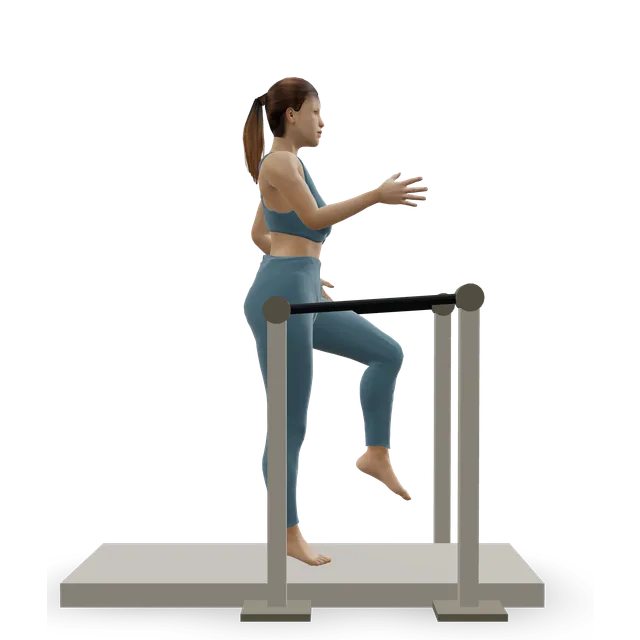 3D demoTreadmill runningIntermediate · Cardio machine
 3D demoStationary cyclingBeginner · Cardio machine
 3D demoIndoor rowing (rowing machine)Beginner · Cardio machine
 Front crawl (freestyle swimming)Intermediate · Other / check instructions
2 days a week when you're well. Our starting point is 2 to 3 sets of 8 to 12; the band row page's dose is 3 sets of 10 to 15, stopping 2 to 3 reps short of failure. In the first weeks back after a flare or surgery, start with the sit to stand and wall push-up.
We found no study of exercise during or after an attack of diverticulitis, and no guideline gives a timeline. NHS inform says mild diverticulitis is usually treated at home and you should recover within about 4 days. NICE says go back to your GP if symptoms don't settle or get worse.
With constant pain, a fever or feeling sick, rest, drink fluids, move gently around the house and follow your GP's or hospital's treatment. No exercise sessions. What to eat during a flare is your GP's or hospital team's call.
In 528 people followed after an uncomplicated attack, about a third still had some symptoms, such as wind, rumbling, bloating or frequent stools, 1 to 2 years later. Ongoing tummy pain is common too, often from a bowel that's become oversensitive, though it should be checked. These aren't a reason to stop exercising; see your GP about pain that lingers.
If you had an abscess or a hole in the bowel treated without surgery, your hospital team decides when you can exercise again (our suggestion). Another attack is more likely after an abscess.
Source 6
Our suggestion, using the usual way of returning to exercise after an illness: no trial or guideline gives a timeline. If your GP or hospital team has given you different advice, follow theirs.
Advice after bowel surgery varies, and your own team may give you different timings. All of it starts with walking and gentle exercises for your tummy muscles. Our stoma guide and bowel cancer guide cover the recovery in detail.
The NHS says try gentle exercise like a short walk when you feel ready, avoid strenuous activities or heavy lifting for 8 weeks while your tummy muscles heal, and that a colostomy shouldn't stop you living a full and active life.
Source 12
One NHS hospital's physiotherapy leaflet advises:
Source 13
People recover faster after keyhole surgery than after open surgery. A stoma made in an emergency is often temporary and reversed a few months later; after a reversal, build up gradually in the same way.
Source 1
A hernia through the scar or beside a stoma is a known risk after bowel surgery. Our hernia and stoma guides cover lowering the risk and exercising with one.
Only with your surgical team's agreement, and stopping for pain, pulling or a bulge. The side-lying tummy draw-in page's dose is a hold of up to 10 seconds, up to 10 times; the bent-knee fall-out and knee fold pages' is 2 sets of 5 to 10 each side, every other day. Our core exercises after bowel or stoma surgery workout puts these together with doses for the early weeks.
 3D demoLateral breathing (Pilates breathing)Beginner · No equipment
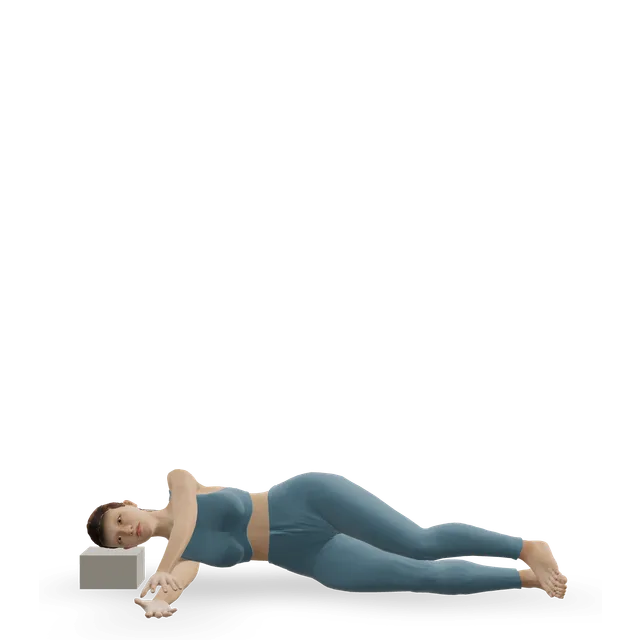 3D demoSide-lying tummy draw-inBeginner · No equipment
 3D demoPelvic tilt into bridgeBeginner · No equipment
 3D demoHip windshield wipersBeginner · No equipment
 3D demoSupine heel slideBeginner · No equipment
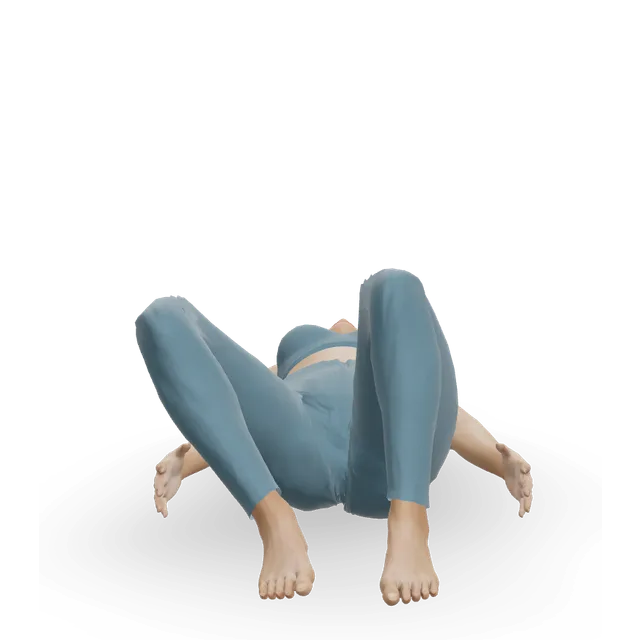 3D demoBent-knee fall-outBeginner · No equipment
 3D demoKnee foldBeginner · No equipment
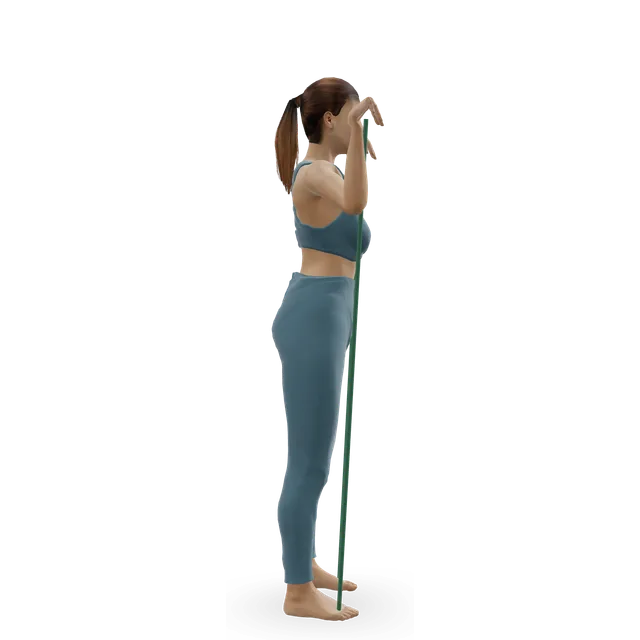
 3D demoSeated marchBeginner · A bench or box
When you're well, the cardio, running and strength workouts build towards the usual guidelines; the intervals add vigorous work once you're fit enough. After a flare, start with the 10-minute starter workout and the build-up interval walk. After surgery, follow your team, then our two core workouts for bowel and stoma surgery.
A steady 30 to 45 minute cardio session at talk-but-not-sing pace: walk, cycle, row or cross-train, counting toward weekly activity guidelines.
40 minBeginner3 movesCardio machine, A wallA 25-minute interval session on a bike or rower: one-minute hard efforts with two minutes easy, building from 4 to 8 rounds.
25 minIntermediate1 movesCardio machineA 30-minute beginner run-walk session: a brisk walk, then 1-minute jogs with 1-minute walks, building to 3-minute runs over your first three weeks.
30 minBeginner5 movesCardio machine, A wallA 40-minute easy run at a pace where you can talk in full sentences, with a brisk-walk warm-up and an easy cool-down: the base of every running plan.
40 minBeginner6 movesCardio machine, A wallA steady bike ride for a first triathlon or fitness: 5 to 10 minutes easy, a ride you can talk through, optional short faster bursts and an easy cool-down.
45 minBeginner4 movesCardio machine, A wallA 30 to 45-minute beginner pool swim: a shoulder warm-up on the side, easy lengths, a main set of repeats with rests, and an easy swim down, any stroke.
35 minBeginner5 movesOther / check instructionsA 20-minute full-body dumbbell workout: two supersets of squats, rows, Romanian deadlifts and push-ups. Twice a week covers the minimum dose.
20 minBeginner8 movesA dumbbell, A bench or boxA full-body resistance band workout: squats, rows, push-ups, presses, pull-aparts, band walks, good mornings and flyes.
30 minBeginner9 movesA band, An anchor pointA 10-minute session for low-energy days: marching, sit-to-stands, wall push-ups, step-ups and bridges, then a short walk. Doing a little counts.
10 minBeginner7 movesA bench or box, A wallA 25-minute walk with short faster bouts: notice your heart and breathing speed up, then settle. A gentle way to get used to the feelings of effort.
25 minBeginner5 movesCardio machine, A wallA gentle 20-minute core routine for the weeks after bowel or stoma surgery: breathing, tummy and pelvic floor work lying down, then chair and standing moves.
20 minBeginner14 movesA bench or box, A wallThe next step after the first core routine: 20 to 30 minutes of level 3 and 4 core work, 2 to 3 times a week, from the UK stoma nurses' recommendations.
25 minIntermediate14 movesNo equipmentThe walking plan builds to 150 minutes a week, couch to 5K adds running, and the weight loss plan helps if you're losing weight.
A free 8-week walking plan for beginners: build to 150 minutes of brisk walking a week, with intervals, hills and two short strength sessions.
6 training days40 minBeginner3 days a weekA 9-week beginner plan with the same walk-to-run shape as Couch to 5K: three run-walk sessions a week, from 1-minute jogs to 30 minutes of running.
3 training days35 minBeginner5 days a weekA 12-week workout plan for weight loss: three strength days, two cardio days and daily steps, building to 200 minutes a week, with honest results.
3 training days45 minBeginnerNICE says there's no need to avoid seeds, nuts, popcorn or fruit skins, and the NHS says there are no specific foods you need to avoid. In 47,228 men, eating nuts or popcorn at least twice a week didn't raise the risk of diverticulitis or bleeding; if anything, the risk of diverticulitis was lower, clearly so for popcorn. Some older advice, including NHS inform's, still mentions avoiding them.
Eat a healthy, balanced diet with whole grains, fruit and vegetables, increase fibre gradually and drink enough fluid. NICE says the benefits of fibre may take several weeks, and if you tolerate it, keep a high-fibre diet for life. There's no good evidence that a low-fibre diet helps you recover from an uncomplicated attack.
NICE advises avoiding anti-inflammatory painkillers such as ibuprofen, and opioid painkillers such as codeine, if possible, because they may increase the risk of a hole in the bowel. Talk to your GP or pharmacist about pain relief, and don't stop a prescribed medicine, such as aspirin for your heart, yourself.
NICE includes losing weight if you're overweight and stopping smoking alongside exercise.
Diverticulitis is most common over 70. The usual advice for older adults applies, with balance exercises added, and so does the advice on painkillers.
People on long-term steroids or other medicines that weaken the immune system are more likely to have a severe attack, and may have milder symptoms at first, so get help early. Never change these medicines yourself.
Source 6
More people under 45 are being diagnosed, and complications are relatively more common under 50.
This is general information, not a diagnosis. In the US, call 911 where this page says 999.
The NHS says call 999 or go to accident and emergency (A&E) if you or someone you care for:
NHS inform says heavy bleeding can make you feel very dizzy or confused, with pale, clammy skin or shortness of breath: get medical help at once.
Source 1
The NHS says get urgent help if:
For new or different symptoms, blood in your poo, or losing weight or frequent changes in your bowel habit, because diverticular disease doesn't cause weight loss. Pain when you pee, needing to pee more often, air or poo in your pee, or a foul-smelling discharge from the vagina can mean a fistula and need a GP.
Stop and get advice if tummy pain comes back or gets worse during or after exercise, or you get a fever (our suggestion). After bowel surgery or with a stoma, the warning signs in our stoma guide apply too.
We found no study linking exercise with attacks. In large cohort studies, the most active people had less diverticulitis and bleeding, especially with vigorous exercise, and the NICE committee was aware of evidence that vigorous exercise went with a lower risk.
No guideline says so. Running was the activity most linked with a lower risk, and NICE and the American Gastroenterological Association advise exercise. The exceptions are a flare, when you rest, and the weeks after surgery, when your team's limits apply.
NICE says there's no need to avoid them, and in a large study, nuts and popcorn didn't raise the risk of diverticulitis; if anything, it was lower.
NICE says if you tolerate it, keep a high-fibre diet for life, and there's no good evidence that low fibre helps recovery. What to eat during a flare is your GP's or hospital team's call.
70% to 80% of people found to have diverticula without symptoms never get any, and the lifetime chance of diverticulitis is about 3% to 5%.
Guts UK says there's no evidence it raises your risk of bowel cancer, though a test after an attack may be offered to check your bowel.
Not any more: US gastroenterologists advise against planned surgery based on the number of attacks alone, and NHS inform says surgery after 2 attacks is no longer routine.
NICE tells people about the benefits of exercise, US guidelines advise regular activity to lower the chance of another attack, and healthy habits together roughly halved the risk in large studies.
Yes, when you're well: NICE says to tell people about the benefits of exercise in reducing the risk of diverticulitis, and active people had fewer attacks in large studies. Aim for 150 minutes a week plus strength exercises on 2 days. During an attack, rest until the pain and any fever have gone.
We found no study linking exercise with attacks. In large studies, the most active people, especially those who did vigorous exercise such as running, had less diverticulitis and less bleeding. These studies observed people, so they can't prove exercise prevents attacks, but they don't suggest it causes them.
No: rest while you have constant pain, a fever or feel sick, drink fluids, and follow your GP's or hospital's treatment. Gentle movement around the house is fine. If the pain gets worse, you have a high temperature or you keep being sick, get urgent help.
No trial or guideline gives a timeline. Mild attacks often settle within days; our suggestion is to start with short walks once the pain and fever have gone and you're eating again, then return to your usual exercise over a week or two after you've been back to normal for about a week. If the pain returns, stop and get advice.
When you're well, running is fine: in the studies, jogging and running were the activities most linked with a lower risk. Build up gradually if you're new to it, for example with a couch to 5K plan. Don't run during a flare, and after surgery follow your team's timeline.
Yes, when you're well: no study links strength training with attacks, and the NHS advises strength exercises on 2 days a week. After bowel surgery, follow your surgical team's limits: the NHS says avoid heavy lifting for 8 weeks after a colostomy.
When you're well, core work isn't linked with diverticulitis. After bowel surgery, start with the gentle core routine your stoma nurse or physiotherapist gives you, and leave sit-ups and double leg raises until your team says so. Our core exercises after bowel surgery workout shows the early stages.
Walking is the best way to start moving again after an attack or surgery, and regular activity goes with fewer attacks over time. After surgery, one NHS hospital's physiotherapy leaflet aims for 30 minutes of walking a day by 2 to 3 months.
Walk from the start, building up each day. The NHS says avoid strenuous activity and heavy lifting for 8 weeks after a colostomy, one NHS hospital advises nothing heavier than about a full kettle at first after a large wound, and moderate exercise such as swimming or cycling can follow after 2 to 3 months. Your surgical team's advice comes first, and our stoma guide covers core exercises.
It may lower the risk: US gastroenterologists advise being physically active to reduce the chance of another attack, and men with five healthy habits (vigorous exercise, a healthy weight, fibre, little red meat and not smoking) had about a quarter of the risk in one large study. Avoiding anti-inflammatory painkillers where possible matters too; talk to your GP rather than stopping any prescribed medicine.
No: NICE says there's no need to avoid seeds, nuts, popcorn or fruit skins, and in a study of 47,228 men, nuts and popcorn didn't raise the risk of diverticulitis; if anything, it was lower. Eat a healthy, balanced diet and build up fibre gradually with enough fluid.
Ask for an urgent GP appointment or call NHS 111 for blood or slime in your poo, tummy pain that's getting worse or won't go away, a high temperature, or being sick and unable to keep fluids down. Call 999 for severe tummy pain with vomiting, a swollen tummy or not being able to poo or fart, heavy bleeding from your bottom, or signs of sepsis such as confusion or fast breathing.
Exercise education, not a diagnosis or treatment plan, and clinical review of these guides is pending. Stop and get advice for chest pain, unusual breathlessness, dizziness or fainting, or new pain, and check with your doctor or midwife first if they have told you to limit activity. Health disclaimer.