Pilates guide

Pilates for piles (haemorrhoids): breathing out, letting go and which moves to change

Pilates is fine with piles (haemorrhoids, or hemorrhoids in the US), and it can help in the ways that matter: moving regularly keeps your bowels regular, Pilates teaches you to breathe out on an effort rather than hold your breath and push, and its release work helps you let go on the toilet instead of straining. No study has tested Pilates for piles, though, and no move shrinks them. Soft poo, no straining and short toilet visits do the most.

Pilates doesn't replace the usual care for piles: fibre and fluids, a pharmacist's advice, and a GP if they don't settle or you see blood. This guide covers how piles and straining are linked, what the evidence shows, the Pilates breath, letting go, which moves to change while your piles are sore, the reformer, pregnancy and after the birth, and when bleeding needs a GP. Bleeding from the bottom always needs checking, because it can be a sign of bowel cancer.

The short version

Pilates is fine with piles

The NHS says "A daily walk or run can help you poo more regularly", and the UK's pelvic health physiotherapists list Pilates among good everyday exercise for bowel health. Pilates adds two useful skills: breathing out on an effort, and letting your pelvic floor relax.

Sources 1, 2

No study has tested Pilates for piles

Our searches found none, and no move shrinks a pile. Soft poo and no straining do the most: in a Cochrane review of 7 trials (378 people), extra fibre roughly halved the chance of symptoms carrying on, and US colorectal surgeons make diet and toilet habits the first treatment.

Sources 3, 4, 5

Straining is the habit to change

The NHS lists constipation, pushing too hard when you poo and heavy lifting among the things that make piles more likely. In laboratory studies, holding your breath and bearing down raised the pressure in the tummy more than any exercise did. Breathe out on every effort, on the mat and on the toilet.

Sources 6, 7

Let go, don't just squeeze

People with piles tend to have tighter muscles around the back passage. No trial supports pelvic floor squeezes (Kegels) for piles; learning to relax, and sitting with your feet on a low stool, fit better.

Sources 8, 1

While they're sore, change three things

Swap long curl-ups and roll-ups for moves with your head down, sit on a cushion or a chair for seated work, and skip rolling on your bottom. These are our suggestions for comfort, and no study has tested them in piles.

Source 9

Bleeding needs checking

See a GP about any blood in your poo. Get urgent help for heavy bleeding, black or dark red poo, or bleeding with weight loss or a change in your poo. The signs are listed below.

Sources 6, 10

Piles and straining

What piles are

"Piles (haemorrhoids) are lumps inside and around your bottom (anus). They often get better on their own after a few days." They are the normal cushions of blood vessels in the back passage, swollen and slipping down.

Source 6

Symptoms

The NHS lists:

  • bright red blood after you poo
  • an itchy anus
  • feeling like you still need to poo after going to the toilet
  • mucus in your underwear or on toilet paper
  • lumps around your anus
  • pain around your anus

Source 6

What makes them more likely

The NHS says it's not clear what causes piles, and lists constipation, pushing too hard when pooing, heavy lifting, pregnancy, getting older and being overweight. Across 19 studies, constipation was about twice as common in people with piles, but piles weren't clearly more common in people with constipation, and an older US study linked diarrhoea and a higher body weight with piles instead. So the link with constipation is real but its direction is contested.

Sources 6, 11, 8, 12

How common they are

Very common: a 2026 review of 150 studies put it at about 1 in 4 people at any one time. In 976 adults having a routine bowel check, 38.9% had piles, most of them mild, and fewer than half of those had symptoms.

Sources 13, 14

Treatment comes first

Most piles settle with self-care: soft poo from fluids and fibre, not pushing too hard, not spending longer on the toilet than you need, a warm bath, and an ice pack wrapped in a towel. A pharmacist can suggest creams and treatments for constipation. If they don't settle, hospital treatments include banding, injections and surgery.

Sources 6, 5

Not piles?

A severe, sharp pain when you poo, with bright red blood, may be an anal fissure (a small tear). Bleeding from the bottom can also come from other conditions, including bowel cancer, which is why it needs checking.

Sources 15, 16

What a Pilates class can and can't change

Nothing in Pilates reaches the cushions directly. What it can change: how often you move, how you breathe when you make an effort (the UK pelvic health physiotherapists' Pilates booklet says "Try not to hold your breath"), and how well you let your pelvic floor relax. A class can also be a place where people hold their breath: in long curl-ups, planks and on heavy reformer springs (our reading).

Sources 1, 17, 8

What the evidence says

No one has tested Pilates for piles. The evidence below is about fibre, toilet habits, constipation, exercise and tummy pressure, and much of it is observational.

No study of Pilates, yoga or pelvic floor training in piles

Our searches of PubMed, Europe PMC and ClinicalTrials.gov in November 2026 found no trial of Pilates, yoga, stretching or pelvic floor training for piles, in pregnancy, after the birth or after piles surgery. Everything this page says about Pilates is our reading of the wider evidence.

Source 3

Fibre worksStrong evidence

In a Cochrane review of 7 trials (378 people), extra fibre cut the chance of symptoms carrying on by 53% and of bleeding by half (moderate-quality evidence). US colorectal surgeons recommend diet and behaviour changes as the first treatment, a strong recommendation based on moderate-quality evidence.

Sources 4, 5

Toilet habits come first in every guideline we readStrong evidence

US surgeons advise avoiding straining and limiting time on the toilet; US gastroenterologists add 20 to 30 g of fibre and 6 to 8 glasses of fluid a day and advise against long spells on the toilet, including reading or using a phone. A 2026 US expert update agrees. None of them mentions exercise or Pilates.

Sources 5, 18, 19

Straining and constipation: linked, cause debatedMixed evidence

Across 19 studies, constipation was about twice as common in people with piles, and in 2,813 adults having a colonoscopy it went with more piles. In a Swedish study, people with large piles went to the toilet no more often than others, but strained more and felt they hadn't emptied. An older US study found diarrhoea and a higher body weight linked with piles instead of constipation. These are observational links, so they can't prove cause.

Sources 8, 20, 21, 12

Exercise and piles: no clear linkMixed evidence

A 2026 review found no link between physical activity and piles (7 studies), and in the colonoscopy study, being active wasn't clearly linked with fewer piles. A genetic study linked more leisure-time activity with slightly fewer piles in only some of its analyses. After piles surgery, people who exercised were less likely to have them come back in one retrospective study. So exercise helps mainly by keeping you regular, not by preventing piles directly.

Sources 13, 20, 22, 23

Exercise for constipation: small trialsMixed evidence

In 9 trials (680 people), mostly walking and qigong, exercise improved constipation, but the trials varied a lot and had a high risk of bias, so the authors say the real effect can't be pinned down. The NHS still recommends a daily walk or run.

Sources 24, 1

Heavy lifting and breath-holding: not studiedMixed evidence

No study has tested lifting or holding your breath as a cause of piles. In an online survey of 312 people who play sport, bodybuilding was linked with reported piles, while cycling and riding weren't once age and other factors were allowed for. A small 1990 study found the pressure in the anal cushions rose more with coughing and straining in men with piles than in men without. A review says strenuous lifting and exercise may raise tummy pressure but haven't been studied in detail.

Sources 3, 25, 26, 27

Long toilet visits and phonesMixed evidence

In 125 adults having a bowel check, people who used their phone on the toilet were more likely to sit there for over 5 minutes, and had 46% higher odds of piles. In a Turkish study, people with anal conditions were more likely to sit on the toilet for over 20 minutes. Both are one-off snapshots, not trials.

Sources 28, 29

Toilet position: mixedMixed evidence

A footrest reduced straining and shortened bowel movements in 52 healthy adults, and leaning forward helped half of 22 people who couldn't empty sitting upright. But a footstool didn't help simulated emptying in 41 people with constipation, and a 2025 review found the studies too small for firm conclusions. It's cheap and harmless to try.

Sources 30, 31, 32, 33

Pressure inside the tummy during PilatesEmerging evidence

In one laboratory study of 18 healthy women who already did Pilates, most beginner mat and reformer moves raised the pressure in the tummy no more than getting up from a chair; roll-ups kept it highest for longest. Holding your breath and bearing down raised it more than any exercise in a related study. The measure was indirect, and it hasn't been tested in men or in people with piles.

Sources 9, 7

Pregnancy: a package of advice helpedEmerging evidence

In a trial of 260 pregnant women in Lithuania, advice on daily walking or exercise (30 to 60 minutes, 3 to 5 times a week), fluids, fibre, not ignoring the urge and spending under 3 minutes on the toilet cut piles by the time women left hospital after the birth (a relative risk of 0.38). Exercise was one part of the package, so its own effect can't be separated, and more women dropped out of the advice group.

Sources 34, 35

Letting go: a common problem, no piles trialMixed evidence

Tightening the pelvic floor instead of relaxing it when you push (dyssynergic defecation) was more common in people with fissures, piles or rectal ulcers than in people with normal tests, and people with piles have higher resting pressure in the anal muscles. Specialist biofeedback treats this, often through pelvic floor physiotherapists. No trial has tested relaxation training for piles.

Sources 36, 37, 8

Breathe out, don't strain

The Pilates breath

Pilates teaches you to breathe in to prepare and breathe out as you make the effort. The UK pelvic health physiotherapists' Pilates booklet cues "Breathe in, breathe out, and engage" before each move, and asks you not to hold your breath. That's the opposite of straining, which is holding your breath and bearing down.

Source 17

Letting go

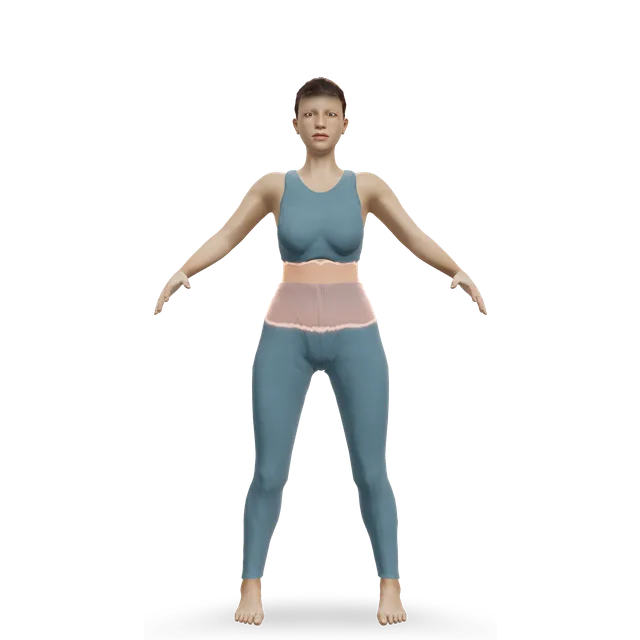
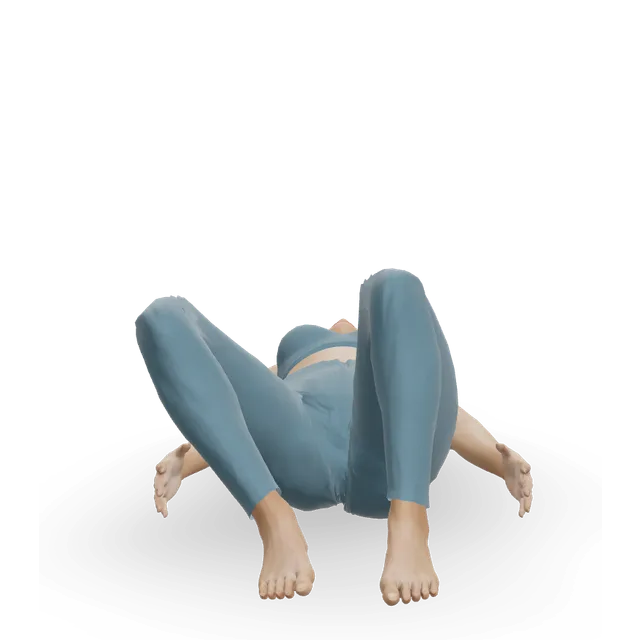
The same booklet says "Let your pelvic floor muscles relax fully after every contraction". With piles, the release matters more than the squeeze: people with piles tend to have tighter muscles around the back passage. The pelvic floor relaxation move below shows how.

Sources 17, 8

On the toilet

Go when you feel the urge, rest your feet on a low stool so your knees are above your hips, lean forward and breathe out gently. The UK pelvic health physiotherapists' advice is to "Relax, lean forward, keep your tummy soft, breath normally and do not strain" (their spelling). If nothing happens after about 5 minutes, get up and try later. Our exercise with piles guide has the steps in full.

Sources 1, 2, 6

Can't let go?

We found no trial of pelvic floor exercises (Kegels) for piles. Do them if you also leak. If emptying is hard, or you feel you can't let go, see a GP or a pelvic health physiotherapist rather than adding more squeezes. Our pelvic floor guide covers both.

How much: a suggested week

Walk on most days

A daily walk keeps your bowels regular and counts towards the NHS guideline of 150 minutes of moderate activity a week. A walk after breakfast fits well, because the urge to poo often comes after a meal (our suggestion).

Sources 1, 38

Pilates 2 or 3 times a week

Our editorial starting point: the bloating class below, or another class that leaves out long curl-ups and rolling while your piles are sore. No trial has tested a Pilates dose for piles.

Fibre and fluids every day

The NHS says drink lots of fluid and eat plenty of fibre to keep your poo soft, and cut down on alcohol and caffeine. US gastroenterologists suggest 20 to 30 g of fibre and 6 to 8 glasses of fluid a day. Build fibre up gradually.

Sources 6, 18

Breathe out, let go and keep moving

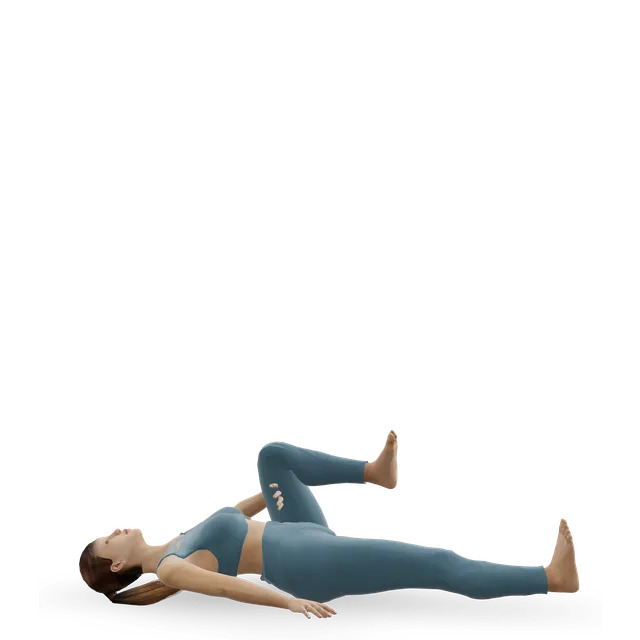
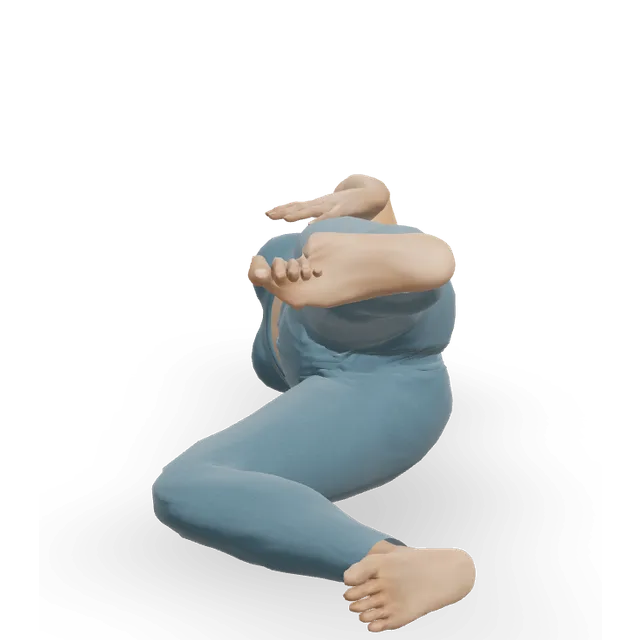
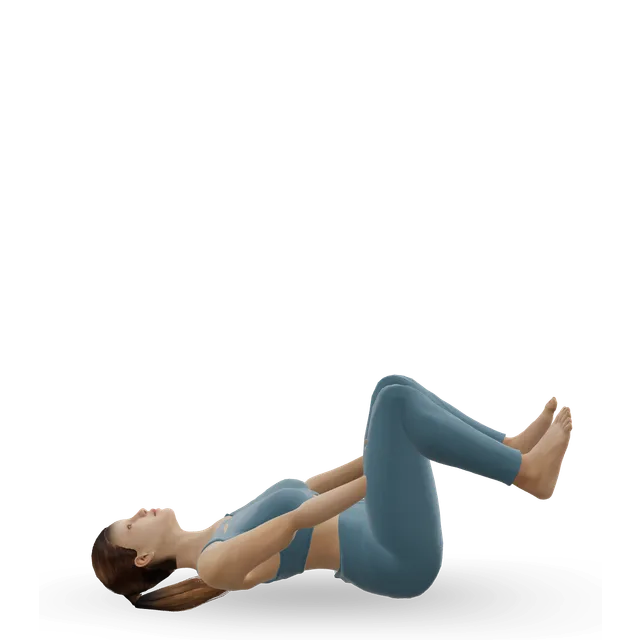
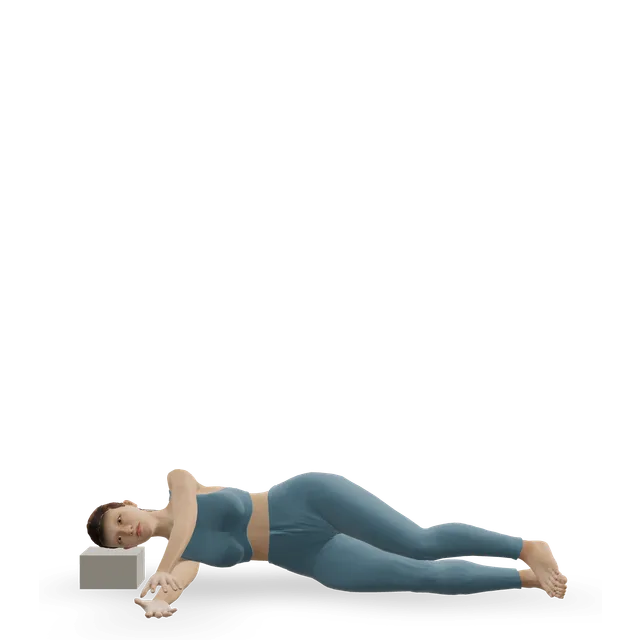
Lateral breathing: "5 to 8 breaths at the start of every session" (the move page's dose), then breathe out on every effort. Pelvic floor relaxation: "5 to 10 slow breaths, 1 to 3 times a day" (the move page's dose). Slow breathing: 2 minutes, about 4 counts in and 6 out (our constipation routine's dose, adapted from the move page's dose). Toilet position: "Every time you go, for no more than about 5 minutes at a time" (the move page's dose; written steps, no 3D demo). Standing march: 2 minutes to start a class (our bloating class's dose). Cat-cow: "8 waves, slower than feels natural" (the move page's dose). Single knee to chest: 5 to 10 each side, alternating, and supine twist: 30 to 45 seconds each side (our constipation routine's doses; the knee to chest adapted from the move page's dose).

Mat work with your head down, on your side and standing

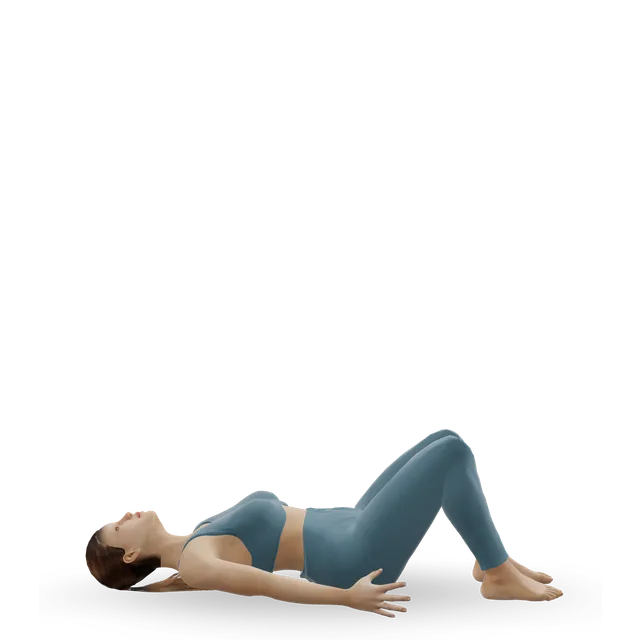
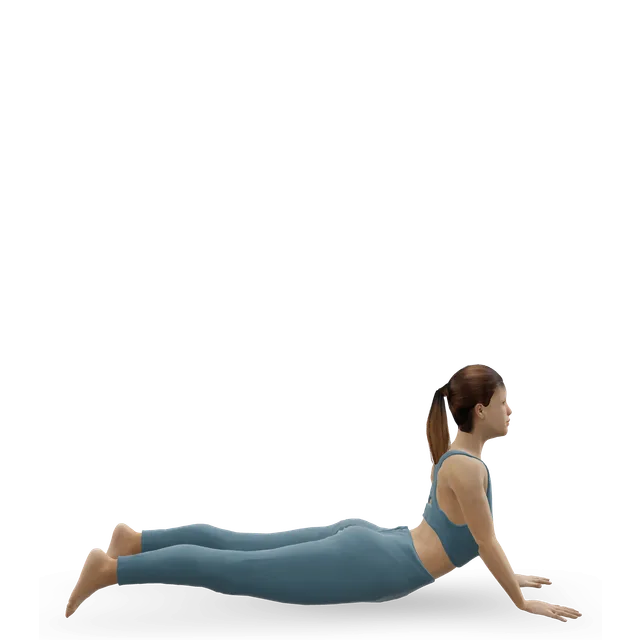
Breathe out as you lift. Pelvic tilt into bridge: 8 tilts, then 6 bridges (our bloating class's dose). Heel slide: "10 slow repetitions each side, once or twice a day" (the move page's dose). Knee fold: "2 sets of 5 to 10 each side, every other day" (the move page's dose). Dead bug heel taps: 5 to 8 each side, head down (our editorial starting point). Clamshell: 10 each side, and bird dog: 5 each side with no long hold (our bloating class's doses). Side kick: "8 to 10 each side" (the move page's dose). Side-lying leg circles: "8 each direction, each side" (the move page's dose). Swan: "5 to 6 reps" (the move page's dose). Sit to stand: 8 to 10, breathing out as you stand (our editorial starting point). Wall side leg lift: "10 to 12 each side" (the move page's dose).

Moves to change while your piles are sore

These are our suggestions for comfort, from the NHS's advice not to push too hard and the tummy pressure studies. No study has tested any of them in piles.

Holding your breath and bearing down

In any move, breathe out on the effort. Straining with a held breath raised tummy pressure more than any exercise in one research group's studies, and breathing in and holding raised it during lifting in another small study.

Sources 6, 7, 39

Long curl-ups

Swap the roll-up, the teaser, a long hundred and double leg lowering for head-down moves such as the knee fold, heel slide and dead bug heel taps. The roll-up kept tummy pressure up longest of 22 Pilates moves. The roll-up's and teaser's own cautions already suggest the same swap for leaking or a prolapse.

Source 9

Rolling on your bottom

Rolling like a ball, the seal, the open-leg rocker and the boomerang roll you over your tailbone. Leave them out while you're sore, or roll on a thick mat (our suggestion).

Sitting on a hard floor

For the spine stretch forward, the saw, the spine twist and the mermaid, sit on a folded blanket or cushion, or use a chair (our suggestion, as our yoga for piles guide advises for seated poses).

The reformer

Footwork and lying arm work put no weight on your bottom and were among the lowest-pressure moves in the Pilates pressure study. Pad or skip seated work on the box or carriage while you're sore, and keep breathing on heavier springs (our suggestion).

Source 9

Rings, balls and squeezes

Keep ring and ball squeezes light and keep breathing. Repeated squeezes of the back passage aren't a treatment for piles: see the note on letting go above.

Legs-overhead moves don't drain piles

We found no study showing that the roll-over, jack knife or other upside-down moves help piles, and their own cautions (neck problems, glaucoma, blood pressure that isn't under control, osteoporosis, pregnancy) still apply (our reading).

Hot Pilates

Drink enough: the NHS's advice for piles is to drink lots of fluid to keep your poo soft (our suggestion).

Source 6

Pregnancy and after the birth

Common in late pregnancy and after the birth

In a Lithuanian study of 280 women, 40.7% developed piles, mostly in the third trimester or after the birth, and constipation was one of the strongest links. In a Spanish study, 36.2% had piles a month after the birth and 16.9% at 3 months. A US expert update says they occur in up to two-thirds of pregnancies.

Sources 35, 40, 19

What the NHS suggests

For piles in pregnancy, the NHS suggests:

  • avoid standing or sitting for long periods
  • take regular exercise to help relieve constipation
  • avoid straining to pass a stool, as this may make your piles worse

Source 41

Pilates in pregnancy

In pregnancy, after the first trimester, keep time flat on your back to a few minutes: prop your upper body up, or use a side-lying or all-fours version.

In the Lithuanian trial, daily walking or exercise was part of the advice that cut piles after the birth. Our Pilates in pregnancy guide covers the rest.

Source 34

After the birth

The NHS advises avoiding sit-ups, planks and high-impact exercise to start with, and avoiding straining on the toilet and heavy lifting. Our Pilates after having a baby guide covers the return to classes.

Source 42

After banding or piles surgery

Follow your hospital's leaflet

Our exercise with piles guide summarises the NHS leaflets: most people are back to their normal routine within 1 to 2 days of banding, and one hospital's older leaflet says no exercise for 1 to 2 weeks after piles surgery. Once your hospital's rest period is over, start with the breathing and side-lying moves (our suggestion).

Keep up the habits

Piles are less likely to come back if you avoid constipation and straining. In one study after piles surgery, people with emptying problems were much more likely to have them come back.

Source 23

Classes to follow

No class is written for piles, and no trial has tested one. The bloating class fits best: it starts upright and moving, uses rib breathing with no breath holds, then all-fours, side-lying and knees-bent moves, with no curls, roll-ups, face-down moves or rolling, and ends with pelvic floor relaxation (sit the mermaid on a cushion or chair while you're sore). The pelvic floor relaxation and morning constipation routines help if you strain. The clinical Pilates routine is curl-free, and the walk and Pilates class adds walking (do its hundred with your head down while sore). Do the pelvic floor class only if you also leak.

Pilates for bloating: a 20-minute class for a swollen, uncomfortable tummy

A 20-minute Pilates class for a bloated day: upright movement first, rib breathing, then all-fours, side-lying and knees-bent moves, with no curls or face-down work.

20 minBeginner15 movesNo equipment

Pelvic floor relaxation exercises

An 8-minute routine for a tight pelvic floor: slow breathing and comfortable positions to help the muscles let go, with no strengthening squeezes.

8 minBeginner5 movesFirm cushion

Morning routine for constipation: a walk, knee hugs and letting go

A daily morning routine for constipation: a brisk walk, slow breathing, knee hugs and relaxing your pelvic floor, then tummy massage and unhurried toilet time.

25 minBeginner7 movesCardio machine

Clinical Pilates exercises: an NHS-style physio class routine for home

A 15-minute routine of the exercises NHS physiotherapy Pilates classes send home: bridge, knee folds, leg slides, clam, side kick and side openings.

15 minBeginner10 movesNo equipment

Walk and Pilates workout

A 45-minute session for weight loss and health: a 20-minute brisk walk, which does more for the scales, then a short-rest Pilates circuit for strength.

45 minBeginner11 movesCardio machine

Pilates for your pelvic floor: squeeze, move, release

A 20-minute Pilates workout for your pelvic floor, built on UK pelvic health physiotherapists' booklet: squeeze as you breathe out, move, then fully release.

20 minBeginner18 movesA wall, A bench or box

Bedtime Pilates: a 15-minute wind-down on the floor

A slow 15-minute Pilates wind-down for the last hour before bed: slow breathing, small lying moves and a few minutes of stillness, with no effort or holds.

15 minBeginner9 movesFirm cushion

A plan to follow

The walking plan builds to 150 minutes a week; add Pilates on 2 or 3 days.

When to see a GP, and when to get help fast

The piles lines are from our exercise with piles guide, word for word, and the heart lines from our other Pilates guides. This is general information, not a diagnosis. A&E means accident and emergency; in the US, call 911 for 999, and use your doctor's urgent line or urgent care for NHS 111.

Go to A&E or call 999

The NHS says go to accident and emergency (A&E) or call 999, and don't drive yourself, if you have piles and:

  • you're bleeding non-stop
  • there's a lot of blood, or you see large blood clots
  • you're in severe pain

Sources 6, 10

Ask for an urgent GP appointment or call NHS 111

  • your temperature is very high, or you feel hot, cold or shivery and generally unwell
  • painless bleeding from your bottom
  • pus leaking from your piles
  • your poo is black or dark red, or you have bloody diarrhoea

Sources 6, 10

See a GP

  • your piles are getting worse, or not improving with treatment at home
  • you keep getting piles
  • you notice a change around your anus that isn't normal for you
  • you have any blood in your poo, or a change in your poo that isn't usual for you
  • you've lost weight without trying, or have tummy pain or a lump in your tummy

Sources 6, 10, 11

Why bleeding is checked

Bleeding from the bottom is sometimes a sign of bowel cancer, and US colorectal surgeons warn that bleeding put down to piles is a common way it gets missed. A GP may examine your bottom or arrange tests, which is routine. The NHS says try not to be embarrassed: doctors are used to talking about this.

Sources 16, 5, 10, 43

Sharp pain when you poo

A severe, sharp pain when you poo, with bright red blood, may be an anal fissure. See a GP if it isn't getting better after 7 days.

Source 15

If a class brings on symptoms

If a session brings on pain, a lump that won't go back in, or bleeding, stop, swap to gentler exercise for a while, and see a GP if it keeps happening (our suggestion).

Chest pain or fainting: call 999

  • You get sudden pain or discomfort in your chest that doesn't go away; it can feel like squeezing or pressure, burning or indigestion.
  • The pain spreads to your left or right arm, or your neck, jaw, stomach or back.
  • You have chest pain and feel sweaty, sick, light-headed or short of breath.
  • Someone faints while exercising, can't be woken within 1 minute, or has chest pain or a pounding, fluttering or irregular heartbeat.

Sources 44, 45, 46

Breathlessness

Call 999 or go to A&E (accident and emergency) straight away for severe difficulty breathing (gasping, choking or not able to get words out), a chest that feels tight or heavy, pain that spreads to your arms, back, neck and jaw, lips or skin turning very pale, blue or grey, or sudden confusion. If you're more short of breath than usual, or your heart is racing, fluttering or skipping beats, contact NHS 111.

Source 47

Stop the session if

You feel any pain or become unwell, as the NHS advises for its Pilates videos, and especially for chest pain or pressure, unusual breathlessness, dizziness or fainting. If you have a health problem, an injury or any symptoms, get advice from a healthcare professional, such as a GP, before you start.

Source 48

Before you start

The NHS advises getting advice from a healthcare professional first if you have a health problem, an injury or symptoms, or have recently had a heart attack or an operation.

Source 48

Myths

"Pilates cures piles"Strong evidence

No study has tested Pilates in piles, and no move shrinks a pile. Fibre, fluids and not straining have the evidence.

Sources 3, 4, 5

"Pilates causes piles"Mixed evidence

We found no study linking Pilates with piles. The NHS links them with constipation, pushing too hard and heavy lifting; in a class, the habit to avoid is holding your breath and bearing down.

Sources 3, 6, 7

"Squeezing your bottom shrinks piles"Emerging evidence

We found no trial of pelvic floor squeezes (Kegels) for piles. People with piles tend to have tighter muscles around the back passage, so learning to relax them may matter more.

Source 8

"Upside-down moves drain piles"

We found no study of upside-down moves in piles. If you like legs up the wall as a rest, that's fine, but it isn't a treatment.

Source 3

"Stop exercising until your piles go"Strong evidence

The NHS suggests regular exercise to help with constipation, including with piles in pregnancy. Change the moves that hurt instead.

Sources 41, 1

"Bleeding from the bottom is always piles"Strong evidence

Bright red blood is common with piles, but bleeding from the bottom can be a sign of bowel cancer, and bleeding put down to piles is a common way it gets missed. See a GP about any blood in your poo.

Sources 16, 5

"You need a reformer for real Pilates"

Mat Pilates is Pilates. With sore piles, mat work lying down or on your side can be easier on your bottom than the reformer's seated work (our reading).

Questions people ask

Is Pilates good for piles?

It can help in the ways that matter: moving regularly keeps your bowels regular, and Pilates teaches you to breathe out on an effort rather than hold your breath and push. No study has tested Pilates for piles, though, and fibre, fluids and not straining on the toilet do the most.

Can Pilates cause hemorrhoids?

We found no study linking Pilates with piles. The NHS links them with constipation, pushing too hard when you poo and heavy lifting. In a class, the habit to avoid is holding your breath and bearing down, so breathe out on every effort.

Can I do Pilates with piles?

Usually, yes. While they're sore, swap long curl-ups and roll-ups for head-down moves, sit on a cushion or chair for seated work, and skip rolling on your bottom. Stop if a move brings on pain or bleeding, and see a GP if that keeps happening.

Is reformer Pilates OK with hemorrhoids?

Yes, with the same changes. Footwork and lying arm work put no weight on your bottom; pad or skip seated work on the box or carriage while you're sore, and keep breathing on heavier springs.

Which Pilates exercises should I avoid with piles?

None is banned, but while you're sore, change the long curl-ups (the roll-up, the teaser, a long hundred), the rolling moves and long sitting on a hard floor. These are comfort suggestions; no study has tested them in piles.

Do pelvic floor exercises help piles?

No trial has tested them for piles. People with piles tend to have tighter muscles around the back passage, so learning to let go on the toilet may matter more. Do the squeezes if you also leak.

What's the best way to breathe with piles?

Breathe out slowly as you make an effort, in class and on the toilet, and never hold your breath and push. On the toilet, rest your feet on a low stool so your knees are above your hips, lean forward and breathe out gently.

Can I do Pilates with piles in pregnancy?

Yes, with the usual pregnancy changes: after the first trimester, keep time flat on your back to a few minutes. The NHS suggests regular exercise to relieve constipation, and avoiding straining and long spells standing or sitting.

When can I do Pilates after piles banding or surgery?

Follow your hospital's leaflet: most people are back to their normal routine within 1 to 2 days of banding, and recovery from surgery takes longer. Start with breathing and side-lying moves once your hospital's rest period is over.

Does sitting on a Pilates ball help piles?

We found no study of it. Sitting on a firm surface can press on sore piles, so use whatever is comfortable and keep sitting time short while you're sore.

When should I see a GP about piles?

See a GP for any blood in your poo, a change in your poo that isn't usual for you, weight loss without trying, or piles that keep coming back or aren't improving. Get urgent help for heavy bleeding, black or dark red poo, or severe pain.

Sources

  1. NHS · Constipation (past its review date: reviewed October 2023, review due October 2026)
  2. POGP · Bowel health (UK pelvic health physiotherapists' advice page)
  3. PubMed, Europe PMC and ClinicalTrials.gov · Our searches for Pilates, yoga and exercise studies in haemorrhoids (November 2026)
  4. Alonso-Coello 2005 · Fibre for haemorrhoids: 7 trials, 378 people (Cochrane review; read in full)
  5. Hawkins 2024 · US colorectal surgeons' guideline on haemorrhoids (ASCRS clinical practice guideline, Dis Colon Rectum; read in full)
  6. NHS · Piles (haemorrhoids)
  7. Dietze-Hermosa 2020 · Tummy pressure compared with each woman's own maximal strain (laboratory study, Female Pelvic Med Reconstr Surg; read in full)
  8. Kalkdijk 2022 · Constipation in people with haemorrhoids: 19 studies (systematic review and meta-analysis, Eur J Gastroenterol Hepatol)
  9. Coleman 2015 · Tummy pressure during 22 Pilates exercises (laboratory study, Int Urogynecol J; read in full)
  10. NHS · Symptoms of bowel cancer
  11. NHS inform · Haemorrhoids (piles)
  12. Johanson 1994 · Is constipation a risk factor for haemorrhoids? (case-control study, Am J Gastroenterol)
  13. Esmaeilnia Shirvani 2026 · How common haemorrhoids are worldwide: 150 studies (systematic review and meta-analysis, Ann Med; read in full)
  14. Riss 2012 · Haemorrhoids in 976 adults having a bowel check (cross-sectional study, Int J Colorectal Dis)
  15. NHS · Anal fissure
  16. NHS · Bleeding from the bottom (rectal bleeding) (past its review date: reviewed April 2023, review due April 2026)
  17. POGP 2022 · Pilates in women's health physiotherapy, UK pelvic health physiotherapists' booklet (physiotherapy leaflet, past its review date: reviewed 2022, review due 2025)
  18. Wald 2021 · US gastroenterologists' guideline on benign anal and rectal conditions (ACG clinical guideline, Am J Gastroenterol; read in full)
  19. Qureshi 2026 · Diagnosing and treating haemorrhoids (AGA clinical practice update, expert review, Clin Gastroenterol Hepatol)
  20. Peery 2015 · Risk factors for haemorrhoids in 2,813 adults having a colonoscopy (cross-sectional study, PLoS One; read in full)
  21. Johannsson 2005 · Bowel habits in people with and without haemorrhoids (case-control study, Am J Gastroenterol)
  22. Xiong 2026 · Lifestyle and haemorrhoids (Mendelian randomisation study, Medicine; read in full)
  23. Li 2022 · Bowel habits and piles coming back after surgery in 1,162 people (retrospective study, Front Surg; read in full)
  24. Gao 2019 · Exercise for constipation: 9 trials, 680 people (systematic review and meta-analysis, Scand J Gastroenterol)
  25. Romano 2025 · Sport and haemorrhoids in 312 people who play sport (online survey, Int J Colorectal Dis; read in full)
  26. Sun 1990 · Raised anal cushion pressure in people with haemorrhoids (physiology study, Br J Surg)
  27. Margetis 2019 · How internal haemorrhoids develop (review, Ann Gastroenterol; read in full)
  28. Ramprasad 2025 · Phone use on the toilet and haemorrhoids in 125 adults (cross-sectional study, PLoS One; read in full)
  29. Yazkan 2025 · Toilet habits in 211 people with anal conditions and 369 without (cross-sectional study, Front Surg; read in full)
  30. Modi 2019 · A footrest on the toilet in 52 healthy adults (before-and-after study, J Clin Gastroenterol; read in full)
  31. Takano 2016 · Leaning forward on the toilet: 22 people who couldn't empty (prospective study, Tech Coloproctol)
  32. Trieu 2023 · A footstool and simulated emptying in 41 people with constipation (randomised trial, Neurogastroenterol Motil)
  33. Rahgoshay 2025 · Sitting and squatting toilet postures: 42 studies (scoping review, BMC Public Health; read in full)
  34. Poskus 2022 · Diet and behaviour advice to prevent haemorrhoids in pregnancy: 260 women (randomised trial, BMC Pregnancy Childbirth; read in full)
  35. Poskus 2014 · Haemorrhoids and fissures in 280 women in pregnancy and after birth (prospective cohort, BJOG)
  36. Jain 2019 · Emptying problems in people with fissures, haemorrhoids and rectal ulcers (pressure study, Indian J Gastroenterol)
  37. Bharucha 2026 · Common anal and pelvic floor problems (evidence review, Gastroenterology)
  38. NHS · Physical activity guidelines for adults aged 19 to 64
  39. Hagins 2004 · Breath control and tummy pressure during lifting (laboratory study, Spine)
  40. Parés 2021 · Haemorrhoids in 109 women in pregnancy and after birth (prospective cohort, Dis Colon Rectum)
  41. NHS · Piles in pregnancy
  42. NHS · Your post-pregnancy body
  43. Bowel Cancer UK · Symptoms of bowel cancer
  44. NHS · Chest pain (past its review date: reviewed August 2023, review due August 2026)
  45. NHS · Fainting
  46. NHS · Heart attack
  47. NHS · Shortness of breath
  48. NHS · Pilates for beginners (exercise video, with safety information)

Exercise education, not a personal prescription, and clinical review of these guides is pending. If you are pregnant, have a health condition or have had recent surgery, check with a doctor, midwife or physiotherapist before starting, and stop for sharp or increasing pain. Health disclaimer.