Yoga flows
Gentle yoga after a hysterectomy: a 25-minute class in three stages, with a stop point after each
A gentle yoga class for the weeks after a hysterectomy, built on the stages UK pelvic health physiotherapists use: breathing and your pelvic floor first, then gentle tummy exercises, then all fours and sitting, then standing. Start stage 1 in the first days at home (the squeezes once your catheter is out), add stage 2 when stage 1 feels easy, and add stage 3 only when bleeding and discharge have stopped and your surgical team agrees. Stop at any stop point and go to the rest. No trial has tested yoga after a hysterectomy, so this order is our suggestion, and your surgical team's advice comes first.
Stage 1: lying (about 9 minutes)
- Beginner · 3D demoOn your back, knees bent, a pillow under your head. In for about 4, out for about 6, no holdsEasier: Breath reachHarder: Crocodile breathing (prone diaphragmatic breathing)
- Pelvic floor exercise (Kegel)Up to 10 long squeezes, holding up to 10 s, then up to 10 short squeezesBeginner · Pelvic floor · 3D demoOnce your catheter is out. Squeeze and lift as you breathe out, and let go fully as you breathe in. Fewer is fine at first
- Side-lying tummy draw-in5 to 10 holds of 2 to 3 breathsBeginner · Abs · 3D demoOn your side or back: as you breathe out, gently draw your lower tummy in, hold for 2 or 3 breaths, then relax fullyHarder: Bird dog, one limb at a time
- Pelvic tilt into bridgeUp to 10 tilts, hold 3 sBeginner · Glutes, Abs, Hamstrings · 3D demoTilt only: no lift yetHarder: Glute bridge
- Supine heel slide8 each sideBeginner · Hip flexors, Hamstrings, Quads · 3D demoSlide one heel away as you breathe out, tummy soft. Stop point 1: if this is enough today, roll onto your side and push up with your armsHarder: Hip windshield wipers





Stage 2: lying, all fours and sitting (about 7 minutes; when stage 1 is easy)
- Hip windshield wipers3 to 5 each wayBeginner · Glutes, Adductors · 3D demoKnee rolls: knees and feet together, lower both knees a small way to one side and backEasier: Supine heel slideHarder: 90/90 switch
- Knee fold5 to 10 each sideBeginner · Abs, Hip flexors · 3D demoDraw in your tummy and pelvic floor, then float one knee up and lower itEasier: Supine heel slideHarder: Dead bug heel taps
- Glute bridge5 to 10 repsBeginner · Glutes, Hamstrings, Abs · 3D demoPeel your back up a small way at first; stop if a scar pullsEasier: Pelvic tilt into bridgeHarder: Single-leg glute bridge
- Cat-cow6 slow wavesBeginner · Back, Abs · 3D demoSmall range, knees paddedHarder: Half lord of the fishes (Ardha Matsyendrasana)
- Bird dog, one limb at a time5 each arm and legBeginner · Abs, Back, Glutes · 3D demoOne limb at a time, hips levelEasier: Side-lying tummy draw-inHarder: Bird dog
- Breath reach5 breathsBeginner · 3D demoSitting on a chair or cushion: arms rise as you breathe in and lower as you breathe out. Stop point 2: if this is your level, go to the restHarder: Slow breathing (6 breaths a minute)






Stage 3: standing (about 4 minutes; only when bleeding has stopped and your team agrees)
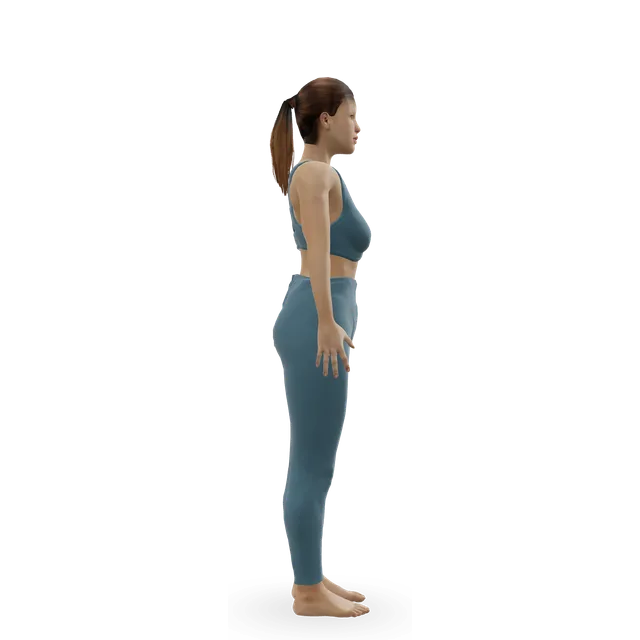
- Mountain pose (Tadasana)5 slow breathsBeginner · Calves, Back, Abs · 3D demoStand tall, weight even, ribs over hipsHarder: Tree pose (Vrksasana)
- Beginner · Quads, Glutes, Hamstrings · 3D demoSqueeze your pelvic floor and breathe out as you standEasier: Sit to stand, pushing on the thighsHarder: Bodyweight squat
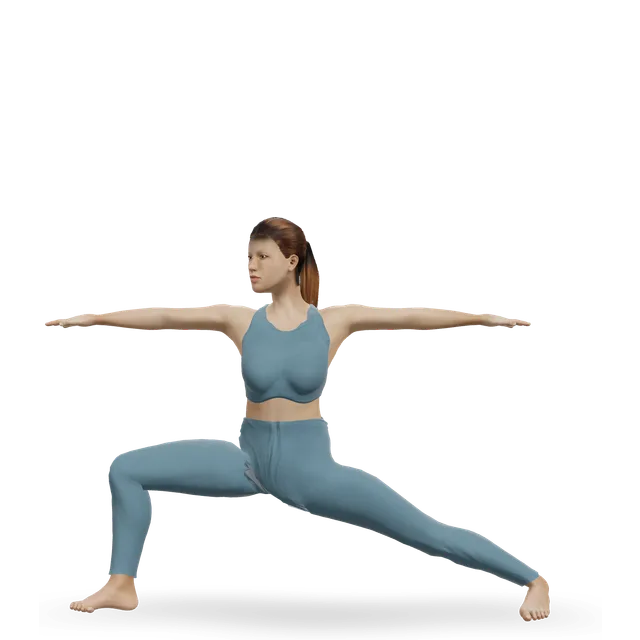
- Warrior II (Virabhadrasana II)3 breaths each sideIntermediate · Quads, Glutes, Adductors · 3D demoA short stanceEasier: Chair pose (Utkatasana)Harder: Extended side angle (Utthita Parsvakonasana)
- Tree pose (Vrksasana)3 breaths each sideBeginner · Glutes, Hip abductors, Calves · 3D demoHeel at your ankle, fingertips on a wallEasier: Mountain pose (Tadasana)Harder: Standing hand-to-big-toe pose (Utthita Hasta Padangusthasana)




Rest (about 4 minutes)
- Beginner · Adductors, Chest · 3D demoCushions under each thigh and under your head and backHarder: Wide-angle seated forward fold (Upavistha Konasana)
- Beginner · 3D demoOn your back with a cushion under your knees, or on your side. Roll onto your side and push up with your arms to get up


Tips
- Your surgical team's advice comes first. The RCOG's keyhole and vaginal recovery trackers allow low-impact sport from 2 to 4 weeks, while the pelvic health physiotherapists' booklet puts low-level classes at 6 to 12 weeks after any gynaecological surgery. After open surgery or a pelvic floor repair, expect to take longer.
- Do the pelvic floor squeezes at least 3 times a day, not only in this class, and keep them up for life, as the RCOG and the physiotherapists' booklet advise.
- Walk every day as well, starting with short walks and building up.
- Drop back a stage if your tummy domes or bulges along a scar, a scar pulls, bleeding comes back or gets heavier, or you feel heaviness or leaking (our suggestion).
- Planks, boat pose, deep backbends, deep twists, head-down poses and fast, forceful breathing aren't in this class: our yoga after a hysterectomy guide brings them back later, one at a time.
- Get medical advice for vaginal bleeding that becomes heavy or smelly, a temperature, tummy pain that keeps getting worse, red and painful skin around a scar, or a painful, red, swollen leg. Call 999 for shortness of breath, chest pain or coughing up blood.
The doses are suggested starting points, not a prescription. Choose a range you can control and stop for sharp or increasing pain, numbness or tingling. Get individual advice after an injury or surgery, or if you are pregnant or managing a health condition.
Guides that recommend it
Find more moves like these
More yoga flows

Beginner yoga flow
A 20-minute beginner yoga sequence: mountain, chair, warrior II, triangle, tree, down dog, cobra and child's pose.
20 minBeginner11 movesStep
Sun salutation flow
A 20-minute flow built on sun salutations A and B, with warrior poses and a short cool-down.
20 minIntermediate8 movesNo equipment


Yoga for tight hips
A hip-opening yoga sequence: low lunge, lizard, goddess, pigeon, bound angle and happy baby.
25 minBeginner10 movesWallQuestions people ask
How long does the gentle yoga after a hysterectomy: a 25-minute class in three stages, with a stop point after each take?
About 25 minutes, including any warm-up and cool-down listed. Shorten it by doing fewer rounds; lengthen it by adding one.
What equipment do I need?
You need: A bench or box, Firm cushion. Each move links to its guide, where you can find an alternative if you are missing something.
Is it suitable for beginners?
It is written for beginners. 8 of its 17 moves have an easier option listed beside them if you need one.
How do I make it easier or harder?
Use the easier or harder option listed under each move, change the number of rounds, or adjust the rest. Progress one change at a time.