When can I do yoga after a hysterectomy?
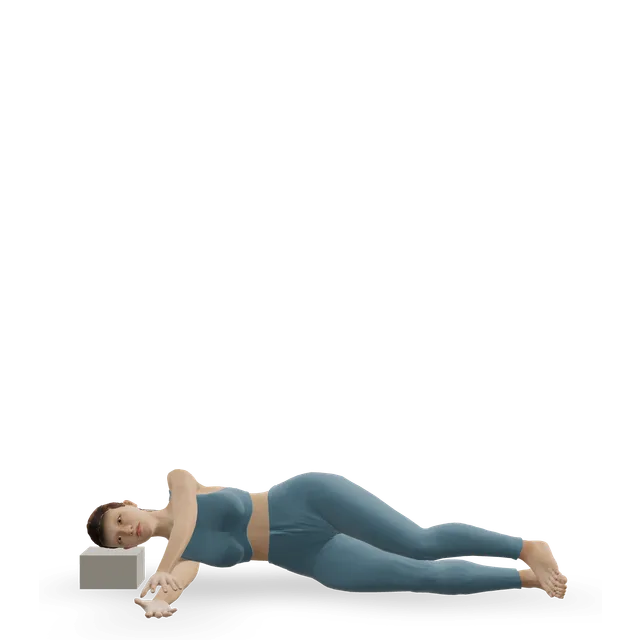
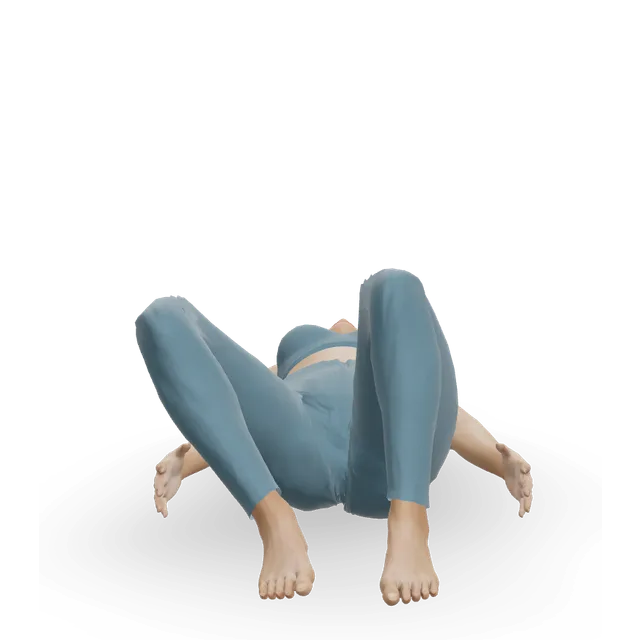
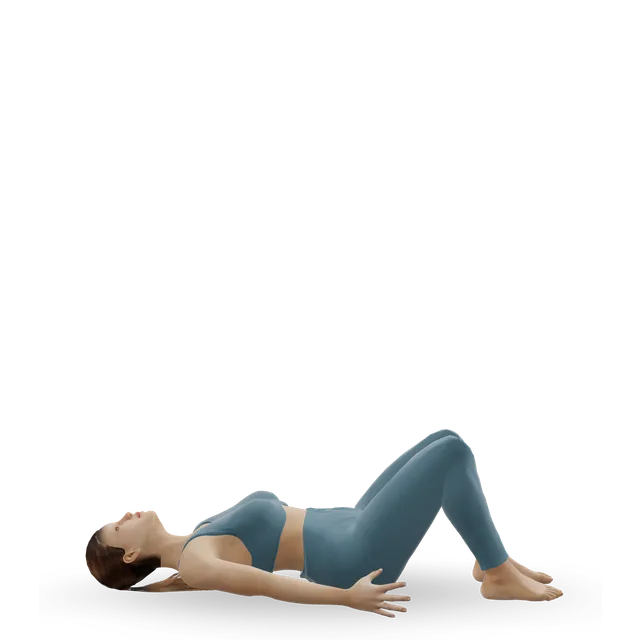
Gentle yoga-like exercises start in the first days: breathing, pelvic floor squeezes once your catheter is out, a soft tummy draw-in, pelvic tilts, knee rolls and heel slides. A class comes later: the RCOG's trackers allow low-impact sport from 2 to 4 weeks after keyhole or vaginal surgery, and the physiotherapists' booklet puts low-level classes at 6 to 12 weeks after any gynaecological surgery. Your surgical team's advice comes first.
Can I do yoga 2, 3 or 4 weeks after a hysterectomy?
Lying, all-fours and wall-supported poses from the stages in this guide, yes, if they feel comfortable and your team agrees. A gentle class at 2 to 4 weeks fits the RCOG's trackers after uncomplicated keyhole or vaginal surgery; after open surgery or a pelvic floor repair, wait longer.
Is yoga different after keyhole, vaginal or abdominal surgery?
The poses are the same, but the timing differs: on average women return to normal activities about 11 days sooner after a vaginal and 13 days sooner after a keyhole hysterectomy than after an open one. After a pelvic floor repair, the RCOG keeps to light loads for the first month.
Which yoga poses should I avoid after a hysterectomy?
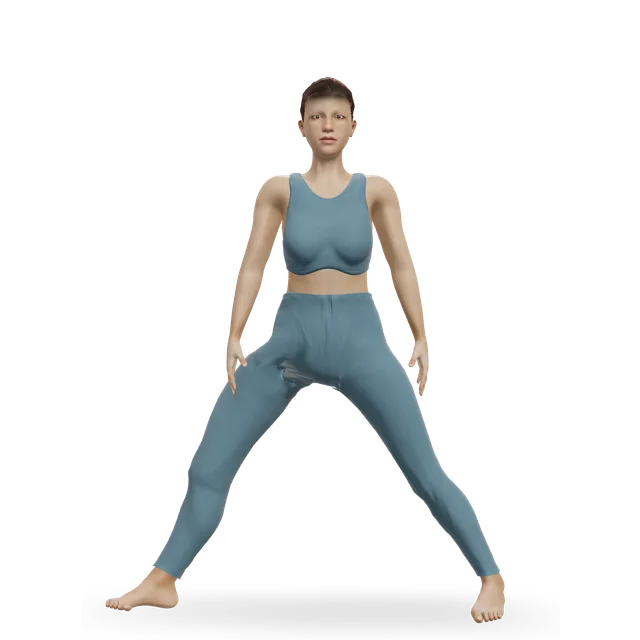
For now, strong core poses (plank, boat, chaturanga), deep backbends that stretch the front of your tummy, deep twists, plough and shoulder stand, deep squats and fast, forceful breathing. Bring them back one at a time once a gentle class is easy and nothing pulls or bulges at a scar, and leave anything vigorous until about 3 months.
Which yoga poses are safe after a hysterectomy?
No pose has been tested after surgery, and no study has measured tummy pressure in yoga poses. The physiotherapists' early exercises come first; in a Pilates study, bridging, all fours and side-lying moves pressed on the tummy no harder than standing up from a chair.
Should I tell my yoga teacher about my hysterectomy?
Yes: the pelvic health physiotherapists' booklet says to tell any instructor about a recent gynaecological operation. You can also say no to any hands-on adjustment.
Will yoga help my pelvic floor after a hysterectomy?
Pelvic floor exercises are what the RCOG and the physiotherapists recommend, for life. In the largest trial, pelvic yoga reduced leaks about as much as general exercise, so use it alongside your daily squeezes, not instead of them.
My ovaries were removed. Can yoga help with the menopause?
In natural menopause, yoga eased overall symptoms a little, about as much as other exercise, but the reviews disagree on hot flushes, and no published trial has tested it after the ovaries are removed. HRT is the main treatment, and the NHS says you should be offered it. Pair yoga with strength work for your bones.
Can I do hot yoga after a hysterectomy?
Wait until your wounds have healed, any bleeding has stopped and you're back to your usual exercise (our suggestion). Heat adds strain to a body that's still recovering, so start with room-temperature classes.
Can yoga help me lose belly fat after a hysterectomy?
No exercise burns fat from one place, and average weight change after a hysterectomy is small. Swelling around the tummy settles with time. Yoga builds strength and helps you feel at home in your body; our exercise after a hysterectomy guide covers weight.
Can yoga help me prepare for a hysterectomy?
Being fit before surgery helps, and the physiotherapists' booklet suggests practising your exercises before you go into hospital. Slow breathing is a gentle way to manage nerves. No trial has tested yoga before a hysterectomy for a benign condition.
I feel low after my hysterectomy. Is that normal?
It's common: the NHS says you may feel a sense of loss and sadness, and many women feel tearful and emotional at first. Gentle yoga and slow breathing can help you rest, but see a GP if low mood doesn't lift, and get help straight away if you're thinking about suicide.