No study has tested Pilates after a hysterectomy
Our searches found only single case reports. Pilates goes alongside your surgical team's recovery advice, never ahead of it.
Pilates guide
The first exercises after a hysterectomy look a lot like Pilates: breathing into your lower ribs, pelvic floor squeezes, a gentle deep tummy draw-in, pelvic tilts, knee rolls and heel slides. UK physiotherapists start them in the first days, alongside walking. A Pilates class comes later, and the advice differs: the Royal College of Obstetricians and Gynaecologists' (RCOG) recovery trackers allow low-impact sport from 2 to 4 weeks after keyhole or vaginal surgery, while the pelvic health physiotherapists' booklet puts "low level" Pilates at 6 to 12 weeks after any gynaecological surgery. Your surgical team's advice comes first.
No study has tested Pilates after a hysterectomy. A lab study of 18 healthy, experienced women found that gentle Pilates moves press on the tummy no harder than getting out of a chair, while the roll-up stays high the longest. This guide takes you through the moves in stages, from the first days to a full class, with what changes after keyhole, vaginal or abdominal surgery or a pelvic floor repair, the reformer, the pelvic floor, what happens if your ovaries were removed, and the warning signs. Our exercise after a hysterectomy guide covers walking, lifting, swimming, driving and work.
Our searches found only single case reports. Pilates goes alongside your surgical team's recovery advice, never ahead of it.
Walking from the day after; deep breathing and ankle exercises; pelvic floor exercises once the catheter is out; then a gentle tummy draw-in, pelvic tilts, knee rolls and heel slides. These are the gentlest Pilates moves.
The RCOG's keyhole and vaginal trackers allow low-impact sport from 2 to 4 weeks and your usual exercise from 4 to 6. The physiotherapists' booklet puts "low level" Pilates, swimming and cycling at 6 to 12 weeks after any gynaecological surgery, and an NHS hospital leaflet for abdominal surgery says the same. They're different advice for different things: follow your surgical team.
In a review of 63 trials, women got back to normal activities about 11 days sooner after a vaginal and 13 days sooner after a keyhole hysterectomy than after an abdominal one. The NHS says full recovery after an abdominal hysterectomy takes about 6 to 8 weeks.
In 18 healthy, experienced women, no Pilates move pressed on the tummy significantly harder than standing up from a chair, and only the roll-up kept the pressure high for longer. After pelvic floor surgery, returning at your own pace did as well as strict limits. But the scar heals faster on the outside than on the inside, so build up in stages.
Keep up your pelvic floor exercises for life, as the RCOG and the physiotherapists say. Bladder leaks and prolapse are somewhat more common in the years after a hysterectomy, though many women's pelvic floor symptoms improve.
A hysterectomy removes the womb (uterus), and sometimes the cervix, tubes and ovaries too. It's done through a cut in the tummy (abdominal), through the vagina (vaginal), or by keyhole surgery (laparoscopic, sometimes robot-assisted), and a vaginal hysterectomy is sometimes combined with a pelvic floor (prolapse) repair. Our exercise after a hysterectomy guide explains the types in full.
Source 17
The pelvic health physiotherapists' booklet: "although the outside scar can heal very quickly, it takes longer to heal on the inside; allow yourself time to recover fully." The RCOG: "There is no evidence that normal physical activity levels are in any way harmful and a regular and gradual build-up of activity will assist your recovery." Vaginal bleeding and discharge are normal for a while: the NHS says discharge "may last up to 6 weeks".
The booklet says the deepest tummy muscles "work together with the other abdominal muscles and your pelvic floor muscles to support your back and help with good posture". After keyhole surgery you have 2 to 4 small cuts; after abdominal surgery a longer one; after a vaginal hysterectomy the scar is at the top of the vagina. The pelvic floor still supports the top of the vagina, which is why the exercises are for life.
Getting down to the floor and up; lying on your back with your knees bent; curls and long curls (the chest lift, the hundred, the single and double leg stretch); the roll-up and teaser, which fold you up against gravity; planks; legs-overhead and rolling moves; and, on the reformer, a moving carriage with springs. In the pressure study, the roll-up loaded the tummy most and bridging, footwork and side-lying least. The other questions after surgery are a scar that pulls or bulges, bleeding, and heaviness or leaking (our reading).
Source 10
The type of operation, a pelvic floor repair at the same time, a cancer operation, complications and how fit you were before all change the timing. The booklet: "Rates of recovery will vary and may depend on your age, lifestyle and fitness level before the operation."
Neither set of timings has been tested in trials. Your own surgical team's advice comes first, especially after a pelvic floor repair or if you had complications.
Breathing, ankle exercises, pelvic floor squeezes once the catheter is out, and the early tummy exercises in stage 1 below. Walk every day, building up.
After keyhole or vaginal surgery, the trackers suggest low-impact sport from 2 to 4 weeks and your usual exercise by 4 to 6 weeks. After any of the operations, most women are back to their previous activity levels within 4 to 6 weeks. Contact and power sports wait at least 6 weeks.
Up to 6 weeks: pelvic floor and early tummy exercises and daily walking. From 6 to 12 weeks: "Try low impact exercises such as swimming, cycling, low level pilates, a cross-trainer, more vigorous walking or gentle aerobics. Make sure that any vaginal discharge or bleeding has stopped before you do". From 3 months: high-impact exercise and competitive sport. An NHS hospital leaflet for abdominal gynaecological surgery suggests Pilates, yoga, cycling and swimming from 6 to 12 weeks too.
The RCOG's trackers are written for each operation and talk about low-impact sport; the booklet covers all gynaecological surgery and names low-level Pilates. Classical mat Pilates with curls, roll-ups and planks isn't low level. So follow your surgical team, and use the stages below rather than a date: move on when the last stage is easy and nothing pulls or bulges (our reading).
Slower: the RCOG keeps to light loads for the first month, and the booklet says some exercises with heavy straining may need to be avoided for life and to ask a specialist physiotherapist, especially after an operation for prolapse. Ask before the curls and planks, and use our Pilates for prolapse guide's swaps.
The booklet: "If you are exercising with an instructor make sure that you tell them that you have had a recent gynaecological operation".
Source 5
No trial has tested Pilates after a hysterectomy. The timings are expert advice; the evidence below is about recovery, tummy pressure, activity limits and the pelvic floor.
Our searches of PubMed, Europe PMC and ClinicalTrials.gov in November 2026 found no trial, only single case reports, including one woman who added yoga and Pilates from the second or third week after an abdominal hysterectomy; a single case can't show an effect.
In a Cochrane review of 63 trials (6,811 women), women got back to normal activities about 11 days sooner after a vaginal hysterectomy than an abdominal one (moderate-certainty evidence), and about 13 days sooner after keyhole surgery (low certainty).
Source 9
In 18 healthy, experienced women with a pressure sensor, no Pilates move's average peak was significantly higher than standing up from a chair 20 times. The roll-up came closest and kept pressure high for longest; bridging, reformer footwork and the side kick were among the lowest. The authors estimated that a typical day after surgery adds up to more pressure than a full Pilates session. No one in the study had just had surgery.
Source 10
In 30 women, some activities often restricted after surgery, such as lifting, raised tummy pressure no more than getting out of a chair. In 57 women, coughing, jumping and straining with a held breath raised it far more than curl-ups did.
No trial has tested limits after a hysterectomy alone. After pelvic floor surgery, 108 women told to return at their own pace, with no limits on lifting or high-impact exercise, were as satisfied at 3 months as women given 3 months of limits, with the same results on examination; 5 trials (434 women) agreed.
Across 6 trials (776 women), pelvic floor training after a hysterectomy improved sexual function by about 5 points on a 36-point scale (moderate-quality evidence). Its effects on leaking, strength and quality of life were too uncertain to judge, and it didn't change prolapse.
Source 14
Bladder leaks and prolapse are somewhat more common in the years after a hysterectomy: prolapse needing surgery was about 1% by 3 years and 5% by 15 years in 17,032 women, more often when there was a prolapse before. These are links, not proof of cause, and in a Swedish study pelvic floor symptoms more than halved 5 years after surgery.
Removing both ovaries starts the menopause, and the NHS says "early onset of the menopause can increase your risk of developing weak bones (osteoporosis)". Across 10 studies, fractures were about 17% more common after both ovaries were removed. In English hospital data on 113,679 women aged 35 to 45, keeping ovarian tissue went with fewer heart disease admissions and deaths. These are observational studies, which can't prove cause.
These are our exercise after a hysterectomy guide's steps, word for word, from the RCOG and the pelvic health physiotherapists' booklet. Don't practise by stopping your pee mid-flow.
See the movement on the 3D figure: Pelvic floor exercise (Kegel)
Ankle circles: feet up and down for 30 seconds every few hours until you're moving about normally (the booklet's dose). Lateral breathing: a deep breath into your lower ribs, 4 to 5 times every hour and every time you wake (the booklet's dose). Pelvic floor exercise: "Start with 8 slow holds of up to 10 seconds and 8 quick squeezes, three times a day" (the move page's dose), once your catheter is out. Side-lying tummy draw-in: hold for 2 or 3 breaths, then relax fully (the booklet's dose). Pelvic tilt, the tilt only: a few, held a few seconds (the booklet's dose). Knee rolls: 5 small rolls each way (our editorial starting point). Heel slide: 8 each side (our Pilates after tummy surgery class). Walk every day.
 3D demoAnkle circlesBeginner · No equipment
 3D demoLateral breathing (Pilates breathing)Beginner · No equipment
 3D demoPelvic floor exercise (Kegel)Beginner · No equipment
 3D demoSide-lying tummy draw-inBeginner · No equipment
 3D demoPelvic tilt into bridgeBeginner · No equipment
 3D demoHip windshield wipersBeginner · No equipment
 3D demoSupine heel slideBeginner · No equipment
 3D demoTreadmill walkingBeginner · Cardio machine
Knee fold, bent-knee fall-out and glute bridge: 5 to 10 each side or reps, peeling up a small way at first (our exercises after a hysterectomy routine). Clamshell: 8 each side; side kick: 8 each side, head on your arm; cat-cow: 6 slow waves, small arch; bird dog, one limb at a time: 5 each arm and leg; sit to stand: 8, breathing out as you stand; wall side leg lift: 10 each side; side-lying open book: 5 each side (our Pilates after tummy surgery class).
 3D demoKnee foldBeginner · No equipment
 3D demoBent-knee fall-outBeginner · No equipment
 3D demoGlute bridgeBeginner · No equipment
 3D demoClamshellBeginner · No equipment
 3D demoSide kick (Pilates side kick series)Beginner · No equipment
 3D demoCat-cowBeginner · No equipment
 3D demoBird dog, one limb at a timeBeginner · No equipment
 3D demoSit to stand from a chairBeginner · A bench or box
 3D demoWall side leg lift (standing side kick at the wall)Beginner · A wall
 3D demoSide-lying open bookBeginner · No equipment
Only when stage 2 is easy, bleeding and discharge have stopped, your team agrees, and nothing pulls or bulges at a scar. Heel taps: 6 each side, head down; chest lift: 5, stopping if your tummy domes or a scar bulges; knee plank: 3 holds of 10 to 20 seconds, breathing throughout (our Pilates after tummy surgery class). Hundred: "50 beats to start, building to 100" (the move page's dose), head down at first. Single-leg stretch: "6 to 10 each side" (the move page's dose), head down. Mermaid: "3 each direction, each side" (the move page's dose). Bird dog: 5 each side (our Pilates for low blood pressure class).
 3D demoDead bug heel tapsBeginner · No equipment
 3D demoChest lift (Pilates curl-up)Beginner · No equipment
 3D demoKnee plankBeginner · No equipment
 3D demoHundred (Pilates)Intermediate · No equipment
 3D demoSingle-leg stretch (Pilates one leg stretch)Intermediate · No equipment
 3D demoMermaid (Pilates seated side bend)Beginner · No equipment
 3D demoBird dogBeginner · No equipment
Our suggestion, from the booklet's 3 months for more vigorous exercise and the pressure study. Add them one at a time, once stage 3 is easy.
The roll-up kept tummy pressure high the longest of 22 Pilates moves. With leaking or a prolapse, the move pages already suggest swapping roll-ups and the teaser for a head-down move such as the knee fold.
The double-leg stretch, double straight-leg lowers, leg pull front, roll-over and jack knife ask most of a healing tummy wall. Leave them, and jumpboard work on the reformer, until after 3 months, and longer after a pelvic floor repair.
Source 5
After 3 months, once stage 3 is easy and nothing pulls or bulges; after a pelvic floor repair, ask a pelvic health physiotherapist first.
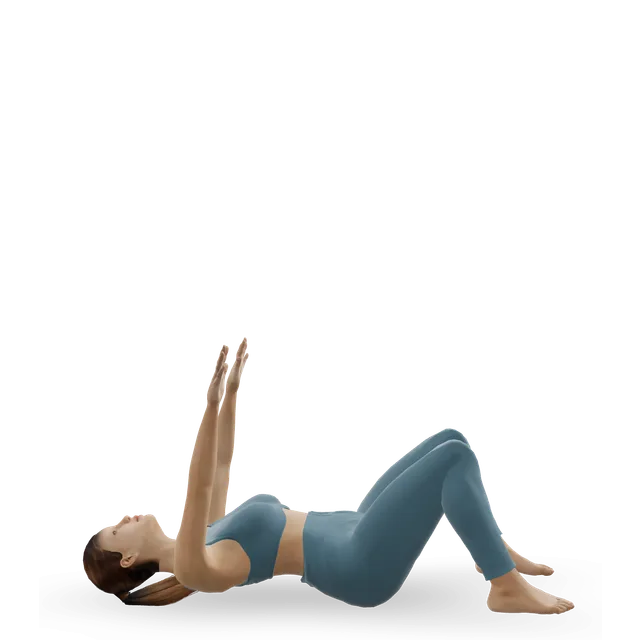 3D demoRoll-up (Pilates)Intermediate · No equipment
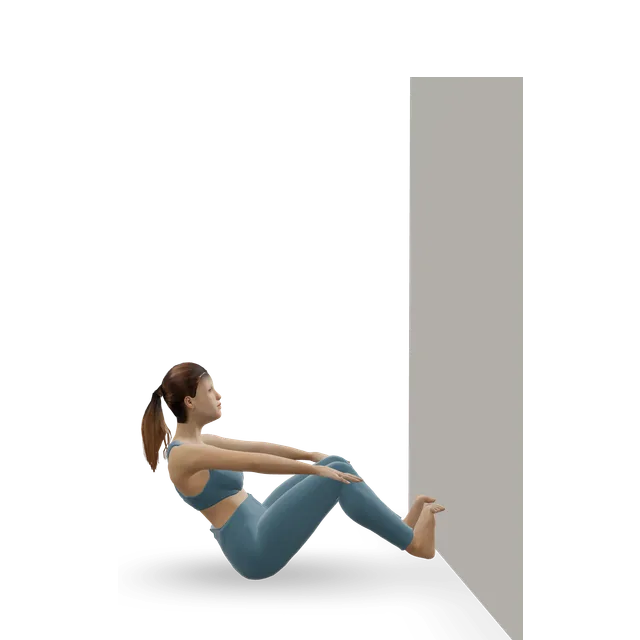 3D demoWall roll-up (wall teaser prep)Intermediate · A wall
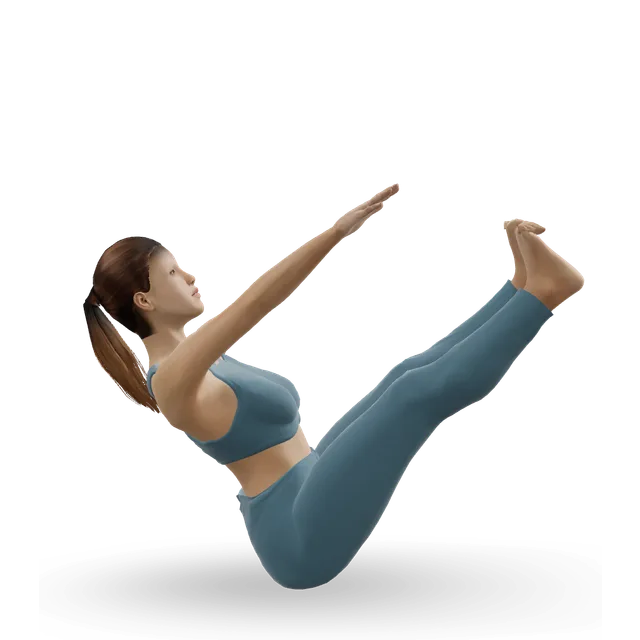 3D demoTeaser (Pilates)Advanced · No equipment
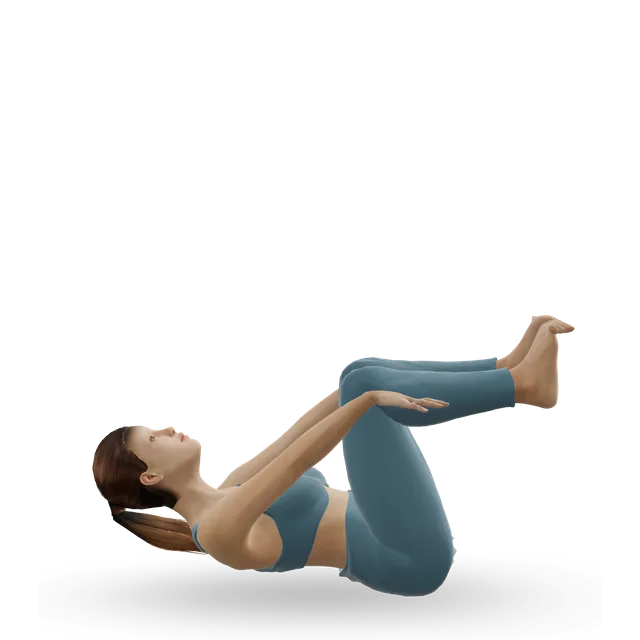 3D demoDouble-leg stretch (Pilates)Intermediate · No equipment
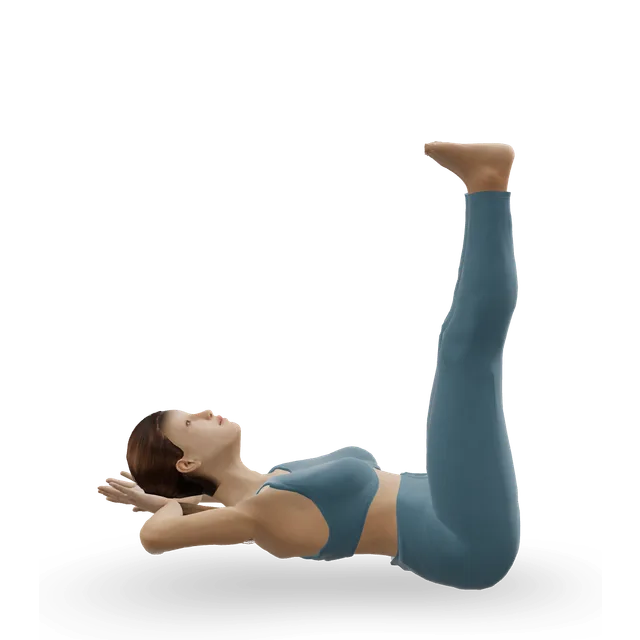 3D demoDouble straight-leg stretch (Pilates lower lift)Advanced · No equipment
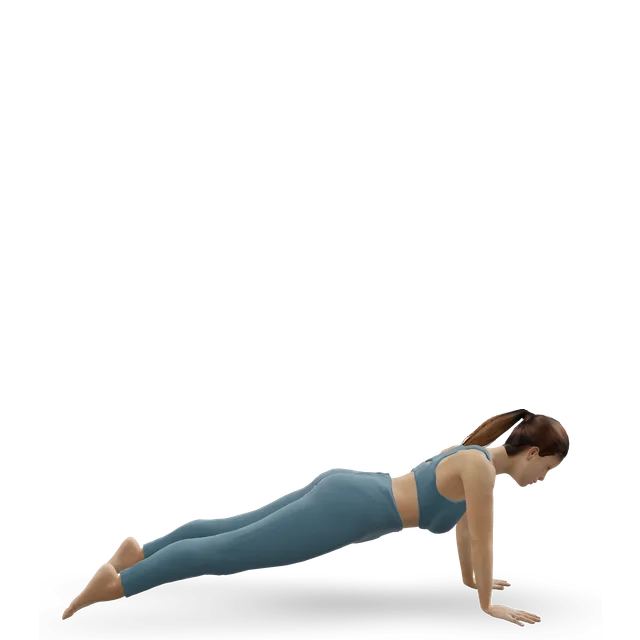 3D demoLeg pull front (Pilates leg pull down)Advanced · No equipment
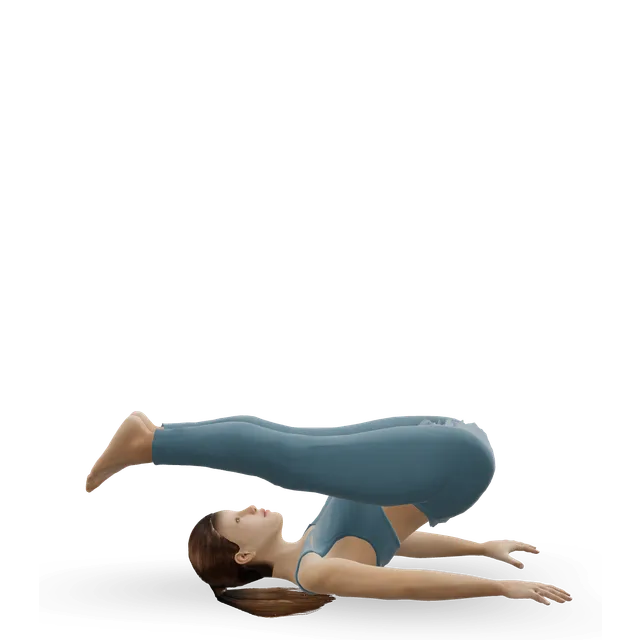 3D demoRoll-over (Pilates roll-over with legs spread)Advanced · No equipment
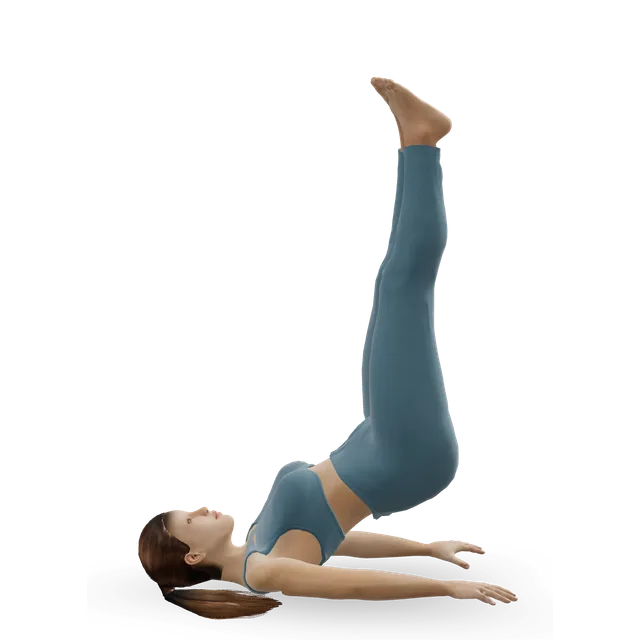 3D demoJack knife (Pilates)Advanced · No equipment
Lying footwork and arm work on light springs were among the lowest-pressure moves in the lab study, so they fit the low-level stage. The reformer roll-up, kneeling arm work, long stretch and side splits were among the highest, so they come later (our reading).
Roll onto your side and push up with your arms to come off the carriage, as the booklet teaches for getting out of bed, and tell the teacher about your operation (our suggestion).
Source 5
Removing both ovaries starts the menopause straight away, so you may notice hot flushes, sweating, vaginal dryness or poor sleep soon after. Your gynaecologist will talk to you about hormone replacement therapy (HRT).
Once you've recovered, strength and impact exercise helps bones: our Pilates for osteoporosis and Pilates for menopause guides cover what to add, with doses.
The 15-minute routine covers the first 6 weeks. Our Pilates after tummy surgery class then takes you through three stages with a stop point after each; do your pelvic floor exercises alongside it, and keep its curls and planks until bleeding and discharge have stopped and your team's restriction is over. No trial has tested either. The back pain and beginner classes come once the third stage is easy.
A gentle 15-minute routine for the first 6 weeks after a hysterectomy: circulation and breathing, pelvic floor and deep tummy exercises, then a daily walk.
15 minBeginner11 movesCardio machineA 25-minute Pilates return class after keyhole gallbladder removal or a hernia repair: knees-bent moves, then side-lying and standing work, then first curls.
25 minBeginner17 movesA bench or box, A wallA 5-minute daily pelvic floor workout for women and men: slow holds and quick squeezes, three times a day, with how to find the right muscles.
5 minBeginner2 movesNo equipmentA 20-minute Pilates workout for your pelvic floor, built on UK pelvic health physiotherapists' booklet: squeeze as you breathe out, move, then fully release.
20 minBeginner18 movesA wall, A bench or boxA 15-minute routine of the exercises NHS physiotherapy Pilates classes send home: bridge, knee folds, leg slides, clam, side kick and side openings.
15 minBeginner10 movesNo equipmentA gentle 15-minute Pilates-based routine for ongoing low back pain, built from neutral-spine moves with options for backs that dislike bending or arching.
15 minBeginner10 movesNo equipmentA 20-minute mat Pilates workout for complete beginners. It covers breathing, spine position and the foundation moves, each with an easier option.
20 minBeginner13 movesNo equipmentAn 8-minute routine for a tight pelvic floor: slow breathing and comfortable positions to help the muscles let go, with no strengthening squeezes.
8 minBeginner5 movesFirm cushionThe walking plan suits the first weeks at home; the beginner Pilates plan is for once low-impact exercise is allowed.
A free 8-week walking plan for beginners: build to 150 minutes of brisk walking a week, with intervals, hills and two short strength sessions.
6 training days40 minBeginner3 days a weekA free 4-week, 3-day Pilates plan for complete beginners. Two mat days and one wall day, with clear rules for when to move each exercise to its harder version.
3 training days25 minBeginnerThese are the warning signs from our exercise after a hysterectomy guide, word for word, which follow the RCOG's recovering-well pages; the heart lines are from our other Pilates guides. This is general information, not a diagnosis. A&E means accident and emergency; in the US, call 911 for 999, and use your doctor's urgent line or urgent care for NHS 111.
Shortness of breath, chest pain or coughing up blood can mean a blood clot has travelled to your lungs: get help immediately. Don't drive yourself to A&E.
If something hurts, do a little less for a few days (RCOG), and stop anything that feels uncomfortable (POGP). New or heavier bleeding, a heavy or dragging feeling, or leaking during exercise are reasons to drop back and get advice (our suggestion).
Stop a curl or plank if your tummy domes or bulges along a scar, or a scar pulls, and drop back a stage (our suggestion).
Source 5
Your hospital team or GP for problems with your wound, bleeding or pain; a specialist pelvic health (women's health) physiotherapist for pelvic floor problems, or for advice on lifting and high-impact exercise, especially after prolapse surgery.
If you are thinking about suicide or can't keep yourself safe, call 999 or go to A&E (accident and emergency). For urgent help, call Samaritans free on 116 123, any time, or in England call 111 and select the mental health option. In the US, call or text 988.
Call 999 if:
Call 999 or go to A&E (accident and emergency) straight away for severe difficulty breathing (gasping, choking or not able to get words out), a chest that feels tight or heavy, pain that spreads to your arms, back, neck and jaw, lips or skin turning very pale, blue or grey, or sudden confusion. If you're more short of breath than usual, or your heart is racing, fluttering or skipping beats, contact NHS 111.
Source 31
You feel any pain or become unwell, as the NHS advises for its Pilates videos, and especially for chest pain or pressure, unusual breathlessness, dizziness or fainting. If you have a health problem, an injury or any symptoms, get advice from a healthcare professional, such as a GP, before you start.
Source 32
The NHS advises getting advice from a healthcare professional first if you have a health problem, an injury or symptoms, or have recently had a heart attack or an operation.
Source 32
Walking starts the day after the operation, and breathing, pelvic floor and gentle tummy exercises in the first days. The booklet's 3 months is for high-impact exercise and competitive sport.
In a lab study, no Pilates move pressed on the tummy significantly harder than standing up from a chair. The scar heals faster outside than inside, though, so build up in stages.
After pelvic floor surgery, women who returned at their own pace did as well as those given 3 months of limits. No trial has tested limits after a hysterectomy alone, so follow your team.
The RCOG and the physiotherapists say keep them up for life; bladder leaks and prolapse are somewhat more common after a hysterectomy.
Recovery is about 13 days quicker than after open surgery, but the RCOG's tracker still puts your usual exercise at 4 to 6 weeks.
Every early exercise in the physiotherapists' booklet is mat work. On the reformer, footwork puts little pressure on the tummy, but the reformer roll-up is among the highest.
The gentlest Pilates moves (breathing, pelvic floor squeezes, a deep tummy draw-in, pelvic tilts, knee rolls and heel slides) start in the first days. For a class, the RCOG's keyhole and vaginal trackers allow low-impact sport from 2 to 4 weeks, while the physiotherapists' booklet suggests low-level Pilates from 6 to 12 weeks. Your surgical team's advice comes first.
Yes, in stages. Lying footwork and arm work on light springs put little pressure on the tummy, so they fit the low-level stage; the reformer roll-up, kneeling arm work and side splits come later. Tell your teacher about your operation.
At first, the roll-up, teaser, double leg lowers, full planks, legs-overhead moves and anything with jumping. Add them last, once curls are easy and nothing pulls or bulges at a scar.
It hasn't been tested in a trial, but its early moves are the exercises UK physiotherapists give after the operation, and its pelvic floor focus fits the advice to keep those exercises up for life. Walking is still the first and main exercise.
Often sooner than after open surgery: in trials, women got back to normal activities about 13 days sooner. The RCOG's keyhole tracker allows low-impact sport from 2 to 4 weeks and your usual exercise from 4 to 6; the physiotherapists' booklet is more cautious, at 6 to 12 weeks.
Later: the NHS says full recovery takes about 6 to 8 weeks, and an NHS physiotherapy leaflet for abdominal surgery suggests Pilates from 6 to 12 weeks, once bleeding has settled. Do the early tummy and pelvic floor exercises in the meantime.
A gentle, low-level class is usually fine by then if you've built up through the early exercises, bleeding and discharge have stopped, and your team agrees. Leave roll-ups, teasers, full planks and jumping until later.
Gentle deep tummy work from the first days, then curls and planks once the earlier stages are easy and your scar doesn't pull or bulge. Our exercise after a hysterectomy guide covers the timings in full.
Slower: the RCOG keeps to light loads for the first month, and the physiotherapists' booklet says some exercises with heavy straining may need to be avoided for life. Ask a pelvic health physiotherapist, and use our Pilates for prolapse swaps.
Pelvic floor training after a hysterectomy improved sexual function in trials, with too little evidence to judge leaking. Do your daily pelvic floor exercises as well as Pilates; squeezing during Pilates moves doesn't replace them.
Being as fit as you can helps: the RCOG says more exercise every day will make your recovery faster and safer. Practising your pelvic floor and tummy exercises before you go in helps too, the physiotherapists' booklet says.
New or heavier bleeding, a heavy or dragging feeling, leaking, or a scar that pulls or bulges: drop back and get advice. Heavy or smelly bleeding, worsening tummy pain, a red, painful scar or a painful, swollen leg need your GP, hospital or NHS 111; breathlessness, chest pain or coughing up blood need 999.
Exercise education, not a personal prescription, and clinical review of these guides is pending. If you are pregnant, have a health condition or have had recent surgery, check with a doctor, midwife or physiotherapist before starting, and stop for sharp or increasing pain. Health disclaimer.





