Lying leg raise on a bench
Lying on a bench holding its sides, the straight legs rise until they point at the ceiling: the leg raise supported by the bench, far less demanding than hanging.
Leg raise family
Lying leg raise on a bench
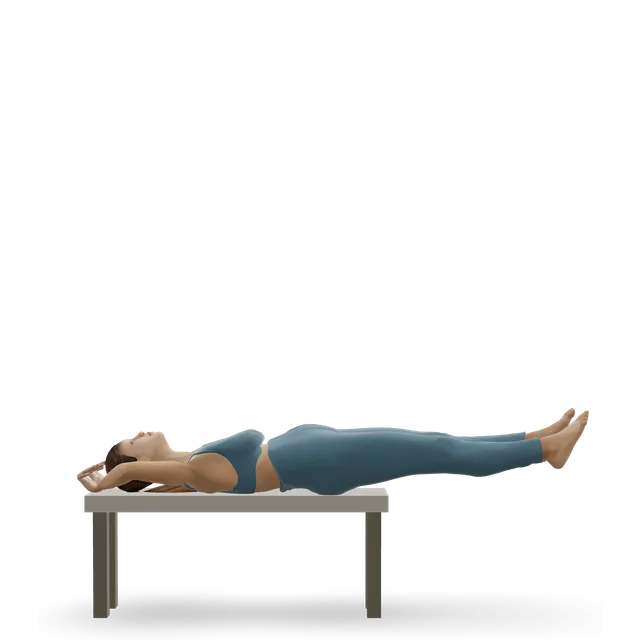
Loading the 3D figure…
Source-researched guide.
How to move
- Lie on a flat bench with the legs off its end and the hands holding the sides.
- Keeping the legs long, raise them until they point at the ceiling.
- Lower them slowly without arching the back.
Form cues
- Bend the knees to make it easier.
- Keep the low back on the bench.
Practice and cautions
No universal dose is assigned. Choose a manageable amount for your current capacity, leave room for controlled repetitions, and allow recovery. A clinician’s individual plan takes priority.
After abdominal or bowel surgery (including gallbladder or appendix removal, a hernia repair, hysterectomy, caesarean, weight-loss surgery or a kidney or liver transplant), or with a stoma, leave this out while your tummy heals: UK stoma and hospital leaflets advise against sit-ups and double leg raises at first. Build up through gentler core exercises, breathe out on the effort, and stop if you notice bulging around a scar or stoma. This is movement education, not an assessment or treatment prescription. Stop for sharp or increasing pain, dizziness, numbness or tingling; seek individual guidance for symptoms, injury or restrictions.
Sources and review status
Sources support the educational description; they do not establish that this exercise is suitable for you.
- Kim & Lee 2016 · Abdominal and leg muscle activity in the sit-up and the lying leg raise ↗
- McGill 2015 · The body saw, hanging leg raise and walkout (the hanging straight-leg raise over 130% of maximal abdominal activity) ↗
- Free Exercise DB · community text ↗
Unlicense · Free Exercise DB contributors; derived from wrkout/exercises.json. Text import; no photographs or media. · Revision f00c92c7dcf1216a928a52c3706c7ce8e2f71ed5
No variation is labeled clinically validated.
What it works
Muscles
Main: Abs, Hip flexors.
Anatomy: Rectus abdominis, Obliques, Transversus abdominis, Iliopsoas, Rectus femoris, Pectineus.
Equipment
A bench or box
Level
Beginner. See the easier and harder options above.
Workouts that use it
Pain guides that use it
Part of a staged plan, with when to get help first.
Guides that use it
Similar moves
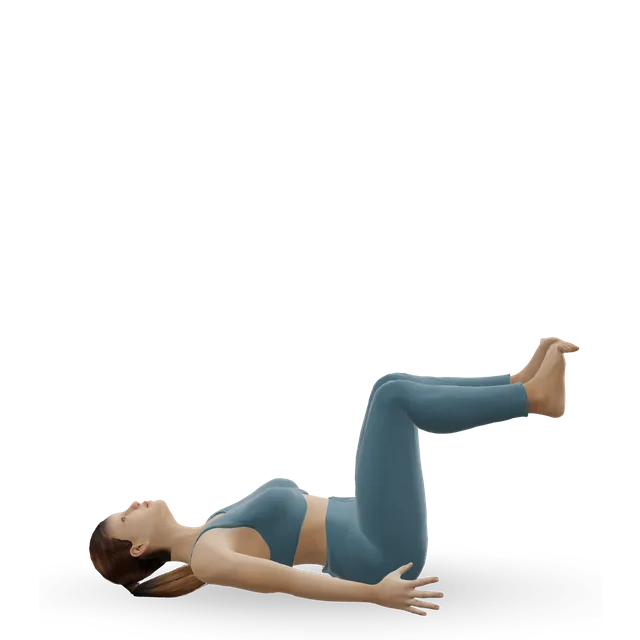 3D demoBent-knee hip raiseIntermediate · No equipment
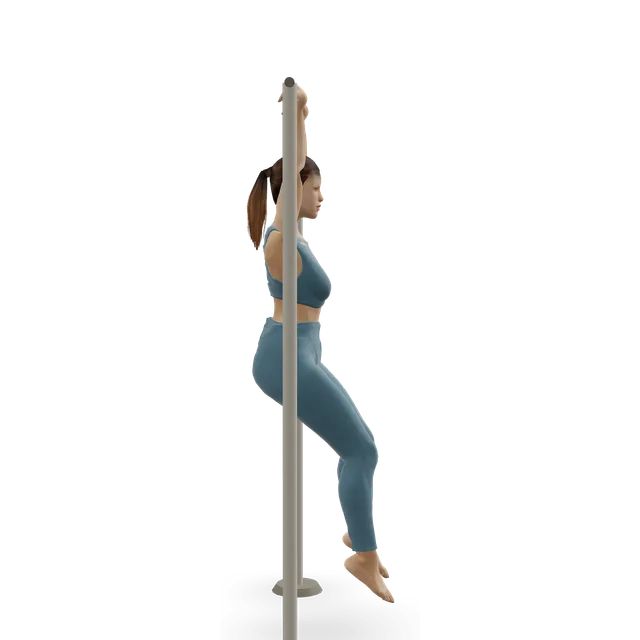 3D demoChin-up with a knee raise (gorilla chin)Advanced · Pull-up bar
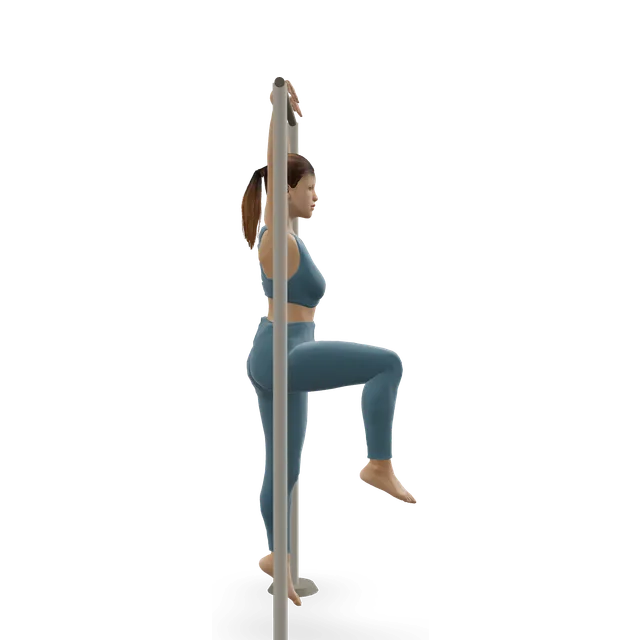 3D demoHanging alternating knee raise (wind sprints)Intermediate · Pull-up bar
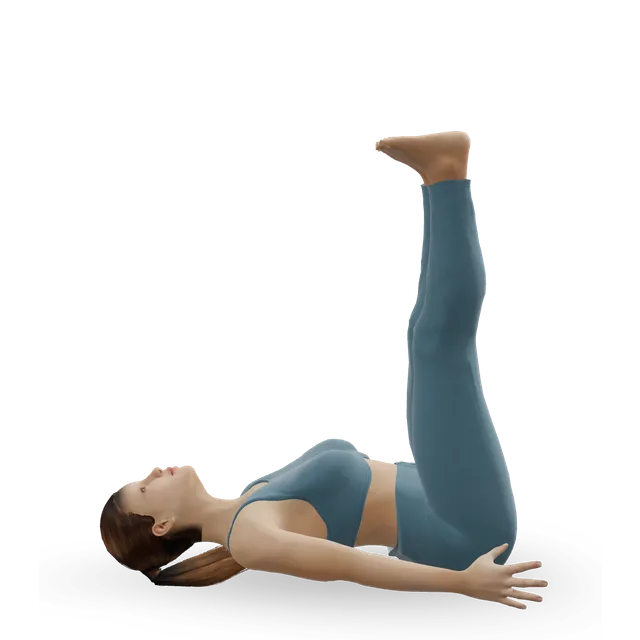 3D demoVertical-leg hip raise (bottoms up)Intermediate · No equipment
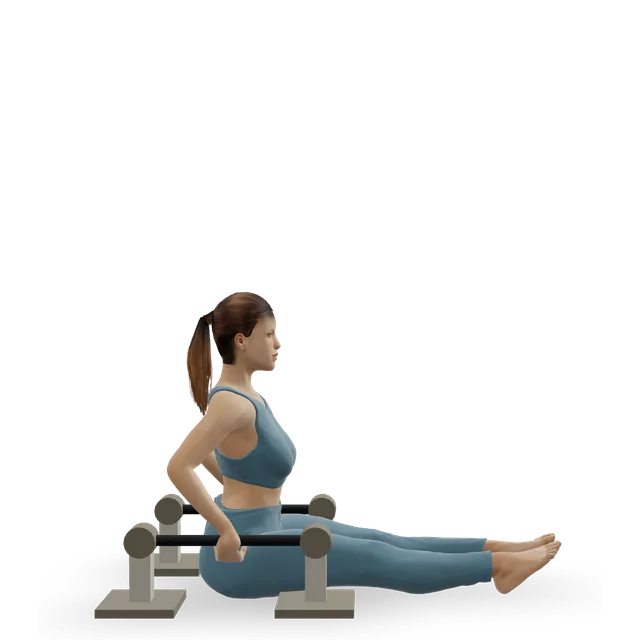 3D demoL-sitAdvanced · No equipment
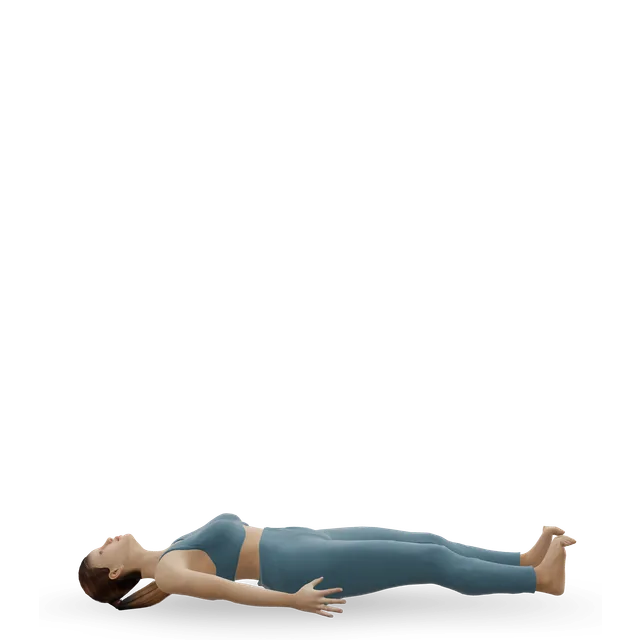 3D demoLeg pull-inIntermediate · No equipment
Browse more
Questions people ask
What muscles does the Lying leg raise on a bench work?
Mainly the abs and hip flexors.
What equipment do I need for the Lying leg raise on a bench?
A bench or box.
Is the Lying leg raise on a bench good for beginners?
It is graded beginner, so it suits most people starting out. When it feels easy, try the Captain's chair knee raise.
What is an easier alternative to the Lying leg raise on a bench?
Try the Seated knee tuck on a bench. It is the suggested step down from this move.
How do I make the Lying leg raise on a bench harder?
Progress to the Captain's chair knee raise or the Hanging knee raise. Follow that guide’s technique and any stated timing.