How do I get bigger forearms?
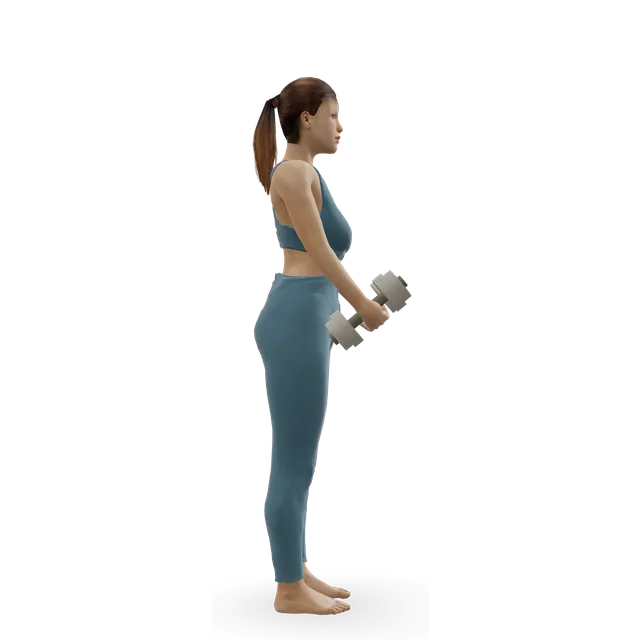
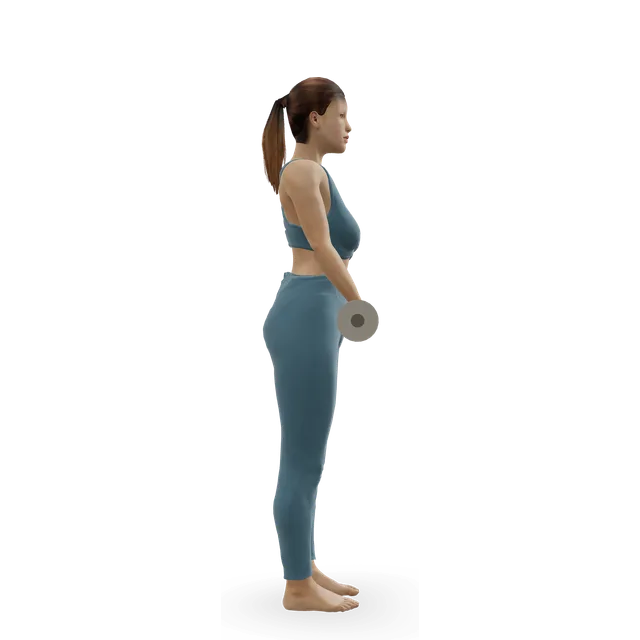
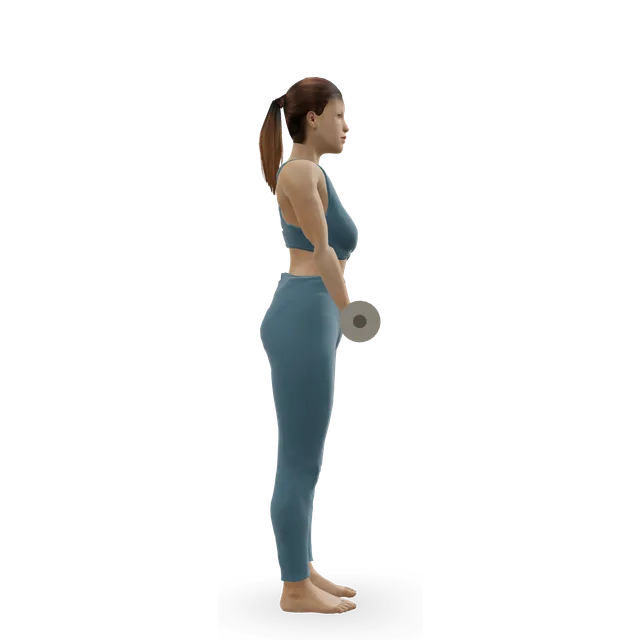
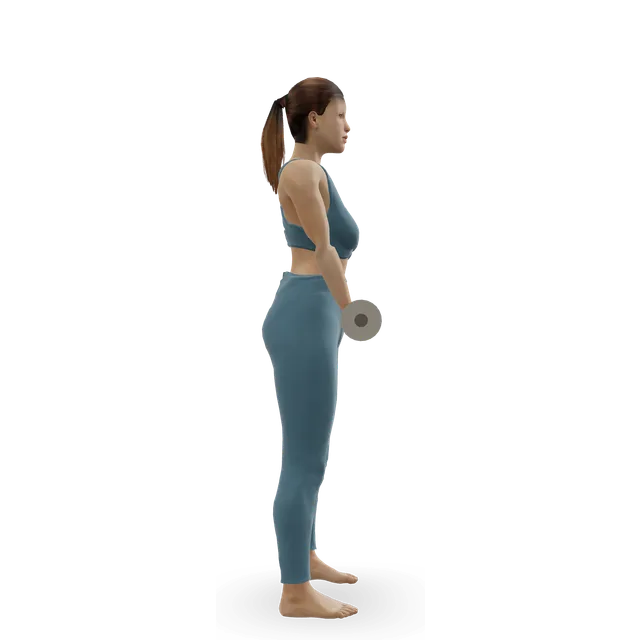
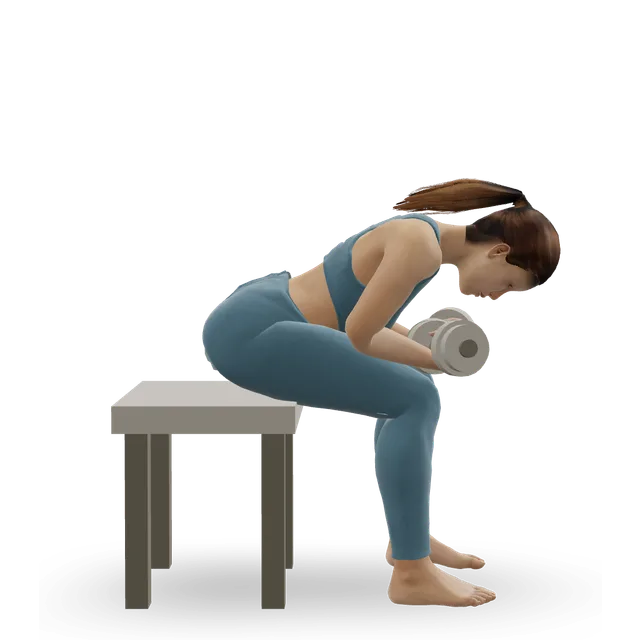
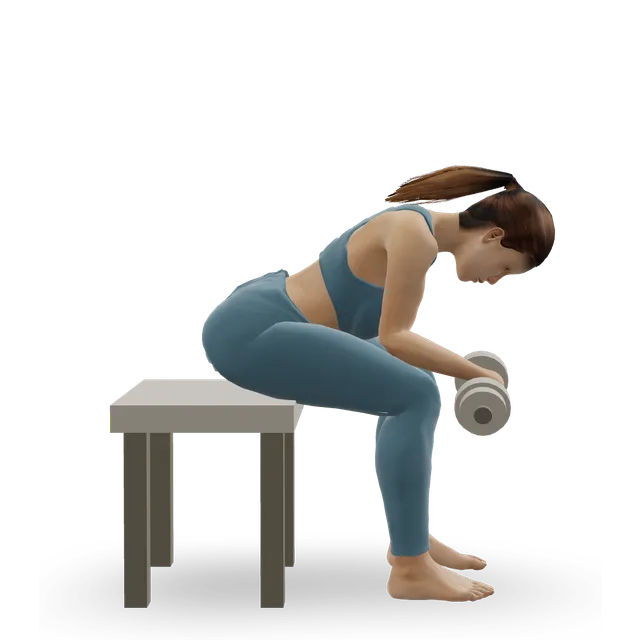
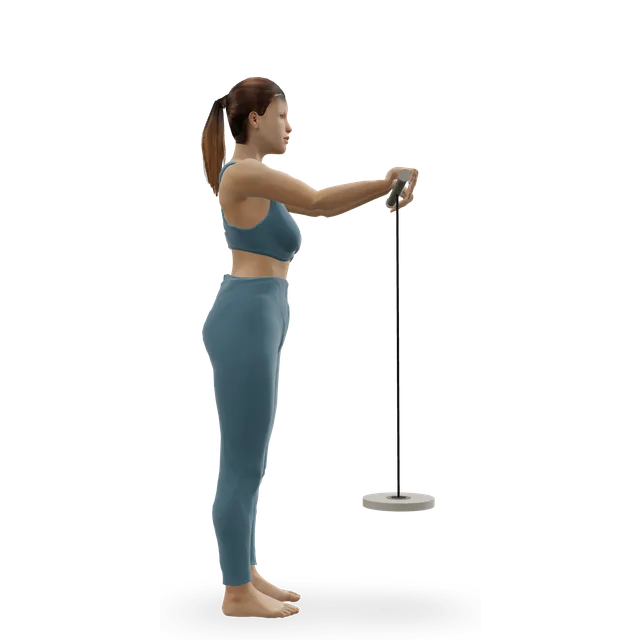
Keep your pulls and curls, and add direct forearm work twice a week: curls in hammer, reverse and Zottman grips, slow wrist curls both ways, and carries or hangs. Build towards about 6 to 10 hard forearm sets a week, adding reps before weight. In small trials, curls grew the forearm's brachioradialis by 13.5 to 17.6% in 12 weeks.
How long does it take to get bigger forearms?
Strength comes first, within weeks. Small studies without a comparison group measured up to about 0.8 cm more forearm girth after 5 to 6 weeks, and scans showed clear growth by 12 weeks. People vary a lot, so expect months and measure the same way every 4 weeks.
Are forearms genetic?
Partly: forearm girth was strongly inherited in a twin study of children, and grip strength is about half inherited. But the playing arm's forearm muscles were clearly bigger in tennis players, and forearms grew in the trials that loaded them, so training still makes a real difference.
What are the best exercises for bigger forearms?
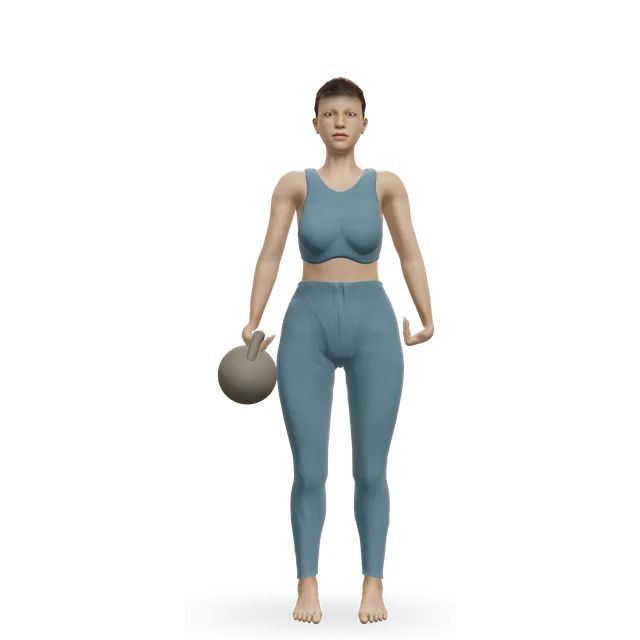
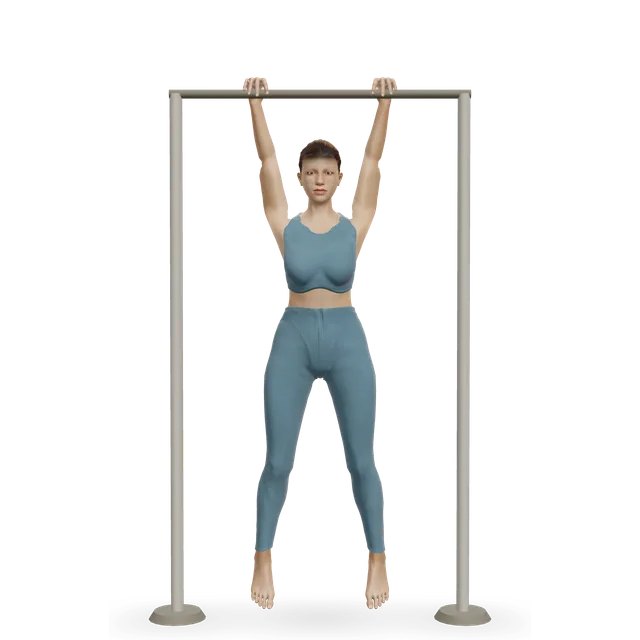
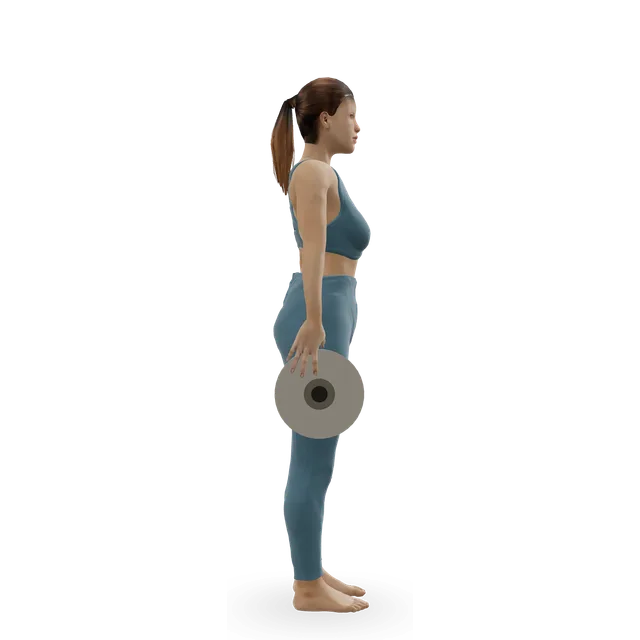
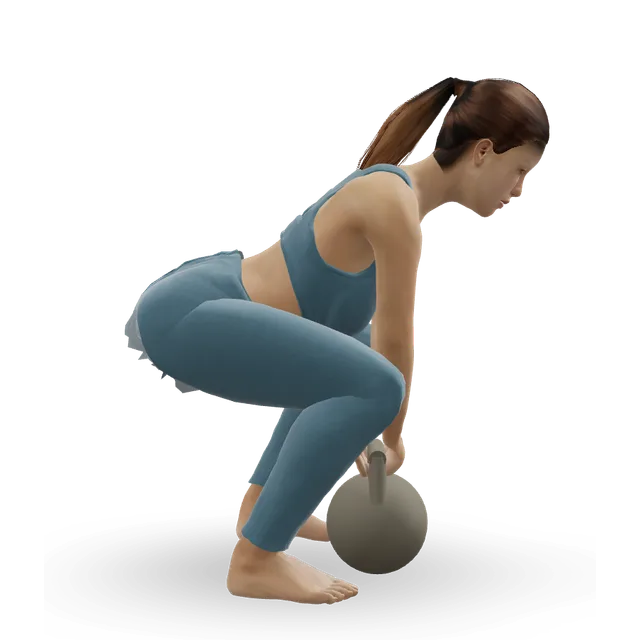
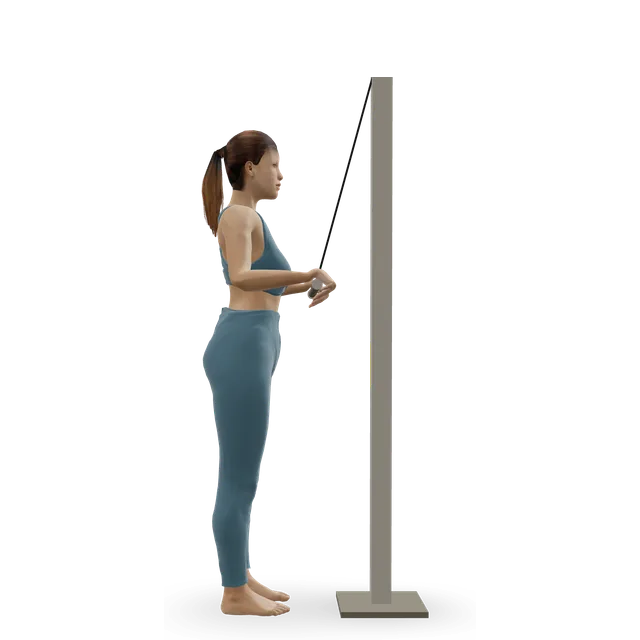
Hammer, reverse and Zottman curls for the brachioradialis near the elbow; wrist curls and reverse wrist curls for the muscles underneath and on top; and farmer's carries, hangs or plate pinches for the muscles that grip. No single grip or exercise has been proven best, so use the ones your wrists and elbows like.
Can I get bigger forearms at home without weights?
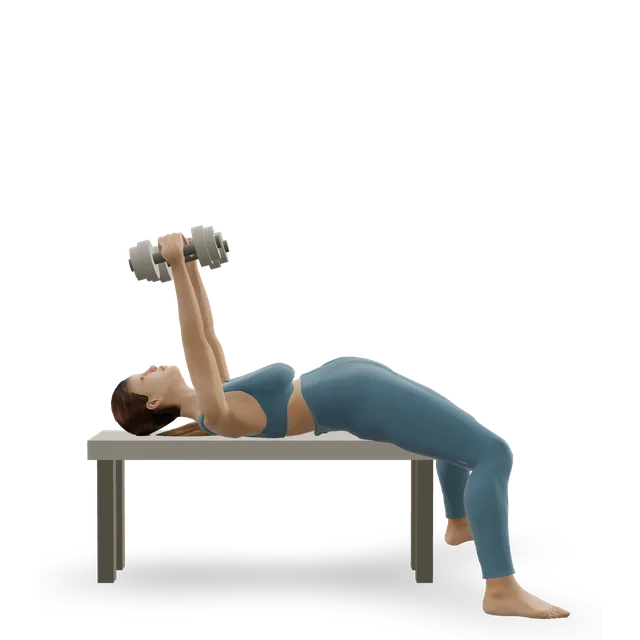
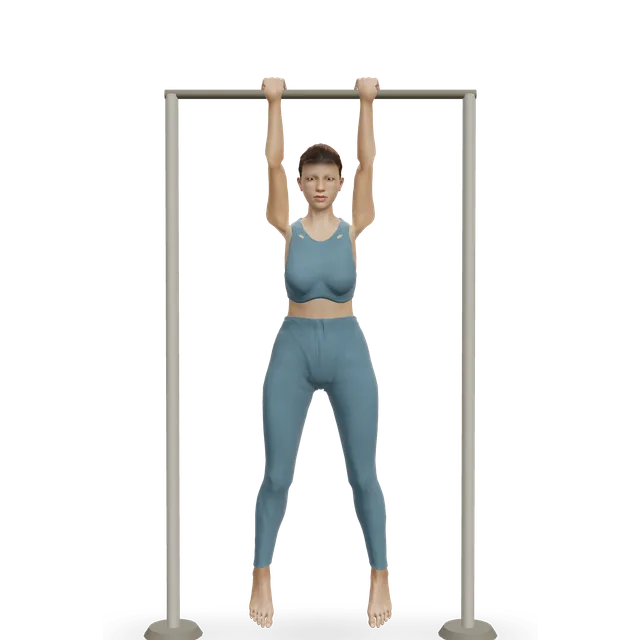
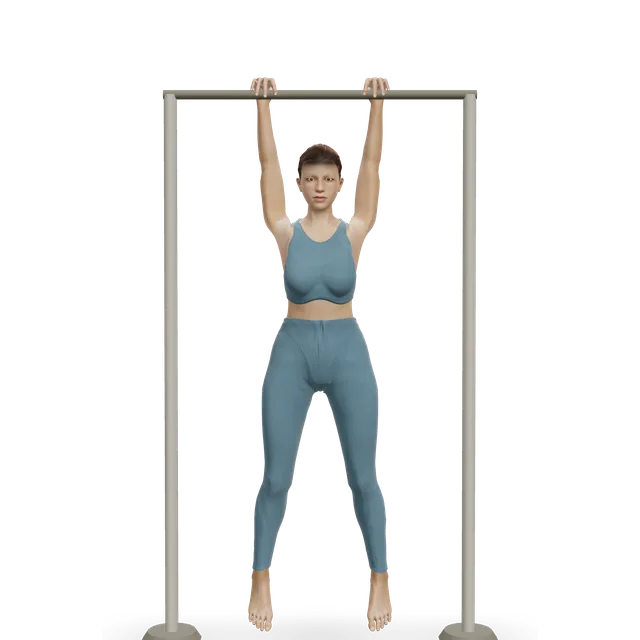
A pair of dumbbells or a loaded backpack is enough for curls and wrist curls, and shopping bags or water containers work for carries. Without any weight, hangs, chin-ups and rows load your grip, but the wrist muscles are hard to progress, so a light dumbbell or a band helps.
Do wrist curls make your forearms bigger?
They can: slow-lowering wrist curls thickened the wrist flexors by about 7% in 4 weeks in a small trial. They don't train the brachioradialis, though, so pair them with hammer or reverse curls.
Are pull-ups, rows and deadlifts enough for big forearms?
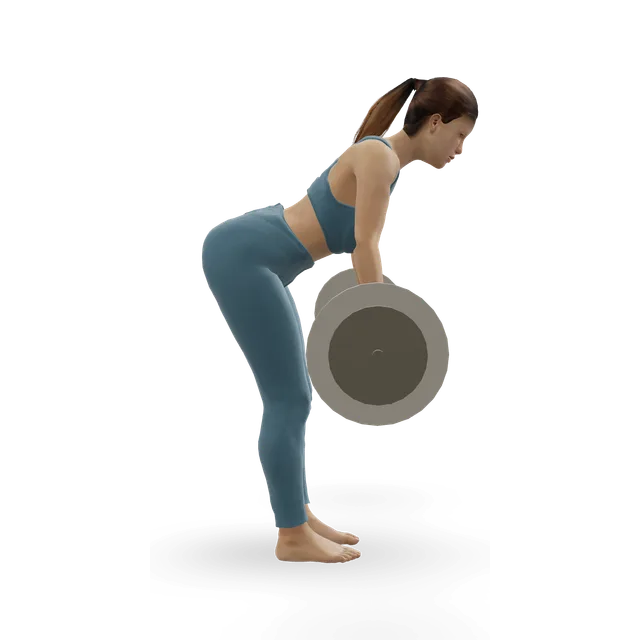
They help, especially if you lift without straps. But in trials, extra forearm work added wrist strength and grip beyond what the main lifts gave, and arm wrestlers had bigger forearms than other strength athletes. If forearm size matters to you, a few direct sets a week are worth it.
Does grip training make your forearms bigger?
It can: the muscles that close your hand make up much of the forearm, finger-flexor training added forearm girth in climbers, and forearm muscle volume tracked grip strength on scans. Our grip strength guide covers training grip itself.
How often should I train forearms?
Twice a week suits most people, at least a day apart. When weekly sets are matched, training more often doesn't add growth, and sore elbows need the rest days.
Can you make your wrists bigger?
Not much. Your wrist is mostly bone, tendons and ligaments, and the muscle bellies sit nearer your elbow, so training thickens the forearm more than the wrist. We found no study that measured wrist size after training.
Why are my forearms so small even though I lift?
Genes, bone structure and body fat all play a part, and men tend to have bigger forearm muscles than women. Many people never train their forearms directly, or always use straps; adding curls in forearm-friendly grips and some grip work is the usual fix.
My elbow hurts when I train forearms. What should I do?
Discomfort up to about 3 or 4 out of 10 is fine if it settles within an hour and your elbow is no worse the next morning; otherwise go lighter, not to nothing. With pain on the outside of the elbow, bring reverse curls back last. See a GP if it hasn't improved after 2 weeks of rest and looking after it yourself.