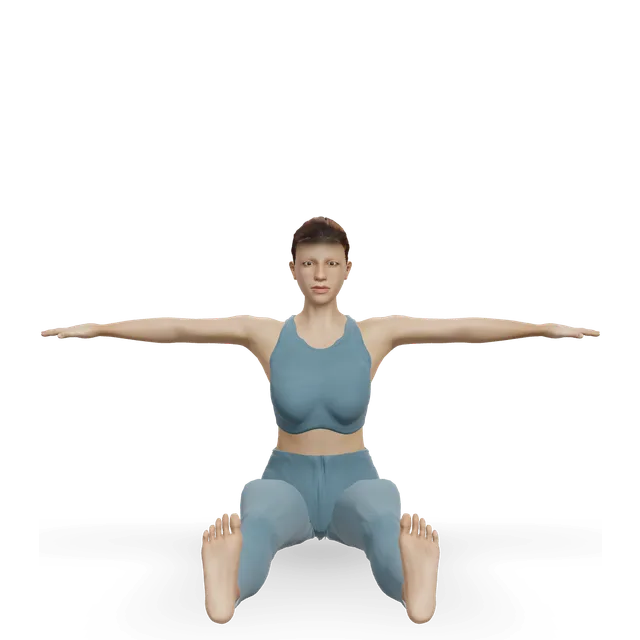
Common and usually silent
NICE says MASLD affects about 30% of adults and about half of people with type 2 diabetes. The NHS says it doesn't usually cause symptoms, and most people only ever have the first stage.
Pilates guide
Fatty liver disease, now called MASLD (metabolic dysfunction-associated steatotic liver disease, formerly NAFLD), is common and usually causes no symptoms. Being active lowers liver fat even without weight loss, and guidelines recommend cardio and strength work together. Pilates counts as strength work, but on its own it has hardly been tested: the few trials are tiny, all from Iran, mostly measured with an ultrasound grade or blood tests, and none used an MRI scan.
This guide explains what exercise does for the liver, where Pilates fits, how much to do, why weight and scarring matter, what to change with cirrhosis, the moves and classes to follow, and the warning signs that need urgent help. Pilates goes alongside your liver checks and any treatment, never in place of them.
NICE says MASLD affects about 30% of adults and about half of people with type 2 diabetes. The NHS says it doesn't usually cause symptoms, and most people only ever have the first stage.
In trials using MRI scans, exercise cut liver fat by about 3 percentage points. About 150 minutes a week of brisk walking made a meaningful fall in liver fat 3.5 times as likely, whether or not people lost weight.
Resistance exercise lowered liver fat in trials, and guidelines prefer cardio and strength together. The NHS lists Pilates among muscle-strengthening activities, so it fits as the strength half of the week.
We found four tiny Iranian studies, none with an MRI scan, and the only one in the main medical database found no change in liver blood tests. A US sports medicine roundtable calls the place of yoga and Pilates uncertain.
If you're overweight, losing weight does more for inflammation and scarring than exercise alone. NICE recommends a test for liver scarring for everyone with MASLD, because routine liver blood tests are often normal.
Liver UK says no complementary or alternative medicine has been shown to treat or prevent MASLD. Twists and tummy work don't massage or cleanse the liver.
Source 18
Our exercise for fatty liver guide explains the grades, the scarring test and weight loss in more detail.
The NHS page is still called NAFLD and says: "It's also known as metabolic dysfunction-associated steatotic liver disease (MASLD)." The new names were agreed in 2023, partly because many people found the old ones stigmatising, and NICE renamed its guideline in July 2026.
The NHS lists being overweight, "particularly if you have a lot of fat around your stomach and waist", type 2 diabetes, polycystic ovary syndrome, high blood pressure or cholesterol, being over 50 and not being very active. NICE says about 46% of people with obesity and 53% of people with type 2 diabetes have it.
Fat without damage, then inflammation (MASH), then scarring (fibrosis), then cirrhosis. "Most people only have the 1st stage, which does not usually cause any problems."
Source 2
NICE says "more than 80% of patients with MASLD have normal routine liver blood tests", so they don't rule it out, and asks for a scarring test for everyone with MASLD.
Source 1
NICE says MASLD is a risk factor for type 2 diabetes, high blood pressure and kidney disease, and in type 2 diabetes for heart attacks and strokes. In 29 studies, about 1 in 4 people with MASLD had low muscle mass and strength, one reason strength work matters.
Mat Pilates is about 1.8 METs and Pilates in general 2.8, against 4.8 for brisk walking. The liver fat trials point to about 750 MET-minutes a week: roughly 4 to 7 hours of Pilates, or about 2.5 hours of brisk walking (our arithmetic). So walking does most of the dose, and Pilates is the strength half.
In 12 controlled trials, the benefit for liver fat came "with minimal or no weight loss". In 19 trials with MRI scans (745 people), interval and steady exercise each cut liver fat by about 3 percentage points. The European guideline says exercise alone reduces liver fat.
In 14 trials (551 people), exercisers were 3.5 times as likely to see a 30% fall in liver fat, the size linked with improvement on biopsy, with at least 750 MET-minutes a week (for example 150 minutes of brisk walking). A 2026 analysis of 24 trials found the benefit levelled off at about 630 to 850 MET-minutes a week.
Aerobic and resistance exercise both lowered liver fat, and resistance work used less energy, so it may suit people who find cardio hard. In 11 trials of resistance training, 7 of 8 that scanned the liver found less fat. In one trial, machine resistance training lowered liver fat more than home stretching. Guidelines prefer cardio and strength combined.
In 3 small trials (72 people), exercise alone didn't improve liver biopsies. If you're overweight, the European guideline's targets are at least 5% of your weight to reduce liver fat, 7% to 10% for inflammation and 10% or more for scarring, and in a study of 293 people the more weight people lost, the more their liver improved.
Exercise alone didn't reliably change ALT, a liver enzyme, in reviews, so a normal or unchanged blood test doesn't mean exercise isn't working.
Semaglutide and resmetirom improved inflammation and scarring on biopsy in large trials of people with MASH and scarring. They are specialist treatments; exercise goes alongside them.
Our searches of PubMed, Crossref and ClinicalTrials.gov in November 2026 found four small Pilates studies in fatty liver that we could read, all from Iran and all 8 weeks long, one of them an unpublished thesis. None measured liver fat with an MRI scan or a biopsy, and ClinicalTrials.gov had no registered Pilates trial in fatty liver.
Source 16
Twenty men with fatty liver did mat Pilates 3 times a week for 8 weeks or no exercise. Their ultrasound grade and a liver enzyme (ALT) improved, but the Pilates group also lost about 3.7 kg, so the change can't be put down to Pilates alone. Three papers in different journals appear to report these same participants (our inference), so we count them as one trial.
Twenty women with fatty liver did Pilates for 8 weeks; the first paper reports blood fats, blood sugar and blood pressure, and the liver wasn't scanned again. A second paper, which appears to report the same participants (our inference), found liver enzymes fell only when Pilates was combined with a herbal supplement.
In 32 women with fatty liver, 8 weeks of Pilates with or without broccoli sprout extract didn't change liver enzymes.
Source 15
The US sports medicine roundtable: "The appropriateness of other types of physical activity including yoga and Pilates remains uncertain." Its Pilates evidence is the trial in 20 men above.
Source 17
More than 150 minutes of moderate activity or 75 minutes of vigorous activity a week, plus strength work twice a week. Liver UK: "Aim for at least 2½ hours (150 minutes) of moderate intensity activity every week." and "It's also important to do activities that strengthen your muscles twice a week."
Count 2 Pilates sessions a week as strength work, and make them work: standing strength moves, a band and short rests. The effective resistance programmes in trials ran about 45 minutes, 3 times a week for 12 weeks.
Brisk walking was the dose behind the 30% falls in liver fat. Our walk and Pilates class puts a 20-minute brisk walk and a Pilates circuit in one session (our editorial structure).
Source 6
The effective programmes in trials ran for about 12 weeks, and the gains fade if you stop, as our exercise for fatty liver guide says.
Source 7
Brisk walking, 20 to 30 minutes on most days, building to 150 minutes a week (the guideline target). Standing march: 2 minutes; sit to stand: 2 sets of 8 to 10, on a sturdy chair, pushing on the arms or your thighs to start if you need to; wall push-up: 2 sets of 10 (our walk and Pilates and chair-to-mat classes' editorial starting points). Wall side leg lift: "10 to 12 each side" (the move page's dose). Band row: "3 sets of 10 to 15" (the move page's dose).
 3D demoTreadmill walkingBeginner · Cardio machine
 3D demoStanding marchBeginner · No equipment
 3D demoSit to stand from a chairBeginner · A bench or box
 3D demoWall push-upBeginner · A wall
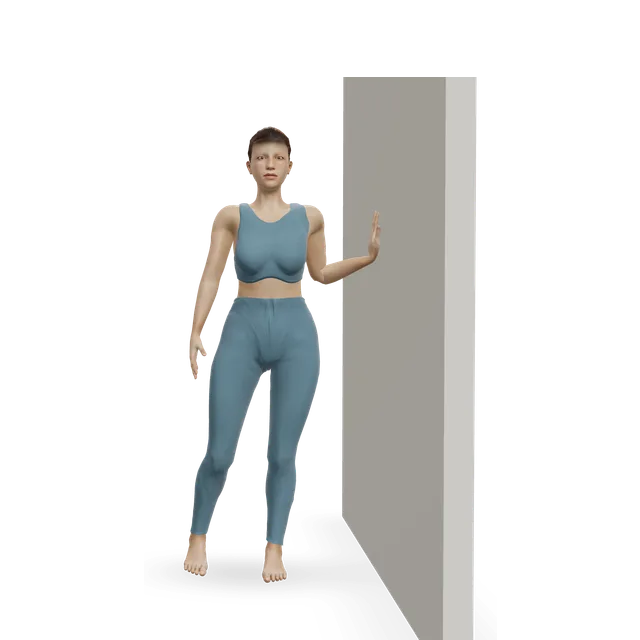 3D demoWall side leg lift (standing side kick at the wall)Beginner · A wall
 3D demoBand rowBeginner · A band + An anchor point
Breathe out on the effort, never holding your breath. Pelvic tilt into bridge: 8 slow reps; clamshell: 10 each side; bird dog: 5 each side (our classes' editorial starting points). Single-leg stretch: "6 to 10 each side" (the move page's dose). Side kick: "8 to 10 each side" (the move page's dose). Knee hover: "3 holds of 15 to 30 seconds" (the move page's dose). Hundred: "50 beats to start, building to 100" (the move page's dose).
 3D demoPelvic tilt into bridgeBeginner · No equipment
 3D demoSingle-leg stretch (Pilates one leg stretch)Intermediate · No equipment
 3D demoClamshellBeginner · No equipment
 3D demoSide kick (Pilates side kick series)Beginner · No equipment
 3D demoBird dogBeginner · No equipment
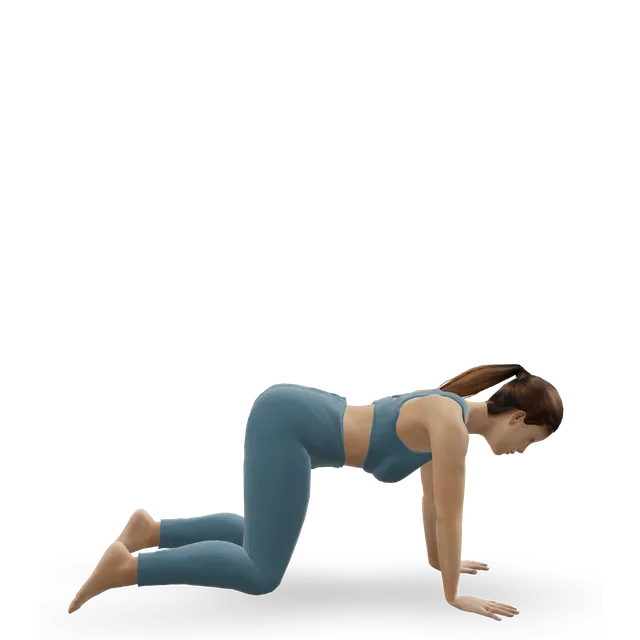 3D demoKnee hover (Pilates tabletop hover)Beginner · No equipment
 3D demoHundred (Pilates)Intermediate · No equipment
For comfort, not for the liver. Mermaid: "3 each direction, each side" (the move page's dose). Spine twist: "3 to 4 each side" (the move page's dose).
Ask your liver team first. Leave out lying face down (swimming, the swan and the kick series), moves that squash your tummy (rolling like a ball, the seal and the moves that take your legs over your head) and long held planks, and keep breathing rather than straining (our suggestion). The NHS lists weak bones among the complications of cirrhosis, so the osteoporosis cautions on the rolling and curl-up moves apply too.
Source 32
Keep hypo treatment nearby if you take insulin or a sulfonylurea, and wear shoes for standing work if your feet are numb, as our Pilates for diabetes guide says.
Start with the standing moves and our chair-to-mat class for bigger bodies, which has a chair-only option. Use a sturdy chair rated for your weight, as the sit to stand's own caution says.
Start with the walk and Pilates class: a brisk walk for the cardio and a Pilates circuit for strength, the combination guidelines prefer for liver fat. The chair-to-mat class suits bigger bodies or sore knees, and the strength and diabetes classes add resistance.
A 45-minute session for weight loss and health: a 20-minute brisk walk, which does more for the scales, then a short-rest Pilates circuit for strength.
45 minBeginner11 movesCardio machineA 30-minute Pilates class for bigger bodies: a standing warm-up, wall and chair strength, a supported way down to the mat and up, mat moves and a seated cool-down.
30 minBeginner18 movesA bench or box, A wallA 30-minute Pilates strength class with dumbbells or a band: Pilates trunk work plus squats, lunges, rows and push-ups, each set taken until it is hard.
30 minIntermediate15 movesA dumbbell, A bandA 30-minute Pilates class for type 2 diabetes: standing strength in your shoes, then mat work for hips, back and trunk, head up throughout and finishing seated.
30 minBeginner16 movesA bench or box, A wallA 20-minute chair Pilates workout for beginners and older adults: breathing, sitting tall, gentle spine and leg moves, and a standing finish at the chair.
20 minBeginner14 movesA bench or box, Something with weightA 40-minute walk alternating 3 minutes fast and 3 minutes easy, five times over: the interval walking tested in Japanese trials, built up from three rounds.
40 minBeginner3 movesCardio machine, A wallThe walking plan builds to 150 minutes a week over 8 weeks; the weight loss plan combines strength and cardio over 12 weeks if you want to lose weight as well.
A free 8-week walking plan for beginners: build to 150 minutes of brisk walking a week, with intervals, hills and two short strength sessions.
6 training days40 minBeginner3 days a weekA free 4-week, 3-day Pilates plan for complete beginners. Two mat days and one wall day, with clear rules for when to move each exercise to its harder version.
3 training days25 minBeginner5 days a weekA 12-week workout plan for weight loss: three strength days, two cardio days and daily steps, building to 200 minutes a week, with honest results.
3 training days45 minBeginnerThe NHS fatty liver page has only a see-a-GP box, so these are the cirrhosis, jaundice and vomiting blood lines from our exercise for fatty liver guide, word for word, with the chest pain and fainting lines from our other Pilates guides. This is general information, not a diagnosis. A&E means accident and emergency; in the US, call 911 for 999, and use your doctor's urgent line or urgent care for NHS 111.
Call 999 for any of these, and don't drive yourself to A&E:
Liver UK lists these signs of more advanced liver disease:
Source 18
Call 999 if:
Call 999 or go to A&E (accident and emergency) straight away for severe difficulty breathing (gasping, choking or not able to get words out), a chest that feels tight or heavy, pain that spreads to your arms, back, neck and jaw, lips or skin turning very pale, blue or grey, or sudden confusion. If you're more short of breath than usual, or your heart is racing, fluttering or skipping beats, contact NHS 111.
Source 38
With cirrhosis, ask your liver team what exercise suits you before starting or stepping up (our suggestion), and talk to your doctor before trying to lose weight, as Liver UK advises. With type 2 diabetes on insulin or a sulfonylurea, follow the hypo advice in our type 2 diabetes guide. Stop and rest if you get chest pain, unusual breathlessness, dizziness or palpitations (our suggestion).
Source 18
NICE: "Be aware that people with MASLD who are taking statins should keep taking them."
You feel any pain or become unwell, as the NHS advises for its Pilates videos, and especially for chest pain or pressure, unusual breathlessness, dizziness or fainting. If you have a health problem, an injury or any symptoms, get advice from a healthcare professional, such as a GP, before you start.
Source 39
The NHS advises getting advice from a healthcare professional first if you have a health problem, an injury or symptoms, or have recently had a heart attack or an operation.
Source 39
Only a handful of tiny trials, by ultrasound grade or blood tests, and the one in the main medical database found no change. The US roundtable calls Pilates' place uncertain.
No study tests it, and Liver UK says no complementary or alternative medicine treats MASLD. Our yoga for fatty liver guide says the same about poses.
Exercise lowered liver fat with little or no weight loss. Weight loss adds more for inflammation and scarring.
Resistance exercise lowered liver fat too, and guidelines prefer cardio and strength combined.
NICE says more than 80% of people with MASLD have normal routine liver blood tests.
Source 1
It's good strength work, which counts towards what guidelines recommend. On its own it has hardly been tested: a few tiny trials, mostly by ultrasound grade or blood tests. Pair it with brisk walking or other cardio, which has the best evidence.
Exercise in general lowers liver fat, even without weight loss. Whether Pilates alone does is uncertain, as the US sports medicine roundtable says, so use it as part of an active week rather than on its own.
About 150 minutes a week of moderate activity, such as brisk walking, plus strength work twice a week. 150 minutes of brisk walking a week was the dose linked with a meaningful fall in liver fat.
Not fully: most Pilates is light to moderate, so it counts best as your strength work. Cardio and strength together did best in trials.
Yes, in the same way: exercise lowered liver fat with little or no weight loss, and MASLD can happen at a healthy weight too. Our exercise for fatty liver guide covers fatty liver at a healthy weight.
No study has compared them. The reformer's springs make it easier to add resistance, which may help it count as strength work.
Exercise lowers liver fat, and losing 7% to 10% of your weight or more improves inflammation and scarring if you're overweight. No Pilates trial has measured scarring. Ask your GP or liver team about your own tests.
No. No move has been shown to detox or massage the liver, and Liver UK says no complementary or alternative medicine treats MASLD.
Ask your liver team first. With fluid in your tummy, leave out face-down and tummy-squashing moves and long holds, and keep breathing rather than straining.
Possibly a little, but they are a poor guide: more than 80% of people with MASLD have normal routine liver blood tests, and exercise didn't reliably change ALT in reviews.
Yes. NICE says people with MASLD who take statins should keep taking them. Pilates and walking go alongside.
Yellow skin or eyes, vomiting blood, black poo, sudden confusion or a swelling tummy need urgent help; the warning signs above say who to call.
Exercise education, not a personal prescription, and clinical review of these guides is pending. If you are pregnant, have a health condition or have had recent surgery, check with a doctor, midwife or physiotherapist before starting, and stop for sharp or increasing pain. Health disclaimer.