Pilates guide

Pilates for high cholesterol: what it does for LDL, HDL and triglycerides, and what to pair it with

High cholesterol causes no symptoms, and only a blood test shows it. Pilates is good for strength, balance and posture, but it does little for cholesterol on its own: in the two small trials in people with mostly high cholesterol, LDL (the "bad" cholesterol) didn't fall. Exercise in general lowers LDL a little, about 6% across 148 trials, and brisk walking or other cardio does most of that work.

This guide explains what Pilates can and can't do for LDL, HDL and triglycerides, why to pair it with cardio, how it compares with a statin, exercising on a statin when your muscles ache, the moves and classes to follow, and the warning signs that need help. Pilates goes alongside a statin or other treatment your doctor recommends, never instead of it.

The short version

Pilates on its own does little for cholesterol

In the two small trials in people with mostly high cholesterol, Pilates didn't lower LDL. A review of 15 small trials found blood fats a little lower overall, but the trials were short, small and mostly unblinded.

Sources 2, 4, 5

It's light to moderate exercise

Pilates uses about 2 to 3 METs (a measure of effort, where sitting still is 1), against about 5 for brisk walking. The NHS counts it as muscle-strengthening, so you still need 150 minutes of moderate cardio a week.

Sources 7, 8, 9, 10

Cardio plus strength does most

Across 148 trials, exercise training lowered LDL by about 0.19 mmol/L (about 6%), and cardio combined with strength work did best. In one comparison, Nordic walking lowered LDL more than Pilates.

Sources 11, 12

Statins do far more

The British Heart Foundation says statins lower LDL by up to 30%, or more than 40% at high doses. NICE (the National Institute for Health and Care Excellence) asks doctors to discuss lifestyle first, then offer a statin. Pilates goes alongside one, never instead.

Sources 13, 14, 15

On a statin? Keep moving

In blinded trials, muscle pain or weakness was reported almost as often on a dummy pill as on a statin: only about 1 in 15 of those reports was caused by the statin. Tell your GP about unexplained aches rather than stopping the tablet.

Sources 16, 14

How to use Pilates

As your strength work on 2 days a week, with brisk walking, cycling or swimming on most days. Our walk and Pilates class puts both in one session.

Sources 10, 11

Cholesterol in two minutes

Our exercise for high cholesterol guide explains each number on your test in more detail.

What it is

The NHS: "High cholesterol is when you have too much of a fatty substance called cholesterol in your blood." and "Too much cholesterol can block your blood vessels. It makes you more likely to have heart problems or a stroke."

Source 1

No symptoms

"High cholesterol does not usually cause symptoms. You can only find out if you have it from a blood test."

Source 1

Healthy levels

For healthy adults, the NHS gives total cholesterol below 5 mmol/L, HDL ("good") cholesterol above 1.0 mmol/L for men or 1.2 for women, and non-HDL ("bad") cholesterol below 4. Your own target depends on your risk, which your GP can work out with a QRISK score.

Source 17

Who's more likely to have it

The NHS lists being over 50, a man, after the menopause, or of South Asian or sub-Saharan African origin, and says "It can also run in families." Slim, active people can have it too, especially inherited high cholesterol (familial hypercholesterolaemia, FH).

Source 1

What lowers it

The NHS's list: eat less saturated fat, exercise more (at least 150 minutes of moderate exercise or 75 minutes of vigorous activity a week), stop smoking and cut down on alcohol. Pilates fits under the exercise part, as strength work.

Source 18

What the evidence says

In people with high cholesterol: no fall in LDLEmerging evidence

In Brazil, sedentary women aged 60 to 75 with high cholesterol did Pilates 2 or 4 times a week for 10 weeks; total cholesterol, LDL, HDL and triglycerides didn't change, though their walking fitness improved. Its registration describes 26 women, not randomised, with statin users excluded; the paper's abstract says 35 women and randomised, so the two disagree. In 44 postmenopausal women, 86% with high cholesterol, 12 weeks of mat Pilates 3 times a week lowered LDL by 7 to 10 mg/dL (about 0.2 mmol/L), which wasn't significant, and there was no group without exercise.

Sources 2, 3, 4

The one review: small falls overallMixed evidence

A 2021 review of 15 small trials (587 people) found total cholesterol about 0.5 mmol/L lower, LDL about 0.3 mmol/L lower and triglycerides a little lower with Pilates than without, and no change in HDL. Only 5 trials described how they randomised and one described blinding. The review split its results by diabetes, but its text and table disagree on which trials sit where, so we don't rely on that split.

Source 5

Single trials: mostly no changeMixed evidence

Of 17 single Pilates trials we found, most found no significant change in LDL, including trials in women with obesity and in people with type 2 diabetes or prediabetes. Two found HDL a little higher and nothing else. One trial in women with prediabetes reported large falls, with effects bigger than 16 weeks of exercise would be likely to produce (our reading).

Sources 6, 19, 20, 21, 22, 23, 24, 25

Against walkingEmerging evidence

In 196 overweight postmenopausal women (not randomised), 10 weeks of Nordic walking lowered LDL by 12.8% and Pilates by 7.5%, and walking did significantly better.

Source 12

Rankings against other mind-body exerciseMixed evidence

In type 2 diabetes, a network analysis of 52 trials ranked Pilates highly for total cholesterol and triglycerides, but its authors say the ranking "needs to be rationalized", and we couldn't read how many Pilates trials it held.

Source 26

Exercise in general, for scaleEmerging evidence

Across 148 trials (8,673 people), exercise training lowered LDL by 7.22 mg/dL (0.19 mmol/L) and raised HDL by 2.11 mg/dL, and the authors call combined cardio and strength training optimal. HDL rose with about 120 minutes of aerobic exercise a week or more, and in an 8-month trial the largest amount of exercise did most.

Sources 11, 27, 28

Statins, for scaleStrong evidence

The 148-trial review puts exercise's LDL fall at about 6%, against the 50% target for cholesterol medicines. The British Heart Foundation says low-dose statins lower LDL by up to 30% and high-dose statins by more than 40%. No trial has compared Pilates with a statin.

Sources 11, 13, 14

Pilates, cardio and how much

The weekly target

At least 150 minutes of moderate activity a week, such as brisk walking, plus muscle-strengthening on 2 days. NICE asks doctors to advise both for people at higher risk of heart disease.

Sources 18, 10, 14

Where Pilates fits

Count 2 Pilates sessions a week as your strength work. A gentle mat class doesn't count towards the 150 minutes: the Compendium of Physical Activities puts mat Pilates at 1.8 METs and Pilates in general at 2.8, and moderate starts at about 3. Standing strength moves, short rests and a band make Pilates work harder.

Sources 10, 7, 9

Put the cardio first

Walk fast enough that you can talk but not sing, cycle or swim on most days. Our walk and Pilates class starts with a 20-minute brisk walk, then a short-rest Pilates circuit (our editorial structure).

Sources 11, 18

How long before a blood test changes

The Pilates trials ran for 8 to 16 weeks, and the exercise trials for months. Ask your GP when to repeat the test; food, weight, alcohol, smoking and medicines move LDL more than exercise does.

Sources 5, 28

Pilates and statins

Most aches on a statin aren't caused by itStrong evidence

In 19 blinded trials (123,940 people), muscle pain or weakness was reported by 27.1% on a statin and 26.6% on a dummy pill, so only about 1 in 15 of those reports was caused by the statin, mostly in the first year. In people who had stopped statins because of aches, statin months and dummy-pill months felt the same. NICE says the risk of muscle symptoms from a statin is small.

Sources 16, 29, 30, 14

Strength and fitness on a statinMixed evidence

Six months of high-dose atorvastatin didn't change muscle strength or exercise capacity in 420 healthy adults. In one small trial, simvastatin blunted fitness gains from 12 weeks of aerobic training. In 10,043 US veterans with high cholesterol, statins and fitness were each linked with lower death rates, and the two together with the lowest; it's an observational study, so it can't prove cause.

Sources 31, 32, 33

Hard exercise and muscle tests

A European consensus says small rises in creatine kinase (a muscle enzyme in the blood) with muscle symptoms are often due to more exercise, and HEART UK lists heavy exercise among things that make statin side effects more likely. A Pilates class at a moderate pace isn't heavy exercise (our reading); mention any hard session before a blood test.

Sources 34, 35

Never stop a statin because you've started Pilates

The NHS says: "If you stop taking statins your cholesterol levels may be affected. Talk to a doctor or pharmacist before stopping." Exercise doesn't replace a statin your doctor recommends; it works alongside it.

Source 15

Reformer and other Pilates

The reformer

No reformer trial has been done in people with high cholesterol. In 40 young medical interns, 8 weeks of reformer Pilates raised HDL a little and changed nothing else. The springs make it easier to add resistance, which helps it count as strength work (our reading).

Sources 20, 6

Classes that move faster

Measured sessions averaged about 3 METs in the most careful estimate, and some faster classes more. Even so, add separate cardio: no Pilates format has been shown to lower LDL.

Sources 9, 7

Cardio first: the part that moves blood fats

Brisk walking on most days, building to 150 minutes a week (the NHS's target): treadmill or outdoors, 20 minutes at a pace where you can talk but not sing, and a 2-minute standing march to warm up or on days you can't get out (our walk and Pilates class's doses).

Pilates and standing strength: your 2 strength days

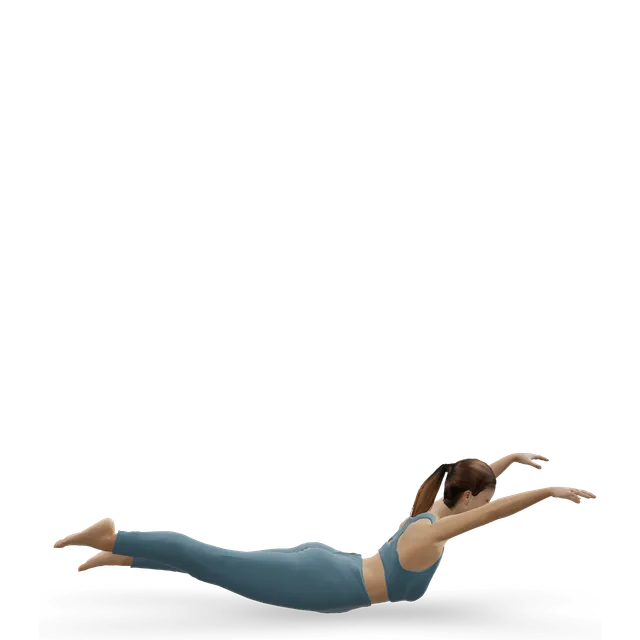
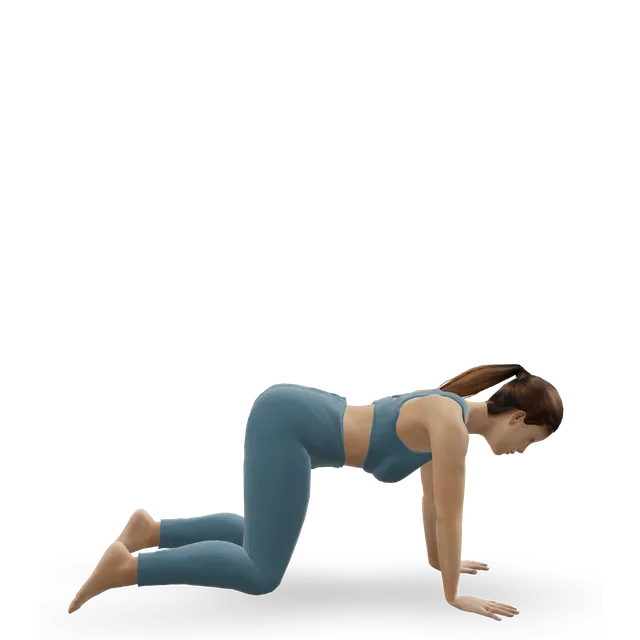
Breathe out on the effort and never hold your breath. Hundred: "50 beats to start, building to 100" (the move page's dose), head down if your neck tires. Single-leg stretch: "6 to 10 each side" (the move page's dose). Pelvic tilt into bridge: 8 slow reps; sit to stand: 2 sets of 10; bodyweight squat: 10 reps; wall push-up: 2 sets of 10 (our classes' editorial starting points). Side kick: "8 to 10 each side" (the move page's dose). Swimming: "2 to 3 sets of 20 to 30 seconds" (the move page's dose). Knee hover: "3 holds of 15 to 30 seconds" (the move page's dose). Band row: "3 sets of 10 to 15" (the move page's dose).

Cool-down

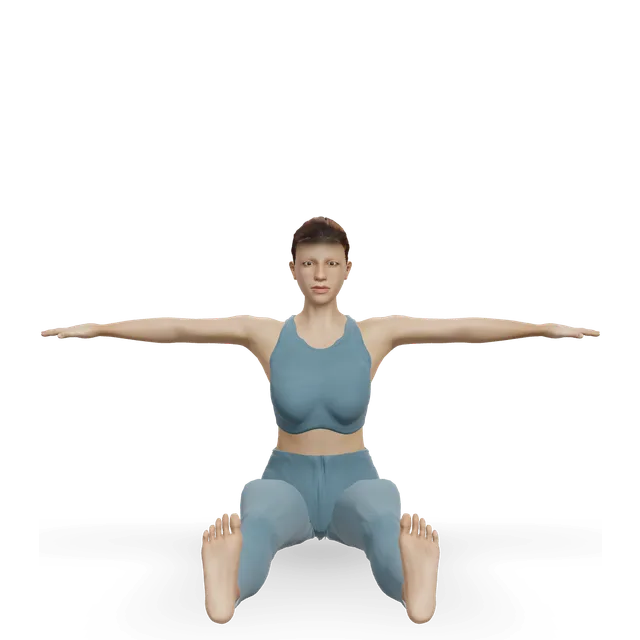
Mermaid: "3 each direction, each side" (the move page's dose). Spine twist: "3 to 4 each side" (the move page's dose).

What to change

Holding your breath

Don't. Breathe out on the effort: holding your breath while straining raises blood pressure sharply, as our Pilates for heart health guide explains.

With heart disease or heart failure

Follow our Pilates for heart health guide and its class instead of a general mat class. The knee hover and leg pull front carry their own caution: with heart disease, keep breathing and ask your cardiac team before long holds, and with heart failure, avoid planks.

Source 14

With high blood pressure or glaucoma

The roll-over and jack knife take your head below your heart; their own cautions say to skip them with glaucoma unless your eye specialist agrees. Our Pilates for high blood pressure guide lists the moves to change.

On a statin with aching muscles

Do lighter sets with more rest that day and tell your GP; no move is off limits (our suggestion). Call NHS 111 for the serious signs below.

Sources 14, 15

Classes to follow

The walk and Pilates class is the one to start with: the 20-minute brisk walk counts towards your 150 minutes a week, and the Pilates circuit counts as strength work. Its intro talks about weight loss; for cholesterol, the same mix of cardio and strength is what the trials support. The heart health class suits anyone with heart disease, and the high blood pressure and diabetes classes keep your head up.

Walk and Pilates workout

A 45-minute session for weight loss and health: a 20-minute brisk walk, which does more for the scales, then a short-rest Pilates circuit for strength.

45 minBeginner11 movesCardio machine

Pilates strength workout: a 30-minute class with weights or a band

A 30-minute Pilates strength class with dumbbells or a band: Pilates trunk work plus squats, lunges, rows and push-ups, each set taken until it is hard.

30 minIntermediate15 movesA dumbbell, A band

Steady-breathing Pilates for heart conditions: a 40-minute class with a long warm-up and a seated cool-down

A 40-minute Pilates class for heart conditions: a 15-minute warm-up, standing strength, head-level mat work with no planks or breath holds, and a seated cool-down.

40 minBeginner22 movesA bench or box, A wall

Head-up Pilates for high blood pressure: a 30-minute class that keeps you breathing

A 30-minute Pilates class for high blood pressure: standing strength, head-level mat work with short holds, no breath holds or inversions, and slow breathing.

30 minBeginner15 movesA bench or box, A wall

Shoes-on Pilates for diabetes: a 30-minute head-up strength class

A 30-minute Pilates class for type 2 diabetes: standing strength in your shoes, then mat work for hips, back and trunk, head up throughout and finishing seated.

30 minBeginner16 movesA bench or box, A wall

Beginner Pilates workout

A 20-minute mat Pilates workout for complete beginners. It covers breathing, spine position and the foundation moves, each with an easier option.

20 minBeginner13 movesNo equipment

Interval walking workout: 3 minutes fast, 3 minutes easy

A 40-minute walk alternating 3 minutes fast and 3 minutes easy, five times over: the interval walking tested in Japanese trials, built up from three rounds.

40 minBeginner3 movesCardio machine, A wall

Plans to follow

The walking plan builds to 150 minutes a week over 8 weeks; the beginner Pilates plan teaches the basics 3 days a week.

Warning signs: when to get help

High cholesterol has no symptoms of its own, so these are the heart, stroke and statin lines from our exercise for high cholesterol guide, word for word, with the chest pain and fainting lines from our other Pilates guides. This is general information, not a diagnosis. A&E means accident and emergency; in the US, call 911 for 999, and use your doctor's urgent line or urgent care for NHS 111.

Chest pain or fainting: call 999

Call 999 if:

  • You get sudden pain or discomfort in your chest that doesn't go away; it can feel like squeezing or pressure, burning or indigestion.
  • The pain spreads to your left or right arm, or your neck, jaw, stomach or back.
  • You have chest pain and feel sweaty, sick, light-headed or short of breath.
  • Someone faints while exercising, can't be woken within 1 minute, or has chest pain or a pounding, fluttering or irregular heartbeat.

Sources 39, 40, 37

Call 999

Call 999 for any of these, and don't drive yourself to A&E:

  • Chest pain that feels tight or like squeezing, or spreads to your arms, neck or jaw.
  • Severe difficulty breathing: gasping, choking or not able to get words out.
  • Lips or skin that turn pale, blue or grey, or someone who collapses and isn't responding normally.
  • Signs of a stroke: the face drooping on one side, weakness in one arm, or speech problems, even if they go away.
  • Sudden, severe tummy pain that spreads to your back, or comes with bloating that doesn't go away or keeps coming back, a fast heartbeat or difficulty breathing, or blue or bruised-looking skin around the belly button, waist or upper outer thigh (possible pancreatitis).

Sources 37, 38

Call NHS 111

  • You're suddenly more short of breath than usual.
  • Chest pain with feeling sick, or with a heartbeat that races, goes too slowly, skips or flutters.
  • You take a statin and think you might have a serious side effect. For atorvastatin, the NHS lists muscle cramps, severe pain and weakness (perhaps with a high temperature and red or brown pee), yellowing of the skin or the whites of the eyes, and severe stomach pain.
  • Sudden, severe tummy pain that doesn't go away or keeps coming back, or comes with a high temperature or feeling hot, cold or shivery (or ask for an urgent GP appointment).

Sources 36, 41

Breathlessness

Call 999 or go to A&E (accident and emergency) straight away for severe difficulty breathing (gasping, choking or not able to get words out), a chest that feels tight or heavy, pain that spreads to your arms, back, neck and jaw, lips or skin turning very pale, blue or grey, or sudden confusion. If you're more short of breath than usual, or your heart is racing, fluttering or skipping beats, contact NHS 111.

Source 41

See a GP

  • You're over 40 and have never had a cholesterol test, you're overweight, or high cholesterol or heart problems run in your family.
  • Possible signs of FH: lumps on your knuckles, knees or Achilles tendons, a pale ring around the coloured part of your eye or yellow lumps around your eyes, or a close relative who had heart disease before 60.
  • You've been told your total cholesterol is above 7.5 mmol/L.
  • You take a statin and have unexplained muscle pain, tenderness or weakness, especially a flu-like ache all over that lasts more than a couple of days. Keep taking the statin until you've spoken to your doctor.
  • You take a statin and are planning a pregnancy.

Sources 1, 15

With heart disease

Stop if you get chest pain, palpitations, dizziness or light-headedness. If it doesn't go away quickly with rest, or with your GTN if you use it, get urgent medical advice.

Sources 43, 44

Stop exercising

Stop exercising if you get chest pain, unusual breathlessness, dizziness or palpitations, and use the 999 and 111 advice above (our suggestion, as in our other heart guides).

Stop the session if

You feel any pain or become unwell, as the NHS advises for its Pilates videos, and especially for chest pain or pressure, unusual breathlessness, dizziness or fainting. If you have a health problem, an injury or any symptoms, get advice from a healthcare professional, such as a GP, before you start.

Source 42

Before you start

The NHS advises getting advice from a healthcare professional first if you have a health problem, an injury or symptoms, or have recently had a heart attack or an operation.

Source 42

Myths

"Pilates lowers cholesterol on its own"Mixed evidence

The two trials in people with mostly high cholesterol found no significant fall in LDL, and the small falls in pooled trials come from short, small, unblinded studies. That agrees with our Pilates for heart health guide.

Sources 2, 4, 5

"The reformer lowers cholesterol"Mixed evidence

The one reformer trial, in young adults, changed only HDL, and no reformer trial has been done in people with high cholesterol.

Sources 20, 6

"Pilates counts as your cardio"Strong evidence

Mat Pilates is about 2 to 3 METs, and the NHS counts Pilates as muscle-strengthening, on top of 150 minutes of aerobic activity.

Sources 7, 10

"Exercise can replace a statin"Strong evidence

Exercise lowered LDL by about 6% across 148 trials. NICE offers statins when lifestyle changes aren't enough, and the NHS says to talk to a doctor or pharmacist before stopping one.

Sources 11, 14, 15

"You can't exercise on a statin"Strong evidence

Most aches on a statin aren't caused by it, high-dose atorvastatin didn't reduce strength or exercise capacity, and HEART UK encourages people on statins to be more physically active.

Sources 16, 29, 31, 35

Questions people ask

Does Pilates lower cholesterol?

Not on its own, as far as trials show. In the two small trials in people with mostly high cholesterol, LDL didn't fall significantly, and pooled trials found only small changes. Pair Pilates with brisk walking or other cardio, which does more.

Is Pilates good for high cholesterol?

It's good for strength, balance and staying active, which matter for your heart. For the cholesterol number itself, cardio, food, weight and, if you need one, a statin do most of the work.

Does reformer Pilates lower cholesterol?

No reformer trial has been done in people with high cholesterol. In young adults, 8 weeks on the reformer raised HDL a little but didn't change LDL.

Is Pilates and cardio enough for cholesterol?

That's the right mix: about 150 minutes of moderate cardio a week, such as brisk walking, plus strength work on 2 days, which Pilates can be. Combined cardio and strength training did best across 148 trials.

How much Pilates should I do for cholesterol?

Twice a week counts as your strength work. The Pilates trials used 2 or 3 sessions a week for 8 to 16 weeks, but for blood fats the total amount of cardio matters more.

Can I do Pilates on statins?

Yes. In blinded trials, most muscle aches on statins weren't caused by the statin, and a high dose didn't reduce strength or exercise capacity. If you get unexplained muscle pain or weakness, tell your GP rather than stopping the tablet.

Can Pilates replace my statin?

No. Exercise lowers LDL by a few per cent, and statins by 30% or more. The NHS says to talk to a doctor or pharmacist before stopping a statin.

Is Pilates or yoga better for cholesterol?

Neither has been shown to do much on its own, and they haven't been compared with each other. Choose the one you'll keep doing, and add cardio; our yoga for high cholesterol guide covers yoga.

Will Pilates raise my HDL ("good") cholesterol?

A couple of small trials found HDL a little higher, but the pooled trials didn't. In aerobic exercise trials, HDL rose with about 120 minutes or more a week.

How long before my cholesterol changes?

Trials measured it after 8 to 16 weeks. Ask your GP when to repeat the test; food, weight, alcohol, smoking and medicines change it more than exercise does.

I have familial hypercholesterolaemia (FH). Can I do Pilates?

Yes, the same as anyone else. FH needs treatment from early on, and exercise works alongside it; mention hard training or competitive sport at your lipid clinic, as our exercise for high cholesterol guide suggests.

When should I stop and get help?

Stop for chest pain, unusual breathlessness, dizziness or palpitations. Call 999 for chest pain that doesn't go away or spreads, or for signs of a stroke, and call NHS 111 for statin muscle pain with weakness or red or brown pee.


Sources

  1. NHS · High cholesterol
  2. Buttelli 2021 · Pilates in older women with high cholesterol who weren't taking statins (controlled trial, J Bodyw Mov Ther)
  3. ClinicalTrials.gov · NCT03307031, the registration of Buttelli 2021 (non-randomised, 26 women)
  4. Batista 2025 · Mat Pilates in 44 postmenopausal women, most with high cholesterol (trial without a non-exercise group, Int J Environ Res Public Health; read in full)
  5. Chen 2021 · Pilates, blood sugar and blood fats: 15 trials (systematic review and meta-analysis, Front Physiol; read in full)
  6. PubMed and ClinicalTrials.gov · Our searches for Pilates trials that measured blood fats (November 2026)
  7. Compendium of Physical Activities 2024 · Conditioning exercise table, including Pilates
  8. Compendium of Physical Activities 2024 · Walking table
  9. Vitor 2026 · How hard a Pilates session is: 6 studies (systematic review and meta-analysis, Syst Rev; read in full)
  10. NHS · Physical activity guidelines for adults aged 19 to 64
  11. Smart 2025 · Exercise training and blood fats: 148 trials (systematic review and meta-analysis, Sports Med; read in full)
  12. Hagner-Derengowska 2015 · Nordic walking or Pilates in 196 postmenopausal women (non-randomised trial, Menopause)
  13. British Heart Foundation · Statins
  14. NICE · Cardiovascular disease: risk assessment and reduction, including lipid modification (NG238)
  15. NHS · Statins
  16. CTT Collaboration 2022 · Statins and muscle symptoms in 23 blinded trials (individual patient data meta-analysis, Lancet; read in full)
  17. NHS · High cholesterol: cholesterol levels
  18. NHS · How to lower your cholesterol
  19. Kim 2014 · Pilates and blood fats in 18 young women (trial, J Exerc Nutrition Biochem; read in full)
  20. Yilmaz 2022 · Reformer Pilates in 40 medical interns (randomised trial, Cureus; read in full)
  21. Jung 2020 · Pilates in 32 women with obesity (randomised trial, Int J Environ Res Public Health; read in full)
  22. Park 2023 · Online and face-to-face Pilates in 45 women with obesity (randomised trial, Healthcare; read in full)
  23. Vasconcelos Gouveia 2021 · Pilates in 44 people with type 2 diabetes (randomised trial, J Bodyw Mov Ther)
  24. Uçgul 2026 · Pilates and activity counselling in 90 women with prediabetes or type 2 diabetes (randomised trial, Physiother Theory Pract)
  25. Karaman 2026 · Clinical Pilates in 42 women with prediabetes (randomised trial, Physiother Theory Pract)
  26. Wu 2023 · Mind-body exercise, blood sugar and blood fats in type 2 diabetes (network meta-analysis, Complement Ther Clin Pract)
  27. Kodama 2007 · Aerobic exercise and HDL cholesterol: 25 trials (meta-analysis, Arch Intern Med)
  28. Kraus 2002 · The amount and intensity of exercise and blood fats in 111 adults (randomised trial, N Engl J Med)
  29. Herrett 2021 · Statins and muscle symptoms in 200 people who had stopped them (StatinWISE n-of-1 trials, BMJ; read in full)
  30. Howard 2021 · Statin, placebo or no tablet in 60 people who had stopped statins (SAMSON crossover trial, J Am Coll Cardiol; read in full)
  31. Parker 2013 · High-dose atorvastatin and muscle strength in 420 healthy adults (STOMP randomised trial, Circulation; read in full)
  32. Mikus 2013 · Simvastatin and fitness gains from exercise in 37 adults (randomised trial, J Am Coll Cardiol; read in full)
  33. Kokkinos 2013 · Fitness, statins and death rates in 10,043 veterans with high cholesterol (cohort study, Lancet)
  34. Stroes 2015 · Statin-associated muscle symptoms (European Atherosclerosis Society consensus, Eur Heart J; read in full)
  35. HEART UK · Questions about statins (Internet Archive copy, October 2026)
  36. NHS · Atorvastatin (side effects)
  37. NHS · Heart attack
  38. NHS · Symptoms of a stroke
  39. NHS · Chest pain (past its review date: reviewed August 2023, review due August 2026)
  40. NHS · Fainting
  41. NHS · Shortness of breath
  42. NHS · Pilates for beginners (exercise video, with safety information)
  43. British Heart Foundation · Exercising with a heart condition: finding a safe level for you (2024)
  44. British Heart Foundation · Exercise for heart failure: tips for exercising safely (2026)

Exercise education, not a personal prescription, and clinical review of these guides is pending. If you are pregnant, have a health condition or have had recent surgery, check with a doctor, midwife or physiotherapist before starting, and stop for sharp or increasing pain. Health disclaimer.