Hip pain after dancing: the front of the hip, the groin, snapping, turnout and kicks, and what helps

Hip and groin pain after dancing is common and usually muscular: the hip flexors at the front after kicks and extensions, or the inner thigh after splits and side work, which settles within days. A click or snap is very common in dancers and usually harmless, very flexible hips aren't a problem in themselves, and turnout should come from the hips first. A few signs need checking: a hip that locks, catches painfully or gives way, a lump in the groin, or a teenager's sudden pain after a kick or a leap.

This guide starts with the signs that need a 999 call or accident and emergency (A&E), such as a hip you can't stand on after a fall, and those that need a general practitioner (GP) or the National Health Service's 111 line (NHS 111) the same day, such as a hot, swollen hip with a high temperature. It then maps the causes by where it hurts and how you dance, explains what to change in kicks, turnout, splits, warm-ups and heels, and gives a four-stage plan with a 3D demo of every move, back to full dancing.

When to get help first

Exercise is for pain that has been checked or is clearly mild and settling.

Get urgent medical help if

  • Call 999 or go to A&E: severe hip pain after a fall or injury, or you cannot stand, walk or put weight on the leg. In an older adult this can be a broken hip; the leg may be at an odd angle or look shorter. Don't drive yourself.
  • Call 999 or go to A&E: tingling or loss of feeling in the hip or leg after an injury.
  • Call 999 or go to A&E if you have sciatica on both sides, weakness or numbness in both legs that's severe or getting worse, or numbness around or under your genitals, or around your bottom (anus); if you find it hard to start peeing, cannot pee or cannot control when you pee; or if you do not notice when you need to poo or cannot control when you poo, and this is not normal for you. These could be symptoms of a serious back problem that needs to be treated in hospital as soon as possible.
  • Ask for an urgent GP appointment or get help from NHS 111 if you have severe hip pain that started suddenly but you've not had a fall or injured your hip, your hip is swollen and feels hot, the skin around your hip has changed colour, or you have hip pain, feel generally unwell and have a high temperature (although not everyone has one) or feel hot, cold or shivery. A hot, swollen hip with a high temperature can be a joint infection.
  • Call 999 or go to A&E if your child gets sudden pain in their hip, knee or thigh (hip problems can sometimes be felt in the thigh or knee) or cannot put any weight on their leg. If your child is limping, ask for an urgent GP appointment or get help from NHS 111 the same day. This applies to teenagers too, and in some children knee pain is the only sign.
  • Same day: a teenager with sudden pain at the front or top of the hip bone after a sprint, kick or jump, often with a pop. A piece of growth plate can pull off the pelvis (an avulsion fracture), and it needs an X-ray the same day.
  • Same day, and stop running now: groin or front-of-hip pain in a runner, sometimes felt in the thigh or knee, that builds with running, hurts with every step or at night, or hurts when the hip is turned to the end of its range. Keep weight off the leg, using crutches if you have them, and get an urgent GP appointment or help from NHS 111 the same day: a stress fracture of the hip (femoral neck) needs urgent imaging.
  • Call 999 or go to A&E now if you have a femoral hernia (a small lump at the top of the thigh, in the groin) and very bad tummy pain, you feel sick or are being sick, you cannot fart or poo, you have a high temperature or feel hot, cold or shivery, or you've suddenly become confused. It may be strangulated, which is an emergency. Don't drive yourself.
  • Get help from NHS 111 if you have a hernia (a lump in the groin or tummy) and pain in or around it, a bloated tummy, you feel sick or are being sick, you're vomiting blood or your vomit looks like coffee grounds, you're constipated, you have a high temperature or feel hot, cold or shivery, or you've suddenly become confused.
  • Go to A&E or call 999 for sudden, severe pain in a testicle, testicle pain with feeling or being sick or tummy pain, or testicle pain that has lasted more than an hour or continues at rest. It can be a twisted testicle (testicular torsion), which needs treating straight away. Don't drive yourself. For aching or discomfort in your testicles that you're worried about, a lump, swelling or a change in a testicle's size, shape or feel, ask for an urgent GP appointment or get help from NHS 111.

See a doctor or physiotherapist if

  • Hip pain that stops normal activities or disturbs sleep, keeps getting worse or keeps coming back, or has not improved after 2 weeks of looking after it at home.
  • Stiffness lasting more than 30 minutes after waking.
  • Bone pain that is constant or worse at night, especially with a lump, unexplained weight loss, fever or tiredness, or a past history of cancer.
  • Hip or groin pain that hasn't settled after 6 weeks, especially with a normal X-ray, or new hip pain if you take high-dose steroids, drink heavily, or have sickle cell disease or lupus: ask your GP about an MRI (magnetic resonance imaging) scan and a hip specialist. It can be avascular necrosis, which an X-ray can miss early on.
  • The hip catches, locks or gives way, or the click hurts deep in the groin: a problem inside the joint, such as a labral tear or a loose fragment, is possible.
  • Painful catching or locking deep in the groin, or a hip that gives way: get it assessed.
  • Pain that has not improved after a good 3 months of exercise-based treatment: ask about seeing a hip specialist.
  • Pain that builds with running and hurts to hop on (a stress fracture can look normal on an early X-ray).
  • Snapping that started after an injury or a fall.
  • Painful snapping that hasn't improved after about 8 weeks of regular exercises: ask a physiotherapist or sports medicine doctor to review it.
  • A lump in the groin, upper thigh or tummy, especially one that appears when you cough or strain and goes when you lie down: see a GP, as it may be a true hernia. A femoral hernia (a small lump at the top of the thigh, mainly in women over 50, though it can happen to anyone) needs treating in hospital.
  • A lump in your groin with hip or groin pain: contact your GP. For pain or swelling around your testicles, ask for an urgent GP appointment or get help from NHS 111.
  • A pop high on the inner thigh, then a large bruise, a dent or a gap you can feel, and weakness squeezing the legs together, can be a complete tear of the adductor longus tendon: get it checked within days, as our inner thigh pain guide says.
  • You think you or your child has joint hypermobility syndrome: joints that keep dislocating, ongoing joint or muscle pain and stiffness, frequent sprains, tiredness even after rest, poor balance or coordination, thin stretchy skin, or bladder or bowel problems.
  • A stress fracture from ordinary activity, more than one stress fracture, periods that have stopped or become irregular, or worries that you're eating too little for your training: see a GP about bone health and energy intake.
  • Outer hip pain that hasn't improved within 6 weeks of following this advice, or that gets worse: talk to a GP or physiotherapist. In many areas you can refer yourself.
  • Hip or groin pain from dancing that changes how you dance, keeps you out of class for more than a week or two, or comes back every time you return: see a GP or a physiotherapist, ideally one who works with dancers. In England, professional and pre-professional dancers can ask their GP about a referral to an NHS Dance Injury Clinic (our suggestion, built on the hip hub's see-a-GP line, an early care study in a modern dance company and the National Institute of Dance Medicine and Science's page on the clinics).

Where does it hurt?

Location narrows the likely causes; it does not diagnose.

An ache at the front of the hips or in the thighs the day or two after a long class, a new routine or a night out

Muscle soreness, the commonest cause. It usually settles within a few days, and a lighter class or two helps.

Read: Hip pain after a workout →

A pull or ache at the front of the hip as you lift the leg: slow leg extensions (développés), high kicks (grands battements) or leaps

The hip flexors working hard or strained. Fewer, lower kicks for a week or two, then strength work, usually help.

Read: Hip flexor pain →

A click or clunk at the front of the hip as the leg comes down from an extension, often painless

Snapping hip, usually the hip flexor tendon flicking over bone. It's very common in dancers and rarely stops them dancing.

Read: Snapping hip →

A snap on the outside of the hip in turns or when turning out

Snapping from the band down the outside of the thigh, less common than snapping at the front.

Read: Snapping hip →

A deep pinch in the groin at the bottom of a deep plié, at the end of turnout, in a split or a high front kick

The hip joint itself: a pinch at the front of the joint (impingement) or the rim of cartilage around the socket (the labrum). Exercise comes first, with a smaller range for now.

Read: Hip impingement (FAI) →

A pinch with catching or locking, or the hip giving way

Possibly a labral tear or a loose fragment: get it assessed, as the warning signs say.

Read: Hip labral tear →

The front of the hip, or a feeling it might give way, in a very flexible dancer, in deep lunges, arabesque or turnout

Possibly an overly mobile (unstable) hip. Strength and control help more than more stretching.

Read: Hip dysplasia →

The inner thigh close to the groin after splits, straddles, side extensions or a slide

Usually the inner thigh muscles (a groin strain). These usually settle with a lighter class and strength work.

Read: Groin strain →

A pop high on the inner thigh, then a large bruise or a dent

Possibly a tear of the adductor tendon, which is rare: get it checked within days, as the warning signs say.

Read: Inner thigh pain →

The bony point on the side of the hip, sore to lie on, after long hours standing, side work or hip hop

Usually the gluteal tendons (often called hip bursitis), commoner from mid-life.

Read: Hip bursitis (gluteal tendinopathy) →

A deep ache at the sit bone after splits and forward stretches, worse sitting

Possibly the high hamstring tendon, which usually settles with less stretching and gradual strength work.

Read: High hamstring tendinopathy →

A teenager with sudden pain at the front or top of the hip bone after a kick, a leap or a sprint, often with a pop

Possibly an avulsion fracture, where a piece of growth plate pulls off: it needs an X-ray the same day.

Read: Hip pointer →
Show all 18 areasShow fewer areas

Understand it

Common in dancers, and usually the musclesEmerging evidence

Dance asks the hip for extreme range under control: turnout in ballet, développés and grands battements, splits and straddles, deep pliés, and fast changes of direction in street and Latin styles. Across 13 studies of dancers with ballet training, 345 of 2,001 injuries (17.2%) were in the hip and groin, more in professionals than students, at 0.09 per 1,000 dance hours; the review adds that "The breakdown of specific injuries such as snapping hip, labral tears, and muscle strains was not possible in this study." An earlier review found "a high prevalence and incidence of lower extremity, hip and back injuries" in dancers, and in hip hop and street dancers the groin was the second commonest injury site after the knee.

A review of hip pain in ballet dancers names three common causes: a pinch inside the joint (impingement), an unstable, overly mobile hip, and snapping outside the joint. Most aches after a class are the muscles, the hip flexors at the front or the inner thigh muscles (the adductors), working harder or longer than usual, and the joint itself is the less common source; that is our reading, as no study counts them.

Sources 1, 2, 3, 4

A click or snap is usually harmlessEmerging evidence

In 87 elite ballet dancers, 91% reported a snapping hip, 58% had some pain with it, and only 7% had taken time off dance for it. In the hips the researchers scanned, ultrasound showed the hip flexor tendon (iliopsoas) snapping at the front in 59% and the band down the outside of the thigh in 4%, and in a third the scan couldn't show the cause. A painless click isn't a reason to stop; our snapping hip guide covers snapping that hurts.

Source 5

Very flexible hipsEmerging evidence

Very flexible (hypermobile) joints are common in dancers: in Royal Ballet School students and Royal Ballet dancers, hypermobility was far commoner than in people who don't dance (an odds ratio of 11). Yet in a professional company followed for 5 years, hypermobile dancers had no more hip pain or hip injury than other dancers, and none retired because of a hip injury. With pain, frequent sprains or joints that slip, the NHS says "The main treatment is improving muscle strength and fitness so your joints are better protected", and advises "do not overextend your joints just because you can".

Sources 6, 7, 8

Heels and the hipEmerging evidence

In 81 lab studies of women walking and standing in heels, heels had "a slight effect on hip kinematics, with biomechanical changes and adaptations concentrated in the knee and foot-ankle complex" (kinematics means how the joint moves). None of these studies was of dancing. So hip pain after dancing in heels is more likely to come from the dancing itself (the turns, kicks, hip action and hours) than from the heel: that is our reading, not something a study has tested.

Source 9

When it isn't dancing: the causes the warning signs cover

Some hip and groin pain has causes dancing didn't create, and the warning signs follow the pages behind them. Severe hip pain after a fall or injury, a leg you can't walk on or put weight on, or tingling or loss of feeling in the hip or leg after an injury needs a 999 call or A&E, the NHS broken hip page says; a broken hip is more common in older people. The NHS sciatica page asks for a 999 call for numbness around the genitals or bottom or new trouble peeing or pooing, and a hot, swollen hip with a high temperature can be a joint infection, which the NHS septic arthritis page says needs urgent treatment. A child's sudden hip, knee or thigh pain, or a leg they can't put weight on, needs A&E, and a limp needs a same-day check, as the NHS pages on hip pain in children and limping say.

A stress fracture of the neck of the thigh bone is rare, but a review of these fractures in sport says it should be considered in any athlete with hip pain that comes on with exercise, because a late diagnosis can let the bone shift. New hip pain with long-term high-dose steroids, heavy drinking, sickle cell disease or lupus can be avascular necrosis, a loss of blood supply to the ball of the hip, the subject of a clinical review in the BMJ. The NHS asks for a 999 call for a femoral hernia with very bad tummy pain or vomiting, and NHS 111 for a painful hernia; sudden, severe pain in a testicle is an emergency, the NHS testicle pain page says; and NHS inform asks you to contact your GP practice for a lump in the groin, which may be a hernia.

NHS inform also says new hip pain should often begin to settle within 6 weeks. Bone pain that is constant or worse at night needs checking, the NHS bone cancer page says, though that is rare. A complete tear of the adductor tendon is rare too; in 16 male athletes with one, exercise-based treatment was followed for a year. And more than one stress fracture, periods that stop, or eating too little for your training needs a GP: the International Olympic Committee calls this relative energy deficiency in sport (REDs), an Endocrine Society guideline covers periods that stop, and an NHS trust's leaflet covers caring for a stress fracture.

Sources 10, 8, 31, 32, 33, 34, 35, 36, 37, 38, 39, 40, 41, 42, 43, 44, 45, 46

When a scan helps, and how it usually goesEmerging evidence

Most hip pain after dancing needs no scan, and scans of dancers' hips find a lot whatever the symptoms. In 49 professional ballet dancers and 49 sporting people, labral tears (tears in the rim of cartilage around the socket) were found in 51% of all hips, in both groups alike, and weren't linked with pain. In 20 professional female ballet dancers, MRI (magnetic resonance imaging) lesions "were the same for symptomatic and asymptomatic dancers", and in 30 professional ballet dancers the ball of the hip slid out of the socket by a mean 2.05 mm in the splits, while the typical bone shapes of impingement were rare.

So a scan matters when the hip catches, locks or gives way, when pain hasn't improved after a good 3 months of exercise-based treatment, or when a stress fracture or loss of blood supply is suspected; a teenager's suspected avulsion fracture, or a hip you can't stand on after a fall, needs an X-ray the same day. Ultrasound can show a snapping tendon moving, but it couldn't show the cause in a third of snapping hips in one study.

Muscle soreness settles within days, and most snapping hips never stop a dancer. Over 5 years in a professional ballet company, cartilage didn't get worse in 19 of 21 dancers: "Elite level ballet did not negatively affect cartilage health over 5 years." For the few who need keyhole surgery (hip arthroscopy) for impingement, 62 of 64 dancers in one series returned to dance, at an average of 6.9 months, and in another series of 63 competitive dancers, 63% returned to their previous level, 21% to limited dance and 16% didn't return. These are selected surgical series without comparison groups, and no one can promise a date.

Sources 11, 12, 13, 5, 14, 15, 16
What helps, and how strong the evidence is

Exercise first; surgery is for the fewEmerging evidence

No trial has tested exercise for hip pain in dancers. A review of hip pain in ballet dancers says "First-line treatment often consists of focused physical therapy to strengthen the core and periarticular hip musculature, with surgical management reserved for patients who fail to improve with conservative measures." (periarticular means around the joint). The plan borrows its doses from our snapping hip, hip pain after yoga and hip flexor guides, including a trial's programme for the outer hip (LEAP) and a band hip flexion progression tested in healthy adults.

For the first days, the NHS says "it's best to keep moving if you can, but try not to overdo things", and suggests an ice pack wrapped in a towel for up to 20 minutes every 2 to 3 hours and painkillers such as paracetamol or ibuprofen gel. An injection for a painful snapping hip, or surgery for a labral tear or impingement, belongs to those guides and to a specialist, after a good trial of exercise; most dancers who have hip arthroscopy dance again, though not all at the same level.

Sources 4, 10, 15, 16
Turn out from the hips, within their range: sensible, not provenMixed evidence

Turnout "results from summative contributions of the hip, knee, lower-leg, and the foot-ankle complex", a review says, and there are no normal values. In 10 ballet dancers standing in first position, the two hips together gave 49 degrees, about a third (36%) of the total, and the knees 32%. In 30 college ballet dancers, those with a past low back or leg injury had forced their turnout further beyond what their hips allowed (25.4 against 4.7 degrees on average).

But in 29 pre-professional dancers, injuries went with poorer standing turnout, not with how far the hips rotate, and a review of 7 low-quality studies reached "no definite conclusions" on whether forcing turnout causes injury. So turning out only as far as your hips allow, and strengthening the muscles that turn the thigh out, is sensible rather than proven. Forcing more from the knees and feet adds twist lower down (our reading), as our knee and foot pain after dancing guides explain.

Sources 17, 18, 19, 20, 21

Conditioning: promising for dancers, but the trials are smallMixed evidence

No trial has tested exercise to prevent hip pain in dancers. In a randomised trial in one professional ballet company, a 30-minute programme 3 times a week went with an 82% lower injury rate, but only among the 11 of 20 dancers who kept it up for at least 4 weeks; the others were left out of that analysis, so the true effect is probably smaller. In a UK company, individual conditioning was followed by injury rates roughly halving, with no comparison group. A 2026 review of 8 dance prevention studies concluded that "efficacy of these programs could not be determined".

Sources 22, 23, 24

Strength and control, not more stretching (evidence from sport)Emerging evidence

Across 129 reviews of sports injury prevention, strength, balance and proprioception programmes helped and stretching on its own didn't; these were athletes, not dancers, and dancers rarely lack range. In a survey of 192 ballet dancers, a warm-up with strength, power, balance and a raised heart rate went with fewer overuse injuries than a stretching-based ballet warm-up, an association, not proof. Bouncing into the splits or hanging at the end of your range to stretch out a sore hip hasn't been tested, and a sharp pinch there means a smaller range, as the pain rule below says.

Sources 25, 26

Build hours gradually, and tell someone earlyEmerging evidence

The American Orthopaedic Society for Sports Medicine advises dancers: "Be mindful of the limits of your body and do not push too fast too soon." More than 15% of injured professional dancers hadn't reported their injury, and in a modern dance company a programme of early care went with new injury claims falling from 81% to 17% a year and 60% fewer days lost, in a before-and-after study. In England, a GP can refer professional and pre-professional dancers to the NHS Dance Injury Clinics, which are "free at the point of use".

Sources 27, 28, 29, 30

How much pain is OK while you exercise?

The hip pain rule: a working ache is fine, a pinch means a smaller range, a painless click needs nothingEmerging evidence

During the exercise, pain up to about 5 out of 10 is acceptable. It should settle within an hour or so, and your hip should be no worse that night or the next morning. If it is, do less next time (fewer repetitions, a smaller range, a lighter load), not nothing.

Pain can go up a little when you start a new exercise programme; guidelines for arthritis say so and still recommend keeping going. If pain climbs week after week, or a warning sign appears, stop and get it checked.

A click or snap without pain is not a reason to stop, and there's no need to avoid every movement that clicks.

A sharp pinch, catch or click is different: make the movement smaller rather than pushing through. The guideline asks clinicians to avoid exercises and ranges that bring on impingement, and the NHS programme in UK FASHIoN left out painful, hard end-of-range stretches.

The LEAP programme accepted no increase in outer hip pain during squats, bridges and side-stepping, because pain there suggested the tendon was being squeezed. During heavier strengthening, pain up to about 5 out of 10 was fine if it eased afterwards and was no worse that night or the next morning.

In the first stage, keep pain at 3 out of 10 or less, as our groin strain guide does. Expect muscle soreness in the first fortnight of the Copenhagen exercise, but soreness isn't groin pain: a sharp pain at the pubic bone or in the groin means stop that exercise (our suggestion). In sudden adductor injuries, reaching a pain-free point before moving on went with fewer re-injuries.

For dancing (our suggestion, built on the rules above): judge each class, rehearsal or night out by your hip during it, that evening and the next morning. A working ache in the muscles up to about 5 out of 10 is fine if it settles soon after; a sharp pinch or catch deep in the groin means a smaller range (a lower kick, a shallower plié, less turnout), not more effort; a painless click needs no change. A session that leaves the hip worse that night or the next morning means fewer and lower kicks next time, not no dancing. Locking, giving way, a lump in the groin or a hip you can't stand on isn't a pain-rule question: see the warning signs.

Sources 47, 5

The exercise plan: 4 stages

Start at the first stage. Each move opens a full guide with a 3D demo.

Stage 1

Settle: move the hip without the pinch, the snap or the stretch

About the first 2 weeks: gentle hip movement and light holds while you keep dancing what doesn't hurt, with fewer and lower kicks and no splits or deep pliés into a pinch. With a diagnosed labral tear, impingement, dysplasia or a hip replacement, that guide or your physiotherapist leads; with any warning sign, get checked first.

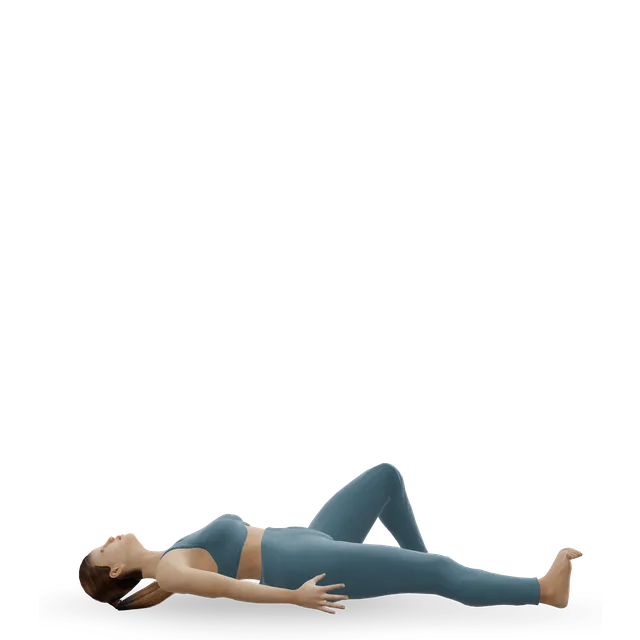
Supine heel slide demonstrated on the 3D figure3D demoSupine heel slideBeginner · No equipment

10 slow repetitions each side, once or twice a day · From the move page's dose (an editorial starting point). Stop before any pinch at the front of the hip

Harder: Hip windshield wipers

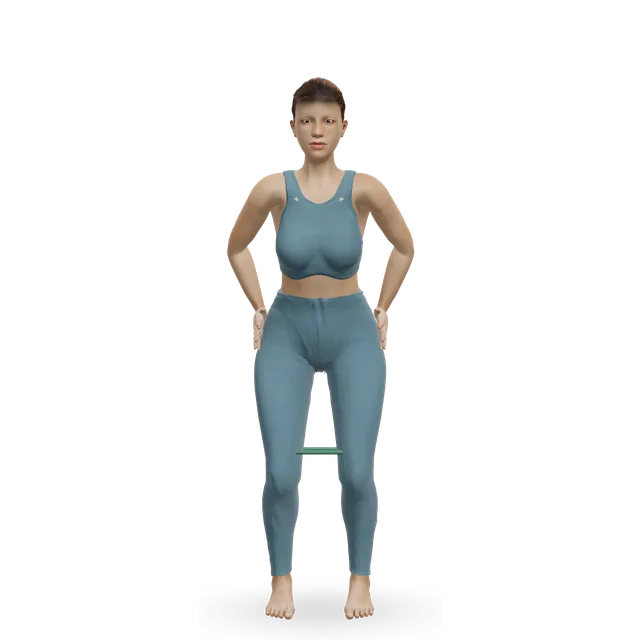
Supine isometric hip abduction (belt press) demonstrated on the 3D figure3D demoSupine isometric hip abduction (belt press)Beginner · A band

3 to 5 holds of 5 to 10 seconds, twice a day, at a light effort · From the move page's dose (the LEAP trial programme's starting dose)

Harder: Lateral band walk

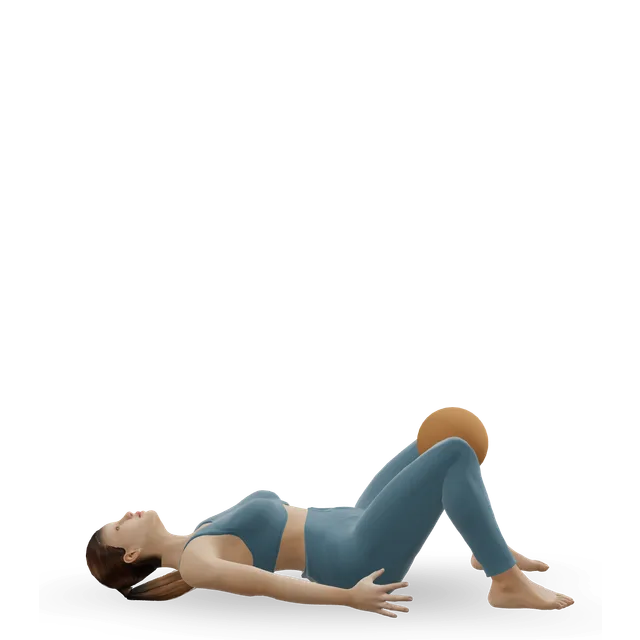
Lying adductor ball squeeze demonstrated on the 3D figure3D demoLying adductor ball squeezeBeginner · Other / check instructions

5 holds of 5 to 10 s · As in our hip pain after yoga guide (editorial). A cushion between your knees, squeezed gently for the inner thigh

Harder: Copenhagen plank

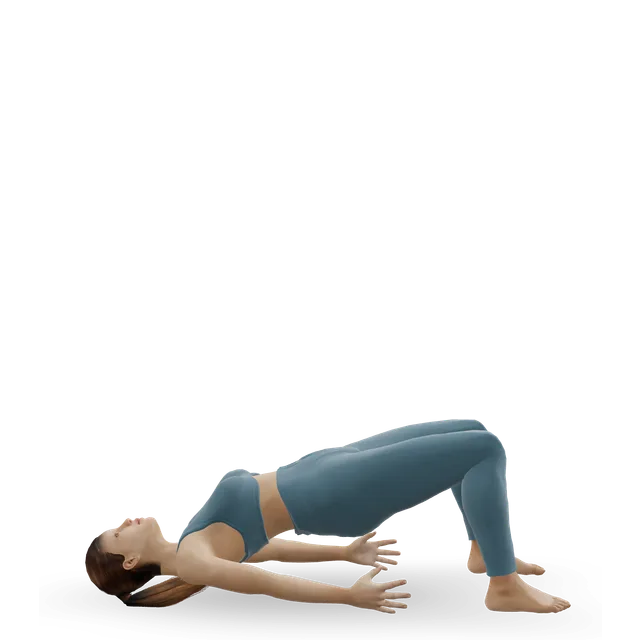
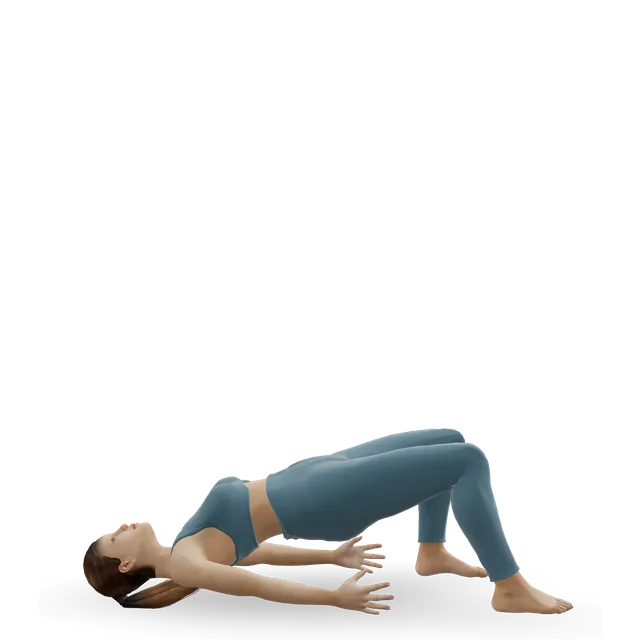
Glute bridge demonstrated on the 3D figure3D demoGlute bridgeBeginner · No equipment

2 to 3 sets of 10 · As in our snapping hip guide (editorial)

Easier: Pelvic tilt into bridge · Harder: Single-leg glute bridge

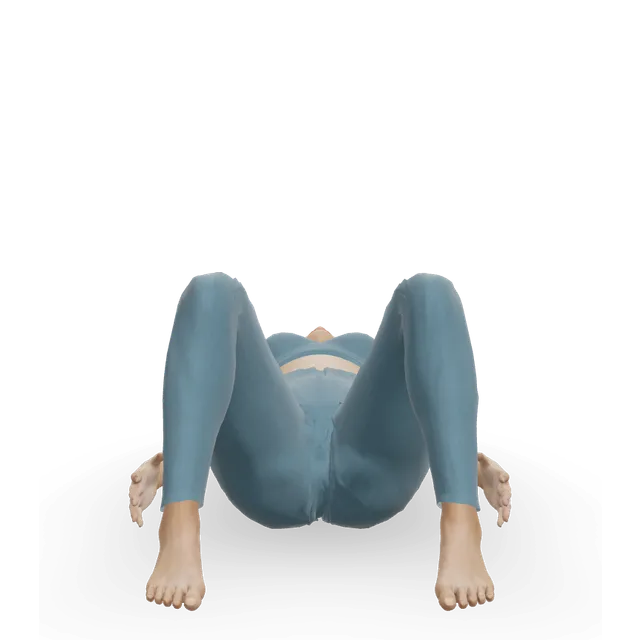
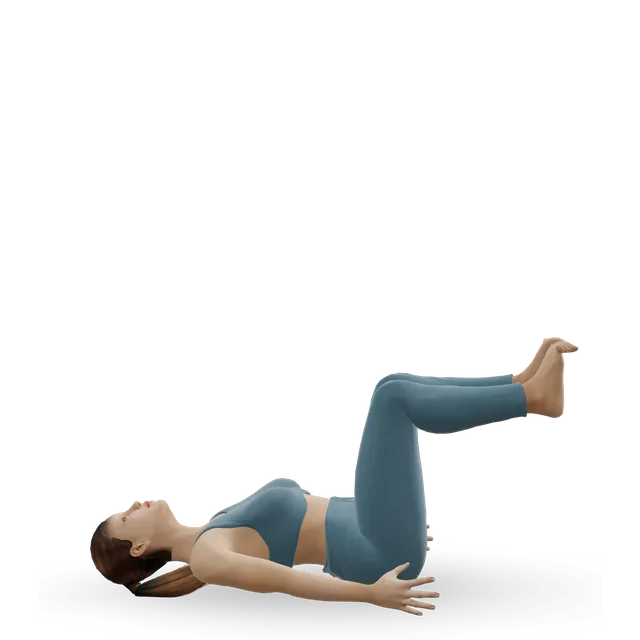
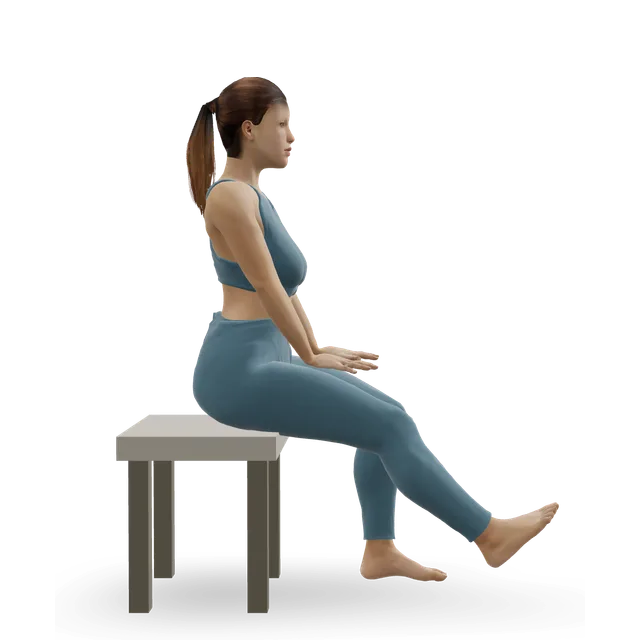
Dead bug heel taps demonstrated on the 3D figure3D demoDead bug heel tapsBeginner · No equipment

2 sets of 6 to 8 each side · As in our snapping hip guide (editorial). If it snaps at the front of the hip, shorten the reach

Easier: Bent-knee fall-out · Harder: Forearm plank

Move on when: Walking, stairs and these moves are within the pain rule, a lighter class leaves the hip no worse the next morning, and any snap is painless (editorial, as in our snapping hip guide).

Follow along: a timer, a cue and the next move, one step at a time.
Stage 2

Build the hip flexors, the turnout muscles and the groin

About weeks 2 to 6, 3 sessions a week alongside lighter classes: strength for lifting the leg, for turning the thigh out from the hip, and for the inner thigh.

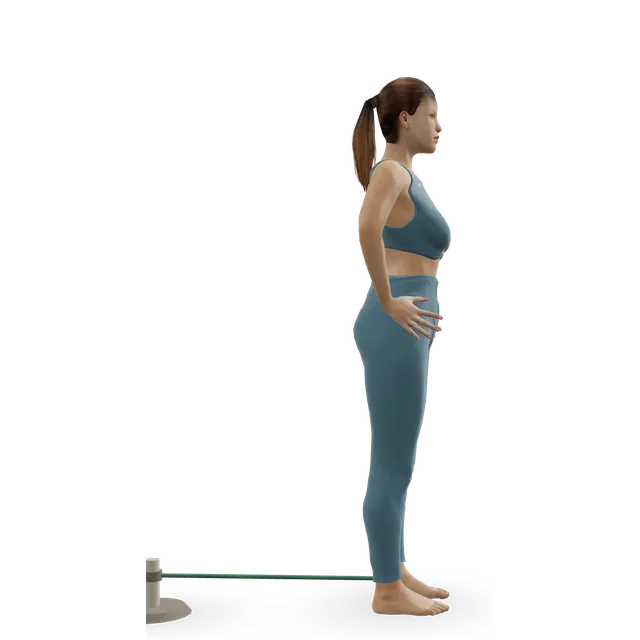
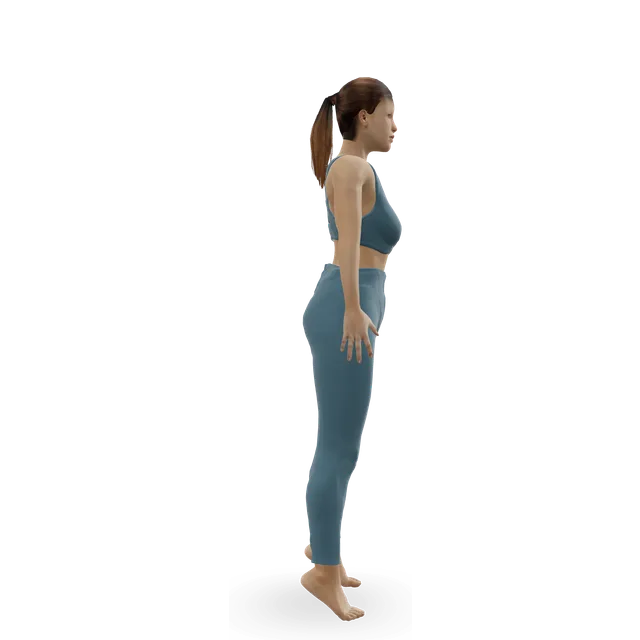
Standing band hip flexion demonstrated on the 3D figure3D demoStanding band hip flexionBeginner · A band + An anchor point

3 sets, building from about 15 to about 8 hard repetitions over the weeks, 3 times a week · As in our snapping hip guide (a trial's progression in healthy adults). Lower slowly, and stop the knee short of any painful snap

Easier: Standing march · Harder: Captain's chair knee raise

Clamshell demonstrated on the 3D figure3D demoClamshellBeginner · No equipment

3 sets of 12 to 15 each side · As in our back and knee pain after dancing guides (editorial). It turns the thigh out from the hip, as turnout should; leave it out while outer hip pain wakes you at night, as the move page says

Easier: Supine isometric hip abduction (belt press) · Harder: Lateral band walk

Staggered-stance bridge (offset bridge) demonstrated on the 3D figure3D demoStaggered-stance bridge (offset bridge)Beginner · No equipment

5 slow repetitions each side once a day, building to 2 sets of 5 to 10 at a somewhat hard effort · From the move page's dose (the LEAP trial programme)

Easier: Pelvic tilt into bridge · Harder: Single-leg glute bridge

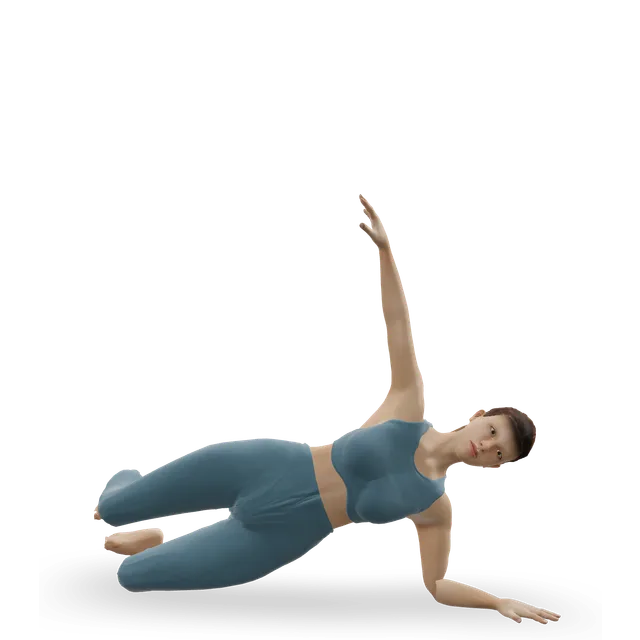
Knee side plank demonstrated on the 3D figure3D demoKnee side plankBeginner · No equipment

3 holds of 20 to 30 s each side · As in our snapping hip guide (editorial)

Harder: Side plank

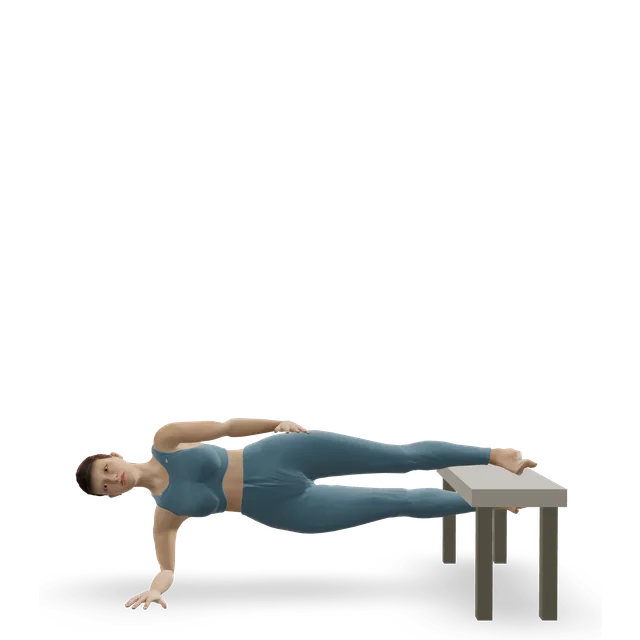
Copenhagen plank demonstrated on the 3D figure3D demoCopenhagen plankAdvanced · A bench or box

3 to 5 slow reps a side at first, building over the weeks · Editorial, following the move page's caution to start with 3 to 5 slow reps a side; leave it out during acute groin pain, as the move page says

Easier: Hip adduction machine

Lateral band walk demonstrated on the 3D figure3D demoLateral band walkBeginner · A band

2 to 3 sets of 10 to 15 steps each way · As in our snapping hip guide (editorial). A sharp outer hip pain means a lighter band, as the move page says

Easier: Hip abduction machine · Harder: Lateral band walk, band at the feet

Move on when: Band hip flexion is strong and pain-free on both sides, the side plank holds pass the pain rule, and single-leg work doesn't bring on a painful snap or pinch (editorial, as in our snapping hip guide).

Follow along: a timer, a cue and the next move, one step at a time.
Stage 3

Control the leg in the air, and turnout over a standing leg

About weeks 4 to 8, 2 or 3 sessions a week: single-leg strength, turning the pelvis over a planted leg from the hip, and the hip flexors working with the leg lifted.

Hip airplane demonstrated on the 3D figure3D demoHip airplaneAdvanced · No equipment

2 sets of 5 slow turns each leg · From the move page's dose (an editorial starting point). Hold a wall or chair; with pain at the front of the standing hip, keep to the opening turn, as the move page says

Easier: Single-leg stand · Harder: Single-leg Romanian deadlift

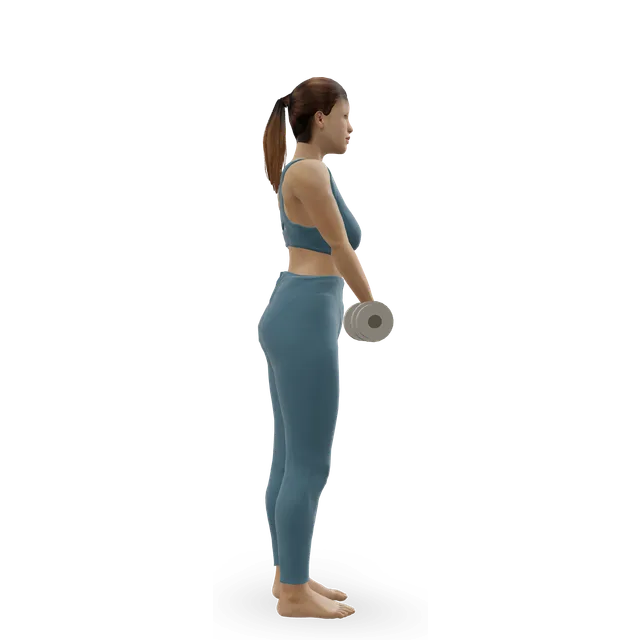
Single-leg Romanian deadlift demonstrated on the 3D figure3D demoSingle-leg Romanian deadliftAdvanced · A dumbbell

3 sets of 6 to 8 each side, fingertips on a wall at first · As in our snapping hip guide (editorial). Balance on one leg with a long back, as in an arabesque

Easier: Dumbbell Romanian deadlift

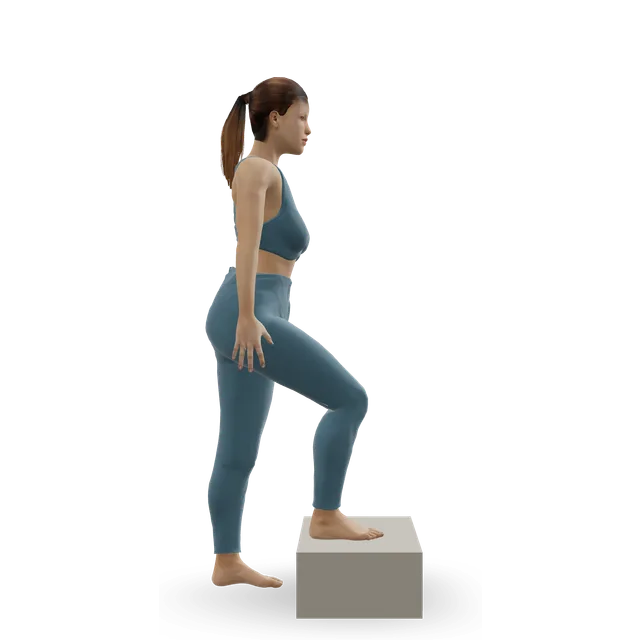
Step-up with knee raise demonstrated on the 3D figure3D demoStep-up with knee raiseIntermediate · A step

3 sets of 8 each side · As in our snapping hip guide (editorial). The knee drive works the hip flexor standing up

Easier: Step-up · Harder: Alternate-leg bounding

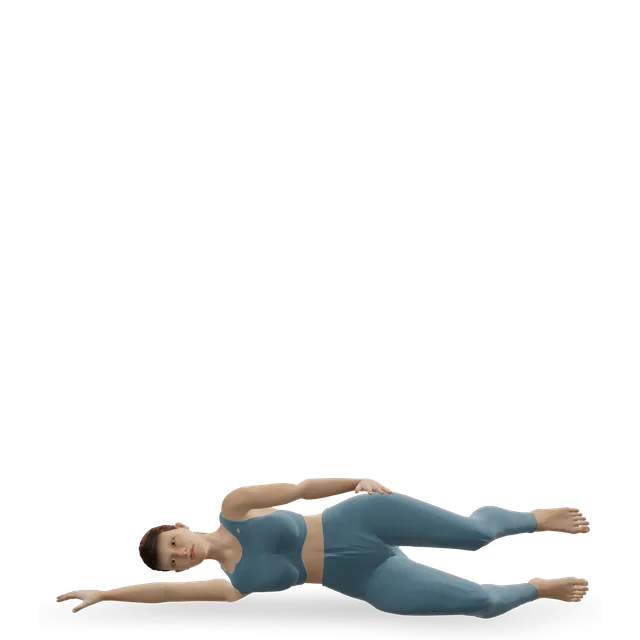
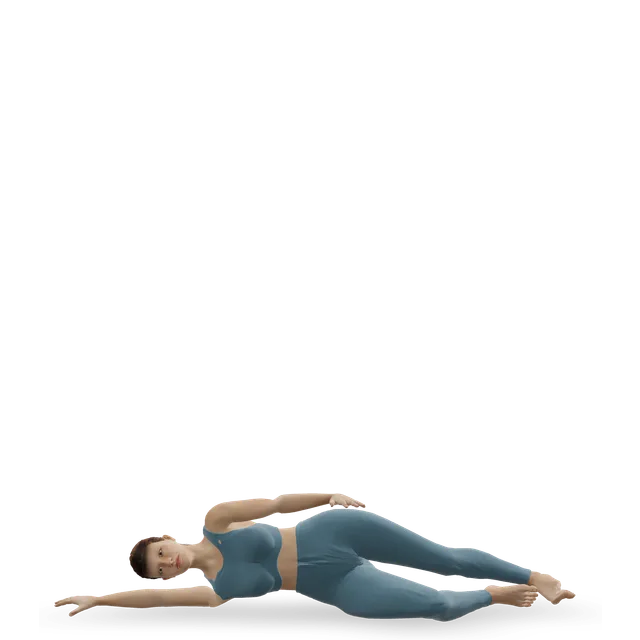
Side-lying leg raise demonstrated on the 3D figure3D demoSide-lying leg raiseBeginner · No equipment

8 to 12 times, 2 to 3 times a day · As in our snapping hip guide (an NHS leaflet's dose). Keep the top leg level with the hip or slightly behind, as the move page says

Easier: Lateral band walk · Harder: Lateral band walk, band at the feet

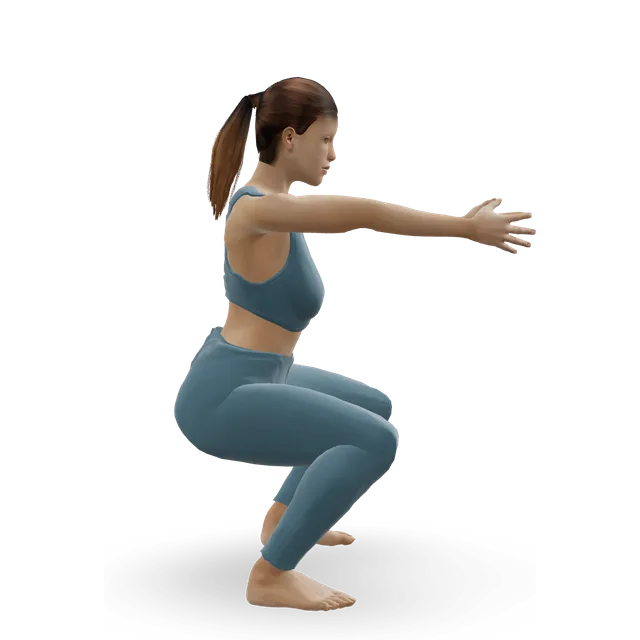
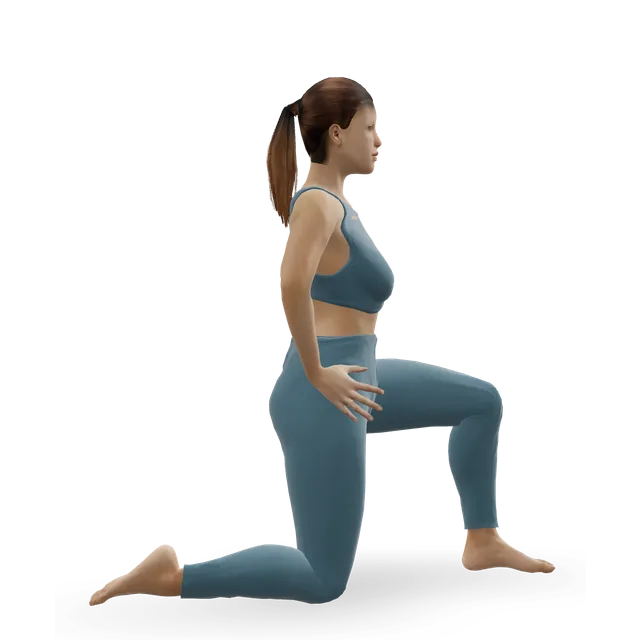
Split squat demonstrated on the 3D figure3D demoSplit squatIntermediate · No equipment

3 sets of 8 each side · As in our snapping hip guide (editorial). Pad the back knee, as the move page says

Easier: Bodyweight squat · Harder: Reverse lunge

Move on when: These pass the pain rule for a week, and barre work with medium extensions leaves the hip no worse the next morning (editorial).

Follow along: a timer, a cue and the next move, one step at a time.
Stage 4

Back to full dancing: kicks, extensions, splits and floor work one at a time

From about week 6, often later, then for good: the full range your dancing needs, one element at a time, by the written steps below, with two strength sessions a week kept. No study has tested a return to dance after hip pain; the order is our suggestion, built on our hip guides and the dance medicine advice.

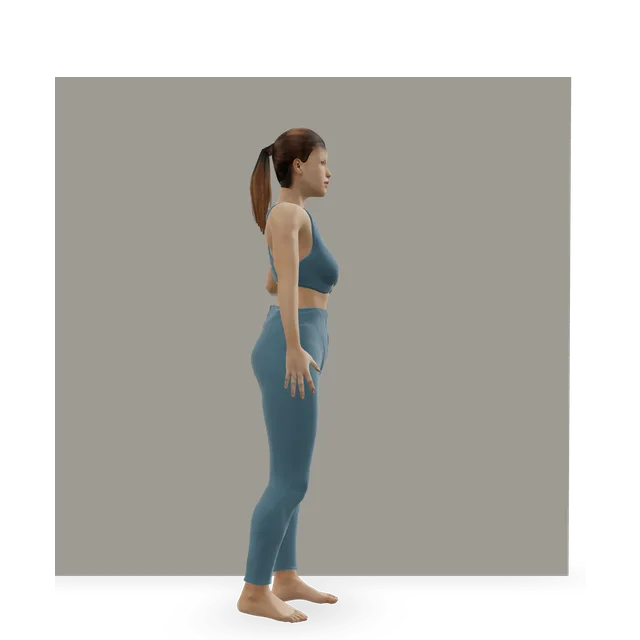
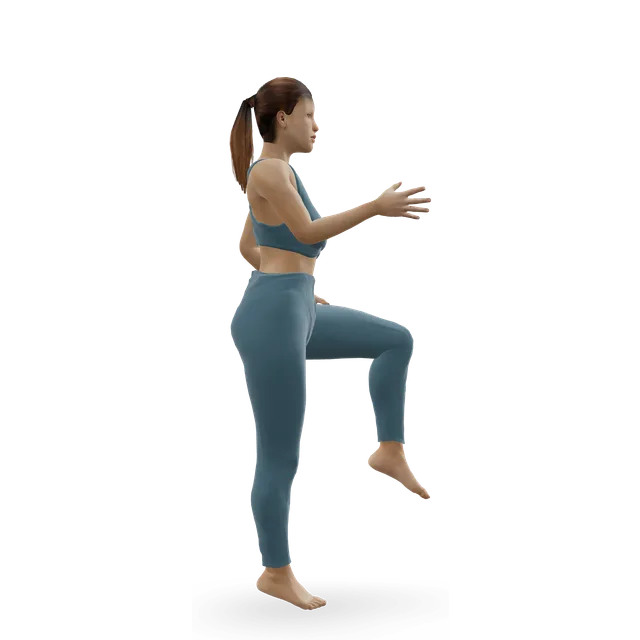
Front-to-back leg swings demonstrated on the 3D figure3D demoFront-to-back leg swingsBeginner · A wall

2 to 3 sets of 10 to 15 swings each leg before exercise · From the move page's dose (an editorial starting point). Let the swing grow, as in our dance warm-up: controlled, not flung

Harder: Contract-relax hamstring stretch (PNF)

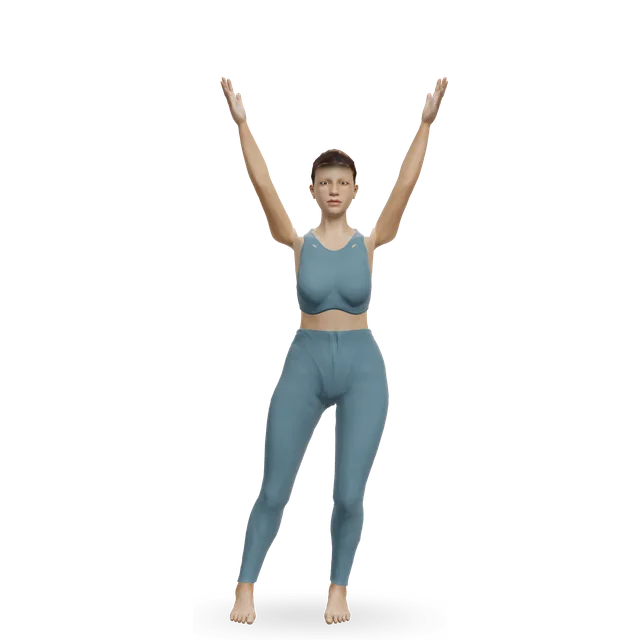
Side-to-side leg swings demonstrated on the 3D figure3D demoSide-to-side leg swingsBeginner · A wall

2 to 3 sets of 10 to 15 swings each leg before exercise · From the move page's dose (an editorial starting point). Controlled rather than flung, as the move page says

Harder: Lizard pose (Utthan Pristhasana)

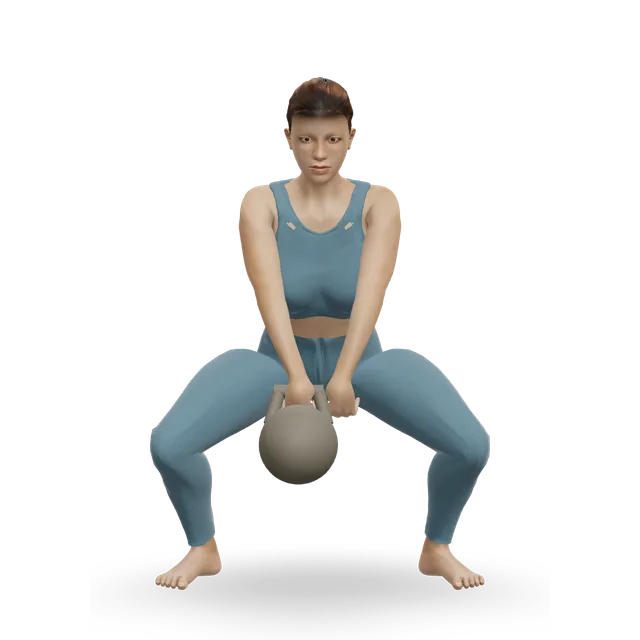
Plié dumbbell squat (sumo squat) demonstrated on the 3D figure3D demoPlié dumbbell squat (sumo squat)Intermediate · A dumbbell + A kettlebell

2 to 3 sets of 8 to 10, bodyweight first, shallow and within your hips' turnout, deeper over the weeks · As in our knee pain after dancing guide (editorial). Knees in line with the toes

Easier: Bodyweight squat · Harder: Back squat with bands

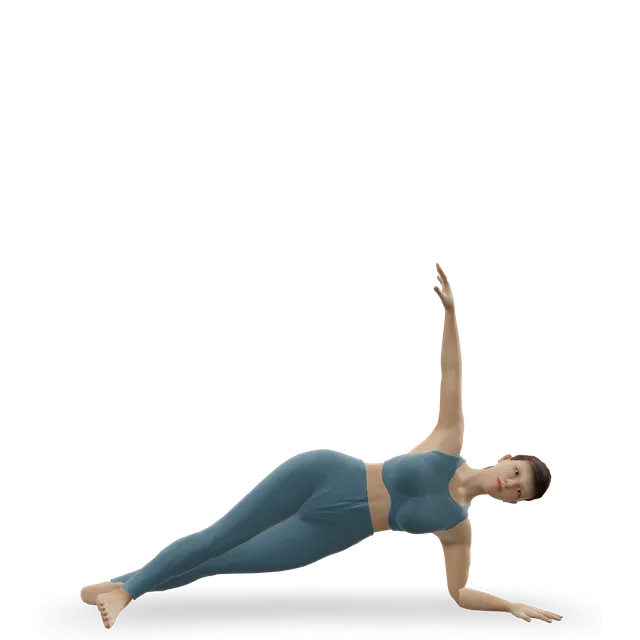
Side plank with leg lift demonstrated on the 3D figure3D demoSide plank with leg liftAdvanced · No equipment

3 sets of 6 to 10 each side · As in our snapping hip guide (editorial)

Easier: Side plank · Harder: Copenhagen plank

Copenhagen plank demonstrated on the 3D figure3D demoCopenhagen plankAdvanced · A bench or box

Build to 2 to 3 sets of 8 to 10 slow reps a side over several weeks · Editorial. The short lever, with the knee on the bench, first

Easier: Hip adduction machine

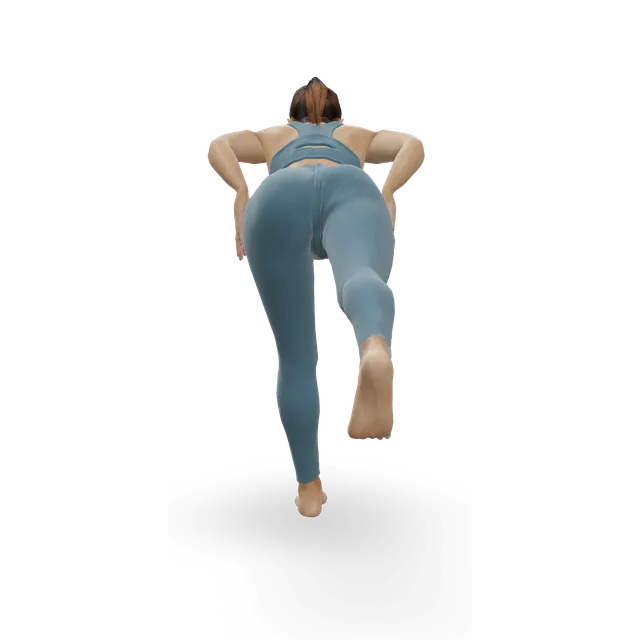
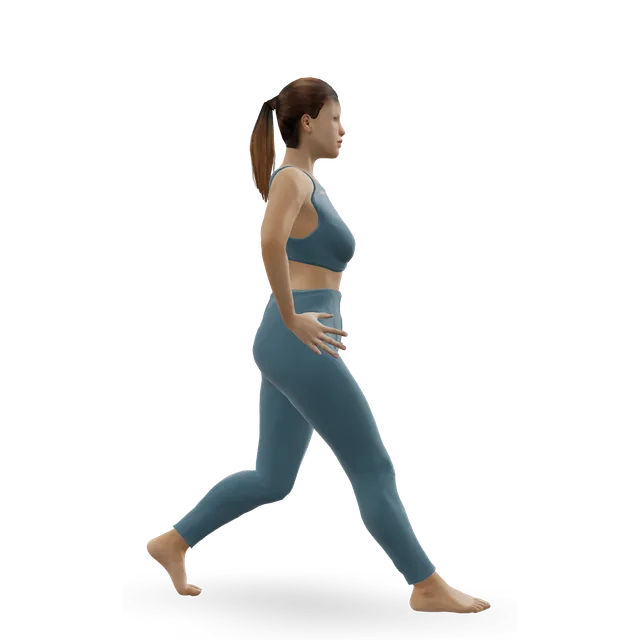
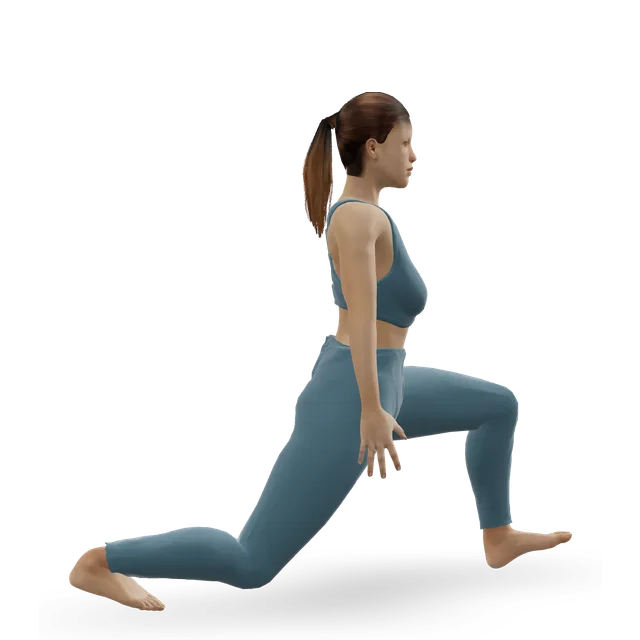
Reverse lunge demonstrated on the 3D figure3D demoReverse lungeIntermediate · No equipment

3 sets of 8 each side · As in our snapping hip guide (editorial)

Easier: Split squat · Harder: Split squat with dumbbells

Move on when: Our suggestion: each element has passed the pain rule for a week before the next comes back. Keep two strength sessions a week and a full rest day. If it flares, drop back a stage for a week, not to nothing.

Follow along: a timer, a cue and the next move, one step at a time.

What to change for now

What to do now (written steps)

Our 3D figure can't show these. They come from the NHS hip pain page and the dance studies above; no trial has tested what to do after hip pain from dancing, and where a step is our suggestion, it says so.

  • 1. Keep moving, but try not to overdo things, as the NHS advises; an ice pack wrapped in a towel for up to 20 minutes every 2 to 3 hours, and painkillers such as paracetamol or ibuprofen gel, can help.
  • 2. Change the next class, don't cancel dancing: for a week or two, fewer and lower kicks and extensions, splits only to a comfortable depth, shallower pliés and no bouncing at the end of your range (our suggestion).
  • 3. A painless click needs no change; a sharp pinch deep in the groin means a smaller range, not more effort (our snapping hip and labral tear guides' rules).
  • 4. Tell your teacher, so the steps can change for a while (our suggestion). More than 15% of injured professional dancers hadn't reported their injury.
  • 5. Locking, giving way, a lump in the groin or a hip you can't stand on aren't ordinary dance aches: see the warning signs.

Sources 10, 28

Next time: kicks, turnout, splits, warm-ups, hours and heels (written steps)

The 3D figure can't show these. They are our suggestion unless a source is named, and none has been tested as a way to prevent hip pain in dancers.

  • 1. Kicks and extensions: build their height and number back gradually, with a few grands battements at the end of the warm-up, never cold. A sports medicine society's dance advice: "Be mindful of the limits of your body and do not push too fast too soon."
  • 2. Turnout: turn out only as far as your hips allow, with the knees over the toes, rather than screwing the feet out from a deep plié. One small study linked forcing it with past injuries.
  • 3. Warm-up: raise your heart rate and move through the range, with strength and balance, rather than long static stretches. A warm-up like this went with fewer overuse injuries in ballet dancers, and our dance warm-up has this shape.
  • 4. Splits: to a comfortable depth, deeper over the weeks, never bouncing. Very flexible dancers do better building strength in the middle of the range than hanging at the end: the NHS says "do not overextend your joints just because you can".
  • 5. Hours: add class, rehearsal or social dancing time gradually, and keep at least one full rest day a week.
  • 6. Heels: a lower heel and fewer hip-led moves (big hip rolls, deep sits in heels) for a while, with flats between dances on a long night. Heels change the hip only slightly, so the dancing is the more likely load.

Sources 27, 17, 19, 26, 25, 8, 9

Dancing comes back (written steps)

Our suggestion; no study has tested a return to dance after hip pain, so the order is built on our hip guides and the dance medicine advice.

  • 1. Class with medium extensions and kicks (to about hip height), shallow pliés and turnout within your hips' range, passing the pain rule for a week.
  • 2. Higher extensions and développés, at the barre first, then in the centre.
  • 3. Grands battements and high kicks: a few at the end of the warm-up, then more.
  • 4. Splits and straddles: to a comfortable depth first, deeper over the weeks, never bouncing.
  • 5. Floor work, slides and lifts into the splits, then big jumps and leaps.
  • 6. Heels and hip-led styles (Latin, heels, belly dance, hip hop grooves) back to full length.
  • 7. Keep two strength sessions a week (the stage 2 to 4 moves, or our strength workout for dancers) and a full rest day a week. If it doesn't settle, or it catches or gives way, see someone who works with dancers; in England, a GP can refer professional and pre-professional dancers to an NHS Dance Injury Clinic.

Sources 27, 30

Positions to swap, and why

Habit or positionWhy it mattersInstead
High kicks and grands battements every class while the front of the hip hurtsThe hip flexors are working at full length and speed.Lower kicks for now, and band hip flexion to strengthen them.Try: Standing band hip flexion
Forcing turnout from the knees and feetTurnout should come from the hips first, and forcing it went with more past injuries in one small study.Turn out only as far as your hips allow, and train turning the thigh out from the hip, as in the clamshell.Try: Clamshell
Bouncing or sinking into the splits to stretch out the painA sharp pinch means a smaller range, and stretching on its own didn't prevent injuries in sport.Splits to a comfortable depth, and inner thigh strength such as the ball squeeze.Try: Lying adductor ball squeeze
Pushing through a painful snapA snap that hurts means the movement needs to be smaller or slower for now, as our snapping hip guide says.A shorter reach in the dead bug heel taps, and lower kicks.Try: Dead bug heel taps
Long static stretches as the whole warm-upA warm-up with strength, balance and a raised heart rate went with fewer overuse injuries in ballet dancers.Our dance warm-up, with controlled leg swings.Try: Front-to-back leg swings
Hanging at the end of your range on very flexible hipsStrength and control protect hypermobile joints, and the NHS says don't overextend your joints just because you can.Strength in the middle of the range, such as the staggered-stance bridge.Try: Staggered-stance bridge (offset bridge)
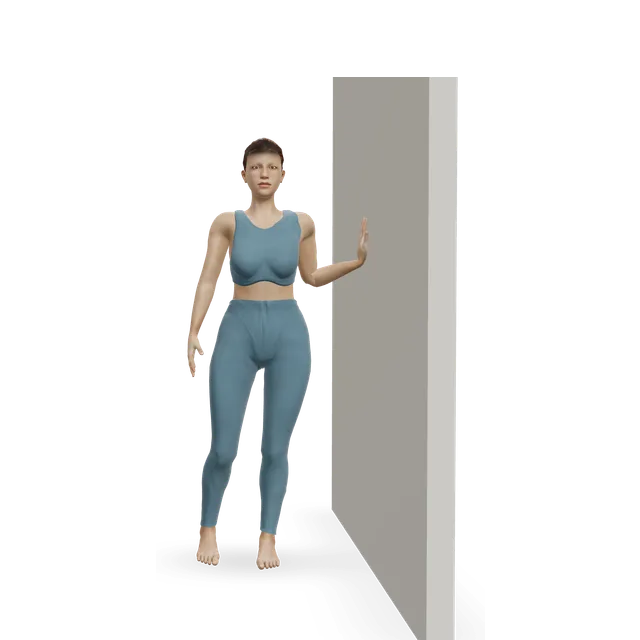
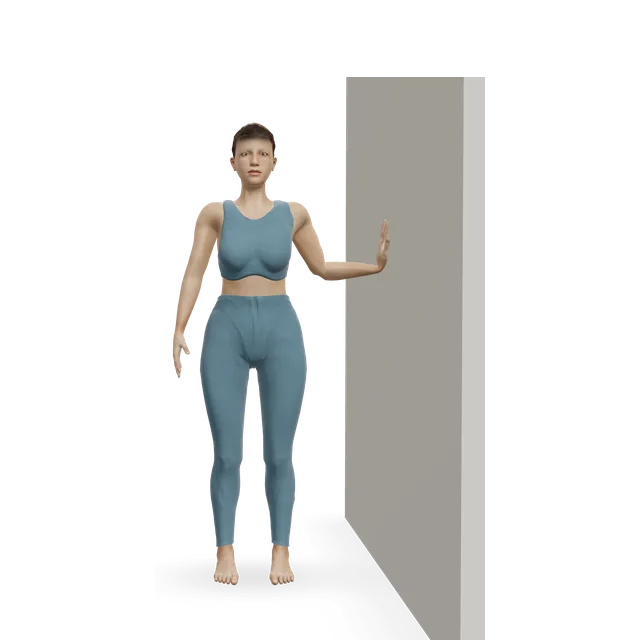
Lying on a sore outer hip, or side work that drops the top leg across the bodyIt squeezes the gluteal tendons on the outside of the hip.A pillow between the knees in bed, and the standing wall press for the outer hip.Try: Standing wall-press hip abduction
Hours of hip rolls and deep sits in heels on a sore hipA long night is hard work for the hips, whatever the heel (our reading).Flats between dances, and shorter sessions built back gradually.
Ignoring locking, giving way or a lump in the groinThese need checking, as the warning signs say.See a GP or a physiotherapist.

Routines to follow

More moves for this area

Questions people ask

Why does my hip hurt after dancing?

Usually the muscles: the hip flexors at the front after kicks, extensions and leaps, or the inner thigh after splits and side work. Hip and groin injuries are about a sixth of dance injuries but rare for the hours danced. Most aches settle within days with a lighter class.

Is a clicking or snapping hip normal for a dancer?

Yes: 91% of elite ballet dancers in one study reported one, and most never needed time off. A painless click needs no change. A click that hurts deep in the groin, catches or locks needs checking.

Why does the front of my hip hurt after high kicks?

The hip flexors lift the leg and work hardest in high kicks and extensions. Lower your kicks for a week or two and strengthen them, as in stage 2. In a teenager, sudden pain with a pop can be an avulsion fracture and needs an X-ray the same day.

Why does my groin hurt after dancing?

Usually the inner thigh muscles after splits, straddles or side extensions, or a pinch from the hip joint at the bottom of a deep plié or a high kick. A lump in the groin needs a GP. A hip that catches, locks or gives way needs checking.

Is forcing turnout bad for my hips?

Turnout should come from the hips first; forcing it from the knees and feet went with more past injuries in one small study, though a review couldn't show that it causes them. Work within your hips' range and strengthen the muscles that turn the thigh out.

Why does my hip hurt after dancing in heels?

Heels change the knee and foot much more than the hip, so the hours, turns and hip action of the dancing are the more likely cause. A lower heel, shorter sessions and flats between dances usually help.

I'm very flexible. Am I more likely to hurt my hip?

Not necessarily: in one professional company, hypermobile dancers had no more hip pain over 5 years. With pain, frequent sprains or joints that slip, strength and control come first, and the NHS lists the symptoms that need a GP.

Do I need a scan?

Usually not. Labral tears are common on MRI in hips that don't hurt, in dancers and other sporting people alike. A scan helps when the hip locks or gives way, or when pain hasn't improved after a good 3 months of exercise-based treatment.

Will I need surgery?

Rarely. Exercise comes first, and surgery is for the few who don't improve. Most dancers who have hip arthroscopy dance again, after about 7 months in one series, though not all at the same level.

Can I keep dancing with hip pain?

Usually yes, within the pain rule: lower kicks, shallower pliés, splits to a comfortable depth, and judge each session by the next morning. Locking, giving way or a hip you can't stand on are the exceptions.

Why does my hip hurt after line dancing?

From mid-life, a deep groin ache with stiffness can be hip arthritis, and an ache on the bony point at the side can be the gluteal tendons; turns and long sessions load both. Our hip arthritis and hip bursitis guides cover them, and most people keep dancing with some changes.

When should I worry?

Call 999 or go to A&E for a hip you can't stand on after a fall, or numbness around your genitals or bottom. Get same-day help for a hot, swollen hip with a high temperature, a teenager's sudden pain after a kick, or a painful lump in the groin with feeling sick. In the US, call 911 where this page says 999.

Related exercise guides

Other pain guides

Sources

  1. Trentacosta 2017 · Hip and groin injuries in dancers (systematic review, Sports Health)
  2. Jacobs 2012 · Injuries and pain in dancers (systematic review update, J Dance Med Sci)
  3. Tjukov 2020 · The injury profile of hip hop and street dancers (survey of 146, J Dance Med Sci)
  4. Curley 2022 · Hip pain in ballet dancers (review, J Am Acad Orthop Surg)
  5. Winston 2007 · Snapping hip in 87 elite ballet dancers (clinical and ultrasound study, Am J Sports Med)
  6. McCormack 2004 · Hypermobility in student and professional ballet dancers (cross-sectional study, J Rheumatol)
  7. Mayes 2021 · Hypermobility and hip pain in professional ballet dancers over 5 years: 40 dancers (cohort study, Clin J Sport Med)
  8. NHS · Joint hypermobility syndrome (past its review date: reviewed August 2023, review due August 2026)
  9. Zeng 2023 · High-heeled shoes, walking and balance in women: 81 lab studies (systematic review and meta-analysis, BMC Public Health)
  10. NHS · Hip pain in adults
  11. Mayes 2016 · Labral tears in 196 hips of professional ballet dancers and sports people (MRI case-control study, Clin J Sport Med)
  12. Duthon 2013 · Clinical and MRI findings in the hips of elite female ballet dancers (study, Arthroscopy)
  13. Kolo 2013 · Extreme hip motion in professional ballet dancers (MRI study, Skeletal Radiology)
  14. Mayes 2021 · Hip cartilage in 21 professional ballet dancers over 5 years (MRI cohort study, Clin J Sport Med)
  15. Ukwuani 2019 · Return to dance after hip arthroscopy for impingement in 64 dancers (case series, Arthroscopy)
  16. Larson 2020 · Hip arthroscopy in 63 competitive dancers: outcomes at 3 years (case series, Arthroscopy)
  17. Champion 2008 · Measuring turnout in dance research (critical review, J Dance Med Sci)
  18. Quanbeck 2017 · Where ballet turnout comes from: hip and knee rotation in 10 dancers (motion analysis study, J Sports Sci)
  19. Coplan 2002 · Forced turnout and self-reported injury in 30 college ballet dancers (cross-sectional study, J Orthop Sports Phys Ther)
  20. Negus 2005 · Turnout and leg injuries in 29 pre-professional ballet dancers (correlational study, J Orthop Sports Phys Ther)
  21. Kaufmann 2021 · Does forced turnout lead to injuries in dancers? (systematic review, J Biomech)
  22. Vera 2020 · An injury prevention programme for professional ballet (randomised trial of 39, Orthop J Sports Med)
  23. Allen 2013 · An injury audit and conditioning programme in a ballet company over 3 years (prospective study without a comparison group, Clin J Sport Med)
  24. Critchley 2026 · Injury prevention in dance: 8 studies (systematic review, J Dance Med Sci)
  25. Stephenson 2021 · Sports injury prevention: a summary of 129 systematic reviews (review of reviews, Orthop J Sports Med)
  26. Kaufmann 2022 · Neuromuscular or traditional ballet warm-ups and overuse injuries in 192 ballet dancers (cross-sectional survey, J Dance Med Sci)
  27. American Orthopaedic Society for Sports Medicine (AOSSM) · STOP Sports Injuries tip sheet: Dance Injuries (reviewed November 2025)
  28. Jacobs 2017 · Injury in professional dancers (international cross-sectional study, Clin J Sport Med)
  29. Bronner 2003 · Comprehensive injury management in a modern dance company (before-and-after study, Am J Sports Med)
  30. National Institute of Dance Medicine and Science (NIDMS, UK) · NHS Dance Injury Clinics
  31. NHS · Broken hip
  32. NHS · Sciatica
  33. NHS · Septic arthritis
  34. NHS · Hip pain in children (irritable hip)
  35. NHS · Limping in children
  36. Robertson 2017 · Femoral neck stress fractures in sport (current concepts review, Sports Med Int Open)
  37. Lamb 2019 · Avascular necrosis of the hip: easily missed (clinical review, BMJ)
  38. NHS · Femoral hernia
  39. NHS · Hernia
  40. NHS · Testicle pain
  41. NHS inform · Hip problems
  42. NHS · Symptoms of bone cancer
  43. Serner 2021 · Exercise-based treatment for complete adductor longus tendon tears in 16 male athletes: one-year follow-up (case series, Am J Sports Med)
  44. Mountjoy 2023 · IOC consensus statement on relative energy deficiency in sport, REDs (BJSM; a correction was published in 2024 that we couldn't read)
  45. Gordon 2017 · Functional hypothalamic amenorrhoea: Endocrine Society clinical practice guideline (J Clin Endocrinol Metab)
  46. Gloucestershire Hospitals NHS Foundation Trust · Caring for a stress fracture (emergency department leaflet)
  47. Smith 2017 · Should exercise be painful in long-lasting muscle and joint pain? 7 trials (meta-analysis, Br J Sports Med)

Exercise education, not a diagnosis or treatment plan. It is written from the guidelines and studies listed above; review by a clinician is pending. If your pain follows an injury, is severe, is getting worse, or comes with any warning sign listed on this page, get it assessed. Health disclaimer.