Pilates
Chair-and-bed Pilates after a stroke: a 20-minute class that protects your weaker arm
Trunk exercises improve trunk control and balance after a stroke, and small Pilates trials found better balance and walking tests. This class keeps your weaker arm supported throughout: it works your trunk and breathing sitting down, your legs and balance standing at a chair if you can, and adds an optional block on a bed or mat. Use it alongside the exercises your therapist sets and your walking practice, never instead of them, and stop on a tired day.
Sit and breathe
- Seated upper-back lift (sit tall, shoulders back)3 to 5, each held 3 to 5 sBeginner · Back, Shoulders, Neck · 3D demoSit tall, breathe out as you liftEasier: Elbows backHarder: Prone Y-T-W raises
- Thoracic rotation5 each sideBeginner · 3D demoSmall and slow, feet flatEasier: Side-lying open bookHarder: World's greatest stretch
- Seated overhead side bend2 each side, holds of 10 to 20 sBeginner · Back, Abs · 3D demoReach up with the stronger arm; the weaker arm rests on your lapHarder: Overhead lat stretch at a bench (elbows on the bench)




Arms, as your therapist allows
- Beginner · Shoulders, Back · 3D demoWeaker hand on a towel on the table; no pullingEasier: Pendulum exercise (Codman's pendulum)Harder: Overhead lat stretch at a bench (elbows on the bench)
- Breath reach5 breathsBeginner · 3D demoStronger arm only, unless your therapist agreesHarder: Slow breathing (6 breaths a minute)


Legs, sitting
- Seated march1 minBeginner · Hip flexors, Quads, Abs · 3D demoWeaker leg as high as it comfortably goesHarder: Standing march
- Seated knee extension (chair)8 each legBeginner · Quads · 3D demoWeaker leg firstEasier: Quad set (static quads)Harder: Leg extension


At the chair, optional
- Sit to stand from a chair5 to 10Beginner · Quads, Glutes, Hamstrings · 3D demoPush through both feetEasier: Sit to stand, pushing on the thighsHarder: Bodyweight squat
- Standing march1 minBeginner · Hip flexors, Abs, Glutes · 3D demoStronger hand on the chair backEasier: Seated marchHarder: Standing band hip flexion
- Semi-tandem stance3 holds of 10 sBeginner · Calves, Hip abductors · 3D demoSomeone nearbyHarder: Tandem stance and heel-to-toe walk
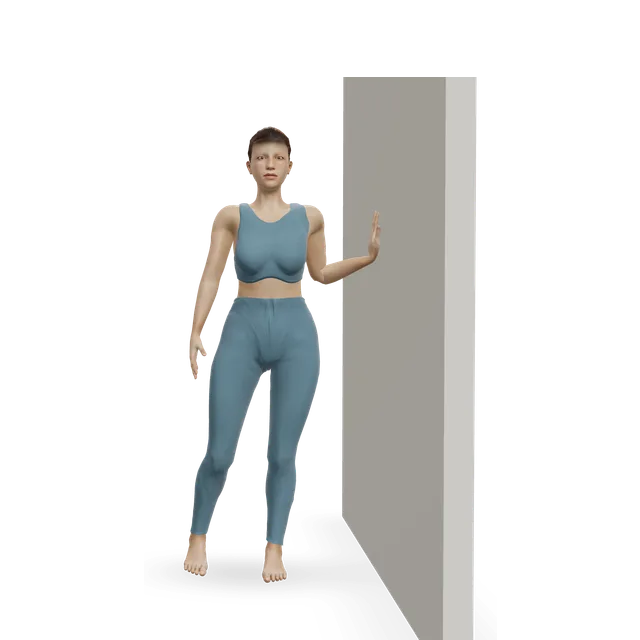
- Wall side leg lift (standing side kick at the wall)6 to 8 each sideBeginner · Hip abductors, Glutes, Abs · 3D demoA small lift on the weaker side at firstHarder: Lateral band walk, band at the feet



Bed or mat, optional
- Supine heel slide10 each legBeginner · Hip flexors, Hamstrings, Quads · 3D demoWeaker leg firstHarder: Hip windshield wipers
- Knee fold5 each sideBeginner · Abs, Hip flexors · 3D demoHead down, weaker arm on a pillowEasier: Supine heel slideHarder: Dead bug heel taps
- Pelvic tilt into bridge6 slowBeginner · Glutes, Abs, Hamstrings · 3D demoFeet hip-width; don't let the weaker knee fall inHarder: Glute bridge
- Hip windshield wipers10 slow passesBeginner · Glutes, Adductors · 3D demoSmall and slowEasier: Supine heel slideHarder: 90/90 switch
- Clamshell8 each sideBeginner · Hip abductors, Glutes · 3D demoLie on the stronger side firstEasier: Supine isometric hip abduction (belt press)Harder: Lateral band walk





Finish
Tips
- Two or three times a week, in short blocks with rests on tired days. Keep up your walking and the exercises your therapist sets.
- Never pull your weaker arm up with your other hand, let it hang, or lean on it, unless your therapist says you can. Stop any move that hurts your shoulder.
- Breathe out as you work and never hold your breath. If your blood pressure is very high, check with your doctor before starting.
- Standing work only with a chair back or wall to hold, and someone nearby if your balance is poor.
- Call 999 for face weakness, arm weakness or speech problems, even if they go away: FAST.
The doses are suggested starting points, not a prescription. Choose a range you can control and stop for sharp or increasing pain, numbness or tingling. Get individual advice after an injury or surgery, or if you are pregnant or managing a health condition.
Guides that recommend it
Find more moves like these
More pilates



Beginner Pilates workout
A 20-minute mat Pilates workout for complete beginners. It covers breathing, spine position and the foundation moves, each with an easier option.
20 minBeginner13 movesNo equipment

10-minute Pilates abs
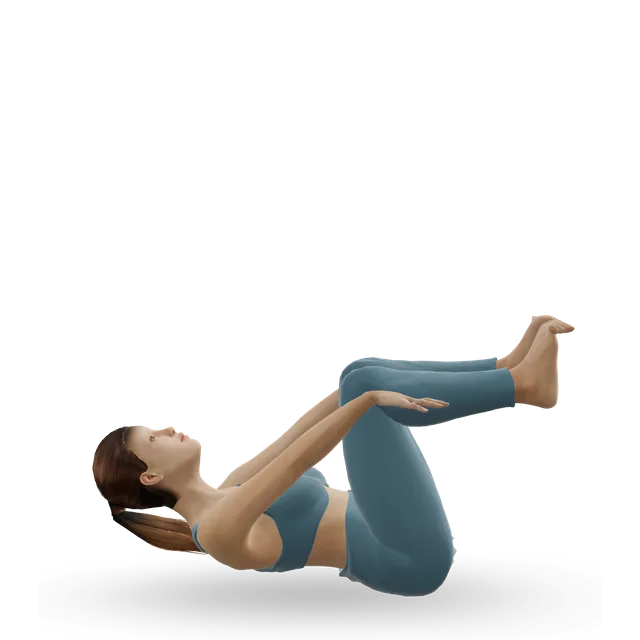
Ten minutes of the classic Pilates abdominal series: the hundred, the roll-up and the series of five, with a plank to finish.
10 minIntermediate11 movesNo equipment
Full-body mat Pilates workout
A 30-minute intermediate mat Pilates class that follows the classical order, from the hundred to the push-up, with prep versions of the hardest moves.
30 minIntermediate22 movesNo equipmentQuestions people ask
How long does the chair-and-bed pilates after a stroke: a 20-minute class that protects your weaker arm take?
About 20 minutes, including any warm-up and cool-down listed. Shorten it by doing fewer rounds; lengthen it by adding one.
What equipment do I need?
You need: A bench or box, Something with weight, A wall. Each move links to its guide, where you can find an alternative if you are missing something.
Is it suitable for beginners?
It is written for beginners. 9 of its 17 moves have an easier option listed beside them if you need one.
How do I make it easier or harder?
Use the easier or harder option listed under each move, change the number of rounds, or adjust the rest. Progress one change at a time.