Pilates guide

Pilates for martial arts: kicks and the hips, rotation, the lower back, falls, throws and chokes, what the evidence shows, and a routine

Martial arts ask for hips that kick and a standing leg that holds, a trunk that turns and resists a turn, a back that copes with throws and ground work, and a neck that copes with chokes and breakfalls. Strikers are hurt most in the head and legs, and grapplers in the knees, shoulders and elbows, mostly while sparring. The few Pilates studies in martial artists are small, one can't be relied on, and none counted injuries.

What Pilates can add is hip control through the range kicks use, rotation both ways, trunk endurance, bridges and shoulder-blade work, at low load after training. It sits beside your coach, breakfall practice, strength and power training and your governing body's concussion and choke rules, never in place of them.

This guide covers kicks and the hips, rotation and the lower back, falls, throws and chokes, each art in turn (Brazilian jiu-jitsu, judo, karate and taekwondo, mixed martial arts, kickboxing and Muay Thai), what the evidence shows, a 25-minute class, and the warning signs.

The short version

Two small Pilates trials, none counting injuries

In 120 karate players, plyometric training improved balance and core tests more than Pilates did, and a trial in 60 martial arts students can't be relied on because some of its statistics are impossible. No study has counted injuries after Pilates in martial artists.

Sources 1, 2, 3

Strikers and grapplers get hurt differently

Competition injury rates are highest in MMA (mixed martial arts) and kickboxing, mostly to the head. In Brazilian jiu-jitsu (BJJ), 89% of injuries happened in training, mostly while sparring, and the knee and shoulder led.

Sources 4, 5, 6

More flexibility isn't a better kick

In tai chi athletes, flexibility training didn't improve a jumping kick, while core training did, and 30% of adult karate practitioners had had hip pain. Range you can hold with the leg's own muscles is the aim.

Sources 7, 8

Core and strength training improved tests

Core training improved kick, strike and balance tests in small trials, and strength training has the broader evidence for strength, power and sport actions in combat sports.

Sources 7, 9, 10, 11

Breakfalls protect the head

Good breakfall technique keeps the head's movement below injury levels, and a stronger neck is only weakly linked with good breakfalls. Pilates doesn't replace breakfall coaching.

Source 12

Your governing body's rules come first

British Judo, British Taekwondo and the World Karate Federation set their own returns after a concussion; everyone else follows the UK grassroots guidelines, with no competition before day 21. Leave out moves that put weight on your head or neck after a choke, a neck crank or a head knock.

Sources 13, 14, 15, 16

Where martial artists get hurt

Competition rates are per 1,000 athlete-exposures (one athlete in one bout), and aren't training rates. Each note keeps its own measure.

Competition injury ratesStrong evidence

Taekwondo: 79.3 per 1,000 athlete-exposures across 14 groups, mostly bruises to the legs. Olympic-style karate: 88.3, mostly the head and neck, or about 1 injury every 11 bouts. MMA: 228.7, mostly the head. Kickboxing contests in one US state: 390.1. BJJ tournaments: 9.2 per 1,000 match exposures, with the elbow injured most, mostly by armbars.

Sources 17, 18, 4, 5, 19

Where, by artStrong evidence

In prospective studies of elite athletes, judo's commonest sites were the lower back (10.9%), shoulder (10.2%) and knee (9.7%), taekwondo's the fingers and thigh, and wrestling's the knee and shoulder. In European top-level judo, the knee (17.4%), shoulder (15.7%) and elbow (14.2%) led. Being thrown is judo's commonest cause of injury, and long-term problems affected the fingers, lower back and ears.

Sources 20, 21, 22

Grapplers get hurt in trainingEmerging evidence

In 881 BJJ practitioners, 89% of injuries happened in training and 79% of those while sparring; the knee (25%) and shoulder (13%) led. In 1,140 BJJ athletes in 62 countries, the knee was injured most (27.1%). In elite BJJ, heel hooks went with twelve times the knee injuries.

Sources 6, 23, 24

Kicking stylesEmerging evidence

Taekwondo had three times the injuries of karate in a one-year comparison of five styles, with more groin injuries. In elite taekwondo, the hamstrings took 48.4% of muscle injuries graded on scans (an erratum to this paper exists that we couldn't read, so treat the figure with care). In wushu, hamstring strains were the commonest injury.

Sources 25, 26, 27

ChildrenEmerging evidence

In US emergency departments, children hurt in competition had 2.56 times the risk of a head or neck injury of those hurt in class.

Source 28

What Pilates offers, and what it doesn't

Pilates can train rotation both ways and trunk endurance, hip control through the range the kicking leg uses with a steady standing leg, back endurance without repeated arching, bridges for escapes from underneath, shoulder-blade and outward-turning work for grappling, and a calm way to breathe (our reading). It doesn't replace warm-ups and breakfall coaching, strength and power training, sparring rules and protective kit, or a governing body's concussion and choke protocols. Across 11 trials, Pilates built strength no better or worse than other exercise, at very low to low certainty.

Sources 29, 11

What the evidence says

The Pilates studies in martial artists are few, small and partly unreliable, and none counted injuries. Small core training trials improved kick, strike and balance tests; rule changes, breakfall skill and governing body protocols carry the injury evidence.

Karate players: plyometrics did betterMixed evidence

In India, 120 national-level male karate players aged 18 to 24 were split into plyometrics, Pilates or no added training, 3 days a week for 8 weeks. Both training groups improved a balance reach test and a core strength test, and plyometrics more than Pilates. We could read only the abstract, which doesn't give the exercises, session length, effect sizes or how players were allocated.

Source 2

Martial arts students: a trial we can't rely onMixed evidence

A Chinese trial added Pilates to 6 weeks of training in 60 student athletes, but it doesn't describe the Pilates programme, reports a p value above 1 (which is impossible) and calls a fall in a balance time an increase.

Source 3

Fencers, in one lineMixed evidence

Fencing is a combat sport, not a martial art: in 20 elite women fencers, Pilates or yoga twice a week for 8 weeks both improved a balance reach test, with no untrained group.

Source 30

Core training: the best trialEmerging evidence

In 39 tai chi athletes randomised to core stability training, flexibility training or neither for 8 weeks, core training improved a jumping kick, a hanging leg raise and a balance reach test, and the gains held at 12 weeks; flexibility training raised sit and reach without improving the kick. The judges were blinded, but it's one small trial of one skill.

Source 7

Other core training trialsEmerging evidence

In 29 youth karate athletes, 8 weeks of core training (including the superman, cat-camel and planks) added to karate improved trunk endurance, a 20 m sprint and a kick test, but not flexibility, jumps or change of direction. In 12 Muay Thai athletes, still core training raised strike force and moving core training strike speed. In 20 junior Greco-Roman wrestlers, 4 weeks of core training improved bridging and a medicine-ball throw. All were small.

Sources 9, 10, 31

Reviews of core training in combat sportsMixed evidence

A 2025 review of 8 studies in striking sports reported more kicks in 30 seconds and harder strikes after core training, but its own risk-of-bias text contradicts itself about whether the studies were randomised. A 2026 review of 7 judo studies, only two with a comparison group, concluded that core strength might improve balance and control.

Sources 32, 33

Trunk endurance and injury in wrestlers: a linkMixed evidence

In 60 elite wrestlers followed for 6 months, better side bridge scores went with less injury. That's a link, not proof that training it prevents injuries; the authors call for a controlled trial.

Source 34

Strength training has the performance evidenceEmerging evidence

Across 20 studies of Olympic combat sport athletes, strength training improved maximal strength, power, flexibility, balance and sport-specific actions.

Source 11

Back pain in karate fightersMixed evidence

In 45 karate fighters with low back pain, hands-on mobilisation eased pain more than core stability exercises plus stretching over 2 weeks, and both improved function. It was short and small: it shows core work didn't beat manual therapy for early pain, not that core work fails.

Source 35

Warm-up programmes didn't significantly cut injuriesEmerging evidence

The IPPON judo warm-up (about 10 minutes, twice a week) didn't significantly reduce injuries in 269 recreational judokas (23% against 28%). A structured programme in 362 elite young taekwondo athletes didn't change the overall injury rate.

Sources 36, 37, 38

Rules and kit cut injuriesEmerging evidence

Karate's 2000 rule changes went with about half the injuries at world championships, and taekwondo's rule changes cut head and neck injuries. A review of seven studies in boxing, karate and taekwondo concluded that head and mouth guards, together with rules that protect health, reduce injuries.

Sources 39, 40, 41

What prevents sports injuriesStrong evidence

Across 25 trials, strength training cut sports injuries to about a third and balance training to about half, while stretching made no difference. Firm evidence that a weak core causes injuries is lacking.

Sources 42, 43

Yoga and breathing, in one lineMixed evidence

No randomised yoga trial in karate, judo, BJJ, kickboxing, Muay Thai or MMA athletes counted injuries; small trials of mindfulness lowered stress or anxiety in wrestlers and wushu athletes, and one week of slow-breathing biofeedback raised judged kata scores in 40 martial artists. Our yoga for martial arts guide has more.

Sources 44, 45, 46

Kicks and the hips

A kick is a whole-body movementEmerging evidence

The pivot of the standing foot, hip and pelvis rotation and the trunk set up the kicking leg, and roundhouse kicks adjust to target distance through the pivot hip and pelvis. A 2026 review notes that the pivot adds turning stress to the standing knee and ankle.

Sources 47, 48

Hip pain is common in kickersEmerging evidence

In 180 adult karate practitioners, 30% had had hip pain; of 32 with a diagnosis, 4 had hip impingement and 6 a labral tear. Athletes from flexibility sports, including martial arts, had more hip cartilage damage at keyhole surgery than other athletes, and in 24 capoeira players, 92% of hips had at least one X-ray sign of impingement, with no comparison group. These are links, not proof that kicking causes hip damage.

Sources 8, 49, 50

More flexibility isn't a better kickEmerging evidence

Elite taekwondo athletes weren't more flexible than non-elite ones (sit and reach 32.5 against 30.1 cm, not significant); sprints, jumps and coordination separated them. In men's Shotokan karate, a sideways leg-swing height went with ranking, which is a link. In tai chi athletes, flexibility training didn't improve a jumping kick, and static and contract-relax stretching slowed taekwondo practitioners' sprints for 15 to 20 minutes.

Sources 51, 52, 7, 53

Range you can hold

Lift the kicking leg in the side kick series only as high as it can hold itself, keep hip circles short of a pinch, and save long static stretches for after training, not before sparring (our suggestion, from the kick and stretching evidence above).

Rotation and the lower back

Back pain by artEmerging evidence

Low back pain was reported by 6.9% of school-aged judoka, 4.7% of kendo and 2.9% of karate athletes at one time, and by 55% of 100 adult Kyokushin karate practitioners, mostly with little disability. In Dutch judokas, less hip rotation and lower back flexibility went with low back pain in men. A slipped disc was one of judo's two most severe injuries, alongside ACL (anterior cruciate ligament) tears.

Sources 54, 55, 56, 57

Young martial artists' backsMixed evidence

No study gives the rate of spine stress fractures in young martial artists, so the site's general young-athlete spine line applies: back pain that lasts or is worse arching back needs checking.

Sources 58, 1

Turn both ways

Punching, kicking and throwing turn the trunk hard. Train rotation the same number of times each way, whichever stance you fight from, and keep Pilates back bends small (our suggestion).

Falls, throws and chokes

Throws and the head and neckEmerging evidence

In Japanese judo from 2003 to 2010, there were 30 catastrophic head injuries and 19 neck injuries: neck injuries went with more experience and attacking throws, and head injuries with being under 20 and being thrown. Head turning forces from throws and takedowns were mostly below reported injury levels, unlike direct strikes to the head.

Sources 59, 60

BreakfallsEmerging evidence

Breakfalls (ukemi) keep the head's movement below injury levels compared with the head hitting the mat, and novices bend the trunk and hips more. In one expert thrown four times, head acceleration was far lower with a breakfall than for a dummy whose head hit the mat, and novices had more neck movement than experienced judoka. A stronger neck is only weakly linked with good breakfalls.

Sources 12, 61, 62

The judo shoulderMixed evidence

Across 11 studies, shoulder girdle injuries were a median 17.1% of judo injuries, mostly the joint at the top of the shoulder (AC joint) and dislocations, at very low certainty. In French competitions, collarbone fractures peaked at ages 10 to 14 and AC joint sprains at 18 to 20.

Sources 63, 64

ChokesEmerging evidence

British Judo's policy says a strangle can quickly cause loss of consciousness, often within 6 to 15 seconds, and treats it as a brain injury from lack of oxygen, however brief. Tears of the neck arteries after chokes are rare but reported. In 778 US BJJ practitioners, 25.2% had had a concussion, and 30.3% of participants went back on the same day as a concussion.

Sources 65, 66, 67

Pilates and the neck

Chin tucks, shoulder-blade work and gentle neck holds can build neck and upper-back endurance when your neck is well. After a choke, a neck crank or a head knock, leave out anything that puts weight on the head or neck until you're cleared (our suggestion, from our Pilates after concussion guide).

Your art

Pilates for BJJ (jiu-jitsu)

Bridges, hip control, trunk endurance and shoulder-blade work suit guard work and escapes. No Pilates trial in BJJ exists; the knees and shoulders lead BJJ injuries, mostly in sparring, and heel hooks went with far more knee injuries, so the strength workout and good sparring habits matter more.

Sources 6, 23, 24

Pilates for judo

Trunk, hip and shoulder-blade work fit around judo's commonest sites (the knee, shoulder, elbow and lower back). Breakfall coaching protects the head and neck in throws, and Pilates doesn't replace it.

Sources 21, 20, 12

Pilates for karate and taekwondo

The side kick series and one-leg balance suit kicking styles; hip pain is common in karate practitioners, and the hamstrings took most muscle injuries in elite taekwondo. In the one karate trial, plyometrics improved balance and core tests more than Pilates.

Sources 2, 8, 26

Pilates for MMA

As a recovery-day session for the trunk, hips and shoulders, yes; it isn't fight conditioning. MMA has the highest competition injury rates, mostly to the head, so the concussion rules come first.

Source 4

Pilates for kickboxing and Muay Thai

Kickboxing contests had high injury rates in one US state. In 12 Muay Thai athletes, core training raised strike force or speed. The side kick series, rotation both ways and one-leg balance fit both, and our Pilates for boxers guide covers punching and the hands.

Sources 5, 10

Concussion and your governing body

Our martial arts guide has the rules in full; these are one line each.

British Judo

A minimum return of 23 to 24 days under 19 and 19 to 20 days at 19 and over, through staged steps; strangles and armlocks are banned for children under 16 and in events for school years up to Year 9; and any loss of consciousness, including from a strangle, ends that athlete's event. At IJF (International Judo Federation) events, a suspected concussion means no competing for 7 days and then a doctor's clearance.

Sources 13, 68, 69

British Taekwondo

A suspension of 30 days at 17 and over, 40 days at 15 and 16, and 50 days at 14 and under, in line with World Taekwondo, with a graded return over the last 8 days.

Sources 14, 70

World Karate Federation

After a concussion, no competition for at least 2 weeks over 18 or 3 weeks under 17, longer after repeat concussions, and then a neurologist's certificate. The rule's wording leaves out 17 to 18 year olds, so ask your club.

Source 15

Everyone else

The UK grassroots guidelines: no sport for at least 24 hours, checked within 24 hours, a staged return, and no competition before day 21.

Source 16

Pilates core exercises for martial arts and BJJ

The Pilates version

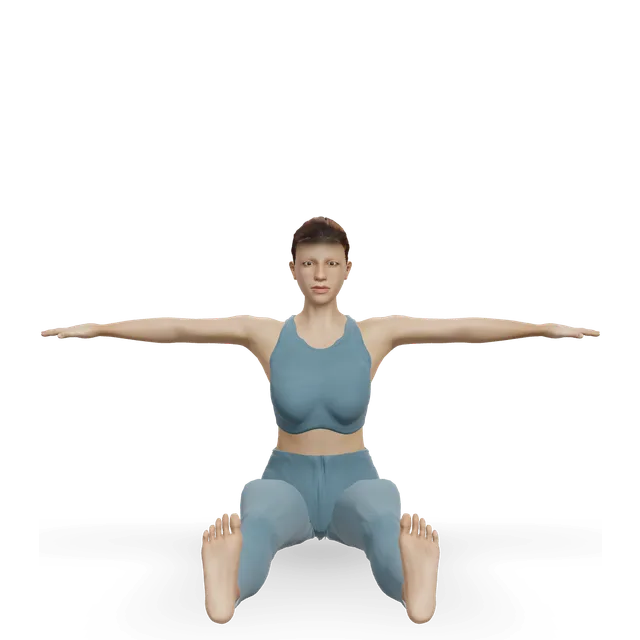
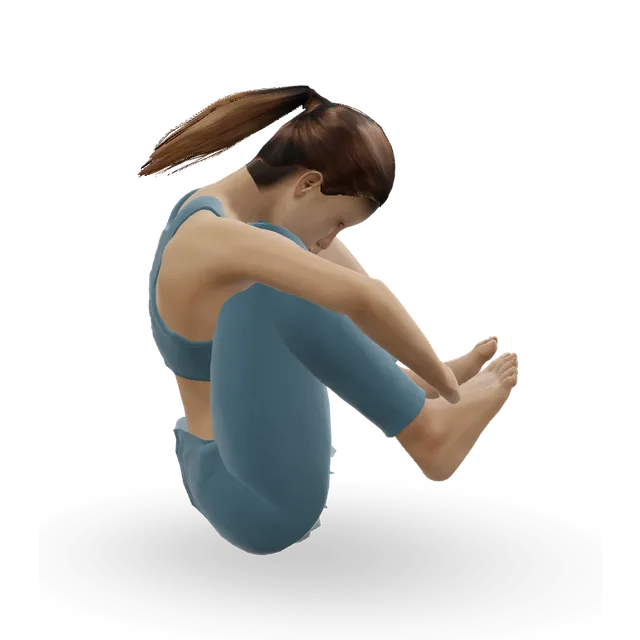
The hundred, dead bug, criss-cross and side planks for trunk endurance, the spine twist and saw for rotation, and bridges and swimming for the back of the body. Core training improved kick and strike tests in small trials, and trunk endurance most across sports.

Sources 7, 9, 71

Breathe and turn both ways

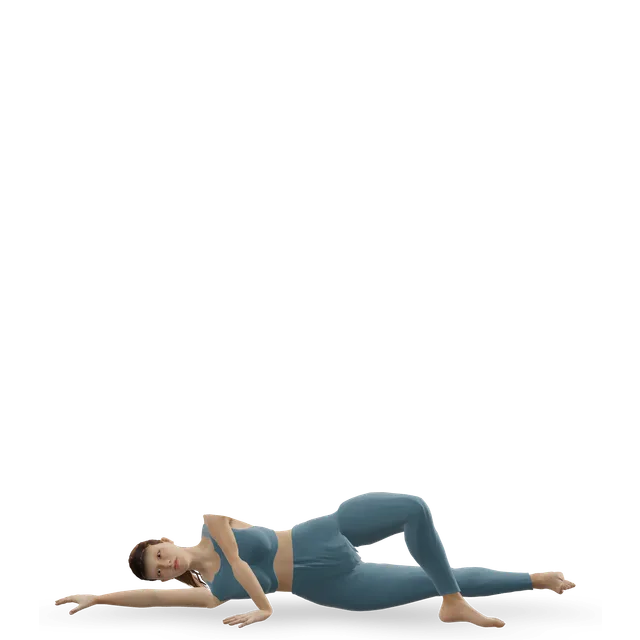
Lateral breathing, 5 to 8 breaths at the start of every session (the move page's dose); thoracic rotation, 6 rotations per side, moving with the breath (the move page's dose); side-lying open book, 8 to 10 slow openings each side, pausing 2 seconds at the end (the move page's dose); spine twist, 3 to 4 each side (the move page's dose); saw, 3 to 4 each side (the move page's dose), with a small reach after a hamstring strain, as its page says.

Trunk

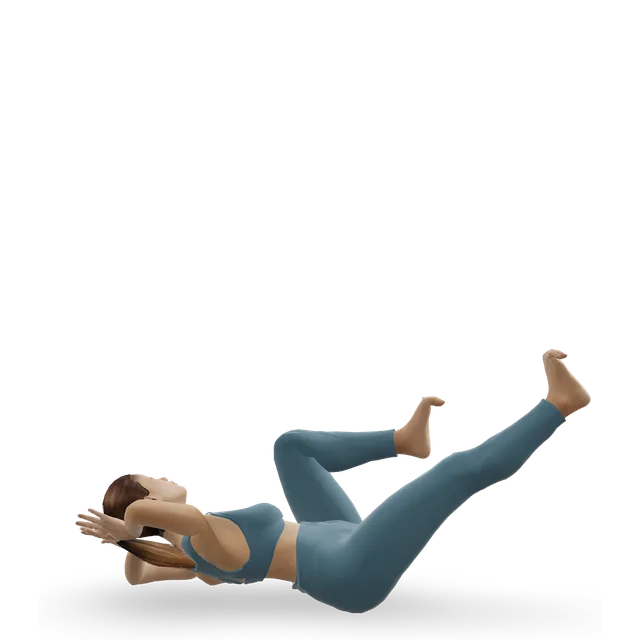
Hundred, 50 beats to start, building to 100 (the move page's dose); dead bug, 2 sets of 8 each side (our Pilates for boxers class); criss-cross, 6 each side, slowly (the move page's dose); knee side plank, 2 holds of 20 seconds each side (our Pilates for boxers class), then side plank, 2 sets of 20 to 30 seconds each side (our Pilates for athletes class).

The kicking leg: the side kick series

Side kick, 8 to 10 each side (the move page's dose), lifting no higher than you can hold; side-lying leg circles, 8 each direction, each side (the move page's dose); inner thigh lift, 10 to 12 each side (the move page's dose), starting small after a groin strain, as its page says; clamshell, 10 each side (our Pilates for boxers class); wall side leg lift, 10 to 12 each side (the move page's dose), the standing version.

Hips you control

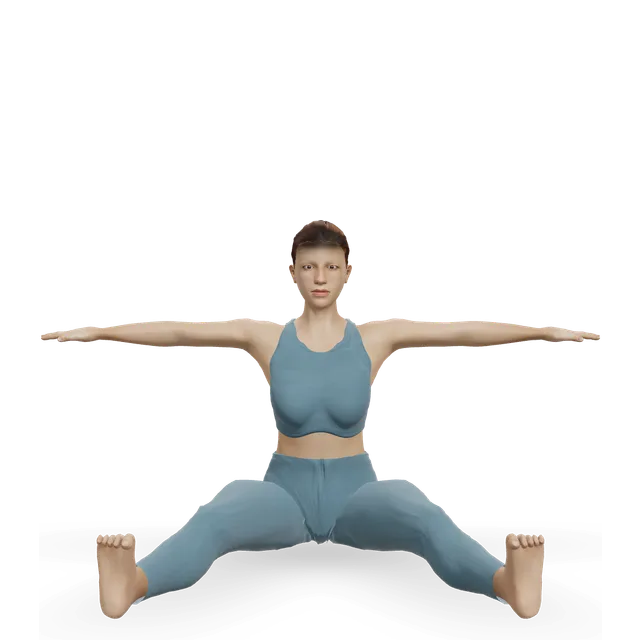
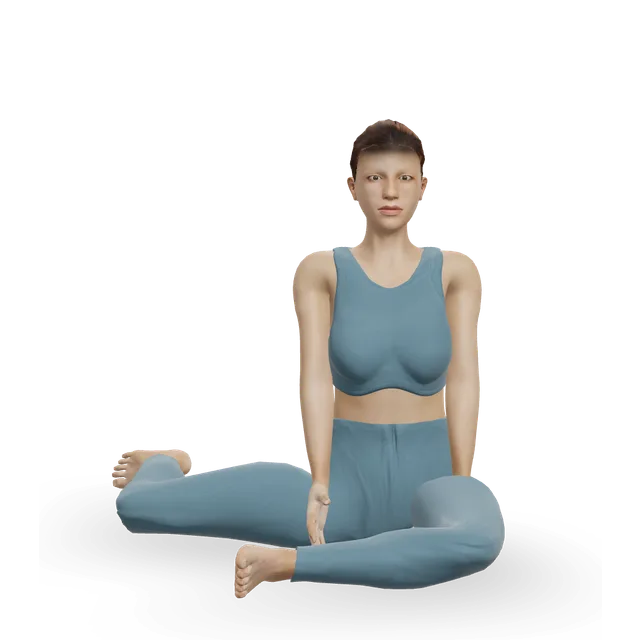
Standing hip CARs, 3 slow circles each way with each leg, 20 to 30 seconds a circle (the move page's dose), stopping at a pinch, as its page says; 90/90 switch, 10 slow switches, pause at the ends (the move page's dose); single-leg circle, 5 circles each direction, each leg (the move page's dose), kept small, stopping if you feel groin pain, as its page says.

Bridge and the back

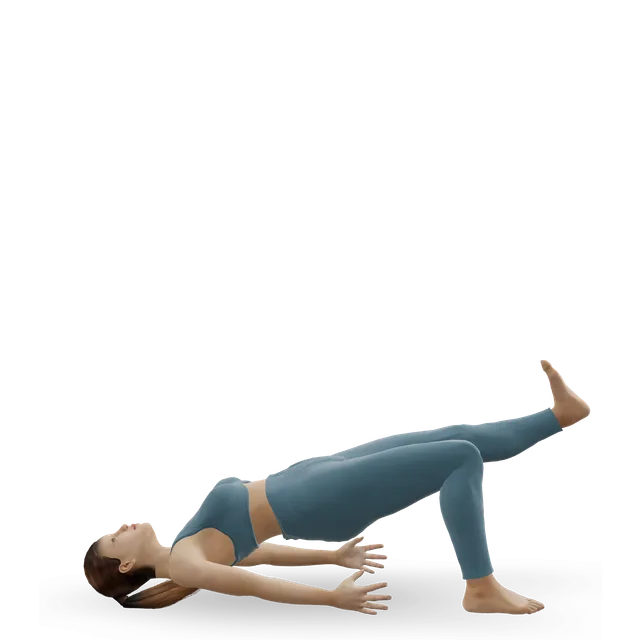
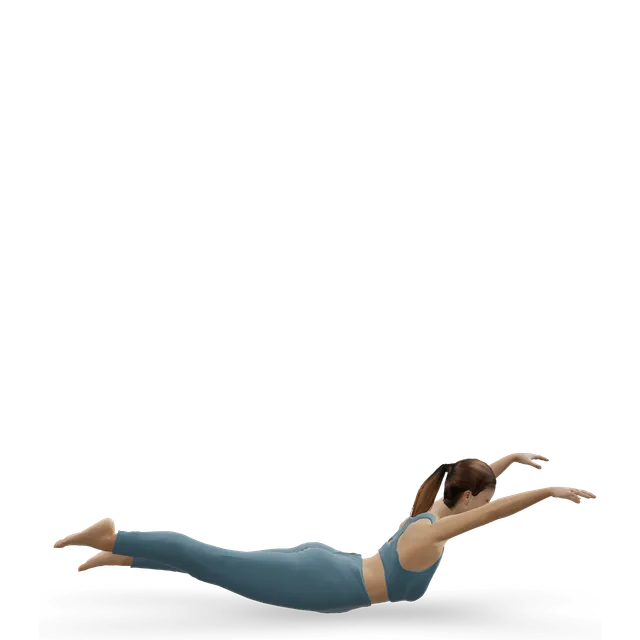
Shoulder bridge, 3 to 5 kicks each leg (the move page's dose); bird dog, 2 sets of 6 each side with 5-second holds (our Pilates for footballers class); swimming, 2 sets of 20 seconds of small, brisk flutters (our Pilates for boxers class).

Neck and shoulder blades

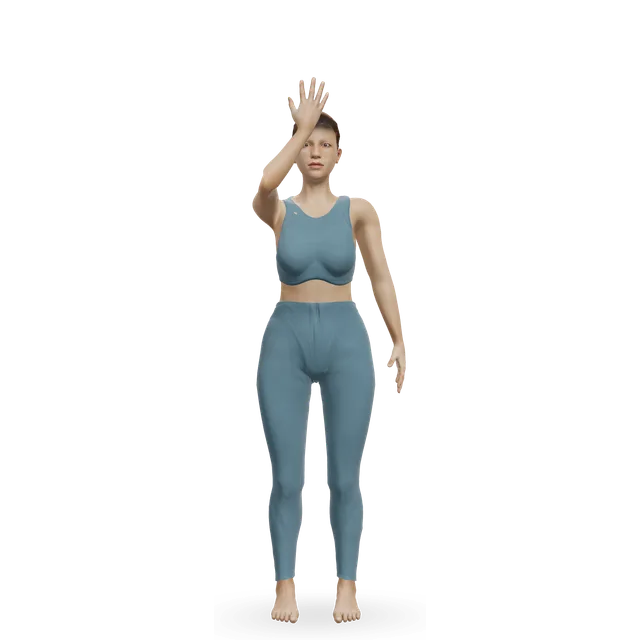
Chin tuck, 8 slow reps with 3- to 5-second holds (our Pilates for boxers class); Y-T-W raises, 5 of each shape (our Pilates for boxers class); band turn-outs, 10 each arm (our Pilates for boxers class); isometric neck holds, 3 holds of 10 seconds each direction at moderate effort (our martial arts strength workout), only with no neck pain. Neck holds build neck strength, which hasn't been shown to prevent concussion.

The standing leg, then breathe

Single-leg stand, 2 sets of 30 seconds each leg, eyes closed once it's easy (our Pilates for boxers class); hip airplane, 2 sets of 5 slow turns each leg (the move page's dose); slow breathing, 3 minutes, in for about 4 and out for about 6, with no holds (our Pilates for boxers class).

What to change or leave out

After a choke, a neck crank or a head knock, or with neck pain

Leave out anything that puts weight on the head or neck or takes the legs overhead (roll-over, jack knife, control balance, boomerang) and rolling moves, as our Pilates after concussion guide lists them; the roll-over's page already says not to do it with a neck problem. Leave out the neck holds and chin tucks after a neck injury until you're cleared, and follow your governing body's protocol before any head-low moves.

Sources 65, 16

Rolling like a ball as breakfall practice

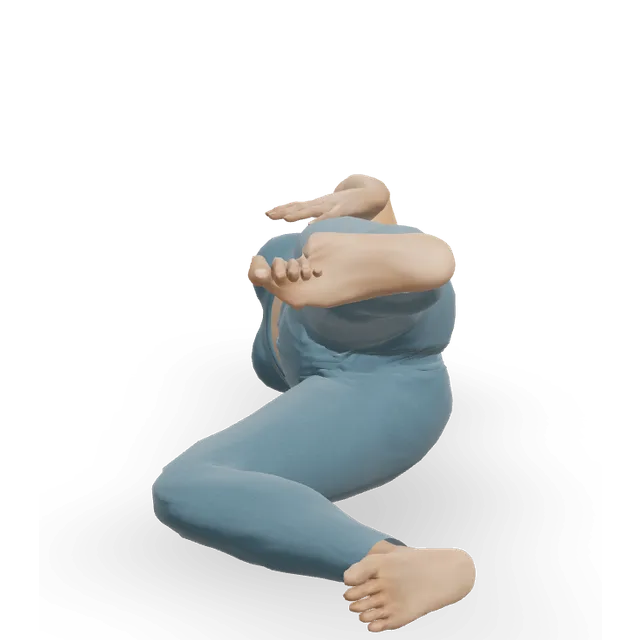
Our martial arts warm-up uses rolling like a ball to practise the chin tuck of a backward breakfall. Keep it on a padded mat and out of the week after a head knock, and leave it out with osteoporosis or a sore neck, as its page says.

Forced splits and end-range holds

Lift the leg only as high as it can hold itself, and work in the middle of your range in the single-leg circle and saw if you're very flexible, as their pages say. Long static holds go after training, not before sparring.

Sources 53, 72

A pinch deep in the hip crease

With a pinch, or a known impingement or labral tear, skip deep hip bending with the thigh turned in or across your body, keep the hip circles short of the pinch, as their page says, and see our Pilates for a hip labral tear guide (our suggestion).

Sources 8, 49

A hamstring strain from kicking

Keep the reach small in the saw and spine stretch forward, as their pages say, and follow our hamstring strain guide's stages before kicking again.

Taped fingers, or a wrist after a fall

Do planks and side planks on your forearms instead of your hands.

An elbow that was armbarred, or a shoulder that came out

Leave out moves that put weight on the arm near the end of its range (back leg pull, push-up, side bend) until a physiotherapist clears them, as our Pilates for boxers guide says for a loose shoulder.

Back pain that's worse arching

Keep the swan and swimming small or swap them for the bird dog, and get it checked.

Back pain that is worse arching back and has lasted more than a couple of weeks can be a stress fracture of the spine (spondylolysis): get it checked.

Source 73

Making weight

Our editorial advice: don't use hot Pilates or hot yoga classes, saunas or sweat suits to make weight. In any hot class, drink before and during, and stop at the first sign of dizziness, a headache or feeling sick; our hot yoga guide gives the NHS signs of heat exhaustion and heatstroke.

Sources 74, 75

Classes to follow

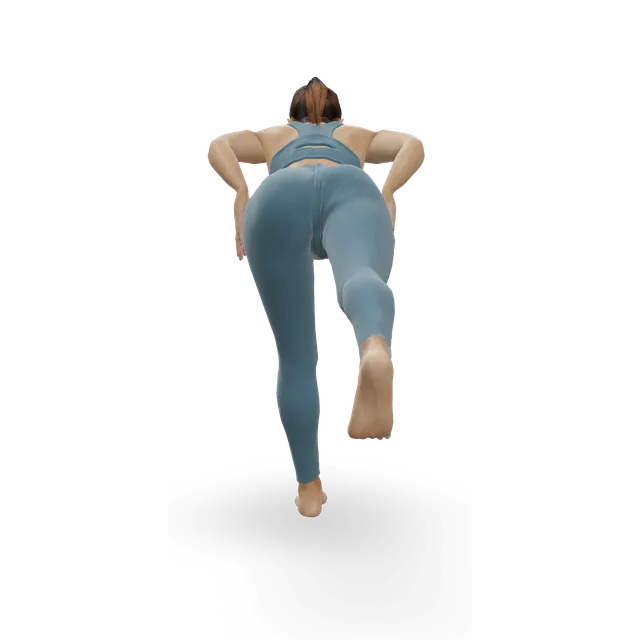
Our 25-minute kick-and-guard class works the kicking leg with the side kick series, hips you control, rotation, the trunk, bridges, and the neck and shoulder blades, with nothing on the head. Before training, use the martial arts warm-up with breakfalls, and keep the strength workout twice a week. The boxers class is the nearest other Pilates class, and the labral tear class suits a kicker with a pinch in the hip crease.

Kick-and-guard Pilates for martial arts: a 25-minute class for the kicking leg, hips you control, rotation, the trunk, the neck and shoulder blades, with nothing on the head

A 25-minute Pilates class for martial artists: the kicking leg, hips you control, rotation, trunk, bridges, and the neck and shoulder blades, with nothing on the head.

25 minBeginner19 movesBand, anchor point

Martial arts warm-up with breakfalls: run, fall, move, balance, strengthen

A 15-minute martial arts warm-up: easy running, forward rolls and breakfall practice, leg swings, balance and hops, crawls, squats, side planks and bridges.

15 minBeginner17 movesCardio machine, wall

Strength workout for martial arts: hips, grip, neck and shoulders

A 45-minute strength and power workout for BJJ, judo, karate, taekwondo and MMA: jumps, squats, single-leg work, pull-ups, carries, shoulders and trunk.

45 minIntermediate17 movesWall, band

Martial arts yoga: a 25-minute active-range class for hips, kicks, balance and breathing

Twenty-five minutes of yoga for martial artists: slow breathing, hip range you control, the kicking leg and one-leg balance, wrists and upper back, then rest.

25 minBeginner17 movesWall

Hands-free Pilates for boxers: a 25-minute class for rotation, shoulder blades, trunk and stance, with no weight on your knuckles

A 25-minute Pilates class for boxers with no weight on the hands: rotation both ways, shoulder blades and neck, trunk, hips and one-leg balance.

25 minBeginner20 movesBand, anchor point

Pinch-free Pilates for a hip labral tear or impingement: a 25-minute class for hip strength in every direction

A 25-minute Pilates class for a hip labral tear or hip impingement: hip strength in every direction and trunk control, with every bend kept short of the pinch.

25 minBeginner18 movesOther / check instructions, band

Pilates for neck pain: a 20-minute head-supported class

A 20-minute Pilates class for neck pain: head-supported core work, upper-back and shoulder-blade strength, gentle neck movement and slow breathing.

20 minBeginner15 movesWall

Head-up Pilates after a concussion: a 15-minute seated and standing class with a symptom check

A 15-minute head-up Pilates class for the early stages after a concussion: a symptom check, seated breathing and mobility, and light bodyweight work at a counter.

15 minBeginner12 movesBench or box, wall

New to Pilates?

The beginner Pilates plan builds the basics over 4 weeks, 3 days a week; fit it around training, on days without hard sparring.

When to stop and get help

This is general information, not a diagnosis. A&E means accident and emergency; in the US, call 911 for 999, and use your doctor's urgent line or urgent care for NHS 111.

Chest pain or fainting: call 999

Call 999 if:

  • You get sudden pain or discomfort in your chest that doesn't go away; it can feel like squeezing or pressure, burning or indigestion.
  • The pain spreads to your left or right arm, or your neck, jaw, stomach or back.
  • You have chest pain and feel sweaty, sick, light-headed or short of breath.
  • Someone faints while exercising, can't be woken within 1 minute, or has chest pain or a pounding, fluttering or irregular heartbeat.

Sources 76, 77

A head injury with red flags

The UK guidelines call these red flags, needing urgent assessment by a healthcare professional or at A&E (accident and emergency), by ambulance if necessary.

  • Any loss of consciousness, or getting drowsier
  • No memory of events before or after the injury
  • Increasing confusion or irritability, or unusual behaviour
  • New problems understanding, speaking, reading or writing, less feeling, loss of balance, weakness or double vision
  • A seizure, twitching limbs, or lying rigid or motionless
  • A severe or worsening headache, repeated vomiting or severe neck pain
  • A suspected skull fracture: a cut, bruise, swelling or severe pain where they were hit
  • Previous brain surgery, a bleeding disorder, blood-thinning medicine, or being drunk or on drugs at the time

Sources 16, 78

A suspected concussion

With a suspected concussion, if in doubt, sit them out. The UK's grassroots guidelines say no sport for at least 24 hours, get checked by a healthcare professional or NHS 111 within 24 hours, follow a staged return, and no competition before day 21; if symptoms last beyond 28 days, stay out of sport and see a doctor. Pilates waits too: gentle breathing and mobility fit the early, light-activity stages; bodyweight strength work can start in the light aerobic exercise stage, which allows "low intensity, body weight resistance training"; and springs, weights and harder trunk work come later (our reading). Our concussion guide has the stages.

Members of a governing body follow its current rules; everyone else follows these guidelines. Our concussion guide sets out each stage.

The NHS says to get help from NHS 111 if, after a head injury, you're being sick, feel dizzy, take medicine that thins your blood, were drinking alcohol or taking drugs at the time, or have any other symptoms you're worried about. See a GP if symptoms last more than 2 weeks, and don't play contact sports for at least 3 weeks.

Sources 16, 78, 13

After a choke: British Judo's warning signs

British Judo says any of these after a strangle needs immediate assessment by a healthcare professional, or A&E.

  • Increasingly restless or agitated, or less and less alert
  • New double vision
  • Neck pain or tenderness
  • A seizure
  • Tingling, pins and needles, or weakness in the arms or legs
  • Unconscious for more than a minute
  • Persistent vomiting or a worsening headache
  • More than one concussion or strangulation in 3 months, or a child

Source 65

A changed voice, noisy breathing or trouble swallowing after a choke

Go to A&E: British Judo lists voice box and airway injuries among the risks of strangulation.

Source 65

Signs of a stroke, even hours or days later: call 999

A face drooping on one side, an arm that can't be lifted and held, slurred or confused speech, sudden blurred or lost vision, sudden dizziness or a sudden, severe headache. The NHS says to call 999 even if the symptoms have stopped.

Source 79

Neck pain after a choke, a neck crank, a throw or a takedown

Call 999 or go to A&E: a headache that came on suddenly and is extremely painful; numbness or weakness in the face or body; a drooping face, or being unable to lift both arms and keep them up; difficulty speaking, swallowing, balancing, walking or remembering; double vision or loss of vision; drowsiness or confusion. A torn neck artery often starts with headache and neck pain, sometimes with dizziness or tingling, so head or neck pain unlike any you have had before needs checking.

Call 999 or go to A&E after a neck injury if the person is unresponsive, has severe neck pain or cannot move their head, has fallen from a height such as 5 or more stairs, or is drunk or has taken recreational drugs. Do not drive yourself. Being 65 or over, a dangerous fall or crash (from more than 1 metre or 5 stairs, diving, a high-speed or rollover crash, being thrown from a vehicle, a bicycle collision or an accident on a motorised recreational vehicle), or tingling in the arms or legs after an injury puts you at high risk of a broken neck: get checked.

Numbness, tingling, burning or weakness in both arms, in more than one limb, or in the legs: keep the player still and call 999. It can be an injury to the spinal cord, even if it passes in minutes.

Call 999 or go to A&E: new problems walking, loss of bladder or bowel control, or a sudden loss of coordination, such as difficulty doing up buttons. These can be signs of pressure on the spinal cord.

Sources 79, 80, 81

A joint that's out of place, locked or quickly swollen

An elbow that was forced straight and looks out of place, a shoulder that won't move, or a knee that locks or swells quickly needs A&E or urgent assessment. Don't try to put a joint back yourself.

Get advice from NHS 111 now: you cannot move the knee or put any weight on it, or it is very painful, badly swollen or has changed shape, or it locks, gives way or clicks painfully. A pop, quick swelling and a knee that gives way point to an ACL injury: our ACL injury guide says what to do.

Source 82

A shoulder that comes out

Call 999 or go to A&E: after a fall or injury, your shoulder looks out of place or has changed shape, you cannot move your arm, or your shoulder is painful, bruised or swollen. Do not drive yourself, and do not try to put it back in yourself.

Your shoulder has partly or fully come out of joint, or you worry it might.

Source 83

Back pain that's worse arching

Back pain that is worse arching back and has lasted more than a couple of weeks can be a stress fracture of the spine (spondylolysis): get it checked.

Source 73

Very flexible joints

If you're hypermobile, don't use mobility work to push further: the NHS says "do not overextend your joints just because you can". See a GP if you think you have joint hypermobility syndrome: for example, your joints keep dislocating, or you keep getting sprains, strains, pain or stiffness.

Sources 84, 72

During a weight cut, or in a hot room

Confusion, fainting, dark urine or passing very little urine: stop and get medical help.

Our editorial advice: don't use hot Pilates or hot yoga classes, saunas or sweat suits to make weight. In any hot class, drink before and during, and stop at the first sign of dizziness, a headache or feeling sick; our hot yoga guide gives the NHS signs of heat exhaustion and heatstroke.

Source 75

Unusual breathlessness

Call 999 or go to A&E (accident and emergency) straight away for severe difficulty breathing (gasping, choking or not able to get words out), a chest that feels tight or heavy, pain that spreads to your arms, back, neck and jaw, lips or skin turning very pale, blue or grey, or sudden confusion. If you're more short of breath than usual, or your heart is racing, fluttering or skipping beats, contact NHS 111.

Source 85

During a session

A joint pain that is sharp, gets worse during a session, lingers into the next day or changes how you move is a reason to use an easier version, and to see a GP or physiotherapist if it keeps happening (the rule in our plans).

Stop the session if

You feel any pain or become unwell, as the NHS advises for its Pilates videos, and especially for chest pain or pressure, unusual breathlessness, dizziness or fainting. If you have a health problem, an injury or any symptoms, get advice from a healthcare professional, such as a GP, before you start.

Source 86

Before you start

The NHS advises getting advice from a healthcare professional first if you have a health problem, an injury or symptoms, or have recently had a heart attack or an operation.

Source 86

Myths

"Pilates makes kicks higher on its own"Mixed evidence

In tai chi athletes, core training improved a jumping kick and flexibility training didn't, and the small Pilates studies in martial artists measured balance and fitness tests, not kicks. Range you can hold with the leg's own muscles, plus strength and power, is the honest aim.

Sources 7, 2, 3

"Flexible muscles don't get strained"Mixed evidence

Stretching programmes didn't prevent sports injuries, and very flexible athletes had more shoulder injuries.

Sources 42, 84

"Pilates gives you more oxygen in a fight"Mixed evidence

Slow breathing changes heart rate variability, but it hasn't been shown to improve performance or recovery in athletes.

Sources 87, 88

"Neck strength prevents concussion"Mixed evidence

Neck holds build neck strength, but that hasn't been shown to prevent concussion, as our martial arts strength workout says, and a stronger neck is only weakly linked with good breakfalls.

Source 12

"A hot Pilates class helps make weight"Strong evidence

Rapid weight loss is strongly linked with injury in taekwondo athletes, and our yoga for martial arts guide describes deaths after extreme weight cutting with heat and dehydration. Our editorial advice is no hot classes, saunas or sweat suits to make weight.

Sources 74, 75

"A strong core prevents all injuries"Strong evidence

Firm evidence that a weak core causes injuries is lacking; the programmes that cut injuries trained strength and balance, and stretching didn't help.

Sources 43, 42

"You need a reformer for real Pilates"Mixed evidence

In the one trial that compared them in athletes (footballers), both mat and reformer Pilates improved tests, the reformer slightly more on three. Use what you can get to.

Source 89

"Pilates flushes out lactic acid and speeds recovery"Mixed evidence

The claim appears on a Pilates body's own blog, but 4 weeks of gentle mat Pilates didn't change lactate in active women, and daily slow breathing added nothing to recovery after hard interval training.

Sources 90, 91, 88

Questions people ask

Is Pilates good for martial arts?

It can add rotation both ways, trunk endurance, hip control for kicks, bridges for ground work and shoulder-blade work for grappling, at low load after training. The Pilates studies in martial artists are few and small: in the karate trial plyometrics did better, another trial can't be relied on, and none counted injuries.

Will Pilates help me kick higher?

Not on its own. In tai chi athletes, flexibility training raised sit and reach without improving a jumping kick, while core training improved it. Range you can hold with the leg's own muscles, plus strength and power, is the honest aim.

Is Pilates good for BJJ?

Bridges, hip control, trunk endurance and shoulder-blade work suit guard work and escapes. No Pilates trial in BJJ exists; knees and shoulders lead BJJ injuries, mostly in sparring, so the strength workout and good sparring habits matter more.

Is Pilates or yoga better for BJJ and Muay Thai?

Neither has been tested in these sports. Pilates leans towards trunk endurance and control, yoga towards range and relaxation; our yoga for martial arts guide covers yoga.

Is Pilates good for judo?

It can help the trunk, hips and shoulder blades, and judo's commonest injury sites are the knee, shoulder and elbow, with the lower back. Breakfall coaching protects the head and neck in throws, and Pilates doesn't replace it.

Is Pilates good for karate and taekwondo?

The side kick series and one-leg balance suit kicking styles; hip pain is common in karate practitioners, and the hamstrings took most muscle injuries in elite taekwondo. One small karate trial found plyometrics improved balance and core tests more than Pilates.

Is Pilates good for MMA fighters?

As a recovery-day session for the trunk, hips and shoulders, yes; it isn't fight conditioning. MMA has the highest competition injury rates, mostly to the head, so the concussion rules come first.

What are the best Pilates core exercises for martial arts?

The hundred, dead bug, criss-cross and side planks for trunk endurance, the spine twist and saw for rotation, and bridges and swimming for the back of the body. Core training improved kick and strike tests in small trials.

Can Pilates prevent martial arts injuries?

It hasn't been tested. Rule changes cut injuries in karate and taekwondo, breakfall skill protects the head, and even the judo and taekwondo warm-up programmes didn't significantly cut injuries in trials.

When can I do Pilates after a head knock or being choked out?

When your governing body's protocol or the UK guidelines allow it: breathing and gentle mobility first, then head-up bodyweight work, and nothing rolling or upside down until you're cleared. British Judo sets a minimum of 19 to 24 days, depending on age.

Is hot Pilates a good way to make weight?

No. Our editorial advice is no hot classes, saunas or sweat suits to make weight: rapid weight loss is linked with injury in taekwondo, and deaths have followed extreme weight cuts.

When should martial artists do Pilates?

Once or twice a week, after training or on a day without hard sparring, not in the hour before sparring (our suggestion). Before training, use the martial arts warm-up with breakfalls.

Sources

  1. PubMed, Europe PMC and ClinicalTrials.gov · Our searches for Pilates and core training trials in martial artists (November 2026)
  2. Pal 2021 · Plyometrics or Pilates for balance and core strength in 120 karate players (trial, J Clin Diagn Res; abstract only)
  3. Xinwei 2023 · Pilates and balance in 60 martial arts students (trial with impossible statistics, Rev Bras Med Esporte; read in full)
  4. Lystad 2014 · Injuries in mixed martial arts (systematic review and meta-analysis, Orthop J Sports Med; read in full)
  5. Lystad 2015 · Injuries to kickboxing contestants over 15 years (cohort study, Orthop J Sports Med; read in full)
  6. Stegerhoek 2025 · Injuries in 881 Brazilian jiu-jitsu practitioners (cross-sectional study, BMJ Open Sport Exerc Med; read in full)
  7. Li 2025 · Core or flexibility training and the jumping lotus kick in 39 tai chi athletes (randomised trial, PLoS One; read in full)
  8. Mack 2022 · Hip pain in 180 adult karate practitioners (survey, Arthrosc Sports Med Rehabil; read in full)
  9. Kabadayı 2022 · Core training in 29 youth karate athletes (controlled study, Int J Environ Res Public Health; read in full)
  10. Lee 2017 · Core training and strikes in 12 Muay Thai athletes (study, J Sports Sci)
  11. Cid-Calfucura 2023 · Strength training in Olympic combat sport athletes: 20 studies (systematic review, Int J Environ Res Public Health; read in full)
  12. Lockhart 2022 · Breakfall technique and injury in judo (systematic review, Int J Environ Res Public Health; read in full)
  13. British Judo · Concussion and strangulation advice sheet, with the judo concussion and strangulation protocol (2025; read in full)
  14. British Taekwondo · Member health and safety update (May 2023; read in full)
  15. World Karate Federation · Medical rules (January 2026; read in full)
  16. UK Government and Sport and Recreation Alliance · UK concussion guidelines for non-elite (grassroots) sport (November 2024 update; read in full)
  17. Lystad 2009 · Injuries in competition taekwondo (meta-analysis, J Sci Med Sport)
  18. Lystad 2020 · Injuries in Olympic-style karate competitions (systematic review and meta-analysis, Br J Sports Med)
  19. Scoggin 2014 · Injuries during Brazilian jiu-jitsu competition (study, Orthop J Sports Med; read in full)
  20. Bromley 2018 · Injury and illness in Olympic combat sports: prospective studies (systematic review, Br J Sports Med)
  21. Błach 2021 · Judo injuries in Europe's top-level competitions, 2005 to 2020 (study, J Clin Med; read in full)
  22. Pocecco 2013 · Injuries in judo (systematic review, Br J Sports Med)
  23. Hinz 2021 · Injuries in 1,140 Brazilian jiu-jitsu athletes (cross-sectional survey, Orthop J Sports Med; read in full)
  24. Piekarski 2026 · Knee injuries in competitive Brazilian jiu-jitsu athletes (study, Sports Health)

  25. Zetaruk 2005 · Injuries in five martial arts styles (study, Br J Sports Med)
  26. Rüther 2021 · Muscle injuries in elite taekwondo athletes over five years (cohort study, Sportverletz Sportschaden, in German; an erratum exists that we couldn't read)
  27. Garcia-Isidoro 2021 · Injuries in judo, karate and wushu in Madrid (longitudinal study, J Sports Med Phys Fitness)
  28. Madireddy 2023 · Children's martial arts injuries in US emergency departments, 2004 to 2021 (database study, Am J Sports Med)
  29. Pinto 2022 · Is Pilates better than other exercise for strength? 11 trials (systematic review, Heliyon; read in full)
  30. Lim 2024 · Pilates or yoga and balance in 20 fencers (trial, Life; read in full)
  31. Dehnou 2020 · Four weeks of core training in 20 junior Greco-Roman wrestlers (randomised trial, J Back Musculoskelet Rehabil)
  32. Zhang 2025 · Core strength training and skills in striking combat sports: 8 studies (systematic review, PeerJ; read in full)
  33. Marotta 2026 · Core training in judo athletes: 7 studies (systematic review, J Clin Med; read in full)
  34. Aliyev 2026 · Core stability and injuries in 60 elite wrestlers over 6 months (cohort study, Orthop J Sports Med; read in full)
  35. Zago 2025 · Mobilisation or exercise for low back pain in 45 karate fighters (randomised trial, J Bodyw Mov Ther)
  36. von Gerhardt 2023 · The IPPON judo injury prevention programme in 269 recreational judokas (cluster randomised trial, Br J Sports Med)
  37. von Gerhardt 2020 · Developing the IPPON injury prevention programme for judo (development study, BMJ Open Sport Exerc Med; read in full)
  38. Kim 2026 · A structured injury prevention programme in 362 elite young taekwondo athletes (study, Phys Ther Sport)
  39. Arriaza 2009 · New rules and fewer injuries at karate world championships (study, Knee Surg Sports Traumatol Arthrosc)
  40. Jeong 2025 · Rule changes and injuries at World Taekwondo Championships (study, BMJ Open Sport Exerc Med; read in full)
  41. Štyriak 2023 · Protective measures and rules and injuries in combat sports: 7 studies (scoping review, J Funct Morphol Kinesiol; read in full)
  42. Lauersen 2014 · Exercise programmes to prevent sports injuries: 25 trials, 26,610 people (systematic review and meta-analysis, Br J Sports Med)
  43. Huxel Bliven 2013 · Core stability training for injury prevention (review, Sports Health)
  44. Mousavi 2023 · Mindfulness in 30 male wrestlers (randomised trial, Healthcare; read in full)
  45. Mehrsafar 2019 · Mindfulness in 26 elite wushu athletes (pilot randomised trial, Physiol Behav)
  46. Toloraya 2026 · One week of breathing biofeedback in 40 martial artists (trial, Sports; read in full)
  47. Kim 2010 · Target distance and the taekwondo roundhouse kick (biomechanics study, Sports Biomech)
  48. Razm 2026 · Leg kicks across combat sports: stance, hip rotation and injury risk (narrative review, Healthcare; read in full)
  49. Saks 2022 · Hip keyhole surgery findings in athletes from flexibility sports (cohort study, Am J Sports Med)
  50. Mariconda 2014 · Hip impingement signs on X-ray in 24 capoeira players (study, Knee Surg Sports Traumatol Arthrosc)
  51. Norjali Wazir 2019 · What separates elite taekwondo athletes (study, PLoS One; read in full)
  52. Przybylski 2021 · Body and fitness traits and Shotokan karate performance (study, Int J Environ Res Public Health; read in full)
  53. Alemdaroğlu 2017 · Stretching and sprint performance in taekwondo practitioners (study, J Sports Med Phys Fitness)
  54. Yabe 2020 · Low back pain in school-aged judo, kendo and karate athletes in Japan (study, Tohoku J Exp Med)
  55. Błach 2020 · Low back pain in 100 Kyokushin karate practitioners (study, Medicina; read in full)
  56. Tak 2020 · Hip and spine flexibility in judokas with low back pain (case-control study, Phys Ther Sport)
  57. Akoto 2018 · Severe injuries in judo (cross-sectional survey, Br J Sports Med)
  58. Tawfik 2020 · Spine stress fractures (pars defects) in athletes (systematic review, Global Spine J; read in full)
  59. Kamitani 2013 · Catastrophic head and neck injuries in judo in Japan, 2003 to 2010 (study, Am J Sports Med)
  60. Lota 2022 · Head rotation and brain injury in combat sports (systematic review, Br Med Bull; read in full)
  61. Murayama 2020 · Breakfalls and head acceleration in a judo throw (study, Neurol Med Chir; read in full)
  62. Koshida 2017 · Breakfall movement in a judo throw (study, J Sports Sci)
  63. Kasicki 2026 · Shoulder injuries in judo: 11 studies (systematic review, J Clin Med; read in full)
  64. Frey 2019 · Judo injuries in 21 seasons of French competitions (study, Orthop J Sports Med; read in full)
  65. British Judo · Traumatic brain injury management policy: head injury and strangulation (reviewed October 2025; read in full)
  66. Hyler 2026 · Head and neck blood vessel injuries in martial arts (scoping review, J Clin Neurosci)
  67. Spano 2019 · Concussion in 778 Brazilian jiu-jitsu practitioners (cross-sectional study, Sports; read in full)
  68. British Judo · Amendments to the IJF contest rules (effective 6 July 2026; read in full)
  69. International Judo Federation · Sport and organisation rules (August 2026; read in full)
  70. British Taekwondo · Health and safety page and member health and safety guidelines (read in full)
  71. Saeterbakken 2022 · Trunk training in athletes: 31 studies, 693 athletes (systematic review and meta-analysis, Sports Med; read in full)
  72. NHS · Joint hypermobility syndrome (past its review date: reviewed August 2023, review due August 2026)
  73. NHS · Back pain
  74. Hu 2026 · Training load and injury in taekwondo (systematic review, BMC Sports Sci Med Rehabil; read in full)
  75. NHS · Heat exhaustion and heatstroke
  76. NHS · Chest pain (past its review date: reviewed August 2023, review due August 2026)
  77. NHS · Fainting
  78. NHS · Head injury and concussion
  79. NHS · Symptoms of a stroke
  80. NHS · Neck pain (past its review date: reviewed April 2023, review due April 2026)
  81. NHS · Paralysis (past its review date: reviewed July 2023, review due July 2026)
  82. NHS · Knee pain
  83. NHS · Dislocated shoulder
  84. Liaghat 2021 · Joint hypermobility and shoulder injuries in athletes: 6 studies, 2,335 athletes (systematic review and meta-analysis, BMC Musculoskelet Disord)
  85. NHS · Shortness of breath
  86. NHS · Pilates for beginners (exercise video, with safety information)
  87. Laborde 2022 · Slow breathing and heart rate variability: 223 studies (systematic review and meta-analysis, Neurosci Biobehav Rev)
  88. Raidl 2026 · Slow breathing as recovery after sprint interval training (randomised trial, Int J Sports Physiol Perform)
  89. Yılmaz 2025 · Mat or reformer Pilates in 30 football players (randomised trial, PLoS One; read in full)
  90. Pilates Method Alliance · Why athletes love Pilates (blog; an example of untested claims; read in full)
  91. Moon 2022 · Low-intensity mat Pilates, aerobic capacity and recovery in adults (study, Phys Act Nutr)

Exercise education, not a personal prescription, and clinical review of these guides is pending. If you are pregnant, have a health condition or have had recent surgery, check with a doctor, midwife or physiotherapist before starting, and stop for sharp or increasing pain. Health disclaimer.