Pilates
Supported Pilates for cerebral palsy: a 25-minute class lying, sitting and standing with a chair, for trunk control and balance
A 25-minute adapted Pilates class for children and adults with cerebral palsy (CP), built from the moves used in a Pilates trial in children. It works lying down, on your side and front, sitting, and standing with a chair, for trunk control and balance. If you use a wheelchair or can't get to the floor, the sitting block works on its own. It doesn't treat CP, and it doesn't replace physiotherapy or your CP team's plan. Its structure is our own and untested.
Breathe (about 2 minutes)
- Beginner · Abs · 3D demoLying with knees bent, or sitting tall; hands on your ribs, breathe into themHarder: Roll-up (Pilates)

Lying: trunk control (about 7 minutes; seated option: the sitting block only)
- Glute bridge5 to 10Beginner · Glutes, Hamstrings, Abs · 3D demoLift only as high as is comfortable; a helper can steady the kneesEasier: Pelvic tilt into bridgeHarder: Single-leg glute bridge
- Dead bug heel taps5 to 10 each sideBeginner · Abs, Hip flexors · 3D demoKnees up and bent; tap one heel down, back stillEasier: Bent-knee fall-outHarder: Forearm plank
- Single-leg circle (Pilates one leg circle)5 small circles each way, each legBeginner · Abs, Hip flexors, Adductors · 3D demoOther knee bent; a helper can support the legHarder: Corkscrew (Pilates)
- Hundred (Pilates)30 to 50 beatsIntermediate · Abs, Hip flexors, Shoulders · 3D demoHead down, knees bent; pump the arms and count out loudEasier: Wall hundred (wall Pilates)Harder: Boomerang (Pilates)




On your side and front (about 5 minutes)
- Clamshell5 to 10 each sideBeginner · Hip abductors, Glutes · 3D demoHead on a pillow, feet togetherEasier: Supine isometric hip abduction (belt press)Harder: Lateral band walk
- Side kick (Pilates side kick series)6 to 8 each sideBeginner · Hip flexors, Glutes, Hip abductors · 3D demoBottom knee bent for balance; small swingsHarder: Side-lying leg circles (Pilates side kick series)
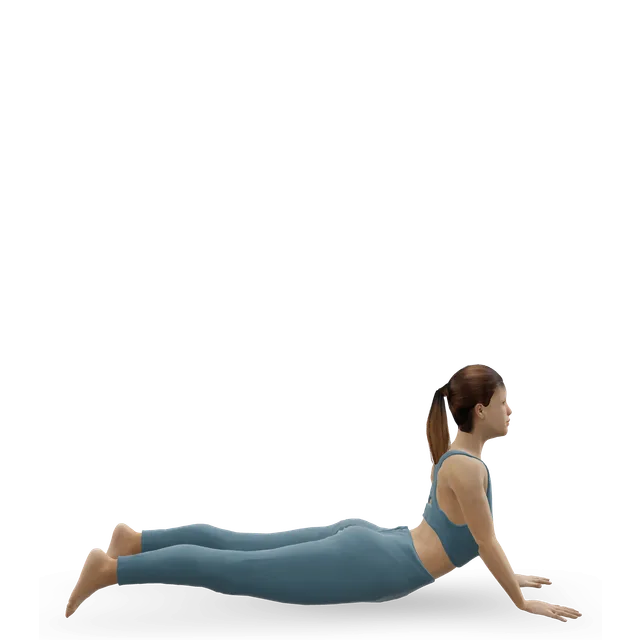
- Swan (Pilates swan dive)5 small liftsIntermediate · Back, Glutes, Triceps · 3D demoArms by your sides, looking at the matEasier: Mermaid (Pilates seated side bend)Harder: Double-leg kick (Pilates double kick)


Sitting tall (about 5 minutes; everyone)
- Seated march1 minBeginner · Hip flexors, Quads, Abs · 3D demoHold the sides of the seat; brakes on in a wheelchairHarder: Standing march
- Thoracic rotation5 each side, 5 s holdBeginner · 3D demoArms crossed on your chest; turn only as far as is comfortableEasier: Side-lying open bookHarder: World's greatest stretch
- Seated upper-back lift (sit tall, shoulders back)5 holds of 3 to 5 sBeginner · Back, Shoulders, Neck · 3D demoSit tall, draw your shoulder blades back and lift your breastboneEasier: Elbows backHarder: Prone Y-T-W raises



Standing with a chair (about 5 minutes; for people who stand)
- Beginner · Quads, Glutes, Hamstrings · 3D demoPush on your thighs or the chair arms at firstEasier: Sit to stand, pushing on the thighsHarder: Bodyweight squat
- Sit squat (partial squat)5 to 8 shallowBeginner · Quads, Glutes, Hamstrings · 3D demoBack near a wall, knees over your feetHarder: Bodyweight squat
- Semi-tandem stance2 holds of 10 s each sideBeginner · Calves, Hip abductors · 3D demoOne hand on the counter or chair backHarder: Tandem stance and heel-to-toe walk
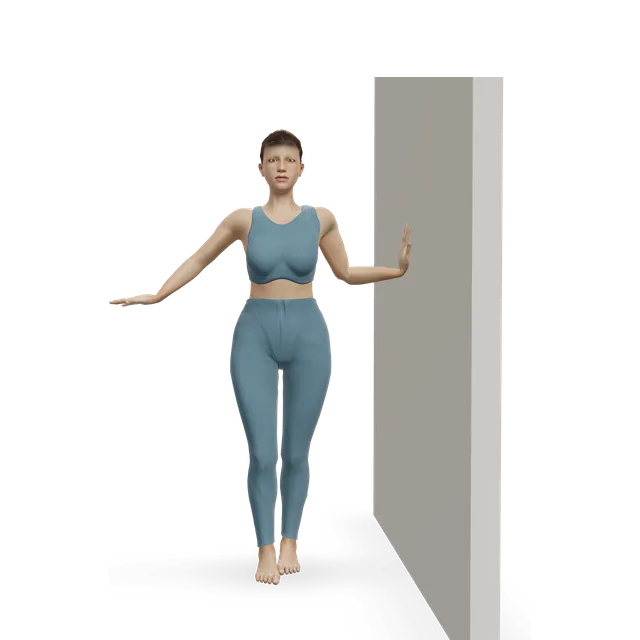
- Side-stepping (sideways walking)10 steps each wayBeginner · Hip abductors, Glutes, Adductors · 3D demoNext to a counterHarder: Lateral band walk


Finish (about 1 minute)
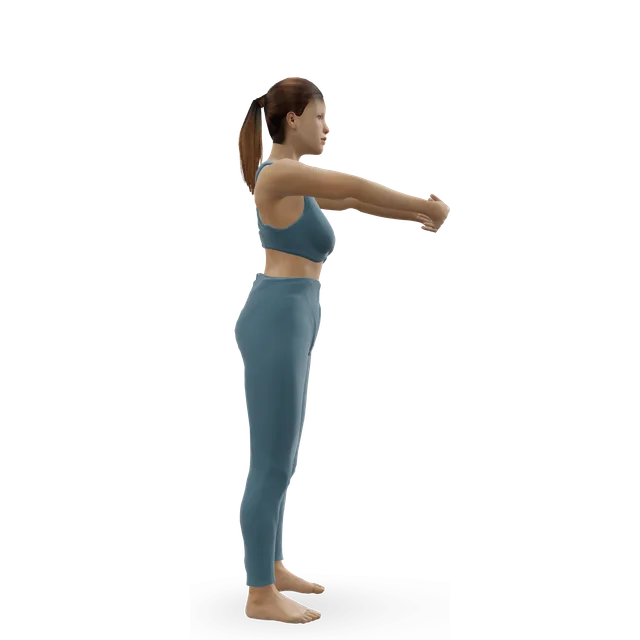
- Breath reach5 breaths, exhale longer than inhaleBeginner · 3D demoSitting or standing, arms only as high as is comfortableHarder: Slow breathing (6 breaths a minute)

Tips
- Check with your physiotherapist or your child's team first, and fit this around the programme they set (our suggestion).
- Do it 2 or 3 times a week, alongside the cerebral palsy strength workout and everyday activity or sport; the Pilates trials ran 2 or 3 sessions a week for 4 to 12 weeks.
- Start with fewer repetitions for the first few weeks and build up, as the exercise recommendations for people with CP suggest.
- Stop if something hurts sharply, or for chest pain, dizziness or unusual breathlessness, and take off a splint that causes pain that doesn't ease after adjusting it.
- New or worse pain, walking getting harder, or a child's hip pain or a change in sitting or walking: tell the GP or CP team.
- With epilepsy, keep your breathing steady and have the seizure plan to hand.
- For children: keep it playful, with an adult close by, and let them help choose the moves (our suggestion).
The doses are suggested starting points, not a prescription. Choose a range you can control and stop for sharp or increasing pain, numbness or tingling. Get individual advice after an injury or surgery, or if you are pregnant or managing a health condition.
Guides that recommend it
Find more moves like these
More pilates


Beginner Pilates workout
A 20-minute mat Pilates workout for complete beginners. It covers breathing, spine position and the foundation moves, each with an easier option.
20 minBeginner13 movesNo equipment

10-minute Pilates abs
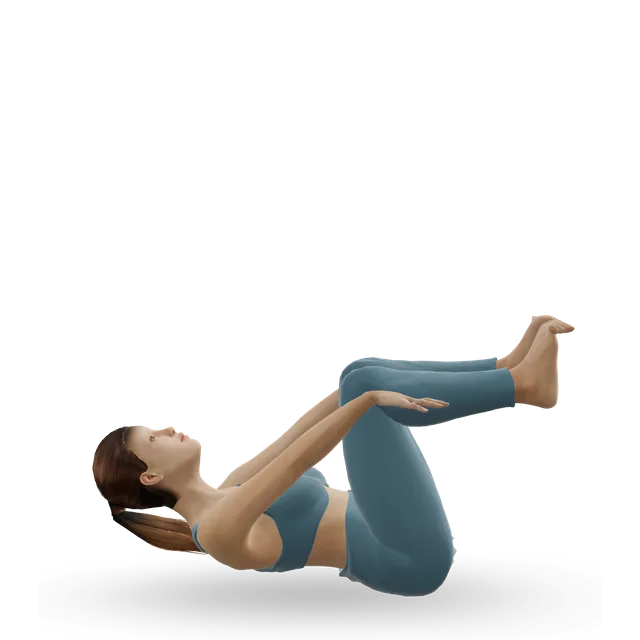
Ten minutes of the classic Pilates abdominal series: the hundred, the roll-up and the series of five, with a plank to finish.
10 minIntermediate11 movesNo equipmentFull-body mat Pilates workout
A 30-minute intermediate mat Pilates class that follows the classical order, from the hundred to the push-up, with prep versions of the hardest moves.
30 minIntermediate22 movesNo equipmentQuestions people ask
How long does the supported pilates for cerebral palsy: a 25-minute class lying, sitting and standing with a chair, for trunk control and balance take?
About 25 minutes, including any warm-up and cool-down listed. Shorten it by doing fewer rounds; lengthen it by adding one.
What equipment do I need?
You need: A bench or box, A wall. Each move links to its guide, where you can find an alternative if you are missing something.
Is it suitable for beginners?
It is written for beginners. 8 of its 16 moves have an easier option listed beside them if you need one.
How do I make it easier or harder?
Use the easier or harder option listed under each move, change the number of rounds, or adjust the rest. Progress one change at a time.