Pilates
Buddy Pilates for Down syndrome: a 25-minute class for trunk control, balance and strength, with nothing on the head or neck
A 25-minute class in the same order every time: breathe, lying moves, side and all fours, sitting, standing with a chair and wall, then a calm finish. Do it with a buddy who does every move too, and look at the moves on the 3D figure first. The moves come from the one Pilates trial in children with Down syndrome, done slowly and smoothly, with joints in the middle of their range, the head down throughout and nothing that puts weight on the head or neck. You need a mat, a firm chair against a wall, and a counter or wall to hold. No trial has tested this class: the structure is our editorial choice. It sits beside strength training and other activity, not instead of them.
Breathe (about 2 minutes)
- Beginner · Abs · 3D demoLie with your knees bent, next to your buddy. Hands on your ribs; breathe in and feel them widen. No holding your breathHarder: Roll-up (Pilates)

Lying (about 7 minutes)
- Glute bridge10, holding each for 5 sBeginner · Glutes, Hamstrings, Abs · 3D demoKnees in line with your feet; your buddy counts to 5 with youEasier: Pelvic tilt into bridgeHarder: Single-leg glute bridge
- Dead bug heel taps5 to 10 each sideBeginner · Abs, Hip flexors · 3D demoKnees up and bent; tap one heel down, back stillEasier: Bent-knee fall-outHarder: Forearm plank
- Single-leg circle (Pilates one leg circle)5 small circles each way, each legBeginner · Abs, Hip flexors, Adductors · 3D demoOther knee bent. Small circles, no swingingHarder: Corkscrew (Pilates)
- Hundred (Pilates)30 to 50 beatsIntermediate · Abs, Hip flexors, Shoulders · 3D demoHead down, knees bent; pump your arms and count out loud togetherEasier: Wall hundred (wall Pilates)Harder: Boomerang (Pilates)




Side and all fours (about 5 minutes)
- Side kick (Pilates side kick series)6 to 8 each sideBeginner · Hip flexors, Glutes, Hip abductors · 3D demoBottom knee bent, head on your arm; small swingsHarder: Side-lying leg circles (Pilates side kick series)
- Clamshell8 each sideBeginner · Hip abductors, Glutes · 3D demoFeet together; open the top knee only as far as your hips stay stillEasier: Supine isometric hip abduction (belt press)Harder: Lateral band walk
- Bird dog, one limb at a time5 each arm and leg, 3 s holdBeginner · Abs, Back, Glutes · 3D demoOne arm or one leg at a time. Reach long, not high. Elbows softEasier: Side-lying tummy draw-inHarder: Bird dog



Sitting (about 2 minutes)
- Thoracic rotation6 rotations per side, moving with the breathBeginner · 3D demoSit on a chair, arms crossed; turn slowly with your hips still (the demo shows it standing)Easier: Side-lying open bookHarder: World's greatest stretch

Standing with a chair and wall (about 7 minutes)
- Sit to stand from a chair10, holding on at firstBeginner · Quads, Glutes, Hamstrings · 3D demoA firm chair against a wall; stand up tall, sit down slowlyEasier: Sit to stand, pushing on the thighsHarder: Bodyweight squat
- Sit squat (partial squat)5 to 8 shallowBeginner · Quads, Glutes, Hamstrings · 3D demoBack near a wall, knees over your feetHarder: Bodyweight squat
- Beginner · Hip abductors, Glutes, Abs · 3D demoHand on the wall; lift the outside leg to the side without leaningHarder: Lateral band walk, band at the feet
- Tandem stance and heel-to-toe walkHold 10 s each way, then 5 steps heel to toe, twiceBeginner · Calves, Hip abductors · 3D demoAlong a counter, your buddy beside youEasier: Semi-tandem stanceHarder: Single-leg stand
- Single-leg stand3 holds of 10 s each sideBeginner · Hip abductors, Calves, Glutes · 3D demoNext to a counter; look at one spot on the wallEasier: Tandem stance and heel-to-toe walkHarder: Single-leg reach matrix




Finish (about 2 minutes)
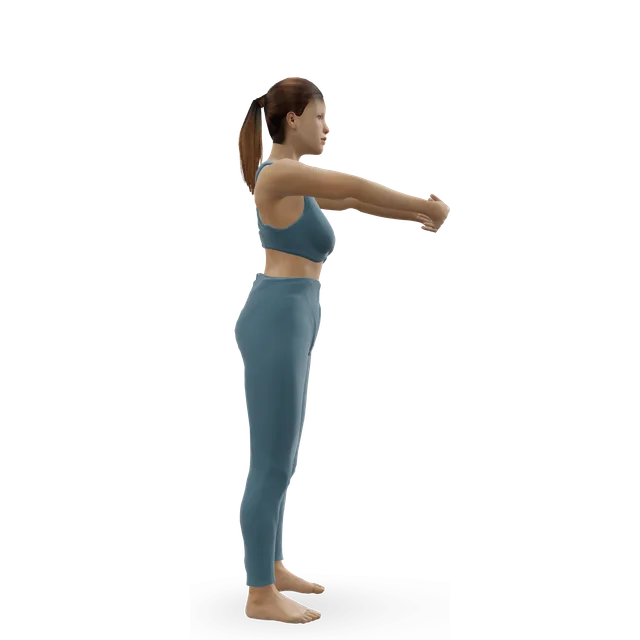
- Breath reach5 breaths, exhale longer than inhaleBeginner · 3D demoStanding or sitting; arms float up as you breathe inHarder: Slow breathing (6 breaths a minute)

Tips
- Do it 2 or 3 times a week with a buddy, alongside strength training and walking for adults and active play for children (our suggestion; the trial ran 3 times a week for 12 weeks).
- Show each move first and check it's done well before making it harder. Face the person and give one short instruction at a time: hearing and vision problems are common.
- Use the talk test, not heart rate zones: if you can talk but not sing, you're working at a moderate effort.
- No roll-overs, jack knives or other legs-overhead moves, keep the head down in the Hundred, and no hands-on adjustment at the neck (our suggestion, from the advice on neck instability).
- Stop sport and see a doctor for neck pain, a stiff neck that doesn't settle, a tilted head, changes in walking, clumsier hands, new bladder or bowel problems, frequent falls, or new breathing problems, sleep apnoea or swallowing difficulties (signs the UK's 2024 guidance added); get an urgent appointment if they come on suddenly.
- With a heart condition, ask the heart team what level of activity is safe first, and leave out breath holds (our suggestion). Stop any move that hurts, as the trial did, and call 999 if someone faints during exercise.
The doses are suggested starting points, not a prescription. Choose a range you can control and stop for sharp or increasing pain, numbness or tingling. Get individual advice after an injury or surgery, or if you are pregnant or managing a health condition.
Guides that recommend it
Find more moves like these
More pilates


Beginner Pilates workout
A 20-minute mat Pilates workout for complete beginners. It covers breathing, spine position and the foundation moves, each with an easier option.
20 minBeginner13 movesNo equipment

10-minute Pilates abs
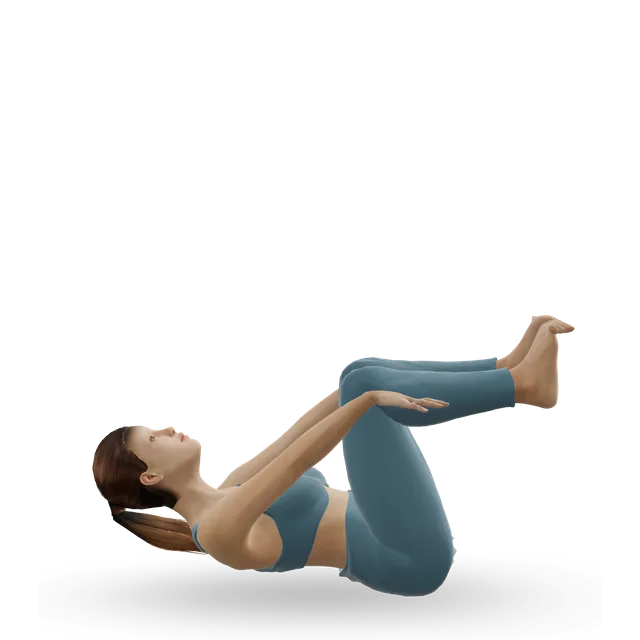
Ten minutes of the classic Pilates abdominal series: the hundred, the roll-up and the series of five, with a plank to finish.
10 minIntermediate11 movesNo equipmentFull-body mat Pilates workout
A 30-minute intermediate mat Pilates class that follows the classical order, from the hundred to the push-up, with prep versions of the hardest moves.
30 minIntermediate22 movesNo equipmentQuestions people ask
How long does the buddy pilates for down syndrome: a 25-minute class for trunk control, balance and strength, with nothing on the head or neck take?
About 25 minutes, including any warm-up and cool-down listed. Shorten it by doing fewer rounds; lengthen it by adding one.
What equipment do I need?
You need: A bench or box, A wall. Each move links to its guide, where you can find an alternative if you are missing something.
Is it suitable for beginners?
It is written for beginners. 9 of its 15 moves have an easier option listed beside them if you need one.
How do I make it easier or harder?
Use the easier or harder option listed under each move, change the number of rounds, or adjust the rest. Progress one change at a time.