Pilates guide

Pilates for SI joint pain: sacroiliac and pelvic girdle pain, even strength around the pelvis, the moves to change, and a class

Your sacroiliac (SI) joints join the base of your spine to your pelvis. They barely move and they don't slip "out of place", but they can hurt, usually low on one side of your back and into your buttock, and very often in pregnancy, when it's called pelvic girdle pain (PGP). No trial has tested Pilates for SI joint pain. What Pilates can do is deliver what does help: steady strength around the pelvis, done evenly and within comfort.

Pilates sits beside care from a physiotherapist or GP, and in pregnancy your midwife, never in place of it. This guide covers what the SI joint is and why the diagnosis is uncertain, what the evidence shows in and out of pregnancy, the Pilates moves to use and the ones to change, the reformer and belts, a free 20-minute class, and the warning signs that need a doctor or midwife rather than a mat.

The short version

The joint barely moves, and it doesn't go "out"

Measured on X-ray, the SI joints rotate about 2.5 degrees and slide less than a millimetre, the same in painful and pain-free joints. Manipulation didn't move them, and a European guideline doesn't recommend the hands-on tests said to find a joint that's "out".

Sources 1, 2, 3

Common, and hard to pin down

SI joint pain accounts for about 15% to 30% of mechanical low back pain. No single test confirms it; a set of pain provocation tests is better at ruling it out than ruling it in.

Sources 4, 5, 6

In pregnancy it's usually pelvic girdle pain

Up to 1 in 5 pregnant women have PGP. The NHS says it "is not harmful to your baby", and it usually settles after the birth, though about 1 in 10 women have ongoing pain.

Sources 7, 8, 3

No trial of Pilates for SI joint pain

We found no trial of Pilates for SI joint pain. In pregnancy, Pilates eased aches and pains by about 2.6 points out of 10, but that review didn't look at pelvic girdle pain on its own, and the one small Pilates trial in pelvic girdle pain is reported only in an abstract without its numbers.

Sources 9, 10, 11

Strength around the pelvis is what helps

Exercise makes pregnancy back and pelvic pain less severe. After the birth, supervised exercises for the trunk, hips and pelvic floor, adapted to each woman, helped pelvic girdle pain in a trial of 81 women. For long-lasting back pain, Pilates works about as well as other exercise.

Sources 12, 13, 14, 15

Keep it even, and treat belts as a short-term aid

Our reading of the NHS's pelvic girdle pain advice: keep both feet down when standing, knees no wider than your hips, small ranges, and strength before stretch, and bring one-legged, wide-legged and twisting moves back last. A pelvic belt from a physiotherapist may ease pain for short periods, but it isn't a treatment on its own.

Sources 7, 3, 16, 17

What the SI joint is, and why it hurts

A joint built for stability

The two SI joints join the sacrum (the base of the spine) to the pelvis at the back, and the pubic joint joins the two halves at the front. The Royal College of Obstetricians and Gynaecologists (RCOG) says "The three joints in the pelvis work together and normally move slightly". In 25 people measured on X-ray, the joints rotated about 2.5 degrees and slid about 0.7 mm, with no difference between painful and pain-free joints. In 10 people, manipulation changed the result of hands-on tests, but in none did it move the joint.

Sources 8, 1, 2

Where it hurts

The European guideline describes pelvic girdle pain as pain between the top of the back of the pelvis and the fold of the buttock, particularly around the SI joints, and says it usually starts with pregnancy, an injury or arthritis. Outside pregnancy, a 2024 review puts SI joint pain at 15% to 30% of mechanical low back pain.

Sources 3, 4

Why the diagnosis is uncertainEmerging evidence

In 48 people, three or more of six pain provocation tests picked up 94% of those whose pain an anaesthetic injection into the joint confirmed, and correctly cleared 78% of the rest. But a 2021 review of 5 studies rated these test clusters very low certainty: they rule SI joint pain out better than they rule it in. The European guideline doesn't recommend hands-on mobility tests or X-rays to diagnose it, and in 43 treatment trials more than 95% did little or nothing to rule out pain from the lower spine first.

Sources 5, 18, 6, 3, 19

When it might be inflammatory

Ankylosing spondylitis often starts in the SI joints in teenagers and young adults. The NHS says its pain "gets better with exercise, but does not improve or gets worse with rest" and is worse in the morning and at night. The warning signs below list what the National Institute for Health and Care Excellence (NICE) looks for; our Pilates for ankylosing spondylitis guide covers the Pilates side.

Source 20

Pelvic girdle pain in pregnancy

The NHS describes PGP as pain "caused by a stiffness of your pelvic joints or the joints moving unevenly at either the back or front of your pelvis": over the pubic bone, across one or both sides of the lower back, between the vagina and anus, or into the thighs. It's worse walking, on stairs, standing on one leg, turning over in bed and moving your legs apart. "Most women with PGP can have a vaginal birth", and the RCOG says "PGP is not something you just have to 'put up with'".

Sources 7, 8

After the birth

Most PGP settles. The European guideline says it falls to 7% of women in the first 3 months after the birth, and the RCOG says about 1 in 10 women have ongoing pain. The Pelvic, Obstetric and Gynaecological Physiotherapy group (POGP) says only a small number of women have pelvic joint pain caused by pregnancy hormones.

Sources 3, 8, 21, 22

Where Pilates fits

Physiotherapy for PGP includes "exercises to strengthen your pelvic floor, stomach, back and hip muscles" (NHS), and many first Pilates moves, such as knee folds, heel slides, bridges, side-lying leg work and all-fours work, are that kind of exercise. Some classical moves do the opposite of what a sore pelvis likes: they load one leg at the end of its range, open the legs wide, or twist with the legs in the air. That's our reading, not a trial result.

Sources 7, 23

What the evidence says

No trial has tested Pilates for SI joint painStrong evidence

Our search of Europe PMC for Pilates with "sacroiliac" or "pelvic girdle" found no trial of Pilates for SI joint pain or SI joint dysfunction. The evidence below comes from neighbouring research: exercise for SI joint pain, Pilates for back pain, and exercise in and after pregnancy.

Source 9

Exercise for SI joint pain: small trials, no clear winnerMixed evidence

In 51 people, exercise, manipulation or both all helped: manipulation was ahead at 6 weeks, exercise at 12 weeks, and there was no difference at 24 weeks. Other small trials, of 39 to 99 people, found stabilisation exercise and manipulation helped about equally, or that exercise alone did less than exercise with tape. Most had no group that did nothing, and reviews rate the evidence low or very low quality.

Sources 24, 25, 26, 27, 28, 29, 30, 31

Pilates for long-lasting back painStrong evidence

In a Cochrane review of 10 trials (510 people), Pilates eased pain by about 14 points out of 100 in the short term and about 10 points at 3 to 12 months, compared with minimal care, but did no better than other exercise. Motor control exercise, which shares Pilates' focus on deep trunk muscles, was the same: better than doing little, no better than other exercise. NICE recommends considering a group exercise programme for low back pain and doesn't name Pilates.

Sources 15, 32, 33, 34

Exercise in pregnancy makes back and pelvic pain less severeEmerging evidence

Across 32 studies of 52,297 women, exercise in pregnancy didn't stop back or pelvic pain starting, but made it less severe (very low to moderate certainty). In a Cochrane review, an 8 to 12-week exercise programme lowered the chance of reporting back and pelvic pain together (4 studies, 1,176 women), though group exercise didn't clearly help pelvic pain alone. A 2026 review of 38 studies found no active treatment better than another, and suggests reassurance that movement-related pain isn't harmful is part of what helps.

Sources 12, 13, 35, 36

Pilates in pregnancy: no figure for pelvic girdle painMixed evidence

A 2026 review of 10 trials found Pilates in pregnancy eased aches and pains by about 2.6 points out of 10 (moderate certainty), but it pooled all aches, mostly back pain, and its planned analysis of pelvic girdle pain wasn't done. In 34 women, 12 weeks of Pilates eased pain more than usual care, but only 3 women in each group had pelvic girdle pain alone; the classes bent the knee in moves such as the saw and corkscrew and avoided long spells lying on the back.

The one trial that recruited pregnant women with pelvic girdle pain (38 women, Pilates at home by video 3 times a week for 8 weeks) reported less pain and disability than standard antenatal exercise, but we could read only its abstract, which gives no effect sizes. In 42 healthy first-time mothers, a pregnancy Pilates programme went with less pelvic girdle pain disability 6 weeks after the birth, in a trial registered after it ran.

Sources 10, 37, 11, 38

After the birth: strength, adapted and supervisedEmerging evidence

In 81 women with pelvic girdle pain after pregnancy, 20 weeks of physiotherapy with specific stabilising exercises, adapted to each woman and supervised, cut evening pain and halved disability compared with physiotherapy without them, and the benefit held at 1 year; by 2 years the extra difference had faded. In another trial, unsupervised video exercises didn't help and a quarter of women stopped because of pain. The European guideline recommends individually adapted stabilising exercise after the birth. We found no Pilates trial in pelvic girdle pain after birth.

Sources 14, 39, 3, 40

Belts: a short-term aidMixed evidence

The European guideline says there's no evidence for a pelvic belt as a treatment on its own, but one may be tried "for short periods". In pregnancy, NICE suggests considering physiotherapy for exercise advice and/or a non-rigid support belt; for low back pain, it says not to offer belts. A 2025 review of 7 studies couldn't show a clear effect on pain or disability.

Sources 3, 17, 34, 16, 41

Pregnancy and after birth

The NHS's self-help

The NHS suggests you:

  • keep active but avoid doing things that make the pain worse
  • put equal weight on each leg when standing
  • sit down when getting dressed or undressed
  • put a pillow between your legs for extra support in bed
  • keep your knees together when getting in and out of the car
  • avoid sitting or standing for long periods, going up and down stairs too often, and lifting heavy objects

Source 7

Ask for physiotherapy

NICE suggests considering a referral to physiotherapy for exercise advice and/or a non-rigid support belt, and the NHS describes exercises for the pelvic floor, stomach, back and hip muscles. Ask your midwife or GP. The RCOG says PGP isn't something you just have to put up with.

Sources 17, 7, 8

Pilates in pregnancy, with PGP

POGP's Pilates booklet suggests seeing a physiotherapist first if you have pelvic girdle pain. In later pregnancy the NHS says to "avoid any activity that involves lying flat on your back for more than a few minutes". Side-lying and all-fours moves, sit-to-stands and knees-together bridges suit most people; skip one-legged standing and anything that hurts. Our Pilates in pregnancy guide has the trimester-by-trimester changes.

Sources 23, 42, 7

After the birth

POGP says "It is safe to start with gentle pilates from 4 weeks" after the birth if you have no concerns about bleeding, wound healing, leaking or signs of prolapse. If pelvic pain is still there, an individual, supervised programme from a pelvic health physiotherapist did best in trials. Our postnatal Pilates guide covers the months after birth.

Sources 23, 3, 22

How to practise: even, small, strength first

How it should feel

Some discomfort is fine if it settles: our back pain guides use pain up to about 5 out of 10 that eases within an hour and is no worse the next morning (an editorial rule, not tested in a trial). If it's worse, make the moves smaller or fewer next time, not nothing. The NHS advises staying active with back pain.

Source 43

Keep both sides even (our reading)

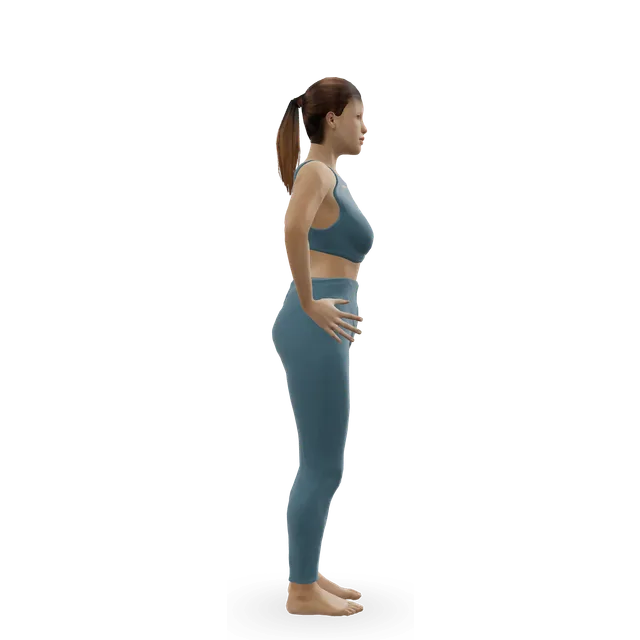
The NHS's list of what makes PGP worse (standing on one leg, moving your legs apart, stairs, turning in bed) points to even, symmetrical work. Outside pregnancy that's our reading, not tested advice, but it's a sensible place to start: both feet down when standing, knees no wider than your hips, and small ranges.

Source 7

Strength first, one side later

Start with two-legged bridges, side-lying work and all-fours moves. When those are comfortable and the next morning is no worse, add one side at a time: a staggered bridge, then a one-leg bridge, then short one-legged standing with a hand on a wall.

Sources 14, 3

Reformer Pilates

No trial has tested it for SI joint pain. The springs can support even work such as footwork and bridging, but leg work with your feet in the straps opens the legs and works one side at a time, so keep it small or leave it out while the pain flares (our suggestion).

Source 9

Tell your teacher, and say no to "putting it back"

Tell your teacher about your pain or pregnancy. Being told to have your pelvis "put back in" between moves isn't backed by evidence: manipulation doesn't change the joint's position.

Sources 2, 3

Breathe, squeeze and find a quiet pelvis

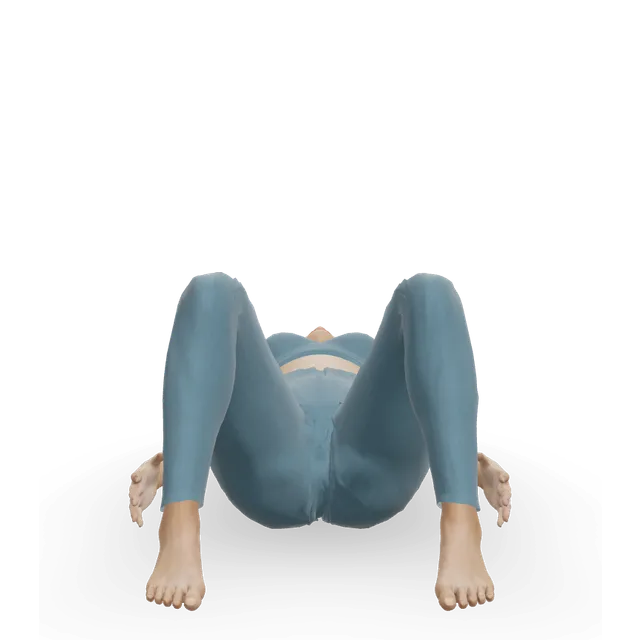
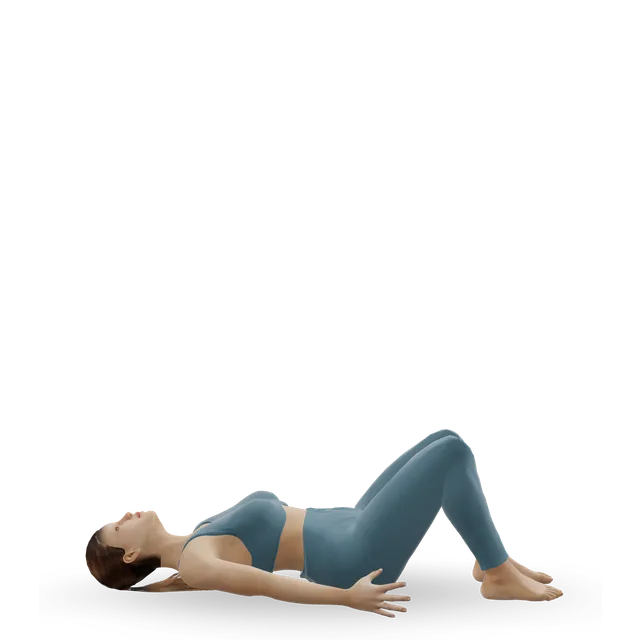
Lying on your back, knees bent and together. Lateral breathing, 5 to 8 breaths; pelvic floor exercises, 8 slow holds of up to 10 seconds and 8 quick squeezes, 3 times a day (the moves' pages); pelvic tilts, 8 slow tilts with your hips down (our yoga for SI joint pain class).

On your back, both sides even

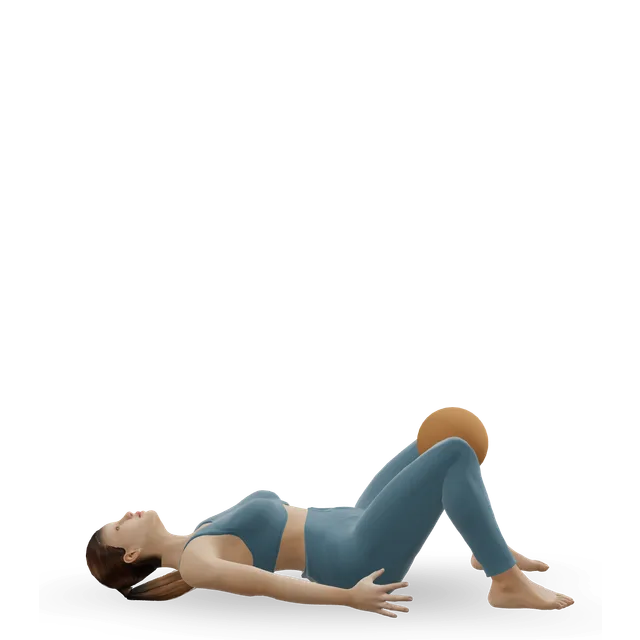
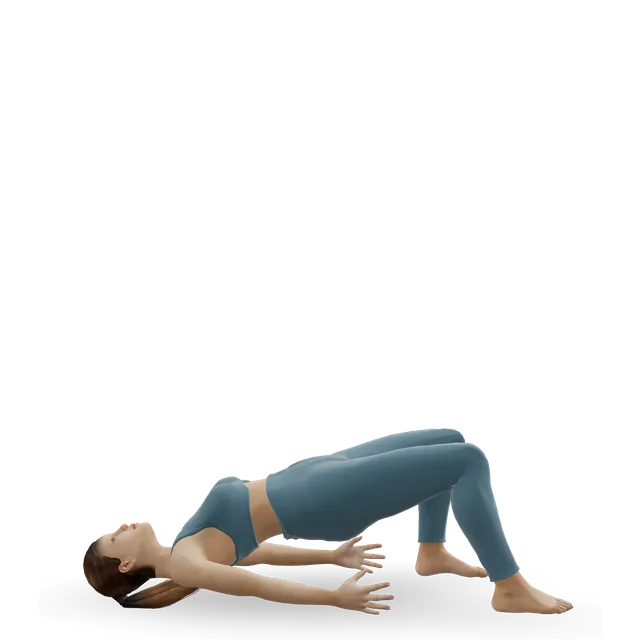
Knee folds, 2 sets of 5 to 10 each side, every other day; heel slides, 10 slow repetitions each side; belt press (supine isometric hip abduction), 3 to 5 holds of 5 to 10 seconds (the moves' pages); dead bug heel taps, 2 sets of 6 to 8 each side; ball squeeze, 5 gentle holds of 5 to 10 seconds; glute bridge, 2 sets of 8 to 10 in a small range (our SI joint pain guide's plan).

On your side, front and all fours

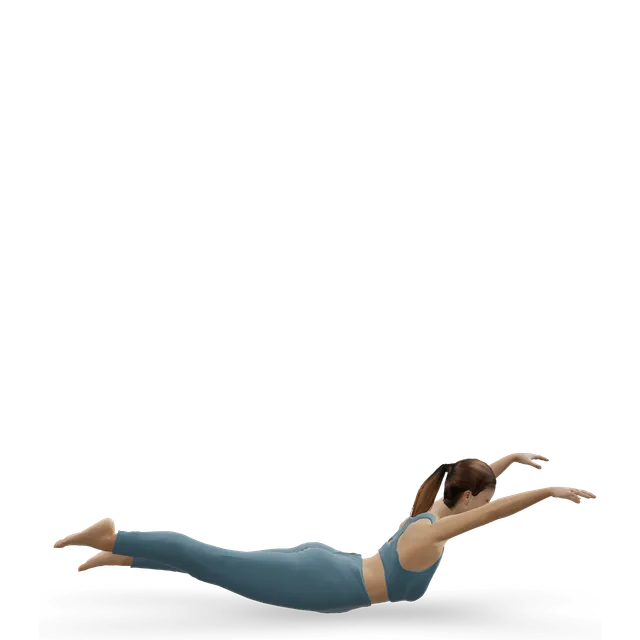
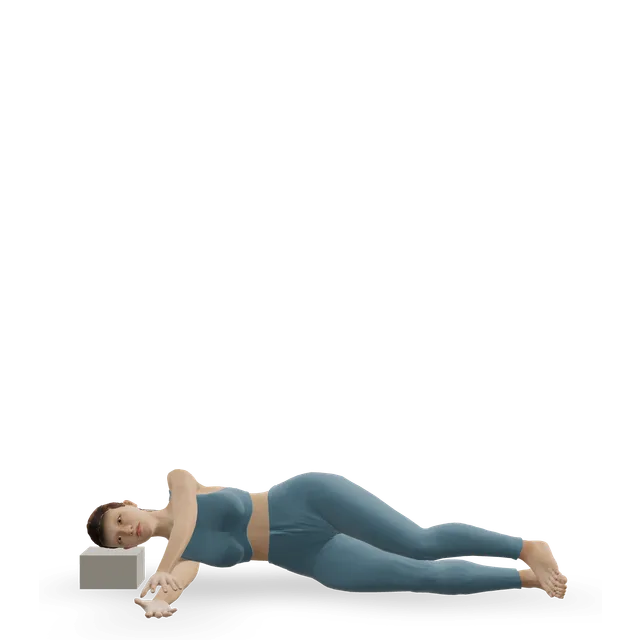
Clamshell, 2 sets of 10 each side with a pillow between your knees; knee side plank, 3 holds of 10 to 20 seconds each side; bird dog, one limb at a time and then the full move, 3 sets of 6 to 8 each side (our SI joint pain guide's plan); side kick, 8 to 10 each side, kept small; cat-cow, 8 slow waves (the moves' pages); swimming as slow lifts, 3 to 5 each side held 3 to 5 seconds (our Pilates for osteoporosis class's version).

Standing on both feet, then one leg at a time

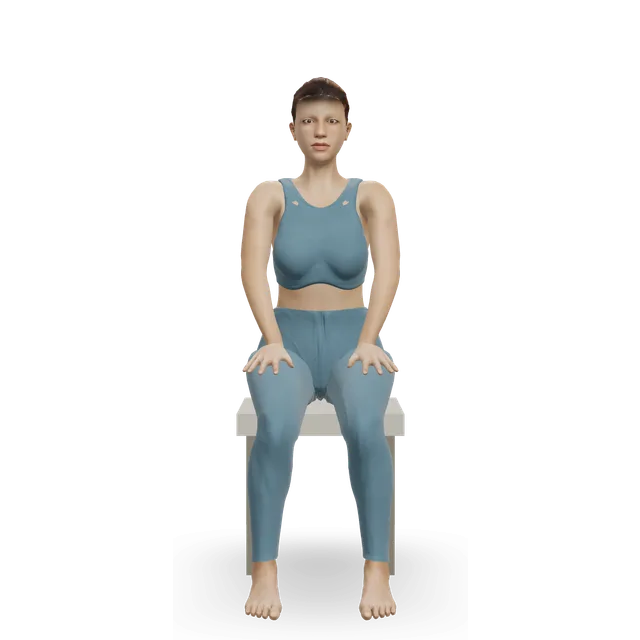
Sit to stand, 3 sets of 10; staggered-stance bridge, 2 sets of 8 each side; then, from about week 6, the one-leg bridge, 3 sets of 8 each side (our SI joint pain guide's plan). Add one change at a time while the pain stays settled.

Moves to change or leave out while it flares

No trial has tested a list of moves to avoid. These follow the NHS's list of what makes pelvic girdle pain worse; outside pregnancy they're our reading.

Standing on one leg

The wall side leg lift, standing hip press, single-leg stand and tree pose: skip them in pregnancy with PGP. Otherwise hold a wall and keep them short until they're comfortable.

Source 7

Wide legs and knees apart

The open-leg rocker, the seal, big leg circles and a wide bent-knee fall-out. Keep circles small and fall-outs to a few centimetres.

Source 7

Twisting with the legs in the air, and big one-sided sweeps

The corkscrew, hip twist, high scissors and the single straight-leg stretch at full range load one side of the pelvis at the end of its range. Leave them out while it flares (our suggestion).

Deep twists and side-sitting

Keep the saw, spine twist and mermaid small, sit on a block or chair, and skip them if they bring the pain on (our suggestion, matching our SI joint pain guide's note on lying twists).

In pregnancy

After the first trimester, keep time flat on your back to a few minutes: prop yourself up or use side-lying and all-fours versions, and swap face-down moves for all fours as the bump grows.

Source 42

Classes to follow

Start with our 20-minute even Pilates class, 2 or 3 times a week, alongside walking and any exercises your physiotherapist gives you. In pregnancy, use the pregnancy Pilates class, which has no lying on your back; after the birth, the postnatal class.

Even Pilates for SI joint pain: a 20-minute both-sides class, strength first

A 20-minute Pilates class for SI joint and pelvic girdle pain: breathing and the pelvic floor, lying and side-lying strength, all fours, and standing on both feet.

20 minBeginner16 movesOther / check instructions, A bench or box

Yoga for SI joint pain: a 20-minute even, strength-first class

Twenty minutes of yoga for SI joint and pelvic girdle pain: slow breathing, gentle all-fours and lying moves, strength around the pelvis, and even standing poses.

20 minBeginner14 movesA bench or box

Hip and core control routine: even strength around the pelvis

A 25-minute routine for a pelvis that feels twisted or uneven: gentle holds, bridges, bird dogs, side planks and single-leg balance, the same on both sides.

25 minBeginner11 movesA band, Other / check instructions

Pilates for back pain (gentle routine)

A gentle 15-minute Pilates-based routine for ongoing low back pain, built from neutral-spine moves with options for backs that dislike bending or arching.

15 minBeginner10 movesNo equipment

Pregnancy Pilates workout (no lying on your back)

A 20-minute Pilates workout for any trimester: seated, standing, all-fours and side-lying moves, with no lying on your back or front and no jumping.

20 minBeginner15 movesA wall, A bench or box

Gentle postnatal Pilates: a 20-minute class from about 6 weeks after birth, with an early stop point and caesarean options

A 20-minute postnatal Pilates class: breathing and pelvic floor, lying, side-lying and hands-and-knees moves, upper back work for feeding and a standing lift.

20 minBeginner16 movesA bench or box

Pilates for your pelvic floor: squeeze, move, release

A 20-minute Pilates workout for your pelvic floor, built on UK pelvic health physiotherapists' booklet: squeeze as you breathe out, move, then fully release.

20 minBeginner18 movesA wall, A bench or box

Follow a plan

The pregnancy and postpartum plans build up week by week; the beginner Pilates plan suits everyone else once the pain has settled. Swap any move this guide asks you to change.

Warning signs: when to get help

These are the warning signs from our back pain, pelvic girdle pain and pregnancy guides, word for word. This is general information, not a diagnosis. A&E means accident and emergency; in the US, call 911 for 999, and use your doctor's urgent line or urgent care for NHS 111.

Call 999 or go to A&E

Call 999 or go to A&E: loss of feeling or numbness around the genitals or bottom, new trouble peeing or controlling your bladder or bowels, changes in genital sensation during sex or problems with erections or orgasm, or pain, tingling, weakness or numbness in both legs. These are signs of cauda equina syndrome, which needs treating in hospital urgently. Don't drive yourself.

In pregnancy: Call 999 or go to A&E if you have back or pelvic pain and you lose feeling in one or both legs, your bottom or your genitals, or you have new trouble controlling your bladder or bowels.

Call 999 or go to A&E: back pain with chest pain, or back pain that started after a serious accident, such as a car crash.

Sources 43, 44

Contact your GP or midwife urgently

Contact your GP or midwife urgently: back pain in the second or third trimester of pregnancy, or back pain in pregnancy with a fever, vaginal bleeding, pain when you pee, or pain in one or more of your sides (under your ribs). It could be early labour or an infection.

Source 44

The same day

Same day (GP or NHS 111): back pain and you feel hot, cold, shivery or generally unwell, or severe pain that starts suddenly or is getting worse quickly.

Sudden, severe hip or groin pain, or being unable to put weight on a leg, especially late in pregnancy: get help the same day. A rare thinning of the hip bone in pregnancy (transient osteoporosis) or a fracture needs a scan.

After the birth: severe pain at the pubic bone that started during the birth or in the first days after it, especially if you can't walk or take weight, the pelvis feels as if it's giving way, or you have trouble peeing. Tell your midwife or maternity team the same day: rarely, the joint at the front separates.

Throbbing or cramping pain and swelling in one leg, usually the calf or thigh: ask for an urgent GP appointment or get help from NHS 111, or call your maternity unit. With breathlessness or chest pain, call 999 and don't drive yourself. Moving much less because of PGP raises the risk of a clot.

Source 43

After a fall

Low back, buttock or groin pain in an older person after a minor fall, or with no clear injury, making walking very hard.

This can be a fragility fracture of the sacrum or pelvis, which a plain X-ray can miss: get it checked.

Sudden mid or lower back pain after a minor fall, lift, cough or sneeze, especially from 50 or with long-term steroid tablets.

Often worse moving or changing position and eased by lying down. It can be an osteoporotic spinal fracture, so see a GP; height loss or a new curve in the upper back are other signs.

Call your midwife or GP

Call your midwife or GP if you have pelvic pain and it's hard for you to move around, it hurts to get out of a car or turn over in bed, or it's painful going up or down stairs.

Source 7

After the birth

Pelvic or low back pain still there 6 weeks after the birth: see your GP, health visitor or a pelvic health physiotherapist.

Sudden, severe low back or buttock pain when you stand or walk in the first weeks after the birth: get it checked. A stress fracture at the base of the spine (the sacrum) is rare, but it shows on a scan.

Source 22

See a GP

Back pain that hasn't improved after a few weeks of looking after it at home, stops you doing day-to-day activities, worries you, or you're struggling to cope.

Back pain that started before 45 and has lasted more than 3 months, especially if it started before 35, wakes you in the second half of the night, comes with buttock pain, gets better with movement or within 48 hours of anti-inflammatory painkillers, or you have or have had arthritis, pain where a tendon attaches to bone (enthesitis) or psoriasis, or a parent, brother, sister or child with spondyloarthritis. These can point to inflammatory back pain (axial spondyloarthritis, such as ankylosing spondylitis). The National Institute for Health and Care Excellence (NICE) asks GPs to refer people with 4 or more of these 9 features to a rheumatologist, and to do a blood test for the HLA-B27 gene marker if exactly 3 are present, referring if it is positive.

Sources 43, 20

Chest pain or fainting while exercising: call 999

Call 999 if:

  • You get sudden pain or discomfort in your chest that doesn't go away; it can feel like squeezing or pressure, burning or indigestion.
  • The pain spreads to your left or right arm, or your neck, jaw, stomach or back.
  • You have chest pain and feel sweaty, sick, light-headed or short of breath.
  • Someone faints while exercising, can't be woken within 1 minute, or has chest pain or a pounding, fluttering or irregular heartbeat.

Sources 45, 46

Unusual breathlessness

Call 999 or go to A&E (accident and emergency) straight away for severe difficulty breathing (gasping, choking or not able to get words out), a chest that feels tight or heavy, pain that spreads to your arms, back, neck and jaw, lips or skin turning very pale, blue or grey, or sudden confusion. If you're more short of breath than usual, or your heart is racing, fluttering or skipping beats, contact NHS 111.

During a class

Stop a move that sharpens the pain at the back or front of your pelvis, or sends pain, tingling or numbness down a leg. In later pregnancy, roll onto your side if you feel dizzy lying down, and say no to hands-on adjustments of your pelvis (our suggestion).

The NHS advises getting advice from a healthcare professional first if you have a health problem, an injury or symptoms, or have recently had a heart attack or an operation.

Source 7

Myths

"Pilates puts a slipped SI joint back in place"Strong evidence

The joints barely move and manipulation doesn't change their position. Pilates helps by building strength and confidence around the pelvis, not by moving bones.

Sources 1, 2, 3

"A weak core causes SI joint pain, so Pilates is the cure"Strong evidence

Trunk-focused exercise helps back pain about as much as other exercise, and no trial has tested Pilates for SI joint pain.

Sources 32, 15, 9

"Pregnancy hormones make PGP inevitable, so rest"Emerging evidence

POGP says only a small number of women have pain caused by hormones. The NHS says keep active while avoiding what makes it worse, and exercise makes it less severe.

Sources 22, 7, 12

"A belt will fix it"Emerging evidence

There's no evidence for a belt as a treatment on its own; use one for short periods if a physiotherapist suggests it.

Sources 3, 16

"Stretch the tight side harder"Mixed evidence

The trials that helped built strength, not end-range stretch, and deep one-sided stretches and twists can bring the pain on.

Sources 14, 3, 7

Questions people ask

Is Pilates good for SI joint pain?

It can help as a way to build strength around your pelvis, but no trial has tested Pilates for SI joint pain itself. For long-lasting back pain, Pilates works about as well as other exercise, and after pregnancy, supervised strengthening helped pelvic girdle pain for at least a year. Keep it even and within comfort.

Is Pilates bad for SI joint pain?

Not in general, but some moves can flare it: standing on one leg, opening the legs wide, and big one-sided leg sweeps or twists with the legs in the air. The NHS lists standing on one leg and moving your legs apart among the things that make pelvic girdle pain worse. Swap them, then bring them back one at a time.

Why does my SI joint hurt after Pilates?

Usually a move loaded one side or took the pelvis to the end of its range, or the session did too much too soon. Make the moves smaller and even, and aim for discomfort that settles within an hour and is no worse the next morning. If pain keeps climbing, or comes with a warning sign, get it checked.

Which Pilates exercises should I avoid with SI joint pain?

While it flares: one-legged standing work, the open-leg rocker and seal, big leg circles, the corkscrew and hip twist, scissors at full range, and deep seated twists. That's our suggestion from the NHS's list of what aggravates pelvic girdle pain; no trial has tested an avoid list.

What are the best Pilates exercises for SI joint pain?

Even, strength-first moves: knee folds, heel slides, small bridges, dead bug heel taps, a cushion squeeze between the knees, clamshells, small side kicks, side planks on the knees and bird dogs. They match what physiotherapists use for pelvic girdle pain, and our 20-minute class puts them together.

Is reformer Pilates good for SI joint pain?

No trial has compared reformer and mat Pilates for it. The springs can support even work like footwork and bridging, but leg work in the straps opens the legs and works one side, so keep it small or skip it while it flares.

Can Pilates fix SI joint dysfunction?

"Dysfunction" usually means the joint is painful, not out of place: the joints barely move, and manipulation doesn't change their position. In small trials of exercise for SI joint dysfunction everyone improved, with no clear winner between exercise and manual therapy.

Can I do Pilates with pelvic girdle pain in pregnancy?

Yes, adapted: keep your knees together as you change position, avoid standing on one leg, keep time on your back to a few minutes after the first trimester, and skip anything that hurts. Ask your midwife about physiotherapy. Pilates in pregnancy eased aches and pains in trials, but the research hasn't looked at pelvic girdle pain on its own.

When can I start Pilates after the birth with pelvic girdle pain?

Most pelvic girdle pain settles in the first 3 months. POGP says gentle Pilates can start from 4 weeks if you have no concerns about bleeding, wound healing, leaking or prolapse. Pain still there 6 weeks after the birth needs your GP, health visitor or a pelvic health physiotherapist.

Yoga or Pilates for SI joint pain?

Neither has been tested for SI joint pain itself, and for back pain each does about as well as other exercise. Choose the one you'll keep doing, taught evenly; our yoga for SI joint pain guide has the yoga version.

Should I wear an SI belt for Pilates?

A belt may ease pain for short periods if a physiotherapist suggests it, but it isn't a treatment on its own, and pooled trials in pregnancy couldn't show a clear effect. Most people don't need one for Pilates.

Sources

  1. Sturesson 1989 · How much the SI joints move: 25 people measured on X-ray (lab study, Spine)
  2. Tullberg 1998 · Manipulation does not alter the position of the SI joint: 10 people (lab study, Spine)
  3. Vleeming 2008 · European guidelines for the diagnosis and treatment of pelvic girdle pain (guideline, Eur Spine J; read in full)
  4. Szadek 2024 · Sacroiliac joint pain: diagnosis and treatment (narrative review, Pain Pract)
  5. Laslett 2005 · Pain provocation tests for SI joint pain against joint injections in 48 people (diagnostic study, Man Ther)
  6. Saueressig 2021 · Clusters of provocation tests for SI joint pain: 5 studies (systematic review and meta-analysis, J Orthop Sports Phys Ther)
  7. NHS · Pelvic pain in pregnancy (past its review date: reviewed December 2022, review due December 2025)
  8. RCOG · Pelvic girdle pain and pregnancy (patient leaflet, past its review date: published June 2015, review due June 2018)
  9. Europe PMC · Our search for trials of Pilates in SI joint and pelvic girdle pain (October 2026)
  10. Song 2026 · Pilates in pregnancy for aches and pains: 13 studies (systematic review and meta-analysis, BMJ Open; read in full)
  11. Akilandeeswari 2024 · Home tele-Pilates for pelvic girdle pain in 38 pregnant women (randomised trial, Fizjoterapia Polska; abstract only, no effect sizes)
  12. Davenport 2019 · Exercise and back and pelvic girdle pain in pregnancy: 32 studies, 52,297 women (systematic review and meta-analysis, Br J Sports Med)
  13. Liddle 2015 · Preventing and treating low back and pelvic pain in pregnancy: 34 trials, 5,121 women (Cochrane review)
  14. Stuge 2004 · Specific stabilising exercises for pelvic girdle pain after pregnancy: 81 women (randomised trial, Spine)
  15. Yamato 2015 · Pilates for low back pain: 10 trials, 510 people (Cochrane review)
  16. Lauridsen 2025 · Pelvic belts for low back and pelvic pain in pregnancy: 7 studies (systematic review and meta-analysis, Midwifery)
  17. NICE NG201 · Antenatal care (recommendation 1.4.15 on pelvic girdle pain, 2021)
  18. Szadek 2009 · Tests for SI joint pain: 18 studies (systematic review, J Pain)
  19. Schumacher 2026 · Spine screening in 43 trials of treatment for SI joint pain (systematic review, J Man Manip Ther)
  20. NHS · Ankylosing spondylitis: symptoms (past its review date: reviewed January 2023, review due January 2026)
  21. Wu 2004 · Pregnancy-related pelvic girdle pain: terminology, symptoms and how common it is (systematic review, Eur Spine J)
  22. POGP · Pelvic girdle pain and other common conditions in pregnancy (patient leaflet, past its review date: published 2018, review due 2021)
  23. POGP 2022 · Pilates in women's health physiotherapy, UK pelvic health physiotherapists' booklet (physiotherapy leaflet, past its review date: reviewed 2022, review due 2025)
  24. Nejati 2019 · Exercise, manipulation or both for SI joint dysfunction in 51 people (randomised trial, Pain Physician)
  25. Kamali 2019 · Stabilisation exercise or manipulation for SI joint dysfunction in 40 people (randomised trial, J Bodyw Mov Ther)
  26. Javadov 2021 · Manual therapy with SI or lumbar exercises in 69 women with SI joint dysfunction (randomised trial, Pain Physician)
  27. Yan 2024 · Core stability exercise, with or without mobilisation, for SI joint dysfunction in 39 people (randomised trial, Front Physiol)
  28. Sonel Tur 2025 · Home exercise with or without kinesiology tape for SI joint dysfunction in 99 people (randomised trial, Turk J Phys Med Rehabil)
  29. Al-Subahi 2017 · Physiotherapy for SI joint dysfunction: 9 studies (systematic review, J Phys Ther Sci)
  30. Sabrina 2023 · Physiotherapy for SI joint dysfunction: 10 studies, 498 people (meta-analysis, J Coll Physicians Surg Pak)
  31. Trager 2024 · Manual therapy for SI joint pain: 16 trials, 421 adults (systematic review and meta-analysis, J Man Manip Ther)
  32. Saragiotto 2016 · Motor control exercise for long-lasting low back pain: 29 trials, 2,431 people (Cochrane review)
  33. Patti 2024 · Pilates for low back pain: 36 studies (systematic review and meta-analysis, Disabil Rehabil)
  34. NICE NG59 · Low back pain and sciatica in over 16s (recommendations, last updated July 2026)
  35. Mladenovic 2026 · Physiotherapy for pregnancy-related low back and pelvic pain: 31 trials (systematic review and meta-analysis, Braz J Phys Ther)
  36. Mens 2026 · Active treatments for pregnancy-related low back and pelvic pain: 38 studies (systematic review and meta-analysis, Cureus)
  37. Yıldırım 2023 · Pilates for pregnancy back and pelvic pain in 34 women (randomised trial, Turk J Phys Med Rehabil; read in full)
  38. Bulguroglu 2026 · Prenatal Pilates until the birth and recovery 6 weeks after: 42 women (randomised trial follow-up, BMC Pregnancy Childbirth)
  39. Stuge 2004 · Stabilising exercises for pelvic girdle pain after pregnancy: 2-year follow-up (randomised trial, Spine)
  40. Özyurt 2025 · Physiotherapy for low back and pelvic pain after birth: 37 trials, 1,739 women (systematic review and meta-analysis, BMC Womens Health)
  41. Mens 2006 · How a pelvic belt changes SI joint laxity in 25 women with pregnancy-related pelvic pain (lab study, Clin Biomech)
  42. NHS · Exercise in pregnancy
  43. NHS · Back pain
  44. NHS · Back pain in pregnancy
  45. NHS · Chest pain (past its review date: reviewed August 2023, review due August 2026)
  46. NHS · Fainting

Exercise education, not a personal prescription, and clinical review of these guides is pending. If you are pregnant, have a health condition or have had recent surgery, check with a doctor, midwife or physiotherapist before starting, and stop for sharp or increasing pain. Health disclaimer.