Pilates
Even Pilates for SI joint pain: a 20-minute both-sides class, strength first
A 20-minute Pilates class for SI joint pain and pelvic girdle pain that keeps both sides of your pelvis working the same: knees no wider than your hips, small ranges, and weight on both feet when you stand. It builds strength around the pelvis first and leaves out one-legged standing, wide legs and twisting with the legs in the air. Unlike our yoga class for SI joint pain, it uses Pilates moves throughout, and unlike our hip and core control routine, it has no one-legged work. No trial has tested this class or any Pilates class for SI joint pain; its structure is our editorial choice, built from our SI joint pain guide's plan and the kind of exercise that helped pelvic girdle pain after pregnancy.
Breathe and settle (about 3 minutes)
- Beginner · Abs · 3D demoLying on your back, knees bent and together; breathe into the sides and back of your ribsHarder: Roll-up (Pilates)
- Pelvic floor exercise (Kegel)5 slow squeezes, held up to 10 sBeginner · Pelvic floor · 3D demoSqueeze and lift, then let go fully; don't hold your breath. Your daily set is on the move's page
- Pelvic tilt into bridge8 slow tiltsBeginner · Glutes, Abs, Hamstrings · 3D demoTilt only: gently flatten your lower back, then release it, hips staying downHarder: Glute bridge



On your back, both sides even (about 6 minutes)
- Knee fold5 to 8 each sideBeginner · Abs, Hip flexors · 3D demoLift one foot without your pelvis rockingEasier: Supine heel slideHarder: Dead bug heel taps
- Supine heel slide8 each sideBeginner · Hip flexors, Hamstrings, Quads · 3D demoSlide the heel out and back, pelvis levelHarder: Hip windshield wipers
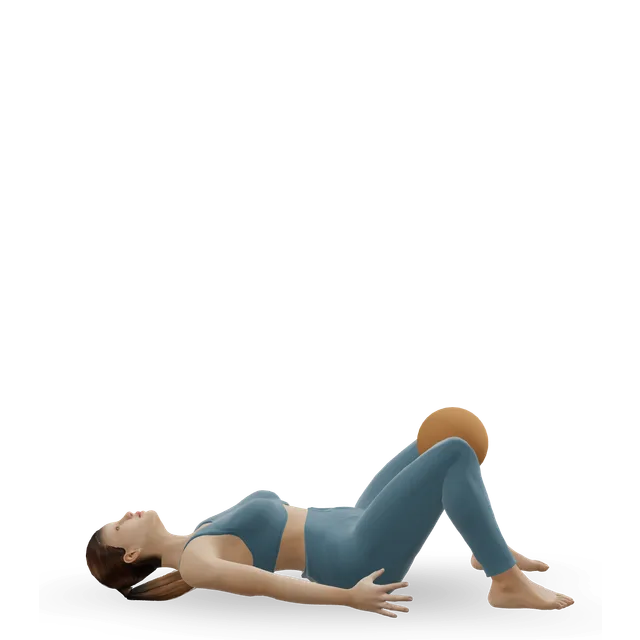
- Lying adductor ball squeeze5 gentle holds of 5 to 10 sBeginner · Adductors, Abs · 3D demoA cushion or soft ball between your kneesHarder: Copenhagen plank
- Dead bug heel taps2 sets of 6 each sideBeginner · Abs, Hip flexors · 3D demoLower back quiet on the floor; tap one heel down at a timeEasier: Bent-knee fall-outHarder: Forearm plank
- Glute bridge2 sets of 8, small rangeBeginner · Glutes, Hamstrings, Abs · 3D demoFeet hip-width, knees in line with your feet; lift only as high as is comfortableEasier: Pelvic tilt into bridgeHarder: Single-leg glute bridge




On your side (about 5 minutes)
- Clamshell2 sets of 10 each sideBeginner · Hip abductors, Glutes · 3D demoFeet together, a small opening, pelvis stillEasier: Supine isometric hip abduction (belt press)Harder: Lateral band walk
- Side kick (Pilates side kick series)8 each sideBeginner · Hip flexors, Glutes, Hip abductors · 3D demoSmall swings at hip height, head resting on your lower armHarder: Side-lying leg circles (Pilates side kick series)
- Knee side plank2 holds of 10 to 20 s each sideBeginner · Abs, Hip abductors, Shoulders · 3D demoKnees bent, elbow under your shoulder; lift your hips only as far as is comfortableHarder: Side plank



On all fours and face down (about 4 minutes)
- Bird dog, one limb at a time6 each sideBeginner · Abs, Back, Glutes · 3D demoOne arm or one leg at a time; keep your hips levelEasier: Side-lying tummy draw-inHarder: Bird dog
- Swimming (Pilates)3 slow lifts each side, held 3 sIntermediate · Back, Glutes, Shoulders · 3D demoOpposite arm and leg, small and slow, not the fast flutter. In pregnancy, do a second set of bird dogs insteadEasier: Mermaid (Pilates seated side bend)Harder: Leg pull back (Pilates leg pull up)
- Cat-cow6 wavesBeginner · Back, Abs · 3D demoKnees under hips, hands under shoulders; a small, slow waveHarder: Half lord of the fishes (Ardha Matsyendrasana)



Standing on both feet (about 2 minutes)
- Sit to stand from a chair8 to 10Beginner · Quads, Glutes, Hamstrings · 3D demoFeet hip-width; stand up and sit down evenly, without twistingEasier: Sit to stand, pushing on the thighsHarder: Bodyweight squat
- Breath reach5 breathsBeginner · 3D demoWeight even through both feet; arms rise as you breathe inHarder: Slow breathing (6 breaths a minute)


Tips
- Do it 2 or 3 times a week, alongside walking and any exercises your physiotherapist gives you (our suggestion).
- Some discomfort is fine if it settles: aim for pain no higher than about 5 out of 10 that eases within an hour and is no worse the next morning. If it is worse, make the moves smaller or fewer next time.
- Pregnant? After the first trimester keep time flat on your back to a few minutes: do the first two blocks propped up on pillows, or swap them for side-lying tummy draw-ins, and keep your knees together as you change position.
- When this is easy, add a staggered-stance bridge, then the full bird dog, then a one-leg bridge, one change at a time; bring back one-legged standing work last, with a hand on a wall.
- Call 999 for numbness around your genitals or bottom, new trouble peeing or pooing, or pain, tingling, weakness or numbness in both legs. In pregnancy, contact your GP or midwife urgently for back pain in the second or third trimester, or with a fever, bleeding or pain when you pee.
The doses are suggested starting points, not a prescription. Choose a range you can control and stop for sharp or increasing pain, numbness or tingling. Get individual advice after an injury or surgery, or if you are pregnant or managing a health condition.
Guides that recommend it
Find more moves like these
More pilates


Beginner Pilates workout
A 20-minute mat Pilates workout for complete beginners. It covers breathing, spine position and the foundation moves, each with an easier option.
20 minBeginner13 movesNo equipment

10-minute Pilates abs
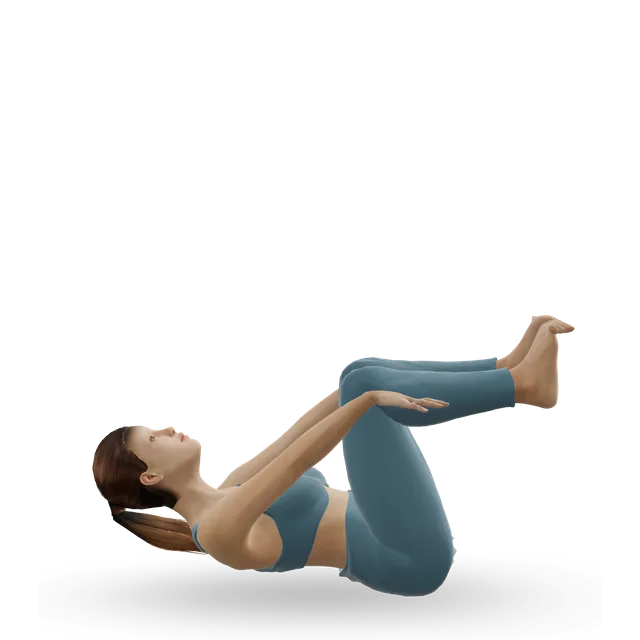
Ten minutes of the classic Pilates abdominal series: the hundred, the roll-up and the series of five, with a plank to finish.
10 minIntermediate11 movesNo equipment
Full-body mat Pilates workout
A 30-minute intermediate mat Pilates class that follows the classical order, from the hundred to the push-up, with prep versions of the hardest moves.
30 minIntermediate22 movesNo equipmentQuestions people ask
How long does the even pilates for si joint pain: a 20-minute both-sides class, strength first take?
About 20 minutes, including any warm-up and cool-down listed. Shorten it by doing fewer rounds; lengthen it by adding one.
What equipment do I need?
You need: Other / check instructions, A bench or box. Each move links to its guide, where you can find an alternative if you are missing something.
Is it suitable for beginners?
It is written for beginners. 7 of its 16 moves have an easier option listed beside them if you need one.
How do I make it easier or harder?
Use the easier or harder option listed under each move, change the number of rounds, or adjust the rest. Progress one change at a time.