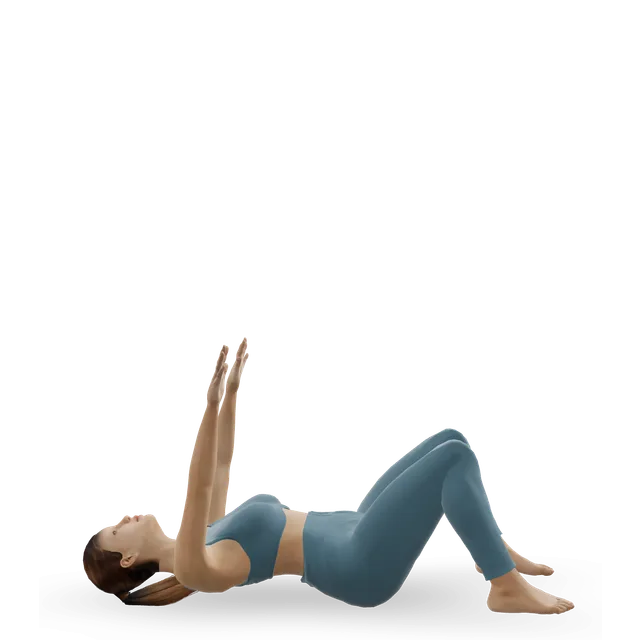
Pilates guide

Pilates for triathletes: swim, bike and run in one body, the trunk, hips and shoulders, load and recovery, the evidence, and a routine

Triathlon asks one body to swim, ride and run, and the injuries follow the miles: most come from running, the swim brings most of the shoulder problems, and long hours on the bike load the lower back. No trial has tested Pilates in triathletes, and no trial has tested any core training in triathletes either.

What Pilates can add is one low-load session that touches all three sports: upper-back rotation and shoulder-blade endurance for the swim, back-extension endurance and the front of the hips for the bike, and trunk endurance, hip strength, calves and one-leg balance for the run. It sits beside your swim, bike and run, your coach and the two strength sessions a week that have the performance evidence, never in place of them.

This guide covers what triathlon asks of your body, what the evidence shows for each discipline, load and recovery across three sports, the heart, heat and cold water, a 25-minute class for all three sports, and the warning signs that need help.

The short version

No Pilates trial in triathletes

Our searches found no trial of Pilates in triathletes, and no trial of any core training in triathletes either. Treat Pilates as one easy-day session that touches all three sports, not as training that has been shown to make you faster or keep you injury free.

Source 1

Running causes most injuries

Across 42 studies of short-course triathletes, 45% to 92% of injuries happened while running, and swimming caused the fewest but most of the shoulder injuries. In iron-distance triathletes, the knee, lower leg and lower back led.

Sources 2, 3

One class for three sports

Upper-back rotation and shoulder blades for the swim, back-extension endurance and the front of the hips for the bike, and hips, calves and one-leg balance for the run. Our single-sport Pilates guides go deeper.

Source 4

Strength training has the performance evidence

In long-distance triathletes, 26 weeks of progressive strength training improved cycling and running economy without adding body weight. In road cyclists, core exercises did no better than cycling alone for power beyond a 5-second sprint, while heavy strength training did. Keep two strength sessions a week.

Sources 5, 6

Count it in your load

The International Olympic Committee (IOC) says poor load management is a major risk factor for injury, and three sports already add up. A Pilates or reformer class is a session in your week, not a rest day, and switching load into another sport when you're injured may make injuries come back.

Sources 7, 8

The heart, heat and cold water come first

Most sudden deaths and cardiac arrests in US triathlons happened in the swim, and 44% of those examined after death had heart disease that mattered. Heat and cold water have their own race rules and warning signs, below. Breathing practice belongs on land.

Sources 9, 10

What triathlon asks of your body

Running takes most of the tollEmerging evidence

In a review of 42 studies of short-course triathletes, 45% to 92% of injuries happened while running, 8% to 34% while cycling and 3% to 15% while swimming, and no cohort study had a low risk of bias. In one of those studies, triathletes had 15.7 to 24.3 injuries per 1,000 hours of racing. In 212 German non-professional triathletes, running caused 50% of injuries, cycling 43% and swimming 7%, and racing was the main risk.

Sources 2, 11

Long-distance triathletesEmerging evidence

In 174 iron-distance entrants followed for 26 weeks, on average 56% had an overuse problem at any one time, most often at the knee (25%), lower leg (23%) and lower back (23%). Across 6 studies of long-distance triathletes, of relatively poor quality, 37% to 91% reported an overuse injury, mostly at the knee and spine.

Sources 3, 12

Who gets hurtEmerging evidence

In 131 Australian triathletes followed through a season, a previous injury and high preseason running mileage predicted injury, and most injuries were overuse injuries. In British squad and club men, the Achilles, lower back and knee were hurt most, and running injuries outnumbered cycling injuries. In one study, teenagers were almost twice as likely as 30 to 39 year olds to report an injury.

Sources 13, 14, 2

Bone stress and eating enoughEmerging evidence

In 50 elite Australian short-course triathletes, 40% had a bone stress injury in 4 years, three times as often in women as in men. In 86 German squad triathletes, 23% had had a stress fracture, all in the legs; female sex, low vitamin D or iron, period problems and high training hours were among the risks.

Sources 15, 16

What Pilates offers, and what it doesn't

Pilates trains trunk endurance and control, back-extension endurance, hip strength, upper-back rotation and one-leg balance at low load (our reading). It doesn't replace the heavy strength training that has the performance evidence, a gradual build-up of swim, bike and run load, open-water skills or heat acclimatisation: across 11 trials, Pilates built strength no better or worse than other exercise, at very low to low certainty.

Sources 4, 17

What the evidence says

Strength training, a gradual build-up across three sports and open-water safety carry the evidence. No trial has tested Pilates in triathletes.

No Pilates trial, and no core training trial, in triathletesStrong evidence

Our PubMed, Europe PMC and ClinicalTrials.gov searches (1 November 2026) found one record for Pilates with triathlon, a survey that wasn't a Pilates study, and no core training trial in triathletes. There is no Pilates trial in swimmers or cyclists either. Everything below is borrowed from single sports, and putting it together is our reading.

Source 1

Pilates in runnersEmerging evidence

In 32 trained male runners randomised (28 completed), two 1-hour classical mat Pilates sessions a week for 12 weeks, alongside running, cut 5 km time from 25.65 to 23.23 minutes, against 25.33 to 24.61 minutes with running alone. One small trial; our Pilates for runners guide has more.

Source 18

Core training and runningMixed evidence

In 28 runners randomised (20 finished), 6 weeks of core training made 5,000 m faster. In 18 teenage athletes, Swiss ball training improved core stability but not running economy, and in 21 college athletes, 8 weeks of extra core work improved plank endurance and balance, with running economy better only within the core group. All small.

Sources 19, 20, 21

Hip and core work in new runnersEmerging evidence

In 325 Finnish novice runners, a physiotherapist-supervised hip and core programme before runs cut leg injuries against static stretching over 24 weeks (hazard ratio 0.66), and substantial overuse injuries by about half. An ankle and foot programme didn't help. It wasn't Pilates and they weren't triathletes, but Pilates hip and trunk moves are similar (our reading).

Source 22

Core training and cyclingMixed evidence

In 15 competitive cyclists, tiring the trunk muscles changed how the knees and ankles moved on the bike, but not pedal forces. In 36 trained road cyclists over 12 weeks, heavy strength training raised power at every duration tested far more than core exercises, which did no better than cycling alone beyond 5 seconds. In 24 young female mountain bikers, core training raised trunk strength without changing cycling economy.

Sources 23, 6, 24

Core training and swimmingEmerging evidence

Across 11 studies of 218 swimmers aged 11 to 20, core stability training cut 50 m freestyle time by about a second (moderate certainty), with no clear effect over 100 m. A second review of 16 trials in young swimmers agreed for short sprints, one trial in 32 swimmers found no difference, and water training plus dry-land resistance training ranked highest across 36 trials. These are short pool sprints, not open-water triathlon swims.

Sources 25, 26, 27, 28

Strength training: the tested alternativeStrong evidence

In 25 long-distance triathletes randomised for 26 weeks, adding progressive strength training improved cycling economy by week 14 and running economy by week 26 with no change in body mass; training without it improved neither. A smaller trial in 15 triathletes found the same for running economy, and reviews in endurance athletes, runners and cyclists found that strength training, heavy strength training especially, improved economy and performance. This is what our triathlon page's strength workout is for.

Sources 5, 29, 30, 31, 32, 33, 34

Core training in athletes generallyEmerging evidence

Across 31 controlled studies in athletes, trunk training improved trunk endurance most, and strength, sprints and sport tests a little. In 29 randomised trials, it improved core endurance and balance but not sport performance overall.

Sources 35, 36

What prevents sports injuriesStrong evidence

Across 25 trials, strength training cut sports injuries to about a third and balance training to about half, while stretching made no difference. Firm evidence that a weak core causes injuries is lacking.

Sources 37, 38

Swim, bike and run

The swim: the back of the shoulder and the shoulder bladesEmerging evidence

In 193 German amateur triathletes, 19% had an overuse shoulder injury in a year, and regular use of hand paddles went with more of them (24% against 10%). In 23 Ironman triathletes, rotator cuff changes on a scan were common with and without symptoms. Pilates can train shoulder-blade and back-of-shoulder endurance and upper-back rotation for breathing; our Pilates for swimmers guide has the detail.

Sources 39, 40

The bike: the lower back and the front of the hipsMixed evidence

In 92 Japanese triathletes, 32% had low back pain in a year, and the authors suggest cycling is a major risk factor. Unexpectedly, those with back pain did sit-up type trunk training more often, though the study can't say which came first. In 109 professional road cyclists, 58% had low back pain in a year. Back-extension endurance and the front of the hips are sensible Pilates targets; more sit-ups aren't the answer (our reading).

Sources 41, 42

The run: hips, calves and one-leg balanceEmerging evidence

The knee and lower leg lead the overuse problems, and a hip and core programme cut leg injuries in new runners. Pilates side-lying hip work, the shoulder bridge, calf raises and one-leg balance cover the same ground at low load. Heavy strength training, not Pilates, is what raised tendon stiffness in triathletes.

Sources 22, 43, 3

Load and recovery

Three sports add upEmerging evidence

In British squad Ironman triathletes, overuse injuries tracked fast running and fast cycling sessions, and the authors warn that switching load into another sport when you're injured may make injuries come back. Across 12 studies of endurance sports, high weekly distance, fewer than 2 sessions a week, a previous injury and age over 45 went with injury, and in 95 Irish endurance athletes the lowest risk came with a low to moderate load in the short term on top of a moderate to high load over 4 weeks. Count a Pilates class in your week.

Sources 8, 44, 45, 7

Breathing settles you; it isn't a recovery aidEmerging evidence

Slow breathing raised heart rate variability across 223 studies, but 4 weeks of daily slow breathing added nothing to performance or recovery after hard interval training in 34 people. In 10 active women, 4 weeks of gentle mat Pilates didn't significantly change lactate.

Sources 46, 47, 48

TimingStrong evidence

Static holds of 60 seconds or more just before hard efforts cut performance by about 4.6%, and experts don't recommend them before maximal efforts. Use your active warm-up before key sessions and races, and do Pilates after an easy session or on an easy day.

Sources 49, 50

Where Pilates goes in your week

Our suggestion: once or twice a week, 25 minutes, on an easy day or after an easy swim, counted in your week's load; not in the hour before a key session or race. Keep two strength sessions a week through the base phase.

The heart, heat and cold water

The swim and the heartEmerging evidence

In US triathlons from 1985 to 2016, most sudden deaths and cardiac arrests happened in the swim. From 2006 to 2016 the rate was 1.74 per 100,000 participants (2.40 in men, 0.74 in women) and 18.6 per 100,000 in men aged 60 and over, and 27 of 61 people examined after death had heart disease that mattered. In UK races sanctioned by British Triathlon from 2009 to 2015, there were 5 deaths in 991,186 participants, 3 during or after the swim.

Sources 9, 51, 52

Fluid in the lungs while swimmingEmerging evidence

Swimming-induced pulmonary oedema causes a cough, breathlessness and frothy or bloody spit. It affected 1.4% of US triathletes in one study and comes back in about 30%. The treatment is getting out of the water straight away.

Sources 53, 54, 55

HeatEmerging evidence

In a World Cup sprint race in a Hong Kong heatwave, 17 of 44 athletes monitored had a core temperature above 40°C. At two Melbourne sprint races in similar heat, 15 of 1,884 athletes collapsed with heat illness early in the season and none of 2,000 later on. Getting used to the heat means repeated exercise in the heat over 1 to 2 weeks. Skip hot Pilates in a hard training week or the day before a long race (our suggestion).

Sources 56, 57, 58

Cold water and wetsuitsStrong evidence

Never swim alone. Practise at a lifeguarded or accredited open-water venue with a buddy, wear a bright hat and use a tow float, swim parallel to the shore and plan your exits. Cold water at 15°C or below can make you gasp and breathe up to 10 times faster: walk in slowly, splash your face, and float on your back until your breathing settles.

The Royal Life Saving Society UK doesn't recommend that beginners swim in water below 12°C, and says a wetsuit is generally safer at 18°C or lower. World Triathlon's rules make wetsuits compulsory at 15.9°C or colder; check your race's own rules. A wetsuit keeps you warmer, but you can still get cold water shock and hypothermia in one.

Sources 10, 59, 60

Long races and drinking too muchEmerging evidence

In a New Zealand Ironman, 18% of 330 finishers had low blood sodium, and 8 of the 11 with severe low sodium had kept or gained weight during the race: drinking too much caused most of the severe cases.

Source 61

Core exercises for triathletes

The Pilates version

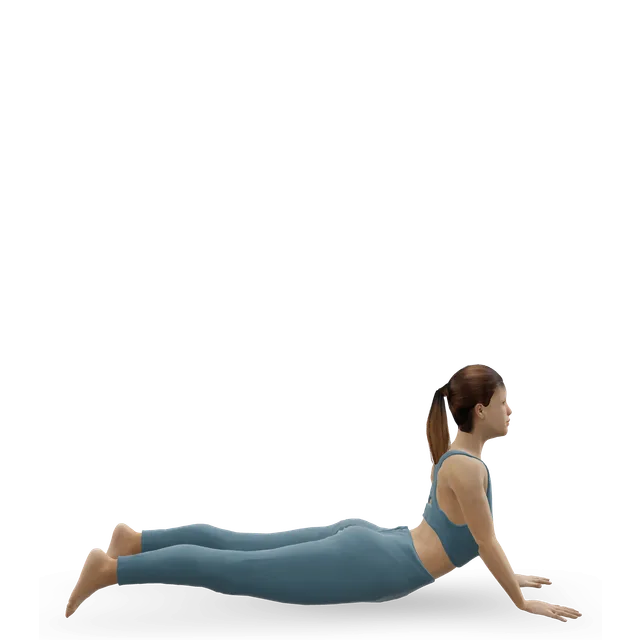
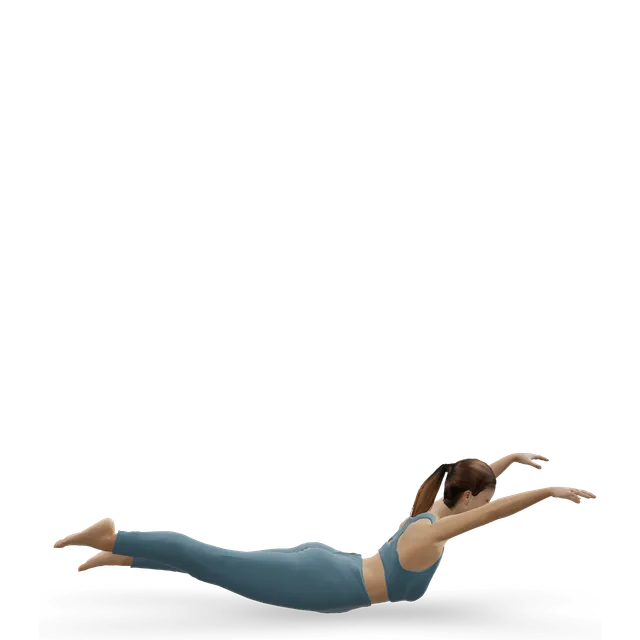
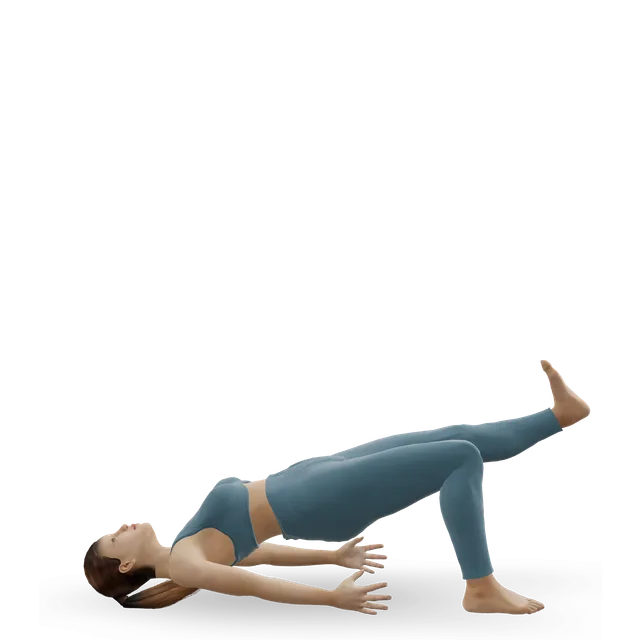
The hundred, dead bug, single-leg stretch and knee side plank for trunk endurance; the swan and swimming, kept small, and the bird dog for the back; and the side kick, clamshell and shoulder bridge for the hips. Core training improves trunk endurance and balance most and race performance only a little, so these sit beside your strength sessions, not in place of them.

Sources 35, 36

Breathe on land, and the upper back and shoulder blades for the swim

Lateral breathing, 5 to 8 breaths at the start of every session (the move page's dose), with no breath holds; thoracic rotation, 6 rotations per side (the move page's dose); side-lying open book, 8 to 10 slow openings each side (the move page's dose), top arm low if your shoulder feels loose; chin tucks, 10 holds of 5 seconds (our Pilates for cyclists class); Y-T-W raises, 5 of each shape (our Pilates for tennis players class); wall angels, 8 slow slides, and scapular push-ups, 2 sets of 10, on a wall first if your shoulder is sore or loose (our Pilates for swimmers class).

The back and the front of the hips, for long hours on the bike

Swan, 5 to 6 reps (the move page's dose), as a small lift; swimming, 2 sets of 20 seconds, bird dog, 2 sets of 6 each side with 5-second holds, and half-kneeling hip flexor stretch, 30 seconds each side with your knee padded (our Pilates for cyclists class).

Trunk endurance for all three sports

Hundred, 50 beats to start, building to 100 (the move page's dose); dead bug, 2 sets of 8 each side, and single-leg stretch, 8 each side (our Pilates for swimmers class); knee side plank on your forearm, 2 holds of 20 seconds each side (our Pilates for swimmers and cyclists classes).

Hips, calves and one-leg balance for the run

Side kick, 8 to 10 each side (the move page's dose); clamshell, 10 each side (our Pilates for cyclists class); shoulder bridge, 3 to 5 kicks each leg (the move page's dose); single-leg calf raise from a step, 2 sets of 12 each leg, lowering for 3 seconds (our Pilates for basketball players class); single-leg stand, 2 holds of 30 seconds each leg (our Pilates for athletes class); hip airplane, 2 sets of 5 slow turns each leg (the move page's dose), holding a counter; slow breathing, 2 minutes with no holds, to finish (our yoga for triathletes class).

What to change or leave out

Breath-holds

Breathe slowly on land only. Never practise breath-holding or over-breathing in the pool: it can cause a blackout underwater without warning.

A sore back after long rides

Keep the swan and swimming small, or swap them for the bird dog, if arching hurts; the swan's and swimming's own pages say the same.

A loose or sore swimming shoulder

Do the scapular push-ups on a wall, keep the open book's top arm low, and skip the cross-body stretch with a loose or dislocated shoulder.

If you're hypermobile, don't use mobility work to push further: the NHS says "do not overextend your joints just because you can". See a GP if you think you have joint hypermobility syndrome: for example, your joints keep dislocating, or you keep getting sprains, strains, pain or stiffness.

Sources 62, 63

Before a race or key session

Keep the hour before to your active warm-up, with no long holds (our suggestion).

Source 49

Bone pain that builds with running

Stop running and get it checked; keep only the Pilates moves that don't hurt in the meantime (our suggestion).

Classes to follow

Our swim, bike and run class puts the moves above into 25 minutes for an easy day. The strength workout for triathletes is the training with the performance evidence; the single-sport Pilates classes go deeper into each discipline.

Swim, bike and run Pilates for triathletes: a 25-minute class for the upper back and shoulder blades, the back and the front of the hips, trunk endurance, hips, calves and one-leg balance

A 25-minute Pilates class for triathletes: upper back and shoulder blades for the swim, back and hips for the bike, and hips, calves and balance for the run.

25 minBeginner20 movesWall, step

Strength workout for triathletes: heavy legs, calves, pulling and trunk

A strength session for triathletes: squats, Romanian deadlifts, split squats, heavy calf raises, pulldowns, rows and trunk work, building to heavier sets.

50 minIntermediate13 movesCardio machine, band

Brick workout for beginners: easy bike, then an easy run

A beginner brick: an easy then a steady ride, a calm change of shoes, 10 to 15 minutes of easy running, then a walk and calf and hip stretches.

50 minBeginner5 movesCardio machine, wall

Yoga for triathletes: a 25-minute class for the swim, bike and run on an easy day

A 25-minute yoga class for triathletes on an easy day: the upper back for the swim, the hips and neck for the bike, calves and hamstrings for the run.

25 minBeginner14 movesWall

Shoulder-safe Pilates for swimmers: a 25-minute dryland class for shoulder blades, trunk and hips

A 25-minute dryland Pilates class for swimmers: shoulder-blade control, trunk endurance, back extension, hips and rotation, built for loose shoulders.

25 minBeginner16 movesWall

Off-the-bike Pilates for cyclists: a 25-minute class for back extension, trunk and hips

A 25-minute Pilates class for cyclists: back extension, trunk endurance, glutes and side hips, upper-back rotation and the neck, the opposite of the bike.

25 minBeginner17 movesNo equipment

Pilates for runners: trunk, hips and single-leg control

A 30-minute mat Pilates workout for runners, adapted from one small trial's programme: the abdominal series, side kicks for the hips, planks and balance.

30 minIntermediate18 movesWall

Both-sides Pilates for athletes: a 30-minute class for trunk endurance, hips, the back of the body and one-leg balance

A 30-minute Pilates class for athletes in any sport: trunk endurance, hips, the back of the body, rotation and one-leg balance, done equally on both sides.

30 minIntermediate18 movesWall

Plans

The sprint triathlon plan builds a first race; the beginner Pilates plan builds the basics over 4 weeks, 3 days a week, around your training.

When to stop and get help

This is general information, not a diagnosis. A&E means accident and emergency; in the US, call 911 for 999, and use your doctor's urgent line or urgent care for NHS 111.

Chest pain or fainting: call 999

Call 999 if:

  • You get sudden pain or discomfort in your chest that doesn't go away; it can feel like squeezing or pressure, burning or indigestion.
  • The pain spreads to your left or right arm, or your neck, jaw, stomach or back.
  • You have chest pain and feel sweaty, sick, light-headed or short of breath.
  • Someone faints while exercising, can't be woken within 1 minute, or has chest pain or a pounding, fluttering or irregular heartbeat.

Sources 64, 65

Heart symptoms before you race

Chest pain, palpitations, dizziness or fainting with exercise, a heart condition, or a relative who died suddenly when young: see your GP, who may refer you to a cardiologist, before your first race. In those examined after a death in a US race, 44% had heart disease that mattered.

Sources 9, 64

Trouble breathing in the water

Sudden breathlessness, a cough, frothy or pink spit, or a tight chest: stop, roll onto your back, raise an arm for the safety crew and get out. If it doesn't settle quickly, call 999 (our suggestion), and don't swim again until a doctor has checked your heart and lungs.

Sources 53, 55, 59

Breath-holding

Breathe slowly on land only. Never practise breath-holding or over-breathing in the pool: it can cause a blackout underwater without warning.

Source 59

Too cold after the swim

Shivering, numbness, slowing down, stiffness, confusion, blue lips or slurred speech: get out and warm up. Go to A&E or call 999 if you think someone has hypothermia.

Sources 59, 66

Heatstroke: call 999

The NHS says to call 999 for signs of heatstroke: still being unwell after 30 minutes of resting somewhere cool, being cooled and drinking; a very high temperature; hot skin that isn't sweating; a fast heartbeat; fast breathing or breathlessness; confusion and lack of coordination; a seizure; or loss of consciousness.

Source 67

Confused or vomiting after a long race

Confusion, a severe headache, repeated vomiting or a seizure after a long race needs emergency help: call 999. Low blood sodium from drinking too much is one cause (our reading).

Source 61

A head injury from a crash

Call 999 if someone has been knocked out, can't stay awake, has a fit, or has new numbness, weakness or problems with vision, speaking or walking. If in doubt, sit them out, and follow the UK's grassroots concussion guidelines and our concussion guide: no competition before day 21.

With a suspected concussion, if in doubt, sit them out. The UK's grassroots guidelines say no sport for at least 24 hours, get checked by a healthcare professional or NHS 111 within 24 hours, follow a staged return, and no competition before day 21; if symptoms last beyond 28 days, stay out of sport and see a doctor. Pilates waits too: gentle breathing and mobility fit the early, light-activity stages; bodyweight strength work can start in the light aerobic exercise stage, which allows "low intensity, body weight resistance training"; and springs, weights and harder trunk work come later (our reading). Our concussion guide has the stages.

Sources 68, 69

Bone pain that builds

Pain in one spot of a bone that builds with running, then aches at rest or at night, can be a stress fracture: stop running and get it checked. Our stress fracture guide explains.

Sources 15, 16

Missed periods or a bone stress injury

See a GP: both can be signs of not eating enough for your training. Our women's guide explains the checks.

Sources 15, 16

Unusual breathlessness

Call 999 or go to A&E (accident and emergency) straight away for severe difficulty breathing (gasping, choking or not able to get words out), a chest that feels tight or heavy, pain that spreads to your arms, back, neck and jaw, lips or skin turning very pale, blue or grey, or sudden confusion. If you're more short of breath than usual, or your heart is racing, fluttering or skipping beats, contact NHS 111.

Source 70

Stop the session if

You feel any pain or become unwell, as the NHS advises for its Pilates videos, and especially for chest pain or pressure, unusual breathlessness, dizziness or fainting. If you have a health problem, an injury or any symptoms, get advice from a healthcare professional, such as a GP, before you start.

Source 71

Before you start

The NHS advises getting advice from a healthcare professional first if you have a health problem, an injury or symptoms, or have recently had a heart attack or an operation.

Source 71

Myths

"Pilates can replace swim, bike and run training"Strong evidence

No trial has tested Pilates in triathletes. The training with the performance evidence is the sport itself plus heavy strength training, which improved cycling and running economy in long-distance triathletes.

Sources 1, 5, 31

"Core work is all a triathlete needs for strength"Emerging evidence

In trained road cyclists, heavy strength training raised power at every duration tested, while core exercises did no better than cycling alone beyond 5 seconds.

Source 6

"More sit-ups protect a triathlete's back"Mixed evidence

In one survey, triathletes with low back pain did sit-up type training more often, not less. Back-extension endurance, hip mobility and a good bike fit are more sensible targets (our reading).

Source 41

"Pilates flushes out lactic acid and speeds recovery"Mixed evidence

The Pilates Method Alliance's own blog says Pilates breathing helps with lactic acid removal, but 4 weeks of gentle mat Pilates didn't change lactate in active women, and daily slow breathing added nothing to recovery after hard intervals.

Sources 72, 48, 47

"Pilates breathing trains you for the swim"Strong evidence

No study has measured it, and breath-holding or over-breathing in the water can cause a blackout without warning. Practise slow breathing on land only.

Source 59

"A strong core prevents all injuries"Strong evidence

Firm evidence that a weak core causes injuries is lacking; the programmes that cut injuries trained strength and balance, and stretching didn't help.

Sources 38, 37

"You need a reformer for real Pilates"Mixed evidence

The runners' trial used mat Pilates, and in footballers both mat and reformer Pilates improved tests. Use what you can get to.

Sources 18, 73

Questions people ask

Is Pilates good for triathletes?

It can add what three sports tend to leave out: upper-back rotation and shoulder-blade endurance for the swim, back-extension endurance and the front of the hips for the bike, and hip strength, calves and one-leg balance for the run. No trial has tested Pilates in triathletes, so treat it as a sensible extra beside your training and strength work, not a proven edge.

Will Pilates make me a faster triathlete?

Not on its own. The best Pilates trial in athletes cut 5 km times in trained runners, but the training with the most evidence for triathletes is heavy strength training, which improved cycling and running economy in long-distance triathletes.

Can Pilates prevent triathlon injuries?

It hasn't been tested. Most triathlon injuries come from running, and strength and balance training cut sports injuries in trials while stretching didn't. A supervised hip and core programme cut leg injuries in new runners; Pilates trains similar hip and trunk control, without that proof.

Is reformer Pilates good for triathletes?

It can be: the springs add resistance to leg, hip and trunk work. In the one trial that compared them in athletes, both mat and reformer Pilates helped. Count a hard reformer class as a session in your week, not a rest day.

When should I do Pilates in a triathlon week?

On an easy day or after an easy swim, once or twice a week, for about 25 minutes (our suggestion). Not in the hour before a key session or a race: your active warm-up comes first.

Is Pilates good for Ironman training?

The same ideas apply, with more care about load: iron-distance triathletes have a lot of overuse problems, and switching load into another sport when injured may make injuries come back. Pilates fits easy days in a long block and doesn't replace sleep, rest days or strength work.

What are the best Pilates core exercises for triathletes?

The hundred, dead bug, single-leg stretch and side planks for trunk endurance, the swan and swimming (kept small) and the bird dog for the back, and the side kick, clamshell and shoulder bridge for the hips. Core training improves trunk endurance and balance most, and race performance only a little.

Can Pilates help low back pain from cycling?

Back-extension endurance and the front of the hips are reasonable targets, and long hours on the bike are a suggested cause. In one survey, triathletes with back pain did more sit-up type training, not less, so more crunches aren't the answer. Our Pilates for back pain guide has the warning signs to know.

Can Pilates help my swim?

It can train the upper back and shoulder blades, and core training made 50 m sprints about a second faster in young pool swimmers. That's a short sprint in a pool, not an open-water swim; our Pilates for swimmers guide has the shoulder detail.

Should triathletes do breathing exercises?

Slow breathing on land can help you settle, but never practise breath-holding or over-breathing in the water: it can cause a blackout without warning. Pilates breathing isn't breath-hold training.

Is Pilates or yoga better for triathletes?

Neither has been tested in triathletes. Pilates leans towards trunk endurance and control, yoga towards range and relaxation; our yoga for triathletes guide covers yoga.

When should a triathlete get help?

Chest pain, fainting or palpitations, sudden breathlessness or frothy spit in the water, signs of heatstroke, confusion or vomiting after a long race, and bone pain that builds with running all need help. The warning signs on this page say what to do for each.

Sources

  1. PubMed, Europe PMC and ClinicalTrials.gov · Our searches for Pilates and core training trials in triathletes: none (November 2026)
  2. Guevara 2024 · Injury and illness in short-course triathletes: 42 studies (systematic review, J Sport Health Sci; read in full)
  3. Andersen 2013 · Overuse injury in 174 iron-distance triathletes over 26 weeks (cohort study, Br J Sports Med)
  4. Wells 2012 · Defining Pilates exercise: 119 papers (systematic review, Complement Ther Med)
  5. Luckin-Baldwin 2021 · Strength training and economy in 25 long-distance triathletes over 26 weeks (randomised trial, Int J Sports Physiol Perform)
  6. Sitko 2024 · Heavy strength training or core exercises for cycling power: 36 road cyclists (trial, Cureus; read in full)
  7. Soligard 2016 · How much is too much? Training load and injury (IOC consensus statement, Br J Sports Med)
  8. Vleck 2010 · Triathlon distance, training and injury in British squad triathletes (study, J Strength Cond Res)
  9. Harris 2017 · Deaths and cardiac arrests in US triathletes, 1985 to 2016 (case series, Ann Intern Med)
  10. World Triathlon · Competition rules, December 2025 version (read in full, in a copy hosted by Triathlon Québec)
  11. Zwingenberger 2014 · Training and injury in 212 German non-professional triathletes (survey and cohort, J Sports Sci)
  12. Rhind 2022 · Musculoskeletal injuries in long-distance triathlon: 6 studies (systematic review, J Hum Kinet; read in full)
  13. Burns 2003 · Overuse injuries in 131 Australian triathletes over a season (cohort study, J Orthop Sports Phys Ther)
  14. Vleck 1998 · Injuries in British elite, squad and club male triathletes (study, Int J Sports Med)
  15. Crunkhorn 2024 · Injuries in 50 elite short-course triathletes over 4 years (cohort study, Br J Sports Med)
  16. Neidel 2019 · Stress fractures in 86 German elite triathletes (cross-sectional study, Sports; read in full)
  17. Pinto 2022 · Is Pilates better than other exercise for strength? 11 trials (systematic review, Heliyon; read in full)
  18. Finatto 2018 · Pilates and 5 km running performance in 32 trained runners (randomised trial, PLoS One; its correction added an author; read in full)
  19. Sato 2009 · Core strength training and 5,000 m performance in runners (randomised trial, J Strength Cond Res)
  20. Stanton 2004 · Swiss ball training, core stability and running economy in 18 young athletes (trial, J Strength Cond Res)
  21. Hung 2019 · 8 weeks of core training, core endurance and running economy (trial, PLoS One; read in full)
  22. Leppänen 2024 · A hip and core programme to prevent overuse injuries in 325 novice runners (randomised trial, Br J Sports Med)
  23. Abt 2007 · Cycling mechanics and core stability in 15 cyclists (lab study, J Strength Cond Res)
  24. Blechschmied 2026 · Core strength training and cycling economy in 24 female mountain bikers (trial, Sports Med Open; read in full)
  25. Rodríguez 2025 · Core stability training and swimming performance: 11 studies, 218 swimmers (systematic review and meta-analysis, J Bodyw Mov Ther)
  26. Liu 2025 · Core stability training in youth swimmers: 16 trials (systematic review and meta-analysis, BMC Sports Sci Med Rehabil; its 2026 correction changed only an author's first name; read in full)
  27. Wang 2025 · Training methods and swimming performance: 36 trials (network meta-analysis, Front Physiol; read in full)
  28. Kwok 2025 · 8 weeks of core training in 32 swimmers (randomised trial, J Sports Sci Med)
  29. Millet 2002 · Strength training and running economy in 15 triathletes (trial, Med Sci Sports Exerc)
  30. Beattie 2014 · Strength training and performance in endurance athletes: 26 studies (systematic review, Sports Med)
  31. Llanos-Lagos 2024 · Strength training methods and performance in middle- and long-distance runners (systematic review and meta-analysis, Sports Med; read in full)
  32. Llanos-Lagos 2024 · Strength training and running economy in middle- and long-distance runners (systematic review and meta-analysis, Sports Med; read in full)
  33. Eihara 2022 · Heavy resistance or plyometric training for running economy (systematic review and meta-analysis, Sports Med Open; read in full)
  34. Llanos-Lagos 2026 · Heavy strength training in endurance cyclists (systematic review and meta-analysis, Eur J Appl Physiol; read in full)
  35. Saeterbakken 2022 · Trunk training in athletes: 31 studies, 693 athletes (systematic review and meta-analysis, Sports Med; read in full)
  36. Yu 2025 · Core training and athletic performance: 29 trials, 956 athletes (meta-analysis, BMC Sports Sci Med Rehabil; read in full)
  37. Lauersen 2014 · Exercise programmes to prevent sports injuries: 25 trials, 26,610 people (systematic review and meta-analysis, Br J Sports Med)
  38. Huxel Bliven 2013 · Core stability training for injury prevention (review, Sports Health; read in full)
  39. Schorn 2018 · Shoulder injuries in 193 amateur triathletes (survey, PLoS One; read in full)
  40. Reuter 2008 · Shoulder scans in 23 Ironman triathletes (imaging study, Skeletal Radiol)
  41. Manninen 1996 · Low back pain and overuse injuries in 92 Japanese triathletes (survey, Br J Sports Med)
  42. Clarsen 2010 · Overuse injuries in 109 professional road cyclists (study, Am J Sports Med)
  43. Jacobs 2025 · Maximal strength training and tendon properties in 18 triathletes (trial, Sci Rep; read in full)
  44. Johnston 2018 · Training load and injury in endurance sports: 12 studies (systematic review, J Sci Med Sport)
  45. Johnston 2019 · Training load and new injury in 95 endurance athletes over a year (cohort study, Int J Sports Physiol Perform)
  46. Laborde 2022 · Slow breathing, heart rate and heart rate variability: 223 studies (systematic review and meta-analysis, Neurosci Biobehav Rev)
  47. Raidl 2026 · Slow breathing as recovery during 4 weeks of sprint interval training: 34 people (randomised trial, Int J Sports Physiol Perform)
  48. Moon 2022 · Low-intensity mat Pilates and recovery in 10 active women (study, Phys Act Nutr; read in full)
  49. Behm 2016 · Stretching just before activity: performance, range and injuries (systematic review, Appl Physiol Nutr Metab)
  50. Warneke 2025 · Practical recommendations on stretching (Delphi consensus of research experts, J Sport Health Sci; read in full)
  51. Windsor 2020 · Heart disease and triathlon deaths in the UK (study, Wilderness Environ Med)
  52. Moon 2016 · Deaths in triathletes: immersion pulmonary oedema as a possible cause (study, BMJ Open Sport Exerc Med; read in full)
  53. Hohmann 2018 · Swimming-induced pulmonary oedema in athletes (systematic review, BMC Sports Sci Med Rehabil; read in full)
  54. Spencer 2018 · Swimming-induced pulmonary oedema (systematic review, Sports Med Open; its correction concerns a figure; read in full)
  55. Carter 2011 · Immersion pulmonary oedema in female triathletes (case series, Pulm Med; read in full)
  56. James 2025 · Body temperature in a World Cup sprint triathlon in a heatwave (field study, Sports Med; read in full)
  57. Gosling 2008 · Heat casualties at two Melbourne sprint triathlons (study, J Sci Med Sport)
  58. Racinais 2015 · Training and competing in the heat (consensus recommendations, Br J Sports Med; read in full)
  59. Royal Life Saving Society UK · Top recommendations for safer open water swimming
  60. RoSPA · Cold water shock
  61. Speedy 1999 · Low blood sodium in 330 Ironman finishers (study, Med Sci Sports Exerc)
  62. Liaghat 2021 · Joint hypermobility and shoulder injuries in athletes: 6 studies, 2,335 athletes (systematic review and meta-analysis, BMC Musculoskelet Disord; read in full)
  63. NHS · Joint hypermobility syndrome (past its review date: reviewed August 2023, review due August 2026)
  64. NHS · Chest pain (past its review date: reviewed August 2023, review due August 2026)
  65. NHS · Fainting
  66. NHS · Hypothermia (past its review date: reviewed June 2023, review due June 2026)
  67. NHS · Heat exhaustion and heatstroke
  68. NHS · Head injury and concussion
  69. UK Government and Sport and Recreation Alliance · UK concussion guidelines for non-elite (grassroots) sport (November 2024 update; read in full)
  70. NHS · Shortness of breath
  71. NHS · Pilates for beginners (exercise video, with safety information)
  72. Pilates Method Alliance · Why athletes love Pilates (blog; an example of untested claims)
  73. Yılmaz 2025 · Mat or reformer Pilates in 30 football players (randomised trial, PLoS One; read in full)

Exercise education, not a personal prescription, and clinical review of these guides is pending. If you are pregnant, have a health condition or have had recent surgery, check with a doctor, midwife or physiotherapist before starting, and stop for sharp or increasing pain. Health disclaimer.