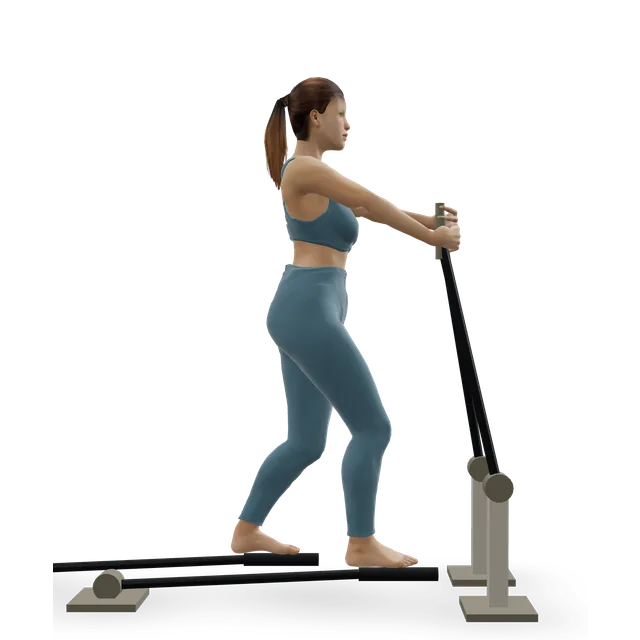
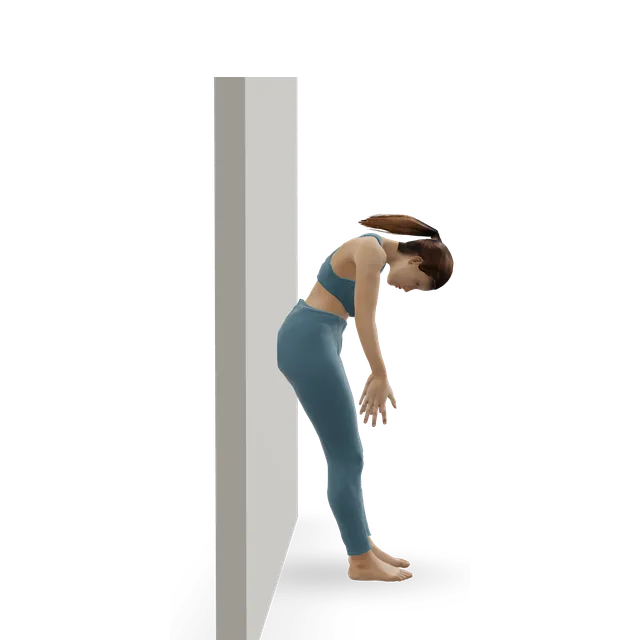
Deep manual therapy for the fat layerMixed evidence
A US standard of care recommends that lipoedema tissue be worked more deeply with myofascial release, other manual techniques or instrument tools, while considering patient tolerance and tissue integrity, and grades its own evidence low quality. That evidence is two pilots of 7 women each from one group, with no comparison group and the method's developers among the authors. In one, twelve 90-minute sessions over 4 weeks improved leg volume, function and average pain, with side effects including pain, bruising, itching and swelling; in the other, leg fat fell from 17.8 to 17.4 kg but pain scores didn't change. A 2026 review rests its grade on the same two pilots. It's a clinician's treatment in specialist care, not something to copy at home with a tool.
Sources 8, 9, 10, 21
Manual lymphatic drainageEmerging evidence
In 38 women, 5 days of drainage, pneumatic compression and bandaging eased pain more than moisturiser alone, and a similar course made small blood vessels less fragile. One session lowered pain and skin sodium straight afterwards in 15 women. The 2026 consensus says there's no evidence for drainage on its own, because it has only been studied alongside other treatments, and NICE says conservative treatment including drainage doesn't remove the abnormal fat. Lipoedema UK says many women report it helps pain and heaviness.
Sources 12, 22, 23, 2, 11, 20
Decongestive therapy and exerciseEmerging evidence
In 33 women with severe lipoedema, all did 30 exercise sessions, and adding decongestive therapy (drainage with compression) 5 times a week for 6 weeks improved leg volume, pain and function most. Across 6 small, varied studies of 115 women, exercise seemed to ease pain and improve function, more so with compression.
Sources 24, 13
CompressionEmerging evidence
The US standard of care says compression garments give comfort and reduce pain by supporting the tissues, and Lipoedema UK says they ease discomfort and heaviness. They don't reduce the fat. A pneumatic pump added nothing to decongestive therapy in a 5-day pilot of 24 women; in a trial of 46 women funded by the pump's maker, 30 days of a home pump reduced some leg measures against no pump, with no sham; and a device company's questionnaires reported less pain, with no comparison group.
Sources 8, 25, 26, 27, 28
DietMixed evidence
In 70 women with lipoedema and obesity, an 8-week low-carbohydrate diet of 1,200 calories a day led to 2.8 kg more weight loss and pain about 1 point lower out of 10 than a standard diet with the same calories. Ketogenic diet studies are small and mostly without a comparison group. The consensus calls lipoedema fat largely resistant to diet, while losing weight when obesity is also present may ease symptoms.
Sources 29, 30, 2
LiposuctionStrong evidence
In the LIPLEG trial of 410 women at 11 German centres (we read its summary), 68% after liposuction and 8% with conservative therapy had a fall in leg pain of at least 2 points at a year; side effects were 47% against 21%, and serious ones 8% against 3%. NICE's March 2022 guidance says liposuction for lipoedema should only be done as part of research, and NICE says a review of that guidance has started. Earlier studies without comparison groups reported lasting improvements, for 12 years in one group of 60 people.
Sources 14, 11, 31
Where the evidence is thin
We found no trial of fascia release or tools in lipoedema against a sham, the deep manual therapy pilots have 7 women each, and the drainage and compression trials are small and short. We read most studies' summaries (abstracts), not their full texts.