The seat and the pedals: guidance, not trialsEmerging evidence
No trial has tested a driving change for knee pain. An NHS trust's seating leaflet: knees slightly bent when the pedals are fully pressed, moving the seat forward or back to get it. Another trust: move the seat far enough forward to reach the pedals easily. An NHS health board: make sure your feet reach the pedals without stretching, and the seat isn't so long it presses behind your knee. NHS inform's advice for kneecap pain includes regular breaks from the activities that bring it on. An NHS pain clinic and Arthritis UK suggest an automatic if the clutch is a struggle.
Sources 13, 21, 17, 1, 22, 23
Strength is the main treatmentStrong evidence
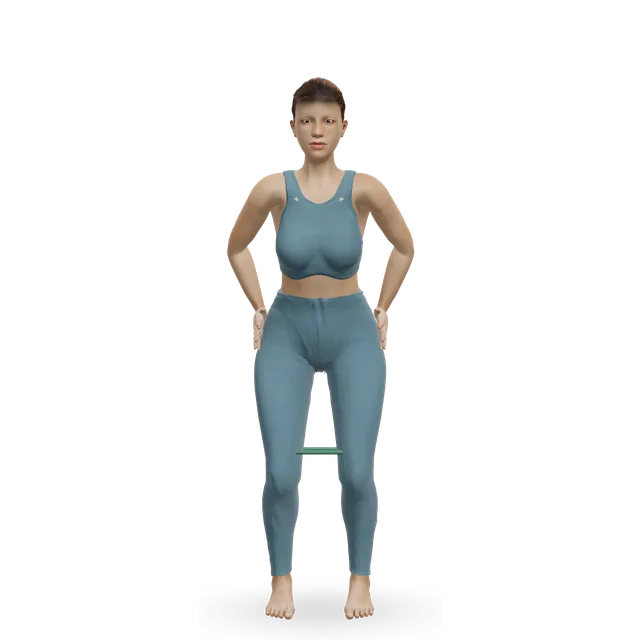
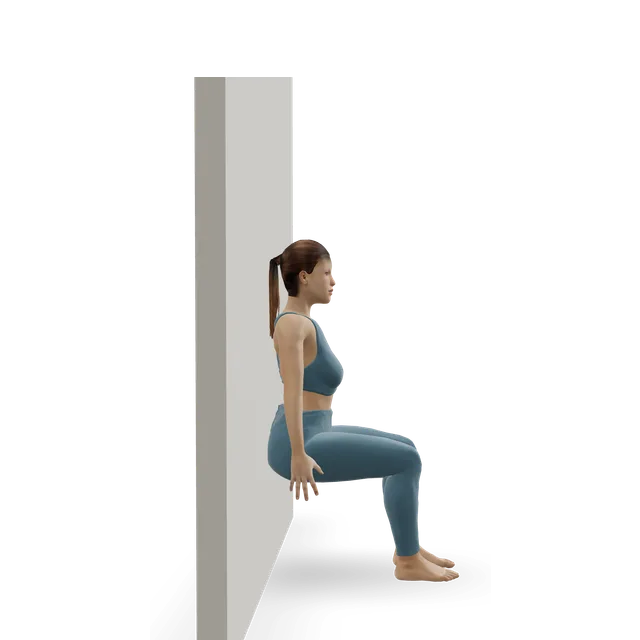
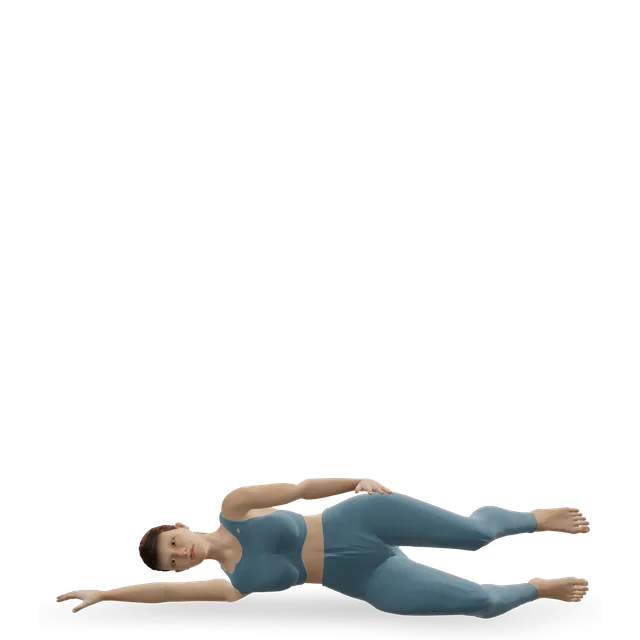
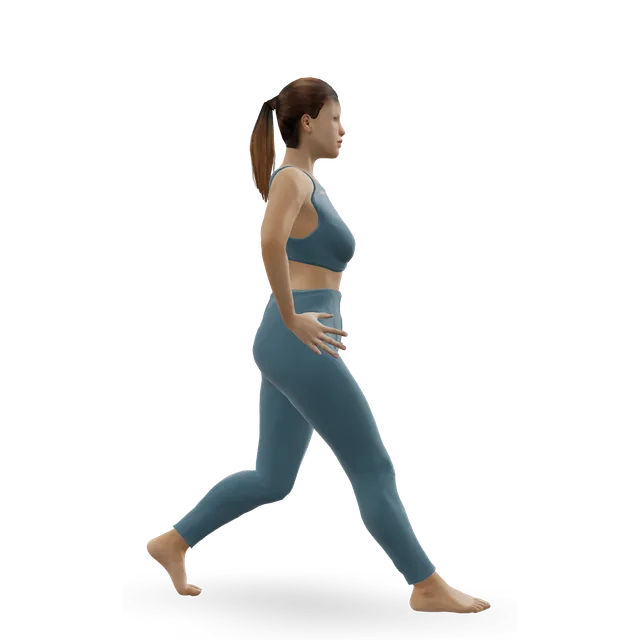
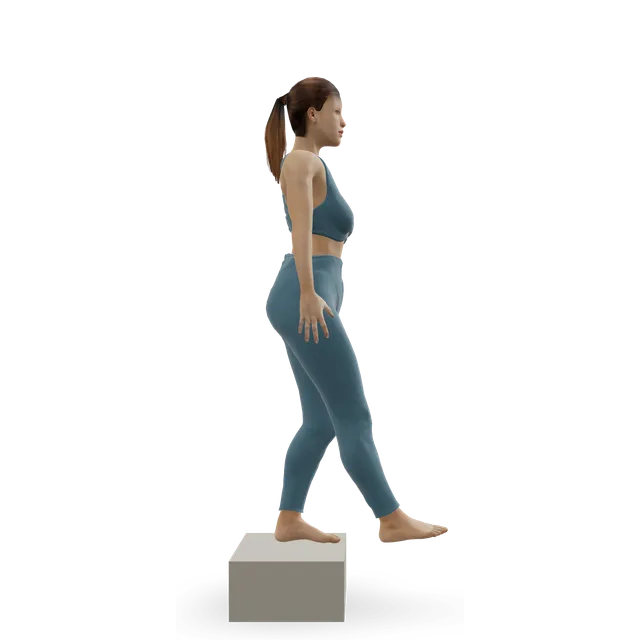
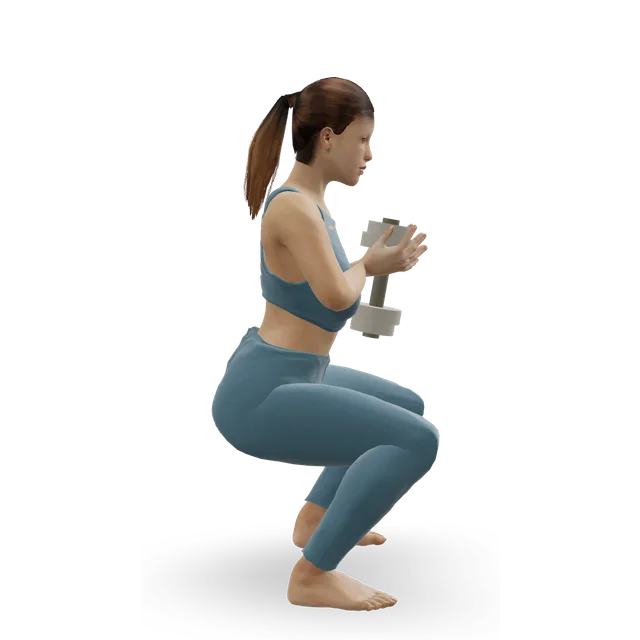
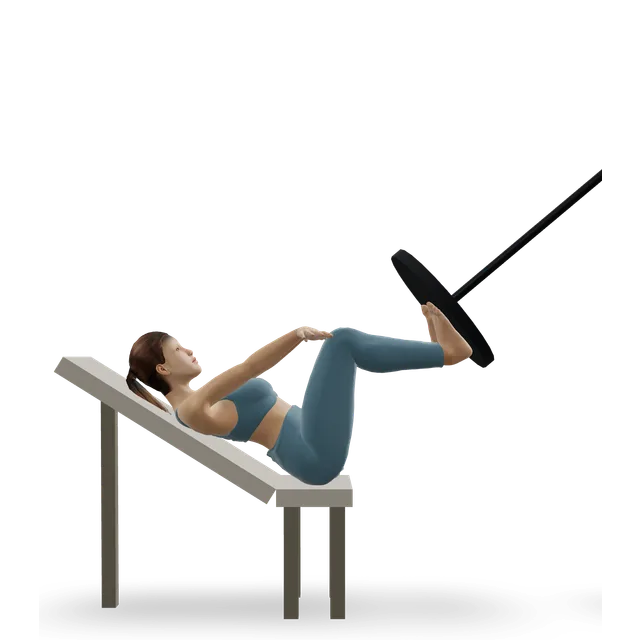
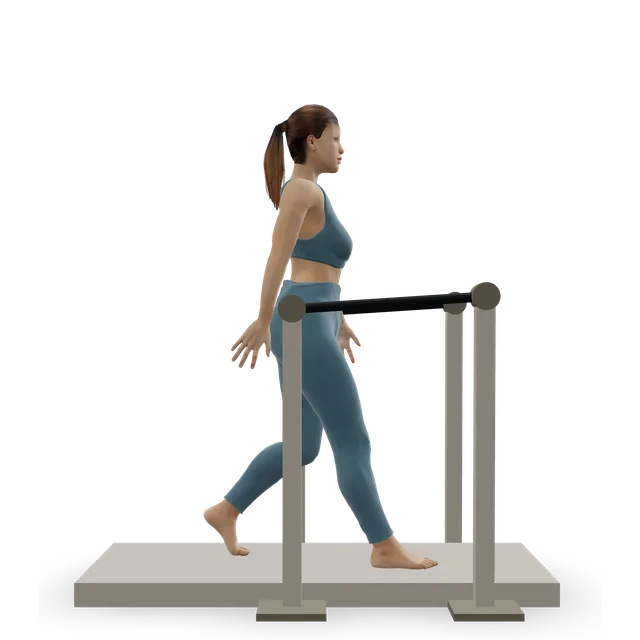
Hip and knee strengthening is the core treatment for kneecap pain in the international consensus and the US guideline, as our runner's knee and knee pain when sitting guides set out with their trial numbers. For knee arthritis, NICE says offer therapeutic exercise tailored to the person, such as local muscle strengthening and general aerobic fitness, and warns that joint pain may rise when you start. No trial has tested exercise for knee pain when driving.
Sources 3, 5, 19
After a knee replacement: braking comes back within weeks for mostEmerging evidence
These studies measured braking in simulators, mostly set up like an automatic car. Across 9 studies, braking was back to its level before surgery by about 4 weeks after a right and 2 weeks after a left knee replacement; across 12 studies, total braking time didn't differ from before surgery, but moving the foot from the accelerator to the brake was slower at 2 and 4 weeks and back from 6. Braking force fell by about a third in the first week after a right replacement in one study (and by a quarter after a left), and in another, pedal force and reaction time were back by 6 weeks. People with knee arthritis brake more slowly than people without it, even before surgery, and some ended up braking faster than before.
Recovered braking isn't readiness: of people back to their braking level 2 weeks after a right knee replacement, only 67% felt ready to drive. After a left replacement, right-foot braking barely changed, but only in an automatic car, because the left knee works the clutch. After a partial replacement, right-side braking was back by 6 weeks in one study (which carries an erratum we couldn't read).
Sources 24, 25, 26, 20, 27, 28, 29, 30, 31, 32
After ACL surgery or an arthroscopyEmerging evidence
Across 5 studies of ACL reconstruction, braking was back to normal about 4 to 6 weeks after a right-sided and 2 to 3 weeks after a left-sided operation, in automatic-car set-ups; the one study in a simulator with a clutch needed 4 to 6 weeks whichever side was operated on. People actually drove again after an average of 13 days (right) and 10 days (left), well before braking had recovered. The kind of graft changed the timing in one small study.
After a right knee arthroscopy, braking slowed from 736 milliseconds before the operation to 920 at 1 week, and was 685 at 4 weeks; pooled across arthroscopy studies, it met its baseline after about 6 weeks.
Sources 33, 34, 35, 36, 37, 38, 39
In a cast, a boot or a braceEmerging evidence
In healthy volunteers braking with the right leg, an above-knee cast added almost 3 metres to stopping distance at 30 miles per hour, and a walking boot or short cast slowed braking too (from 0.580 seconds in a shoe to 0.619 in a walker boot in one study). A brace that limits knee bending slowed braking, but a kneecap brace, a ligament brace, an unloading brace for arthritis and an elastic bandage didn't. These are simulator studies in volunteers, not patients.
Sources 40, 41, 42, 43
What these studies mean, and long journeysStrong evidence
Braking studies give a best case for when people can return to driving, and people often drive before their braking has recovered. The studies' own suggestions average about 5 weeks after knee surgery but vary, surgeons are told to weigh other factors too, and one study's authors say categorical statements can't be made. They are small, mostly automatic set-ups, and some disagree: never permission to drive.
Long journeys raise the risk of a clot a little: about 18% more for each extra 2 hours of travel by any means, with car journeys similar to flights, in studies of all kinds of travel rather than car data. After surgery the risk is higher, so ask your team before a long journey.
Sources 44, 45, 24, 26, 46, 47, 18