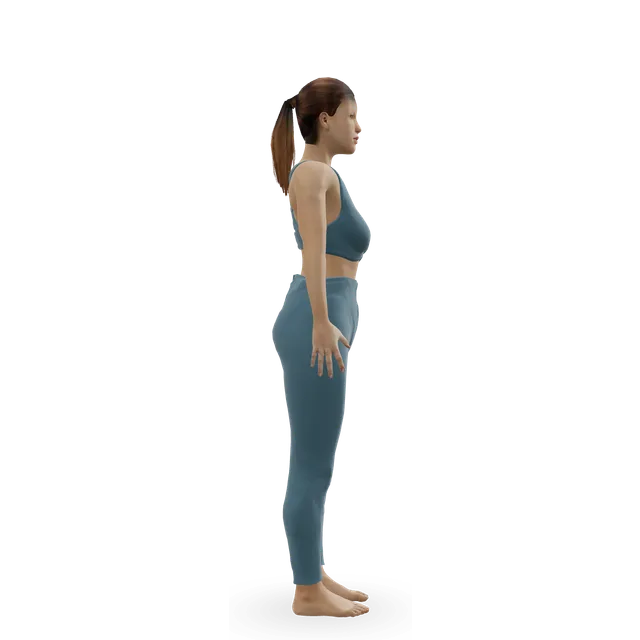
Why sitting can make a knee ache
Kneecap (patellofemoral) pain is pain around or behind the kneecap made worse by activities that load the knee while it's bent, such as squatting, stairs, running, hopping or jumping. Pain after sitting for a while with the knees bent, driving or at the cinema, is a typical feature, NHS inform and the American Academy of Orthopaedic Surgeons (AAOS) say, and a review notes that people with it often ask for an aisle seat so they can straighten the leg. The map above points to a likely cause; an examination decides.
Sources 1, 2, 3, 4
Kneecap pain and the cinema signEmerging evidence
Of 458 people with kneecap pain, 249 (54.4%) reported problems with long sits, and another 121 (26.4%) pain when sitting after exercise. An international consensus statement lists pain on sitting, on rising after sitting, or on straightening the knee after sitting as a supporting sign rather than an essential one. Reviews call it the theatre or moviegoer sign, and an NHS trust leaflet "cinema goers' knee". No study has measured how accurate the sign is, and a review found no test for kneecap pain reliable on its own.
Sources 5, 1, 6, 7, 8, 9, 10
Who gets itEmerging evidence
In a review of 23 studies, 22.7% of the general population and 28.9% of adolescents reported kneecap pain over a year. In the 458-person study, those with sitting problems were younger, more often women, and had more pain overall. From mid-life, stiffness after sitting is more often arthritis (below).
Sources 11, 5
Stiffness after sitting from mid-life: arthritisStrong evidence
The NHS describes osteoarthritis as bringing increased pain and stiffness when you haven't moved your joints for a while, and NHS inform says the stiffness is often worse in the morning or after resting. The National Institute for Health and Care Excellence (NICE) diagnoses it without tests from age 45 in someone with activity-related joint pain and no morning stiffness, or stiffness lasting 30 minutes or less. In interviews with 12 people with knee arthritis, both too little and too much activity made the stiffness worse. No study has measured how long stiffness after sitting usually lasts.
Sources 12, 13, 14, 15
Pain behind the knee, and numbness after crossing your legsEmerging evidence
Pain behind the knee has many causes, from the hamstring and calf tendons to the back of the meniscus, a review says. A Baker's cyst is a fluid-filled swelling behind the knee; the NHS says a leg that suddenly becomes more painful or swollen, with warm or red skin, can mean it has burst, or a clot, and needs an urgent check. Crossing your legs, kneeling or squatting for long periods can injure the nerve that lifts the foot, the NHS says, causing foot drop.
Sources 16, 17, 18
Does sitting with bent knees harm them?Mixed evidence
The evidence is mixed, and none of it can show cause and effect. In a case-control study in Tehran of 480 people with knee arthritis, who were asked to recall a lifetime of daily activities, sitting on the floor and long standing weren't linked with knee arthritis, but long spells of squatting and cycling were. In 2,034 US adults followed for 10 years, more measured sitting time went with slightly fewer knee symptoms later, but knee symptoms also predicted sitting less later, and many of the links disappeared when people with other conditions were left out. A survey of 22,948 Korean adults over 50 found that more than 10 hours of sitting a day went with more long-term knee pain.
So these studies can't say whether sitting itself helps or harms the knee. For kneecap pain, an X-ray doesn't settle it either: in a 5 to 8 year follow-up, 48 of 50 people with lasting kneecap pain had no arthritis on X-ray. Sitting less is good for your general health, the NHS says, which is a reason to break up long sits whatever the knee research shows.
Sources 19, 20, 21, 22, 23
Standing up from a chair: what small lab studies showEmerging evidence
Standing up loaded instrumented knee replacements in 5 people to 246% of body weight, a little less than walking (261%) and much less than going down stairs (346%). A review of lab studies found that a higher seat cut the effort at the knee by up to 60%, and armrests cut the effort at the hip by half; in 8 healthy young adults, seats between 10 and 40 cm high made little difference, and higher ones less effort. In 8 people with knee arthritis, lower seats needed more thigh muscle work to stand up.
From these small studies, our suggestion is a higher seat with armrests while the knee is sore, then practising from lower seats as you get stronger. This advice has never been tested as a treatment.
Sources 24, 25, 26, 27
Tests and scansStrong evidence
Kneecap pain is recognised from the history and examination. The best available test is pain at the front of the knee when you squat: the consensus statement says 80% of people with that pain have kneecap pain, though no test settles it on its own. NICE advises against routine imaging for knee arthritis in people over 45 with typical symptoms. An X-ray doesn't explain kneecap pain: in a long follow-up, almost everyone with lasting pain had no arthritis on X-ray. A knee that locks, gives way or has changed shape is different, and needs advice from NHS 111, the NHS says.
Sources 1, 10, 14, 22, 28
How it usually goesEmerging evidence
In 40 young women with kneecap pain, 85% were back to sport without pain a year after a 12-week programme, with no untreated group to compare. NHS inform suggests talking to a professional if kneecap pain hasn't improved within 6 weeks, and an NHS trust leaflet expects improvement over 3 to 6 months. But in a 5 to 8 year follow-up, 57% of those who replied still reported an unfavourable recovery, and pain for more than a year at the start predicted a slower one; only 19% replied, so the true figure is uncertain. NHS inform says most new knee problems begin to settle within 6 weeks. No one can promise a date.
Sources 29, 22, 2, 9, 30